
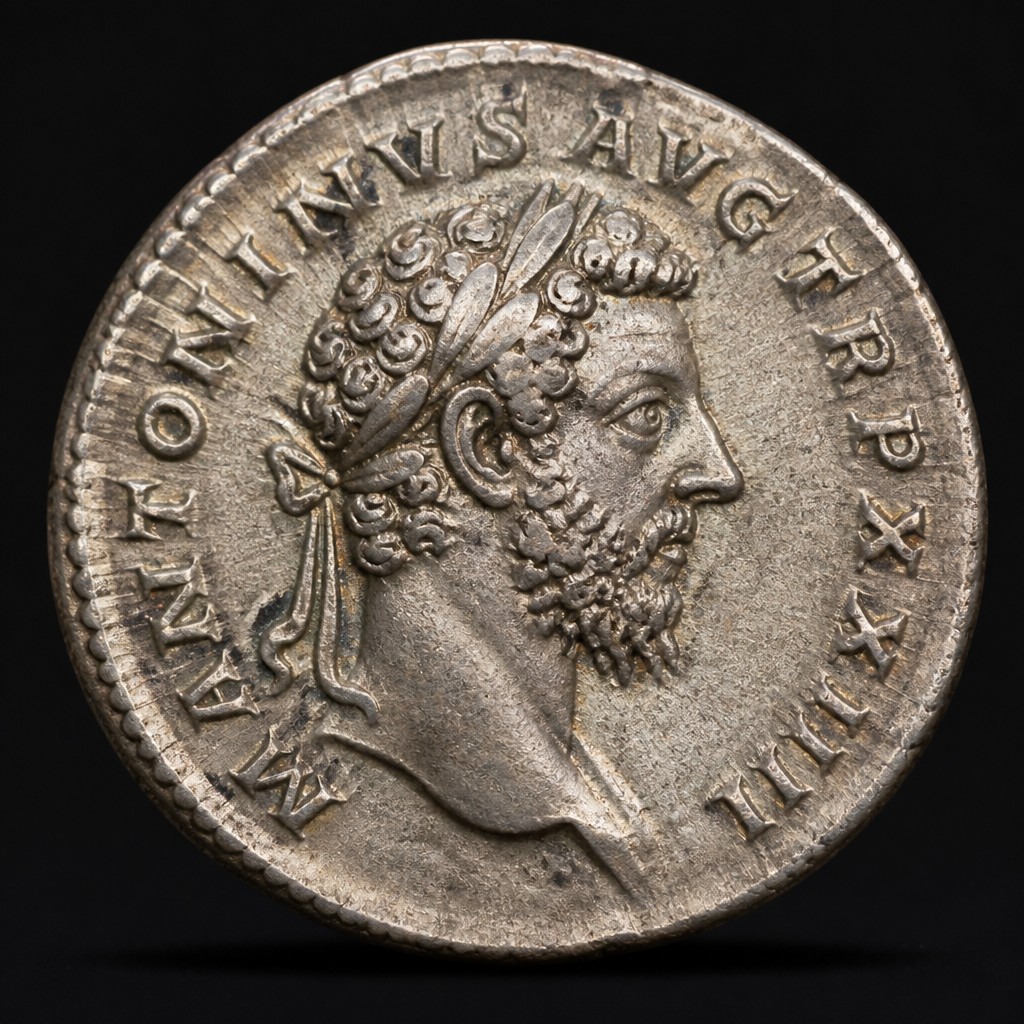
Marcus Aurelius Denarius
The silver coin of the philosopher-emperor Marcus Aurelius, struck during years of war and plague, reflecting a reign celebrated for its Stoic ideals amid crisis.
- Country
- Roman Empire
- Denomination
- Denarius
- Metal
- Silver (approx. 75-79% fine)
Got a coin like this?
Identify any coin from a photo, free.
Overview
The Marcus Aurelius denarius connects collectors to one of Rome's most philosophically admired rulers, whose personal writings, the Meditations, remain widely read today. His coinage was struck during a turbulent period marked by the Marcomannic Wars along the Danube frontier and the devastating Antonine Plague, giving the series a somber historical backdrop despite its often conventional imperial imagery.
Collectors value the coin both for its connection to Marcus Aurelius's enduring reputation as a thoughtful, dutiful ruler and for its place in the gradual decline of Roman silver purity, as the denarius under his reign continued a slow debasement trend that would accelerate dramatically in the following century.
History & Background
Marcus Aurelius ruled from AD 161 to 180, initially sharing power with his adoptive brother Lucius Verus until Verus's death in AD 169, after which he ruled alone until his own death. His reign is remembered for near-constant warfare along the Danube frontier against Germanic and Sarmatian tribes in what are known as the Marcomannic Wars, as well as the Antonine Plague, a pandemic likely of smallpox or measles that killed a significant portion of the empire's population.
Despite these crises, Marcus Aurelius became renowned in later centuries as a philosopher-emperor, having composed the Meditations, a personal collection of Stoic philosophical reflections written largely during his military campaigns. His coinage reflects the practical demands of his reign, funding military operations and maintaining the state's finances during years of significant strain.
His reign also saw continued gradual reduction in the silver content of the denarius, part of a longer-term trend across the 2nd and 3rd centuries as the costs of defending and administering the empire grew. He was succeeded by his son Commodus in AD 180, whose troubled reign is often seen by historians as marking a decline from the stability of the preceding "Five Good Emperors."
How to Identify
The obverse shows Marcus Aurelius's bearded portrait, generally laureate, with a legend listing his lengthy imperial and honorific titles, which were updated over his reign and can help date individual issues through his tribunician power (TR P) count. His beard, worn in the philosophical style associated with Hadrian's earlier fashion, is a helpful general visual cue for the period.
Reverse types include a wide range of deities, personifications, and military themes appropriate to a reign dominated by warfare, such as Concordia, Providentia, Fortuna, and Mars, along with types marking specific imperial anniversaries or military victories. Legends typically name the specific figure or virtue depicted.
The coin follows the standard small Roman silver denarius size of roughly 17-18mm, though by this period the silver content had noticeably declined compared to earlier 1st-century issues, sometimes giving the coin a slightly duller appearance. Collectors distinguish Marcus Aurelius's coinage from that of his co-emperor Lucius Verus or his son Commodus primarily through the specific portrait and inscribed titles.
Value & Collectibility
Marcus Aurelius denarii are relatively common on the ancient coin market due to his lengthy reign and substantial coinage output, with typical examples in worn to moderate grade often available for under a couple hundred dollars. This makes the series accessible for collectors interested in owning a coin connected to a historically celebrated emperor.
Well-struck, high-grade examples with a sharp, characterful portrait, along with scarcer reverse types tied to specific historical events or shorter production runs, can command meaningfully higher prices. As with most ancient silver coinage, strike quality, centering, and attractive toning significantly affect desirability and value.
Frequently asked questions
Why is Marcus Aurelius called the 'philosopher-emperor'?
He wrote the Meditations, a personal collection of Stoic philosophical reflections composed largely during his military campaigns, and is remembered for his thoughtful, dutiful approach to rule.
What challenges did his reign face?
His reign was marked by the Marcomannic Wars along the Danube frontier and the devastating Antonine Plague, a pandemic that significantly affected the empire's population.
Was the silver content of his denarius pure?
No, by his reign the denarius's silver fineness had declined to roughly three-quarters silver, part of a longer trend of gradual Roman coin debasement.
Who succeeded Marcus Aurelius?
His son Commodus succeeded him in AD 180, a reign often viewed by historians as a decline from the preceding period of stable rule.
Are Marcus Aurelius denarii easy to find?
Yes, they are relatively common due to his long reign, making them accessible to collectors in typical worn to moderate grades.
Other coins you may enjoy
Theodosius I Solidus
379–395 AD
Republican Victoriatus
c. 211–170 BC
Islamic Gold Dinar (Umayyad)
c. 696–750 AD
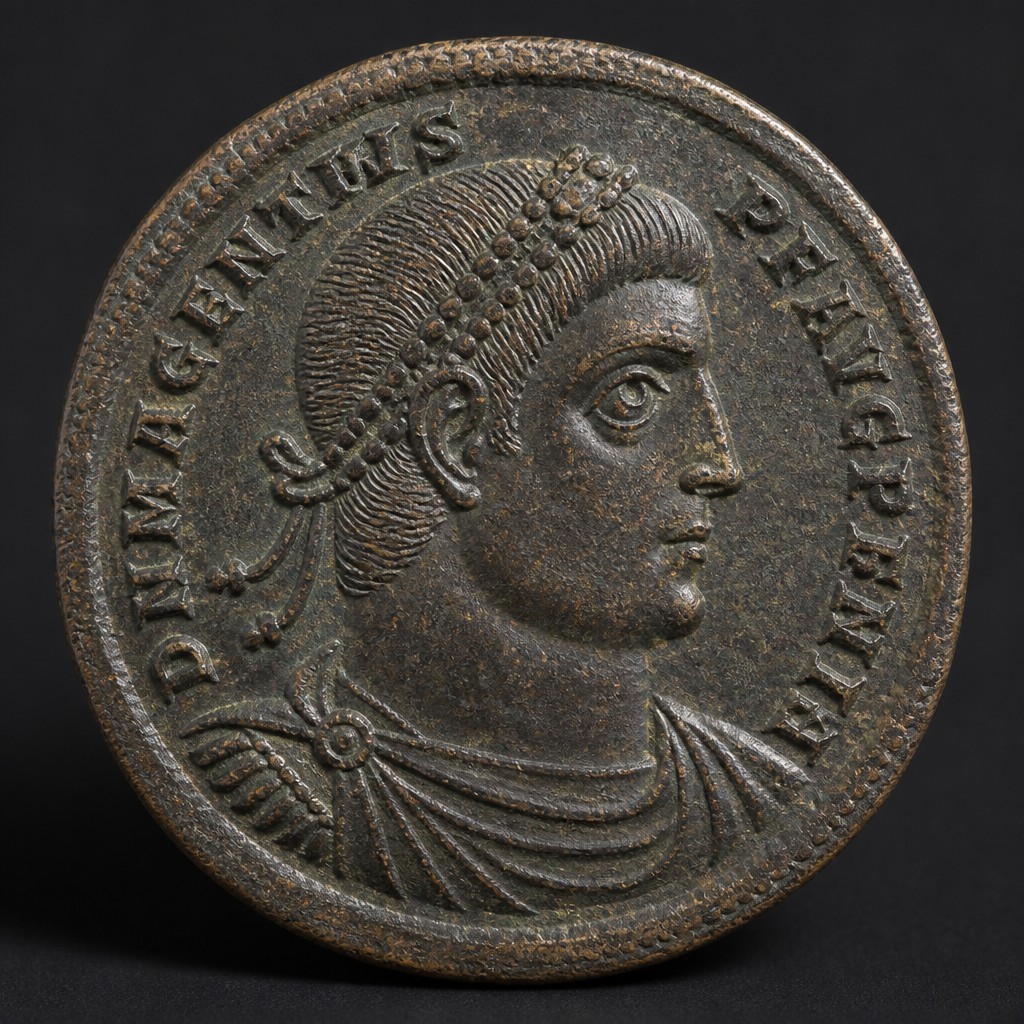
Magnentius Double Centenionalis
350–353 AD
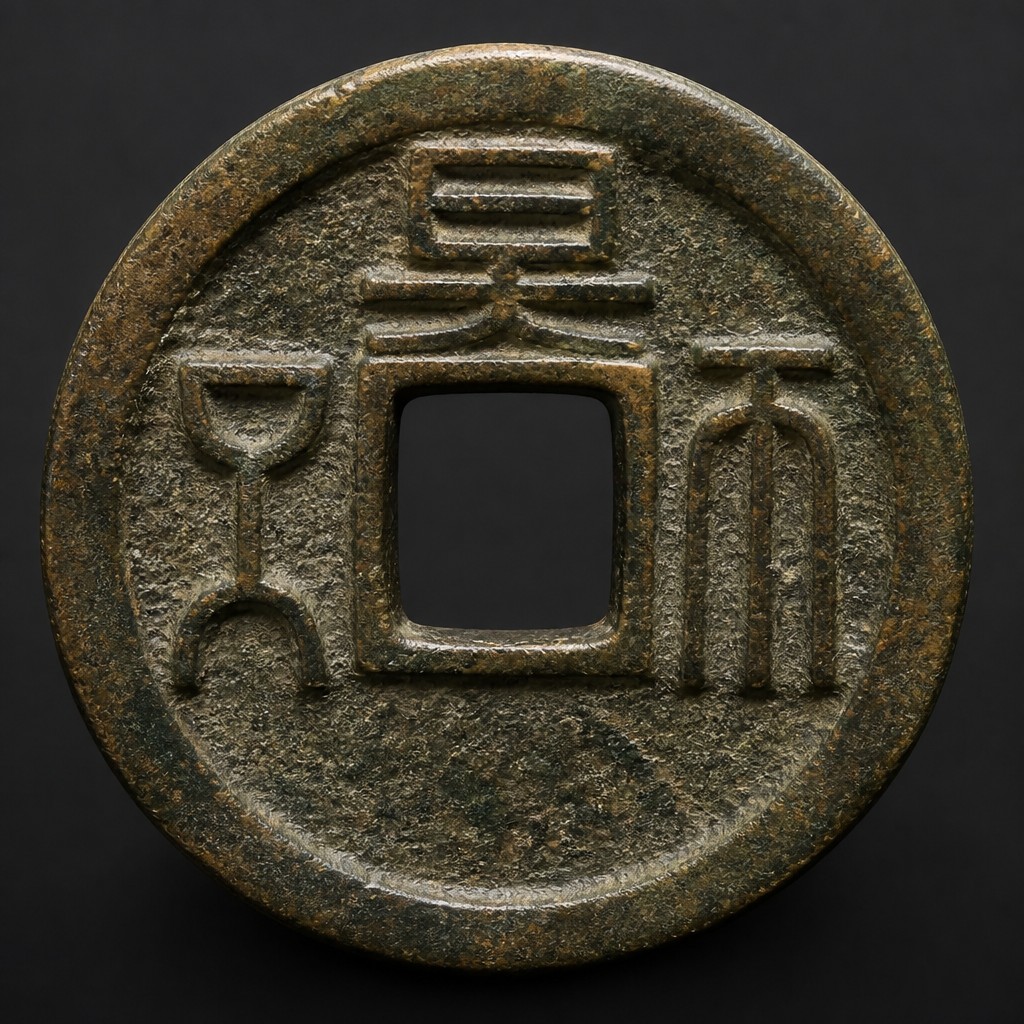
Chinese Wu Zhu Cash
118 BC – 618 AD
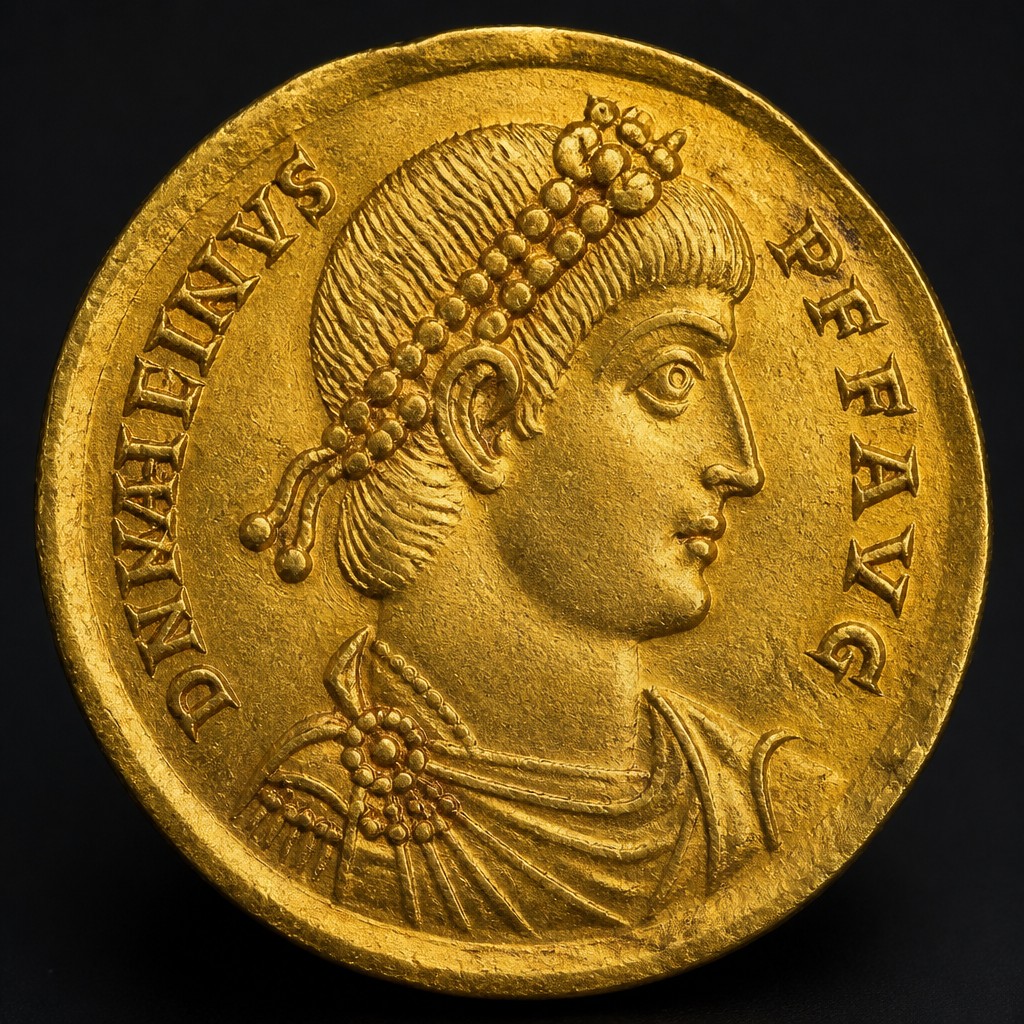
Valentinian I Solidus
364–375 AD
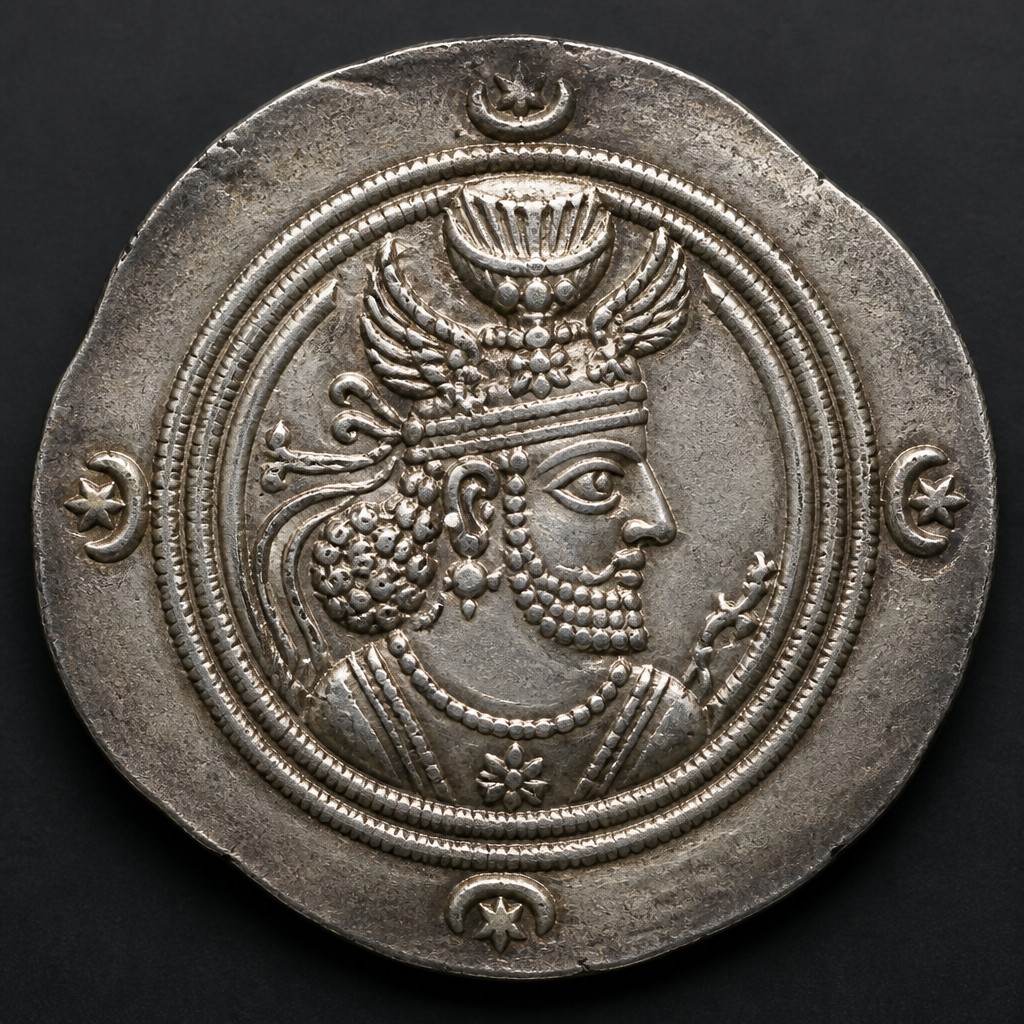
Sassanian Silver Drachm
c. 224–651 AD
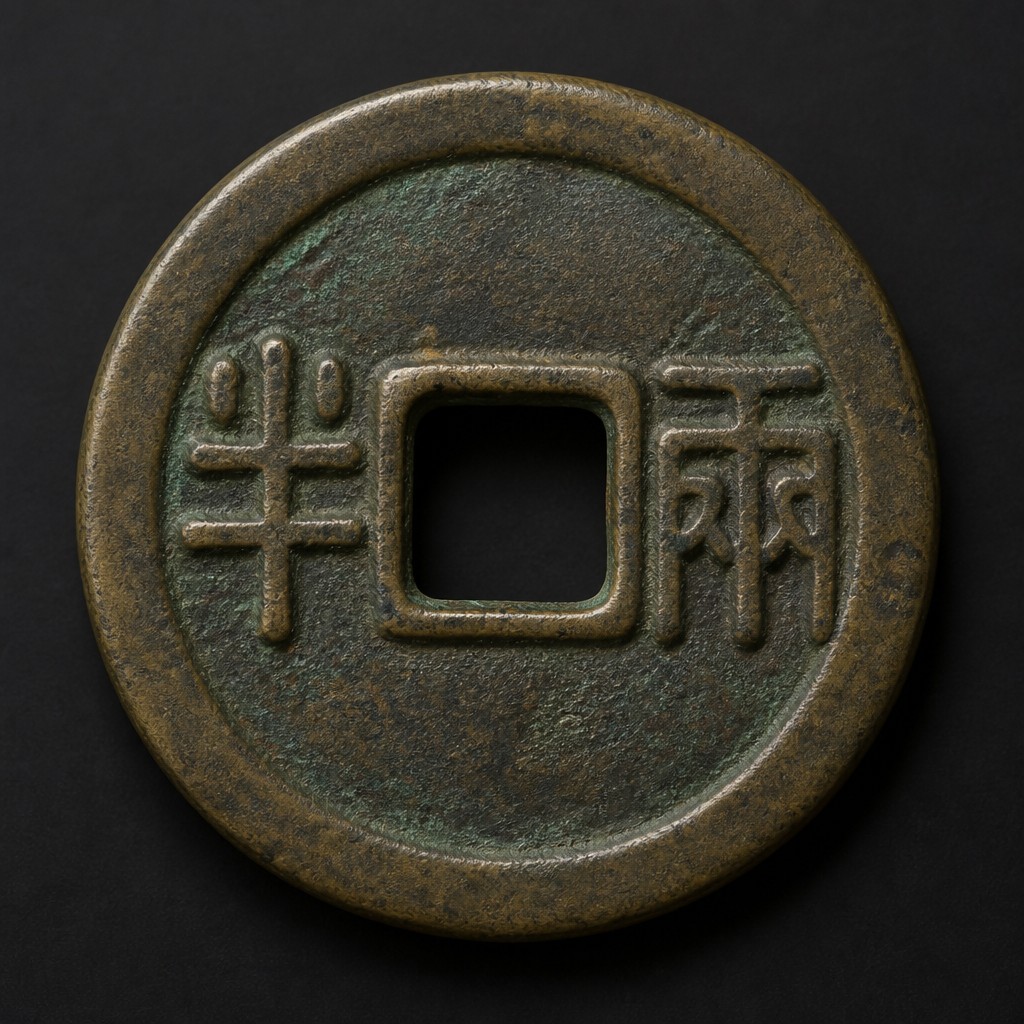
Chinese Ban Liang Cash
c. 221–118 BC
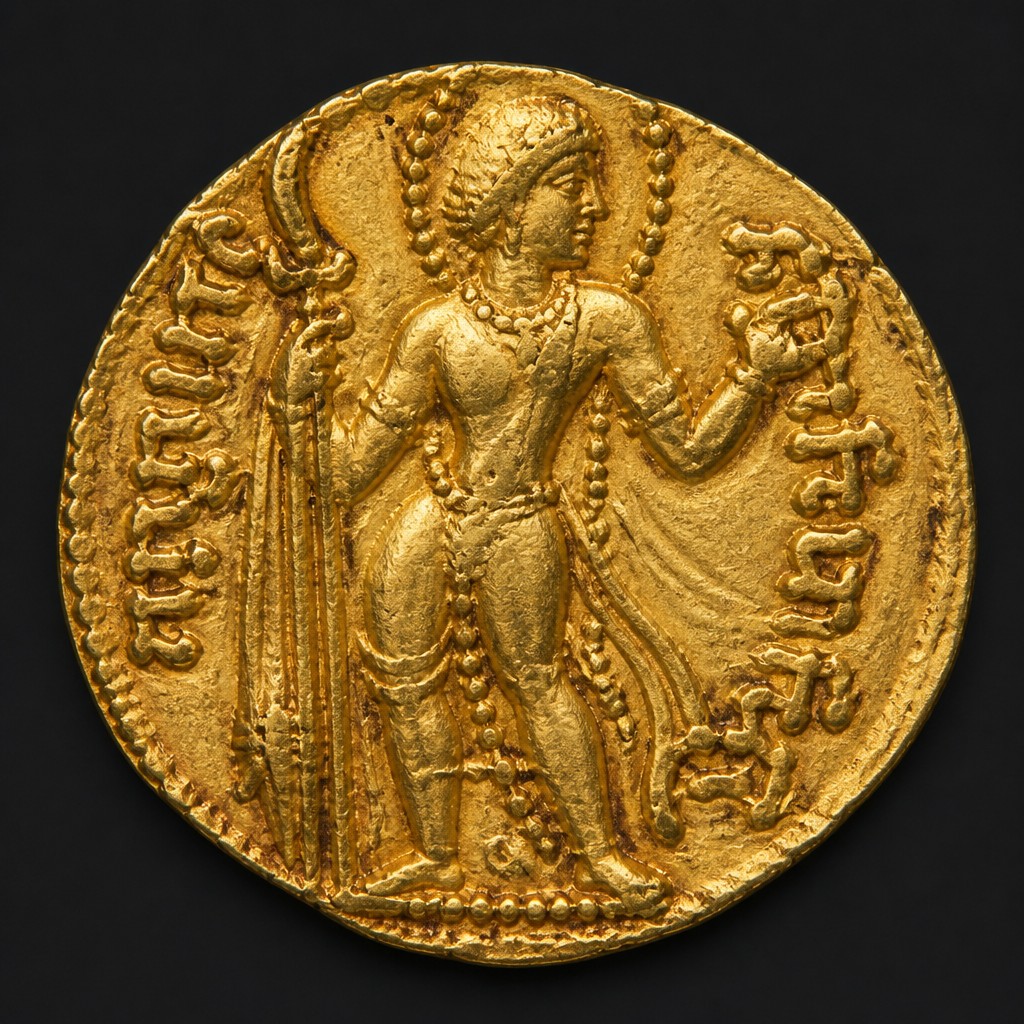
Gupta Empire Gold Dinar
c. 320–550 AD
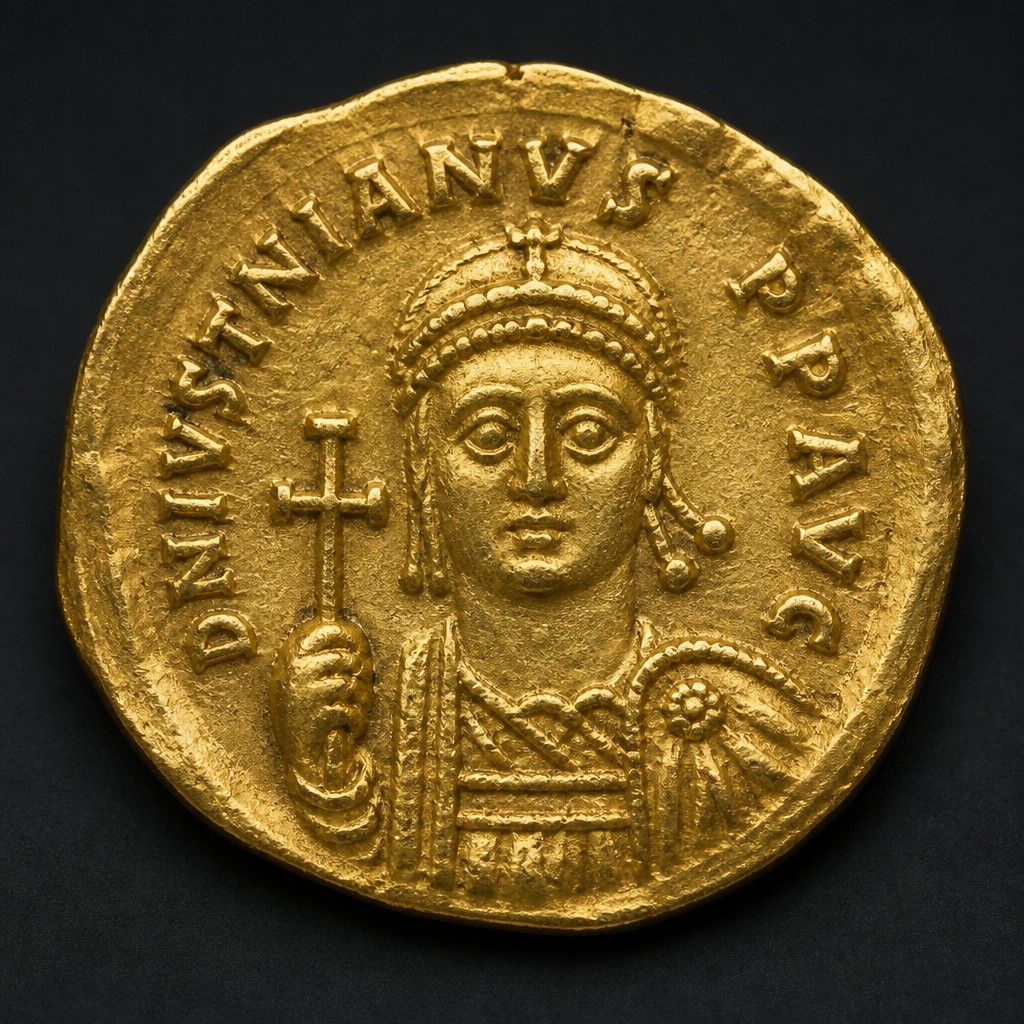
Byzantine Gold Tremissis
c. 4th–7th century AD
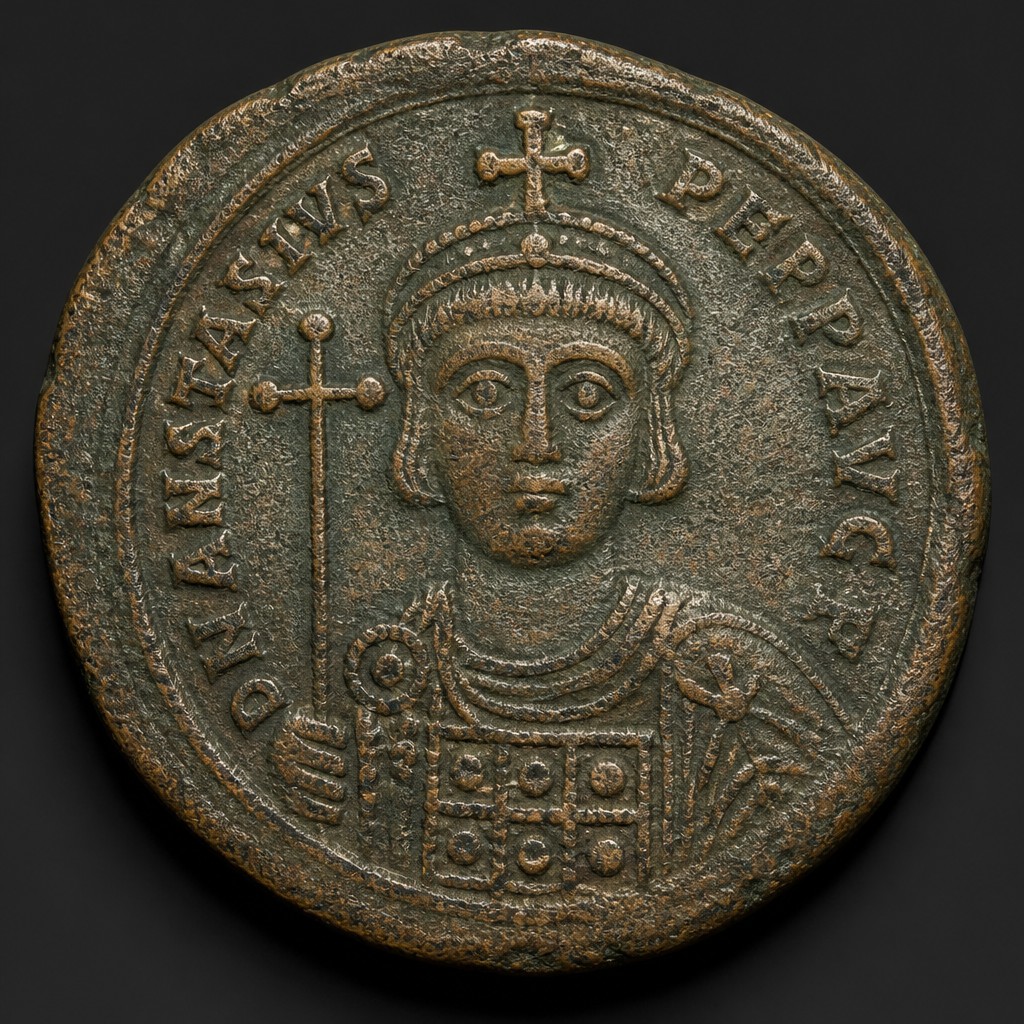
Byzantine Follis
498–c. 11th century AD
Celtic Gold Stater
c. 3rd century BC – 1st century AD