
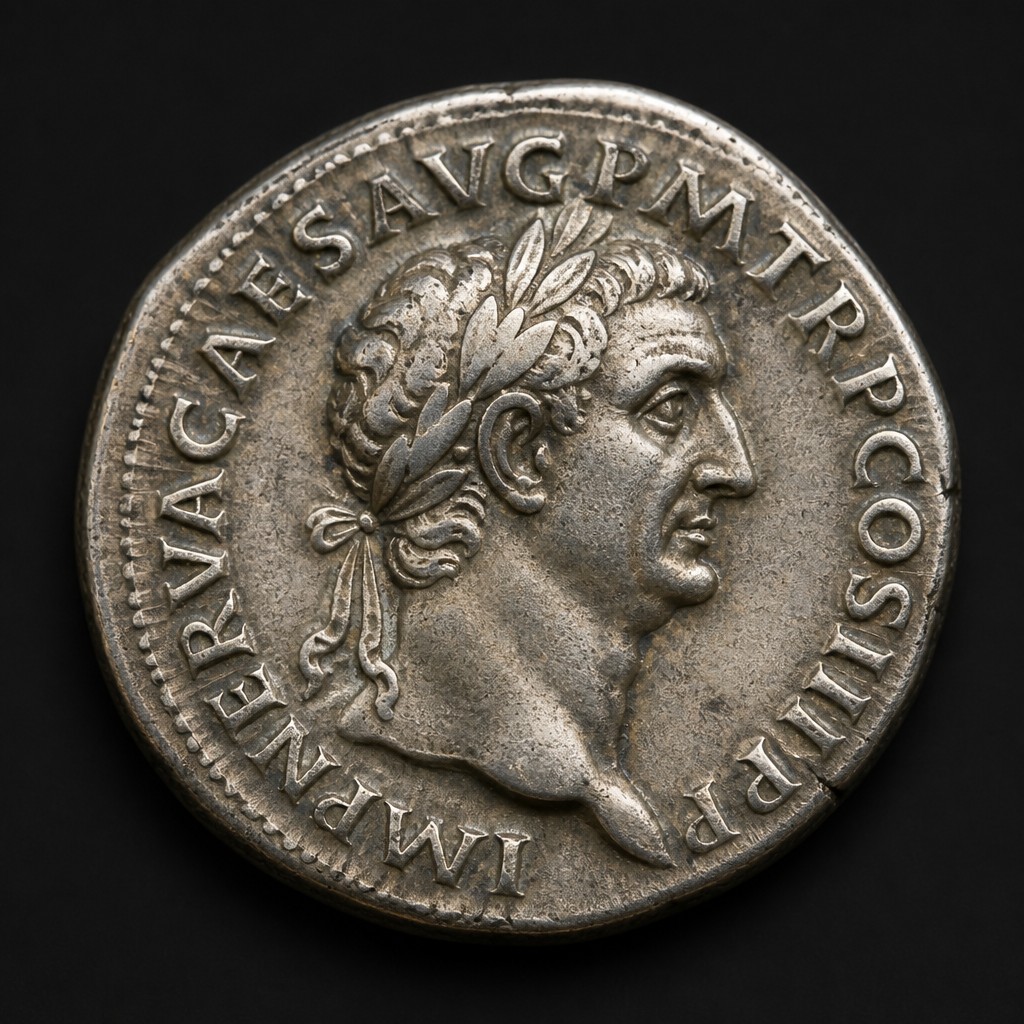
Nerva Denarius
Silver denarius of the elderly senator Nerva, first of Rome's "Five Good Emperors," whose brief reign is best remembered for adopting Trajan as his successor.
- Country
- Ancient Rome
- Denomination
- Denarius
- Metal
- Silver (approx. 90%)
Got a coin like this?
Identify any coin from a photo, free.
Overview
Nerva's denarius represents one of the shortest reigns among the major imperial issues, yet it holds an outsized place in Roman history as the opening chapter of the celebrated "Five Good Emperors" era of relatively stable, competent rule. Because his time on the throne lasted barely sixteen months, genuine Nerva coinage is scarcer than that of most other well-known emperors.
His reverse types emphasize themes of concord, liberty, and stability, reflecting the political messaging needed after the turbulence of Domitian's assassination and the delicate transition that followed. Collectors of the Nerva-Antonine dynasty often seek his coins as a foundational, comparatively hard-to-find piece for a type set of the era.
Despite the brevity of his reign, Nerva's decision to adopt the general Trajan as his heir is considered one of the most consequential acts of any Roman emperor, setting a precedent for merit-based succession that lasted through several subsequent reigns.
History & Background
Marcus Cocceius Nerva was a respected senator and legal expert, already elderly, when the Senate elevated him to the throne within hours of Domitian's assassination in September 96 AD, seeking a safe, non-threatening figure to stabilize the state. His reign proved difficult, however, as he lacked strong military backing and faced a mutiny by the Praetorian Guard demanding punishment of Domitian's killers.
To secure his position and the empire's future, Nerva adopted the popular general Marcus Ulpius Traianus (Trajan) as his son and successor in late 97 AD, a decision that effectively began the practice of adoptive succession among capable heirs rather than strict hereditary transfer, a pattern credited with much of the stability of the following century.
Nerva died of natural causes in January 98 AD, having reigned only about sixteen months, and was succeeded peacefully by Trajan, who went on to expand the empire to its greatest territorial extent.
How to Identify
The obverse shows the laureate head of the elderly Nerva facing right, generally with a legend such as IMP NERVA CAES AVG P M TR P COS, reflecting his advanced age compared to most other emperors depicted on coinage. Reverse types commonly include clasped hands (Concordia), Libertas, Fortuna, Aequitas, and Providentia, chosen to project stability and reassurance during an uncertain transition.
The denarius is a typical small silver coin of about 3 to 3.5 grams and roughly 18mm across, consistent with the standard of the period. His portrait style, with a notably aged, careworn face, distinguishes his coins immediately from the youthful or middle-aged imagery used for most other emperors.
Because his reign lasted little more than a year, the number of distinct types and dies is smaller than for most emperors, which helps specialists catalog his coinage fairly precisely; buyers should still be alert to the general risks of ancient coin forgery given his coins' desirability.
Value & Collectibility
Nerva denarii are more difficult to find than coins of longer-reigning emperors, and this relative scarcity is reflected in generally higher baseline prices even for common reverse types, often running from several hundred dollars upward for collectible grades. Well-struck, attractively toned examples command a further premium.
Because Nerva is a pivotal historical figure yet a minor presence in the physical coin population, demand from collectors assembling a complete run of Roman emperors' portrait coinage keeps his denarii persistently sought after.
As with all ancient silver, sharpness of portrait, centering, and freedom from excessive wear or corrosion are the primary drivers of price beyond basic type rarity.
Frequently asked questions
Why is Nerva historically important despite ruling only briefly?
He adopted Trajan as his heir, establishing a pattern of adoptive succession that brought a century of relatively stable, capable rule to Rome.
Is Nerva coinage rare?
It is scarcer than coinage of longer-reigning emperors due to his short sixteen-month reign, though genuine examples are available through ancient coin specialists.
What does the clasped-hands reverse type mean?
It represents Concordia, the personification of harmony, used to project political stability during Nerva's uncertain transition to power.
How old was Nerva when he became emperor?
He was already elderly, likely in his mid-sixties, one of the oldest men to become Roman emperor, which is often reflected in his distinctly aged coin portraits.
Other coins you may enjoy
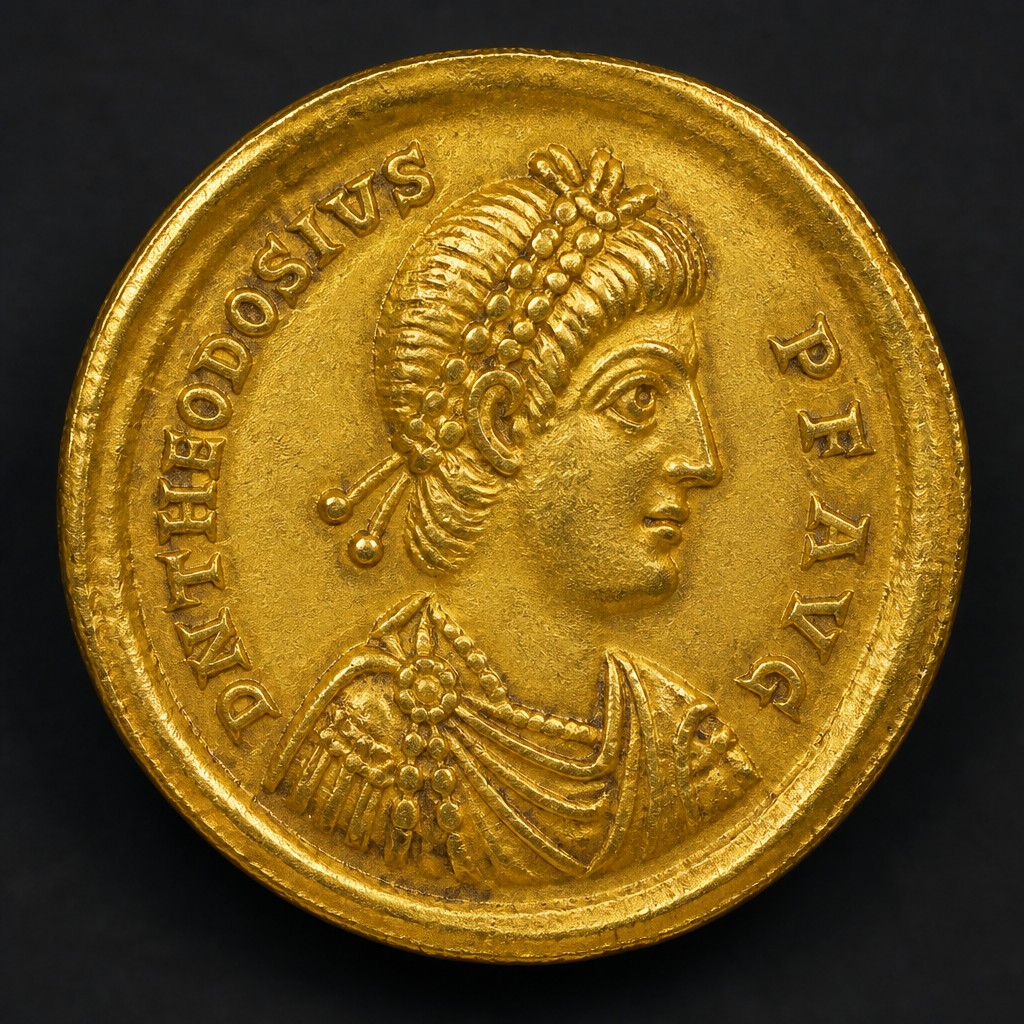
Theodosius I Solidus
379–395 AD
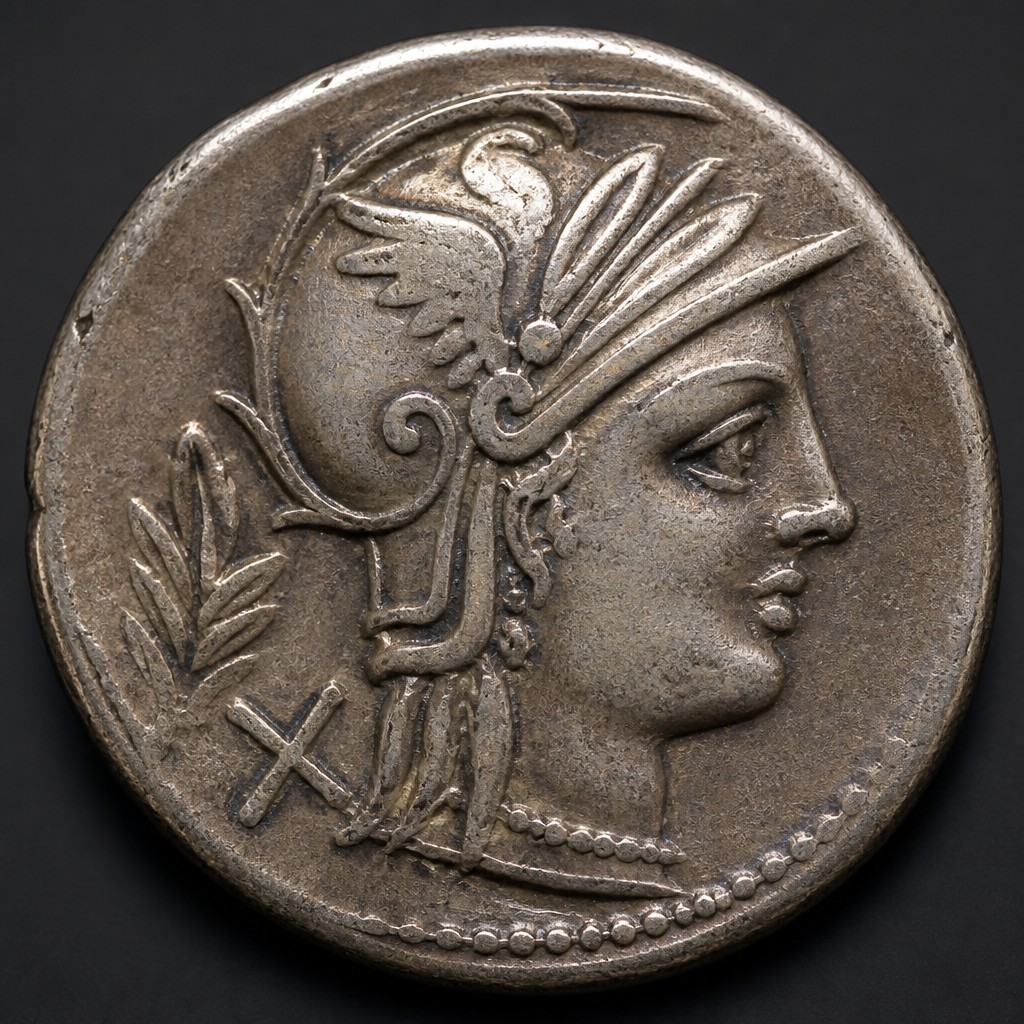
Republican Victoriatus
c. 211–170 BC
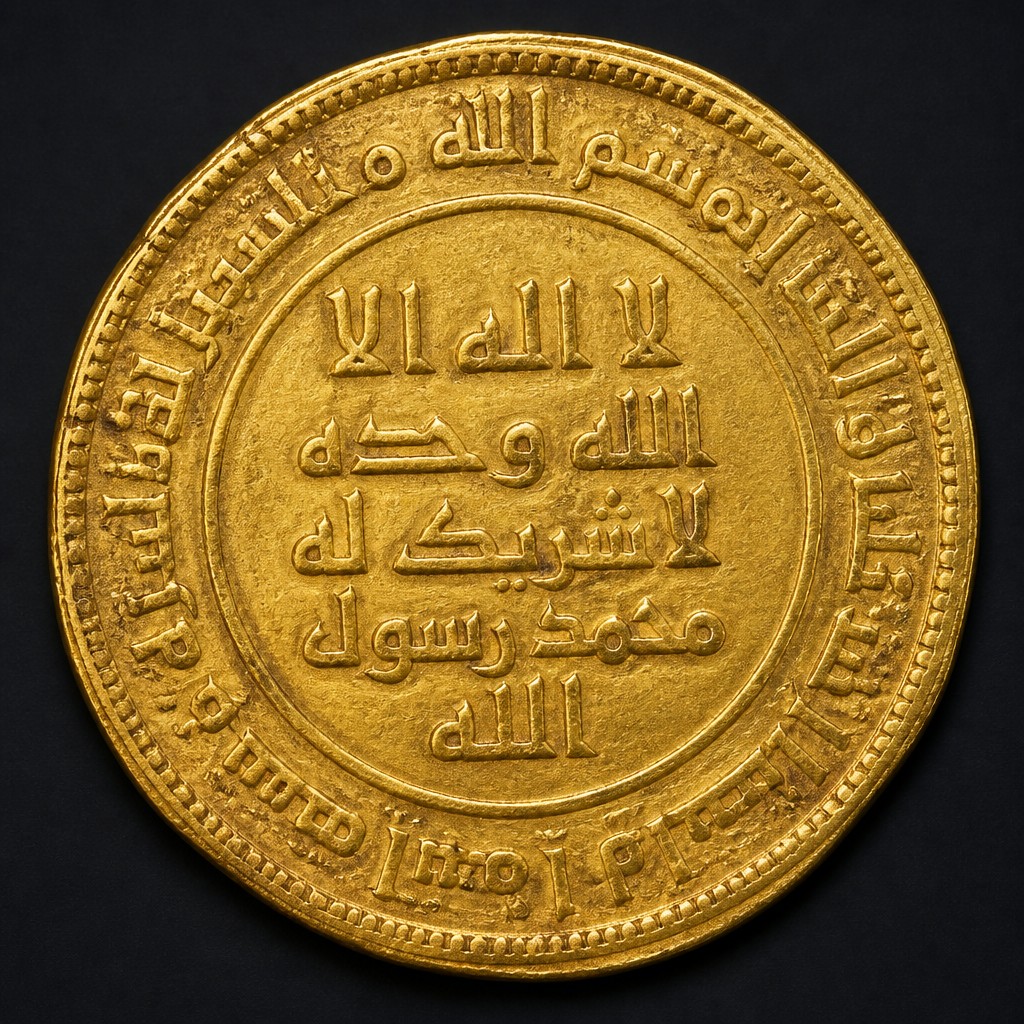
Islamic Gold Dinar (Umayyad)
c. 696–750 AD
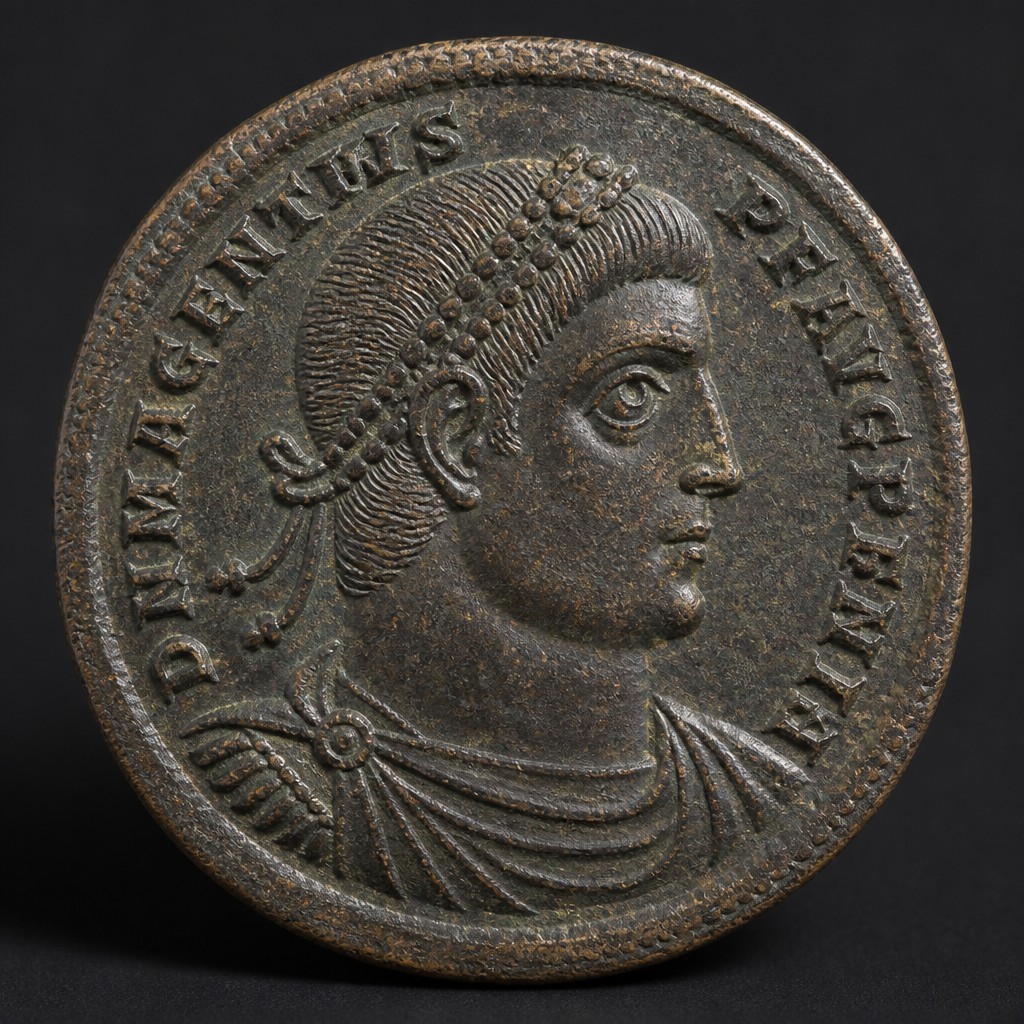
Magnentius Double Centenionalis
350–353 AD
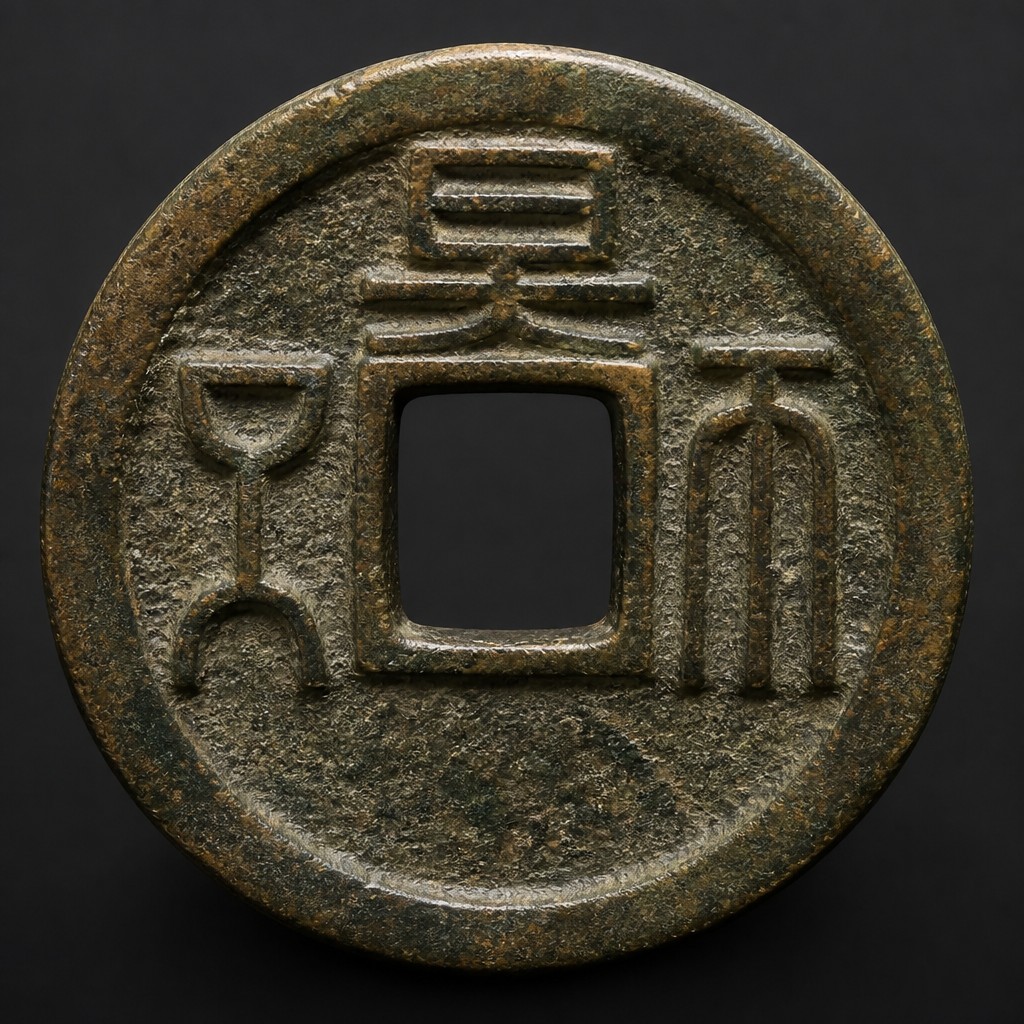
Chinese Wu Zhu Cash
118 BC – 618 AD
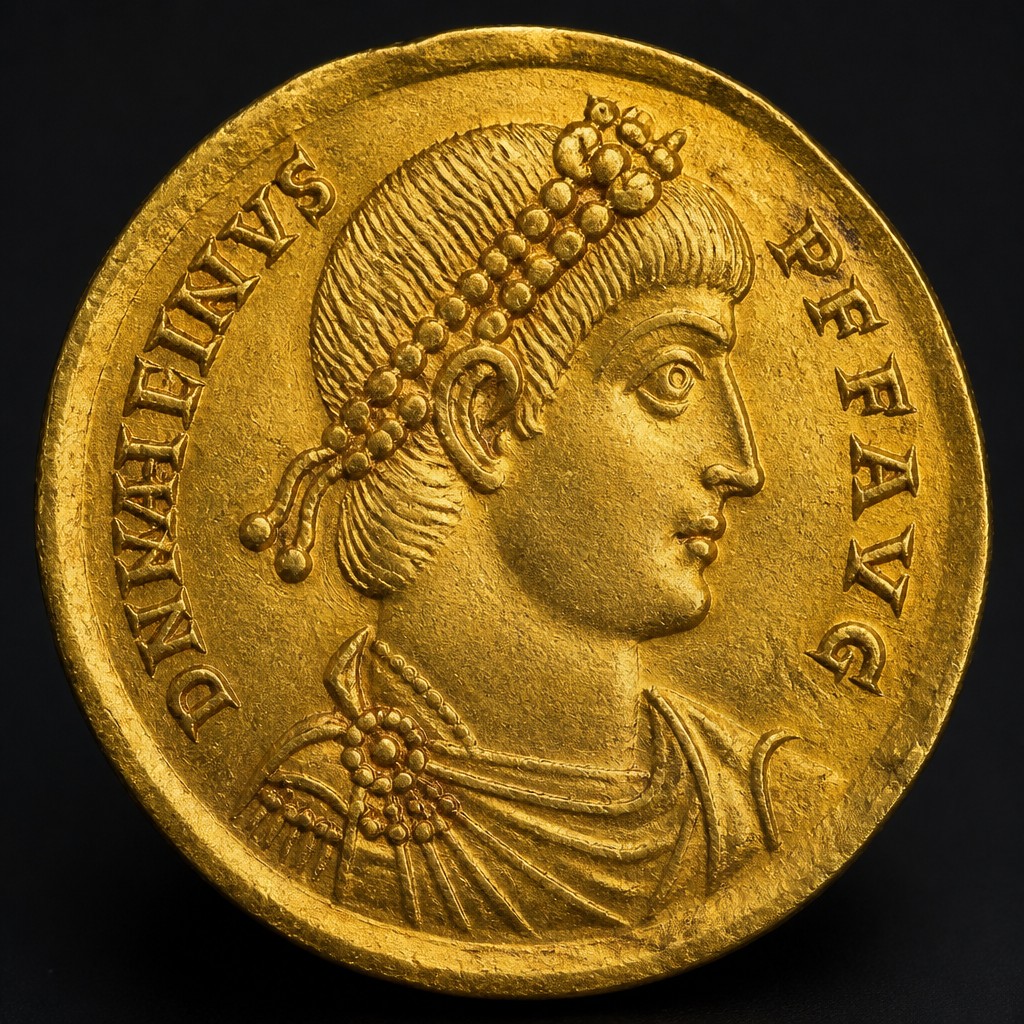
Valentinian I Solidus
364–375 AD
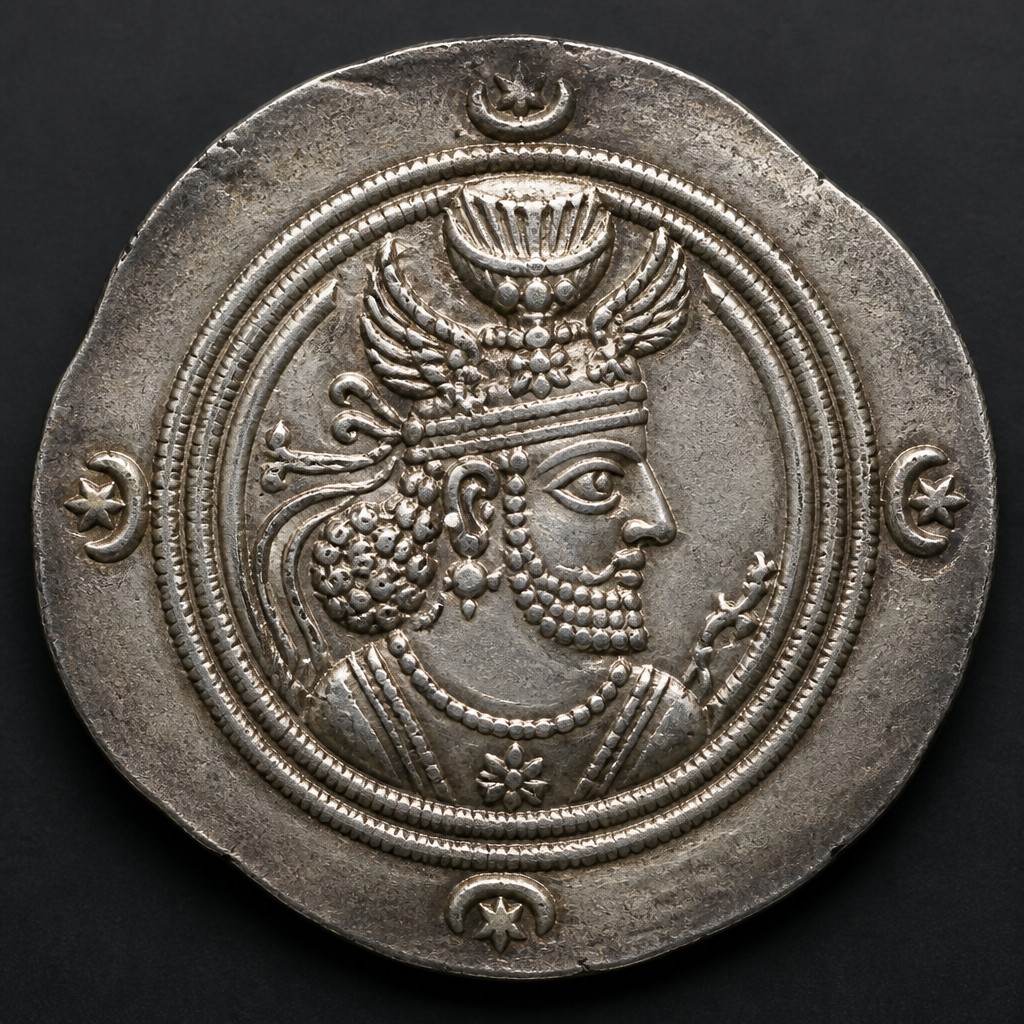
Sassanian Silver Drachm
c. 224–651 AD
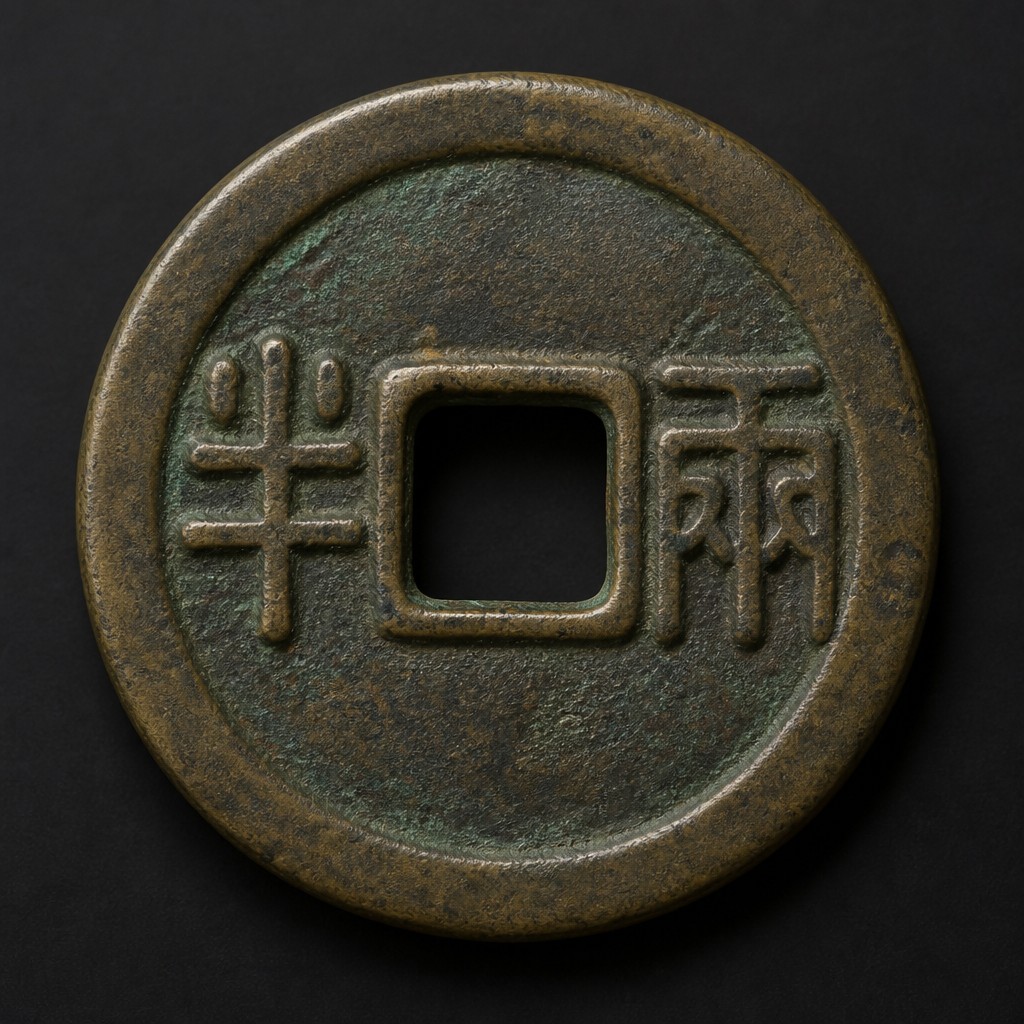
Chinese Ban Liang Cash
c. 221–118 BC
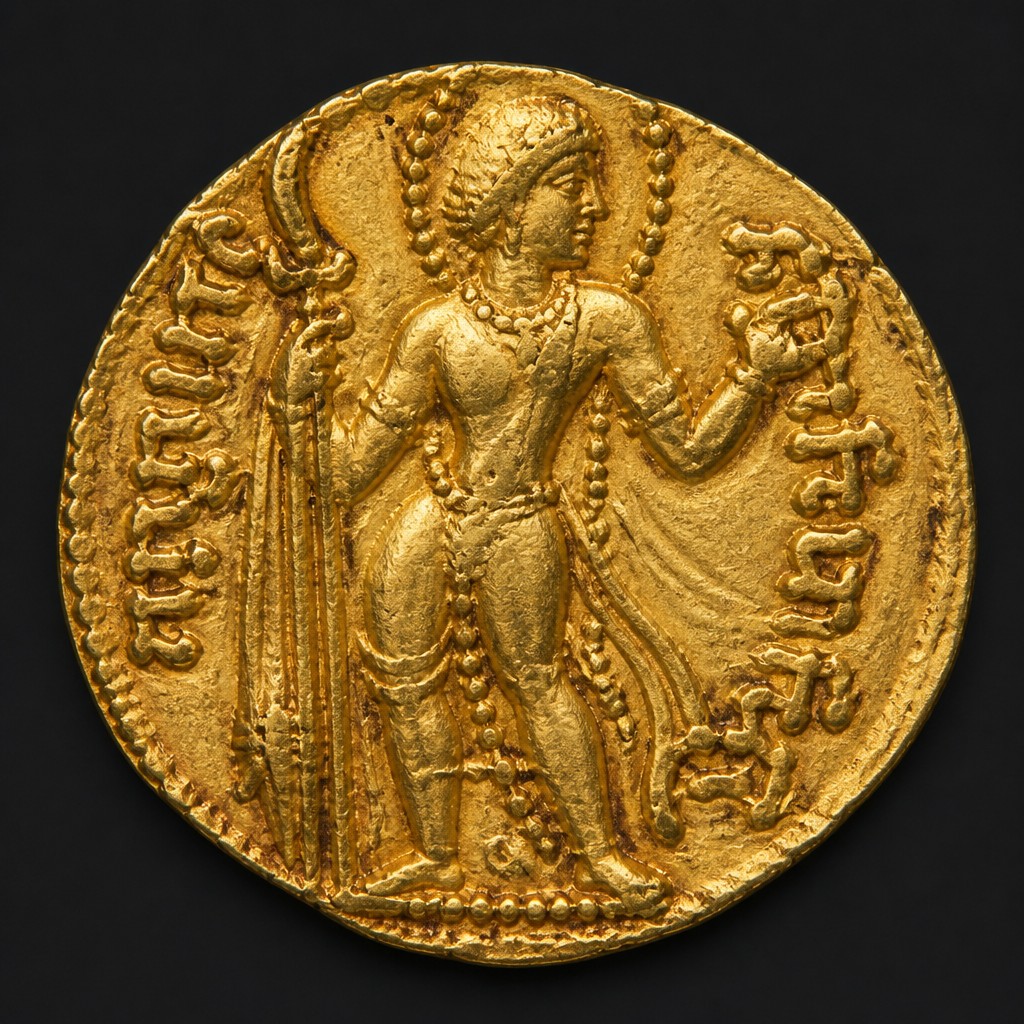
Gupta Empire Gold Dinar
c. 320–550 AD
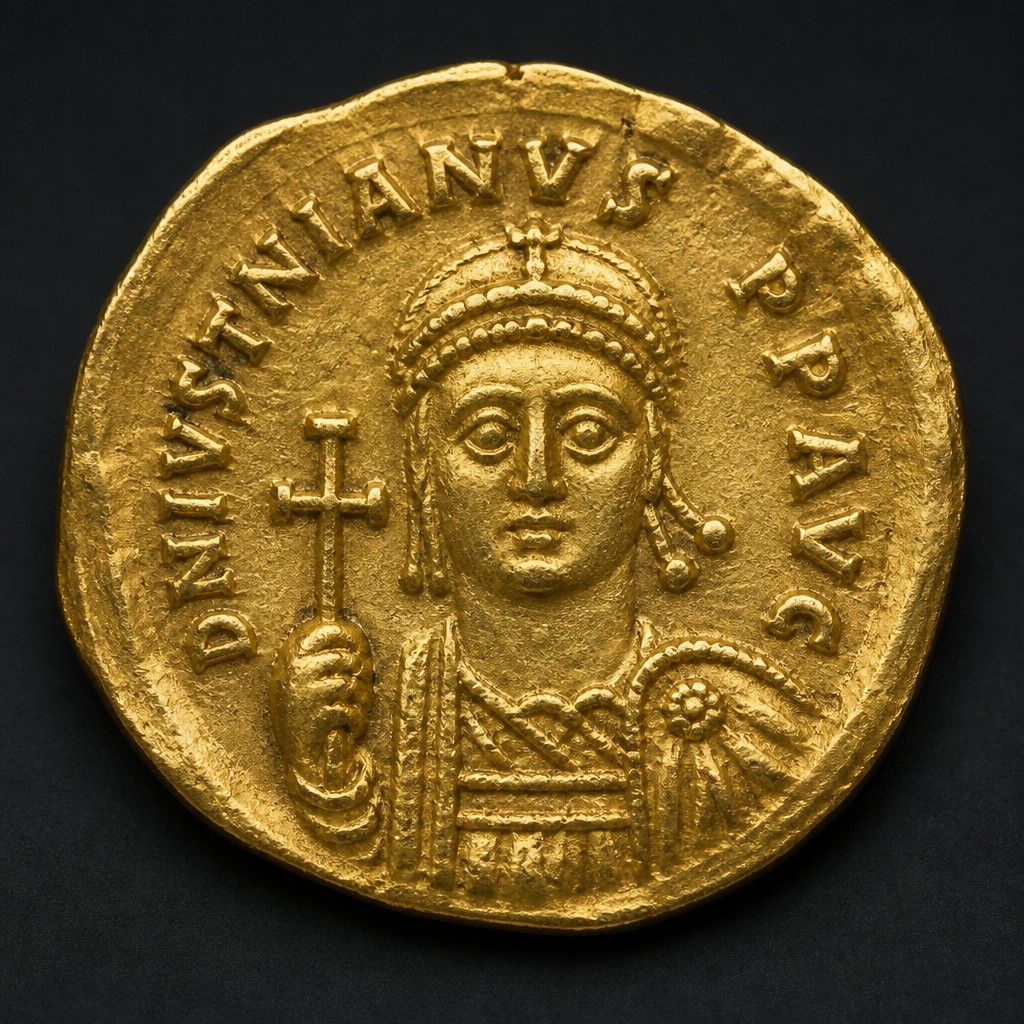
Byzantine Gold Tremissis
c. 4th–7th century AD
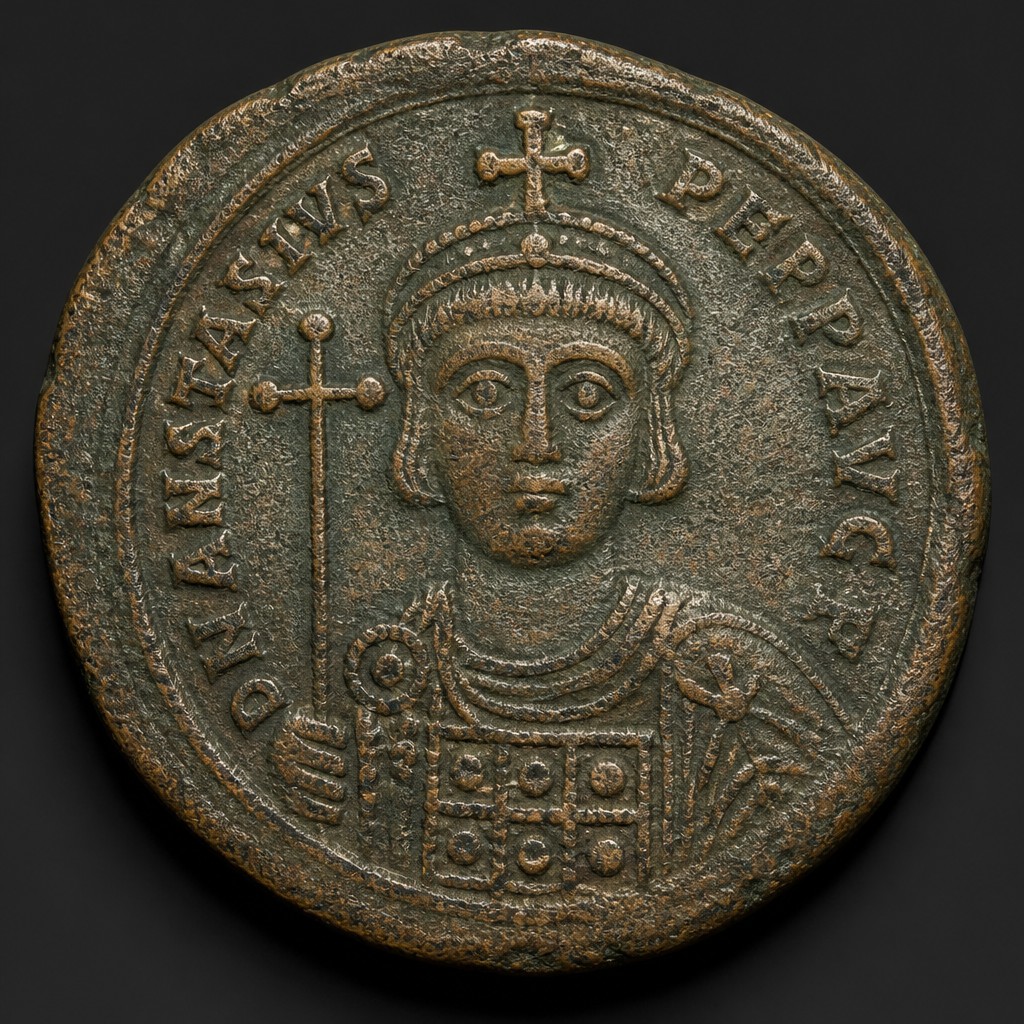
Byzantine Follis
498–c. 11th century AD
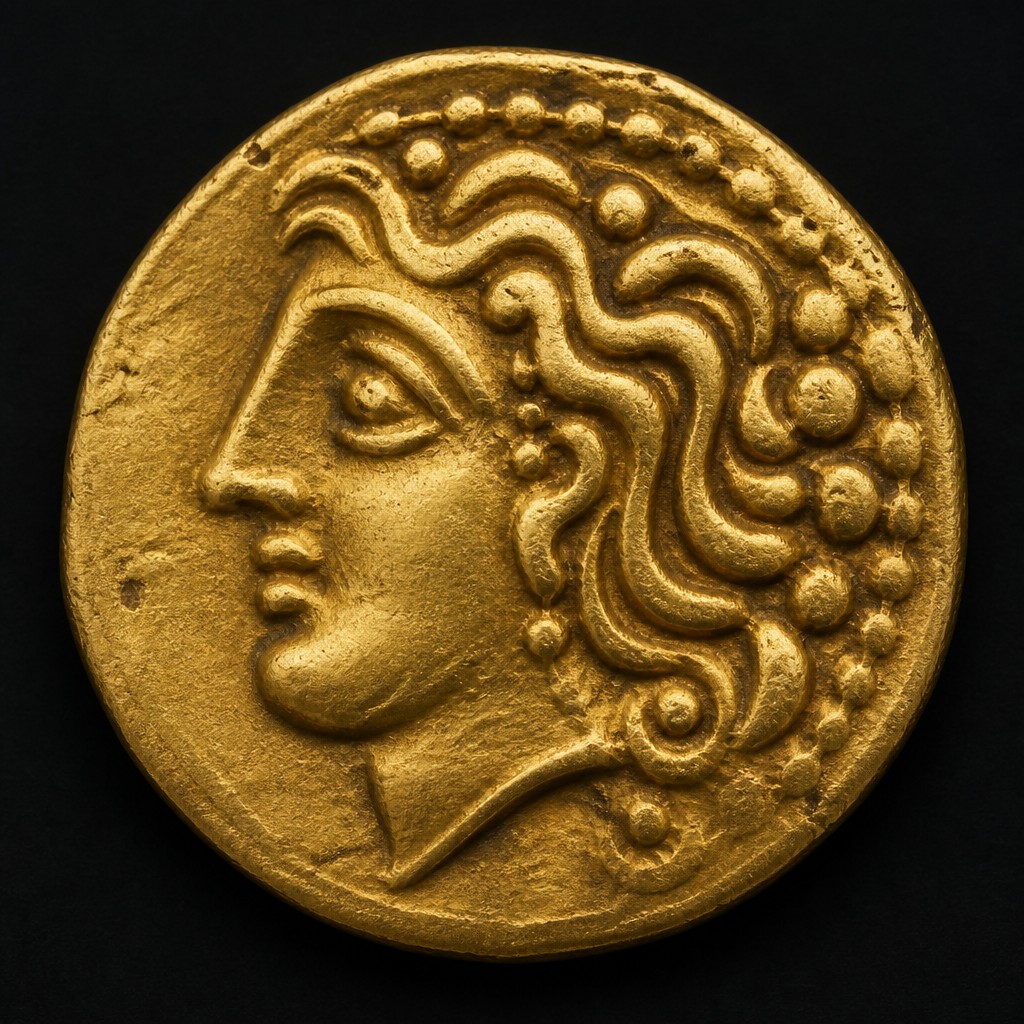
Celtic Gold Stater
c. 3rd century BC – 1st century AD