
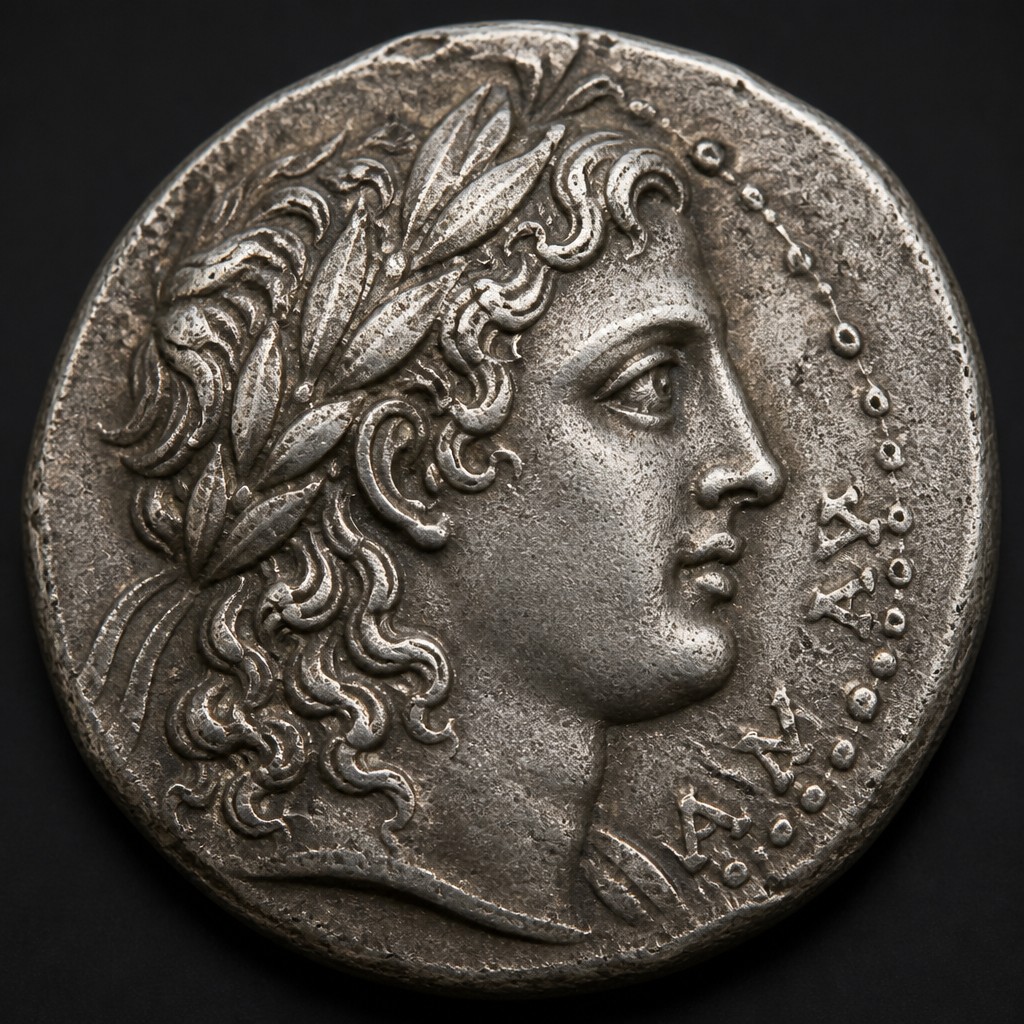
Chalkidian League Apollo Tetradrachm
Silver tetradrachm issued by the Chalkidian League of northern Greek cities, showing the laureate head of Apollo and a lyre, minted at Olynthus.
- Country
- Ancient Greece (Macedon/Chalcidice)
- Denomination
- Tetradrachm
- Metal
- Silver
Got a coin like this?
Identify any coin from a photo, free.
Overview
The Chalkidian League tetradrachm represents the federal coinage of a confederation of Greek cities in the Chalcidice peninsula of northern Greece, minted primarily at the League's leading city, Olynthus. As one of the more prominent examples of federal (rather than single-city) Greek coinage, it holds particular interest for collectors and historians studying ancient political cooperation and shared coinages.
The coin's clean, confident design, featuring Apollo's head paired with his sacred instrument the lyre, reflects the artistic standards of northern Greek mints during the mid-4th century BC, shortly before the region fell under Macedonian control.
History & Background
The Chalkidian League was a federation of Greek cities on the Chalcidice peninsula, formed in the 5th century BC partly in response to pressures from Athens during the Peloponnesian War, with Olynthus emerging as its dominant member and eventual capital. The League issued a common federal coinage, a relatively unusual arrangement in the Greek world, where individual cities more typically minted independently.
The League's power and coinage output grew through the early-to-mid 4th century BC, but its independence came under increasing threat from Philip II of Macedon, who ultimately destroyed Olynthus in 348 BC after a prolonged conflict, an event that ended the League's coinage and became a byword in ancient rhetoric (notably in the orator Demosthenes's "Olynthiac" speeches warning Athens of Macedonian ambition).
How to Identify
The obverse shows the laureate head of Apollo facing left or right, rendered in the clear, idealized Classical style typical of northern Greek mints. The reverse depicts a lyre (kithara), Apollo's sacred musical instrument, within a shallow incuse square, accompanied by the legend ΧΑΛΚΙΔΕΩΝ ("of the Chalcidians"), identifying the coin as a product of the federal League rather than a single city.
The tetradrachm follows a regional weight standard common to northern Greek issues of the period, generally in the range of 14–15 grams. Minor variations in style and small control symbols in the field can help specialists date individual issues within the League's coinage period.
The ΧΑΛΚΙΔΕΩΝ legend is the key identifier separating this federal issue from similar Apollo-and-lyre types that might otherwise be confused with single-city Macedonian or Thracian coinages.
Value & Collectibility
Chalkidian League tetradrachms are collected both by specialists in Macedonian-region coinage and by those interested in federal or confederate Greek issues as a numismatic category, with typical well-preserved examples often available in the several-hundred-dollar range, and particularly sharp or well-centered pieces commanding higher premiums.
As with most Classical Greek silver, strike quality, centering, and clarity of the Apollo portrait and lyre reverse are the primary factors influencing value, along with the historical interest attached to the League's role in the events leading up to Macedonian expansion under Philip II.
Frequently asked questions
What was the Chalkidian League?
It was a federation of Greek cities on the Chalcidice peninsula in northern Greece, led by Olynthus, that issued a shared federal coinage rather than each city minting independently.
Why does the coin show a lyre?
The lyre (kithara) was Apollo's sacred instrument and paired naturally with his portrait on the obverse as a recognizable, unified League emblem.
What happened to the League?
Philip II of Macedon destroyed Olynthus, the League's leading city, in 348 BC after a prolonged conflict, ending the League's independence and its coinage.
Is federal Greek coinage unusual?
Yes, most Greek coinage was issued by individual city-states; federations like the Chalkidian League that struck shared coinage in a common name are a less common but historically significant category.
Other coins you may enjoy
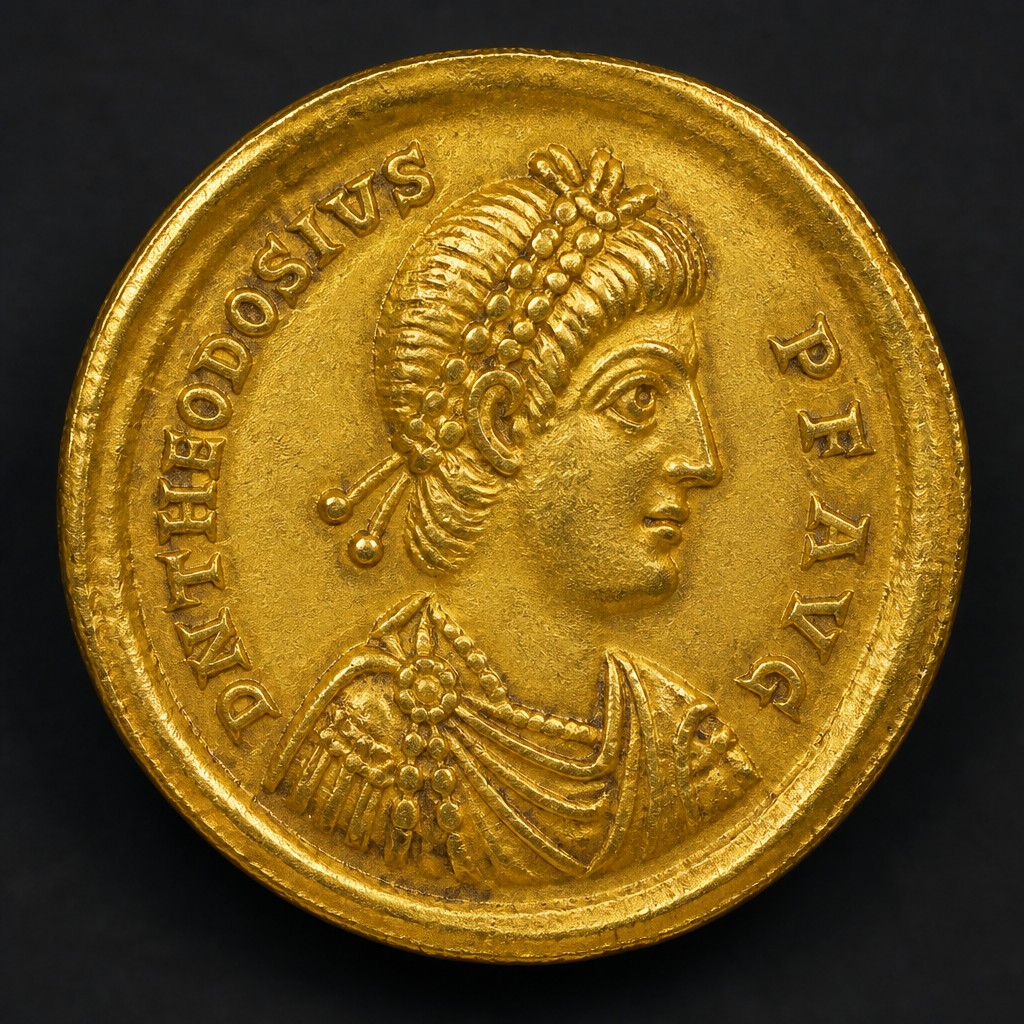
Theodosius I Solidus
379–395 AD
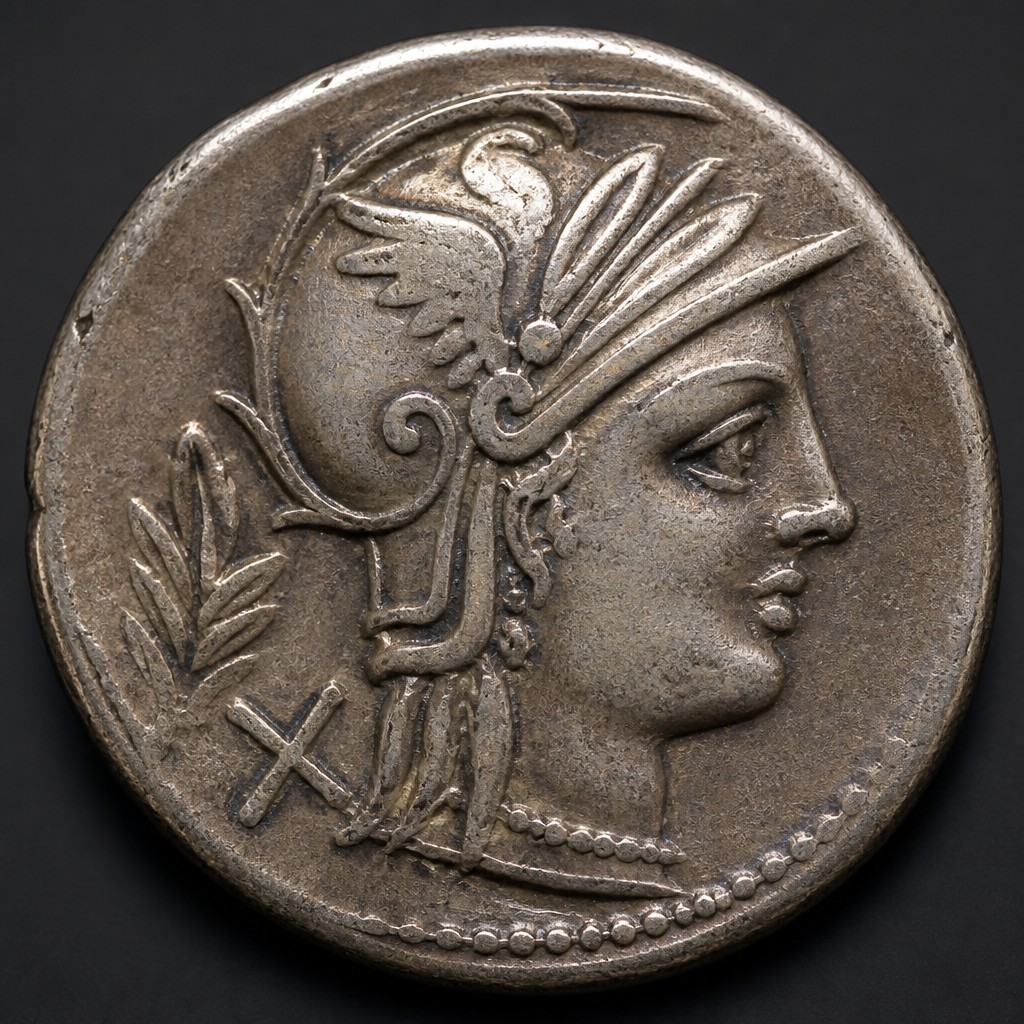
Republican Victoriatus
c. 211–170 BC
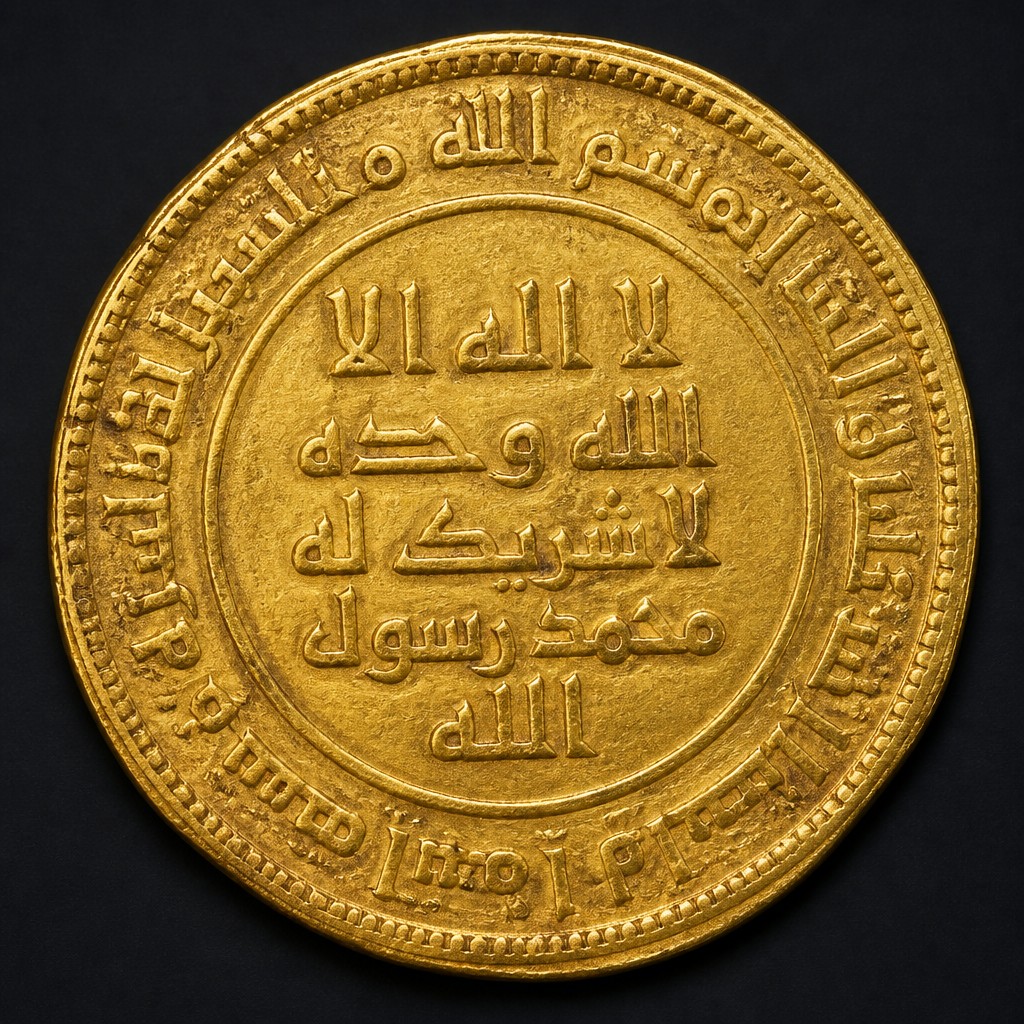
Islamic Gold Dinar (Umayyad)
c. 696–750 AD
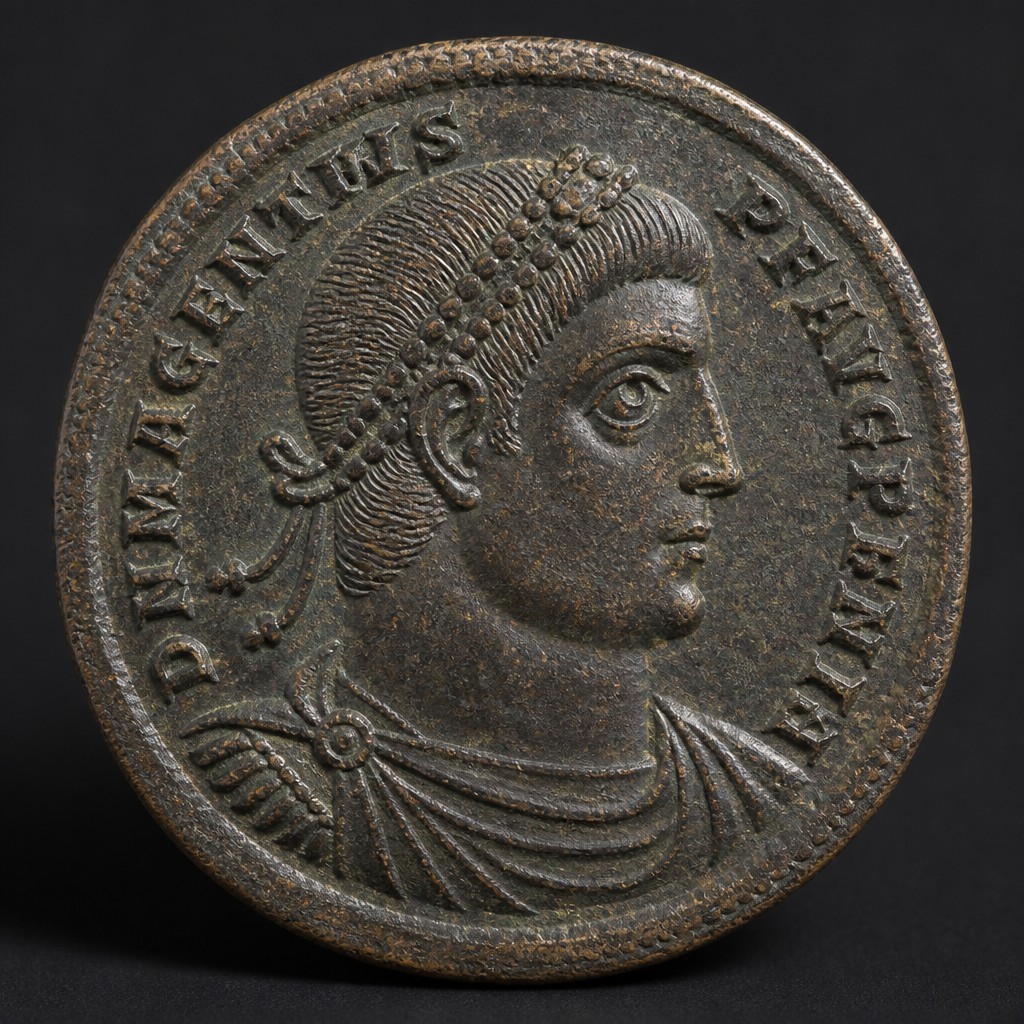
Magnentius Double Centenionalis
350–353 AD
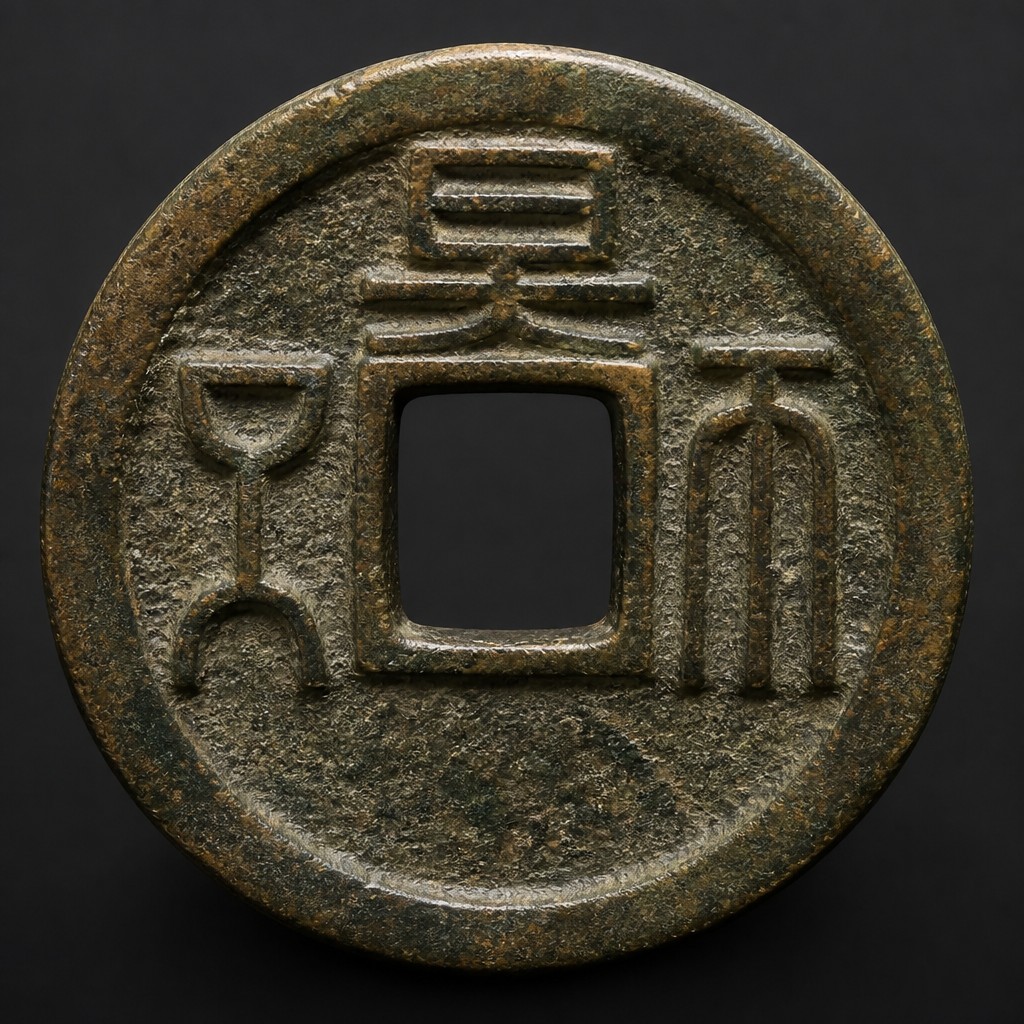
Chinese Wu Zhu Cash
118 BC – 618 AD
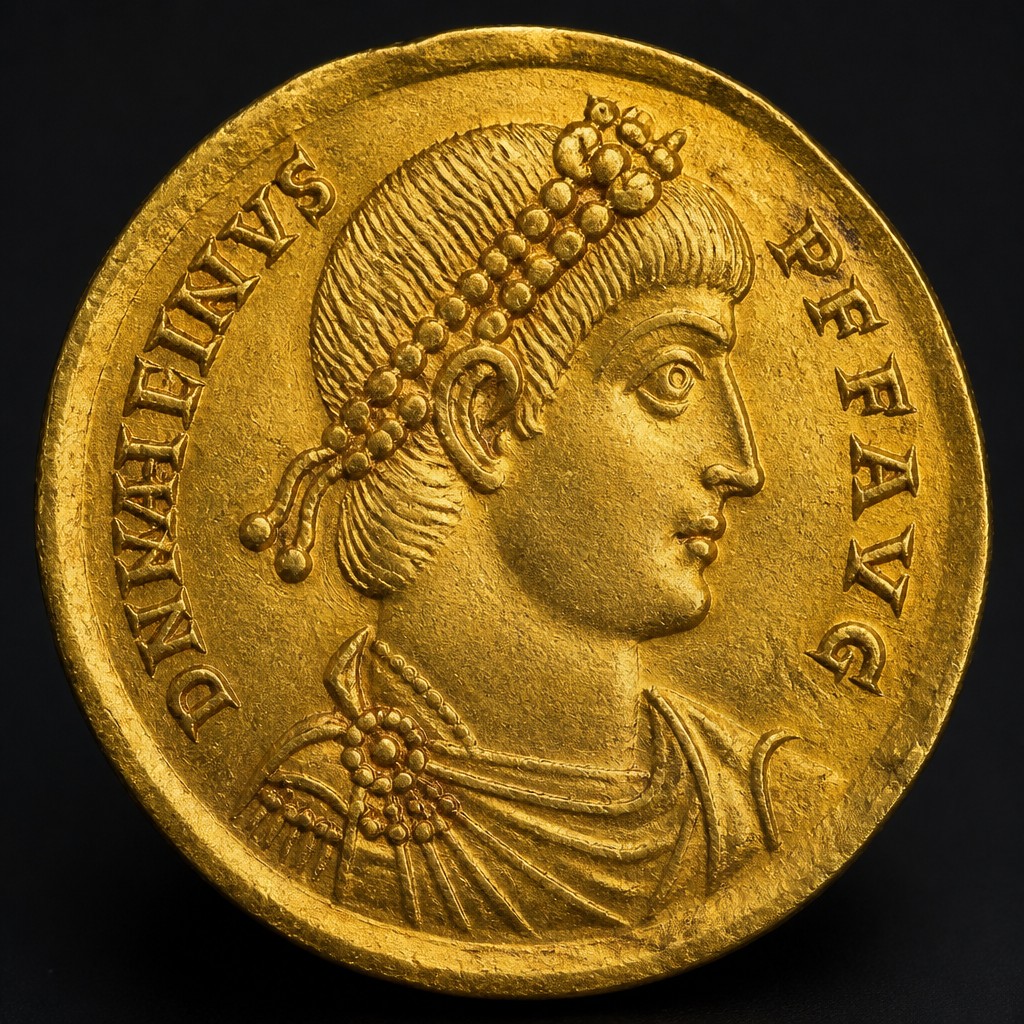
Valentinian I Solidus
364–375 AD
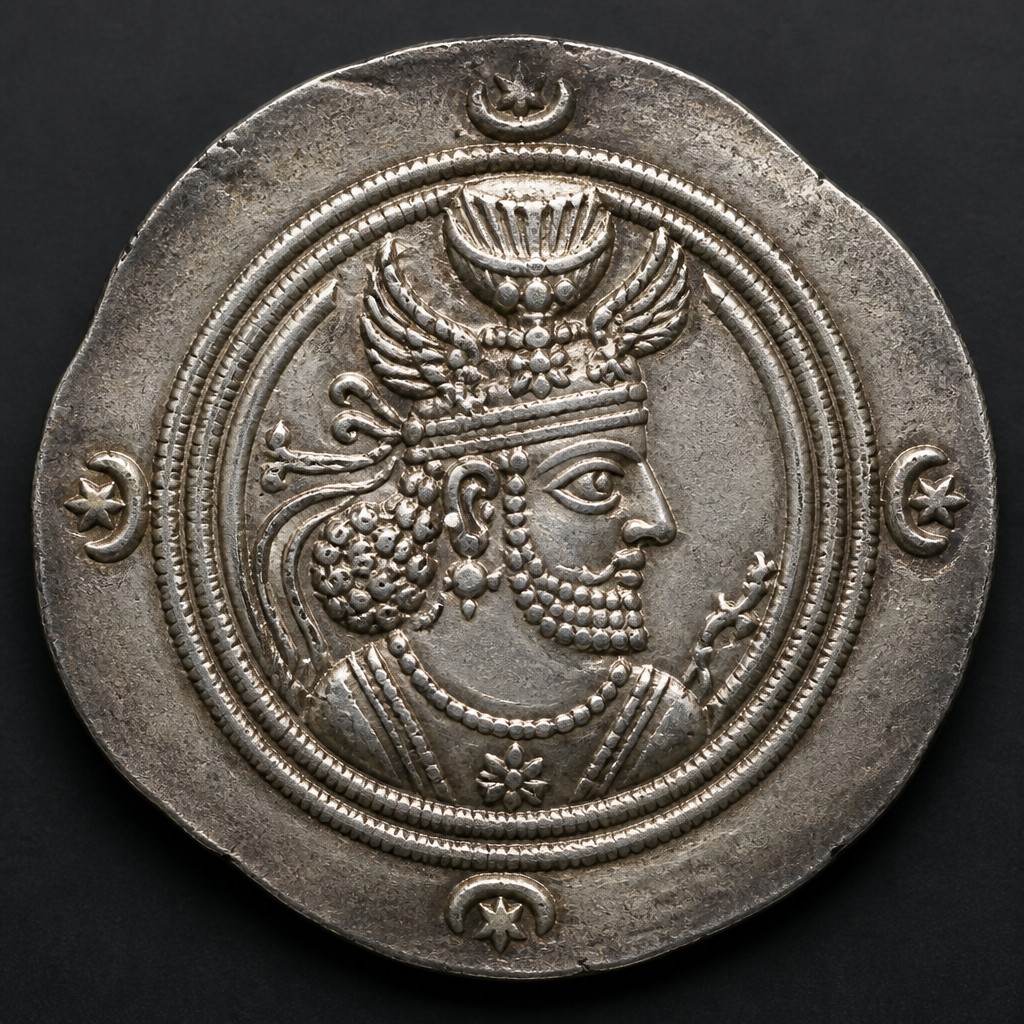
Sassanian Silver Drachm
c. 224–651 AD
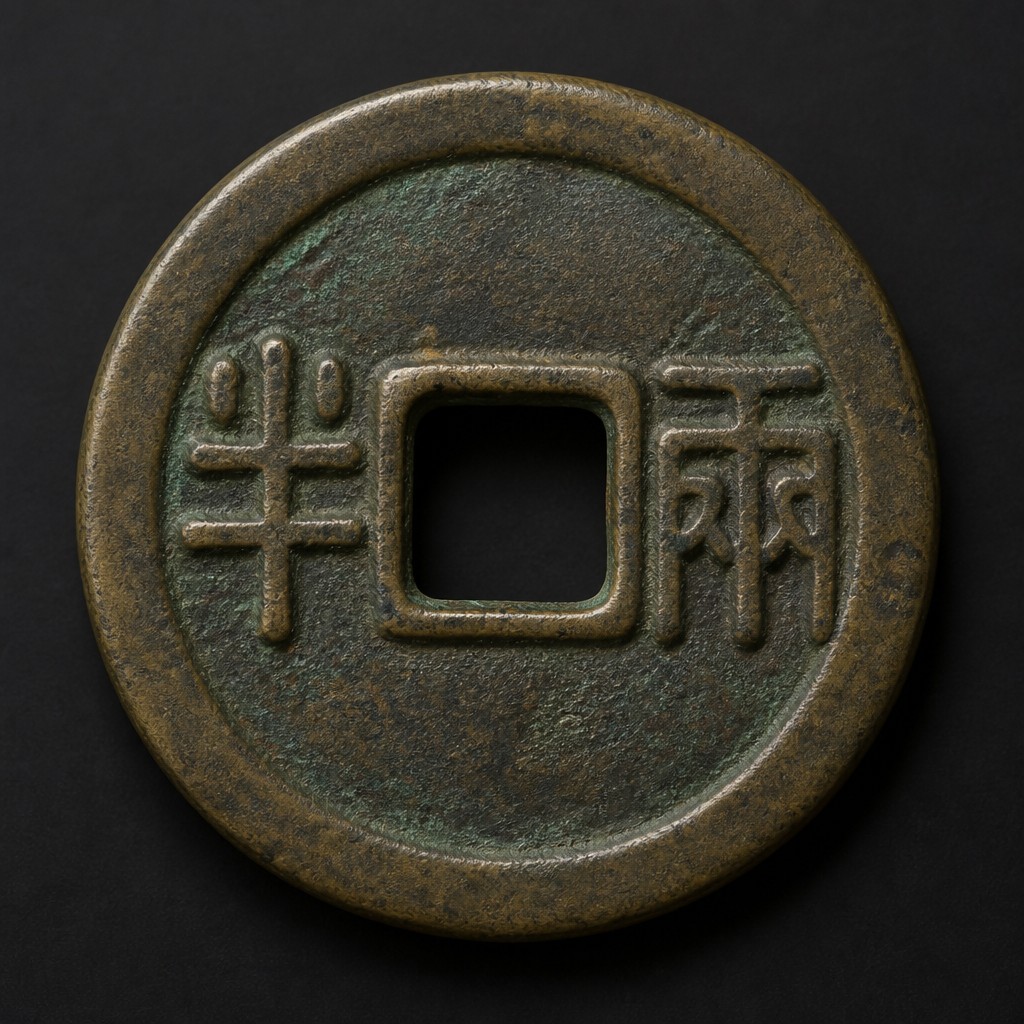
Chinese Ban Liang Cash
c. 221–118 BC
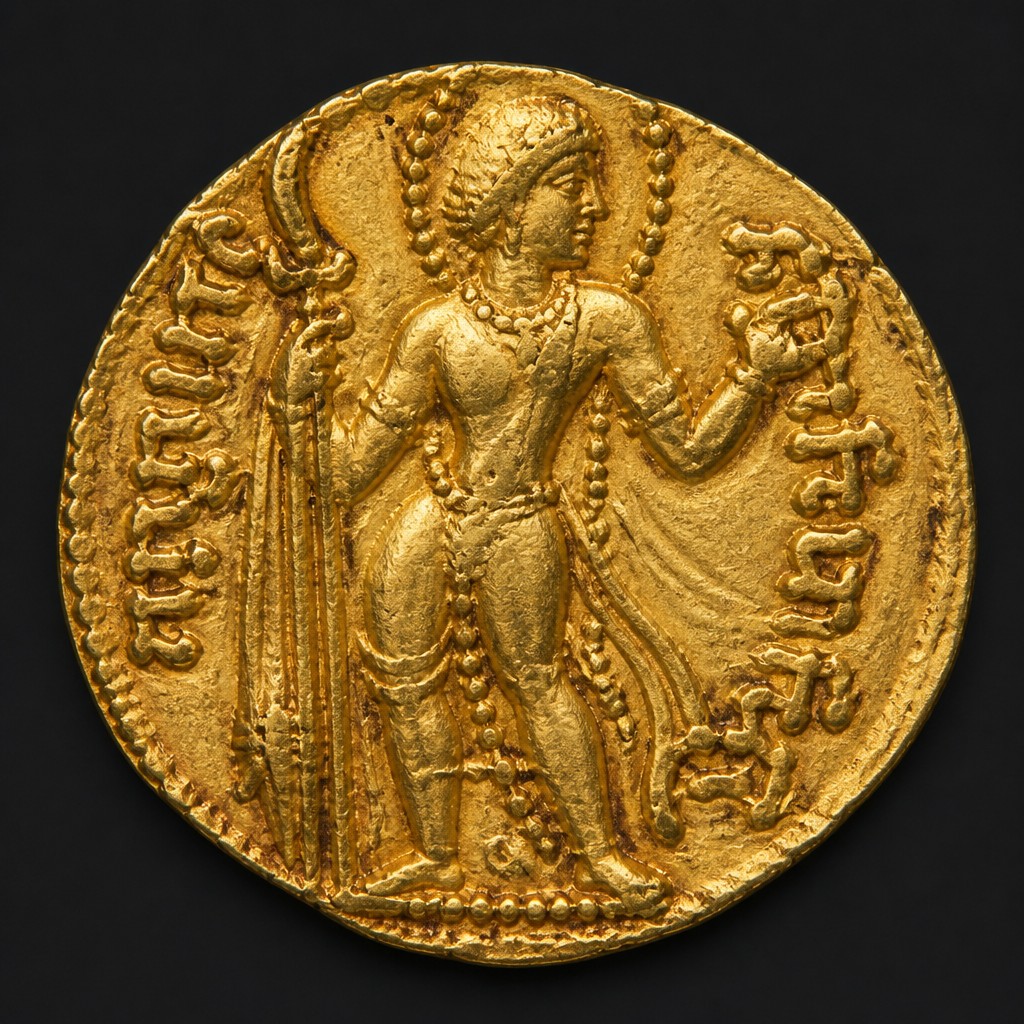
Gupta Empire Gold Dinar
c. 320–550 AD
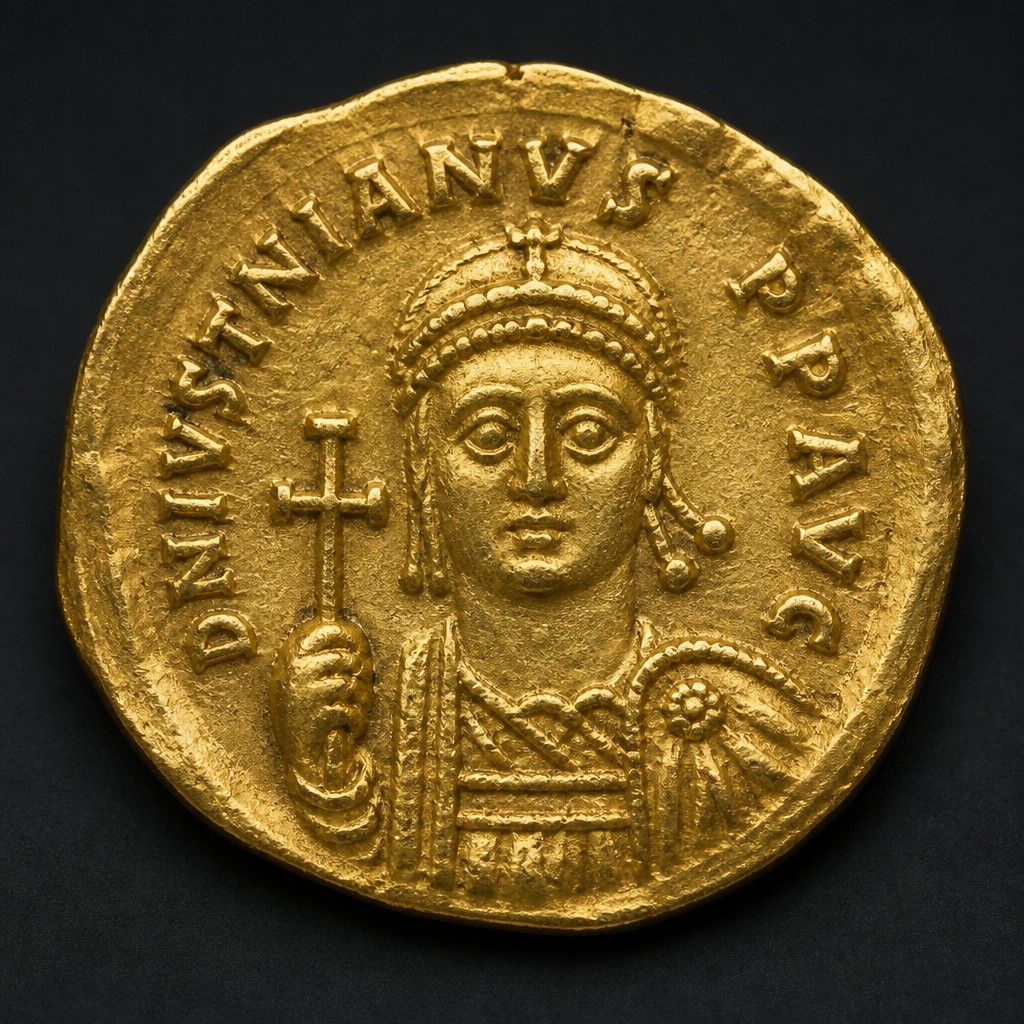
Byzantine Gold Tremissis
c. 4th–7th century AD
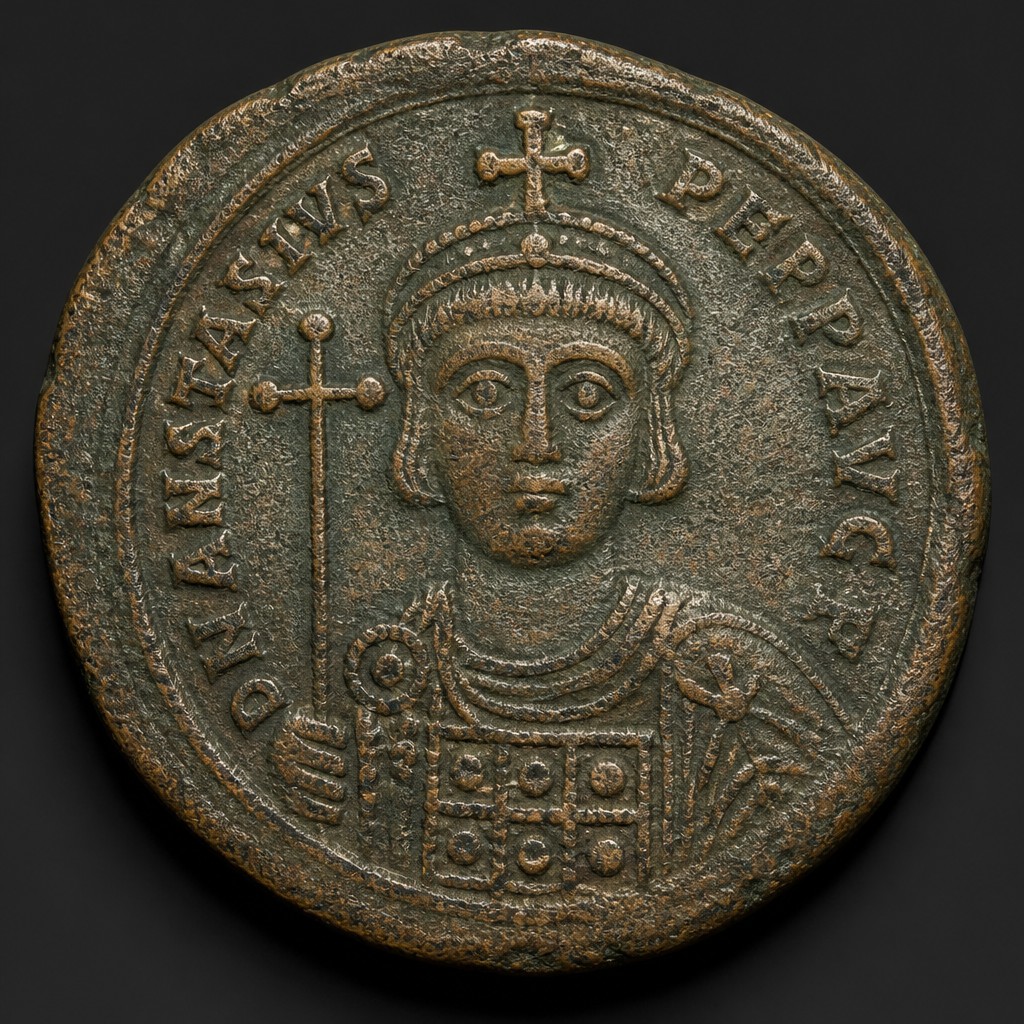
Byzantine Follis
498–c. 11th century AD
Celtic Gold Stater
c. 3rd century BC – 1st century AD