
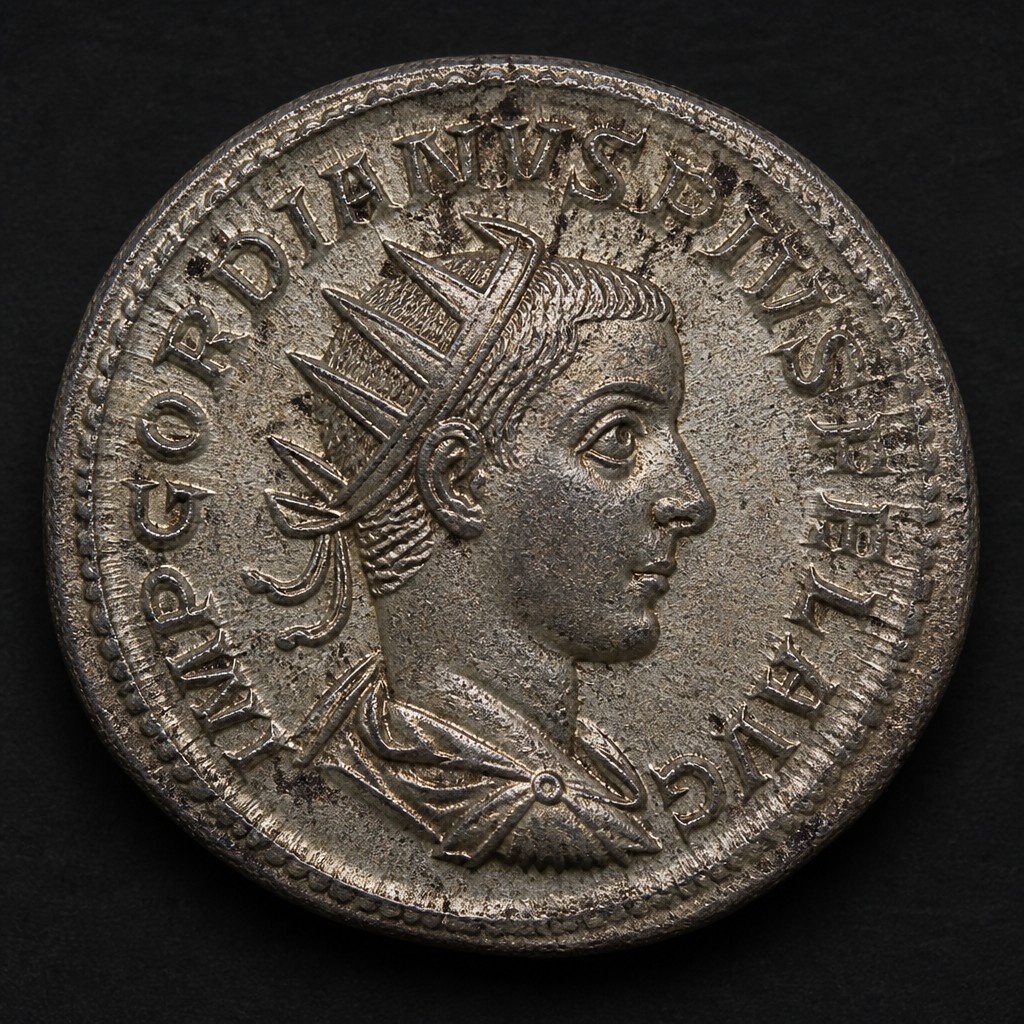
Gordian III Antoninianus
Radiate silver coin of Gordian III, who became sole emperor at about thirteen years old and reigned through Rome's costly war with Sassanid Persia.
- Country
- Ancient Rome
- Denomination
- Antoninianus
- Metal
- Debased Silver (Billon)
Got a coin like this?
Identify any coin from a photo, free.
Overview
Gordian III antoniniani are among the most commonly encountered third-century Roman coins, reflecting a reign long enough to produce abundant coinage yet marked by the empire's deepening military and economic strain. As one of Rome's youngest emperors, Gordian III's coins carry the added historical interest of a boy ruler guided by advisors and generals.
The coinage also documents Rome's major eastern campaign against the Sassanid king Shapur I, making these antoniniani a tangible link to a significant chapter of Roman-Persian conflict.
History & Background
Gordian III was elevated to the throne in 238 AD, the so-called 'Year of the Six Emperors,' after the deaths of Maximinus Thrax, Gordian I and II, and the joint emperors Pupienus and Balbinus. He was roughly thirteen years old, making him one of the youngest sole emperors in Roman history, and true governance rested largely with his advisors, most notably the praetorian prefect Timesitheus.
His reign is chiefly remembered for a major campaign against the Sassanid Persian Empire under Shapur I, following Persian incursions into Roman Mesopotamia. Gordian died in 244 AD under disputed circumstances during or shortly after this campaign, with ancient sources divided between illness, accident, or murder implicating his successor, Philip the Arab.
How to Identify
The obverse displays a radiate (crowned with spikes representing sun-rays), draped and cuirassed bust of the young emperor, with legends such as IMP GORDIANVS PIVS FEL AVG. The radiate crown is the key visual marker separating the antoninianus from the plain laureate-bust denarius.
Reverse designs are numerous, featuring deities and personifications such as Jupiter Stator, Fortuna Redux, Providentia, Laetitia, Aequitas, and military-themed types referencing his Persian campaign, often paired with legends naming the figure depicted. Some issues from the eastern mint at Antioch show distinct stylistic differences from Rome-struck coins, including different bust styles and finer or coarser engraving.
The coin typically measures about 21-23mm, larger than a denarius, and is struck in a silver-copper alloy that appears duller than earlier pure-silver Roman coinage. Collectors distinguish Rome mint from Antioch mint issues by subtle differences in portrait style, fabric, and certain reverse legend abbreviations.
Value & Collectibility
Gordian III antoniniani are among the most affordable and plentiful third-century Roman coins because of the large volume struck during his six-year reign. Common types in worn to fine condition are often found in the roughly $20 to $60 range, while sharply struck, well-centered, or scarcer reverse types can bring notably more.
As with most ancient coins, condition, strike quality, and eye appeal have an outsized effect on price, and certain rarer campaign-related or Antioch mint varieties attract stronger collector demand.
Frequently asked questions
How old was Gordian III when he became emperor?
He was approximately thirteen years old, making him one of the youngest sole Roman emperors.
What is a radiate crown and why does it matter?
It is a crown depicted with spiked rays symbolizing the sun, used to visually distinguish the higher-denomination antoninianus from the plain laureate-bust denarius.
How did Gordian III die?
Ancient sources disagree, citing illness, accident, or murder possibly involving his successor Philip the Arab, during the Persian campaign.
Are Antioch mint coins different from Rome mint coins?
Yes, they often show distinct portrait style and fabric, letting specialists attribute coins to a specific mint.
Other coins you may enjoy
Theodosius I Solidus
379–395 AD
Republican Victoriatus
c. 211–170 BC
Islamic Gold Dinar (Umayyad)
c. 696–750 AD
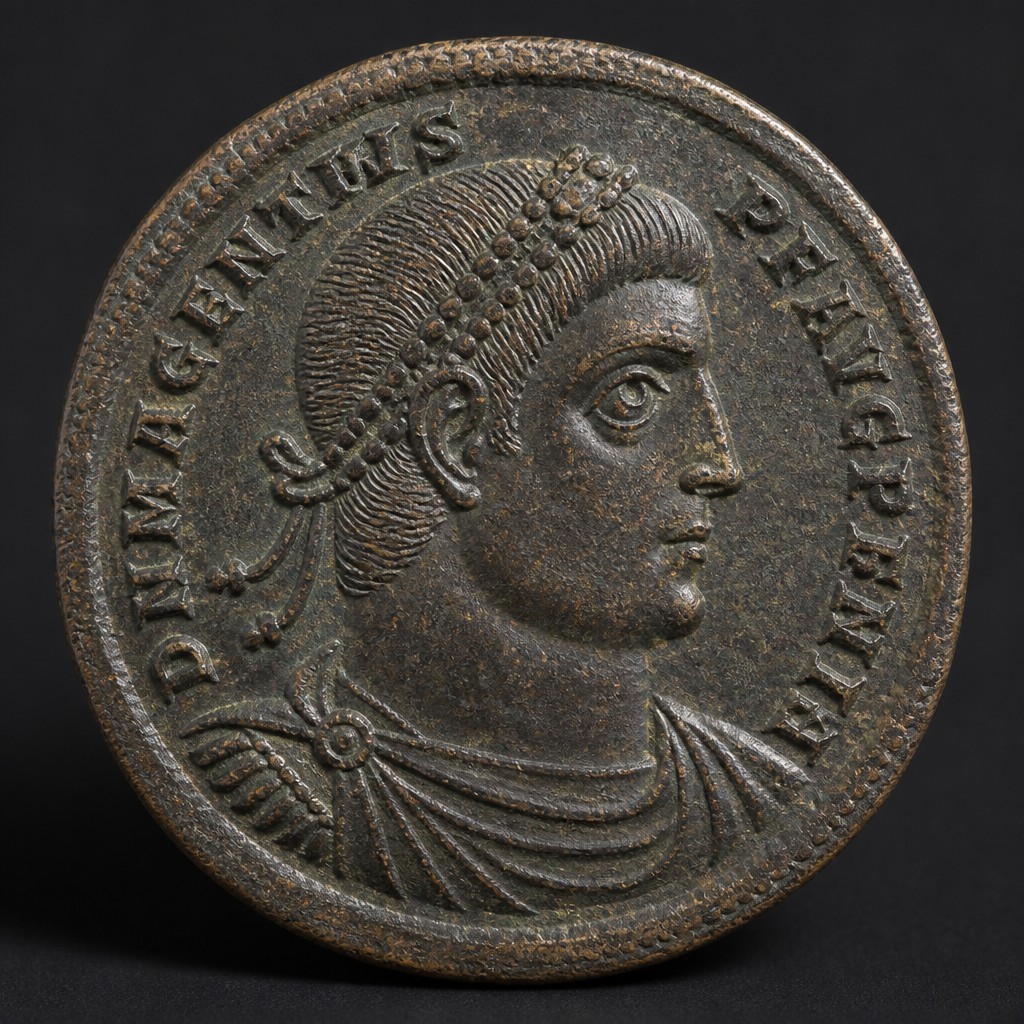
Magnentius Double Centenionalis
350–353 AD
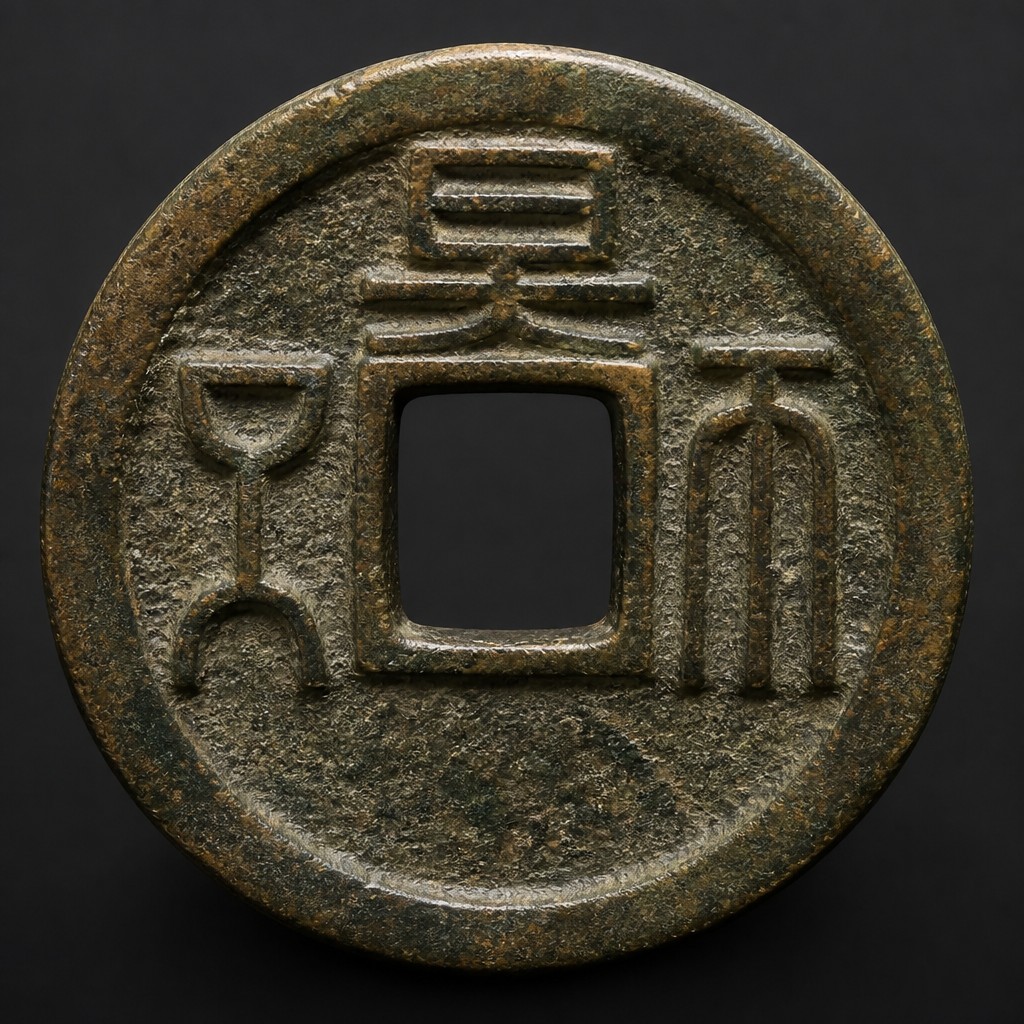
Chinese Wu Zhu Cash
118 BC – 618 AD
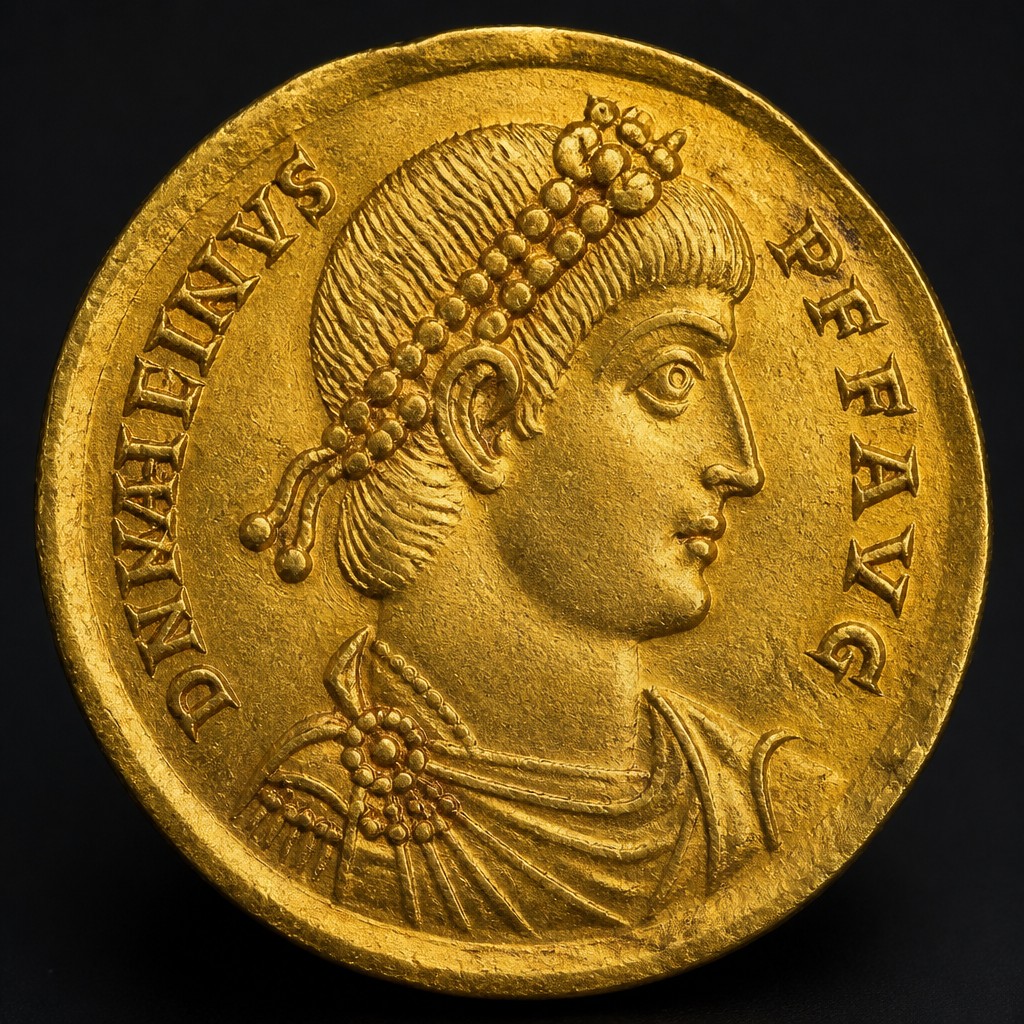
Valentinian I Solidus
364–375 AD
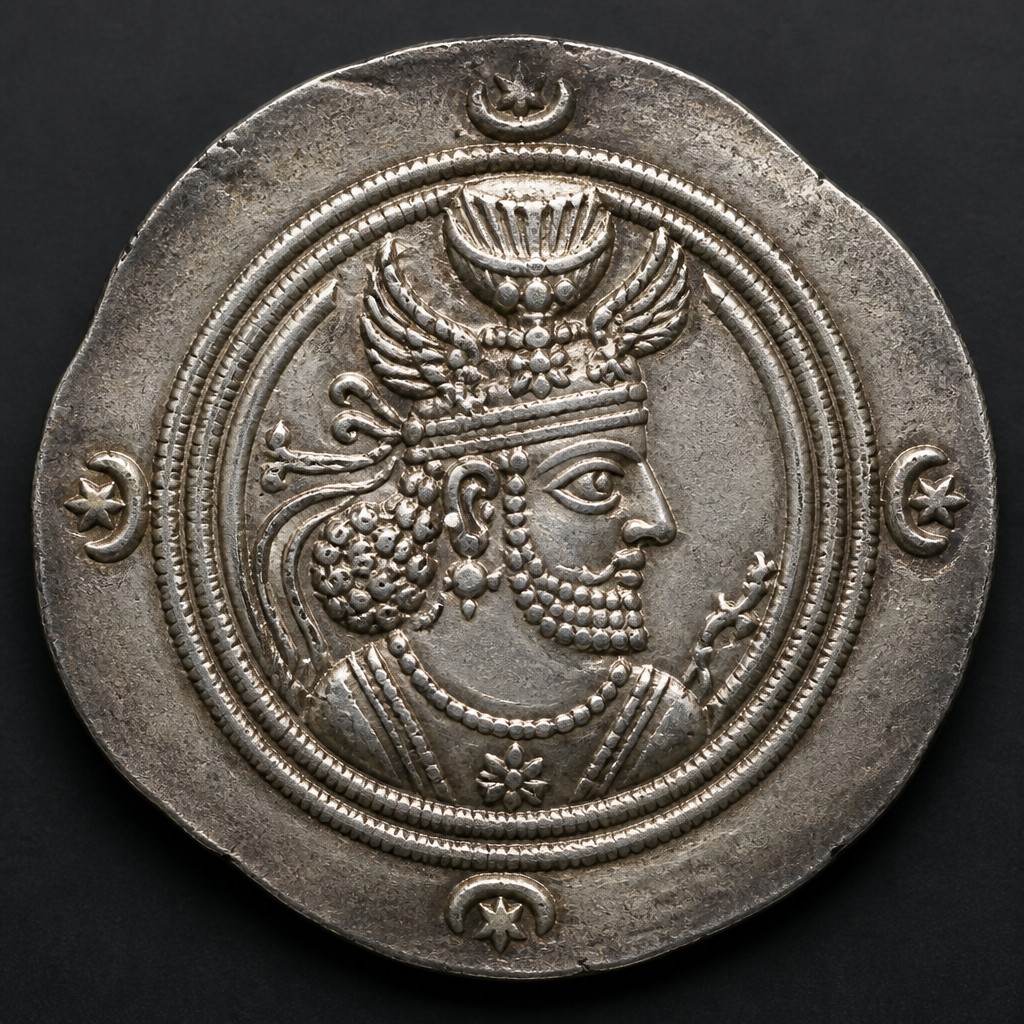
Sassanian Silver Drachm
c. 224–651 AD
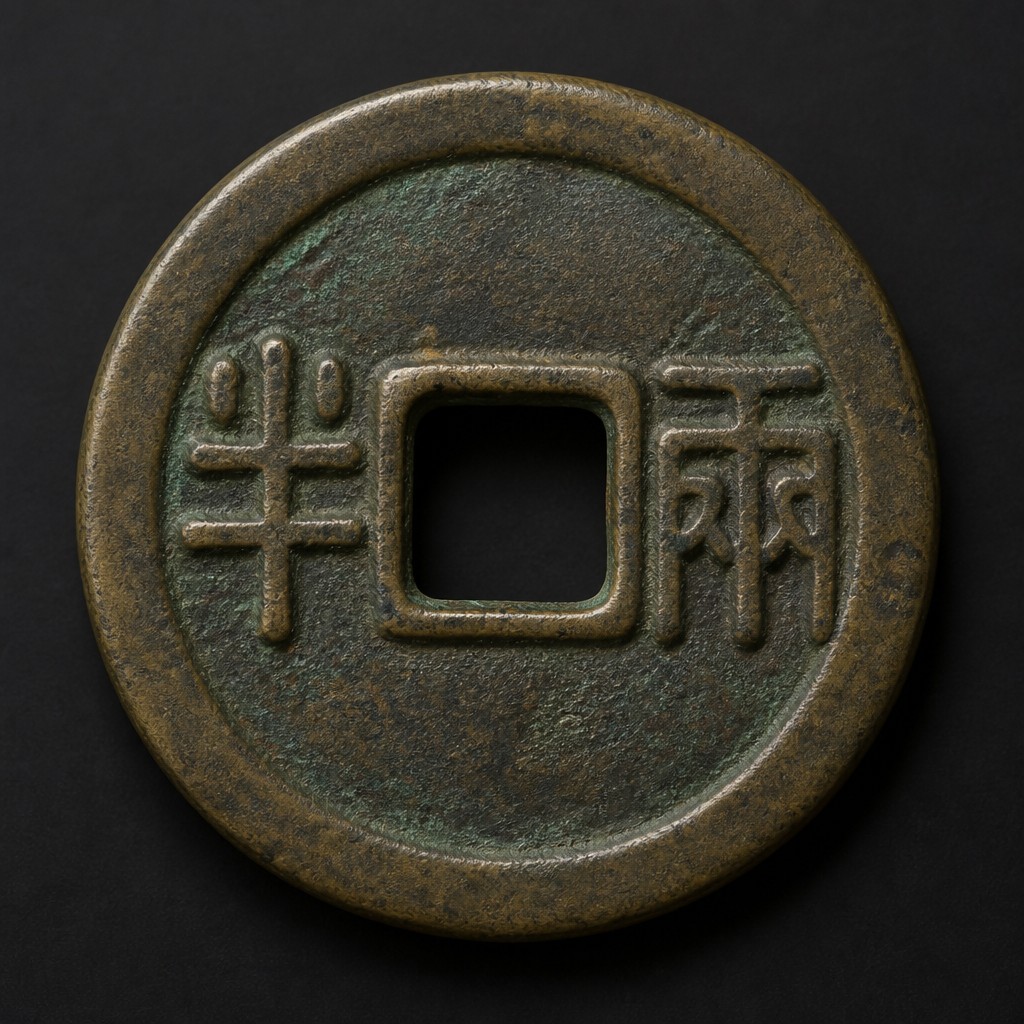
Chinese Ban Liang Cash
c. 221–118 BC
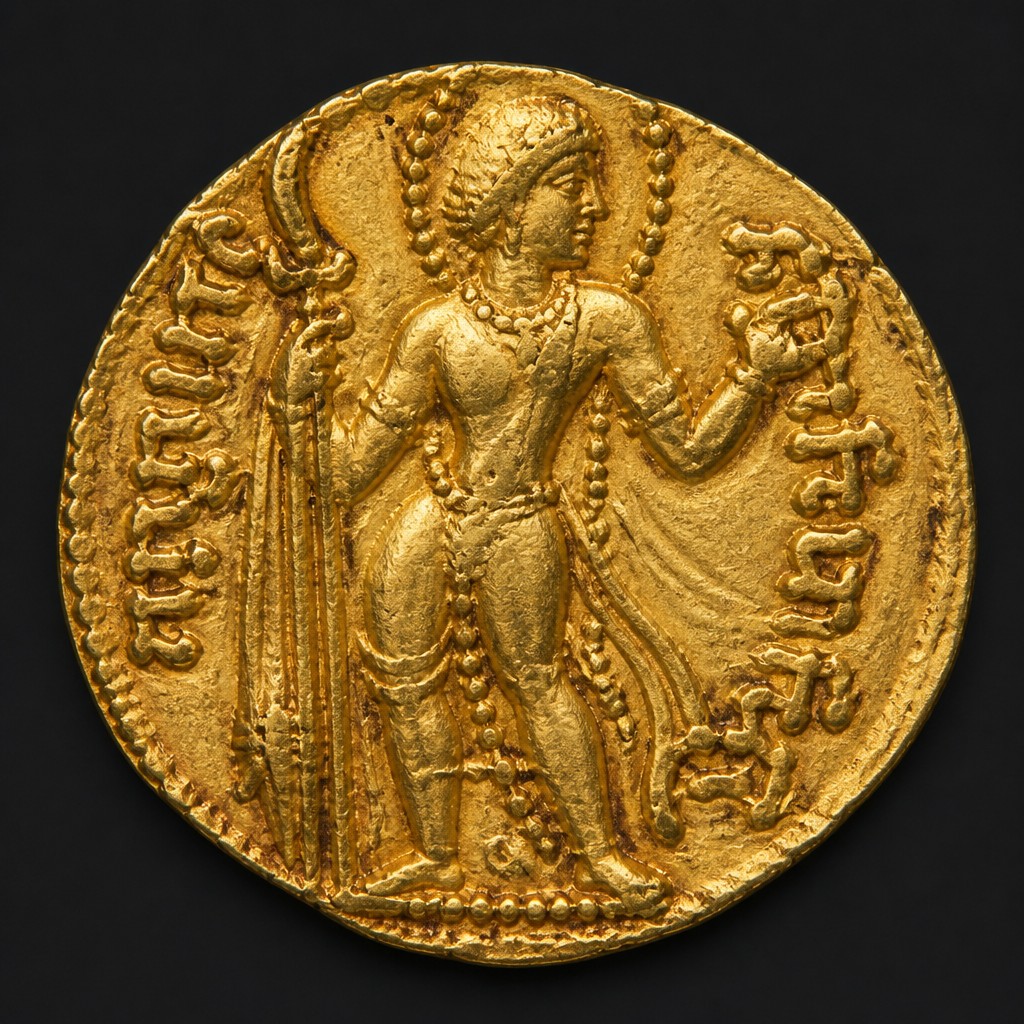
Gupta Empire Gold Dinar
c. 320–550 AD
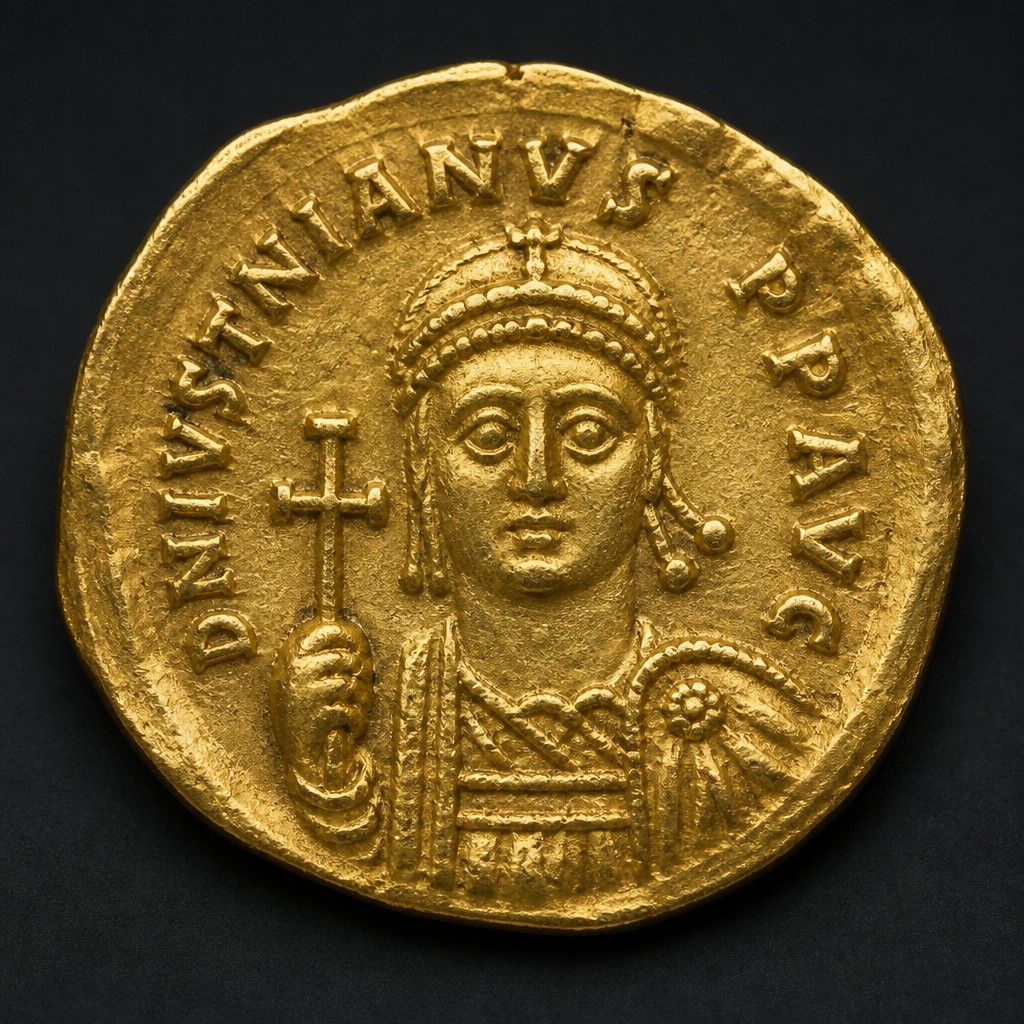
Byzantine Gold Tremissis
c. 4th–7th century AD
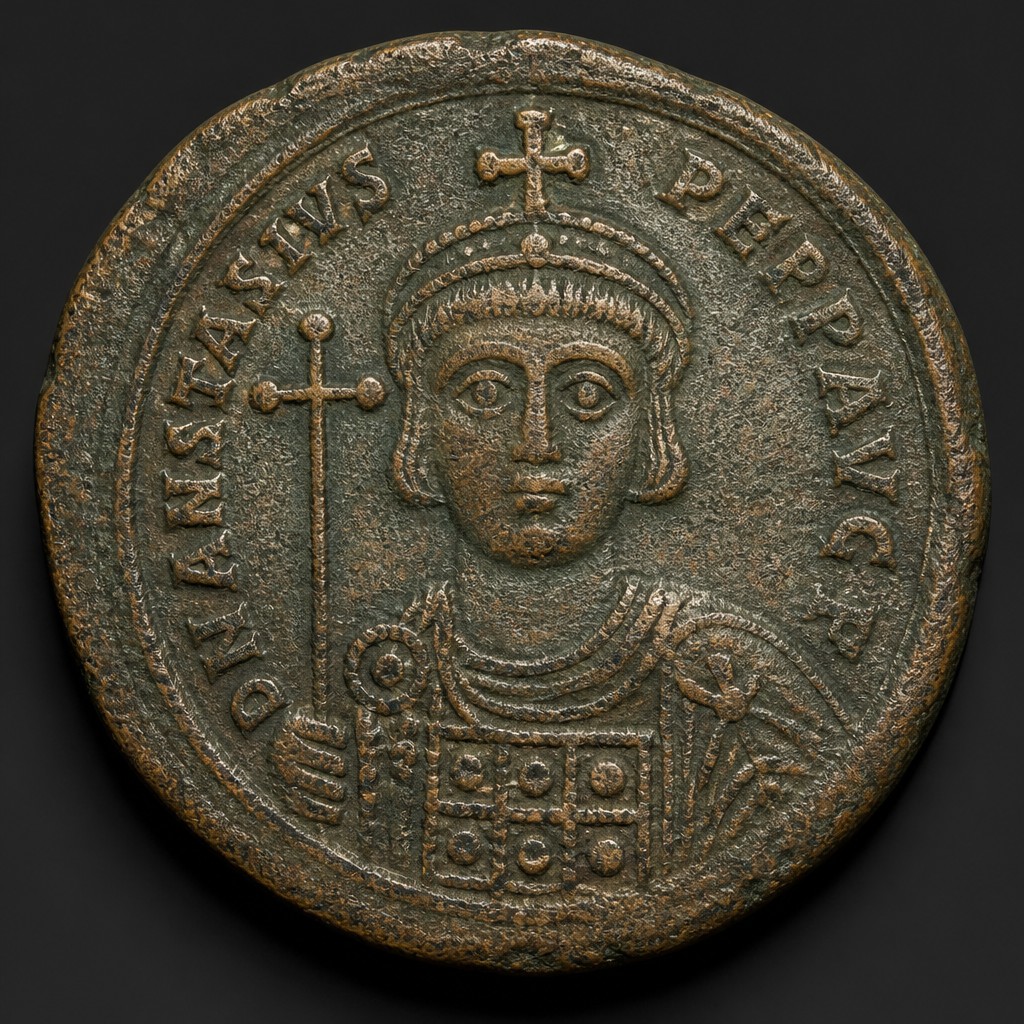
Byzantine Follis
498–c. 11th century AD
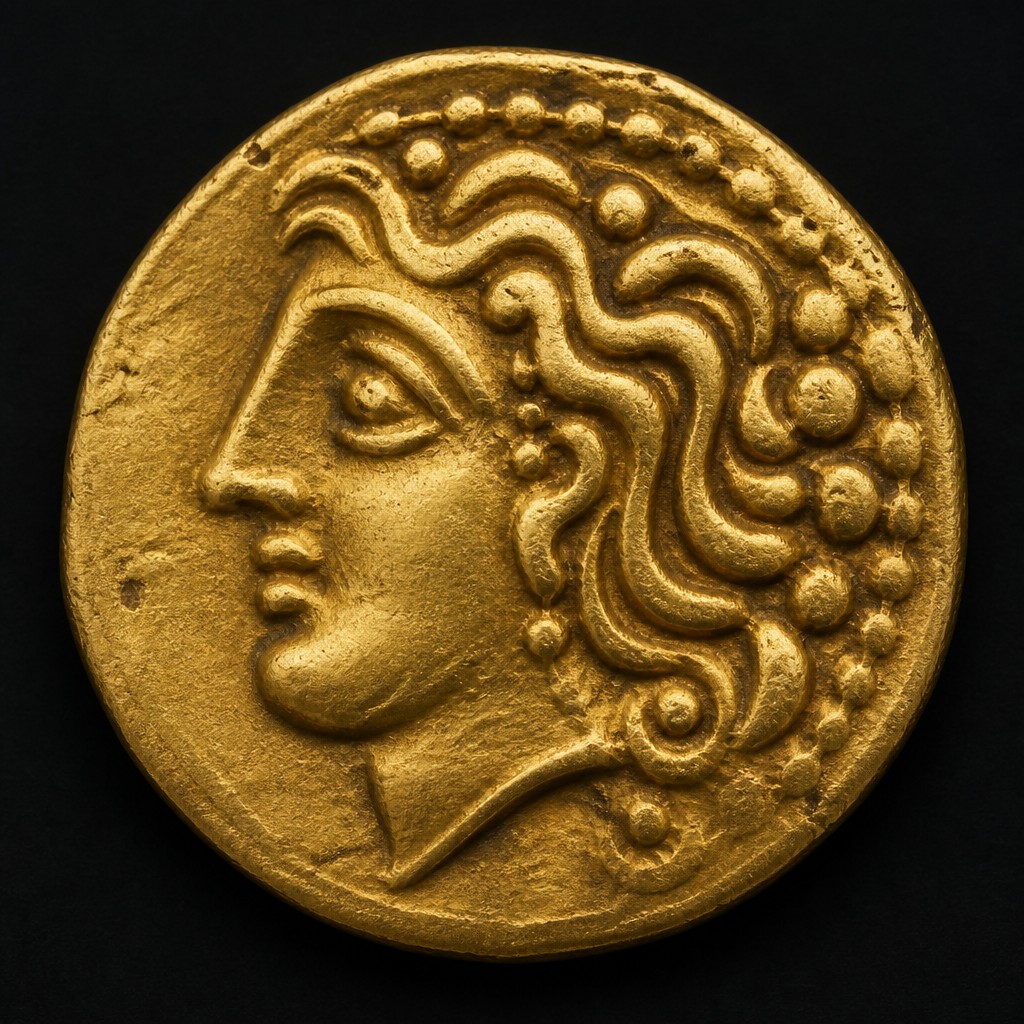
Celtic Gold Stater
c. 3rd century BC – 1st century AD