
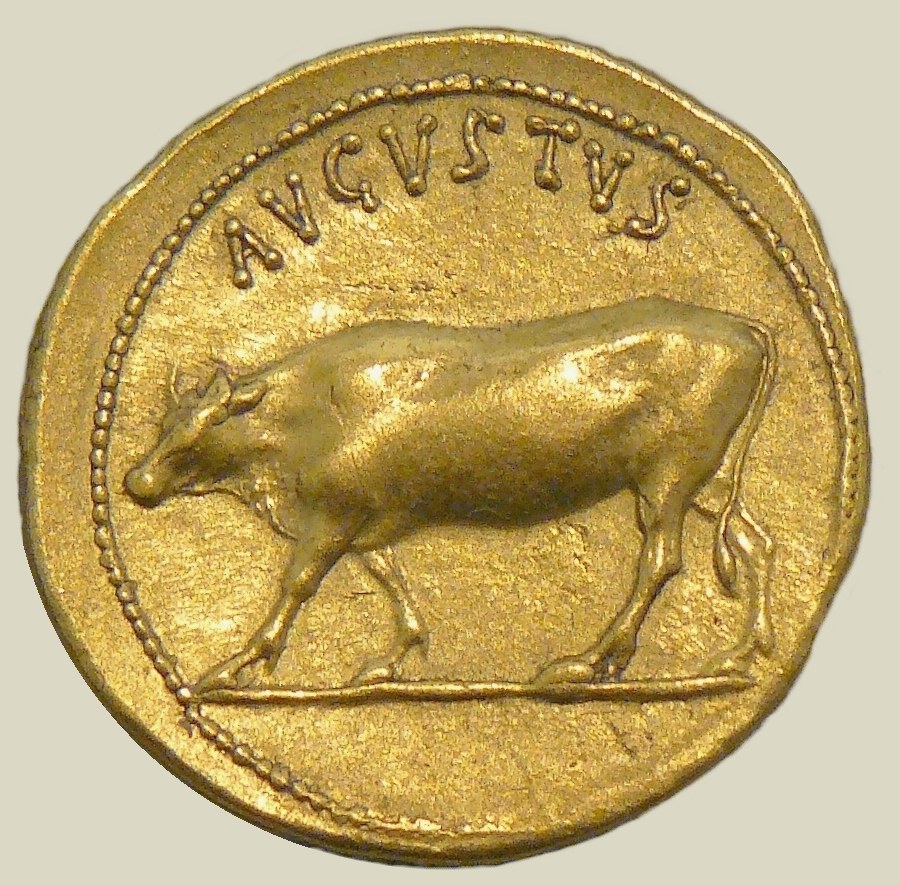
Aureus of Augustus
Roman imperial gold coin bearing the bare head of Augustus, first emperor of Rome, struck during his reign from 27 BC to 14 AD.
- Country
- Roman Empire
- Denomination
- Aureus
- Metal
- Gold
Got a coin like this?
Identify any coin from a photo, free.
Overview
The Aureus of Augustus is a gold coin of the early Roman Empire, and the example shown carries the bare head of Augustus facing right, with curly hair and a Latin legend running around the rim. As the highest-value denomination in the Roman monetary system, the aureus was struck in nearly pure gold and served as the prestige coin of the state.
Augustus, born Octavian, became Rome's first emperor and reformed the coinage into a stable system anchored by the gold aureus and the silver denarius. Coins bearing his portrait were issued across a long reign and helped spread his image throughout the empire, making the Augustan aureus one of the most historically significant gold coins of the ancient world.
History & Background
Augustus held sole power from 27 BC until his death in 14 AD, and during this period he overhauled Rome's currency. The aureus was established as the empire's principal gold denomination, valued at 25 silver denarii, with weight and fineness standardized to project stability after decades of civil war.
Gold aurei of Augustus were struck at several mints over his reign, with major output associated with mints in the western provinces (notably Lugdunum, modern Lyon) as well as Rome and other centers. Reverse designs varied widely across issues, depicting deities, personifications, military and dynastic themes, and commemorations of the emperor's family and achievements. Because gold was reserved for large payments, aurei circulated among the wealthy, the state, and the army rather than in everyday market use.
How to Identify
Look for a small but heavy gold coin, roughly 19-21 mm across and weighing on the order of 7-8 grams, with a bare male head facing right rendered in the naturalistic early-imperial style. The obverse portrait shows Augustus with short curly hair and no crown or wreath, encircled by a Latin legend naming him (forms such as CAESAR AVGVSTVS or AVGVSTVS DIVI F appear on various issues).
The reverse, not visible on a single-side image, differs by issue and may carry deities, personifications, family portraits, or military motifs with an accompanying legend. Genuine aurei are struck (not cast), show hand-engraved die detail, and use high-purity gold that resists tarnish. Because ancient dies were cut individually, minor style and legend variation between authentic coins is normal.
Value & Collectibility
Augustan aurei are scarce, high-value ancient gold coins, and prices are driven by portrait style, reverse type, mint, strike quality, centering, and overall preservation. Even worn genuine examples command significant sums as bullion-plus-history pieces, while sharply struck coins with attractive portraits and desirable reverse types can be worth many times more.
Rarer reverse designs, coins tied to notable historical events or family members, and pieces with clear provenance bring the strongest premiums. Because this is a heavily faked area, market value is closely linked to authentication and provenance; unattributed or ungraded coins carry more risk. Treat any single figure as approximate and rely on specialist auction records and expert opinion.
Frequently asked questions
Who is on the coin?
The portrait is Augustus, born Octavian, the first Roman emperor, who ruled from 27 BC to 14 AD. He is shown bare-headed facing right with curly hair.
Is it real gold?
Yes. The aureus was struck in nearly pure gold and was the highest denomination in the Roman system, worth 25 silver denarii.
How big is an aureus?
It is a small, dense coin about 19-21 mm across and roughly 7-8 grams, smaller than a modern coin of similar value but noticeably heavy for its size.
Why do different Augustus aurei look different?
Augustus reigned for over 40 years and used many mints and reverse designs. Portrait style and legends also vary because each die was hand-engraved.
Are these coins commonly faked?
Yes. High-value ancient gold is heavily counterfeited, so provenance and expert authentication are essential before buying or selling an Augustan aureus.
Aureus of Augustus guides
In-depth guides for identifying, valuing, and collecting Aureus of Augustus.
Other coins you may enjoy
Antoninianus
250-270 AD
Sestertius of Antoninus Pius
138-161 AD
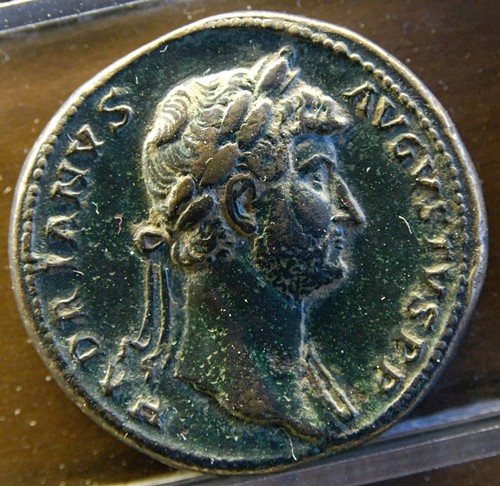
Sestertius of Hadrian
117-138 AD
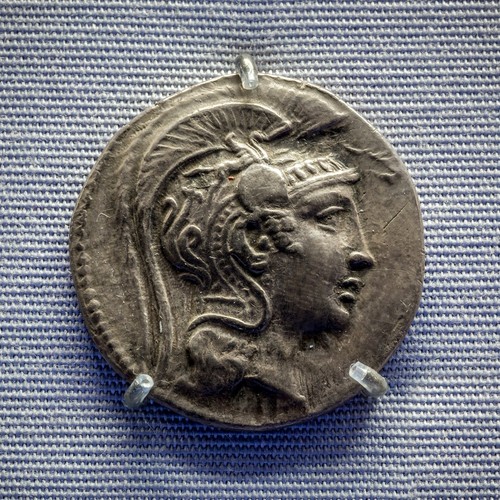
Athenian Owl Tetradrachm
165-42 BC
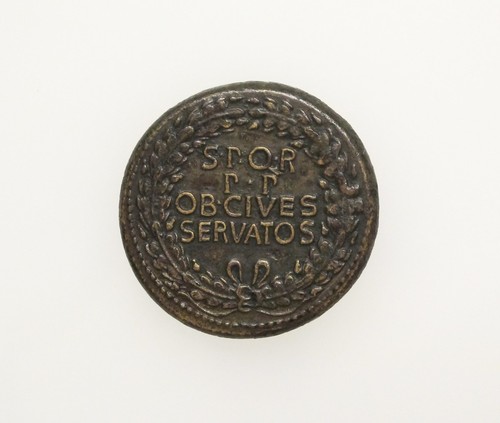
Sestertius of Caligula
37-41 AD
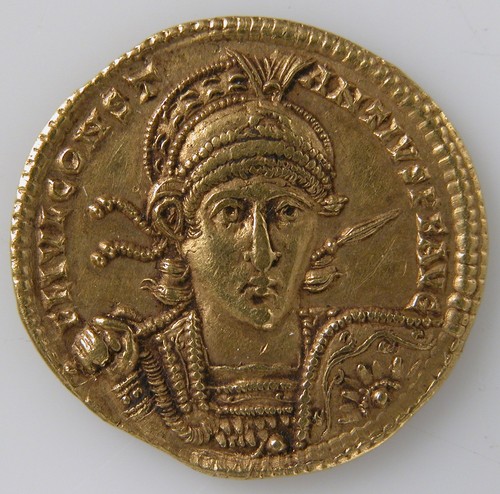
Solidus of Constantius II
337-361 AD
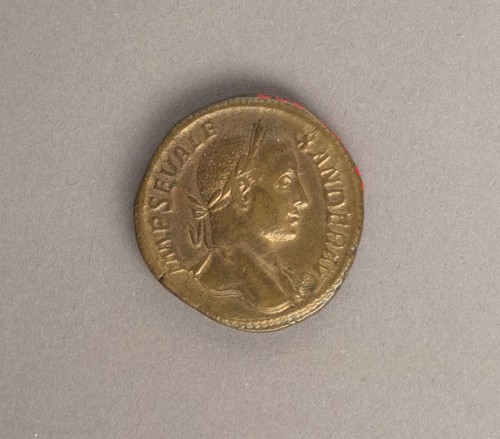
Sestertius of Alexander Severus
222-235 AD
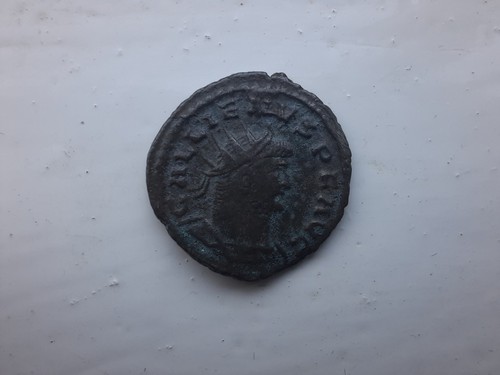
Antoninianus of Gallienus
253-268 AD
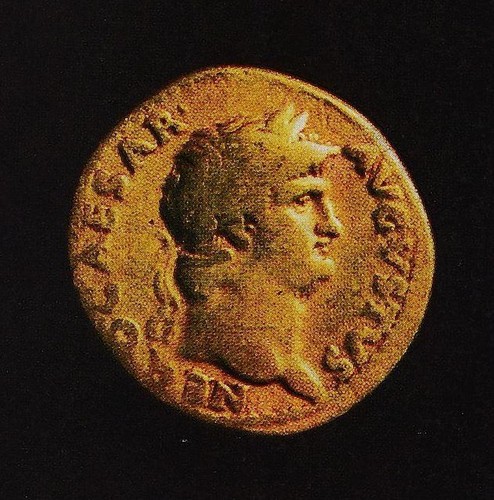
Aureus of Nero
54-68 AD
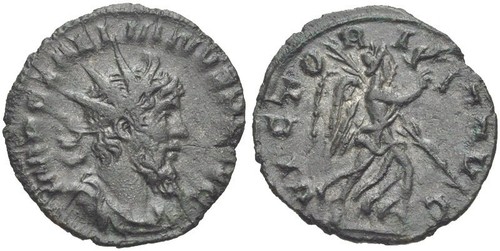
Antoninianus of Laelianus
AD 269
Aureus of Faustina II
147-150 AD
Aureus of Marcus Aurelius
c. 161-180 AD