
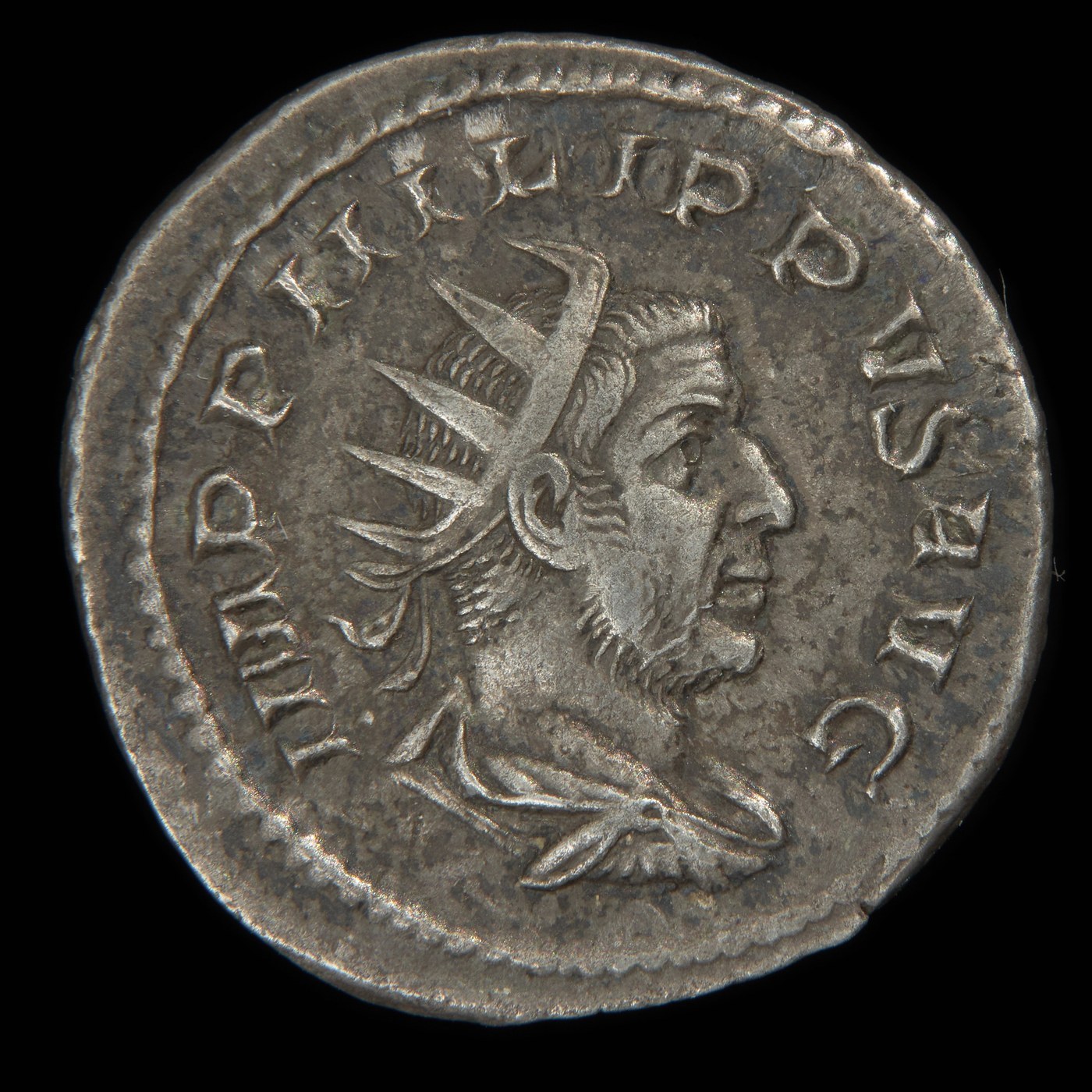
Antoninianus
Roman imperial coin of the crisis era, marked by a radiate (spiked) crown on the emperor's head; struck in debased silver-and-copper billon, c. 250-270 AD.
- Country
- Roman Empire
- Denomination
- Antoninianus
- Metal
- Billon
Got a coin like this?
Identify any coin from a photo, free.
Overview
The antoninianus is a Roman imperial coin recognizable by the radiate crown, a ring of spikes representing sun rays, worn by the male portrait on the obverse. The example shown carries a radiate head facing right with a Latin legend around the rim, matching the standard obverse type for this denomination in the mid-third century.
Originally introduced as a higher-value silver piece, the antoninianus became the workhorse coin of the empire during the turbulent decades around 250-270 AD. By the period of this coin its silver content had fallen steeply, and most surviving examples are billon, a debased alloy of a little silver mixed with copper. The reverse, only partly visible here, would have carried a deity or a personified virtue with its own legend.
History & Background
The antoninianus was first issued in the early third century AD under the emperor Caracalla and is generally understood as a double denarius, though it was struck lighter than two denarii. Over the following decades successive emperors, facing constant warfare, inflation, and political instability, progressively reduced its silver content to stretch the state's resources.
By the mid-third century, during the era of the so-called soldier-emperors, the antoninianus had largely replaced the denarius in circulation and was produced in enormous quantities at mints across the empire. The coins of roughly 250-270 AD are typically billon with only a thin surface layer of silver, and many circulated heavily. Reverse designs of the period commonly depict Roman gods such as Jupiter, Mars, Sol, and Apollo, or personifications of virtues and blessings like Pax (peace), Fides (loyalty), Aequitas (fairness), Salus (health), and Providentia (foresight), each identified by an accompanying legend.
How to Identify
The defining feature is the radiate crown: a spiked, sunburst-style headdress on the male portrait, which distinguishes the antoninianus from the laurel-wreathed head of the denarius. Expect a coin roughly 20-23 mm across in the earlier part of this range, shrinking and growing thinner as the period progresses, with a weight commonly in the area of 3-4 grams. The obverse legend, in Latin around the portrait, names the emperor and titles.
Surface color is a strong clue to the debased billon alloy: many examples show a coppery, brown, or gray tone rather than bright silver, and traces of original silvering may survive in protected areas. The reverse, not fully visible on this coin, would show a standing or seated deity or virtue figure with its own legend and often small letters or symbols in the field or exergue that indicate the mint and workshop. Because dies were hand-cut in vast numbers, style and legend spelling vary considerably between genuine coins.
Value & Collectibility
Antoniniani of the 250-270 AD period are among the most common surviving Roman coins, and typical worn billon examples are modest, affordable pieces on the ancient-coin market. Value is driven mainly by the emperor named, the reverse type, how much original silvering survives, strike sharpness, centering, and overall preservation.
Better-preserved coins with clear portraits, full legends, retained silvering, or scarce emperors and reverse types command higher prices, while common rulers in worn condition sit at the low end. Because these coins were mass-produced, condition and eye appeal matter more than rarity for most examples. Treat any single figure as approximate and check recent dealer listings and auction results for the specific emperor and reverse before assigning a value.
Frequently asked questions
Why does the head have a spiky crown?
The spikes form a radiate crown representing rays of the sun. It marks the coin as an antoninianus and separates it from the laurel-wreathed denarius.
Is the antoninianus made of silver?
It began as a silver coin, but by 250-270 AD it was billon, a debased mix of a little silver and mostly copper, often with only a thin silver surface.
What is on the reverse?
Reverses typically show a Roman god or a personified virtue such as Pax, Sol, or Fides, with a Latin legend. The reverse is not fully visible on this coin.
How big and heavy is it?
It is generally about 20-23 mm across and roughly 3-4 grams, becoming smaller and thinner as the alloy was debased through the third century.
Are these coins rare?
No. Antoniniani of this era were produced in huge numbers and are among the most commonly found Roman coins, so most examples are affordable.
Antoninianus guides
In-depth guides for identifying, valuing, and collecting Antoninianus.
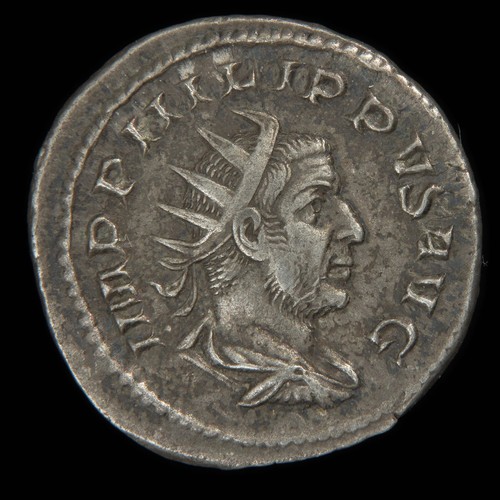
Antoninianus identified by the community
Real coins identified with Coin Identifier.
Other coins you may enjoy
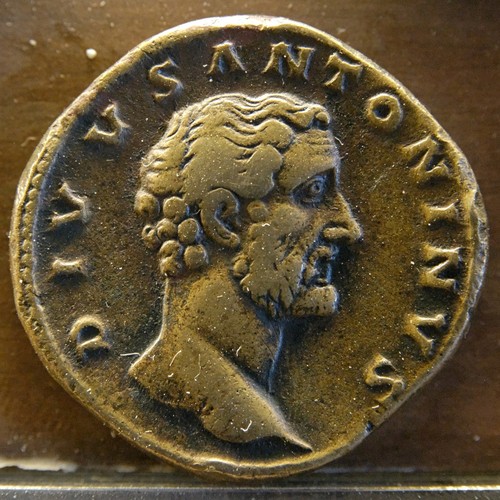
Sestertius of Antoninus Pius
138-161 AD
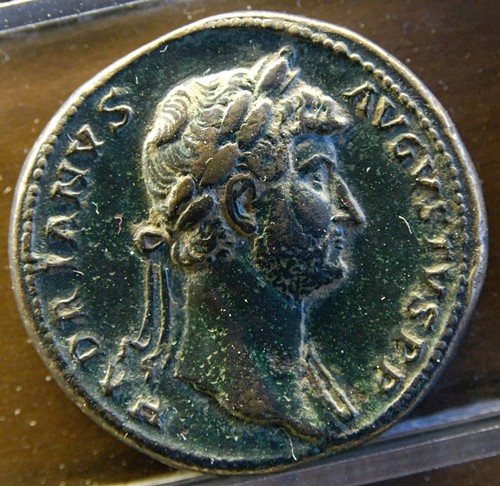
Sestertius of Hadrian
117-138 AD
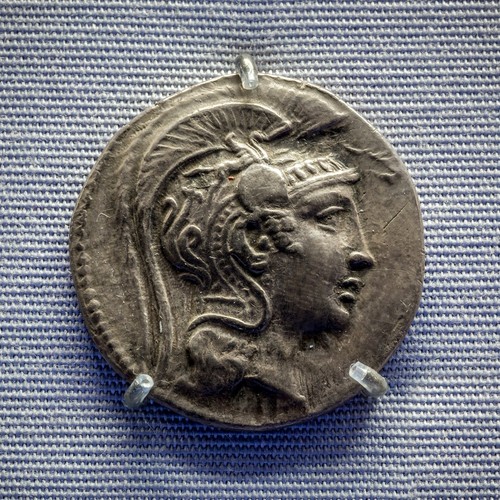
Athenian Owl Tetradrachm
165-42 BC
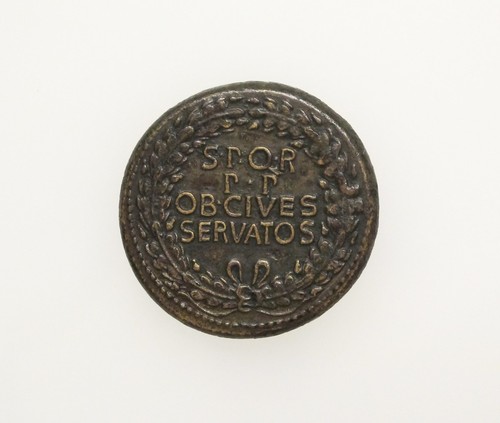
Sestertius of Caligula
37-41 AD
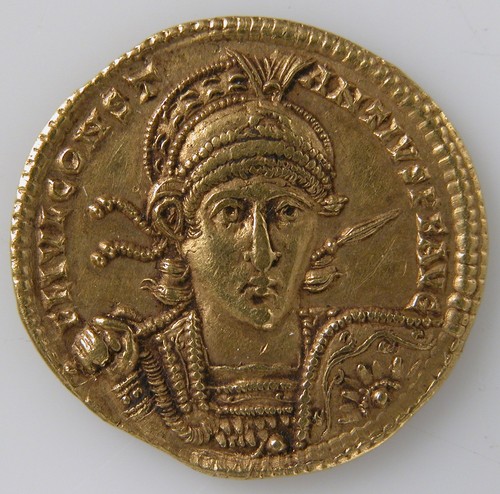
Solidus of Constantius II
337-361 AD
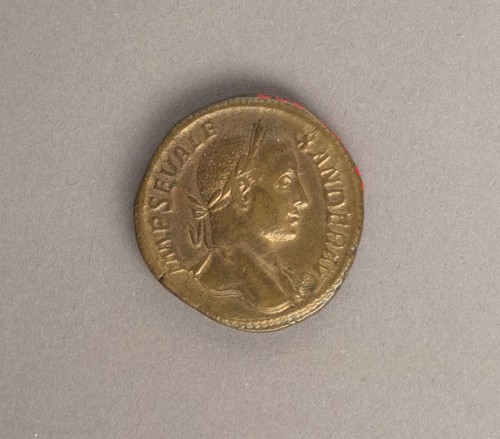
Sestertius of Alexander Severus
222-235 AD
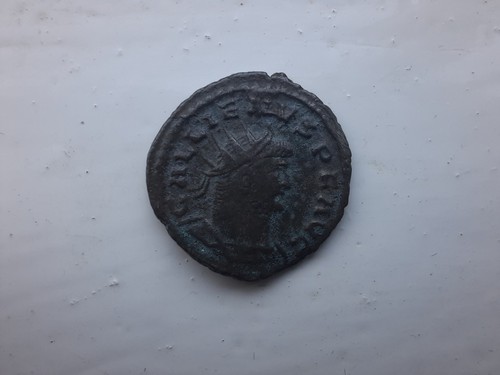
Antoninianus of Gallienus
253-268 AD
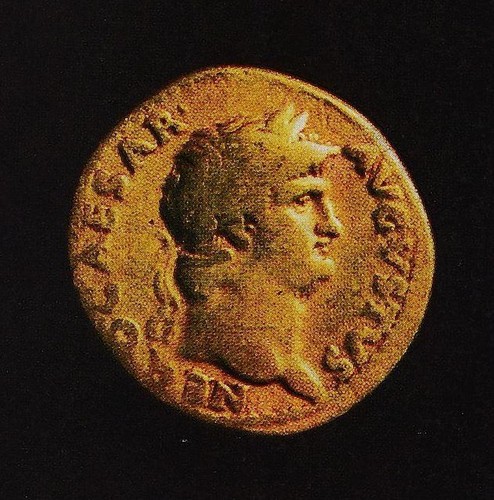
Aureus of Nero
54-68 AD
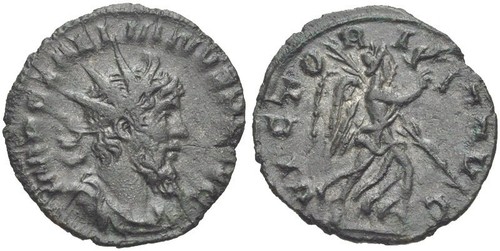
Antoninianus of Laelianus
AD 269
Aureus of Augustus
27 BC-14 AD
Aureus of Faustina II
147-150 AD
Aureus of Marcus Aurelius
c. 161-180 AD