
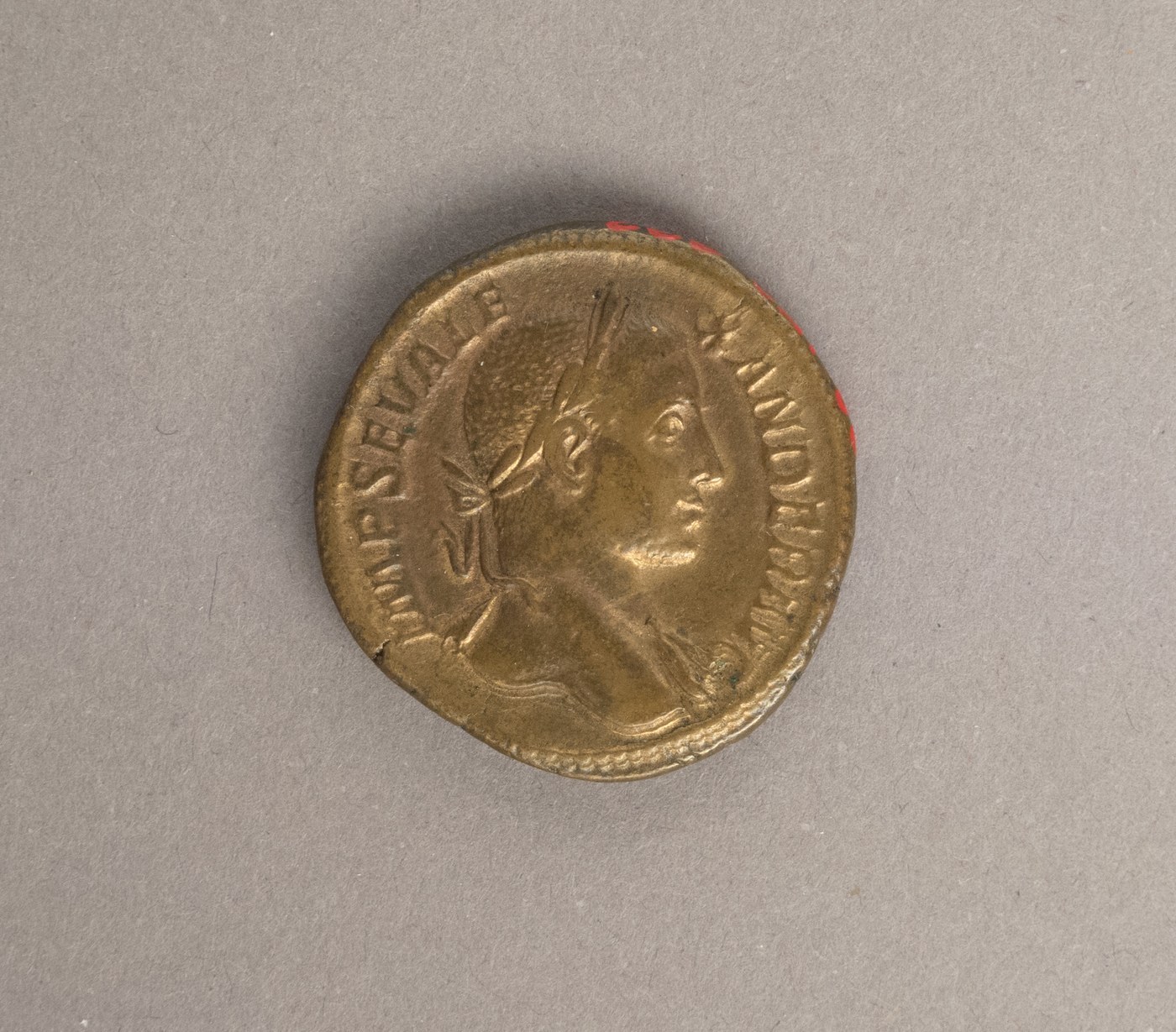
Sestertius of Alexander Severus
Large Roman bronze sestertius of emperor Alexander Severus (222-235 AD), showing his youthful head and a standing figure of Providentia.
- Country
- Roman Empire
- Denomination
- Sestertius
- Metal
- Bronze
Got a coin like this?
Identify any coin from a photo, free.
Overview
The Sestertius of Alexander Severus is a large Roman Empire bronze coin struck during the reign of the young emperor Severus Alexander, who ruled from 222 to 235 AD. The example shown carries a youthful male head of the emperor on the obverse, surrounded by a Latin legend, with a standing draped female figure representing Providentia on the reverse.
The sestertius was the largest commonly circulating Roman bronze denomination, and coins of this type served both as everyday money and as a vehicle for imperial messaging. The reverse personification of Providentia ("foresight" or "providence") advertised the good governance and forward planning of the emperor and his administration.
History & Background
Severus Alexander became emperor in 222 AD at about fourteen years of age, following the assassination of his cousin Elagabalus. His long reign, guided heavily by his mother Julia Mamaea and a council of advisers, was remembered by later Roman writers as a relatively moderate and orderly period before the turmoil of the mid-third century.
Sestertii were produced in large numbers at the mint of Rome throughout his reign to pay soldiers, fund public works, and circulate imperial propaganda. Reverse types such as Providentia, Annona, Pax, and various deities were used to project themes of stability, provision, and divine favor. Alexander's reign ended in 235 AD when he and his mother were murdered by mutinous troops, an event that opened the so-called Crisis of the Third Century.
How to Identify
Look for a large, heavy bronze coin, typically around 28-33 mm across, with a youthful bare or laureate male head facing right and a Latin legend naming the emperor, usually built from elements such as IMP, SEV or ALEXAND, and AVG. The portrait is that of a relatively young man rather than a bearded older ruler.
The reverse of this type shows a standing, draped female figure identified as Providentia, commonly holding attributes such as a wand or baton over a globe and a cornucopia, with a reverse legend that often includes PROVIDENTIA and the abbreviation S C (Senatus Consulto) in the field. The large S C is a hallmark of Roman imperial bronze and helps confirm a genuine sestertius rather than a silver or later imitation.
Value & Collectibility
Sestertii of Alexander Severus are among the more available large bronzes of the Severan period, so value is driven mainly by condition, surfaces, and the strength of the portrait rather than sheer rarity. Well-worn, corroded, or roughly cleaned pieces sit at the affordable end of the ancient-coin market, while examples with sharp detail, smooth surfaces, and attractive patina command significant premiums.
Eye appeal matters greatly for ancient bronze: an even green or brown patina and a clear, centered portrait can raise value substantially over a comparable but pitted coin. Scarcer reverse types bring more than common ones, though the Providentia type is a familiar issue. Because condition, patina, and authenticity all move the price, treat any single figure as approximate and compare against recent auction results for similar coins.
Frequently asked questions
Who is on this coin?
The portrait is Severus Alexander (Alexander Severus), Roman emperor from 222 to 235 AD. He came to power as a teenager and is shown with a youthful head on the obverse.
What is the figure on the reverse?
It is Providentia, the personification of foresight or providence. She stands draped, often holding a wand or baton over a globe and a cornucopia, advertising the emperor's good planning and provision.
What does the S C on the coin mean?
S C stands for Senatus Consulto, meaning 'by decree of the Senate.' It appears on Roman imperial bronze coinage like sestertii and helps identify the denomination and confirm authenticity.
Is it made of real bronze?
Yes. The sestertius was struck in a bronze alloy (a brass-like orichalcum for early issues) and is a large, heavy coin, which is why it developed the green or brown patina seen on many surviving examples.
How big is a sestertius?
It is the largest common Roman bronze denomination, typically about 28-33 mm across and noticeably heavy, much larger than the smaller as, dupondius, or silver denarius of the same era.
Sestertius of Alexander Severus guides
In-depth guides for identifying, valuing, and collecting Sestertius of Alexander Severus.
Other coins you may enjoy
Antoninianus
250-270 AD
Sestertius of Antoninus Pius
138-161 AD
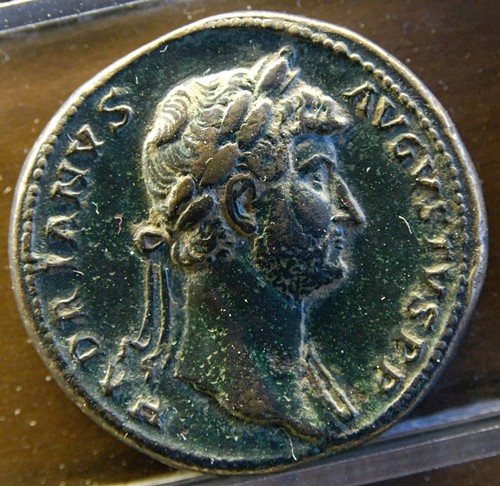
Sestertius of Hadrian
117-138 AD
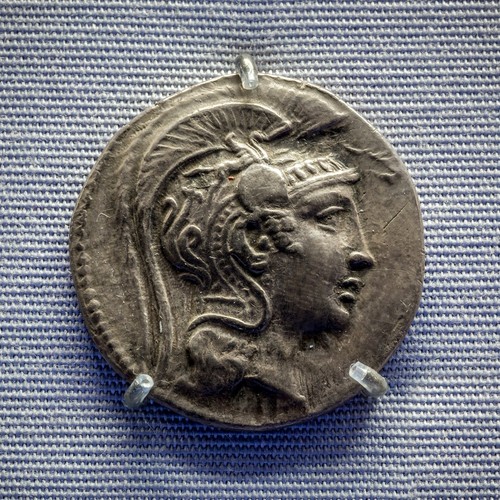
Athenian Owl Tetradrachm
165-42 BC
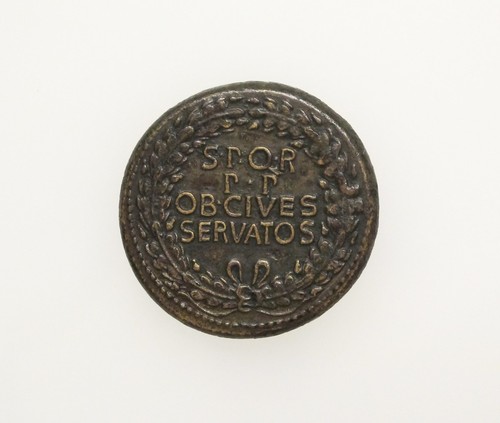
Sestertius of Caligula
37-41 AD
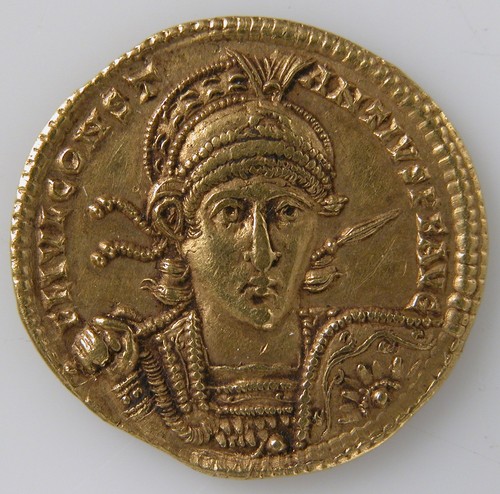
Solidus of Constantius II
337-361 AD
Antoninianus of Gallienus
253-268 AD
Aureus of Nero
54-68 AD
Antoninianus of Laelianus
AD 269
Aureus of Augustus
27 BC-14 AD
Aureus of Faustina II
147-150 AD
Aureus of Marcus Aurelius
c. 161-180 AD