
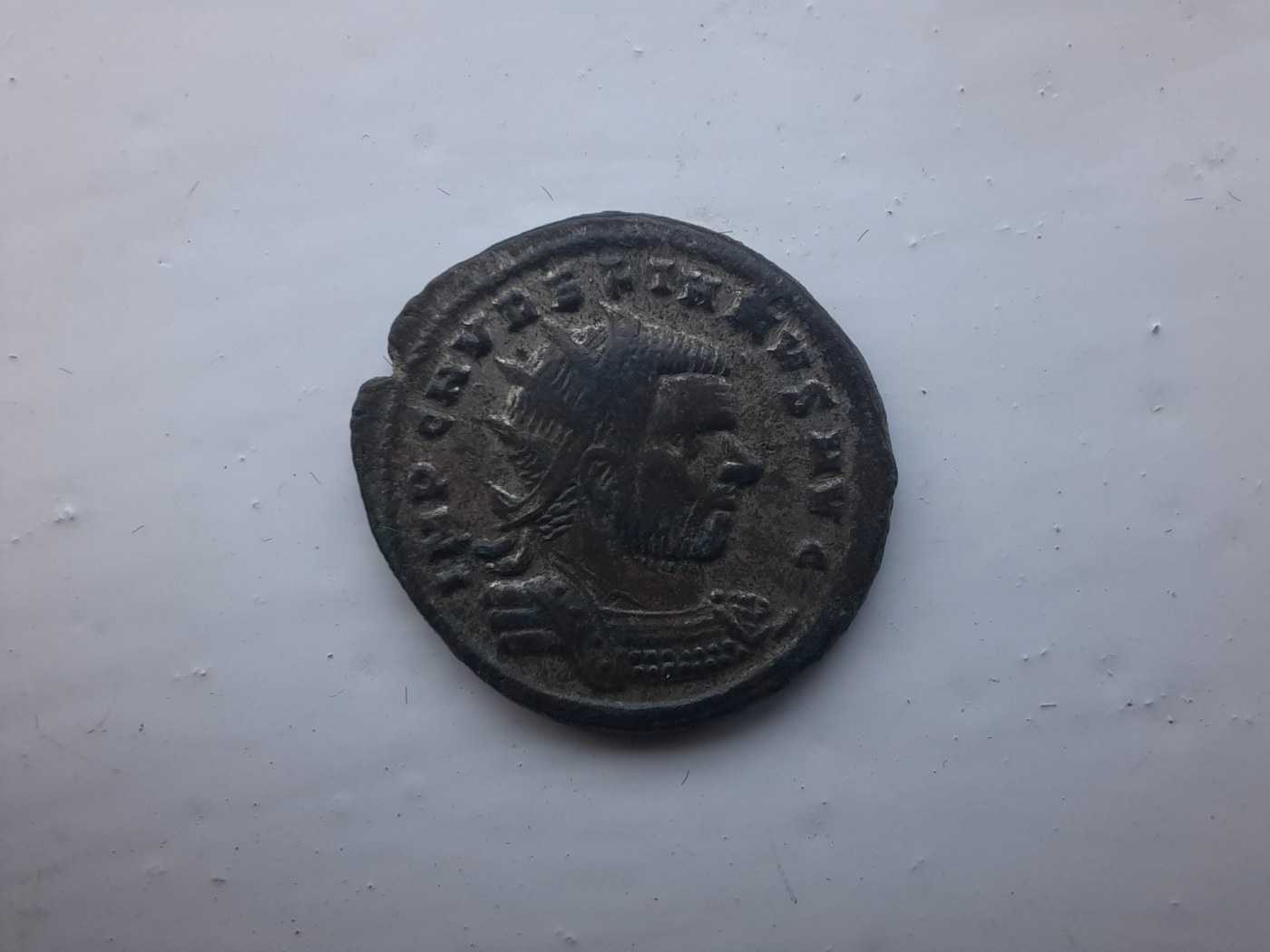
Antoninianus of Aurelian
Late Roman billon coin of Emperor Aurelian, showing his radiate-crowned bust and a standing deity or personification on the reverse.
- Country
- Roman Empire
- Denomination
- Antoninianus
- Metal
- Billon
Got a coin like this?
Identify any coin from a photo, free.
Overview
The Antoninianus of Aurelian is a base-silver (billon) Roman coin, and the example shown carries the radiate-crowned head of Emperor Aurelian on the obverse with a standing deity or personification on the reverse. The radiate crown, a ring of pointed rays, is the defining mark of the antoninianus and distinguishes it from the laurel-wreathed denarius.
Struck during Aurelian's short but pivotal reign of 270-275 AD, these coins are among the most commonly encountered pieces of the later third century. Aurelian reformed and improved the debased antoninianus late in his reign, and his radiates, often still bearing traces of their original silvery surface, are a popular and affordable entry point into collecting Roman imperial coinage.
History & Background
Aurelian ruled from 270 to 275 AD during the depths of the Roman "Crisis of the Third Century," a period of civil war, invasion, and monetary breakdown. He earned the title Restitutor Orbis ("restorer of the world") by reuniting a fractured empire, defeating the breakaway Palmyrene realm of Zenobia in the east and the Gallic Empire in the west, and fortifying Rome with the Aurelian Walls.
By his accession the antoninianus, a double-denarius introduced by Caracalla in 215 AD, had collapsed into a small coin of mostly bronze with only a thin silver wash. In about 274 AD Aurelian reformed the coinage, issuing a heavier, better-silvered antoninianus often marked in the reverse field or exergue with the numerals XXI (or the Greek KA), generally understood to signal a controlled ratio of twenty parts base metal to one of silver. His coins were produced at numerous imperial mints across the empire, including Rome, Milan, Siscia, Serdica, Cyzicus, Antioch, and Tripolis.
How to Identify
Look for a small, dark coin roughly 20-23 mm across and about 3-4 grams, struck in billon (silvered bronze) rather than good silver. The obverse shows a male bust facing right wearing a spiked radiate crown, encircled by a Latin legend naming the emperor in forms such as IMP AVRELIANVS AVG or IMP C L DOM AVRELIANVS AVG. The surface may retain patches of the original silvering or appear brown-to-green from bronze corrosion.
The reverse typically depicts a standing deity or personification with an accompanying legend, common types include SOL INVICTVS (Sol raising a hand), CONCORDIA MILITVM, ORIENS AVG, VIRTVS MILITVM, and RESTITVTOR ORBIS. Post-reform pieces frequently show the mark XXI or KA plus mint and workshop letters in the exergue below the figure. Because each die was cut by hand, minor variation in style, legend spacing, and centering between genuine coins is normal.
Value & Collectibility
Aurelian's antoniniani were struck in very large numbers and survive in quantity, so most circulated examples are among the more affordable ancient Roman coins. Value is driven chiefly by preservation of detail, how much original silvering remains, strike quality, centering, and the desirability of the reverse type and mint.
Well-centered coins with sharp portraits and substantial intact silvering command clear premiums over worn, corroded, or off-center pieces, and scarcer reverse types or mints can add further value. Coins tied to notable themes (such as Sol Invictus) or with attractive surfaces are the most sought after. Fakes and modern reproductions exist, so authentication matters at higher values; treat any single figure as approximate and check recent specialist sales.
Frequently asked questions
Who is on this coin?
The portrait is Emperor Aurelian, who ruled Rome from 270 to 275 AD. He is shown facing right wearing a radiate (spiked) crown, and the obverse legend names him.
What is an antoninianus?
It is a Roman denomination introduced in 215 AD, originally valued as a double denarius. The radiate crown on the portrait is its signature feature, replacing the laurel wreath of the denarius.
Is it made of silver?
Only partly. By Aurelian's time the antoninianus was billon, a bronze coin with a thin silver surface. Aurelian's reformed coins carry a bit more silver but are still mostly base metal.
What do the letters XXI or KA mean?
They appear on Aurelian's post-reform coins (around 274 AD) and are generally read as a silver standard of twenty parts base metal to one part silver. KA is the Greek equivalent used at eastern mints.
Are these coins rare?
No. Aurelian's antoniniani were struck in huge numbers and are common today, which makes them affordable. Value comes mainly from condition, surviving silvering, and the reverse type.
Antoninianus of Aurelian guides
In-depth guides for identifying, valuing, and collecting Antoninianus of Aurelian.
Other coins you may enjoy
Antoninianus
250-270 AD
Sestertius of Antoninus Pius
138-161 AD
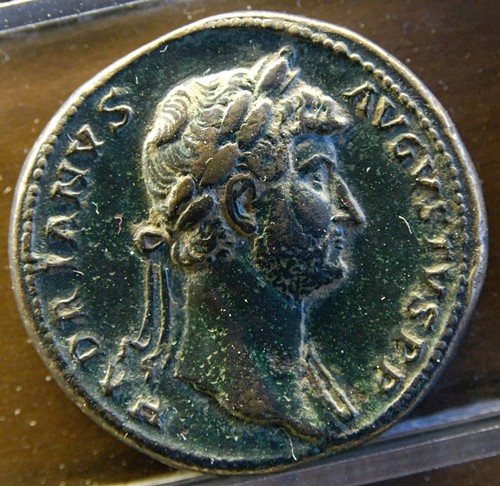
Sestertius of Hadrian
117-138 AD
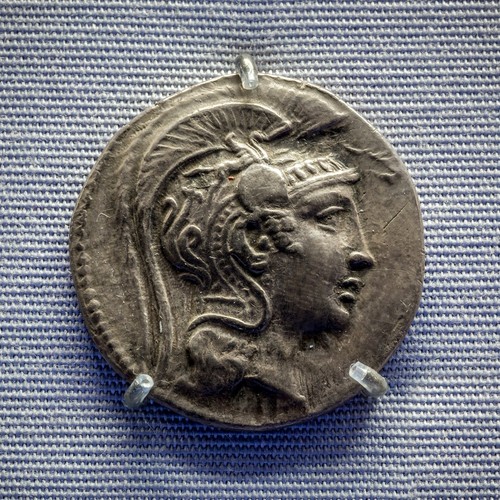
Athenian Owl Tetradrachm
165-42 BC
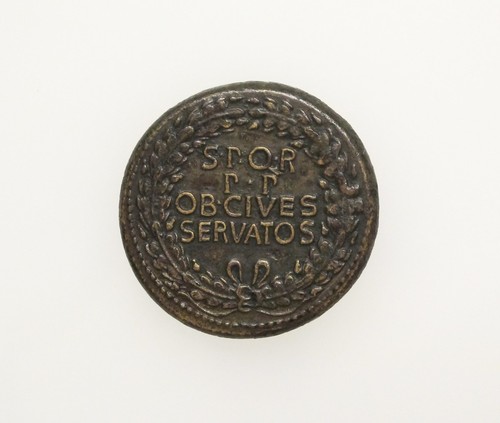
Sestertius of Caligula
37-41 AD
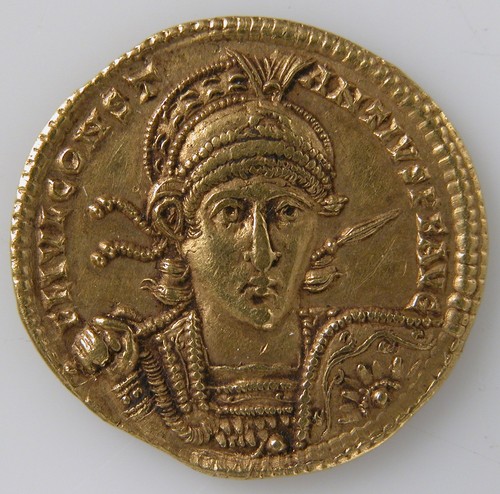
Solidus of Constantius II
337-361 AD
Sestertius of Alexander Severus
222-235 AD
Antoninianus of Gallienus
253-268 AD
Aureus of Nero
54-68 AD
Antoninianus of Laelianus
AD 269
Aureus of Augustus
27 BC-14 AD
Aureus of Faustina II
147-150 AD