
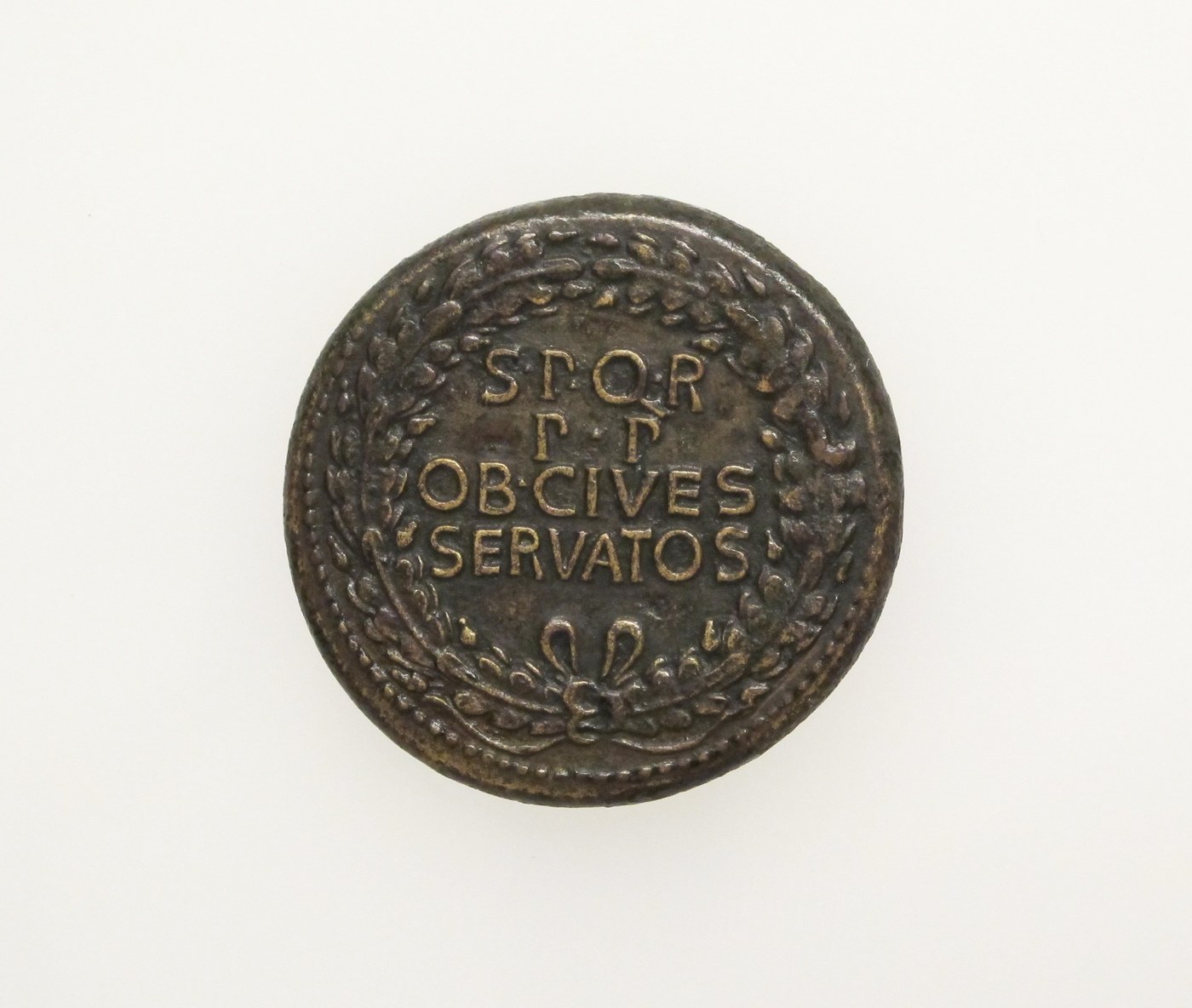
Sestertius of Caligula
Large Roman imperial bronze sestertius bearing the head of Gaius, better known as Caligula, struck during his short reign from 37 to 41 AD.
- Country
- Roman Empire
- Denomination
- Sestertius
- Metal
- Bronze
Got a coin like this?
Identify any coin from a photo, free.
Overview
The Sestertius of Caligula is a large Roman imperial base-metal coin, and the example shown carries the head of Gaius (Caligula) on the obverse and a standing figure on the reverse. The sestertius was the biggest of the everyday Roman denominations, struck in a yellowish copper-alloy (orichalcum, a brass often described broadly as bronze) and prized for its broad flan that gave engravers room for detailed portraits and reverse scenes.
Caligula ruled for less than four years, so his coinage was produced over a short window and is correspondingly limited in the number of types. Sestertii of his reign are among the most sought-after early imperial bronzes, both for the notoriety of the emperor and for the bold, high-relief style of the Julio-Claudian mint at Rome.
History & Background
Gaius Julius Caesar Germanicus, nicknamed Caligula ("little boot") as a child in the army camps, became emperor in 37 AD on the death of Tiberius and was assassinated in 41 AD. His large bronze coinage was struck mainly at the mint of Rome under senatorial authority, which is why sestertii of this period typically carry the letters S C (Senatus Consulto) on the reverse field.
The reverse types of Caligula's sestertii commemorate his family and his public acts: issues honoring his deceased mother Agrippina and his three sisters, an oak-wreath civic-crown type reading SPQR PP OB CIVES SERVATOS, and scenes such as the emperor addressing soldiers (ADLOCVTIO) or figures like Pietas seated. A standing figure on the reverse fits this repertoire, which drew on military, dynastic, and religious themes to project the young emperor's legitimacy and generosity. Because Caligula's memory was condemned after his death, some of his coins were withdrawn or defaced, which adds to their interest today.
How to Identify
Look for a large, heavy bronze coin, roughly 34-37 mm across and on the order of 25-30 grams, with a bare male head facing left or right rendered in bold early-imperial relief. The obverse legend names Gaius in Latin, using forms built from C CAESAR AVG GERMANICUS with imperial titles, and the portrait shows the emperor bare-headed rather than wearing a laurel wreath on many issues.
The reverse carries a standing (or seated) figure with an identifying legend and, on Rome-mint issues, the letters S C in the field or below. Genuine pieces are struck rather than cast, show hand-engraved die detail, and often display a green, brown, or reddish patina from centuries of burial. Because each die was cut by hand, minor differences in portrait style and legend spacing between authentic coins are normal, and the reverse type is essential for pinning down the exact issue.
Value & Collectibility
Caligula sestertii are desirable early imperial bronzes, and value is driven by the reverse type, portrait style, strike quality, centering, surface, and patina. Common reverse types in worn condition are more accessible, while sharply struck coins with attractive portraits, smooth patina, and popular types (such as the family or civic-crown issues) command strong premiums.
Rarer reverses, coins with historical resonance, and pieces with documented provenance bring the highest prices, while corroded, tooled, or heavily smoothed surfaces reduce value. Because this is a frequently faked area, market value is closely tied to authentication and provenance; unattributed or unslabbed coins carry more risk. Treat any single figure as approximate and rely on specialist auction records and expert opinion rather than a listing's asking price.
Frequently asked questions
Who is on the coin?
The portrait is Gaius, the emperor better known by his nickname Caligula, who ruled Rome from 37 to 41 AD. His name appears in the Latin obverse legend.
What metal is a sestertius?
The sestertius was struck in a yellowish copper alloy called orichalcum, a form of brass commonly described broadly as bronze, not in silver or gold.
How big is a Caligula sestertius?
It is a large coin, roughly 34-37 mm across and around 25-30 grams, much bigger and heavier than most modern circulating coins.
What do the letters S C mean?
S C stands for Senatus Consulto, marking the coin as struck under the authority of the Roman Senate, and it appears on most Rome-mint imperial bronzes.
Are these coins commonly faked?
Yes. Caligula bronzes are valuable and heavily counterfeited, so provenance and expert authentication are essential before buying or selling one.
Sestertius of Caligula guides
In-depth guides for identifying, valuing, and collecting Sestertius of Caligula.
Other coins you may enjoy
Antoninianus
250-270 AD
Sestertius of Antoninus Pius
138-161 AD
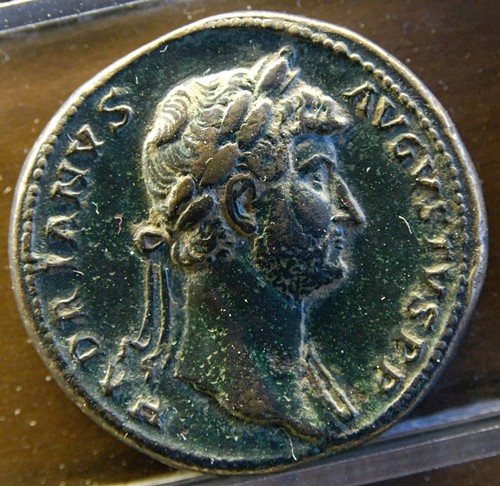
Sestertius of Hadrian
117-138 AD
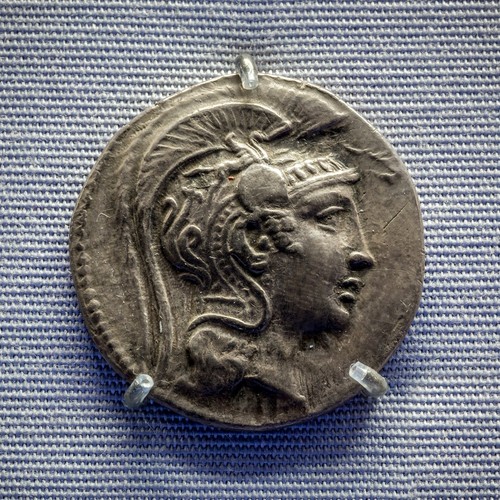
Athenian Owl Tetradrachm
165-42 BC
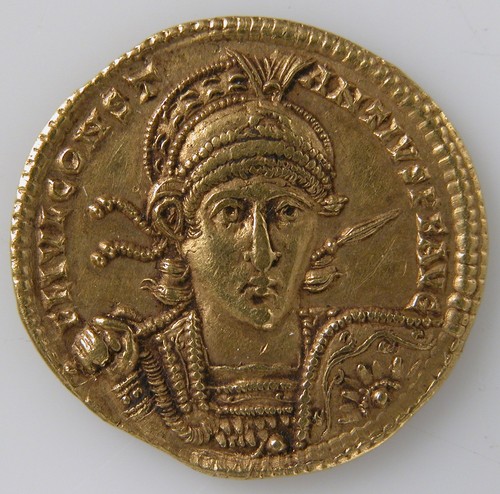
Solidus of Constantius II
337-361 AD
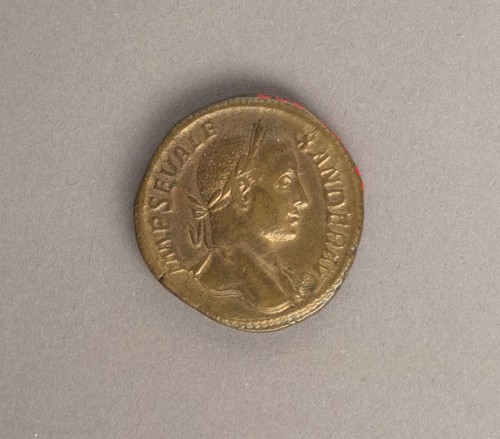
Sestertius of Alexander Severus
222-235 AD
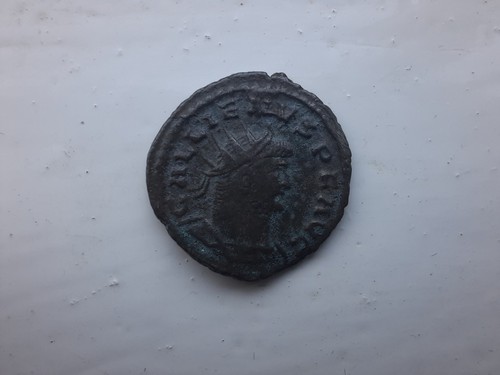
Antoninianus of Gallienus
253-268 AD
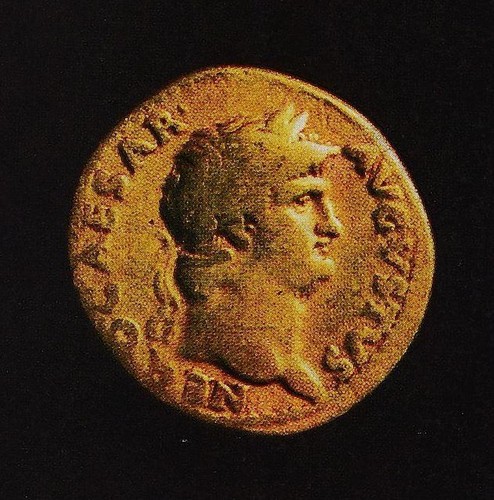
Aureus of Nero
54-68 AD
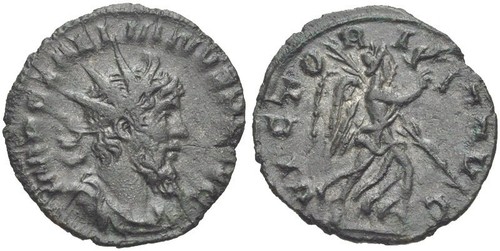
Antoninianus of Laelianus
AD 269
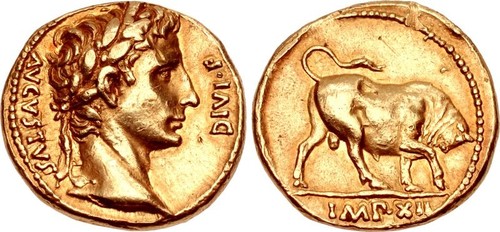
Aureus of Augustus
27 BC-14 AD
Aureus of Faustina II
147-150 AD
Aureus of Marcus Aurelius
c. 161-180 AD