
How to Identify the Sestertius of Caligula
Collector checks for a Caligula sestertius: portrait and legend, large bronze size and weight, S C mark, reverse types, look-alikes, and authentication cautions.
Read the full Sestertius of Caligula encyclopedia entry →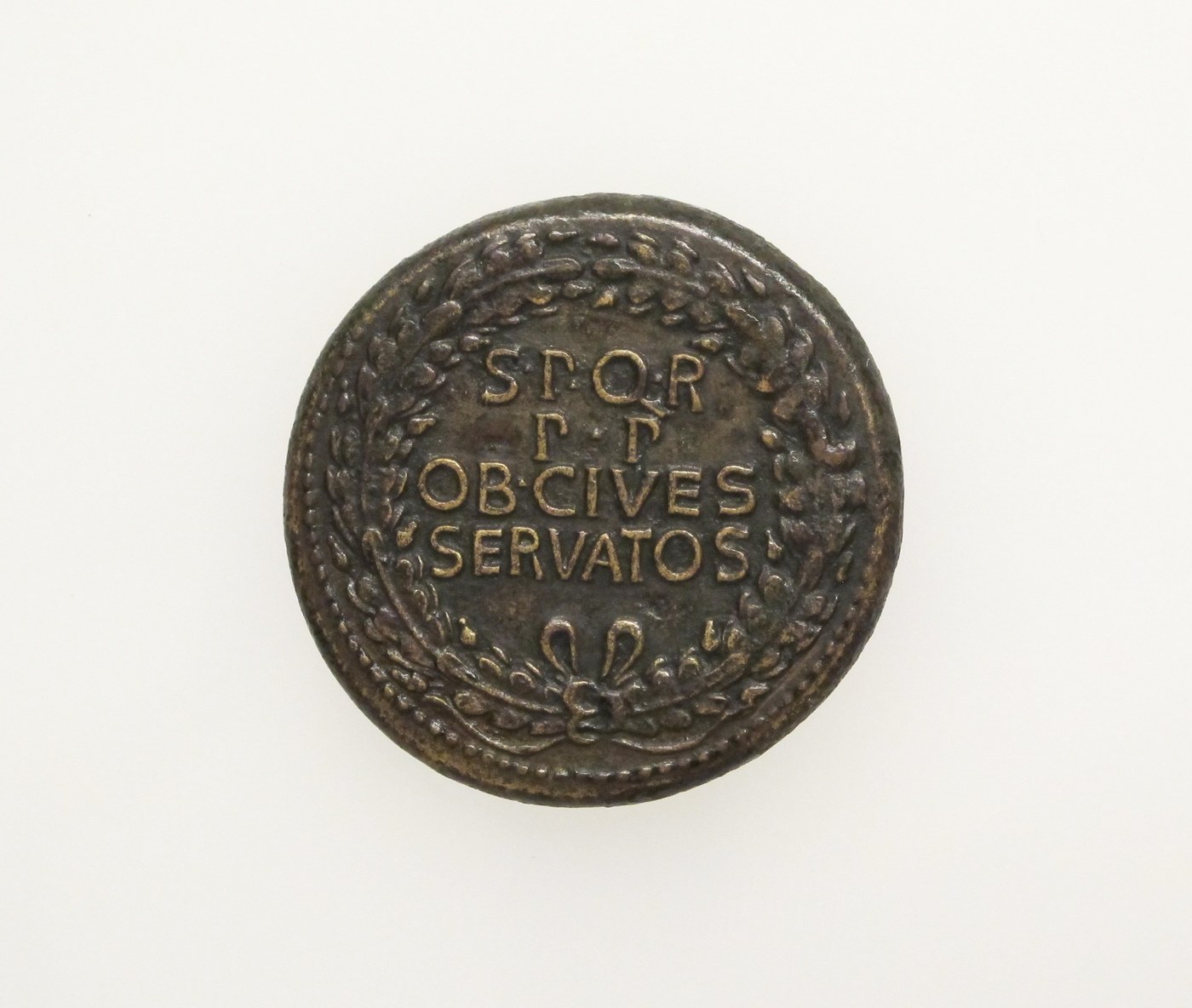
Start with size, weight, and metal. A genuine sestertius is a large, heavy coin, roughly 34-37 mm across and around 25-30 grams, struck in a yellowish brass (orichalcum) that usually now shows a green, brown, or reddish patina. A much smaller or lighter bronze of similar design is more likely a dupondius or as rather than a sestertius, and a silver-colored coin is a different denomination entirely.
Read the obverse portrait and legend. Caligula is shown as a young man with the characteristic Julio-Claudian features, and his name appears in Latin built from C CAESAR AVG GERMANICVS with imperial titles. Confirm you are reading the emperor's name rather than that of a relative, since some of his sestertii honor his mother Agrippina or his sisters and place their names prominently.
Examine the reverse to attribute the issue. The reverse carries the standing or seated figure and its identifying legend, and on Rome-mint coins you should find the letters S C in the field. Distinct types include the oak-wreath civic crown reading SPQR PP OB CIVES SERVATOS, an ADLOCVTIO scene of the emperor addressing troops, and dynastic or religious figures. Record the legend and the figure's attributes (spear, patera, scepter, cornucopia) and match them against standard references such as RIC to pin down the exact type and date.
Watch for look-alikes and later imitations. Sestertii of other Julio-Claudian rulers, smaller bronzes of the same period, tooled or re-engraved genuine coins, and modern cast forgeries can all resemble a Caligula sestertius at a glance. Confirm the coin is struck rather than cast by looking for sharp raised detail, hand-engraved dies, and the absence of casting seams, bubbles, or a soft, grainy surface.
Authenticate before committing. Because Caligula's bronzes are both valuable and frequently faked, weigh and measure the coin, inspect it under magnification for tooling and smoothing, and treat documented provenance as essential. For any significant purchase, rely on reputable ancient-coin specialists, third-party authentication, and published auction records rather than a seller's description alone.
Frequently asked questions
How do I know it is a sestertius and not a smaller bronze?
Size and weight are the key. A sestertius is large and heavy, about 34-37 mm and 25-30 grams. Smaller, lighter bronzes of similar style are usually a dupondius or as.
How can I tell Caligula from another Julio-Claudian emperor?
Read the Latin obverse legend, which names Gaius using forms built from C CAESAR AVG GERMANICVS. Do not rely on the portrait alone, since the family shared a similar style.
Do I need the reverse to identify the exact coin?
Yes. The reverse figure, legend, and the S C mark determine the specific issue and approximate date, so full attribution requires examining both sides against standard references.
What are the warning signs of a fake?
Casting seams, air bubbles, a soft grainy surface, wrong weight or diameter, and suspiciously fresh detail are red flags. Seek expert authentication before buying.