
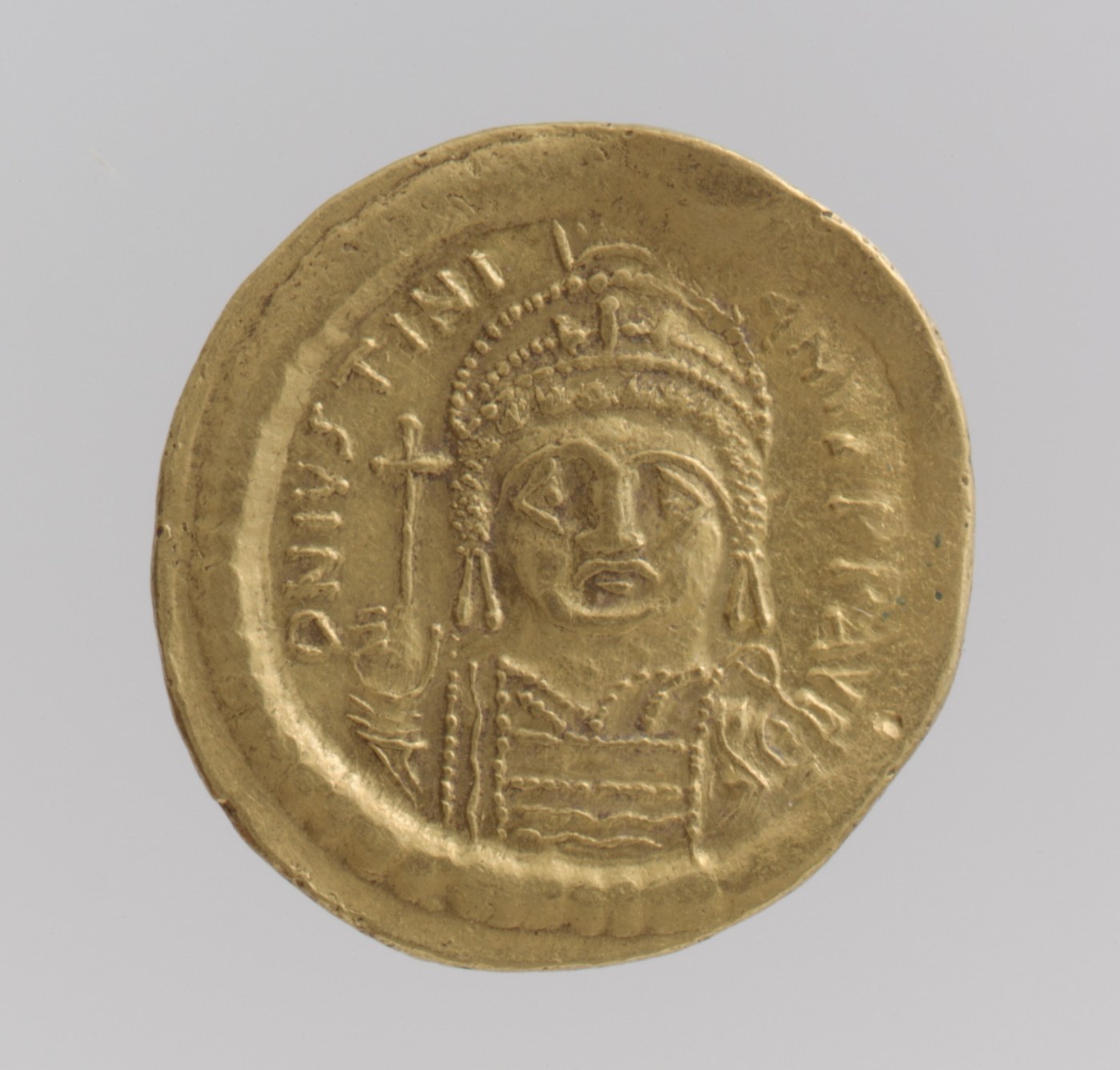
Solidus of Justinian I
Byzantine gold solidus of Emperor Justinian I (527-565 AD), showing his crowned imperial bust with a seated figure on the reverse.
- Country
- Byzantine Empire
- Denomination
- Solidus
- Metal
- Gold
Got a coin like this?
Identify any coin from a photo, free.
Overview
The Solidus of Justinian I is a Byzantine gold coin struck during the reign of Emperor Justinian I, who ruled the Eastern Roman (Byzantine) Empire from 527 to 565 AD. The solidus was the standard high-value gold coin of the Byzantine world, a direct continuation of the reformed Roman gold coinage introduced by Constantine the Great, and it held its weight and purity so reliably that it became the trusted currency of Mediterranean trade for centuries. The example shown carries Justinian's imperial bust facing right, wearing a decorated crown, with a seated figure on the reverse.
As the money of one of the most consequential rulers of late antiquity, the solidus of Justinian ties directly to a well-documented reign remembered for its law codes, its reconquest campaigns in Italy and North Africa, and the building of Hagia Sophia. The profile bust facing right places this piece among Justinian's earlier gold, before the mint of Constantinople settled on a helmeted, three-quarter-facing portrait as the standard for his later solidi.
History & Background
Justinian I came to the throne in 527 AD and reigned until 565, presiding over an ambitious effort to restore the old Roman world. His generals Belisarius and Narses recovered Italy, North Africa, and part of Spain, while at home he oversaw the codification of Roman law in the Corpus Juris Civilis and the rebuilding of Hagia Sophia in Constantinople. Gold coinage funded these campaigns and projects, and the solidus was the backbone of the imperial treasury and of long-distance commerce.
Justinian's solidi were struck chiefly at Constantinople, with additional issues from mints such as Carthage, Ravenna, and other centers brought under imperial control during the reconquests. Over the long reign the official portrait changed. Early issues, like the profile bust facing right seen here, continued the style inherited from his predecessors, while from roughly the 530s onward the mint adopted a frontal, helmeted, cuirassed bust holding a globus cruciger that became the emperor's most familiar image.
The reverse types of Justinian's gold draw on the standard vocabulary of late-antique imperial coinage: a standing or seated figure of Victory or an angel holding a long cross or staff, often with a star in the field, accompanied by a mint signature and officina mark in the exergue. Because a precise reverse type cannot be confirmed from a seated figure alone, the specific issue is best pinned down by comparison with catalogued examples of the same portrait and legend.
How to Identify
Identify the coin first by its obverse. It shows the bust of Justinian I facing right, wearing a decorated diadem or crown, encircled by a Latin legend that names the emperor, typically in a form such as D N IVSTINIANVS P P AVG (Dominus Noster Justinianus Perpetuus Augustus). The right-facing profile marks this as one of the earlier solidus types of the reign, distinct from the later frontal helmeted portrait.
The solidus is a thin gold disc roughly 20 to 22 mm in diameter, weighing close to 4.5 grams when full, struck at high purity. The reverse of the example shows a seated figure; on Justinian's gold this is commonly a personification or an angel or Victory holding a long cross or staff, with a star in the field and a mint mark such as CONOB in the exergue, which indicates Constantinople gold of standard fineness. Because the coin is hand-struck, the flan is often slightly irregular and the design may sit off-center.
Attribution rests on the portrait, the Latin legend, and the reverse type read together. The CONOB or comparable exergual mark, the officina letter, and the exact wording of the legends all help place a given solidus within the reign and assign it to a mint. Specialists narrow the dating further by whether the portrait is the earlier profile bust or the later facing helmeted type.
Value & Collectibility
As high-purity gold of a celebrated emperor, the Solidus of Justinian I trades well above its metal content and is one of the more collectible early Byzantine gold issues. Prices depend on condition, the sharpness and centering of the portrait, the specific reverse type and mint, and whether the coin has been professionally authenticated. Worn or common examples generally sell in the mid hundreds to low thousands of dollars, while sharp, well-centered pieces and scarcer mints or types command more, with exceptional coins reaching several thousand dollars or higher at auction.
Because ancient and Byzantine gold is widely counterfeited, and because the ownership and export of ancient coins are governed by cultural-property laws in many countries, provenance carries real weight. Documented collection history and certification by a recognized ancient-coin grading service both add confidence and value. Any high-value attribution should be confirmed by a specialist rather than by portrait resemblance alone.
Frequently asked questions
What is a solidus?
The solidus was the standard gold coin of the late Roman and Byzantine world, introduced under Constantine the Great and continued for centuries. Prized for its stable weight of about 4.5 grams and high purity, it served as a store of value and the currency of long-distance trade.
How much is a Solidus of Justinian I worth?
As gold of a famous emperor it sells well above bullion value. Worn or common examples often bring mid hundreds to low thousands of dollars, while sharp, well-centered coins or scarcer mints and types can reach several thousand dollars or more. Condition, type, mint, and provenance drive the price.
How can I tell it is Justinian I on the coin?
Look for an imperial bust, here facing right in a decorated crown, surrounded by a Latin legend naming IVSTINIANVS. The earlier profile bust and the later frontal helmeted portrait both belong to his reign; the named legend combined with the portrait confirms the emperor.
When was it made?
During the reign of Justinian I, from 527 to 565 AD. The right-facing profile bust points to the earlier part of the reign, before the mint of Constantinople adopted the frontal helmeted portrait for his later solidi.
What does CONOB mean on the reverse?
CONOB is a mint signature commonly found in the exergue of Byzantine gold. It indicates gold struck at Constantinople of standard fineness (OB standing for the gold standard), and it helps confirm the coin as an official imperial issue.
Solidus of Justinian I guides
In-depth guides for identifying, valuing, and collecting Solidus of Justinian I.
Other coins you may enjoy
Antoninianus
250-270 AD
Sestertius of Antoninus Pius
138-161 AD
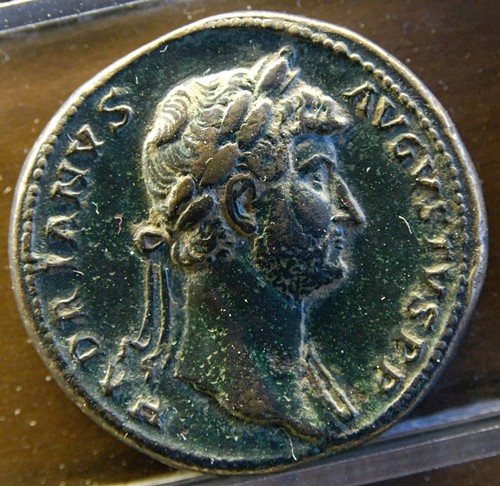
Sestertius of Hadrian
117-138 AD
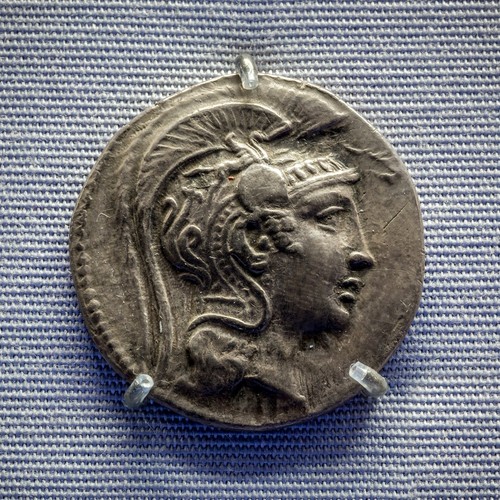
Athenian Owl Tetradrachm
165-42 BC
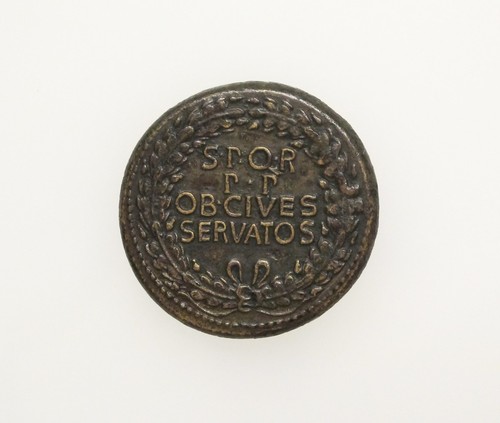
Sestertius of Caligula
37-41 AD
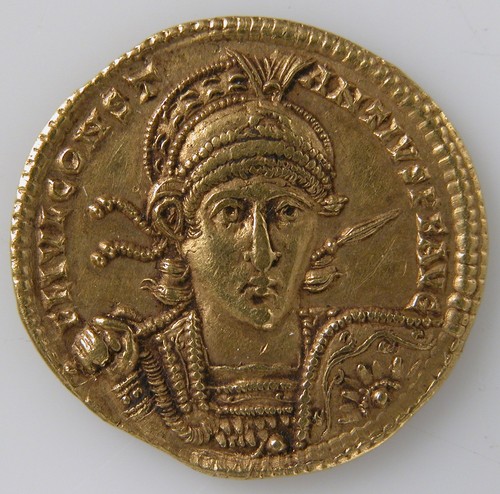
Solidus of Constantius II
337-361 AD
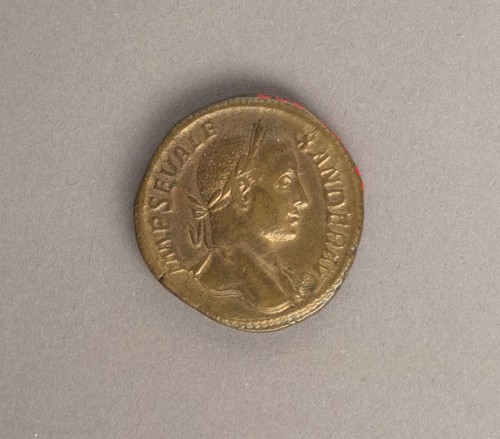
Sestertius of Alexander Severus
222-235 AD
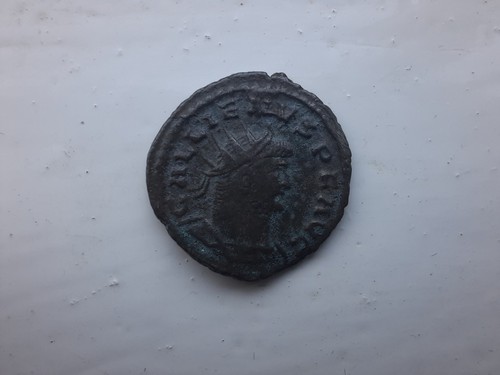
Antoninianus of Gallienus
253-268 AD
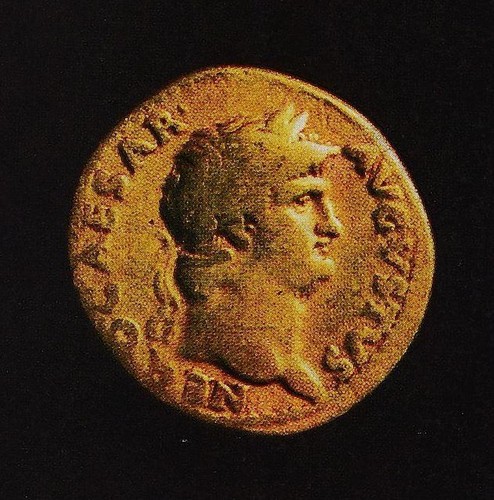
Aureus of Nero
54-68 AD
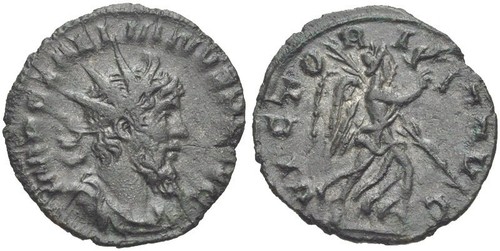
Antoninianus of Laelianus
AD 269
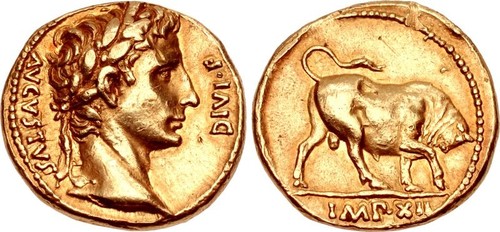
Aureus of Augustus
27 BC-14 AD
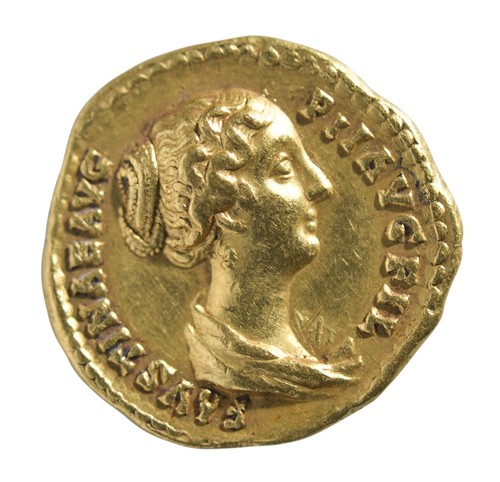
Aureus of Faustina II
147-150 AD