
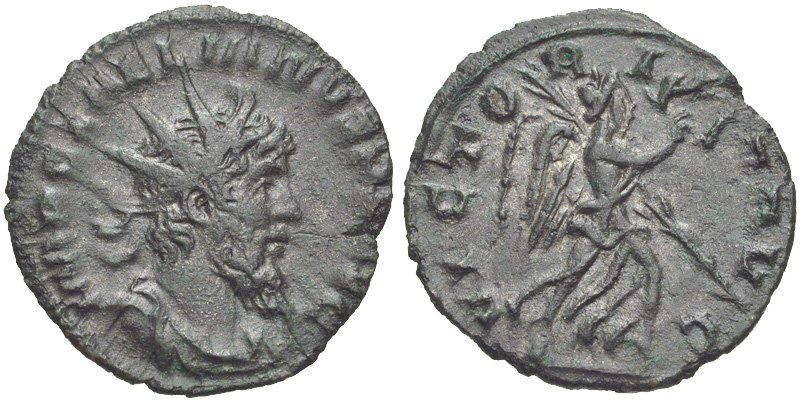
Antoninianus of Laelianus
Rare billon antoninianus of the short-lived Gallic usurper Laelianus, showing his radiate-crowned bust and a Roman deity or personified virtue.
- Country
- Roman Empire
- Denomination
- Antoninianus
- Metal
- Billon
Got a coin like this?
Identify any coin from a photo, free.
Overview
The Antoninianus of Laelianus is a billon (debased silver) Roman coin struck for Ulpius Cornelius Laelianus, a usurper who briefly claimed power within the breakaway Gallic Empire in AD 269. The example shown follows the standard antoninianus format: a male head wearing the spiked radiate crown on the obverse, and a standing deity or personified virtue on the reverse.
Because Laelianus reigned only a matter of weeks before being killed, coins in his name were produced in very small numbers and are considered scarce today. The piece belongs to the turbulent 3rd-century "Crisis" period, when rival emperors and regional break-away states each struck their own radiate coinage.
History & Background
Laelianus rose in revolt against Postumus, the ruler of the Gallic Empire (a separatist Roman state covering Gaul, Britain, and parts of Hispania), around the start of AD 269. He was proclaimed emperor at a mint city in the Rhine region, traditionally associated with Moguntiacum (modern Mainz), and his coinage was struck there and possibly at Cologne.
His bid for power collapsed almost immediately. Within weeks he was defeated and killed, and Postumus himself was murdered by his own soldiers soon after, deepening the instability of the Gallic Empire. Laelianus never controlled the central Roman state, so his coins are strictly an issue of the Gallic breakaway regime during the wider 3rd-century crisis, not of Rome itself.
How to Identify
Look for a small, base-silver coin of typical antoninianus size showing a male bust wearing a radiate (spiked) crown, the mark that distinguishes the antoninianus from the laurel-wreathed denarius. The obverse legend names the ruler, usually in the form IMP C VLP COR LAELIANVS P F AVG or a close abbreviation; reading this legend is the key to attributing the coin to Laelianus rather than to a contemporary emperor.
The reverse of the shown type carries a standing deity or virtue with an accompanying Latin legend; recorded reverse types for Laelianus include Victory (VICTORIA AVG) and the personification of prosperous times (TEMPORVM FELICITAS), among others. The metal is billon, so surfaces may show a brown or grey tone, sometimes with traces of the original thin silvering. Style tends to be somewhat hurried, reflecting the coin's emergency mint origin.
Value & Collectibility
Coins of Laelianus are genuinely scarce because of his extremely short reign, and they are among the more sought-after rulers in the Gallic Empire series. Even well-worn authentic examples command a meaningful premium over common radiates of the period, and better-preserved coins with clear legends and portrait detail can be worth considerably more.
Condition, completeness of the legend, surviving silvering, and reverse type all affect value, and the market for scarce usurpers is sensitive to authentication. Because the name carries a premium, this is a type where forgeries and misattributions occur, so realized prices vary widely. Treat any single figure as approximate and check recent auction results for the specific reverse and grade.
Frequently asked questions
Who was Laelianus?
Ulpius Cornelius Laelianus was a Roman usurper who revolted against Postumus in the breakaway Gallic Empire around AD 269. He was defeated and killed within weeks.
Why is the crown spiky?
The spiked (radiate) crown identifies the coin as an antoninianus rather than a denarius. The rays evoke the sun and were the standard marker of this double-denomination radiate coin.
Is the coin made of silver?
It is billon, a debased silver-copper alloy typical of mid-3rd-century antoniniani. Some examples retain traces of a thin original silver coating over a base-metal core.
Why are these coins so rare?
Laelianus ruled only briefly before being killed, so very little coinage was struck in his name. That short reign makes his antoniniani scarce and desirable to collectors today.
Was this a coin of Rome itself?
No. It is an issue of the Gallic Empire, a separatist Roman state in the west, struck at a Rhine-region mint rather than at the central mint of Rome.
Antoninianus of Laelianus guides
In-depth guides for identifying, valuing, and collecting Antoninianus of Laelianus.
Other coins you may enjoy
Antoninianus
250-270 AD
Sestertius of Antoninus Pius
138-161 AD
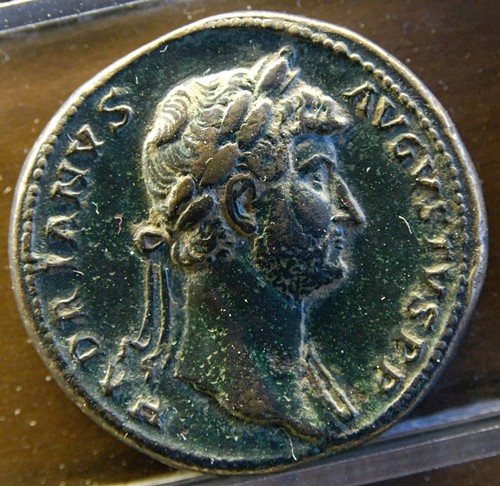
Sestertius of Hadrian
117-138 AD
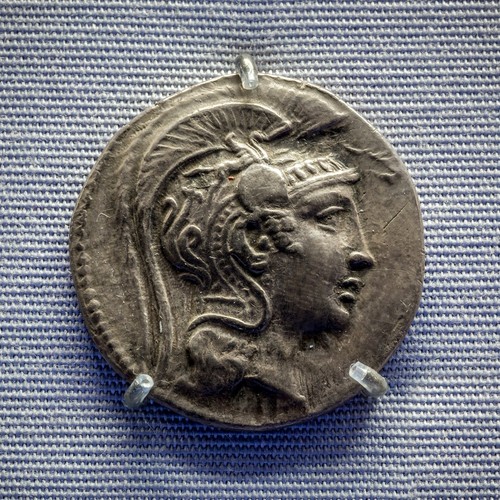
Athenian Owl Tetradrachm
165-42 BC
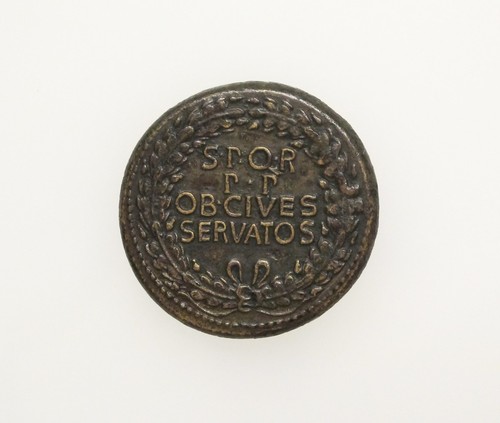
Sestertius of Caligula
37-41 AD
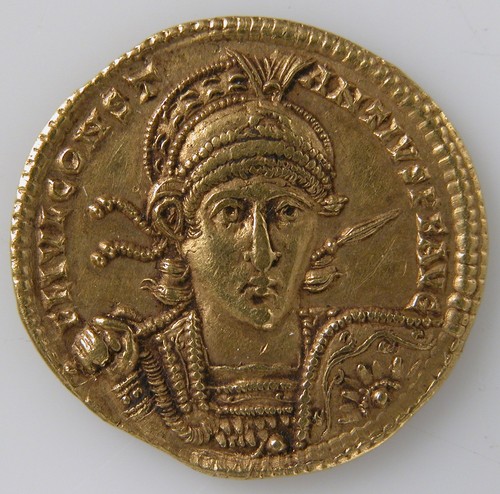
Solidus of Constantius II
337-361 AD
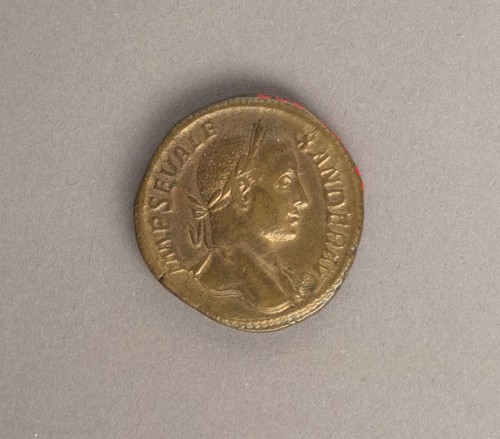
Sestertius of Alexander Severus
222-235 AD
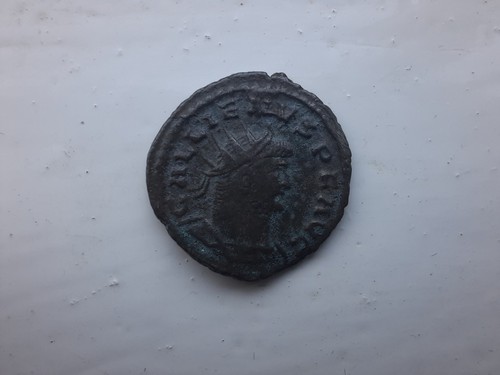
Antoninianus of Gallienus
253-268 AD
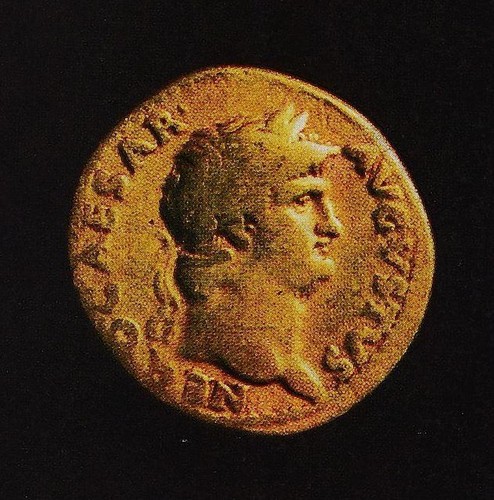
Aureus of Nero
54-68 AD
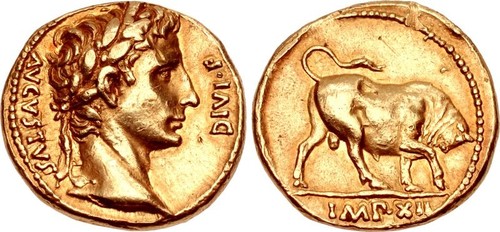
Aureus of Augustus
27 BC-14 AD
Aureus of Faustina II
147-150 AD
Aureus of Marcus Aurelius
c. 161-180 AD