
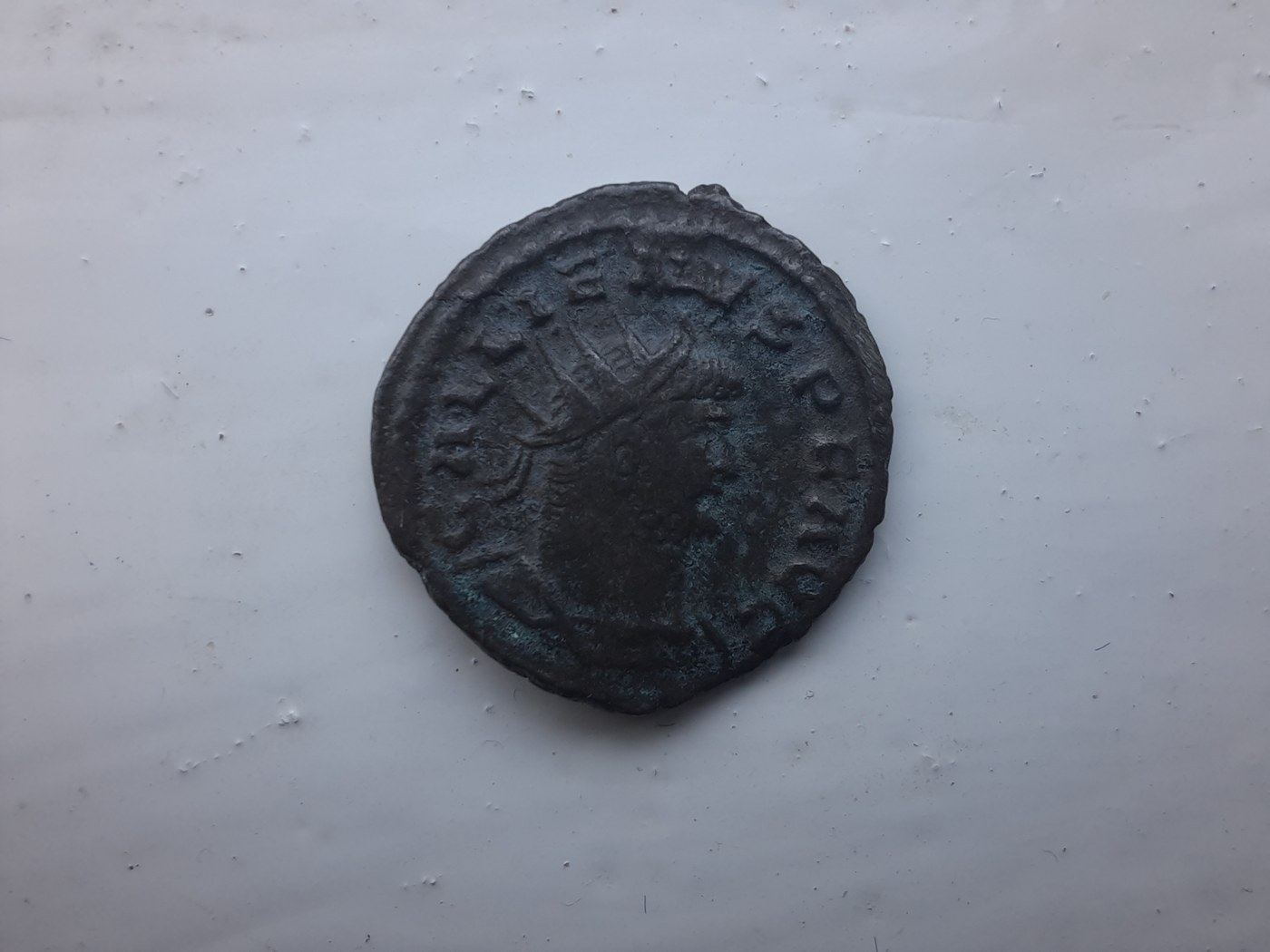
Antoninianus of Gallienus
Billon double-denarius of the emperor Gallienus, marked by a radiate crown; this piece shows a radiate male head and a standing deity on the reverse.
- Country
- Roman Empire
- Denomination
- Antoninianus
- Metal
- Billon
Got a coin like this?
Identify any coin from a photo, free.
Overview
The antoninianus was the everyday silver-alloy coin of the third-century Roman Empire, and this example belongs to the reign of Gallienus (253-268 AD). It is identified as an antoninianus, rather than a denarius, by the spiked radiate crown worn by the portrait, a convention that marked the coin as a double denomination. The piece shown pairs a radiate male head on the obverse with a standing deity or personification on the reverse.
By Gallienus's reign the antoninianus was no longer good silver but billon, a debased alloy of a little silver in a copper base, often finished with a thin silver wash. As a result these coins are small, light, and today usually show a brown or coppery surface where the original silvering has worn away. The radiate portrait and a divine reverse figure are the defining features of the type.
History & Background
Gallienus ruled from 253 to 268 AD, first jointly with his father Valerian and, after Valerian's capture by the Persians in 260, as sole emperor. His reign fell in the depths of the third-century crisis, a period of civil war, breakaway regimes, barbarian invasions, and severe financial strain, all of which drove the steady debasement of the coinage.
The antoninianus, introduced earlier in the century under Caracalla, became the workhorse of this inflationary age. Under Gallienus enormous quantities were struck at Rome and at eastern and provincial mints to meet military and state expenses, and the silver content fell sharply over the reign until the coins were essentially bronze with a surface wash. Gallienus is especially known for a broad range of reverse types, including a famous series of gods and animals, produced across multiple mints and workshops (officinae).
How to Identify
Look first at the crown. The defining mark of an antoninianus is the radiate crown, a band of pointed sun-ray spikes around the head, which separates it from the laureate portrait used on the denarius. On this coin the obverse is a radiate male head in profile with a Latin legend around the rim naming Gallienus. The flan is typically small, roughly 18-22 mm, and light, only a few grams, reflecting the debased billon fabric.
The reverse shows a standing deity or personified virtue, identified by its attributes and by the surrounding legend; the exact figure is not fully clear from the image but standing gods and personifications are the norm for the type. The metal reads as billon: expect a coppery or grayish-brown tone, sometimes with patches of surviving silvery wash. Genuine coins are hand-struck, so look for slightly irregular flans, off-center strikes, and crisp but uneven lettering; later issues may carry mint or officina marks in the exergue beneath the reverse figure.
Value & Collectibility
Antoniniani of Gallienus are among the most common of all ancient Roman coins, because they were struck in vast numbers during his reign. For that reason ordinary examples are inexpensive and widely available, and even attractive coins remain accessible compared with Roman gold or good early silver.
Value is driven by the reverse type, the sharpness of the portrait, how much original silvering survives, centering, and overall surface quality. Common reverse types in worn condition sit at the low end, while well-struck coins with strong detail, scarcer reverse types, or substantial surviving silvering command more. Any figure should be treated as a broad guide and checked against recent sales, since condition and reverse type cause a wide spread even within this single emperor's coinage.
Frequently asked questions
What is an antoninianus?
It was a Roman coin introduced in the early third century AD, valued as a double denarius. It is recognized by the radiate (spiked) crown on the portrait, which distinguished it from the laureate denarius.
Why does this coin look bronze rather than silver?
By Gallienus's reign the antoninianus was struck in billon, a heavily debased alloy of a little silver in a copper base, often with a thin silver wash. When that wash wears off the coin looks coppery or brown, which is normal for the type.
How do I know it is Gallienus and not another emperor?
Read the obverse legend around the radiate portrait; it names the emperor. Many third-century rulers issued similar radiate coins, so the legend, not the portrait style alone, confirms Gallienus.
Who is the figure on the reverse?
It is a deity or a personified virtue shown standing, identified by its attributes and the reverse legend. Gallienus used a wide range of such reverse types across his mints.
Are these coins rare or valuable?
Antoniniani of Gallienus are very common and generally inexpensive. Value depends on the reverse type, strike, surviving silvering, and condition rather than rarity of the emperor.
Antoninianus of Gallienus guides
In-depth guides for identifying, valuing, and collecting Antoninianus of Gallienus.
Other coins you may enjoy
Antoninianus
250-270 AD
Sestertius of Antoninus Pius
138-161 AD
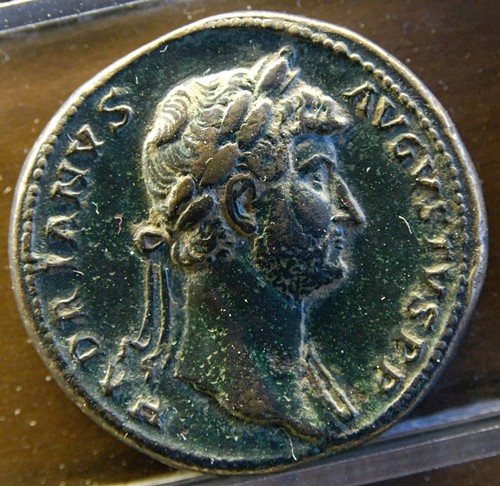
Sestertius of Hadrian
117-138 AD
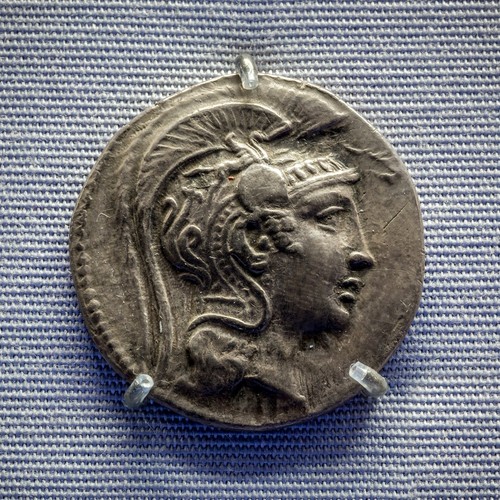
Athenian Owl Tetradrachm
165-42 BC
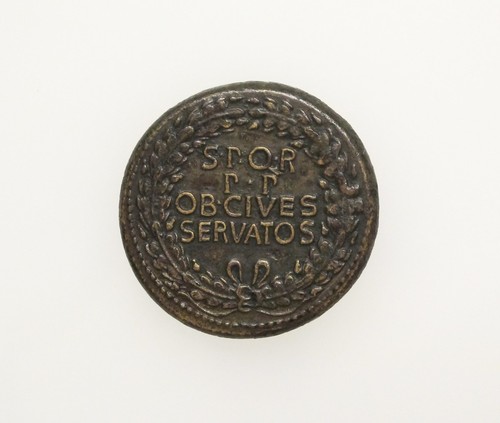
Sestertius of Caligula
37-41 AD
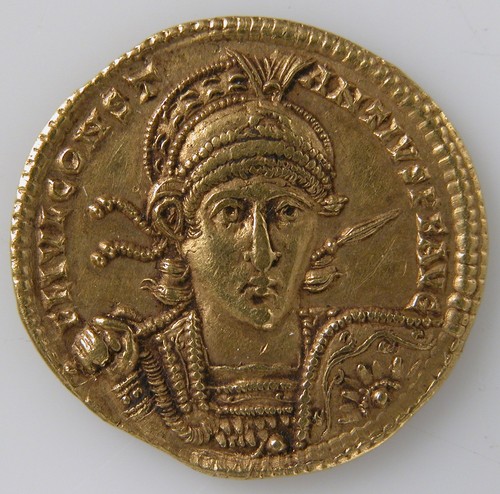
Solidus of Constantius II
337-361 AD
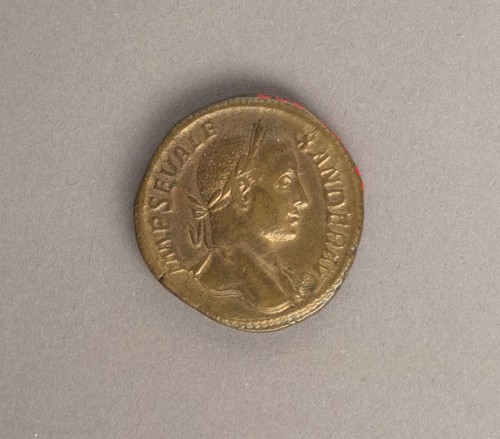
Sestertius of Alexander Severus
222-235 AD
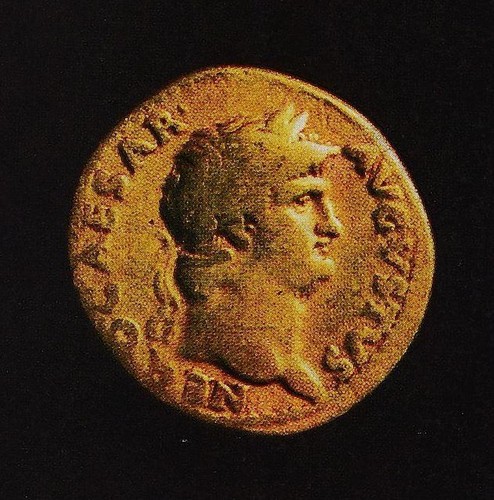
Aureus of Nero
54-68 AD
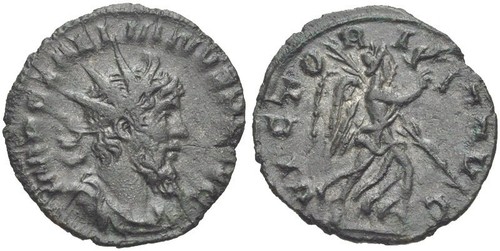
Antoninianus of Laelianus
AD 269
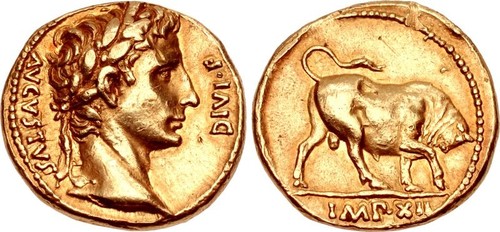
Aureus of Augustus
27 BC-14 AD
Aureus of Faustina II
147-150 AD
Aureus of Marcus Aurelius
c. 161-180 AD