
How to Identify the Antoninianus of Gallienus
Collector checks for a Gallienus radiate: the radiate crown, reading the legend, billon fabric, reverse deities, mint marks, and spotting fakes.
Read the full Antoninianus of Gallienus encyclopedia entry →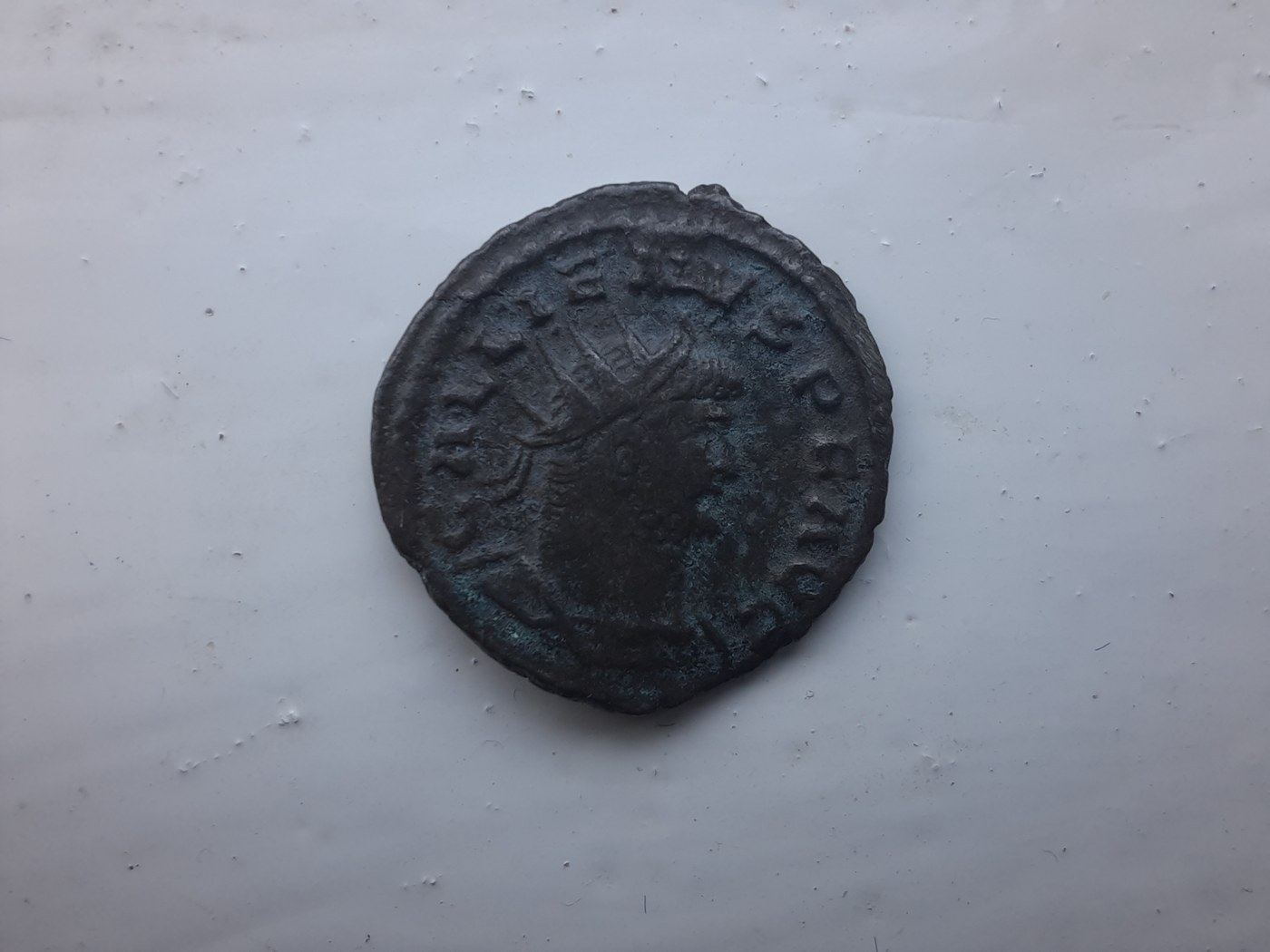
Start with the crown, because it defines the denomination. An antoninianus carries a radiate crown, a ring of pointed sun-ray spikes around the head, whereas a denarius of the same era shows a plain laurel wreath. If the male portrait wears radiate spikes, you are looking at an antoninianus rather than a denarius. Confirm the ruler by reading the Latin legend that runs around the obverse rim, since many third-century emperors struck near-identical radiate coins and only the legend names Gallienus.
Check the fabric and size next. These are billon coins, a debased silver-copper alloy, typically about 18-22 mm across and only a few grams in weight. Surfaces most often read coppery or grayish-brown, sometimes with patches of surviving silvery wash; a warm bronze look is normal and does not mean the coin is a fake or a different denomination. A coin that is much larger and heavier, or plain copper without any radiate crown, is likely a different denomination or a later radiate imitation.
Work through the reverse. Gallienus used a very wide range of reverse types, mostly standing deities and personified virtues holding attributes such as a scepter, patera, cornucopia, spear, or globe, each named by its surrounding legend. Identify the figure from both attributes and legend rather than guessing from the pose alone. Later in the reign, look in the exergue beneath the figure for a mint or officina mark, a letter or short group of letters that helps attribute the coin to a specific workshop and mint.
Watch for look-alikes. Radiate coins of other third-century emperors, of the empress Salonina, and of the breakaway Gallic and Palmyrene rulers share the same fabric and style, so the obverse legend is essential. Small, crude "barbarous radiates" copying coins of this era circulate widely and are lighter and cruder in style. Modern cast forgeries exist as well; these tend to show soft, blurry detail, grainy surfaces, and sometimes a faint seam around the edge.
Authenticate by fabric and strike. Genuine antoniniani are hand-struck, so expect slightly irregular flans, off-center strikes, and lettering that is sharp but not perfectly even. Because these coins are common and inexpensive, high-value forgeries are less of a concern than with gold, but for a notable or scarce reverse type it is still worth comparing against published references or asking a specialist ancient-coin dealer.
Frequently asked questions
How do I tell an antoninianus from a denarius of the same period?
Look at the crown. The antoninianus shows a radiate crown of pointed spikes, while the denarius shows a laurel wreath. The radiate coin was valued as a double denarius.
The silver is mostly gone and it looks like bronze. Is that normal?
Yes. Gallienus-era antoniniani are billon with only a little silver plus a thin surface wash. When the wash wears off the coin looks coppery or brown, which is expected and does not make it a fake.
What are the letters under the reverse figure?
On later issues these are mint or officina marks in the exergue, identifying the workshop or mint that struck the coin. They help attribute the piece more precisely.
Could my coin be a contemporary imitation?
Possibly. Small, crude, lightweight radiate coins with garbled legends, often called barbarous radiates, imitate issues of this era. Compare the style and legend against genuine coins of Gallienus to check.