
How to Identify the Sestertius of Alexander Severus
Collector checks for the young emperor's bronze sestertius: portrait, Providentia reverse, size and patina, S C mark, and authentication cautions.
Read the full Sestertius of Alexander Severus encyclopedia entry →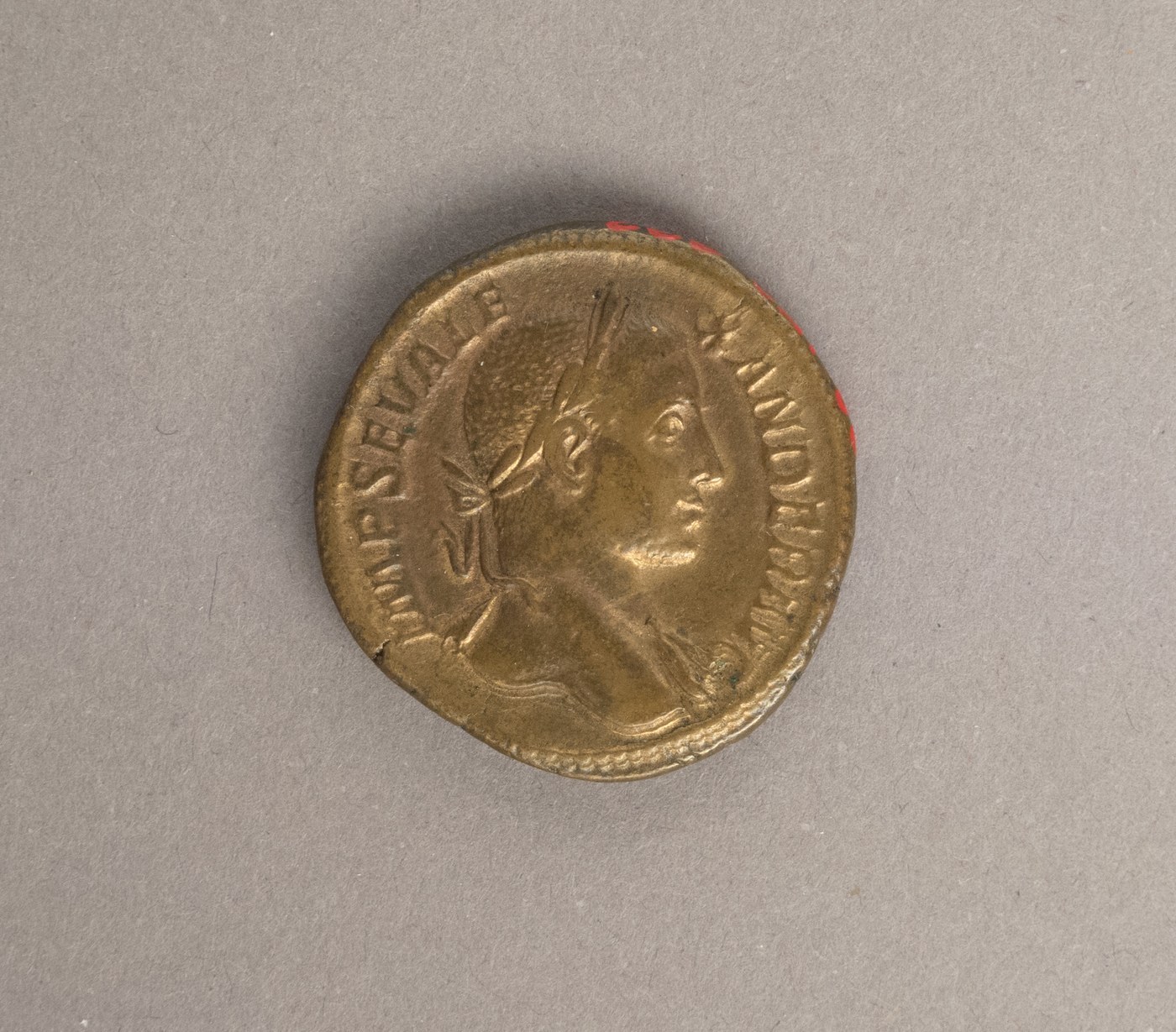
Start with size, weight, and metal. A sestertius is a large, heavy bronze coin, generally around 28-33 mm in diameter, with the greenish or brown patina typical of buried ancient bronze. If your coin is small and silvery, it is more likely a denarius or a smaller bronze denomination such as an as or dupondius rather than a sestertius.
Read the obverse portrait and legend. This type shows a youthful male head facing right, fitting a ruler who took power as a teenager, not an older bearded emperor. The Latin legend runs around the rim and is assembled from elements naming the emperor, commonly including IMP, SEV or ALEXAND, and AVG. A youthful head paired with these name fragments points to Severus Alexander.
Check the reverse figure and legend. For this issue you should see a standing, draped female figure of Providentia, often holding a wand or baton pointing toward a globe and cradling a cornucopia. Look for a reverse legend referencing PROVIDENTIA and, importantly, the large letters S C in the field, which mark the coin as senatorial bronze coinage of the Roman Empire.
Distinguish look-alikes. Other Severan emperors and family members (such as Elagabalus, Julia Mamaea, Maximinus, and Gordian III) also struck Providentia and similar standing-figure reverses, so the obverse name and portrait age are the deciding clues. Smaller-module bronzes (as, dupondius) and silver denarii can share the same reverse type but differ in size and metal, so weigh and measure before concluding.
Authenticate with care. Roman bronzes are widely copied and 'tooled,' and cast forgeries exist. Watch for casting seams, an unnaturally smooth or grainy surface, artificial patina that flakes or looks painted on, and re-engraved detail that is too crisp for the surrounding wear. When value is meaningful, buy from established ancient-coin dealers and seek a specialist opinion rather than relying on a single online listing.
Frequently asked questions
How do I know it is a sestertius and not a denarius?
A sestertius is large heavy bronze, roughly 28-33 mm across with a green or brown patina, and usually carries S C on the reverse. A denarius is a small silver coin without S C.
How can I tell Alexander Severus from other Severan emperors?
Look at the portrait age and the obverse legend. Alexander Severus is shown as a youthful man, and his name appears in fragments such as SEV ALEXAND. Older or bearded portraits and different names indicate other rulers.
Do other coins use the Providentia reverse?
Yes. Providentia was a common personification used by many emperors, so the reverse alone does not identify the ruler. Always confirm the emperor from the obverse portrait and legend.
What are the warning signs of a fake?
Watch for casting seams, bubbles, a soapy or grainy surface, painted-looking patina that flakes off, and detail that is too sharp for the wear. For valuable examples, get an expert or dealer opinion.