How to Identify the Antoninianus
Collector checks for the Roman antoninianus: the radiate crown, size and billon alloy, obverse legend, reverse types, mint marks, and look-alikes.
Read the full Antoninianus encyclopedia entry →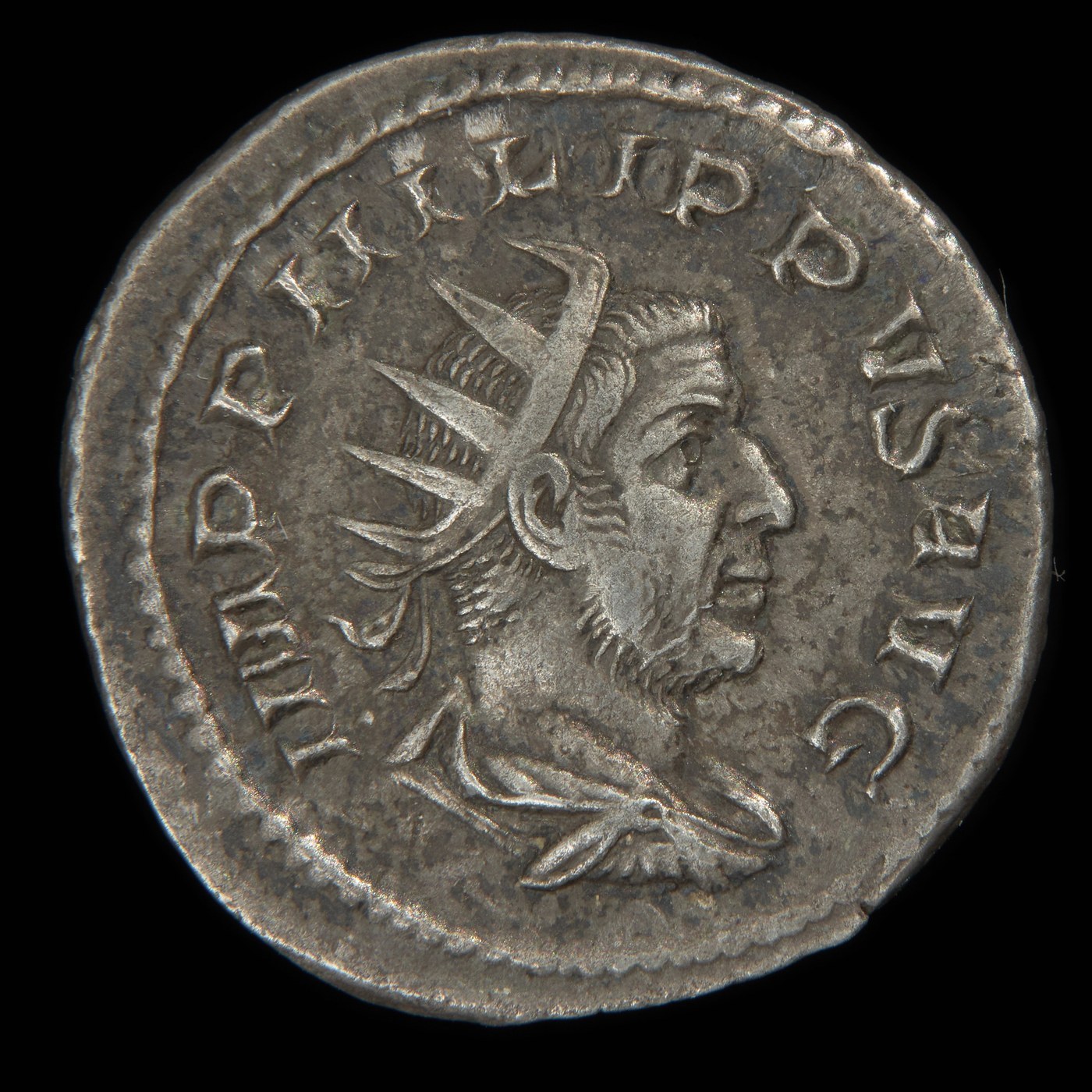
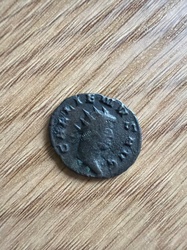
Start with the crown. The single most reliable diagnostic is the radiate crown, a ring of spikes or sun rays around the male head. If the portrait wears a spiked radiate crown it is an antoninianus (a radiate); if it wears a laurel wreath instead, it is more likely a denarius. On female or empress coinage the equivalent radiate mark is a crescent beneath the bust rather than spikes.
Check size, weight, and metal color. A mid-third-century antoninianus is usually about 20-23 mm across and roughly 3-4 grams, tending to shrink and thin out later in the period. The debased billon alloy often gives a coppery, brown, or grayish surface rather than bright silver; patches of original silvering may cling to the recesses. A bright, heavy, uniformly silver coin of similar design may be a denarius or a modern fake.
Read the obverse legend to name the emperor. The Latin legend around the portrait gives the ruler's name and titles, letters such as IMP and AVG are common abbreviations for emperor and Augustus. Because the period 250-270 AD saw many short-lived soldier-emperors, identifying the name in the legend is the key step, and hand-cut dies mean spelling and lettering vary between genuine coins.
Use the reverse to attribute the type and mint. Reverse designs show standing or seated deities and virtues, Jupiter, Mars, Sol, Apollo, Pax, Fides, Salus, Providentia and others, each with its own legend. Small letters or symbols in the field or in the exergue below the design often indicate the mint and workshop. Recording the reverse legend and any mint marks lets you match the coin to standard references such as RIC.
Watch for look-alikes and authentication issues. Confusable pieces include silver denarii, later radiate coins and small radiate fractions of the reforms of the 290s and after, provincial radiates, and cast or tourist replicas. Genuine antoniniani are struck, so look for sharp hand-engraved detail and the absence of casting seams or a soft, grainy surface. Since these coins are common and generally low in value, expensive fakes are less of a concern than with gold, but scarce emperors and high-grade examples still warrant a careful check of weight, style, and provenance.
Frequently asked questions
How do I tell an antoninianus from a denarius?
Look at the crown. The antoninianus has a spiked radiate crown, while the denarius has a laurel wreath. For empresses, a crescent under the bust signals the radiate denomination.
What does the metal color tell me?
A coppery, brown, or gray tone points to the debased billon alloy of the 250-270 AD period. Surviving silvering in the recesses is normal and helps confirm the type.
How do I find out which emperor it is?
Read the Latin obverse legend around the portrait; it names the ruler and titles. Matching that name and the reverse type to a reference like RIC gives a full attribution.
Do I need the reverse to identify it?
The radiate crown alone confirms it is an antoninianus, but the reverse type, legend, and any mint marks are needed to pin down the exact issue, mint, and date.
Antoninianus identified by the community
Recent Antoninianus coins identified with Coin Identifier.