
How to Identify the Aureus of Augustus
Collector checks for the Augustan gold aureus: bare-head portrait, legends, size and weight, mint clues, look-alikes, and authentication cautions.
Read the full Aureus of Augustus encyclopedia entry →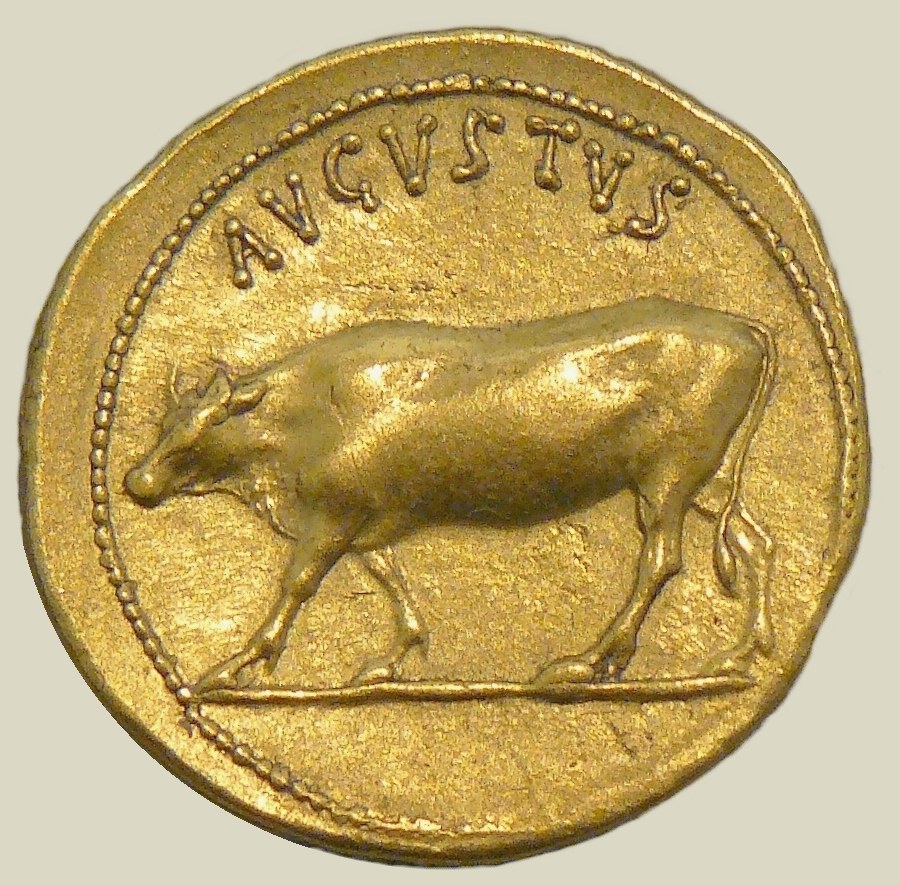
Start with metal, size, and weight. A genuine aureus is a small, dense gold coin, about 19-21 mm across and roughly 7-8 grams. The high gold purity means it should show no tarnish or corrosion, and it will feel heavy for its diameter. A lighter, larger, or discolored piece is a warning sign, and a silver coin of similar design is more likely a denarius than an aureus.
Read the obverse portrait. Augustus is shown bare-headed (no wreath or crown) facing right, with short curly hair in the naturalistic early-imperial style. Look for a Latin legend around the head; forms such as CAESAR AVGVSTVS, AVGVSTVS, or AVGVSTVS DIVI F appear across different issues. The absence of a laurel wreath and the idealized youthful features help distinguish Augustus from later emperors.
Examine the reverse to attribute the issue. Reverse types vary enormously and are the key to identifying a specific coin: deities, personifications, dynastic portraits of family members, and military or commemorative motifs each point to a particular mint and date within the 27 BC-14 AD range. The reverse legend and any symbols should be recorded and matched against standard references (such as RIC) to pin down the exact type.
Watch for look-alikes and later imitations. Aurei of later emperors, silver denarii sharing similar portraits, gilt or plated forgeries, and modern replica "museum" copies can all resemble an Augustan aureus at a glance. Confirm the coin is struck rather than cast: look for hand-engraved die detail, sharp raised devices, and the absence of casting seams or a grainy, soapy surface.
Authenticate before committing. Because Augustan gold is both valuable and heavily faked, weigh and measure the coin, inspect it under magnification, and treat documented provenance as essential. For any significant purchase, rely on reputable ancient-coin specialists, third-party authentication, and published auction records rather than a listing's description alone.
Frequently asked questions
How do I know it is an aureus and not a denarius?
The aureus is gold and the denarius is silver. If the coin is silver-colored it is almost certainly a denarius or other silver piece, even if the portrait looks the same.
How can I tell Augustus from a later emperor?
Augustus is typically shown bare-headed with youthful, idealized features and curly hair, and his name appears in the legend. Read the Latin legend to confirm the ruler named.
What size and weight confirms authenticity?
Expect roughly 19-21 mm and about 7-8 grams of high-purity gold. Wrong weight, off diameter, or any tarnish are reasons to be cautious and seek expert review.
Do I need the reverse to identify the exact coin?
Yes. The reverse type and legend determine the specific issue, mint, and approximate date, so full attribution requires examining both sides against standard references.