
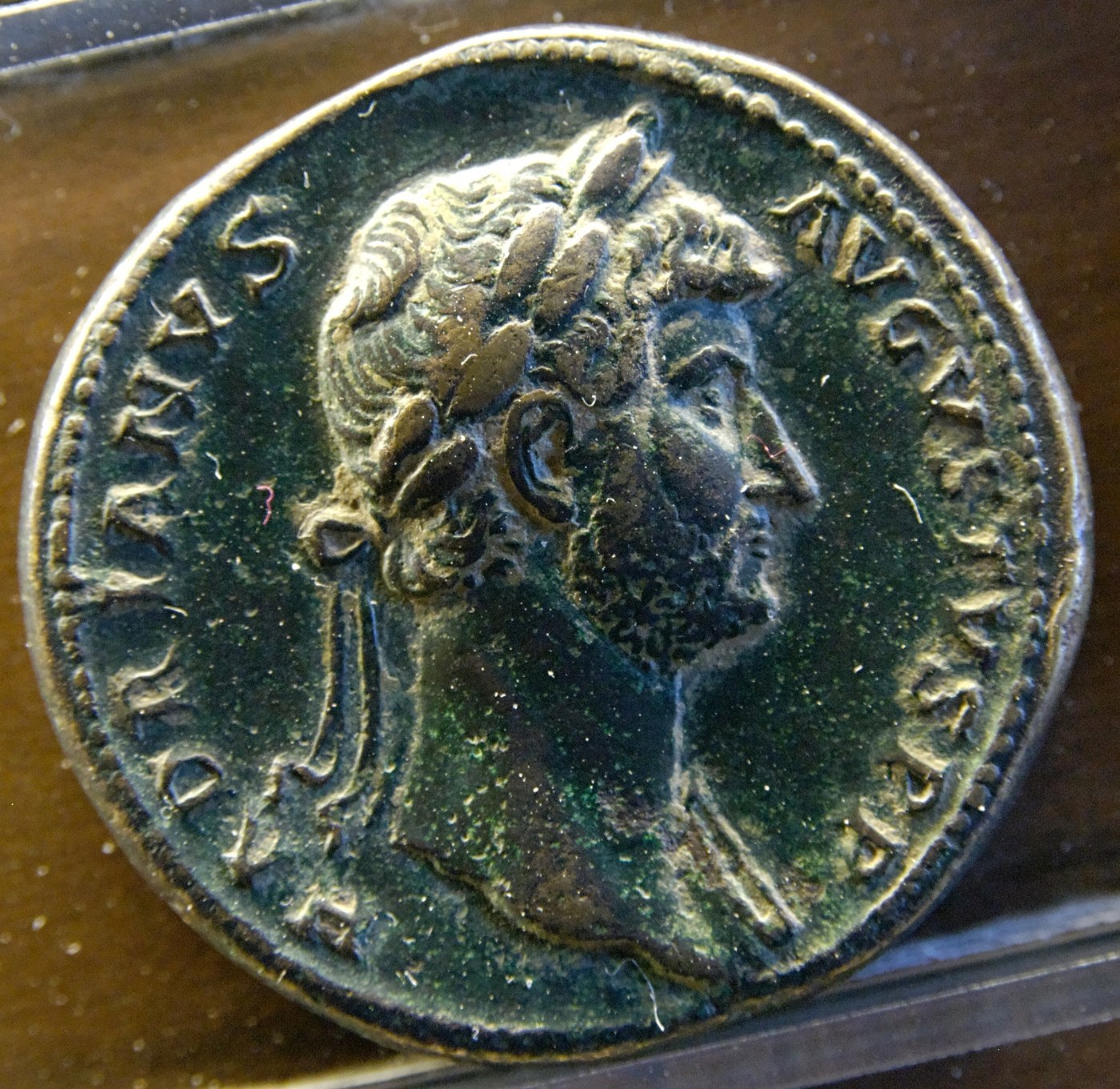
Sestertius of Hadrian
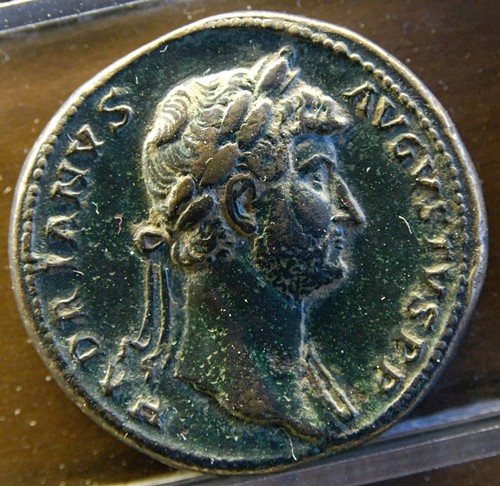
Large Roman bronze sestertius of Emperor Hadrian, showing his bearded curly-haired profile and a standing draped figure with a Latin legend on the reverse.
- Country
- Roman Empire
- Denomination
- Sestertius
- Metal
- Bronze
Got a coin like this?
Identify any coin from a photo, free.
Overview
The Sestertius of Hadrian is a large Roman Imperial bronze coin struck during the reign of the emperor Hadrian, AD 117-138. The example shown carries the bearded, curly-haired head of Hadrian in profile on the obverse and a standing draped figure accompanied by a Latin legend on the reverse, the two most characteristic features of the type.
The sestertius was the largest of the common Roman bronze denominations and gave engravers a broad, heavy flan on which to work. Because of their size and bold relief, sestertii of Hadrian are among the most sought-after and visually impressive coins of the Roman Empire, prized for their portraiture and for the wide range of reverse designs issued across his long reign.
History & Background
Hadrian ruled the Roman Empire from AD 117 to 138, succeeding Trajan and becoming known as one of the "Five Good Emperors." His reign is remembered for consolidating rather than expanding the empire, for extensive travels through the provinces, and for building projects such as Hadrian's Wall in Britain and the rebuilt Pantheon in Rome. His coinage, produced in large quantities, reflects these themes across gold, silver, and bronze.
The sestertius was struck in bronze (an orichalcum brass alloy for much of the imperial period) and was valued at four asses, or one quarter of a silver denarius. Hadrian's bronze issues were produced mainly at the mint of Rome and circulated widely. Their reverses celebrate deities, personifications such as Roma, Pax, Fortuna, and the many provinces Hadrian visited, making the series a rich record of the emperor's ideology and itinerary.
How to Identify
Look for a large, thick bronze coin, typically around 30-35 mm in diameter and substantially heavier than smaller Roman bronzes. The obverse shows the head of Hadrian in profile, bearded with tightly curled hair, encircled by a Latin legend that abbreviates his name and titles (commonly beginning HADRIANVS AVG or IMP CAESAR TRAIAN HADRIANVS).
The reverse of the example shown depicts a standing draped figure, usually a deity or personification, with a surrounding legend and often the letters S C (for Senatus Consulto) in the field, marking the coin as a senatorial bronze issue. The surfaces are typically toned brown or green from age, and genuine coins show soft, worn high points and the characteristic bold relief of the sestertius module.
Value & Collectibility
Values for a Sestertius of Hadrian vary widely with condition, the specific reverse type, portrait quality, and surface preservation. Heavily worn examples with legible portraits are among the more accessible large Roman bronzes, while coins with sharp detail, attractive patina, and desirable reverse designs command significant premiums.
Certain reverse types, especially the celebrated "province" and "travel" series, are far more valuable than common personification reverses. Because sestertii were often tooled, smoothed, or repatinated in the past, originality of surface strongly affects price. Treat any single figure as approximate: identify the exact reverse type and check recent auction results for comparable grade and eye appeal before assigning a value.
Frequently asked questions
Who is on this coin?
The portrait is Emperor Hadrian, who ruled Rome from AD 117 to 138. He is shown bearded with curly hair in profile, a hallmark of his coinage.
What metal is a sestertius made of?
It is a bronze coin, struck in a brass-like orichalcum alloy for much of the period. It is large and heavy, quite different from the small silver denarius.
What do the letters S C mean on the reverse?
S C stands for Senatus Consulto, "by decree of the Senate." It appears on Roman Imperial bronze coinage and marks the sestertius as a senatorial bronze issue.
How big is a sestertius of Hadrian?
Typically around 30-35 mm across and noticeably thick and heavy, the sestertius was the largest of the common Roman bronze denominations.
Are these coins rare?
Hadrian reigned for over 20 years and his bronzes were struck in quantity, so many survive. Value depends mainly on condition, portrait quality, and the specific reverse type rather than rarity alone.
Sestertius of Hadrian guides
In-depth guides for identifying, valuing, and collecting Sestertius of Hadrian.
Other coins you may enjoy
Antoninianus
250-270 AD
Sestertius of Antoninus Pius
138-161 AD
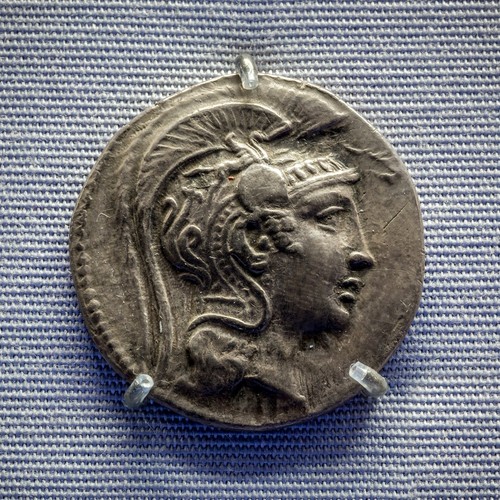
Athenian Owl Tetradrachm
165-42 BC
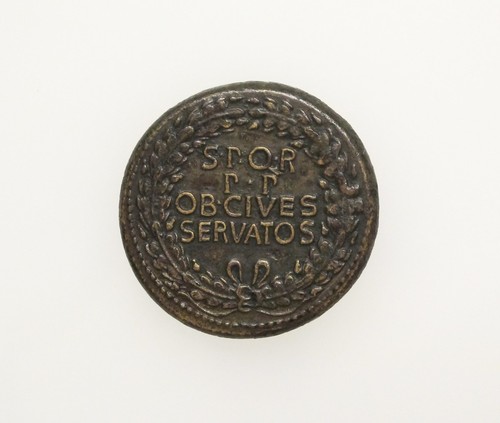
Sestertius of Caligula
37-41 AD
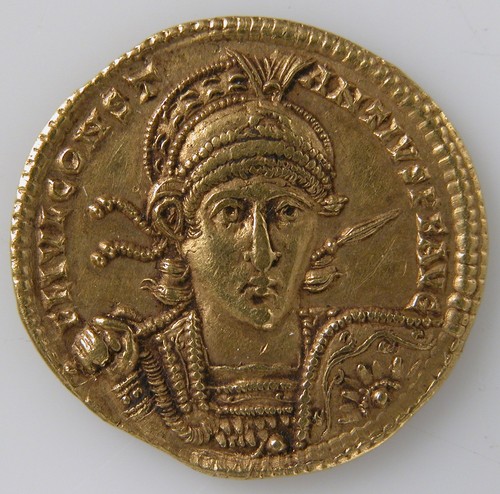
Solidus of Constantius II
337-361 AD
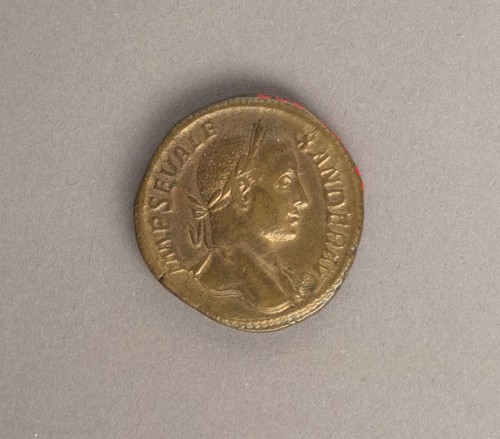
Sestertius of Alexander Severus
222-235 AD
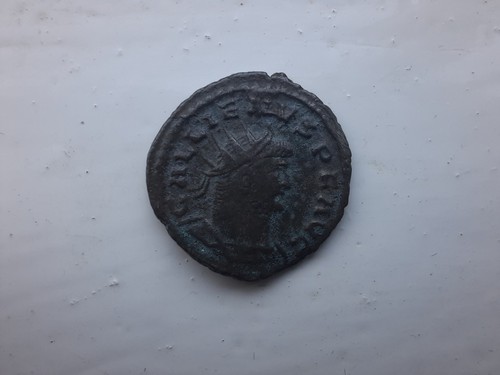
Antoninianus of Gallienus
253-268 AD
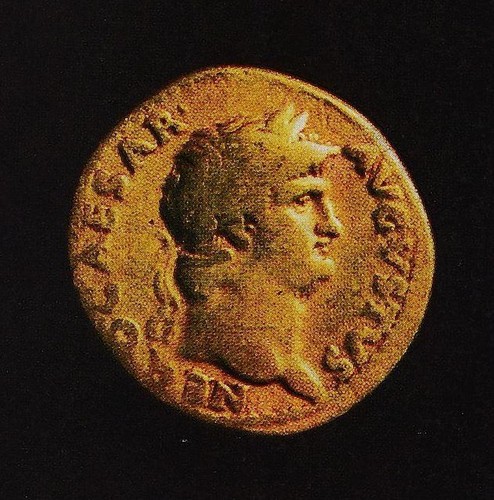
Aureus of Nero
54-68 AD
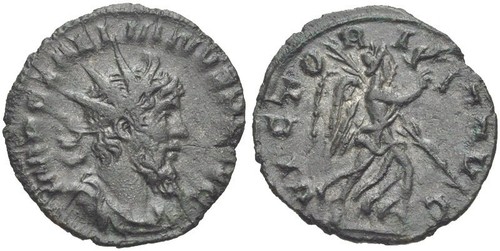
Antoninianus of Laelianus
AD 269
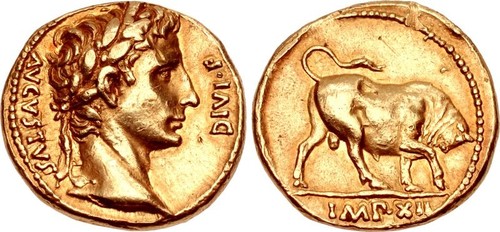
Aureus of Augustus
27 BC-14 AD
Aureus of Faustina II
147-150 AD
Aureus of Marcus Aurelius
c. 161-180 AD