
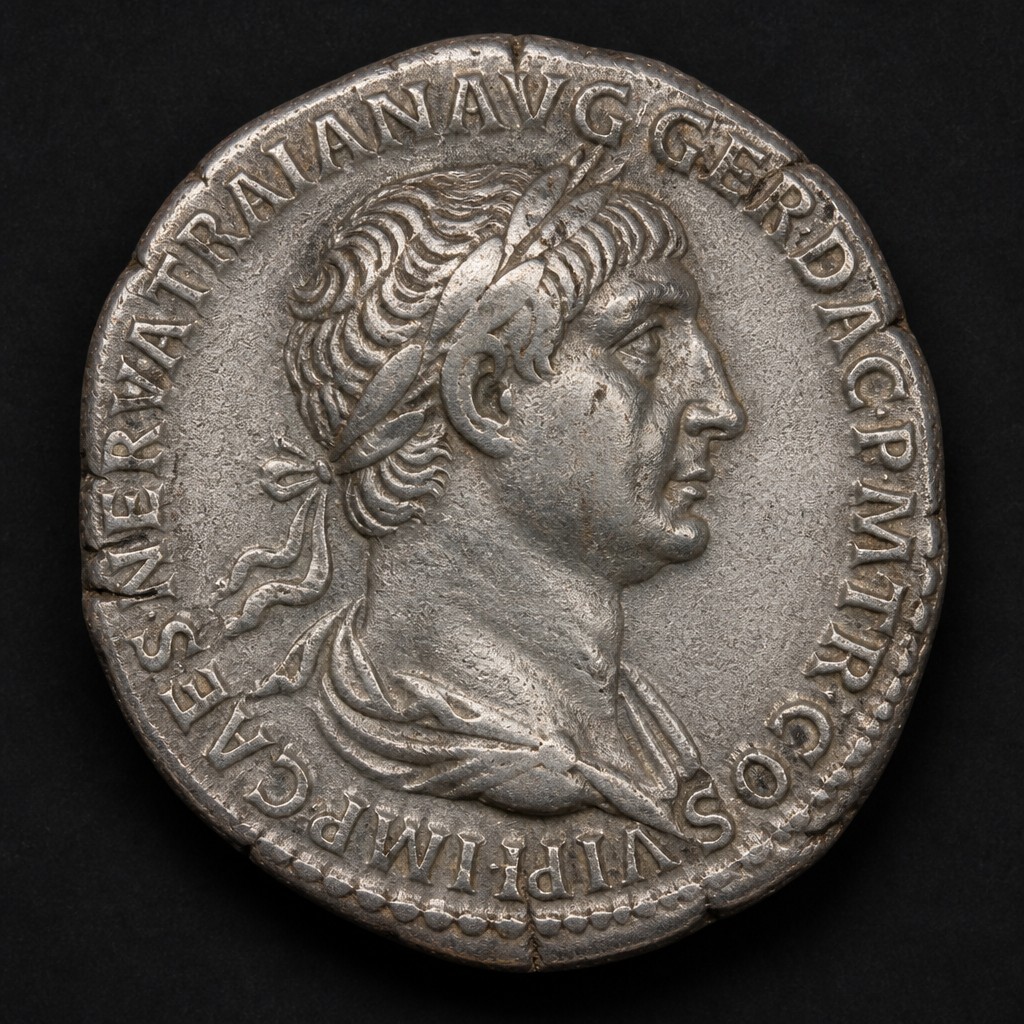
Trajan Denarius
The silver coin of Emperor Trajan, whose reign marked the Roman Empire's greatest territorial extent, with coin types celebrating his Dacian conquests and vast building program.
- Country
- Roman Empire
- Denomination
- Denarius
- Metal
- Silver (approx. 90% fine)
Got a coin like this?
Identify any coin from a photo, free.
Overview
The Trajan denarius reflects the coinage of one of Rome's most celebrated emperors, whose military conquests, especially in Dacia, and ambitious public works projects made his reign a high point of imperial power and prosperity. His coin types are historically dense, referencing real campaigns, new provinces, and monumental architecture that still stands in Rome today.
Collectors are drawn to the series for the way it documents a genuinely successful and popular emperor's achievements in real time, from the conquest of Dacia to the annexation of Arabia, offering a numismatic companion to surviving monuments like Trajan's Column and Trajan's Forum. The denarius from this period also represents a relatively stable point in the empire's long slide toward monetary debasement, still containing a solid silver content compared to later 3rd-century issues.
History & Background
Trajan ruled from AD 98 to 117, and under his leadership Rome reached its greatest territorial extent, incorporating the new province of Dacia (roughly modern Romania) after two hard-fought wars, and briefly annexing Arabia and parts of Mesopotamia and Armenia in the east. He was widely regarded by later Romans as an ideal emperor, later honored as one of the so-called "Five Good Emperors."
His reign's substantial wealth, partly drawn from Dacian gold and silver mines seized after conquest, funded major public works including Trajan's Forum, Trajan's Column commemorating the Dacian Wars, expansion of the Circus Maximus, and improvements to Rome's road and harbor infrastructure. Coin types from his reign frequently commemorate these achievements directly, offering a rare case where imperial propaganda closely tracked verifiable historical accomplishment.
Trajan died in AD 117 while returning from campaigns in the east, succeeded by his adopted heir Hadrian, who would consolidate rather than expand the empire's borders, in some ways reversing several of Trajan's eastern conquests.
How to Identify
The obverse shows Trajan's laureate portrait, typically a strong, mature likeness, with a legend listing his lengthy imperial titles, including references to his German and Dacian victories (GERM, DAC) that can help date a given coin within his reign. As his reign progressed, additional honorific titles were added to the legend, giving collectors a useful way to narrow down the approximate year of issue.
Reverse types are historically rich, including depictions of a mourning, seated Dacian captive symbolizing the conquest of Dacia, personifications of newly annexed provinces such as Arabia (sometimes shown with a camel), the Genius of the Roman people, and scenes referencing his public building projects. Legends typically identify the specific virtue, deity, or achievement being celebrated.
The coin follows the standard small Roman silver denarius size of roughly 18-19mm, with generally good silver purity for the period. Collectors distinguish Trajan's coinage from his predecessor Nerva and successor Hadrian primarily through the specific titles in the obverse legend and the portrait style, which is typically more robust and mature than either.
Value & Collectibility
Trajan denarii are relatively plentiful on the market due to the emperor's long, prosperous reign and extensive coinage output, with common types often available in worn to moderate grade for well under a few hundred dollars, making them accessible to collectors of imperial portraiture. Types referencing specific famous achievements, such as the Dacian captive or Arabia personification, often carry a premium due to their historical significance.
Well-struck, high-grade examples with strong portrait detail and attractive toning can command significantly more, and rarer reverse types tied to less common titles or short production windows are particularly sought after by specialists. As with most ancient coins, strike quality and centering, along with the overall eye appeal of the portrait, are major value drivers.
Frequently asked questions
What made Trajan's reign significant?
Under Trajan, the Roman Empire reached its greatest territorial extent, including the conquest of Dacia and temporary annexation of Arabia and parts of the east.
What reverse types are associated with Trajan?
Common types include a mourning Dacian captive, personifications of newly conquered provinces, and references to his major building projects in Rome.
How can you date a Trajan denarius?
The obverse legend lists honorific titles that were added over time, such as references to his German and Dacian victories, helping narrow the coin's approximate date.
Was Trajan considered a good emperor?
Yes, he was later honored by Romans as one of the 'Five Good Emperors' for his effective and expansionist rule.
Are Trajan denarii affordable for collectors?
Common types are generally accessible in worn to moderate grades, while historically significant or rare reverse types command higher prices.
Other coins you may enjoy
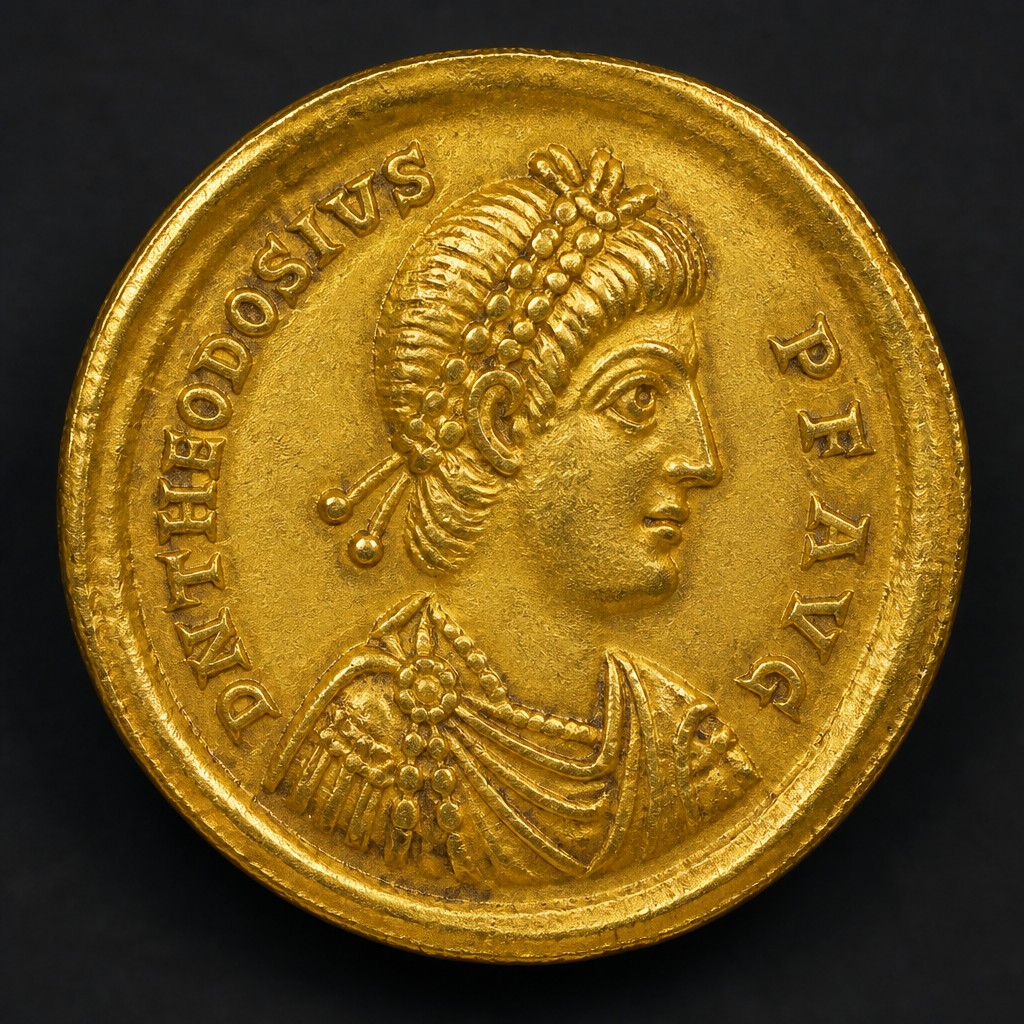
Theodosius I Solidus
379–395 AD
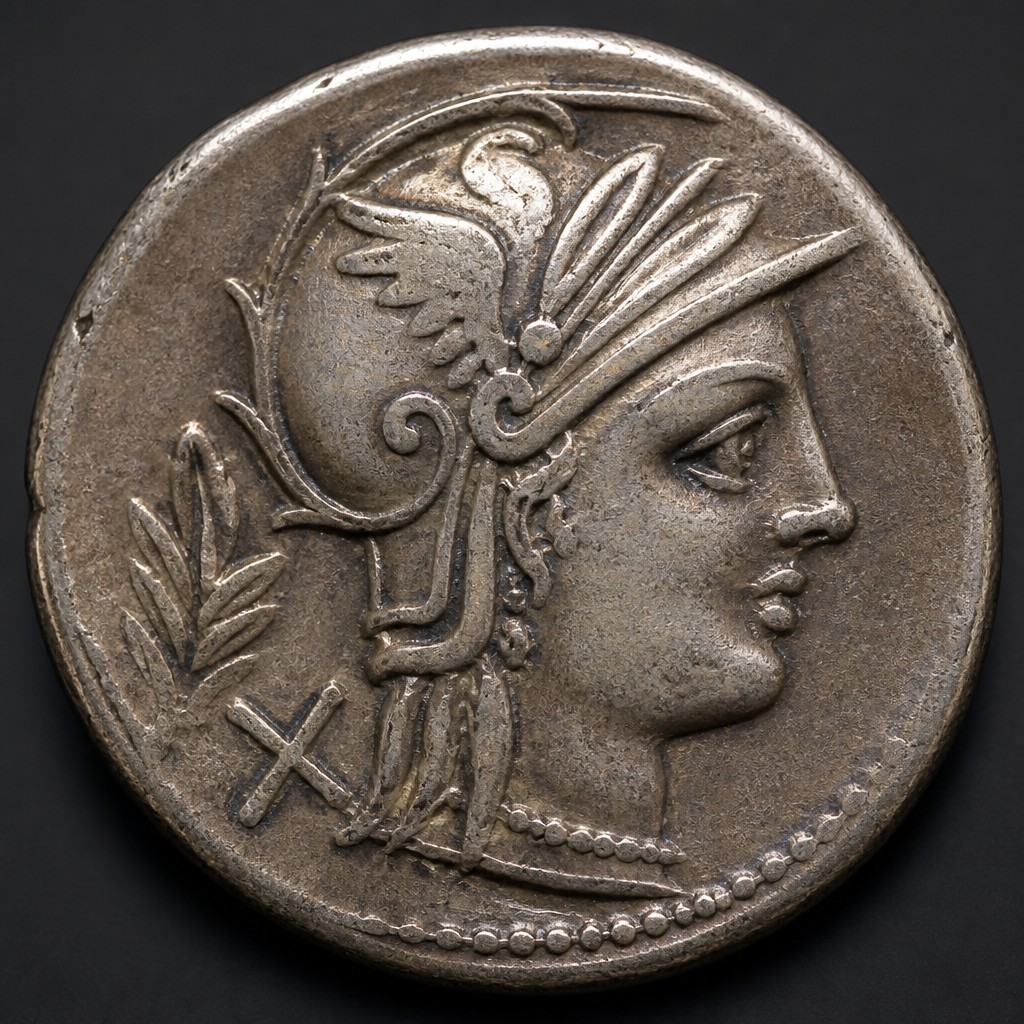
Republican Victoriatus
c. 211–170 BC
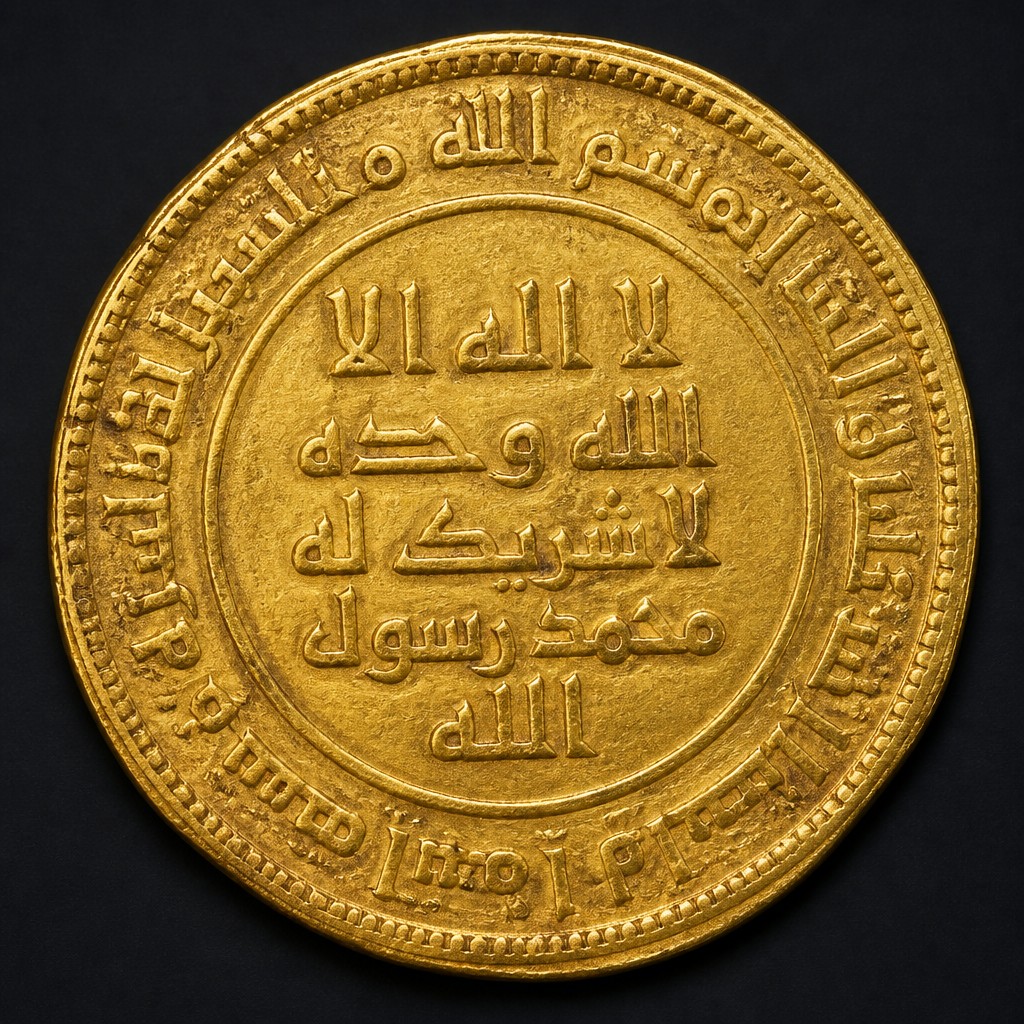
Islamic Gold Dinar (Umayyad)
c. 696–750 AD
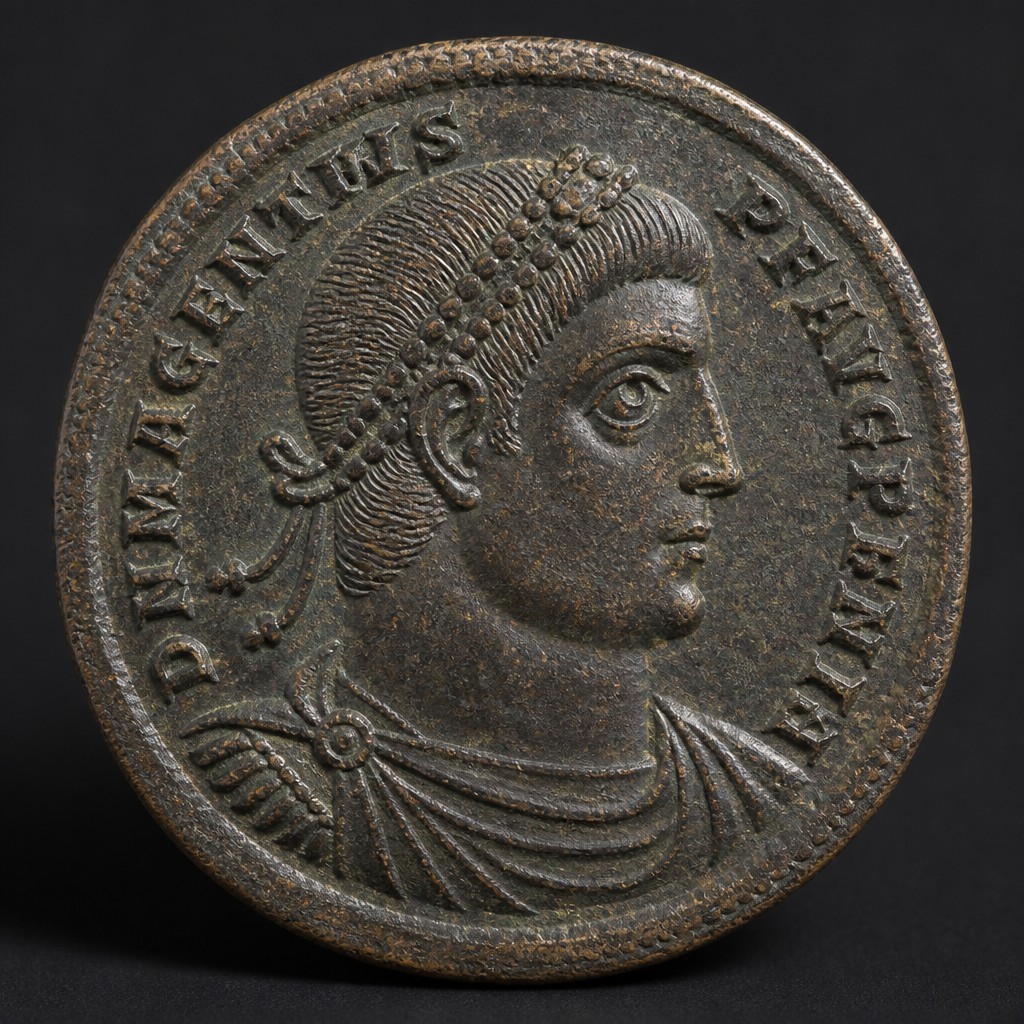
Magnentius Double Centenionalis
350–353 AD
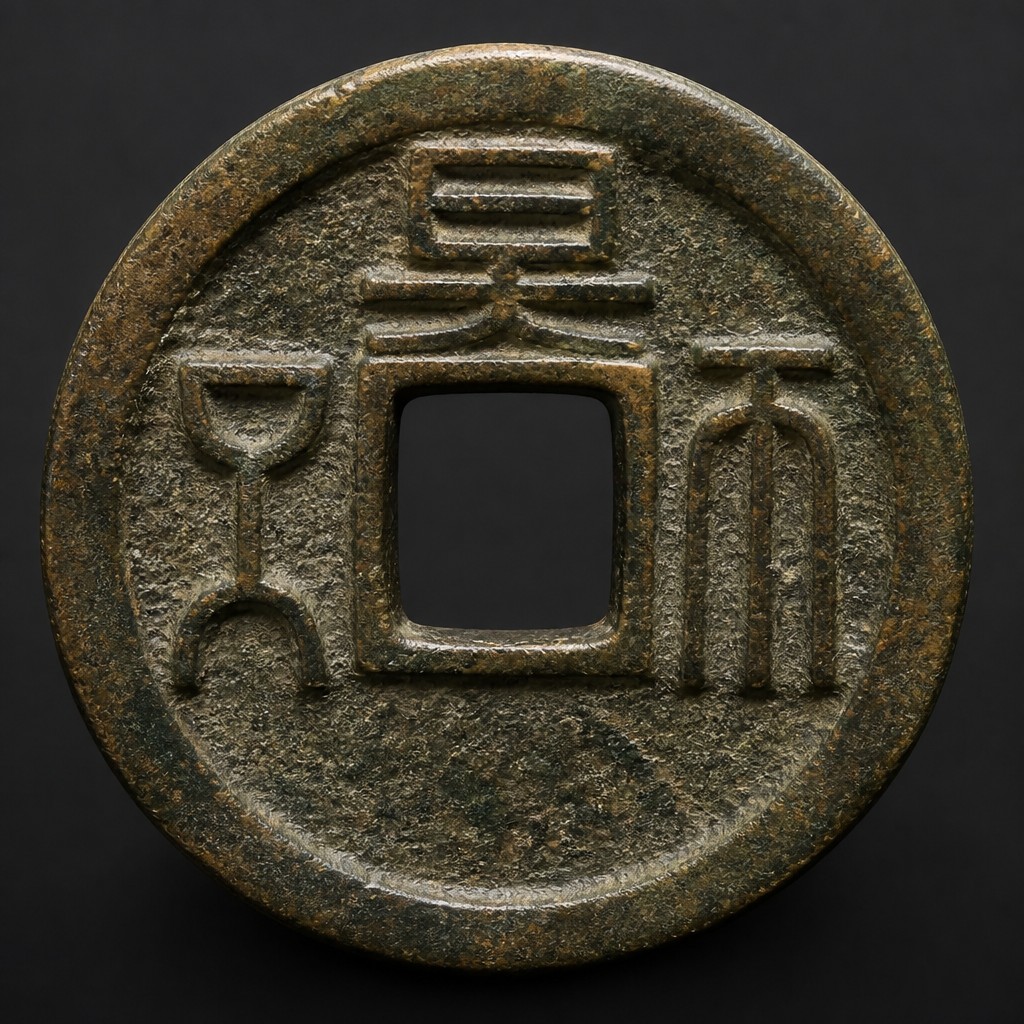
Chinese Wu Zhu Cash
118 BC – 618 AD
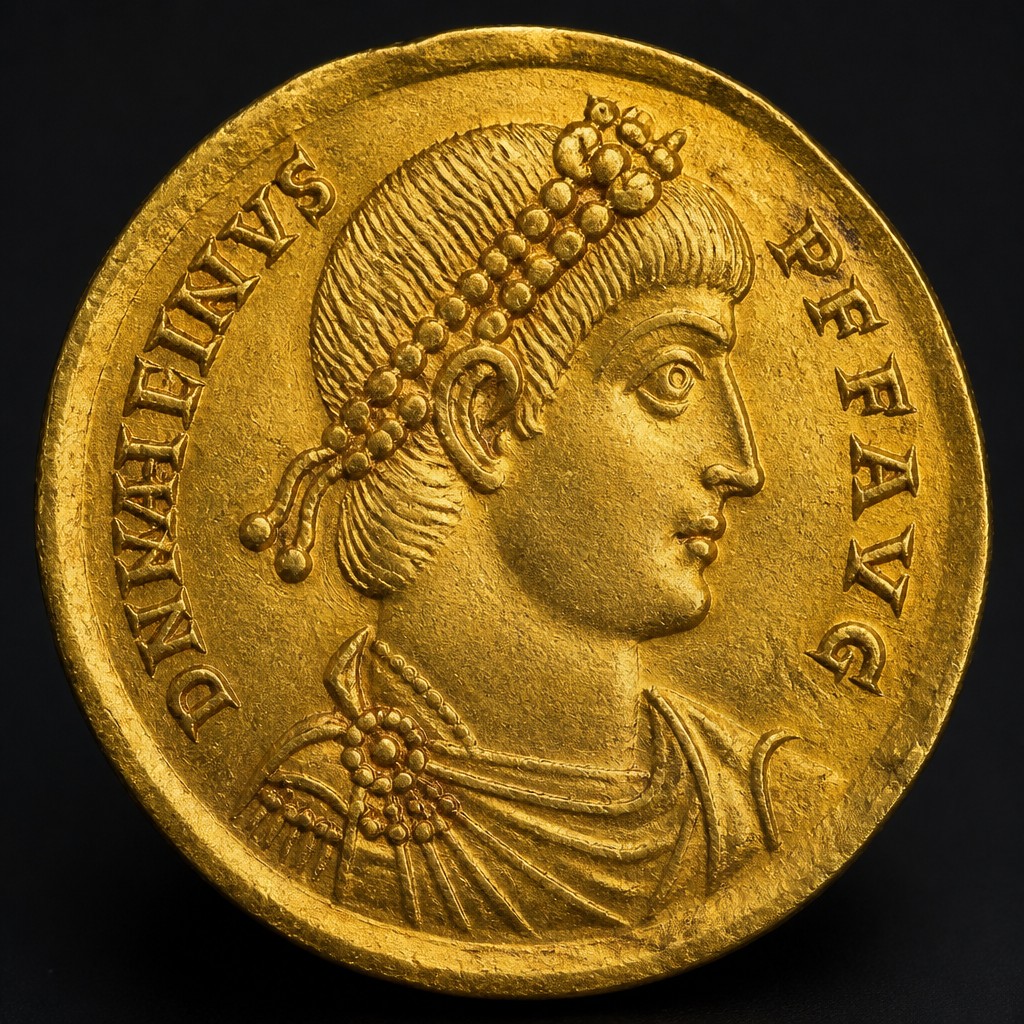
Valentinian I Solidus
364–375 AD
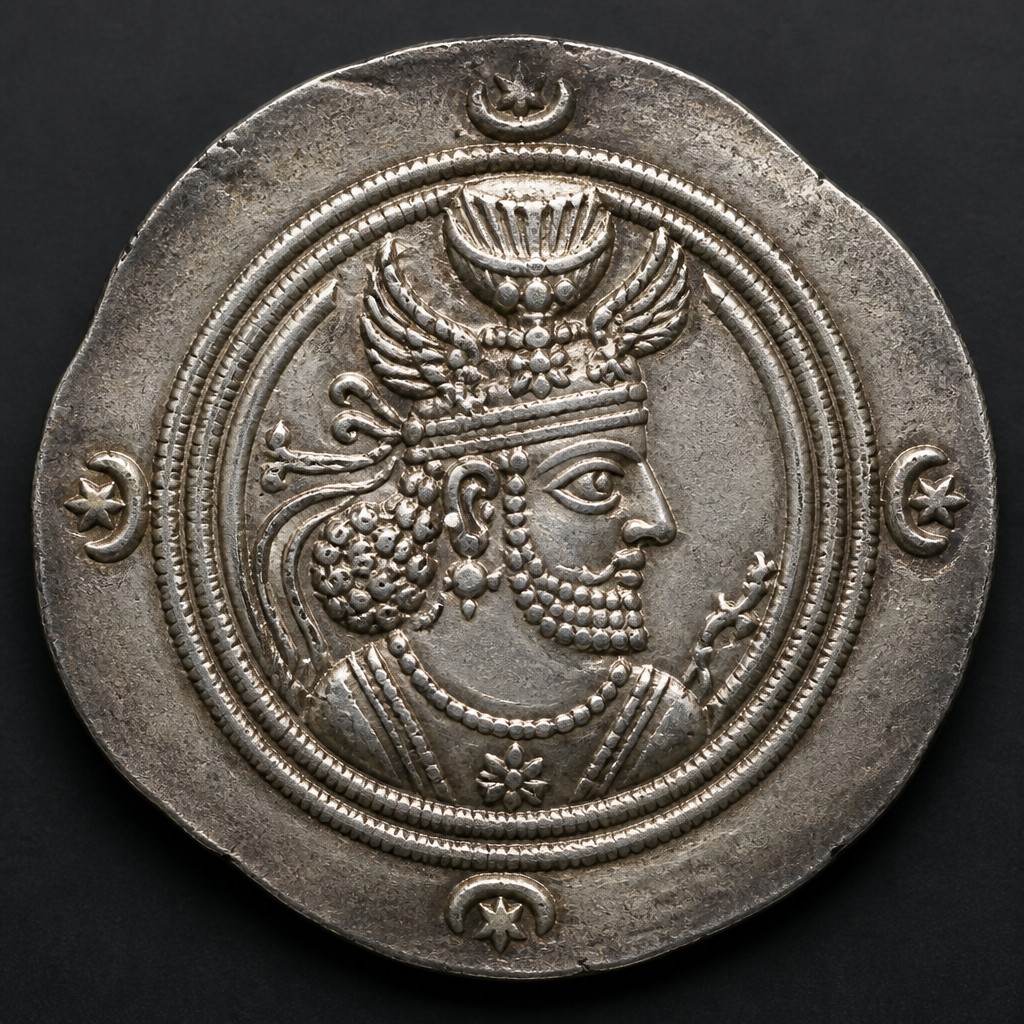
Sassanian Silver Drachm
c. 224–651 AD
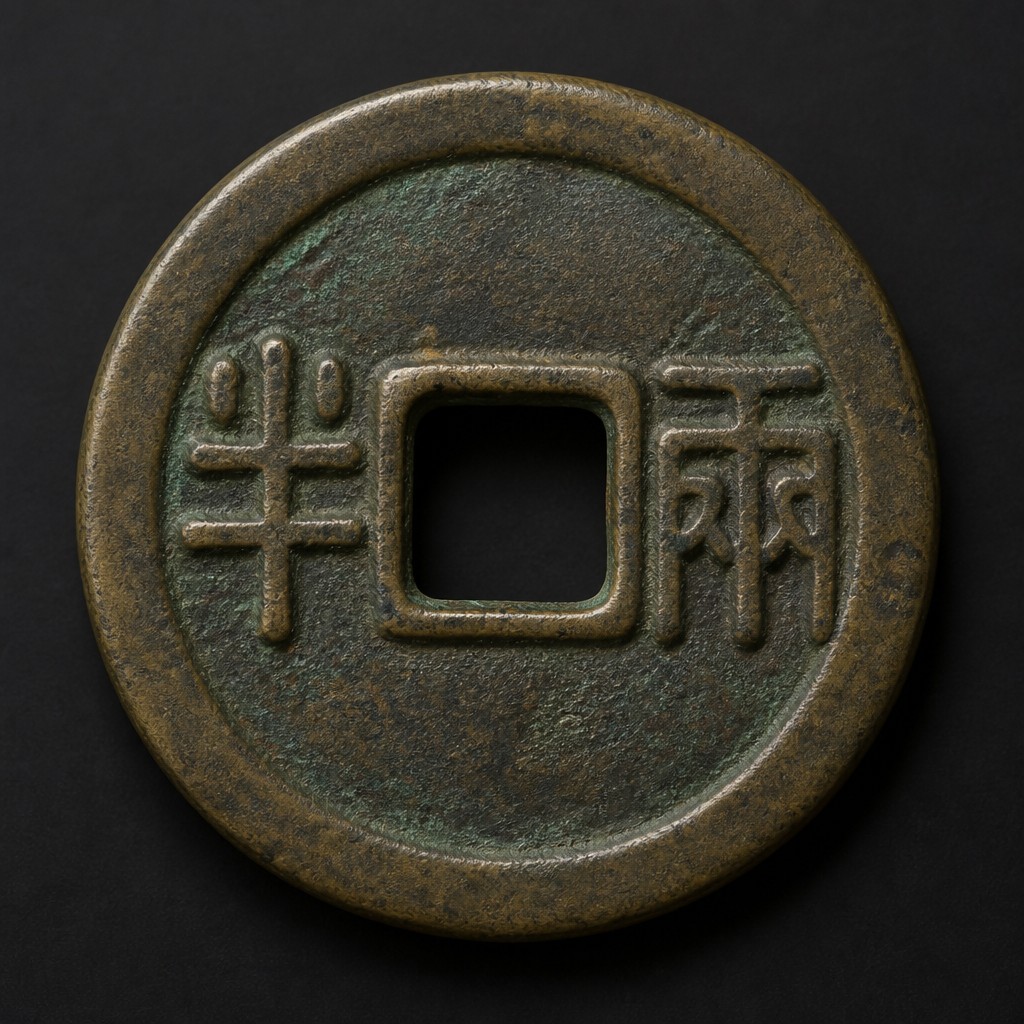
Chinese Ban Liang Cash
c. 221–118 BC
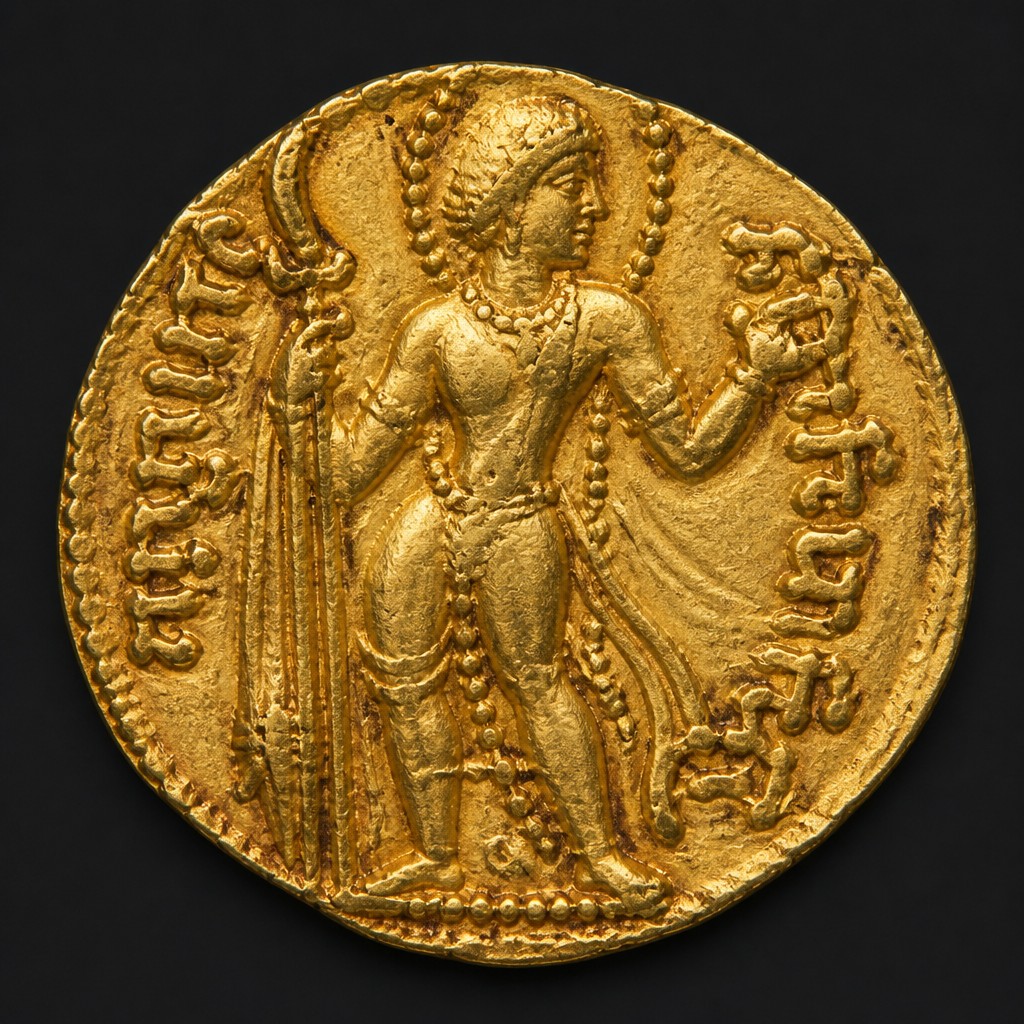
Gupta Empire Gold Dinar
c. 320–550 AD
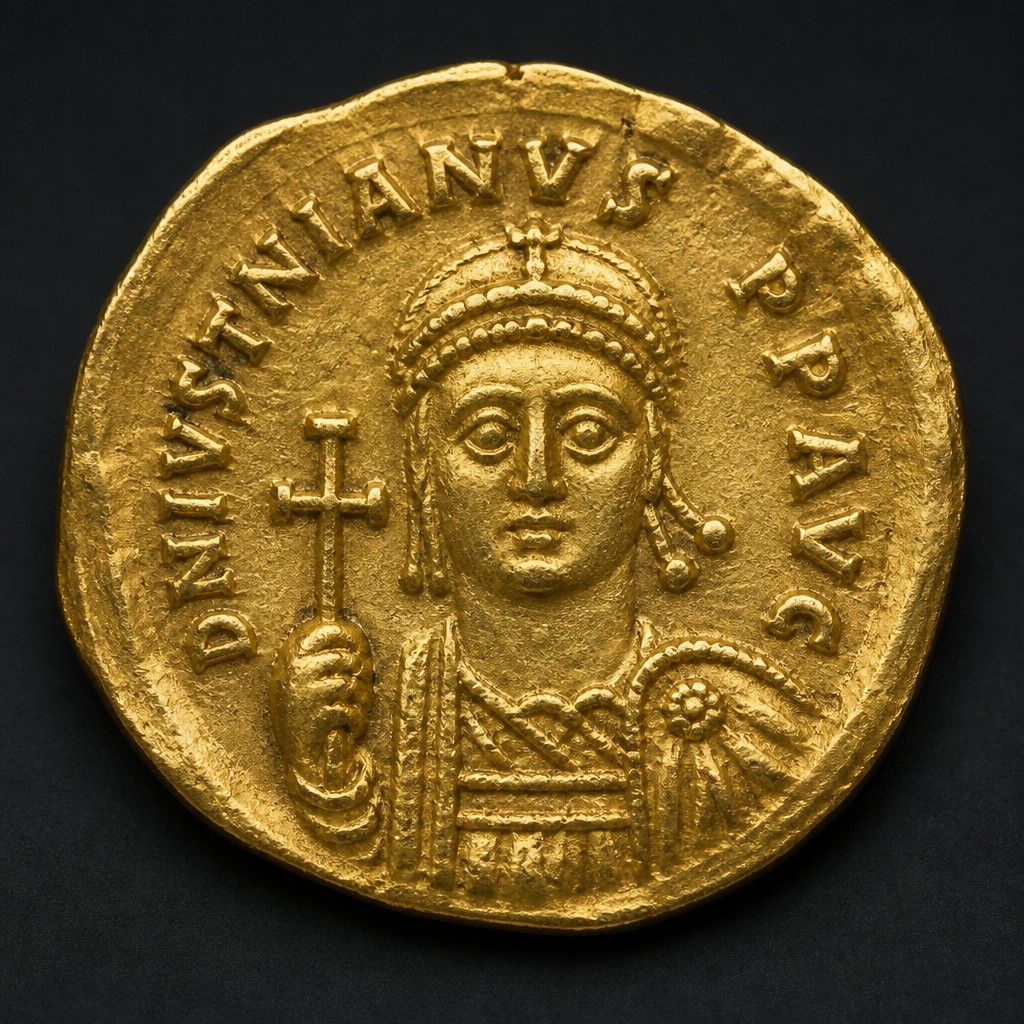
Byzantine Gold Tremissis
c. 4th–7th century AD
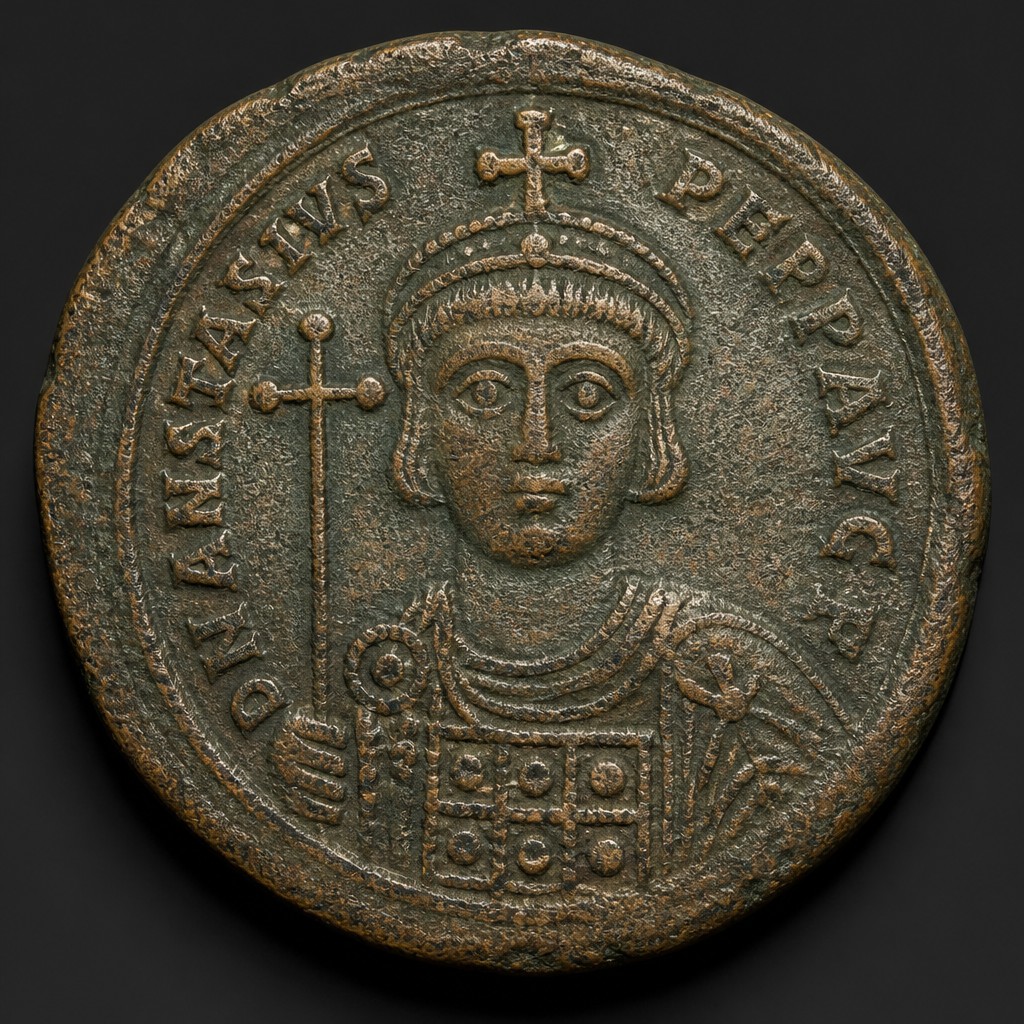
Byzantine Follis
498–c. 11th century AD
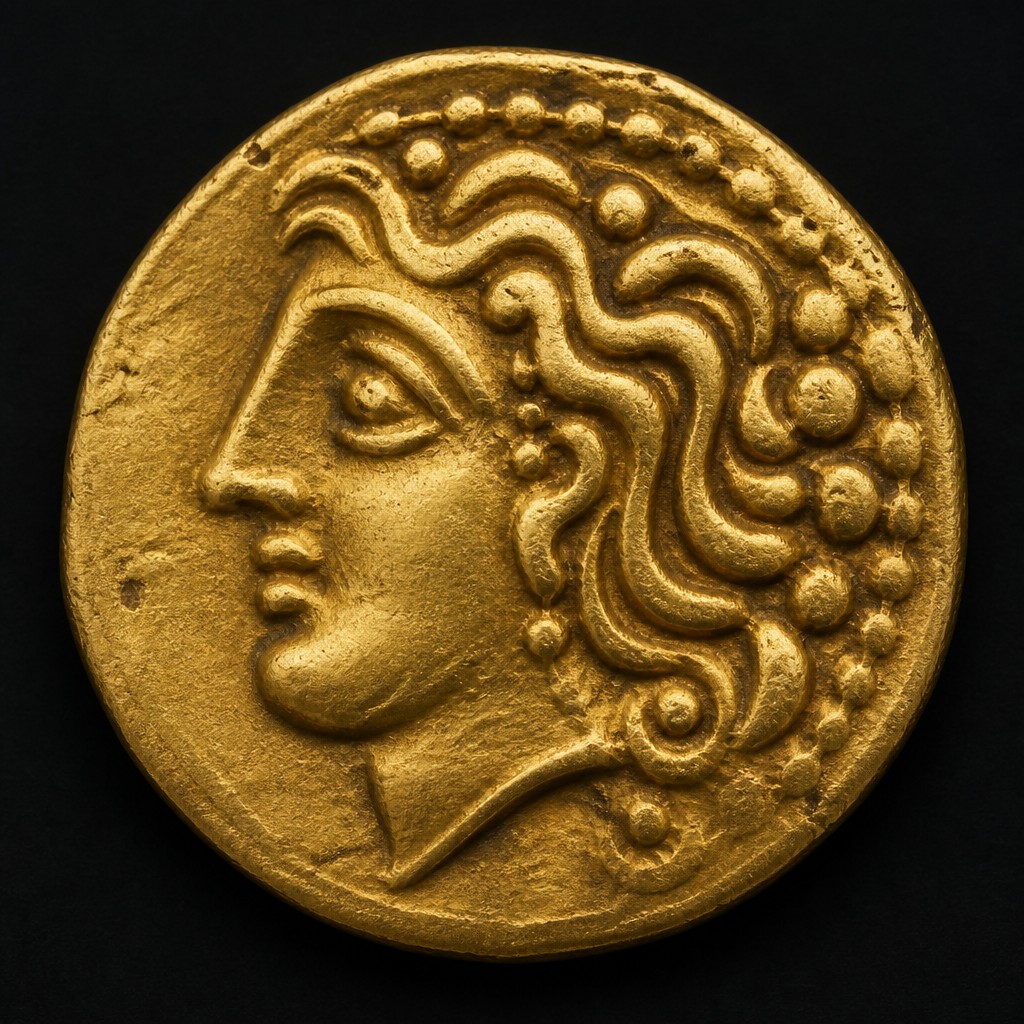
Celtic Gold Stater
c. 3rd century BC – 1st century AD