
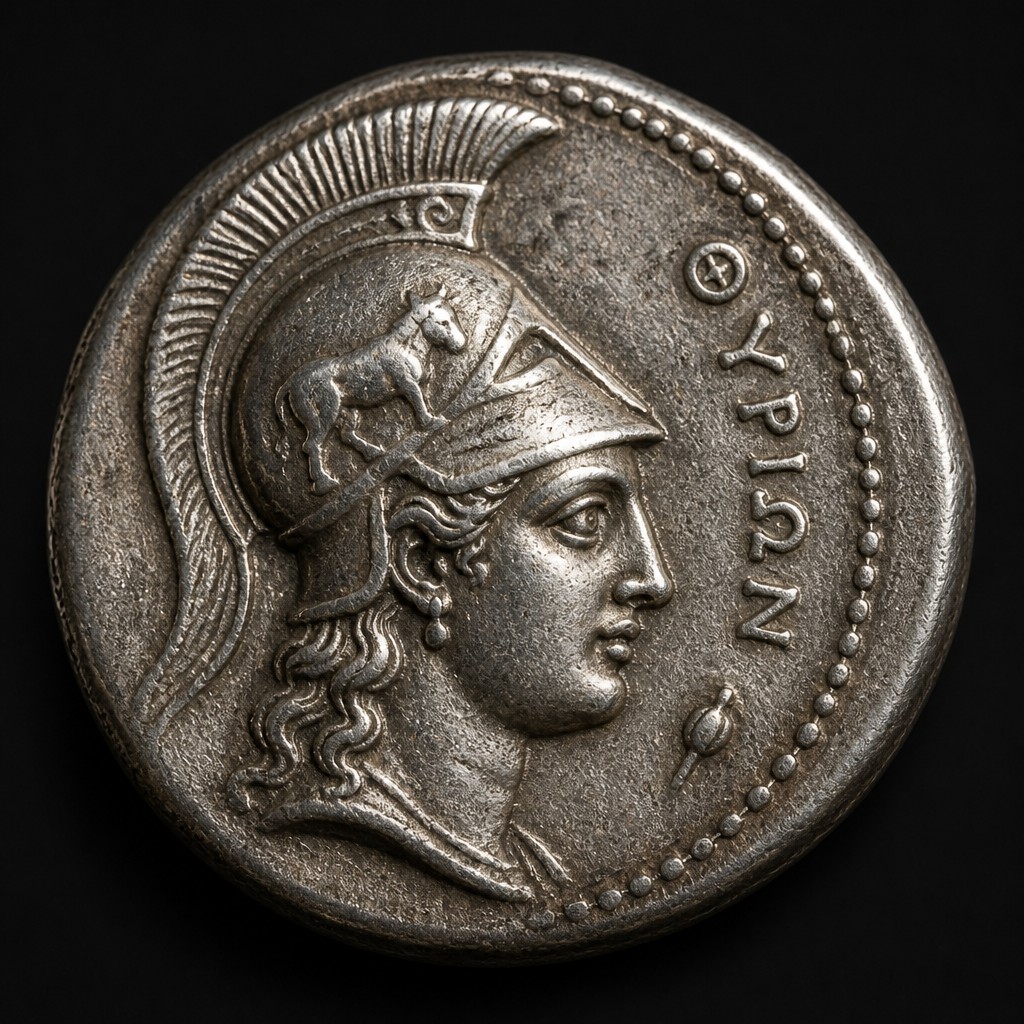
Thurium (Thurii) Athena and Bull Nomos
Silver nomos of the Greek colony of Thurii in southern Italy, showing a helmeted Athena obverse and a butting bull reverse, a classic Magna Graecia type.
- Country
- Ancient Greece (Magna Graecia, Italy)
- Denomination
- Nomos (Didrachm)
- Metal
- Silver
Got a coin like this?
Identify any coin from a photo, free.
Overview
The Thurium (Thurii) nomos is a silver coin of the Greek colony of Thurii, founded in southern Italy on the site of the earlier city of Sybaris. It is one of the well-known coinages of Magna Graecia, the Greek-settled region of southern Italy, prized for its confident, high-relief Classical-period artistry.
Collectors appreciate the type for its combination of an elegant Athena portrait, often shown wearing a distinctive crested helmet decorated with a wreath or Scylla, and a vigorous depiction of a charging or butting bull, a symbol tied to the city's agricultural wealth and its predecessor Sybaris.
History & Background
Thurii was founded around 443 BC as a Panhellenic colony sponsored in part by Athens on the site of the destroyed city of Sybaris, attracting settlers from across the Greek world, including figures associated with the historian Herodotus. Its coinage began soon after the city's founding and continued for roughly a century, reflecting the city's prosperity from the fertile plains of Lucania.
The choice of Athena for the obverse likely reflects Athenian involvement in the colony's founding, while the bull, inherited iconographically from Sybaris's own coinage, ties Thurii to the agricultural and pastoral wealth of the region. Over the coinage's run, die engravers experimented with different helmet decorations and bull poses, giving the series considerable stylistic variety.
How to Identify
The obverse shows the head of Athena facing right, wearing a Corinthian or Attic-style helmet often ornamented with a coiled sea-monster (Scylla), a wreath, or other decorative elements depending on the specific issue and period. The reverse depicts a bull, typically shown butting or charging, sometimes with a bird or other small symbol above, and the ethnic ΘΟΥΡΙΩΝ ("of the Thurians") below or in the exergue.
The denomination is a nomos (the local term for the didrachm/stater on the Achaean or Italic weight standard used in Magna Graecia), typically weighing around 7.5–8 grams. Style and helmet decoration evolved over the coinage's production, allowing specialists to place individual coins within a rough chronological sequence.
Thurii's Athena and bull type can be distinguished from similar Magna Graecia issues, such as those of Neapolis or other south Italian cities, by its specific helmet ornamentation, the pose of the bull, and the ΘΟΥΡΙΩΝ ethnic.
Value & Collectibility
Thurii nomoi are moderately available to collectors of Magna Graecia coinage, with typical examples in collectible grade often found in the low hundreds of dollars, while sharply struck, well-centered pieces with elaborate helmet decoration or fine style command higher prices, sometimes into four figures for exceptional examples.
As with most Classical-period Greek silver, eye appeal, centering, and the sharpness of the portrait and bull drive value more than any formal grading scale, and coins with attractive, artistic dies are especially sought after by collectors focused on ancient art.
Frequently asked questions
What is a nomos?
Nomos was the local South Italian term for the standard silver stater or didrachm-weight coin used by Greek cities in Magna Graecia, including Thurii.
Why does the coin show Athena?
Thurii was founded with significant Athenian involvement, and Athena, patron goddess of Athens, was a fitting choice for the new city's coinage.
What does the bull represent?
The bull likely continues the iconographic tradition of Sybaris, the earlier city on the same site, and reflects the agricultural wealth of the surrounding Lucanian plains.
How old are Thurii coins?
They were struck roughly from the city's founding around 443 BC through the mid-4th century BC.
Other coins you may enjoy
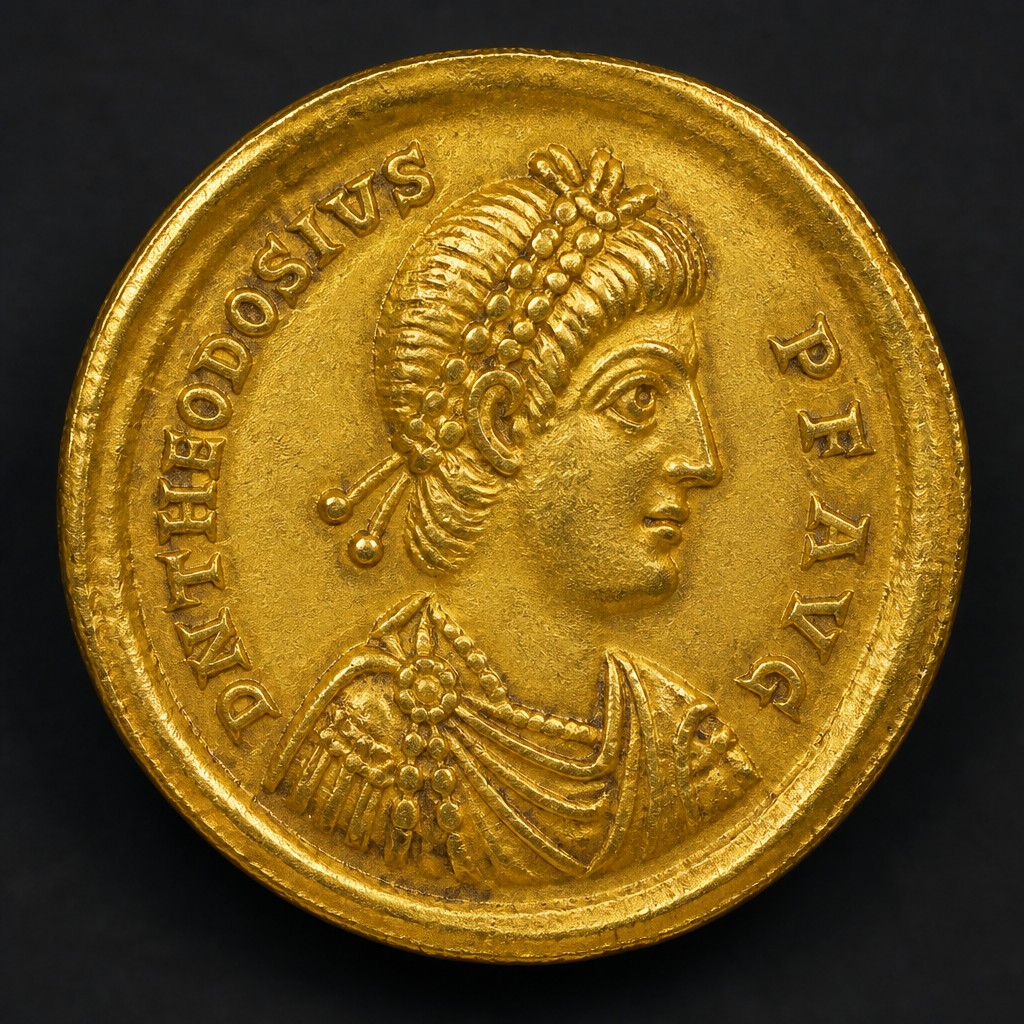
Theodosius I Solidus
379–395 AD
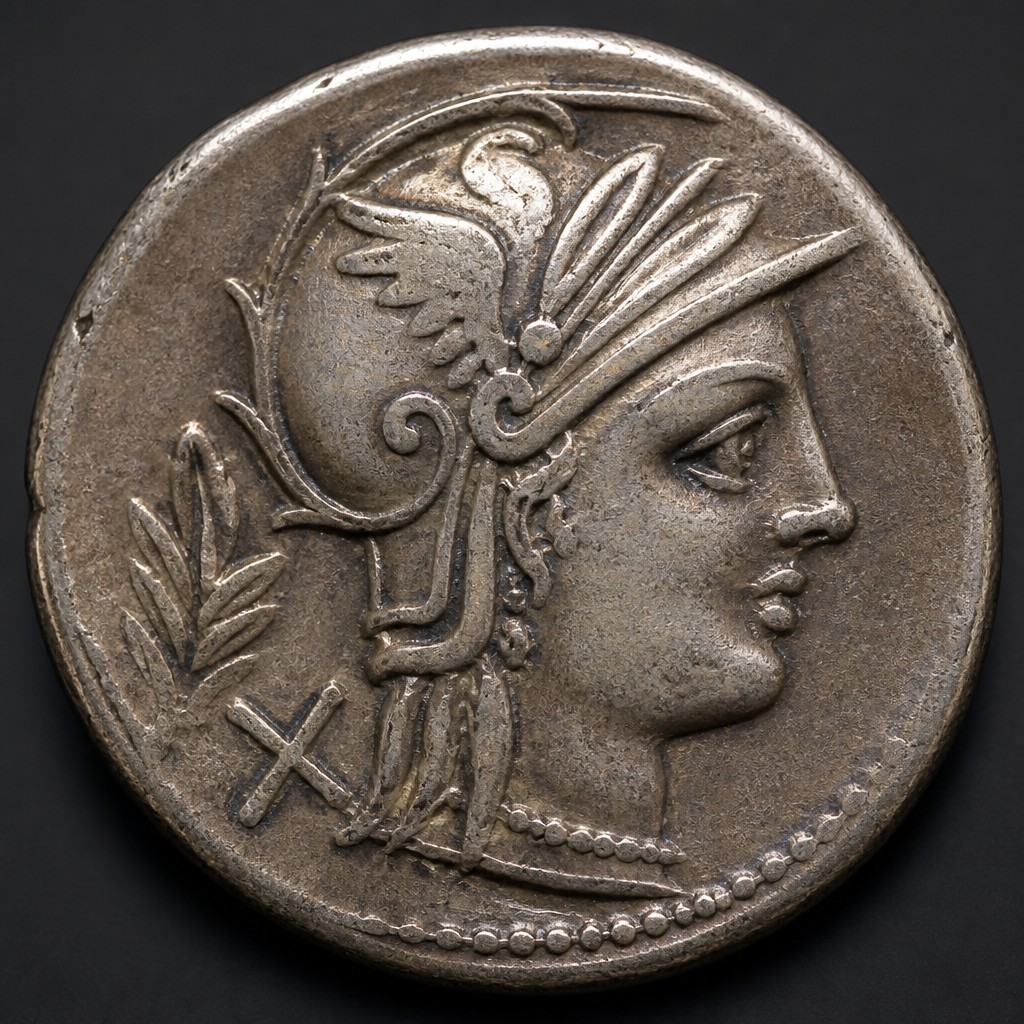
Republican Victoriatus
c. 211–170 BC
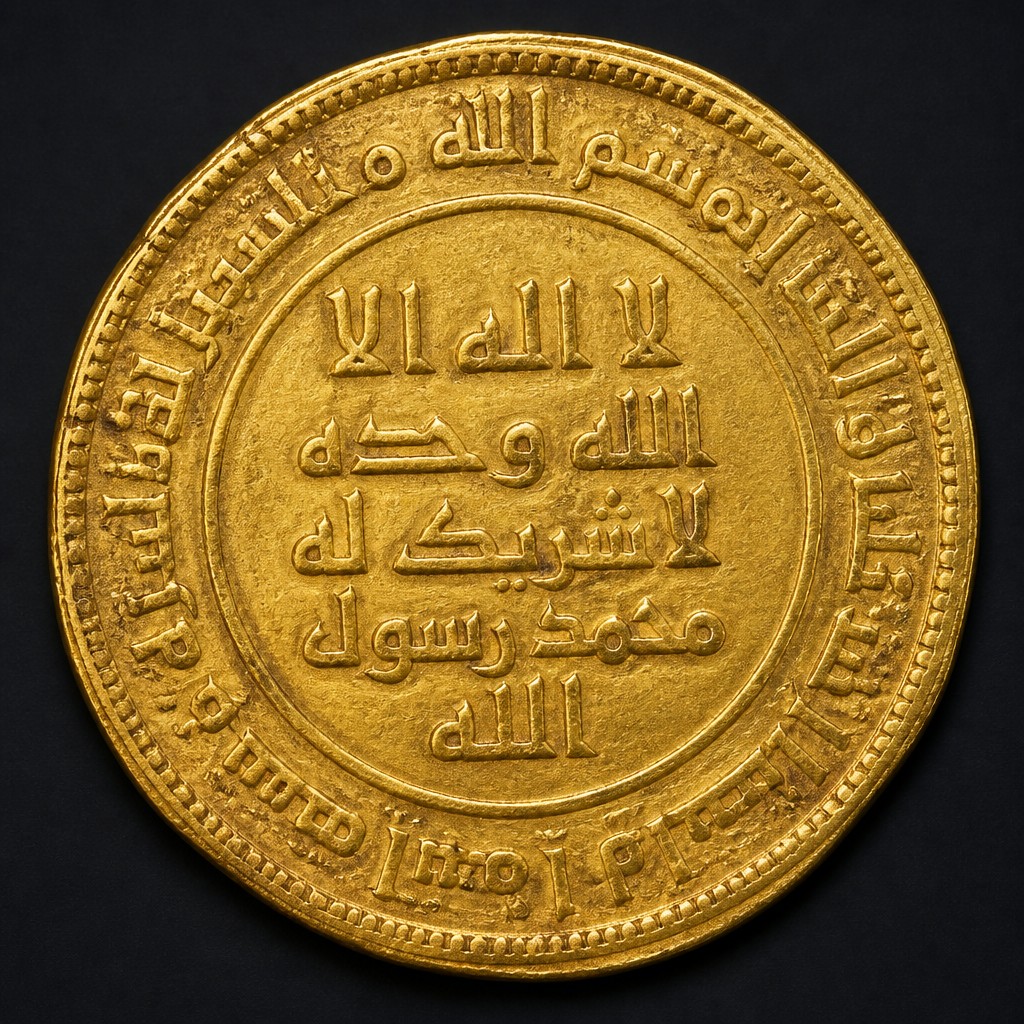
Islamic Gold Dinar (Umayyad)
c. 696–750 AD
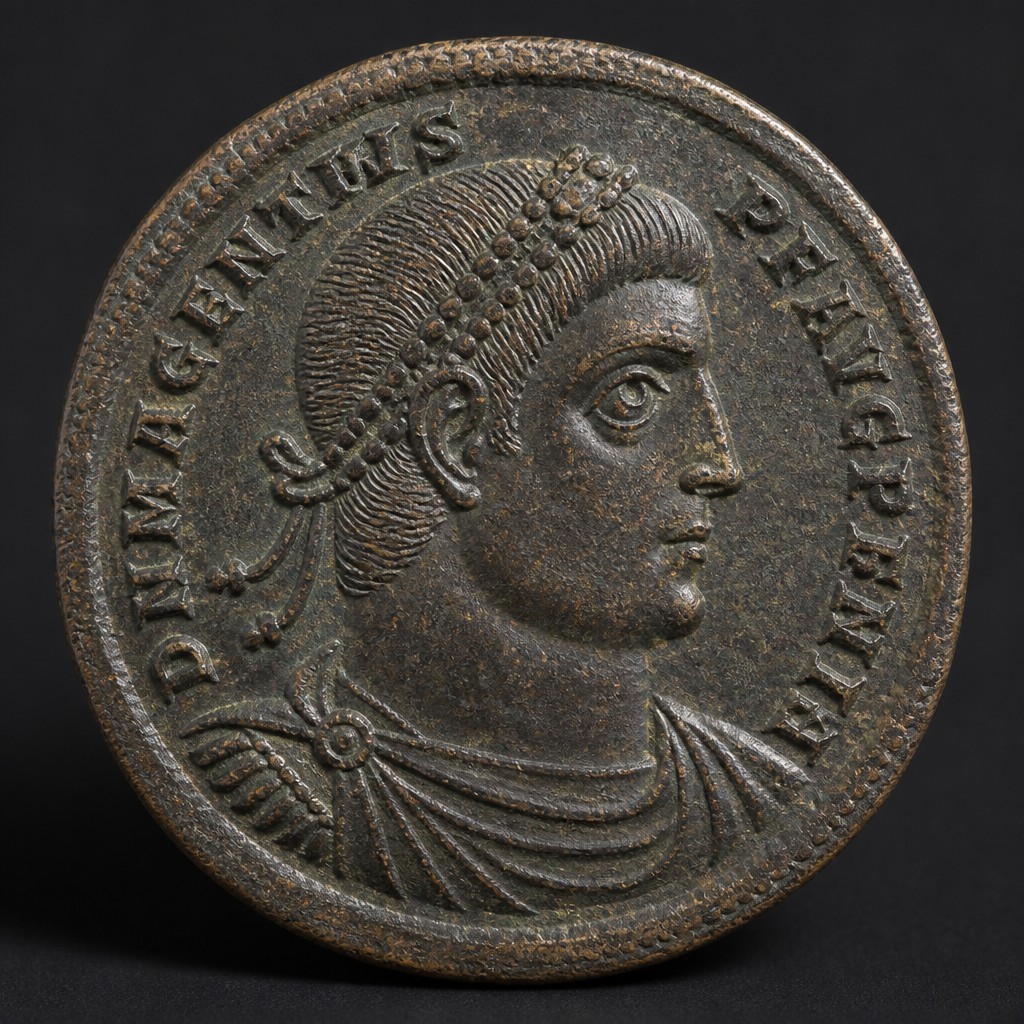
Magnentius Double Centenionalis
350–353 AD
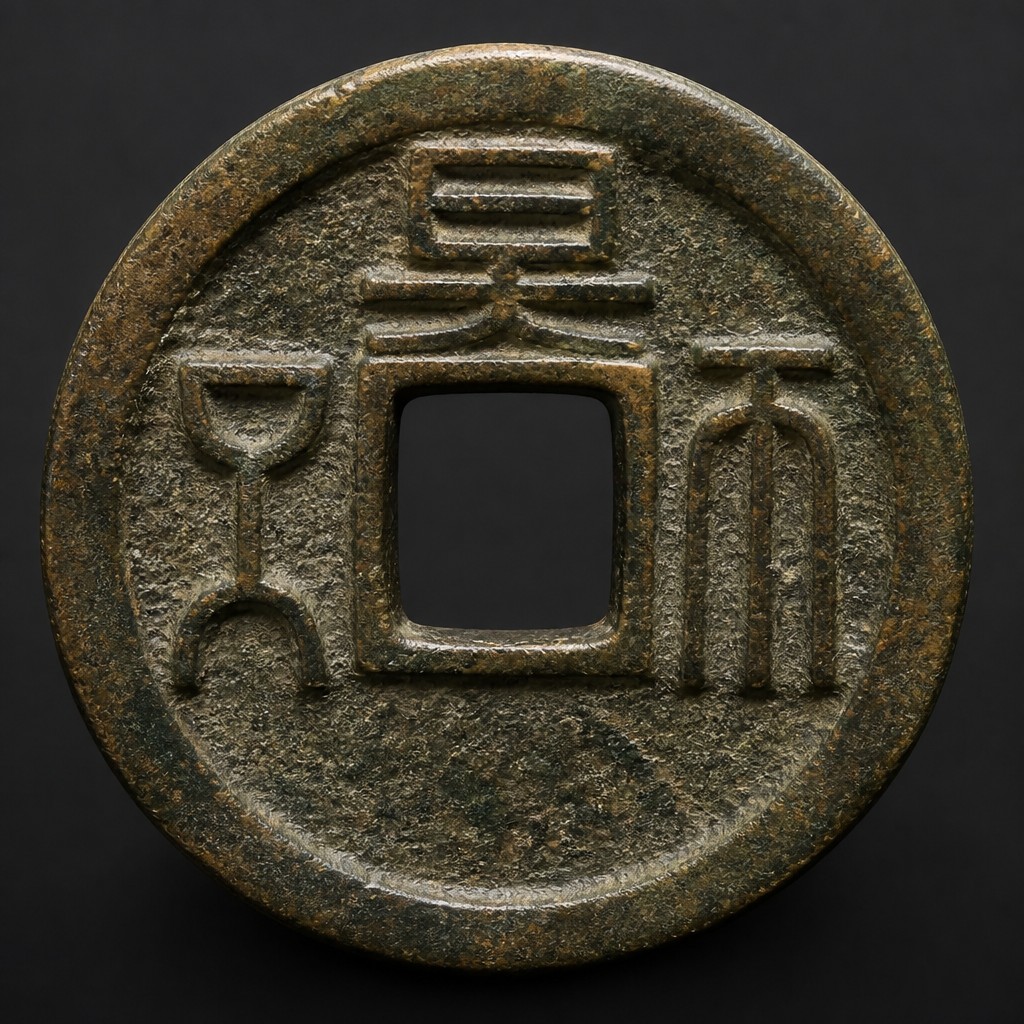
Chinese Wu Zhu Cash
118 BC – 618 AD
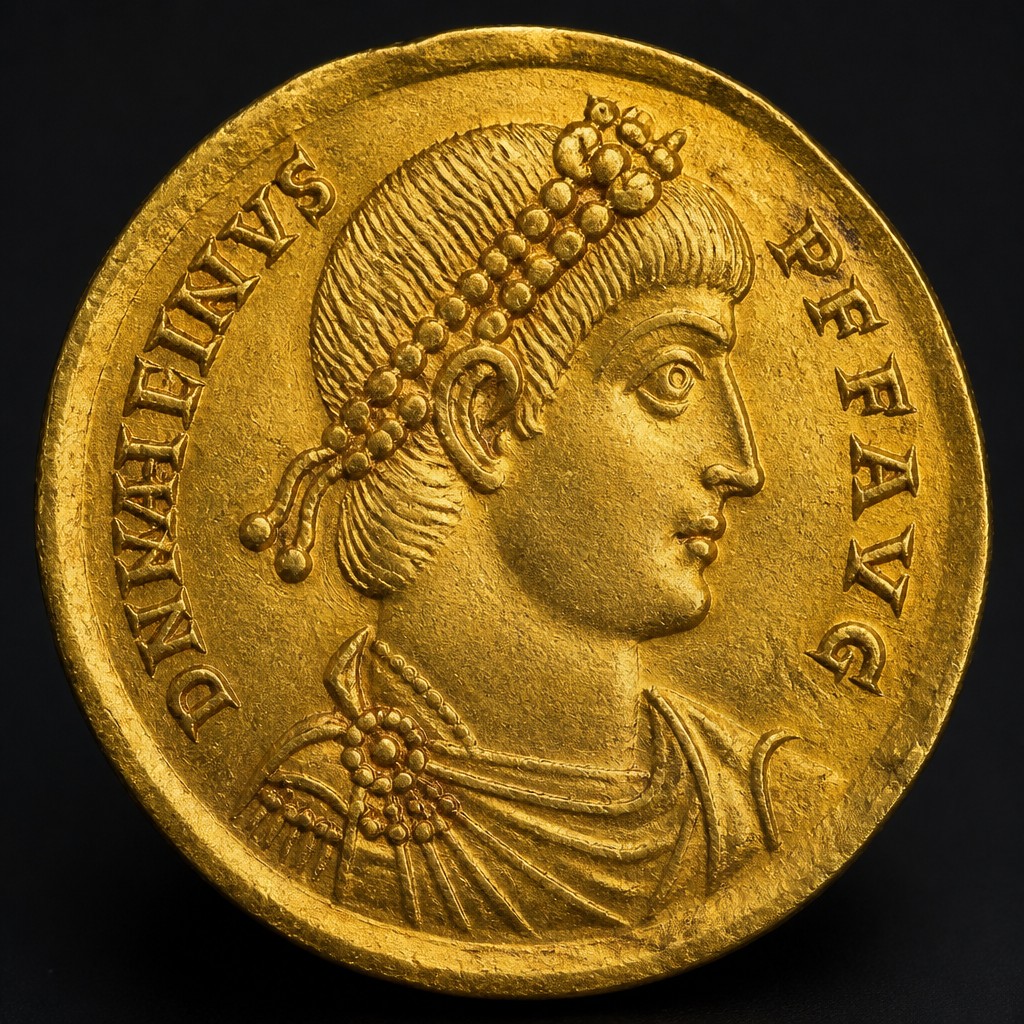
Valentinian I Solidus
364–375 AD
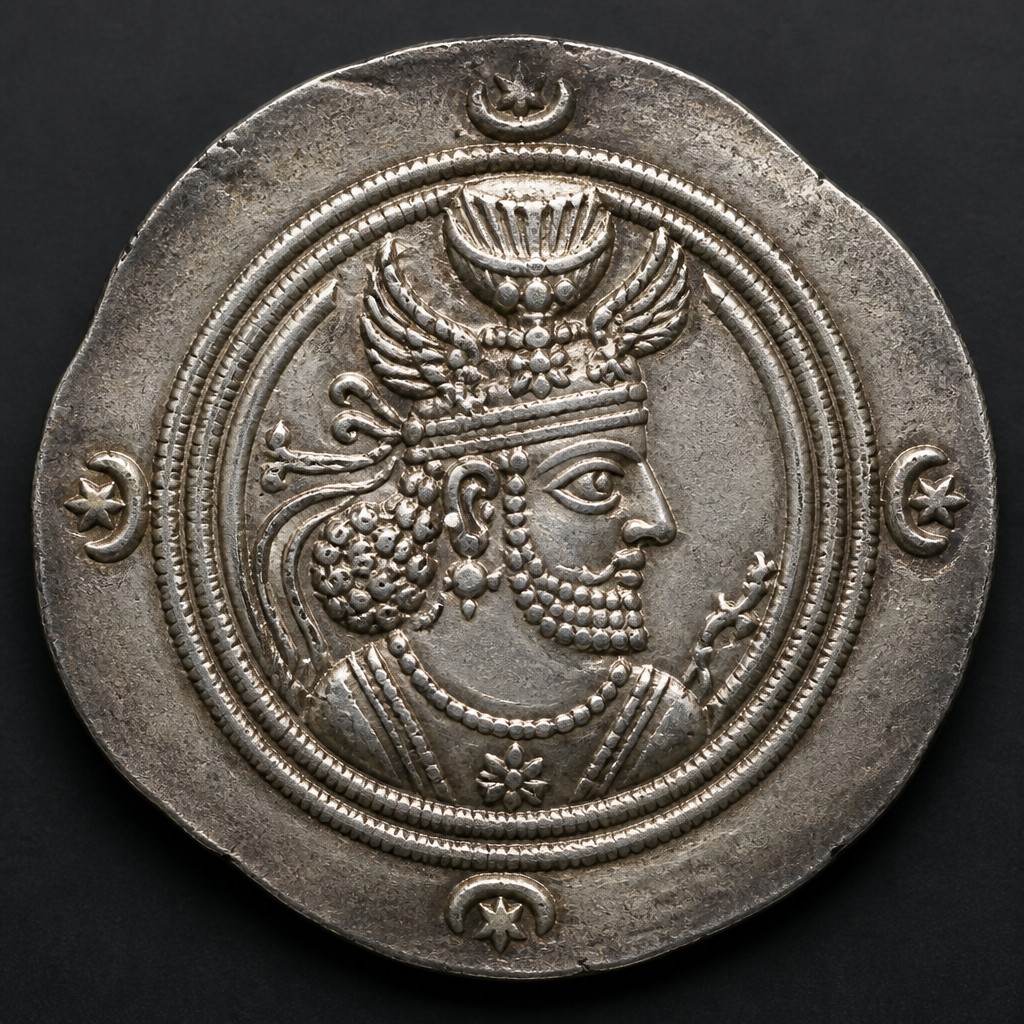
Sassanian Silver Drachm
c. 224–651 AD
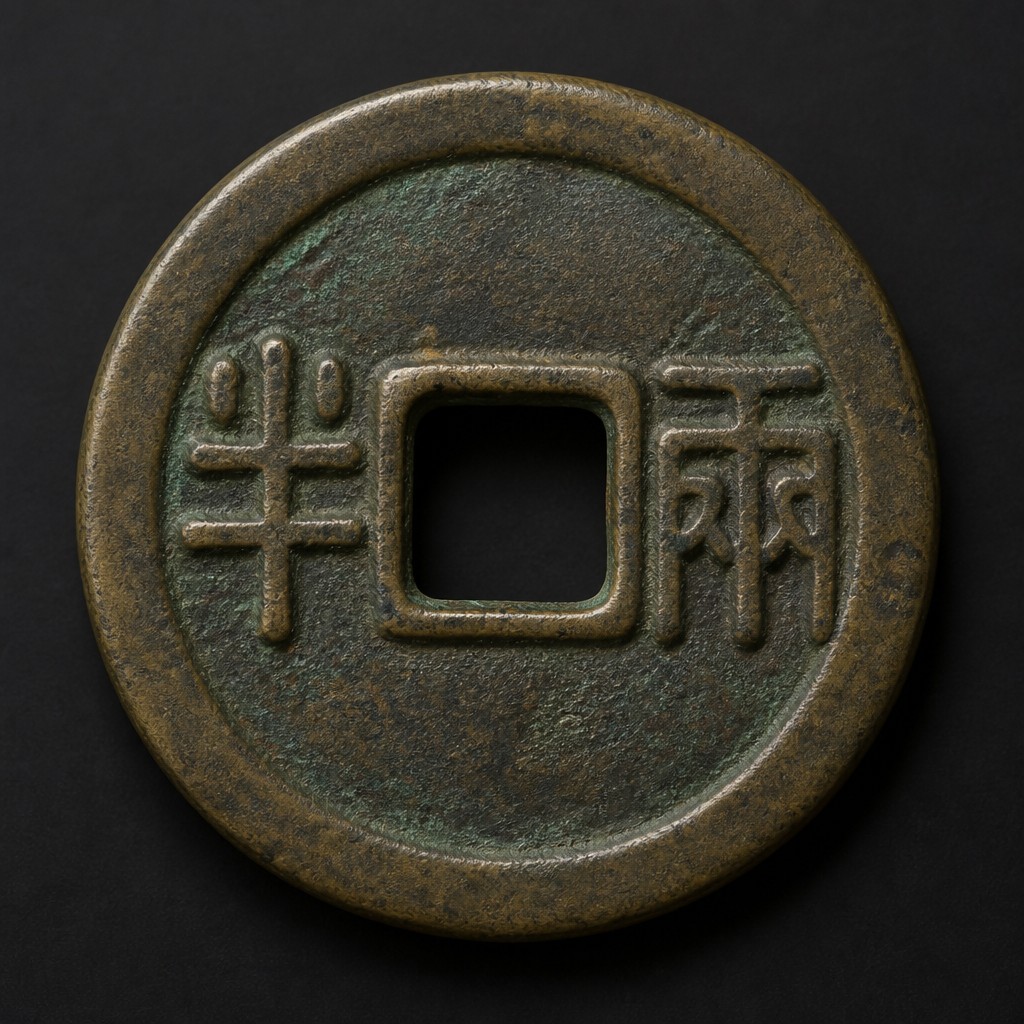
Chinese Ban Liang Cash
c. 221–118 BC
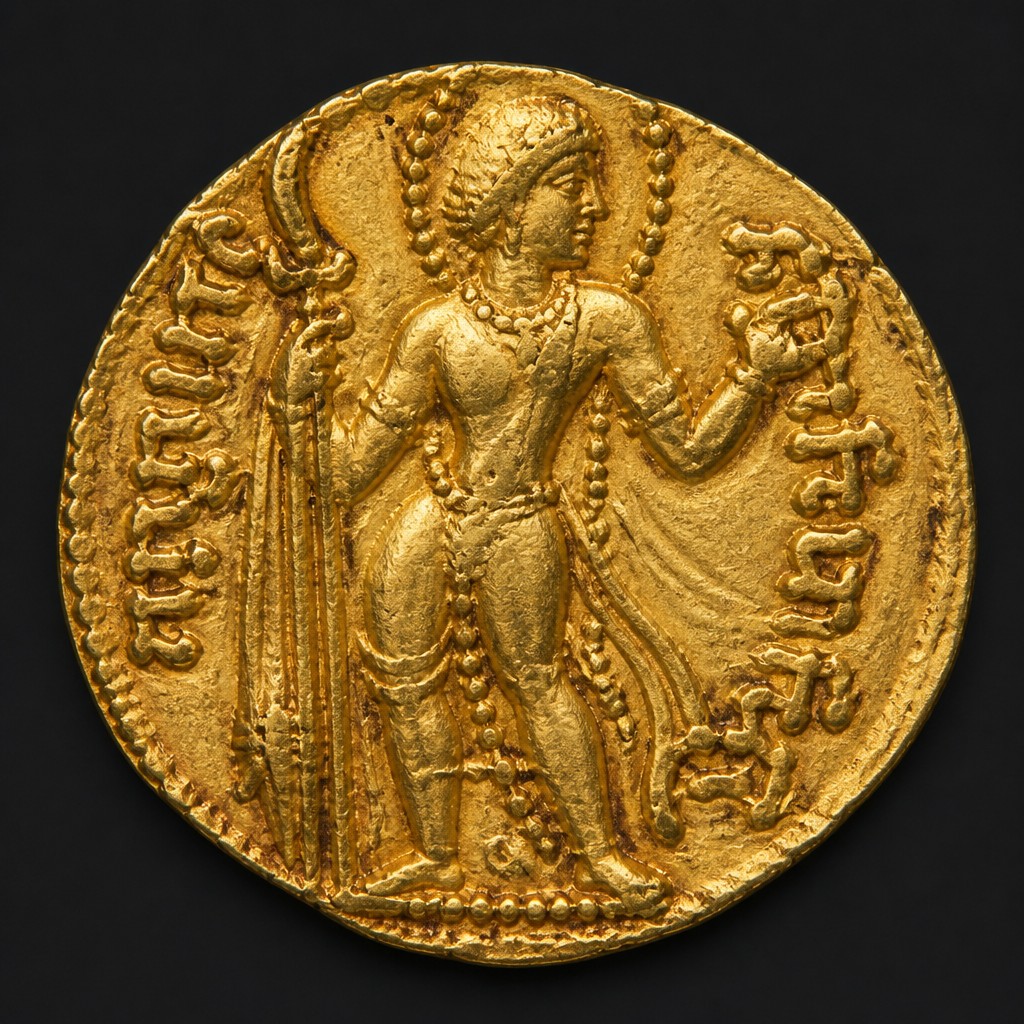
Gupta Empire Gold Dinar
c. 320–550 AD
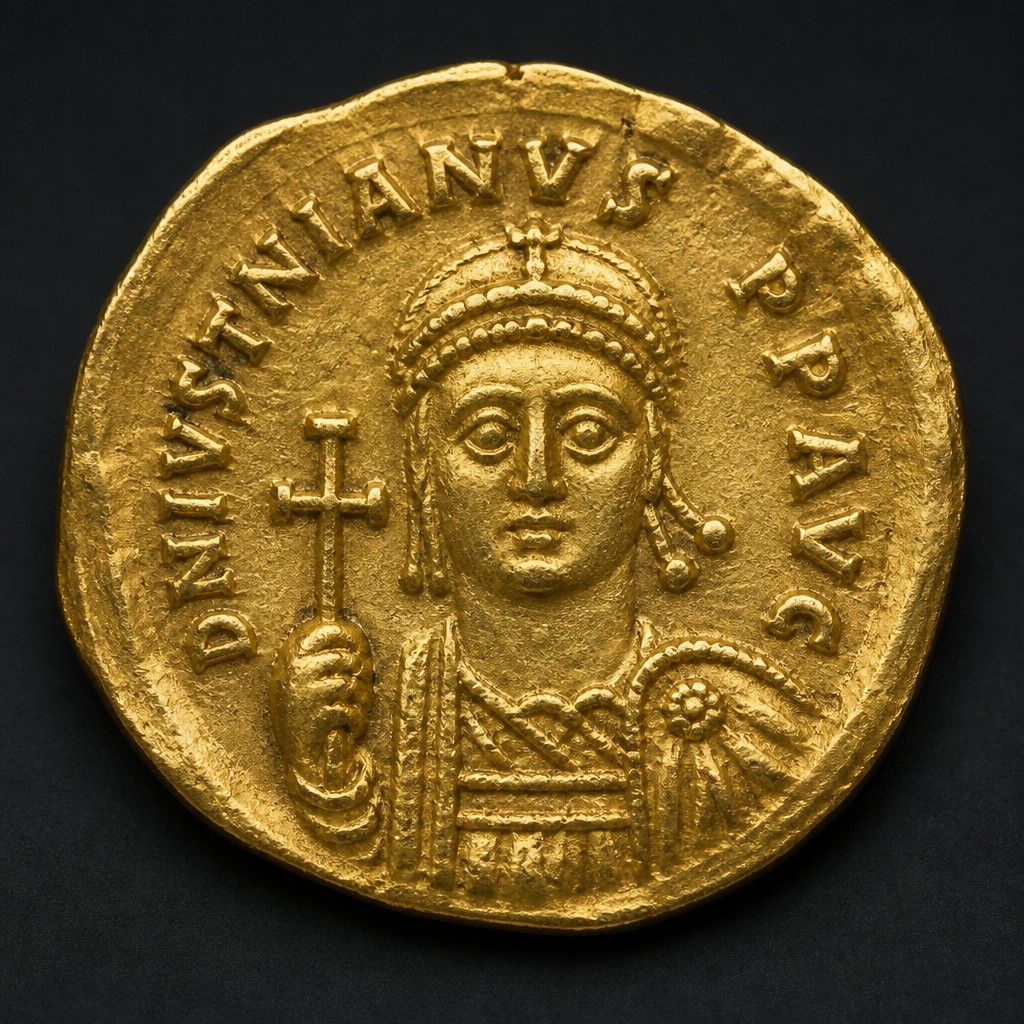
Byzantine Gold Tremissis
c. 4th–7th century AD
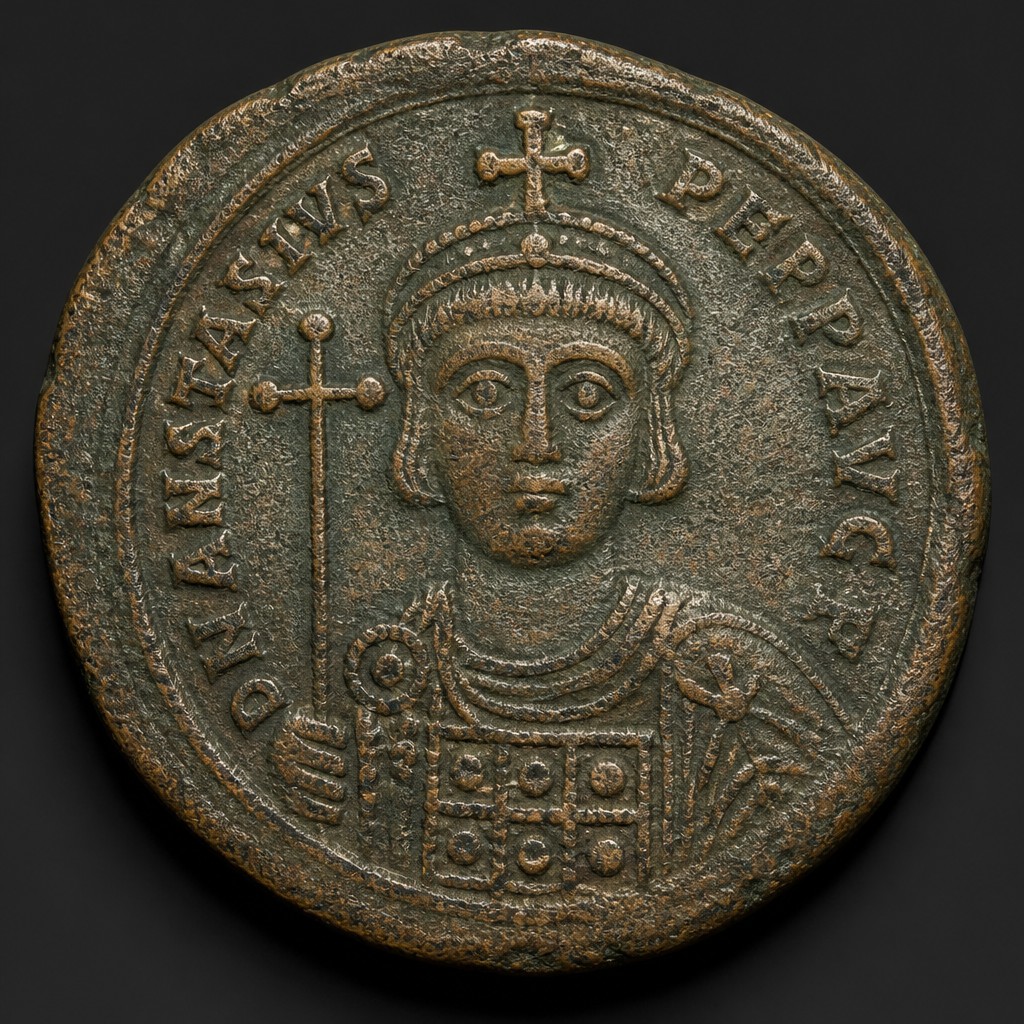
Byzantine Follis
498–c. 11th century AD
Celtic Gold Stater
c. 3rd century BC – 1st century AD