
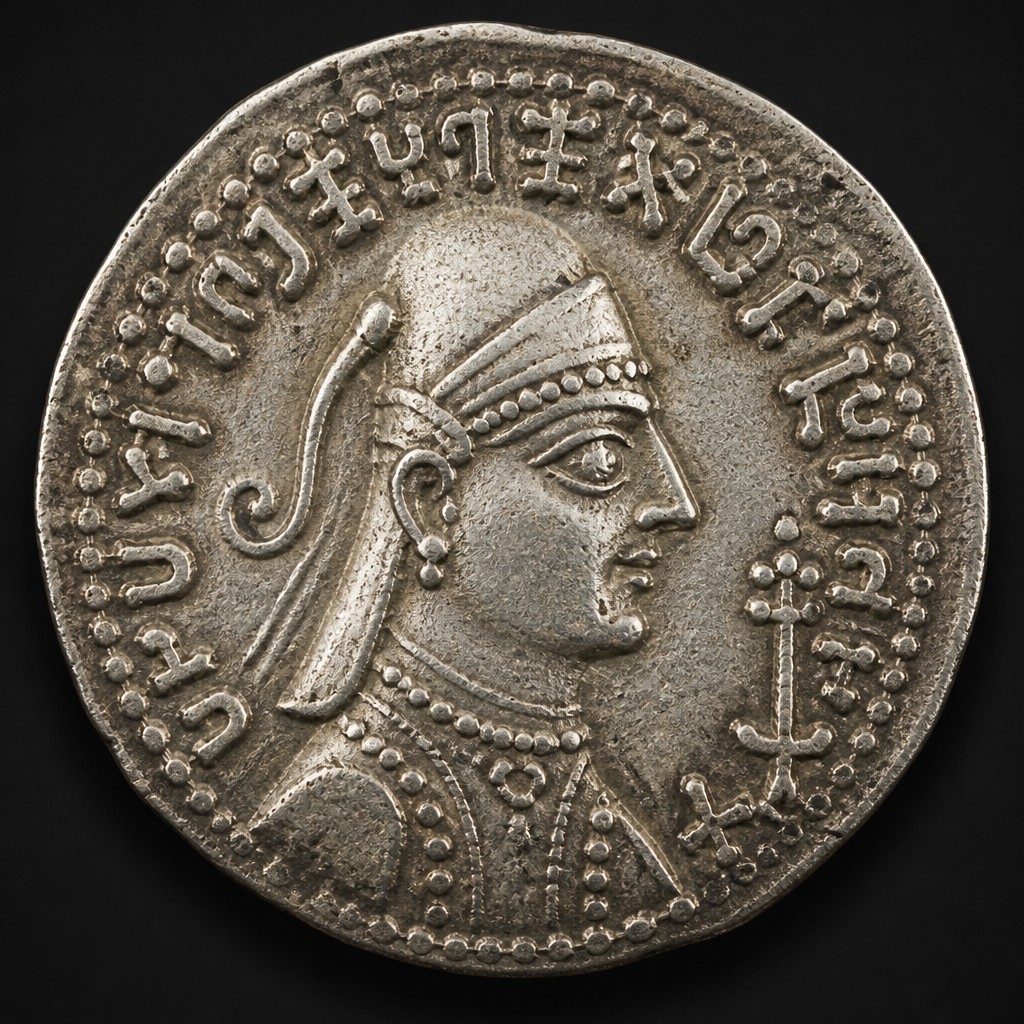
Western Satrap Silver Drachm
A silver drachm of the Western Satraps, Saka rulers of western India, easily identified by a crude Greek-style portrait obverse and a three-arched hill reverse.
- Country
- Western Satraps (Saka rulers of western India)
- Denomination
- Drachm
- Metal
- Silver (often debased in later issues)
Got a coin like this?
Identify any coin from a photo, free.
Overview
The Western Satraps, also called the Western Kshatrapas, were a line of Saka (Scythian) rulers who governed parts of western and central India for several centuries in the early common era. Their long-running silver drachm series is one of the most historically important ancient Indian coinages because many issues carry dates in the Saka era, giving historians a reliable chronological framework.
Collectors value these coins both for their accessible price point relative to many ancient issues and for the genuine historical utility of their dated inscriptions, which help anchor the chronology of an otherwise loosely documented dynasty.
History & Background
The Western Satraps emerged from Indo-Scythian (Saka) groups that established regional rule in Gujarat, Malwa, and neighboring areas of western India beginning in the 1st century AD, continuing in various branches for roughly four centuries until they were eventually overcome by the Gupta Empire. Notable rulers of the dynasty include Nahapana and Rudradaman I, the latter known for a famous Sanskrit inscription at Junagadh.
Their coinage adapted the portrait style of earlier Indo-Greek and Indo-Scythian issues but rendered it in an increasingly stylized, less naturalistic manner over time, reflecting a gradual drift from the Hellenistic artistic tradition toward a distinctly regional style. Crucially, many Western Satrap coins include a numeral date in the Saka calendar era, a practice that makes this series unusually valuable for establishing chronology among ancient Indian dynasties.
The dynasty's long survival and prolific coinage reflect the Western Satraps' role as an important regional power controlling lucrative trade routes connecting the Indian interior to the western coast and international maritime trade with Rome and the Arabian Peninsula.
How to Identify
The obverse of a Western Satrap drachm shows a profile bust of the ruling king, rendered in an increasingly crude, stylized manner compared to the naturalistic Greek portraiture it was originally based on, often with a legend in corrupted Greek letters running around the border. Behind the head there is frequently a Greek-letter date or symbol.
The reverse is highly distinctive and consistent across the series: a three-arched hill or "chaitya" symbol topped by a crescent, flanked by a crescent moon on one side and a sun (or star) on the other, with a legend in Brahmi script giving the king's name, patronymic, and often a numeral date in the Saka era running around the border.
This three-arched-hill-with-sun-and-moon reverse makes Western Satrap coins immediately recognizable and easy to distinguish from other ancient Indian and Indo-Greek issues, even when the obverse portrait is worn or poorly struck, which is common given the series' long production run and often modest strike quality.
Value & Collectibility
Western Satrap silver drachms are widely available and generally affordable, making them a popular entry point for collectors interested in ancient Indian coinage, since large quantities were produced over centuries. Values for common, well-worn rulers are typically modest.
Coins of scarcer or more historically significant rulers, particularly Nahapana or Rudradaman I, along with well-struck examples showing a clear, legible date, command higher prices among specialists. Because the coinage was struck over such a long period with declining silver purity in later issues, weight and metal quality can also factor into a coin's desirability.
Frequently asked questions
Why are Western Satrap coins dated?
Many issues carry a numeral in the Saka calendar era on the reverse, a practice that makes this series unusually useful for historians reconstructing the dynasty's chronology.
What does the three-arched hill symbol represent?
It is generally interpreted as a stylized sacred hill or chaitya (shrine), a recurring symbol in ancient Indian iconography, though its precise meaning is debated.
Who were the Western Satraps?
They were Saka (Scythian) rulers who governed parts of western and central India from roughly the 1st to 4th centuries AD, eventually falling to the Gupta Empire.
Are these coins expensive?
Most common examples are relatively affordable ancient silver coins, though scarcer rulers and finely struck, clearly dated pieces bring notably more.
Other coins you may enjoy
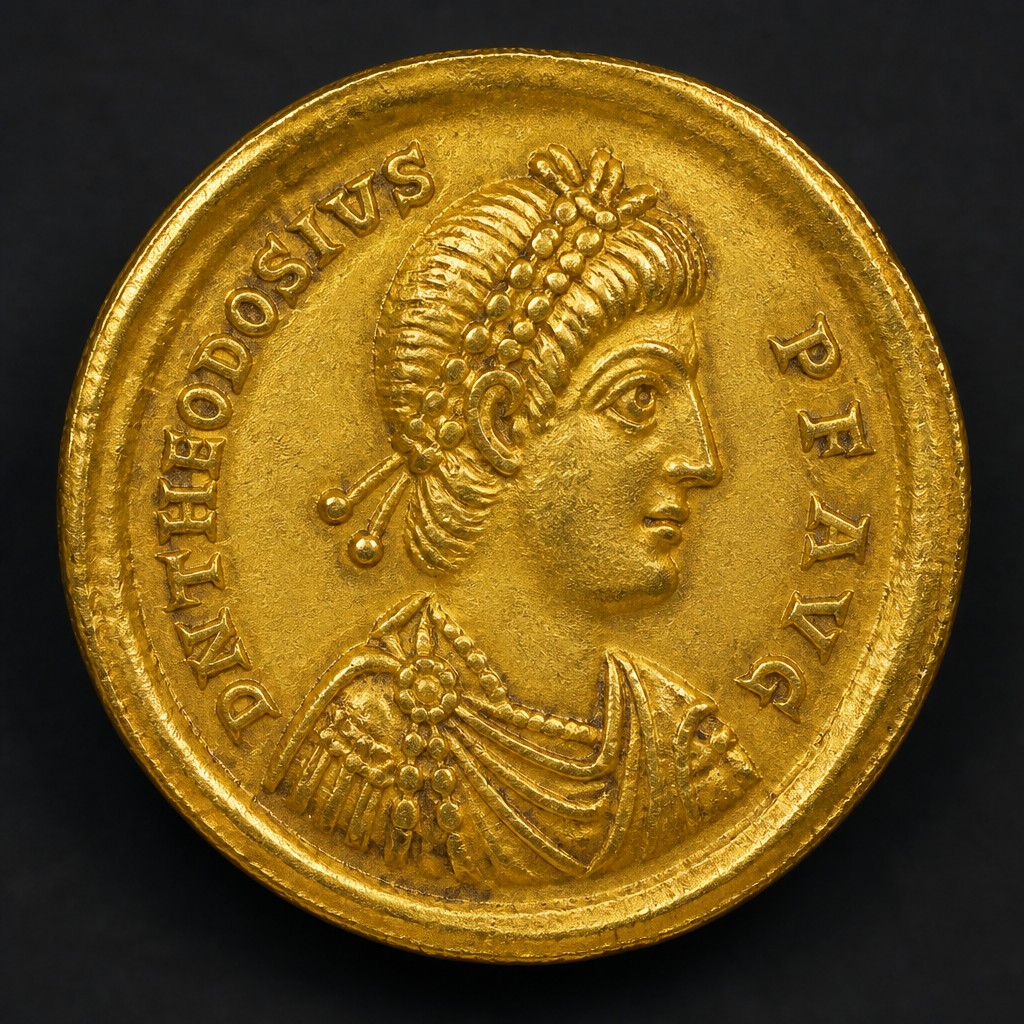
Theodosius I Solidus
379–395 AD
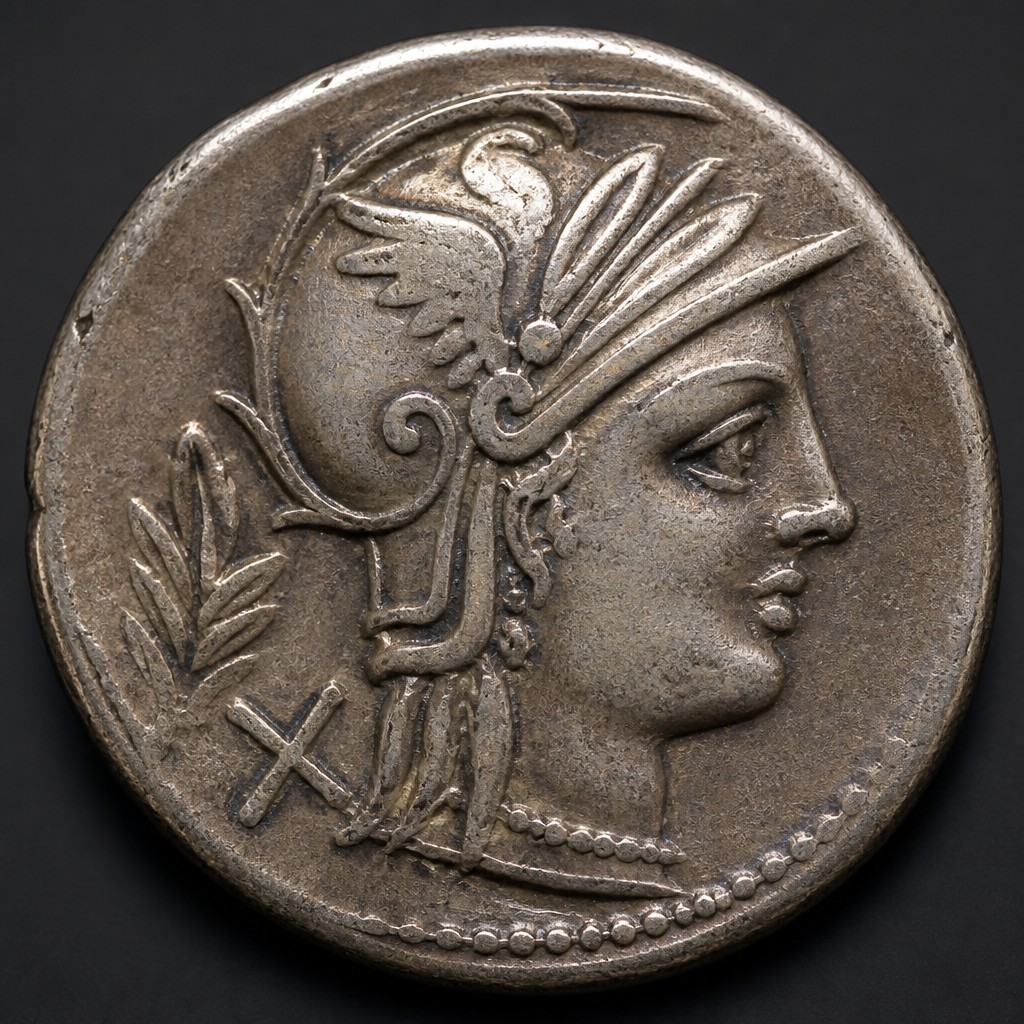
Republican Victoriatus
c. 211–170 BC
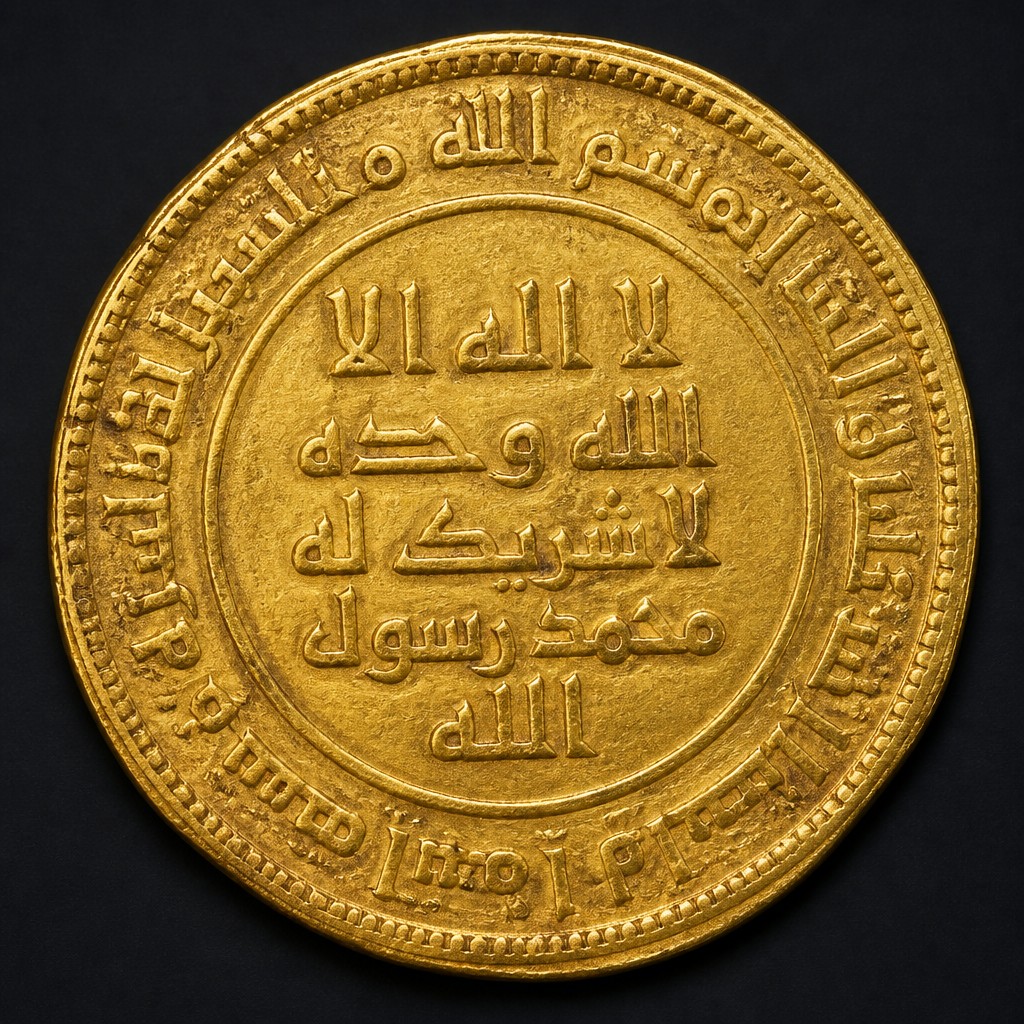
Islamic Gold Dinar (Umayyad)
c. 696–750 AD
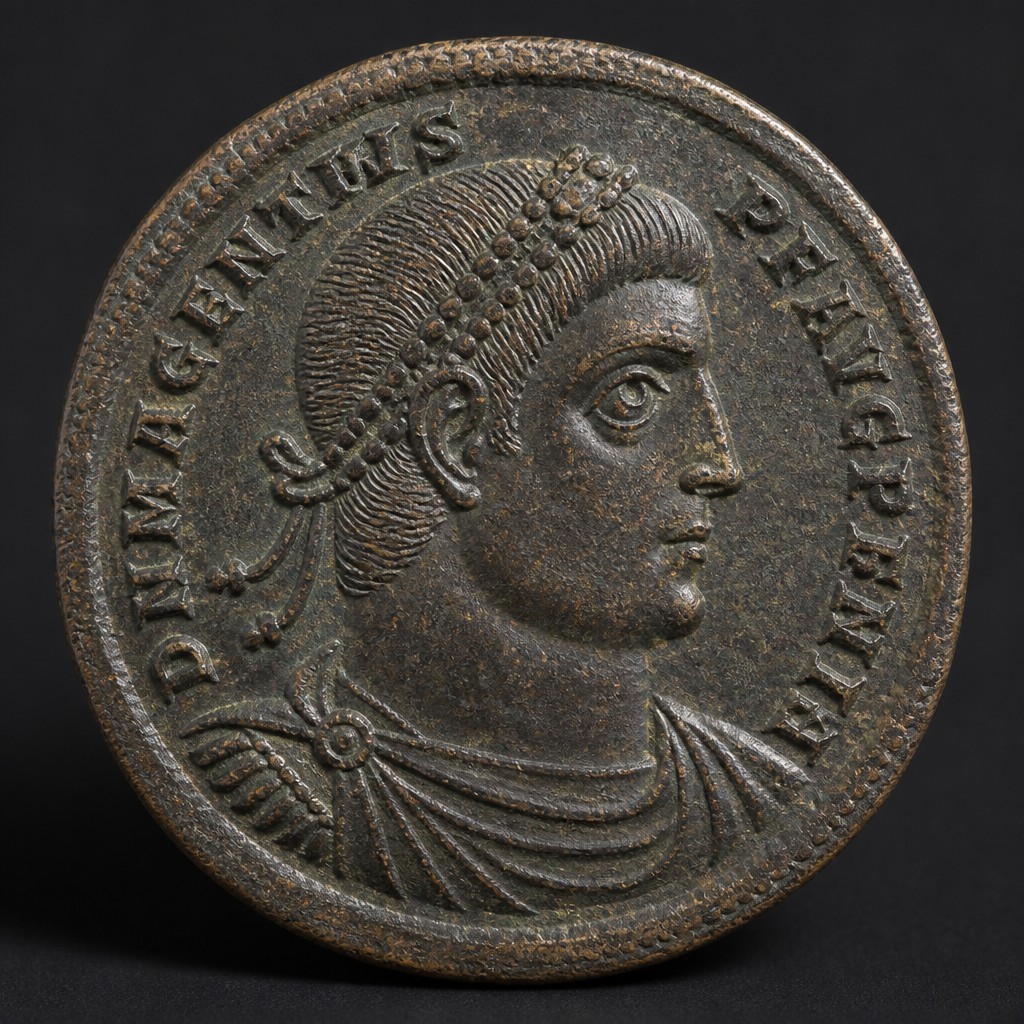
Magnentius Double Centenionalis
350–353 AD
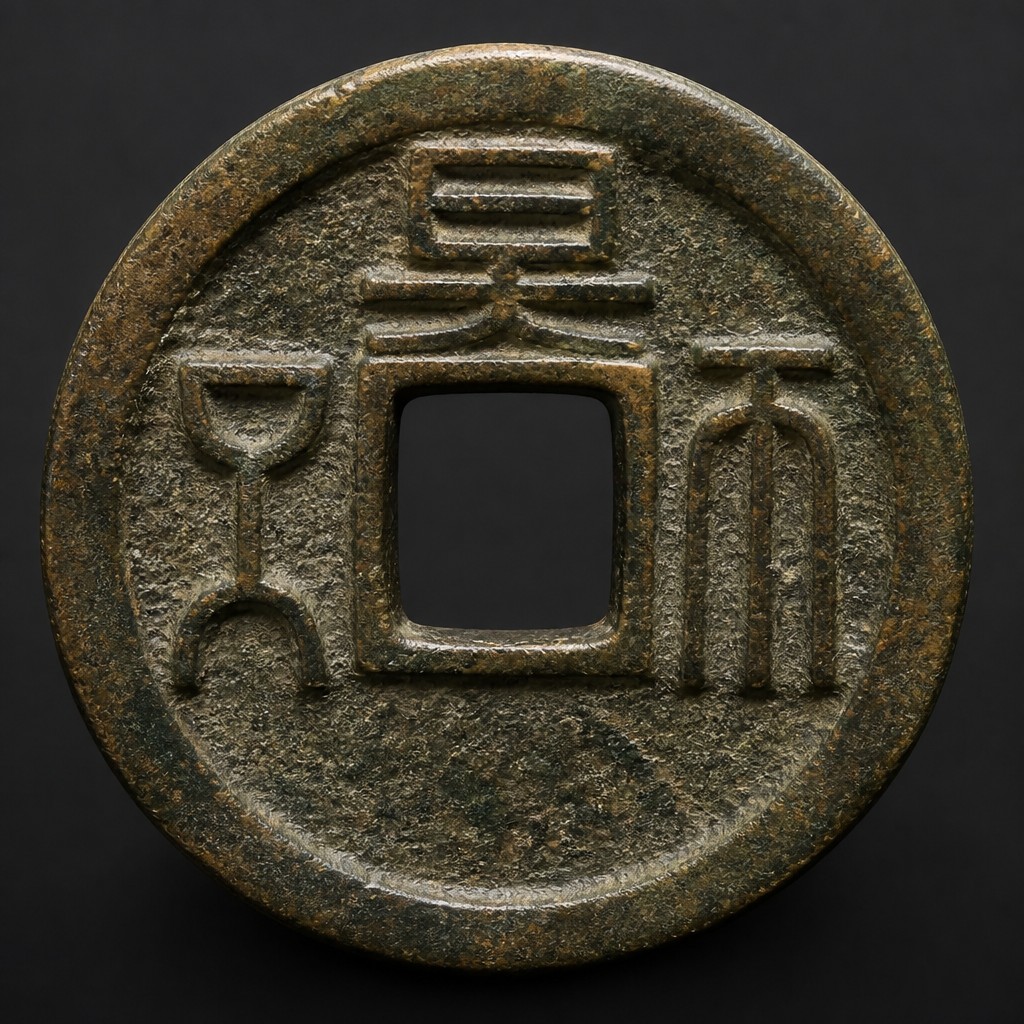
Chinese Wu Zhu Cash
118 BC – 618 AD
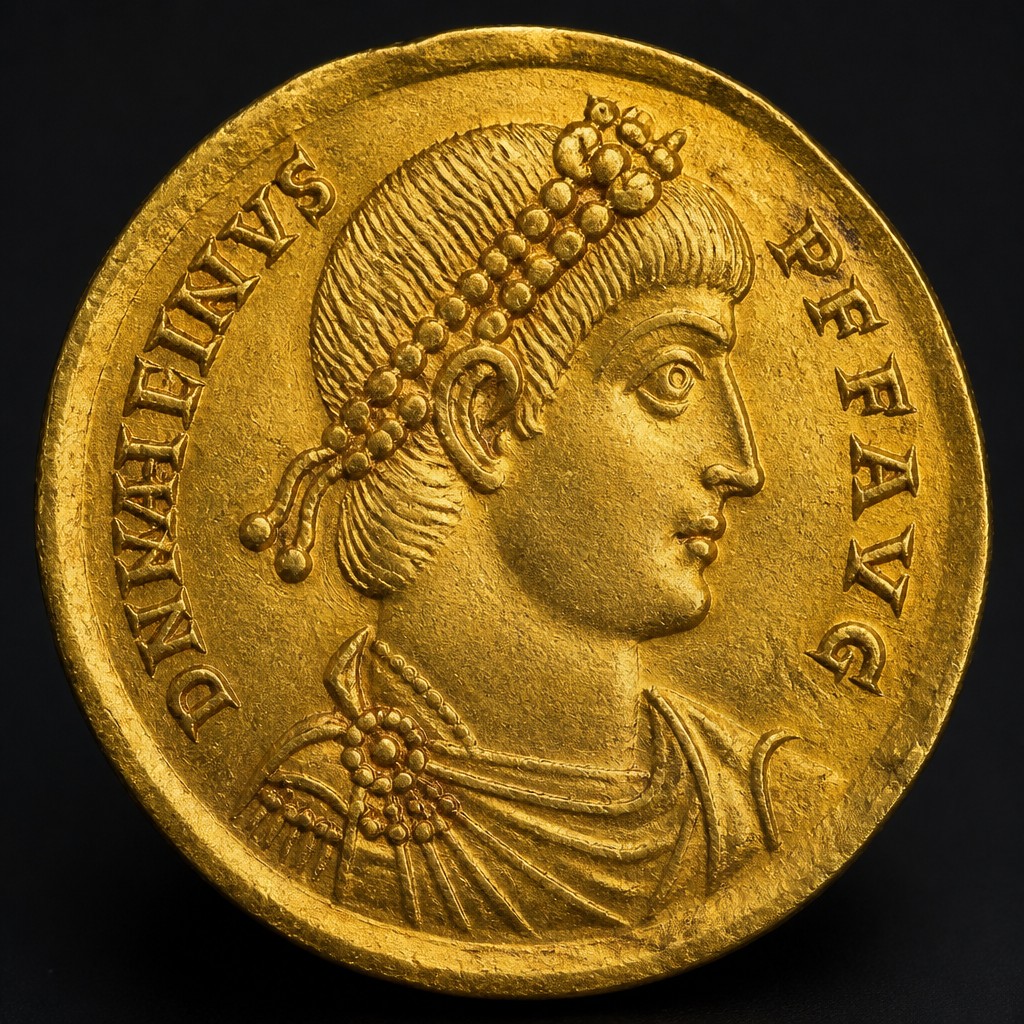
Valentinian I Solidus
364–375 AD
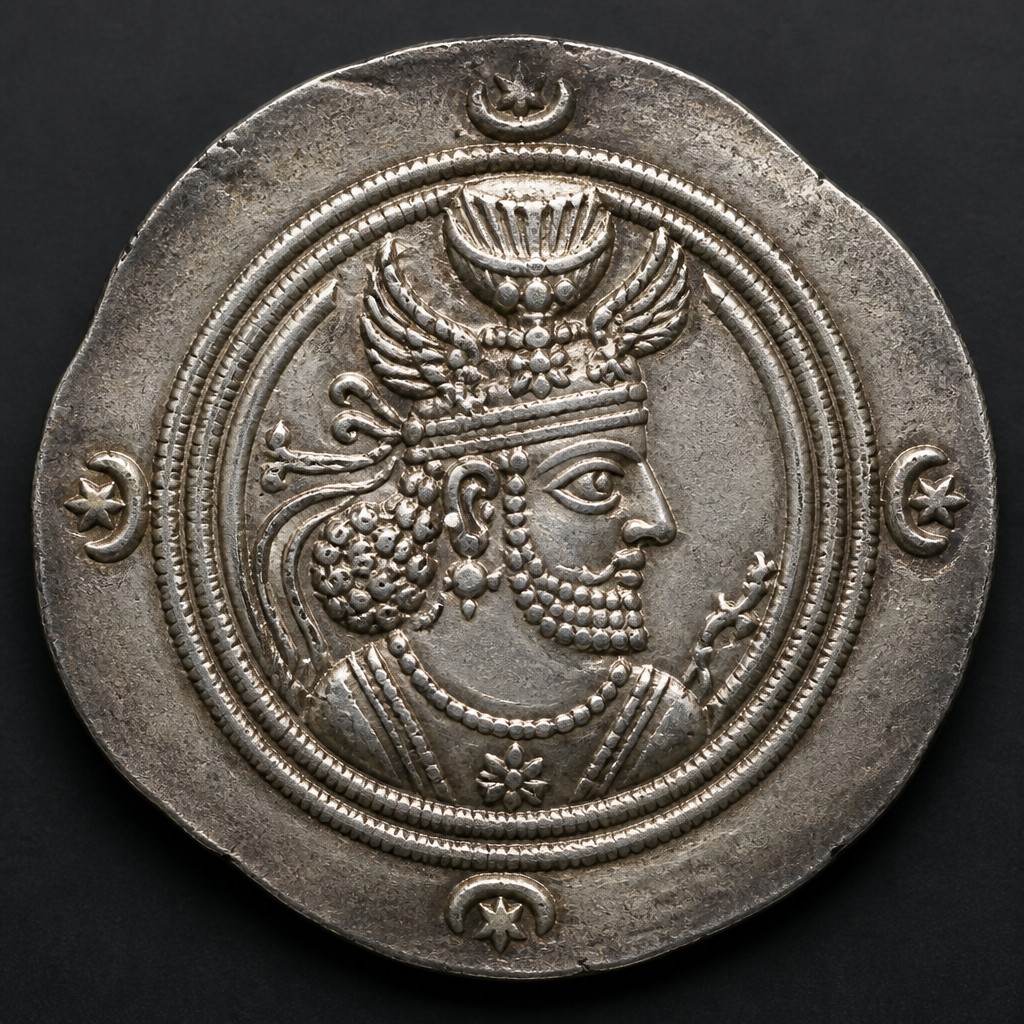
Sassanian Silver Drachm
c. 224–651 AD
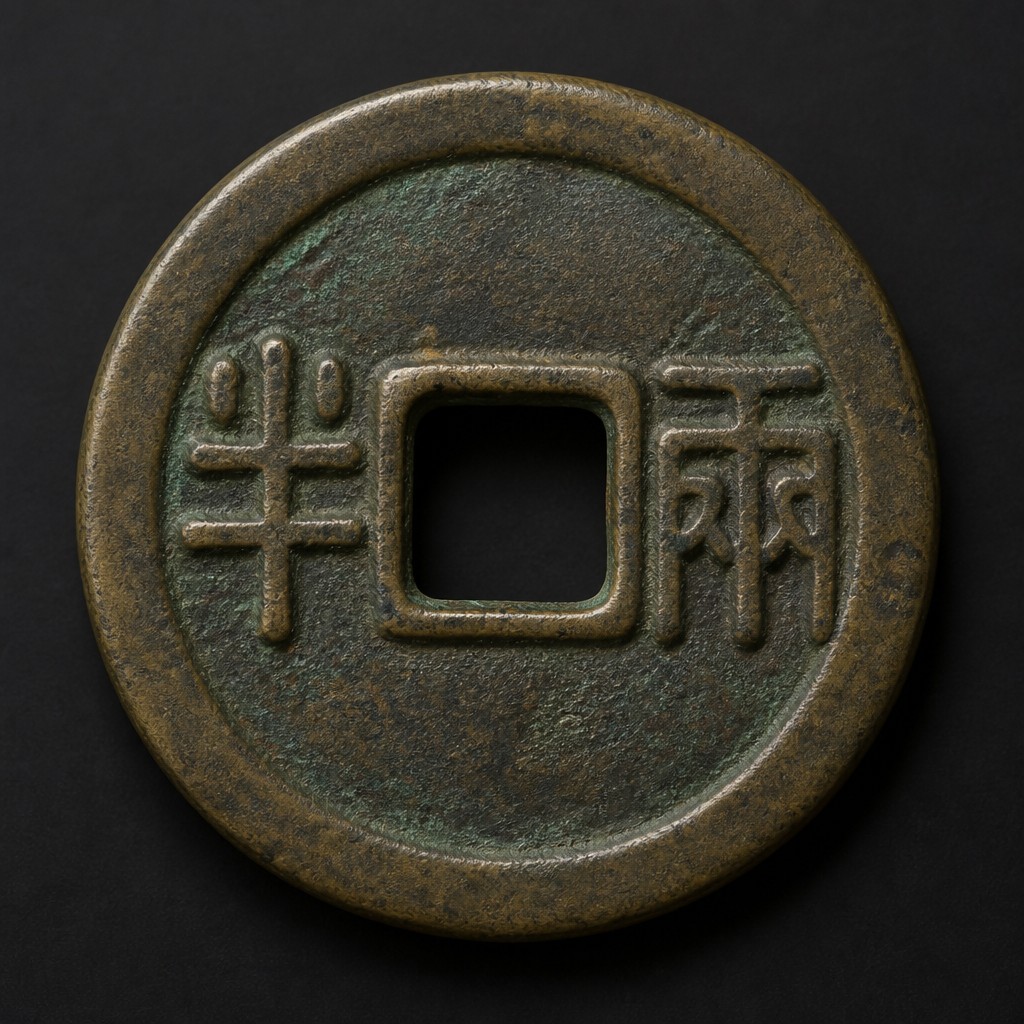
Chinese Ban Liang Cash
c. 221–118 BC
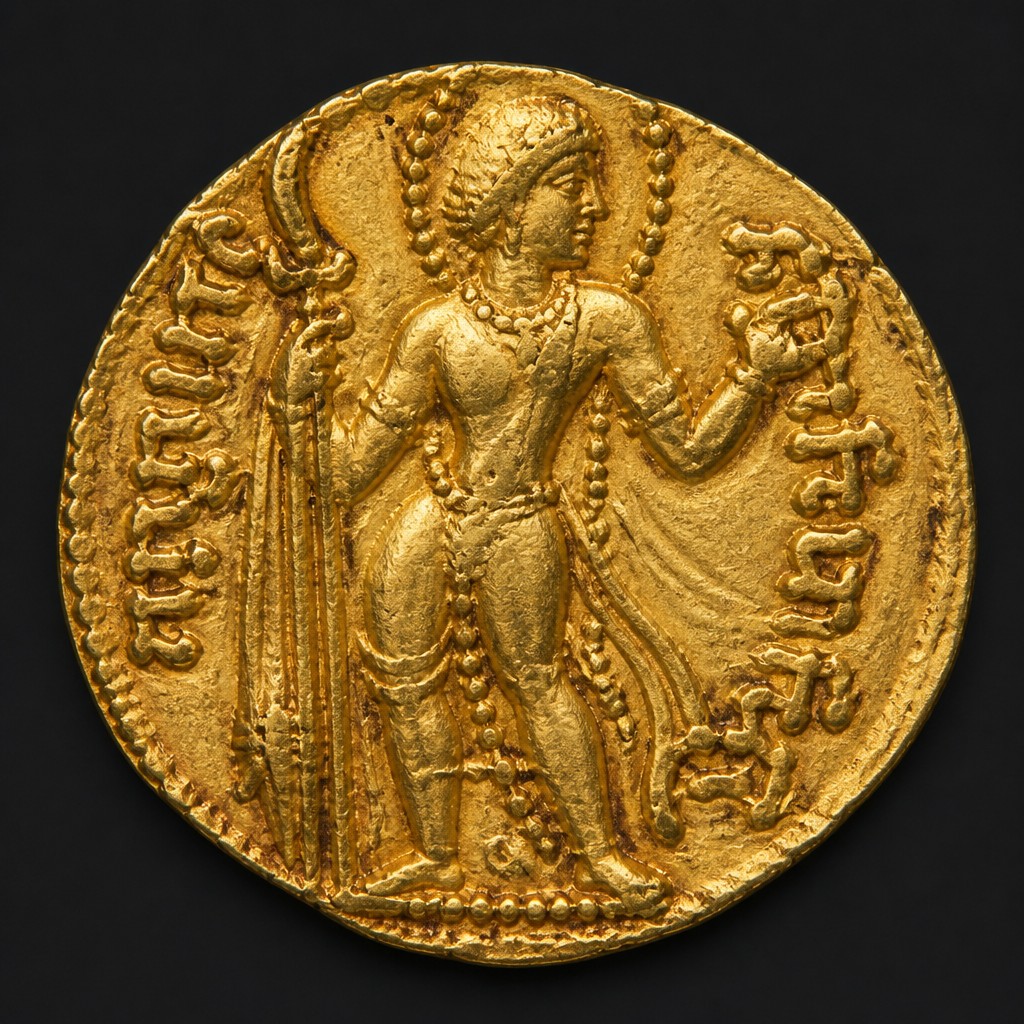
Gupta Empire Gold Dinar
c. 320–550 AD
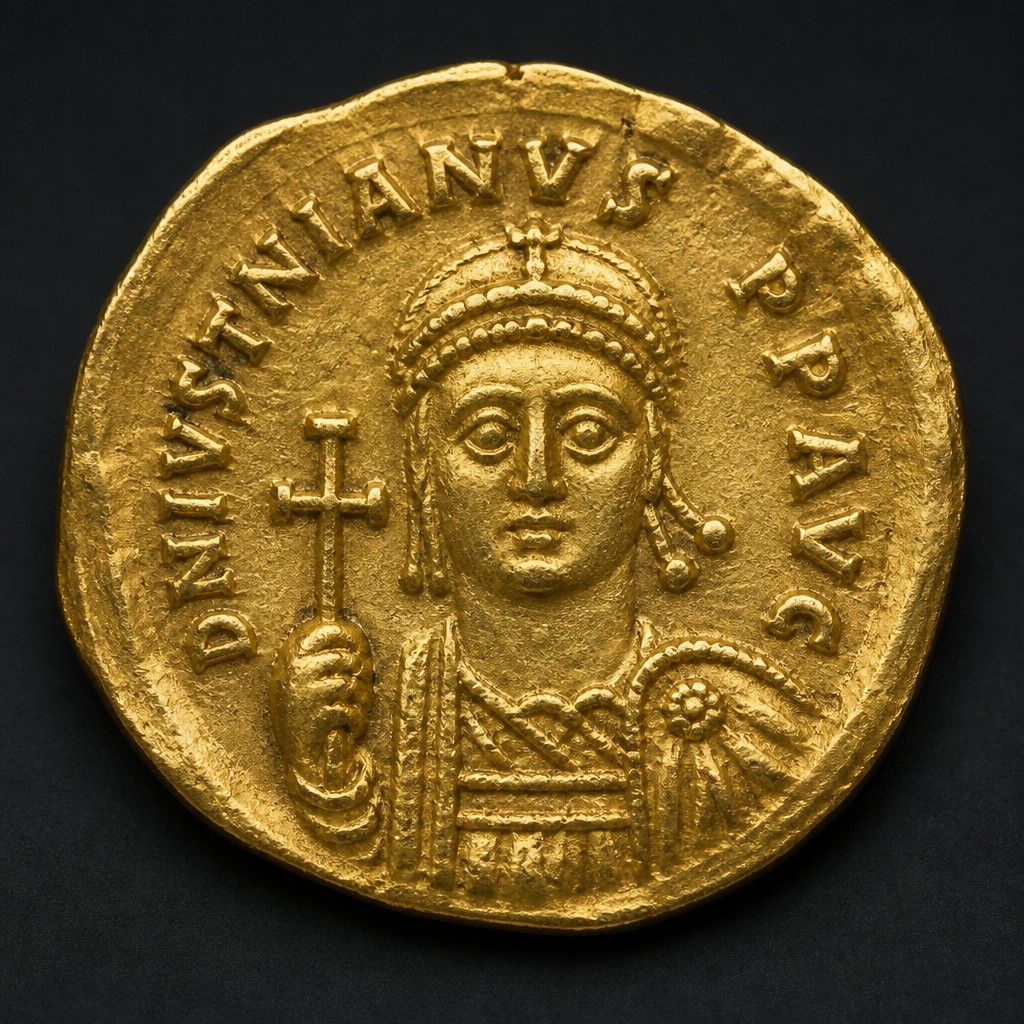
Byzantine Gold Tremissis
c. 4th–7th century AD
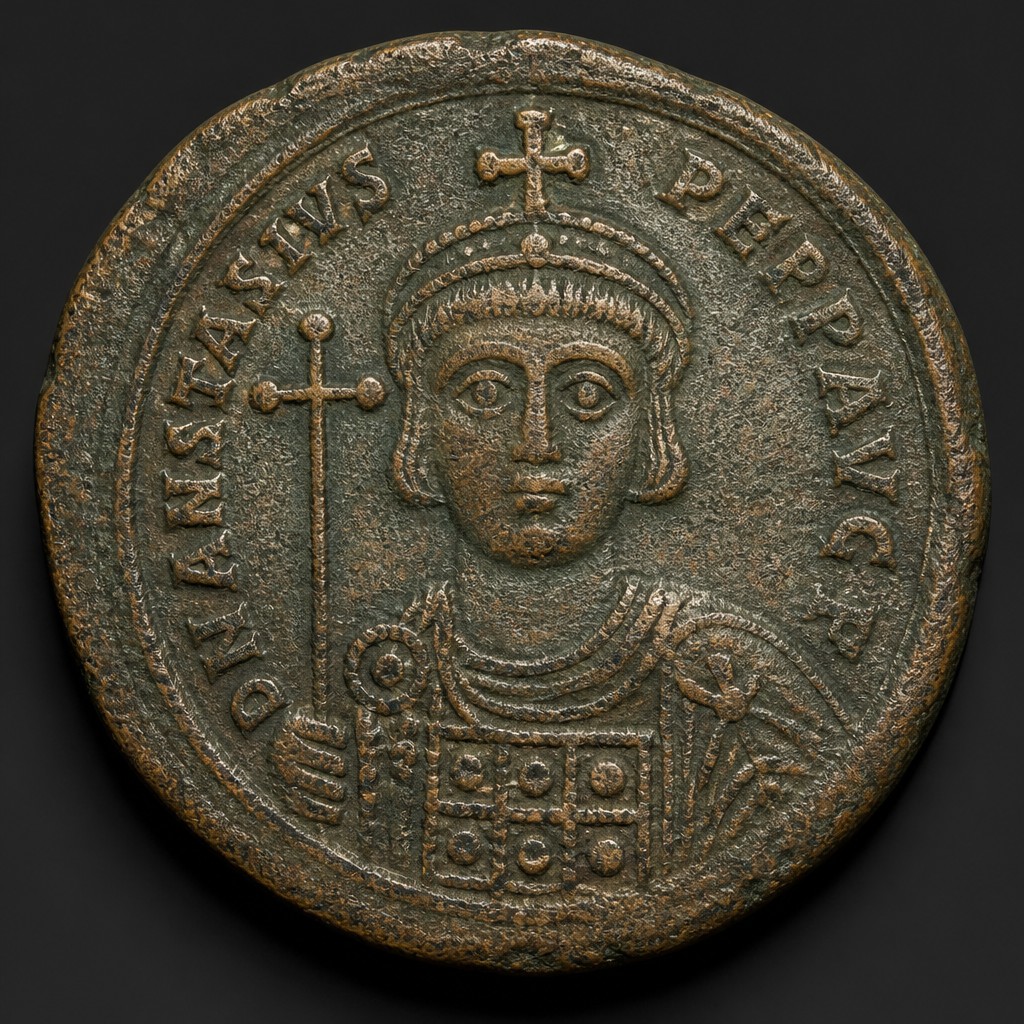
Byzantine Follis
498–c. 11th century AD
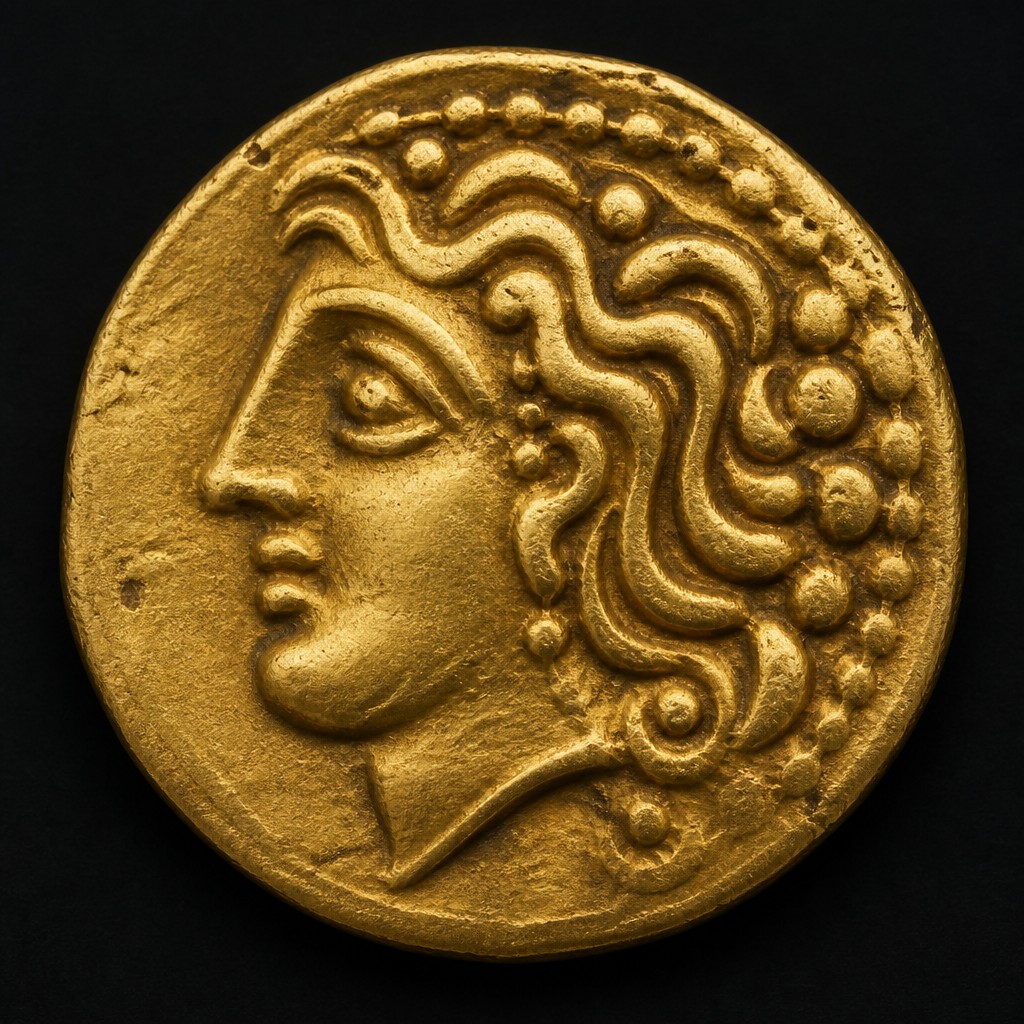
Celtic Gold Stater
c. 3rd century BC – 1st century AD