
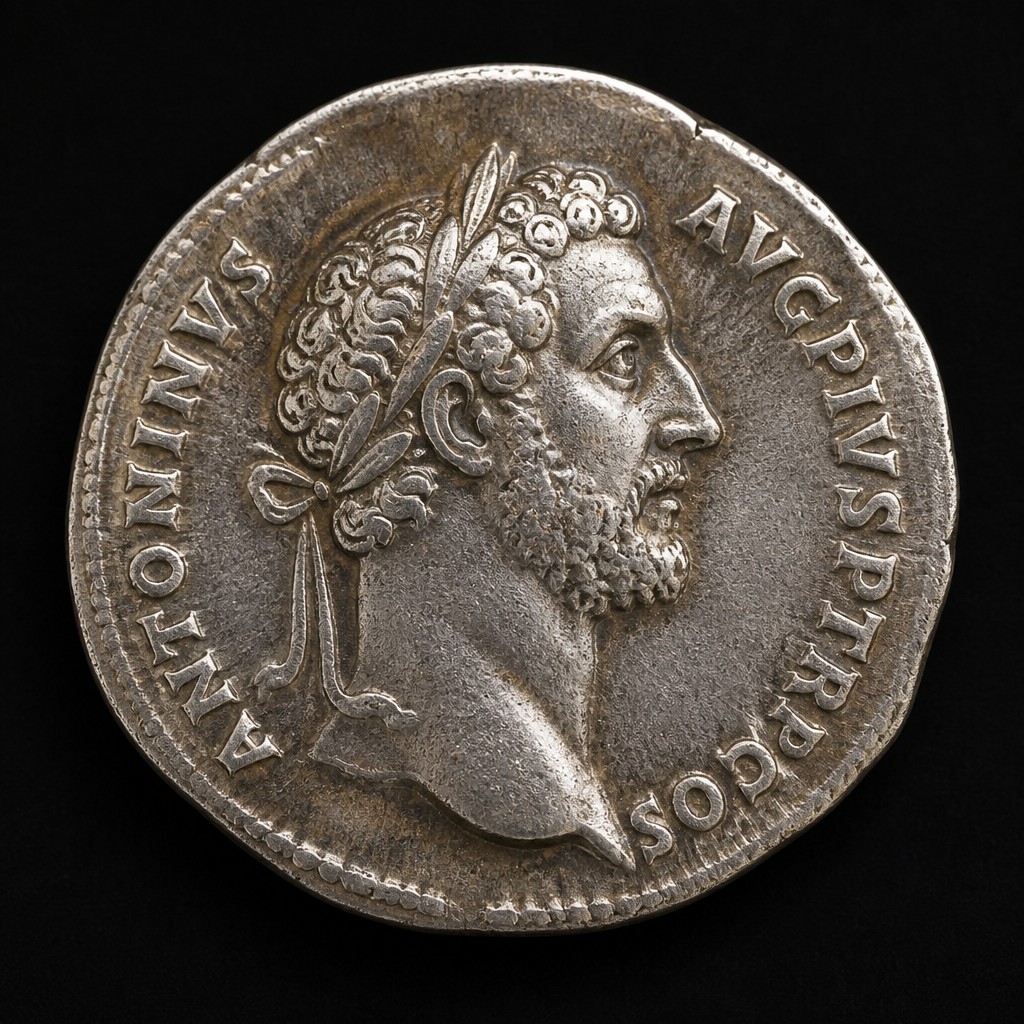
Antoninus Pius Denarius
Silver denarius of Antoninus Pius, whose long, peaceful reign is remembered for stability and prosperity, including coins marking Rome's 900th anniversary.
- Country
- Ancient Rome
- Denomination
- Denarius
- Metal
- Silver (approx. 83%)
Got a coin like this?
Identify any coin from a photo, free.
Overview
Antoninus Pius's denarius reflects one of the most stable and prosperous reigns in Roman history, a period so peaceful that it is sometimes described by historians as the calm center of the "Five Good Emperors" era. His coinage is abundant and generally well struck, making it accessible to collectors while still offering variety through numerous reverse types issued over more than two decades.
Among the most celebrated issues of his reign are coins struck in 148 AD marking the 900th anniversary of the traditional founding of Rome, which feature a range of animal and mythological reverse types tied to the city's founding legend, including the she-wolf with Romulus and Remus.
Collectors appreciate his coinage both for its accessibility and for the way it captures an era of genuine peace and administrative competence, a contrast to the more turbulent reigns that preceded and followed the Antonine golden age.
History & Background
Antoninus Pius was adopted by Hadrian in 138 AD on the condition that he in turn adopt both Marcus Aurelius and Lucius Verus as his own heirs, extending the adoptive succession chain that had brought stability to Rome since Nerva. He succeeded Hadrian later that year and ruled for twenty-three years, one of the longest reigns of the early empire, without ever personally leaving Italy, governing instead through capable delegates and correspondence.
His reign was marked by minimal military conflict, careful fiscal management, and a reputation for justice and piety that earned him the honorific "Pius." The 900th anniversary of Rome's mythical founding in 753 BC fell during his reign in 148 AD, prompting an extensive commemorative coinage referencing the city's founding legends and early history.
Antoninus Pius died peacefully in 161 AD, succeeded jointly by his adopted sons Marcus Aurelius and Lucius Verus, marking the first time Rome had two co-emperors ruling with equal formal authority.
How to Identify
The obverse shows the laureate head of Antoninus Pius facing right, generally with the legend ANTONINVS AVG PIVS P P, along with tribunician power and consulship numbers that allow fairly precise dating of individual issues. Reverse types are numerous, including standard personifications such as Annona, Pietas, Salus, and Libertas, as well as the notable anniversary series referencing Rome's founding.
The anniversary coins struck around 148 AD, often marked with the legend COS IIII and reference to the anniversary year, depict a variety of special reverse designs including the she-wolf suckling Romulus and Remus, an eagle, or other animals and mythological scenes tied to Rome's founding legends, making them a distinct and popular sub-series within his broader coinage.
The denarius weighs roughly 3 to 3.4 grams and measures about 17 to 19mm, with silver fineness slightly reduced from earlier in the century but still visually similar to preceding Hadrianic issues. Portraiture is generally calm and dignified, consistent with the peaceful character of his reign, and collectors distinguish specific issues primarily through the reverse type and dated titulature.
Value & Collectibility
Antoninus Pius denarii are plentiful and generally affordable, with common reverse types often available for modest sums in collectible grade, reflecting the long duration and substantial output of his mint. This makes his coinage a popular and economical way to build a representative collection of the Antonine dynasty.
The Rome 900th anniversary types are more actively sought after due to their thematic connection to the city's founding mythology, and well-preserved examples of these anniversary reverses can bring meaningfully higher prices than routine issues from his reign.
As with most Roman silver, strike quality, centering, and portrait sharpness matter more to value than raw type rarity for the common issues, while genuinely scarce reverse types can command strong premiums among specialists building a comprehensive collection of his reign.
Frequently asked questions
Why is Antoninus Pius's reign considered a golden age?
His twenty-three years of rule were marked by peace, prosperity, and stable administration, with minimal military conflict compared to many other reigns.
What are the 900th anniversary coins?
They are special reverse types struck around 148 AD to mark the traditional 900th anniversary of Rome's founding, often depicting the she-wolf with Romulus and Remus or other founding-legend imagery.
Are Antoninus Pius denarii common?
Yes, due to his long reign and stable mint output, his denarii are among the more commonly encountered Roman imperial silver coins.
Did Antoninus Pius ever leave Italy during his reign?
No, unlike his predecessor Hadrian, he governed the empire from Italy without personally traveling to the provinces, relying on trusted officials instead.
Other coins you may enjoy
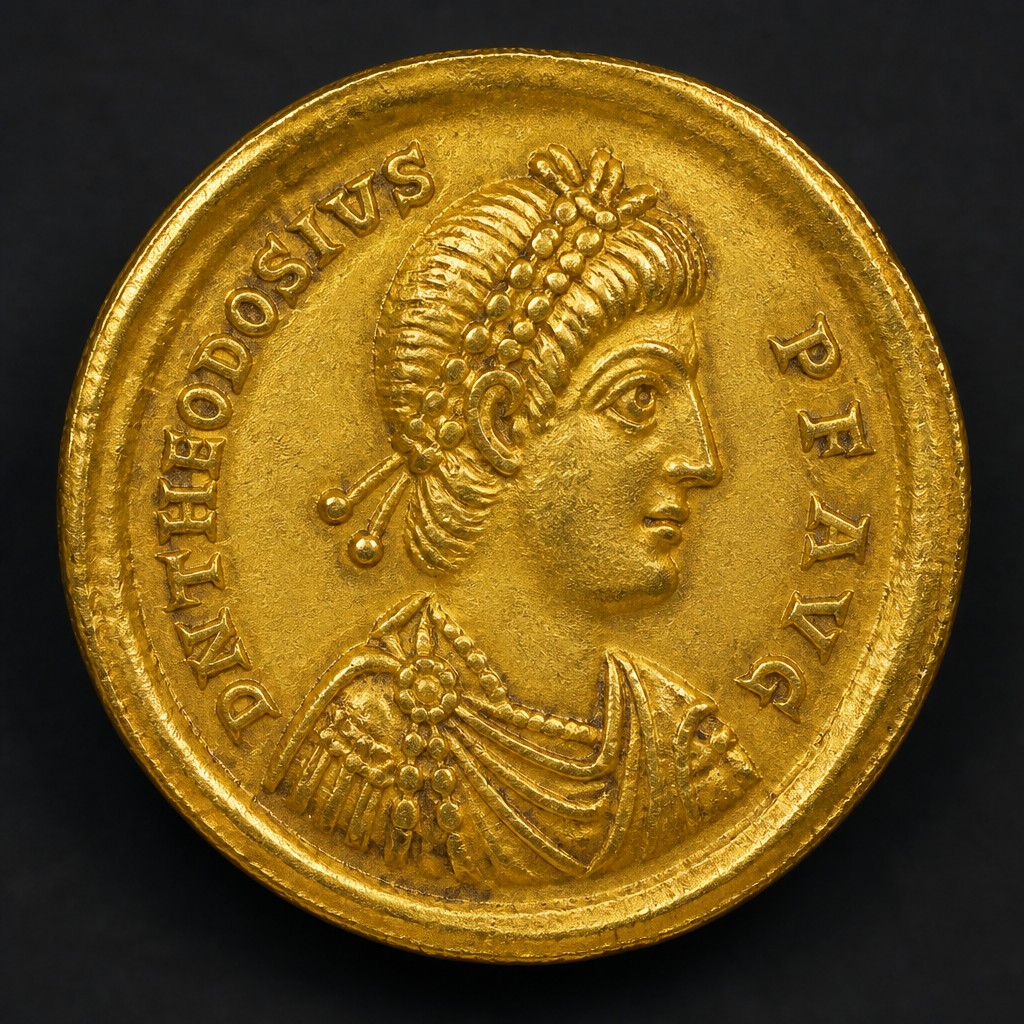
Theodosius I Solidus
379–395 AD
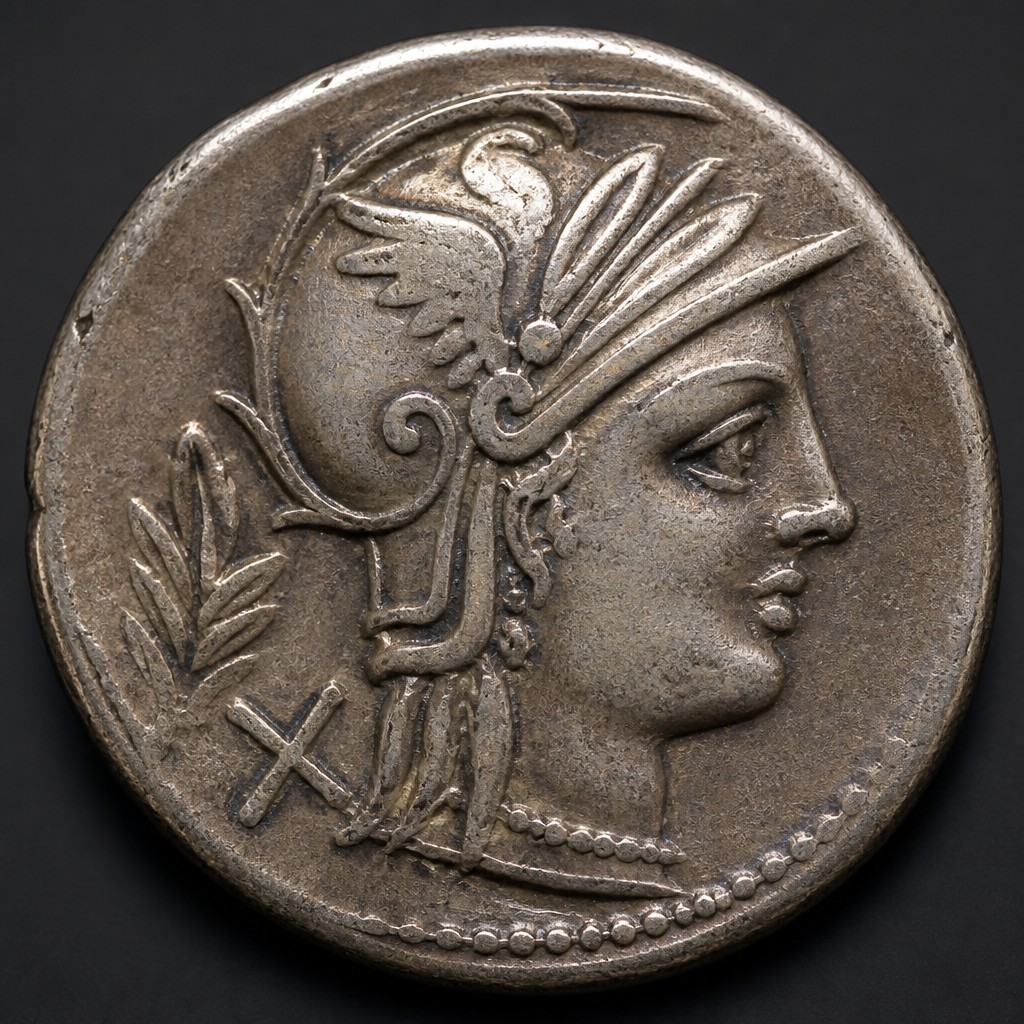
Republican Victoriatus
c. 211–170 BC
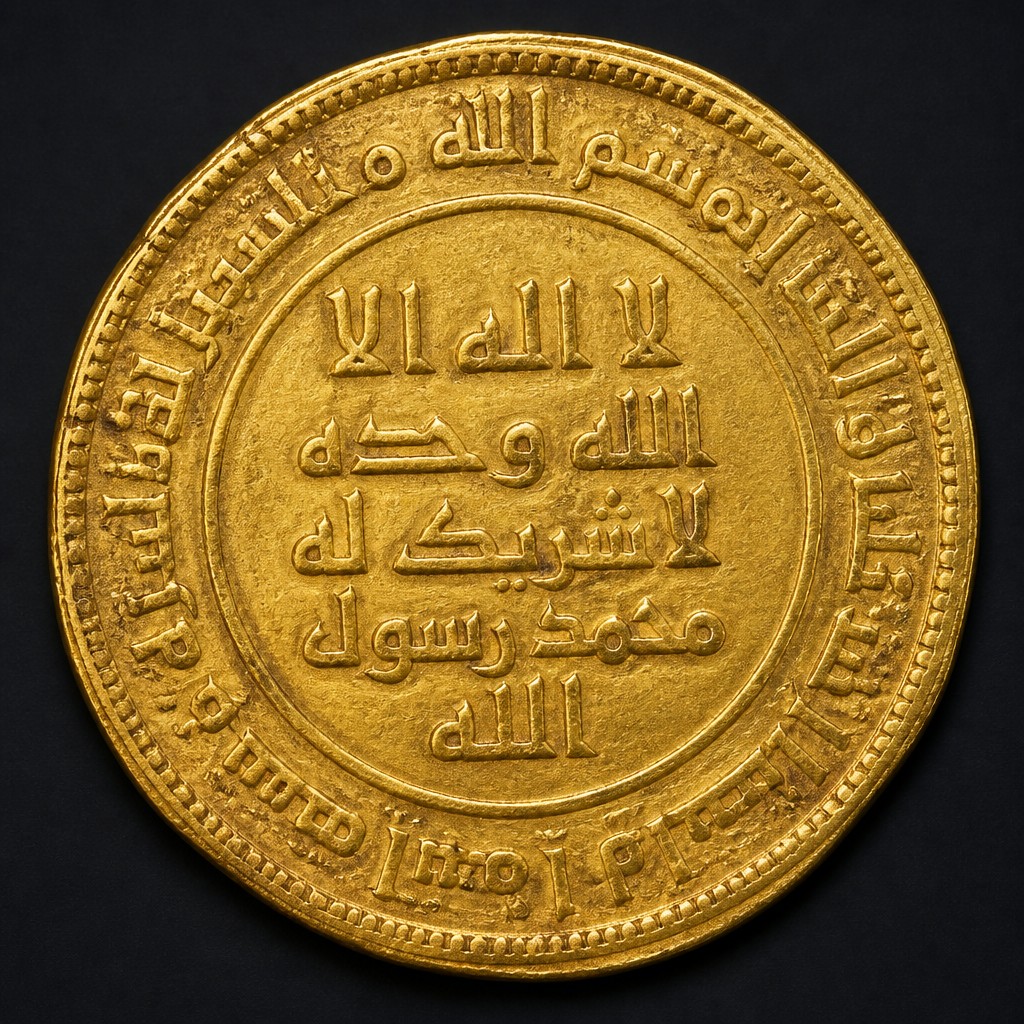
Islamic Gold Dinar (Umayyad)
c. 696–750 AD
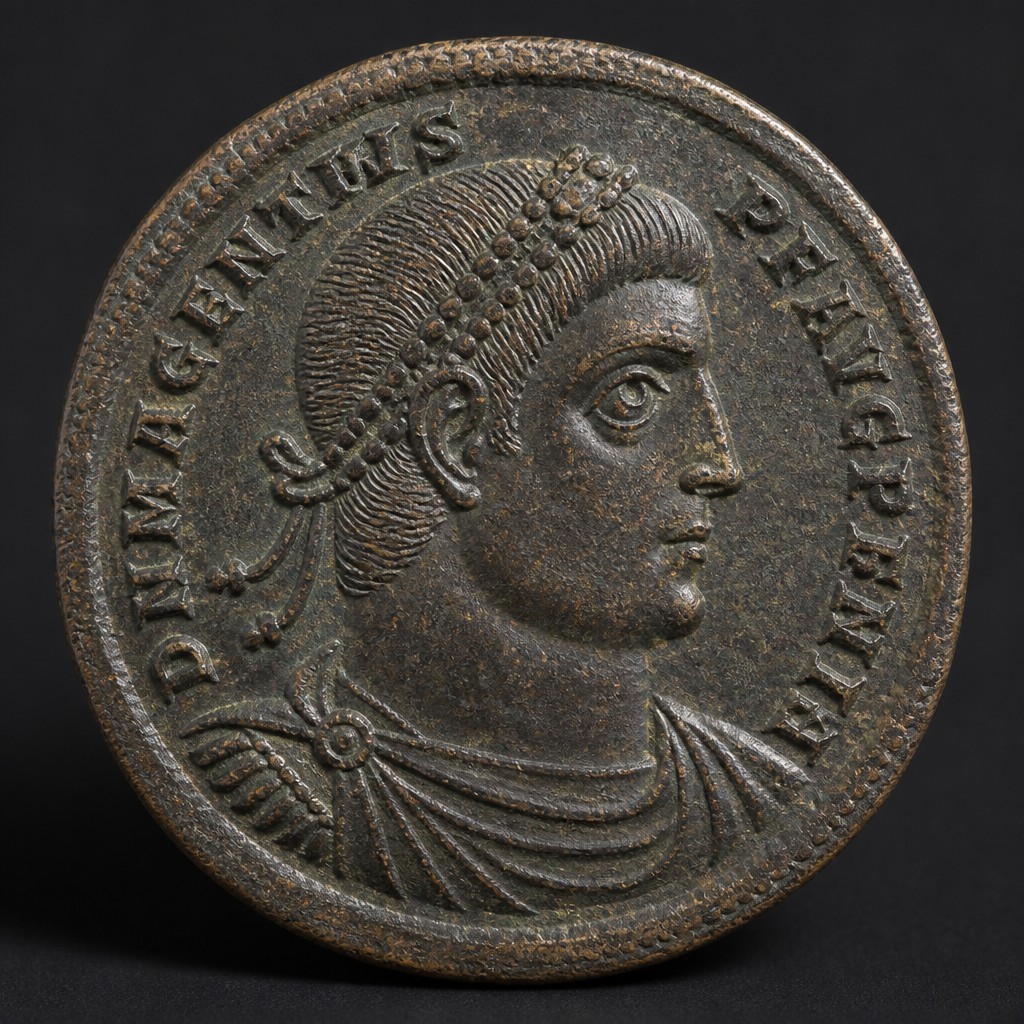
Magnentius Double Centenionalis
350–353 AD
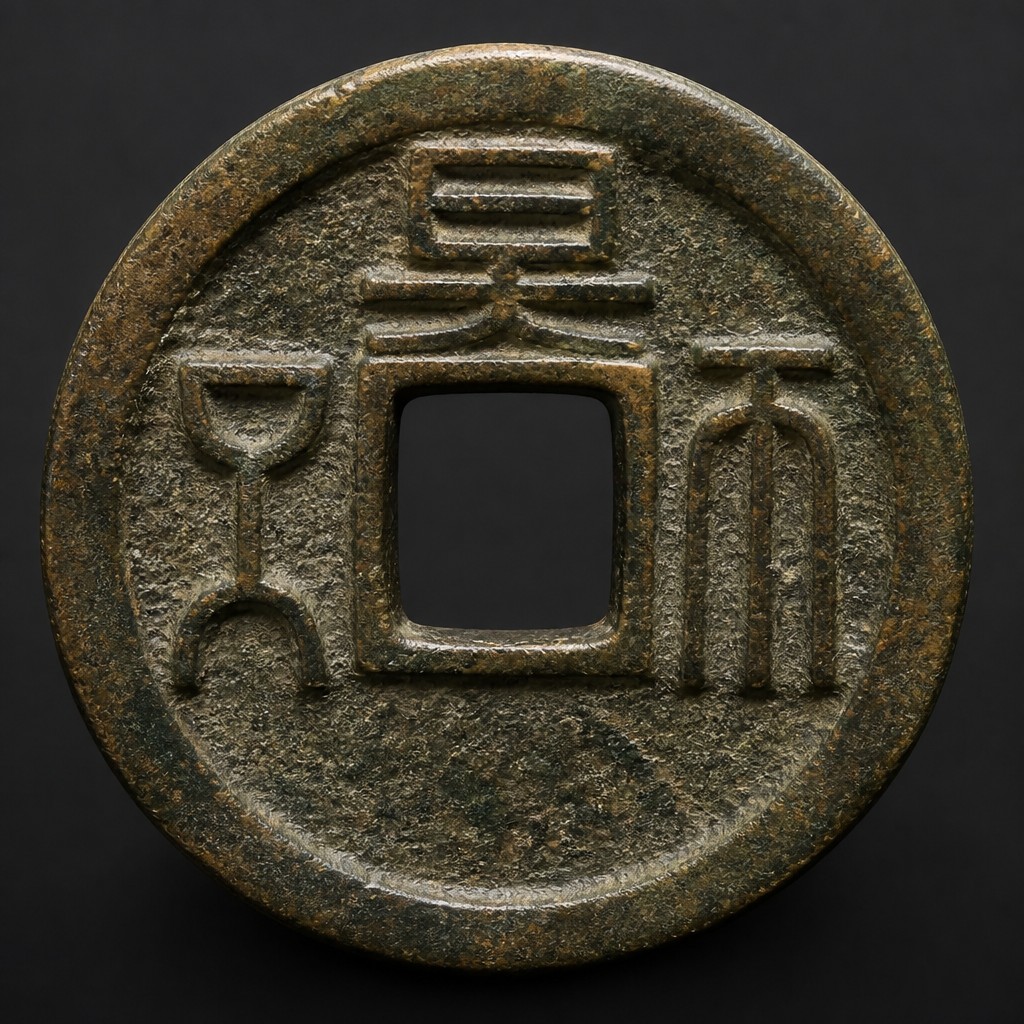
Chinese Wu Zhu Cash
118 BC – 618 AD
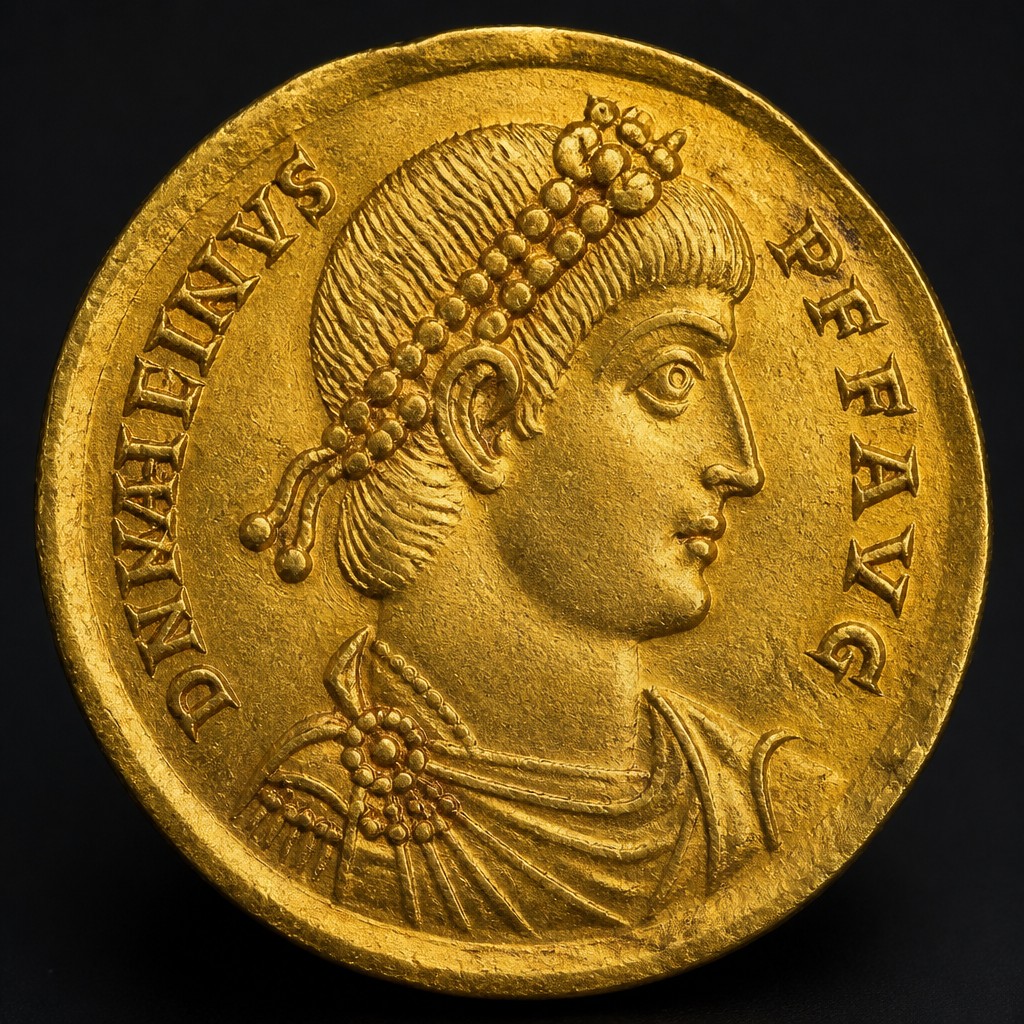
Valentinian I Solidus
364–375 AD
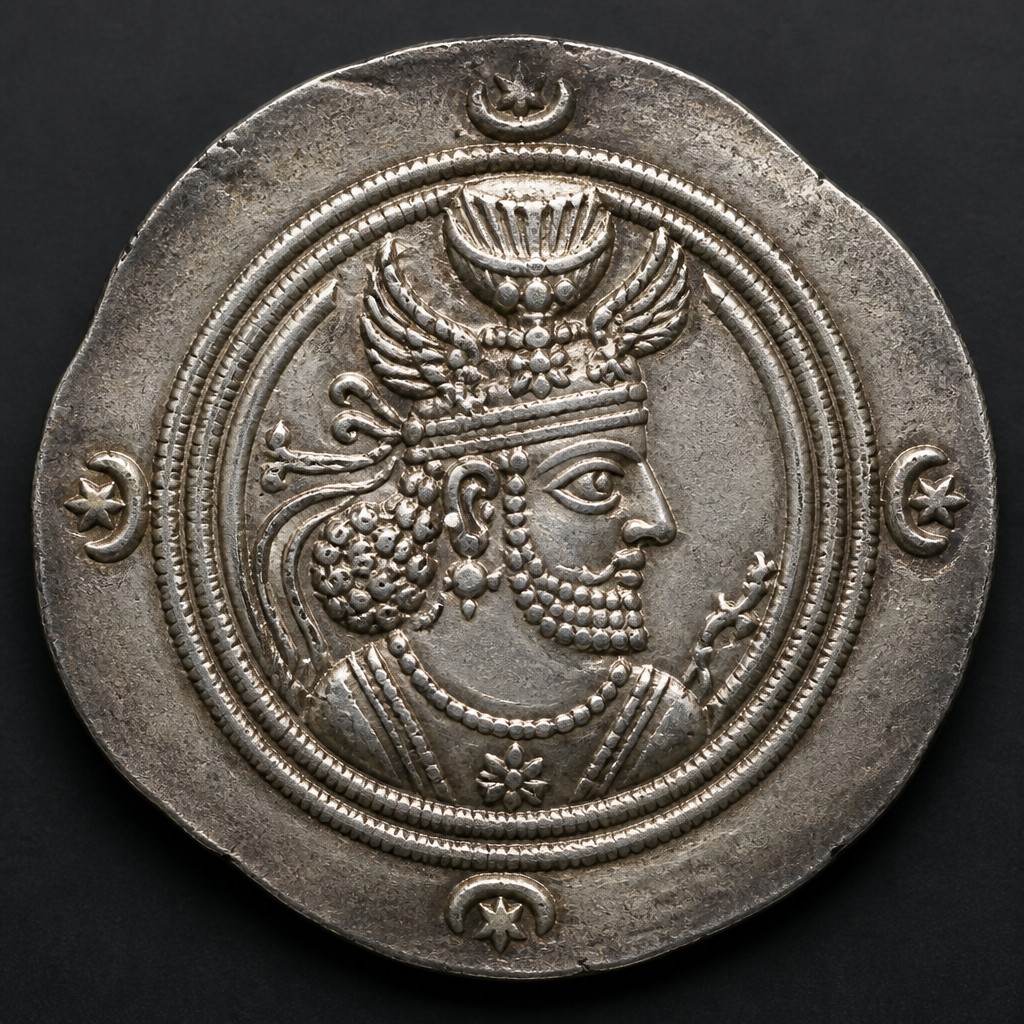
Sassanian Silver Drachm
c. 224–651 AD
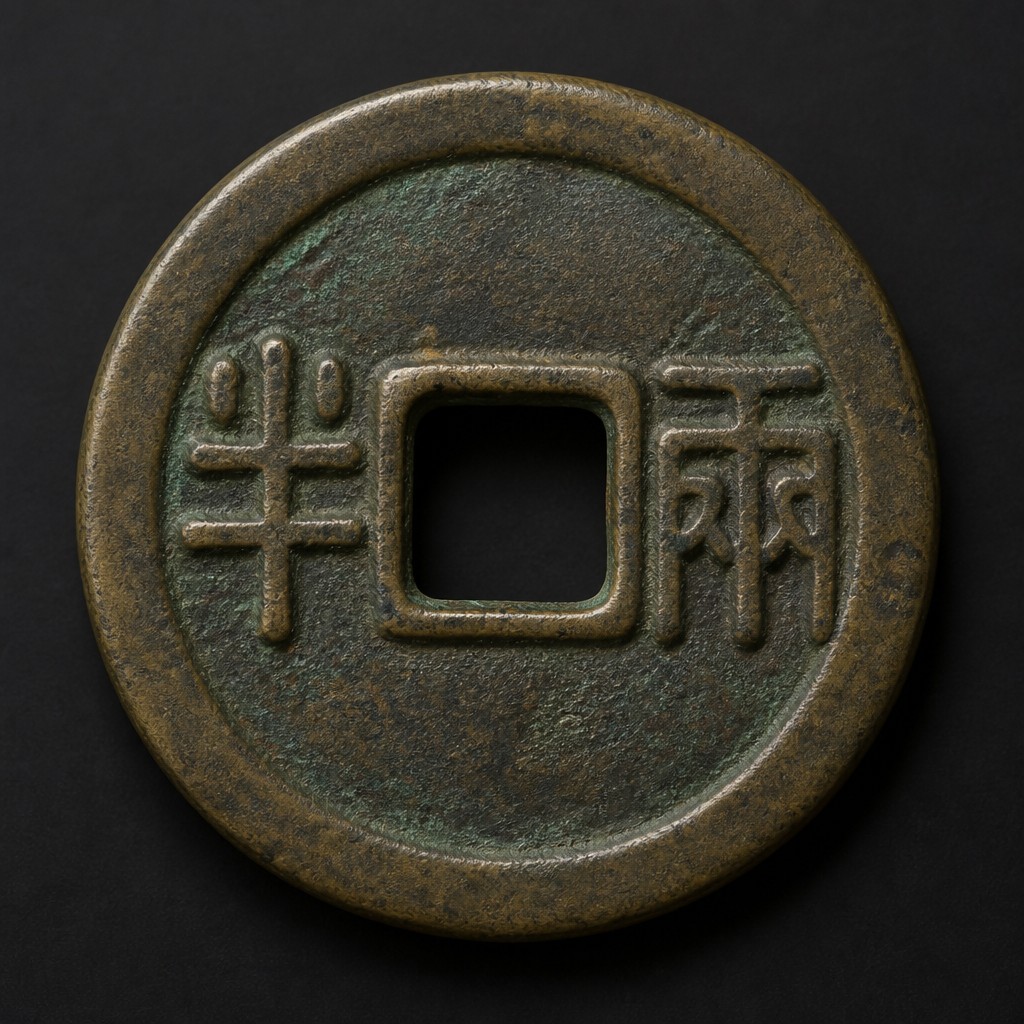
Chinese Ban Liang Cash
c. 221–118 BC
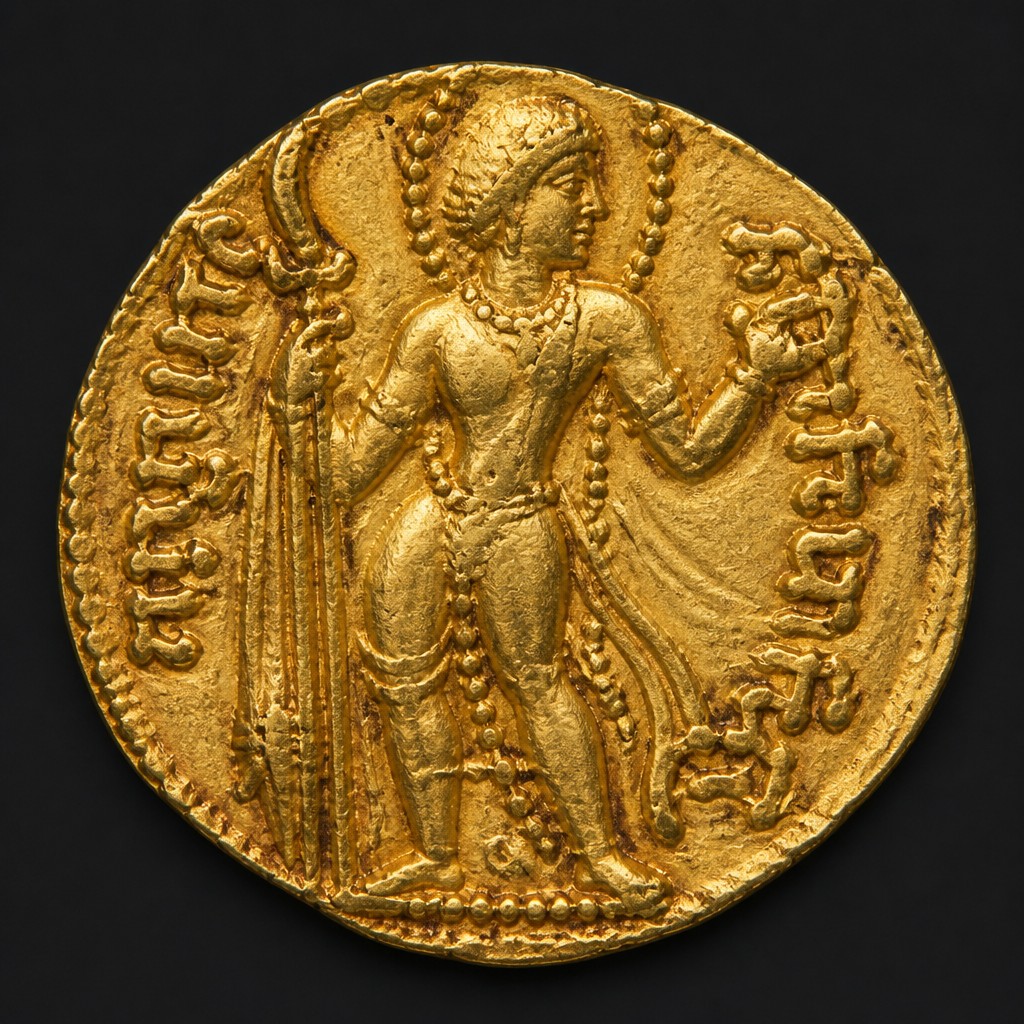
Gupta Empire Gold Dinar
c. 320–550 AD
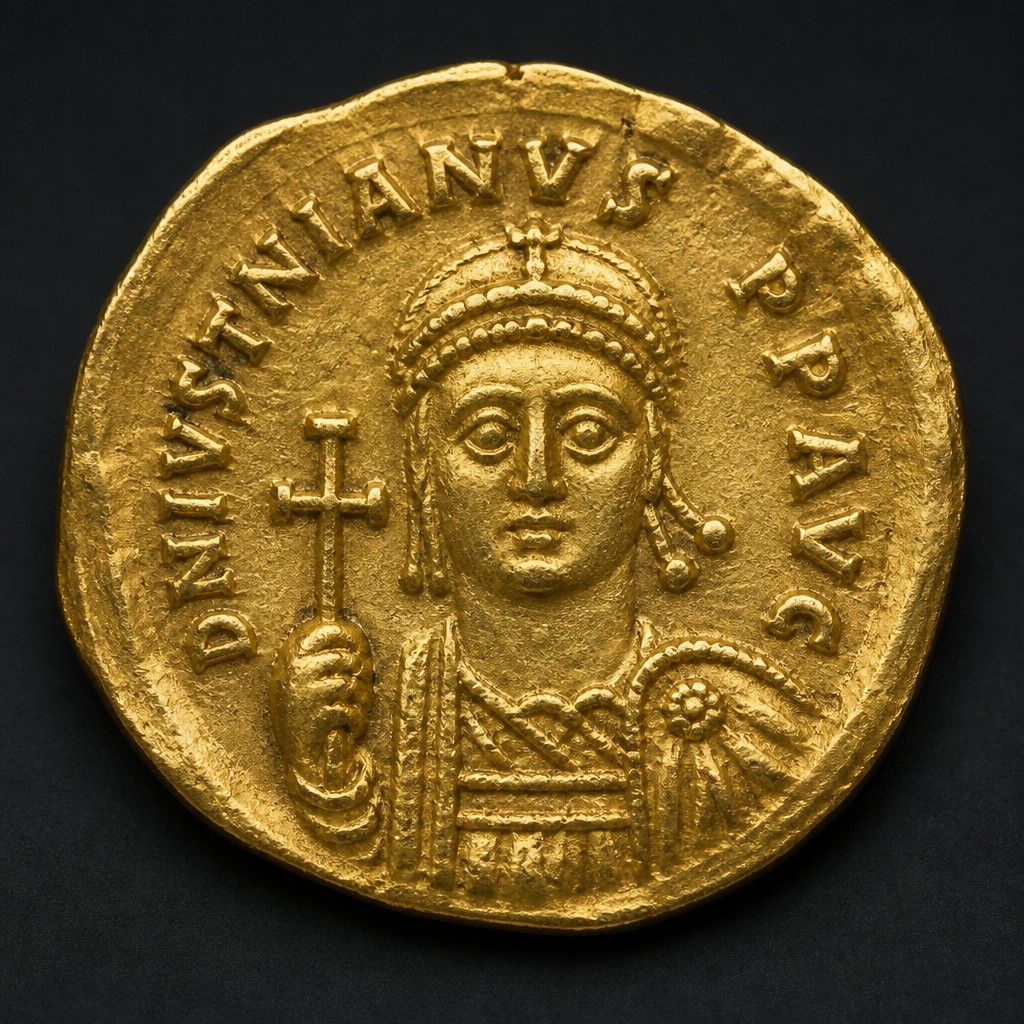
Byzantine Gold Tremissis
c. 4th–7th century AD
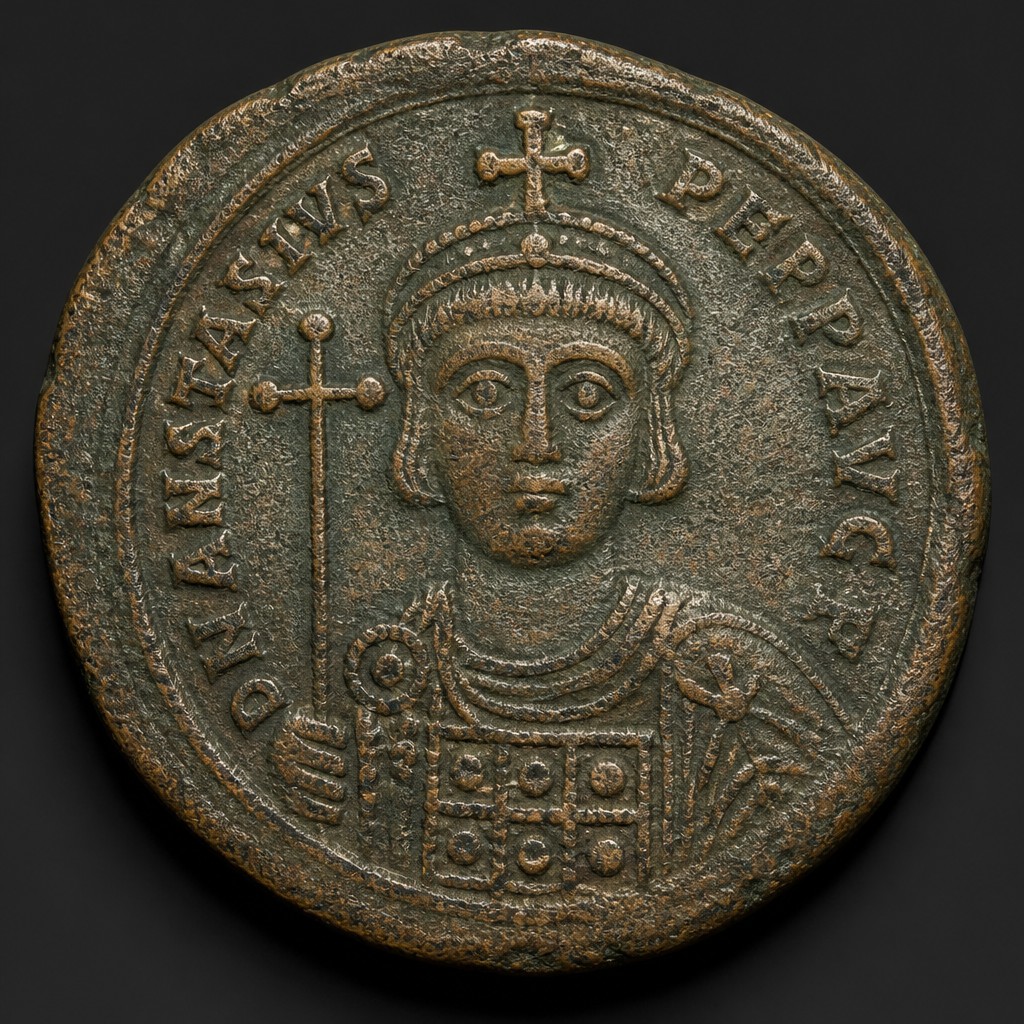
Byzantine Follis
498–c. 11th century AD
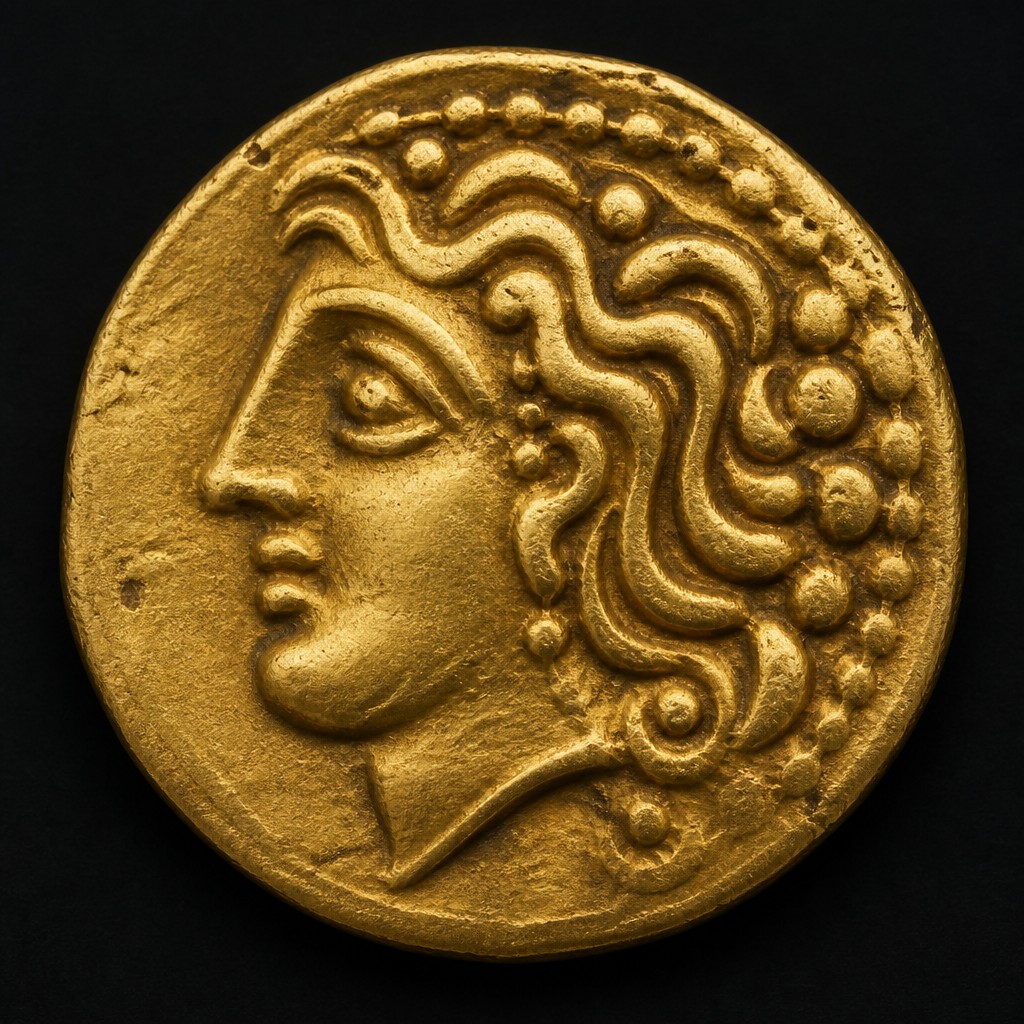
Celtic Gold Stater
c. 3rd century BC – 1st century AD