
Coin Encyclopedia
Search and identify coins from around the world — with country, denomination, metal, mint, history, and how to tell them apart.
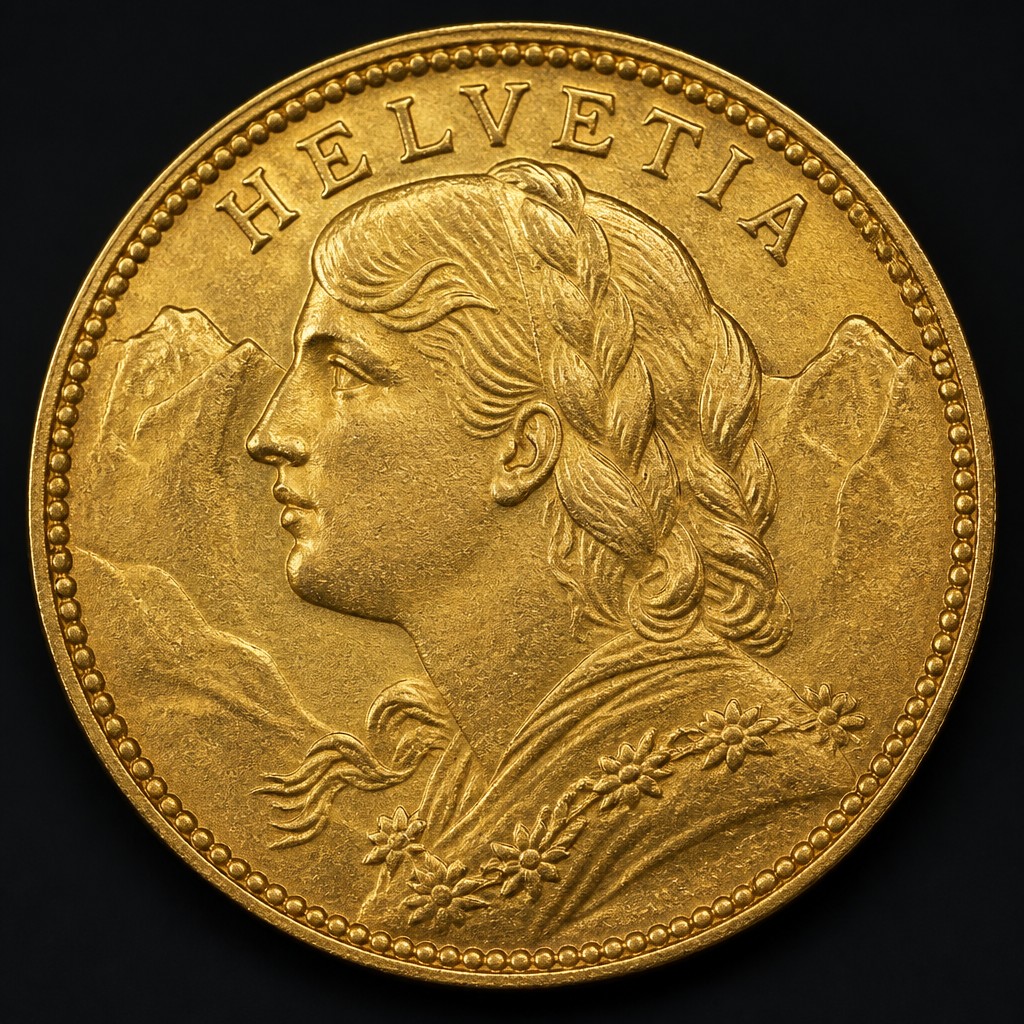
Swiss 10 Francs Gold Vreneli
The smallest denomination of Switzerland's iconic "Vreneli" gold series, featuring a Swiss maiden's profile, prized by collectors and gold buyers alike for its classic design and modest size.
European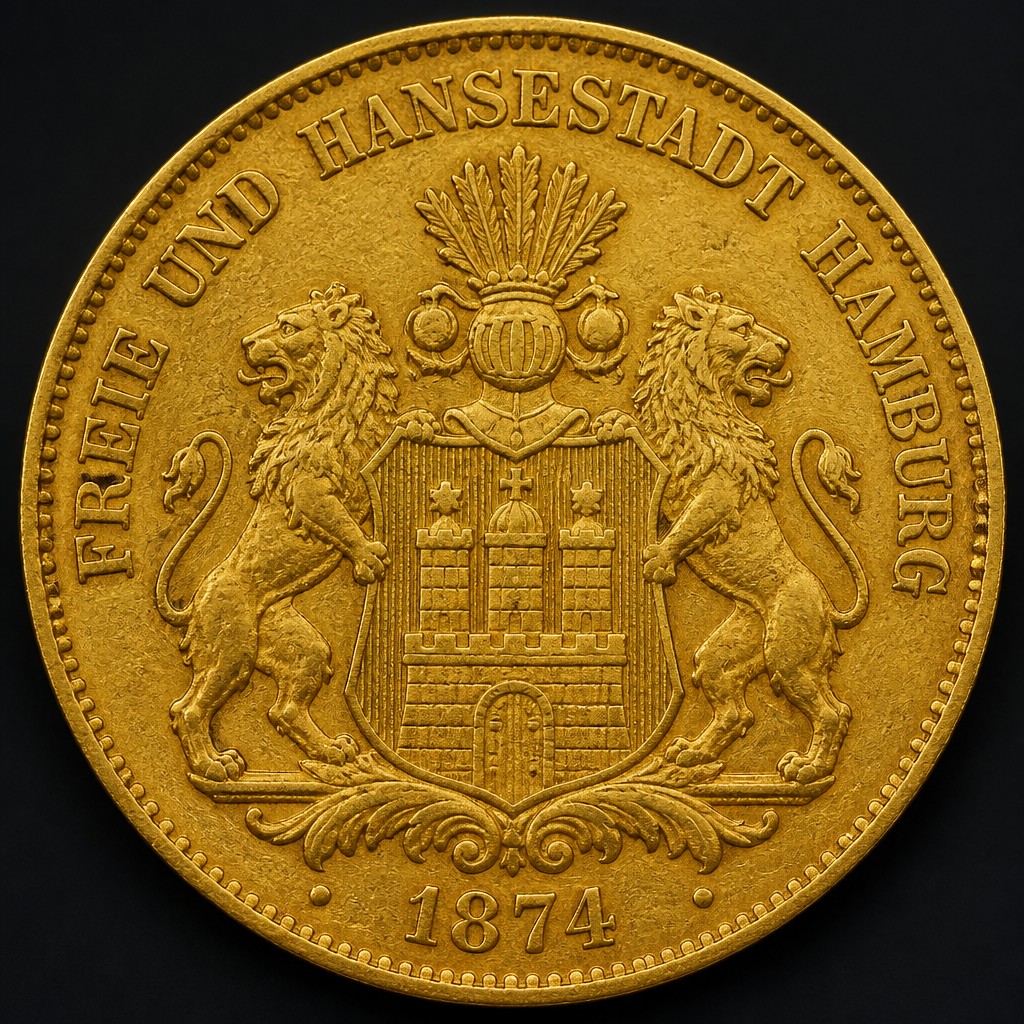
German Hamburg Ducat
A small, exceptionally high-purity gold trade coin struck for centuries by the free city of Hamburg, prized for its consistent fineness and long production history.
European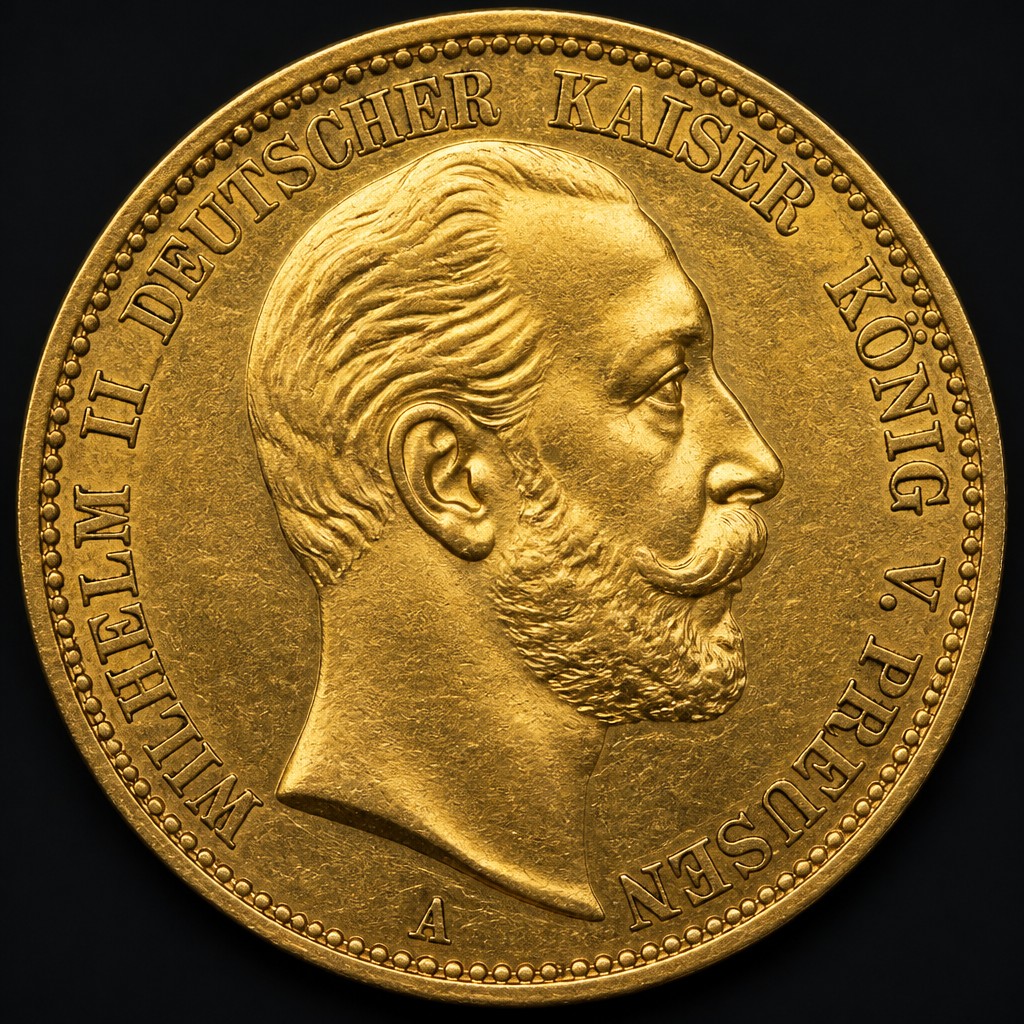
German Prussia 20 Mark Gold
The standard gold coin of Prussia within the newly unified German Empire, featuring successive Prussian kings and forming a key part of the empire's gold mark system.
European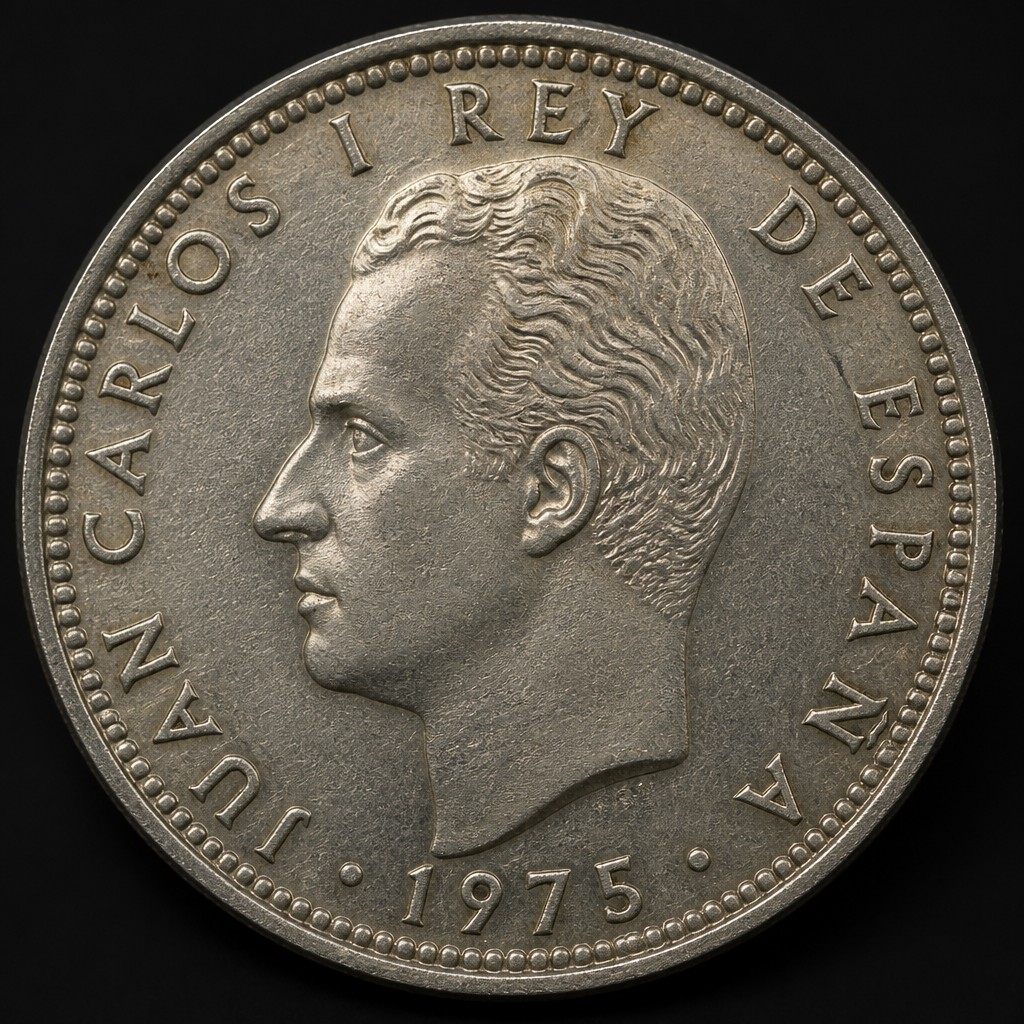
Spanish Peseta
The peseta was Spain's national currency for over 130 years, evolving from silver coinage under a provisional 19th-century government to copper-nickel coins used until the euro replaced it in 2002.
European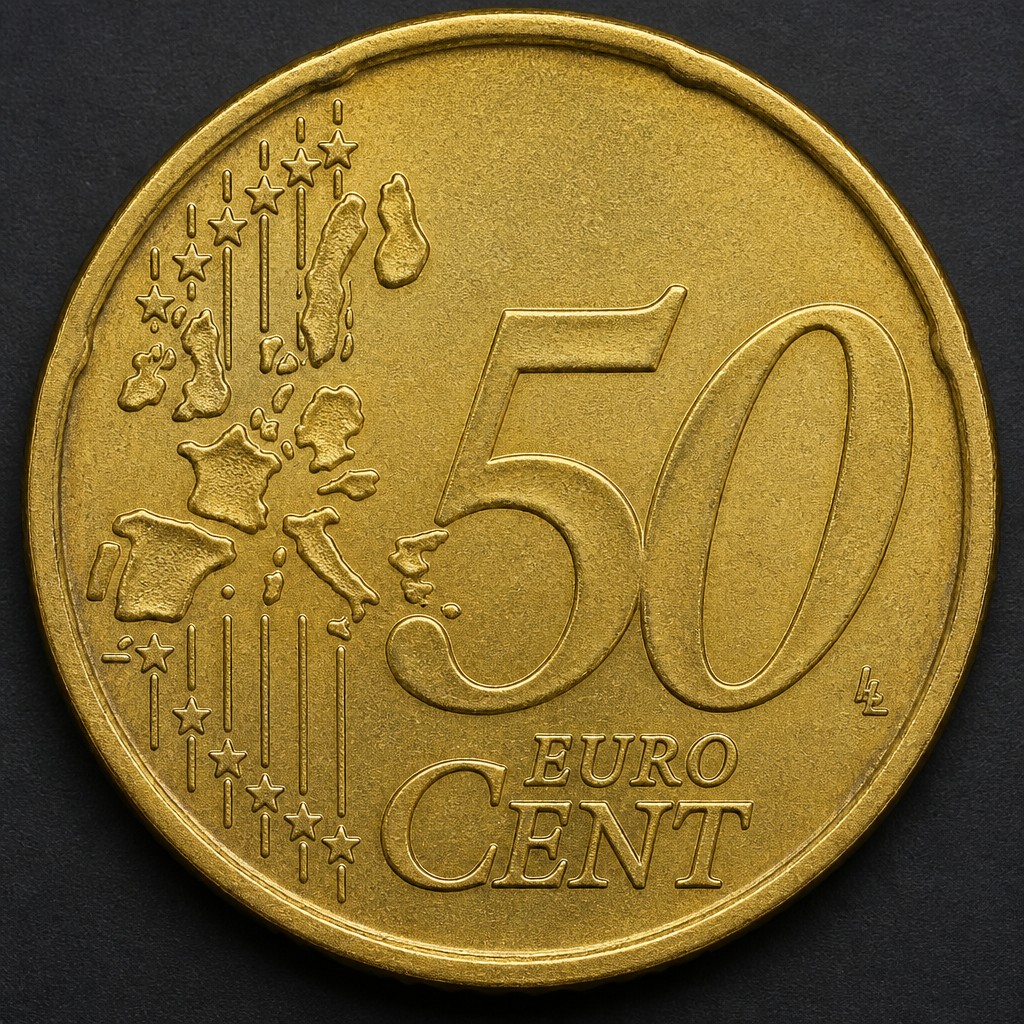
50 Euro Cent Coin
A gold-colored circulating euro coin worth half a euro, struck in a copper-based Nordic gold alloy and easily recognized by its distinctive scalloped-edge shape and national obverse design.
European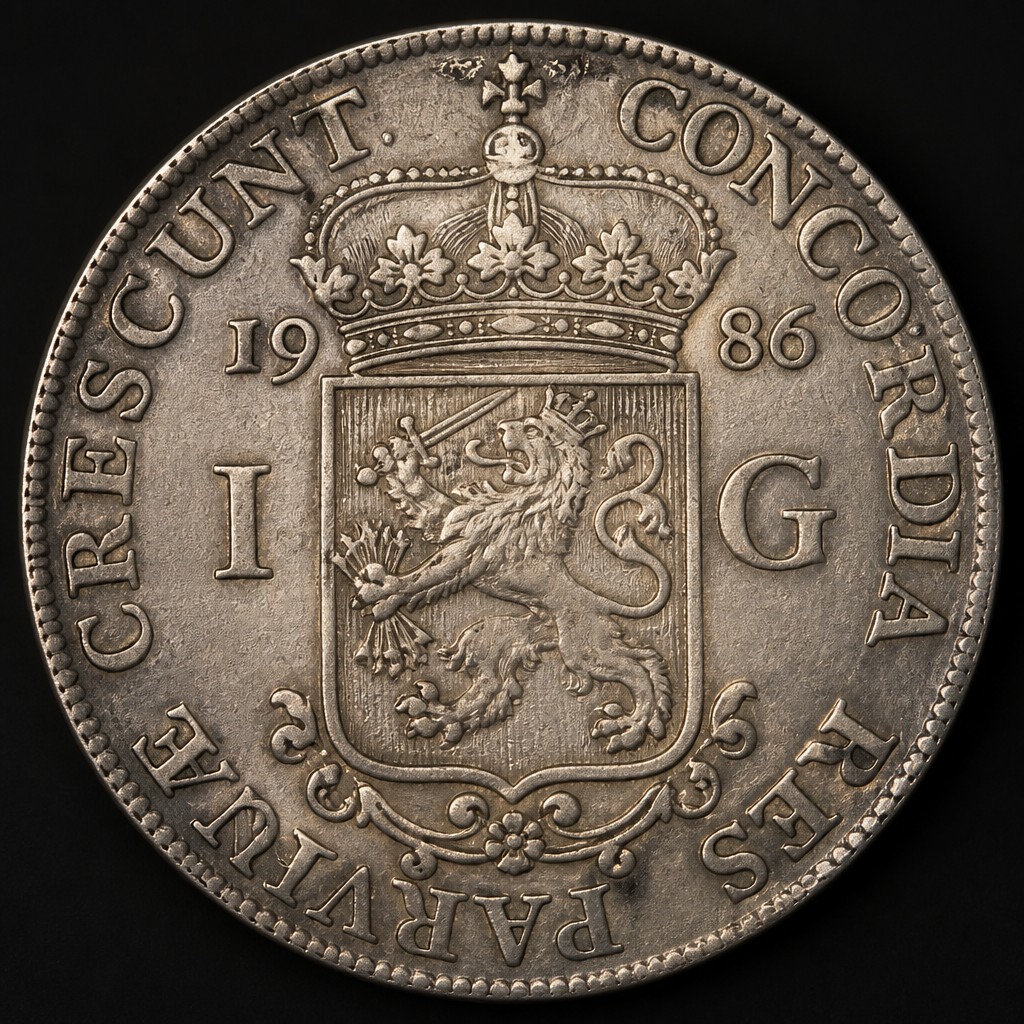
Dutch Rijksdaalder
A historic Dutch silver trade coin dating to the Dutch Republic, later continued as a denomination of the Kingdom of the Netherlands.
European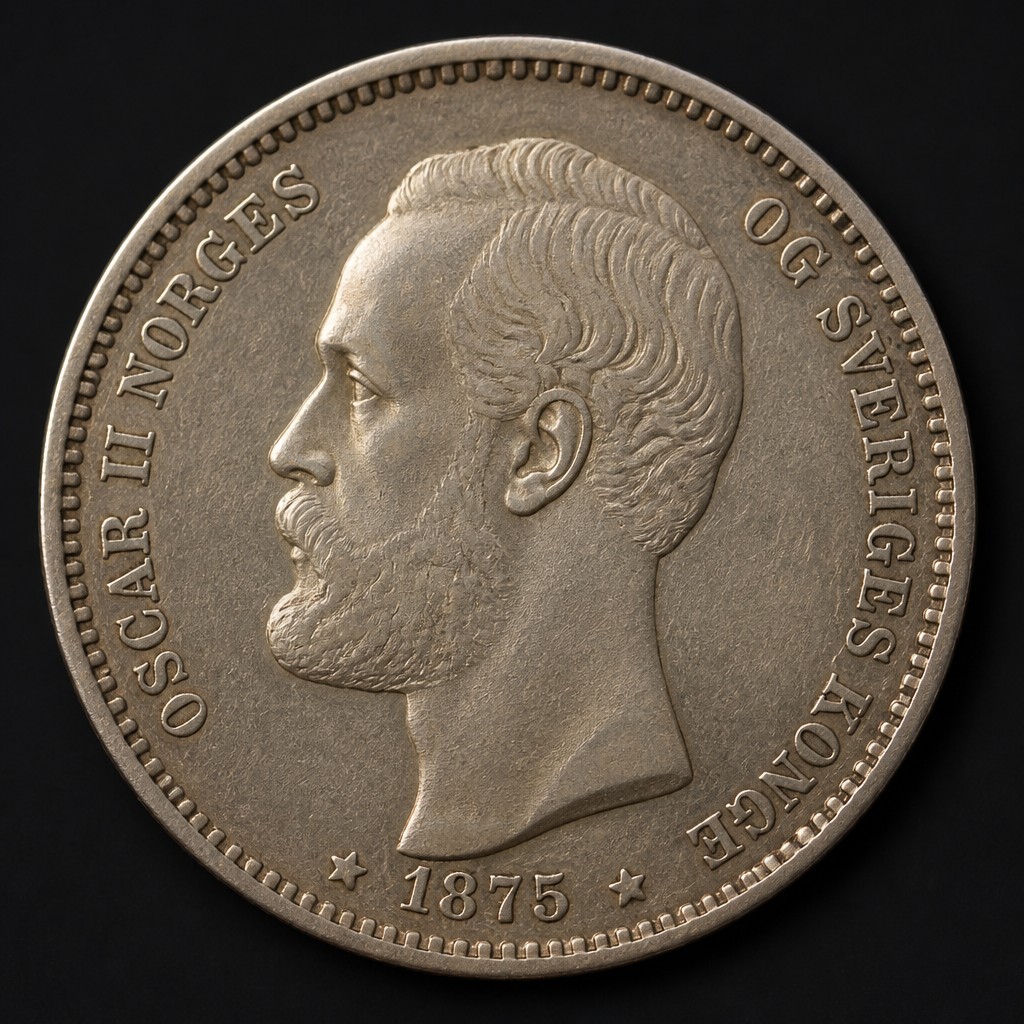
Norwegian Krone
The krone became Norway's national currency in 1875 upon joining the Scandinavian Monetary Union, and it has remained Norway's currency ever since, featuring the reigning monarch's portrait through the decades.
European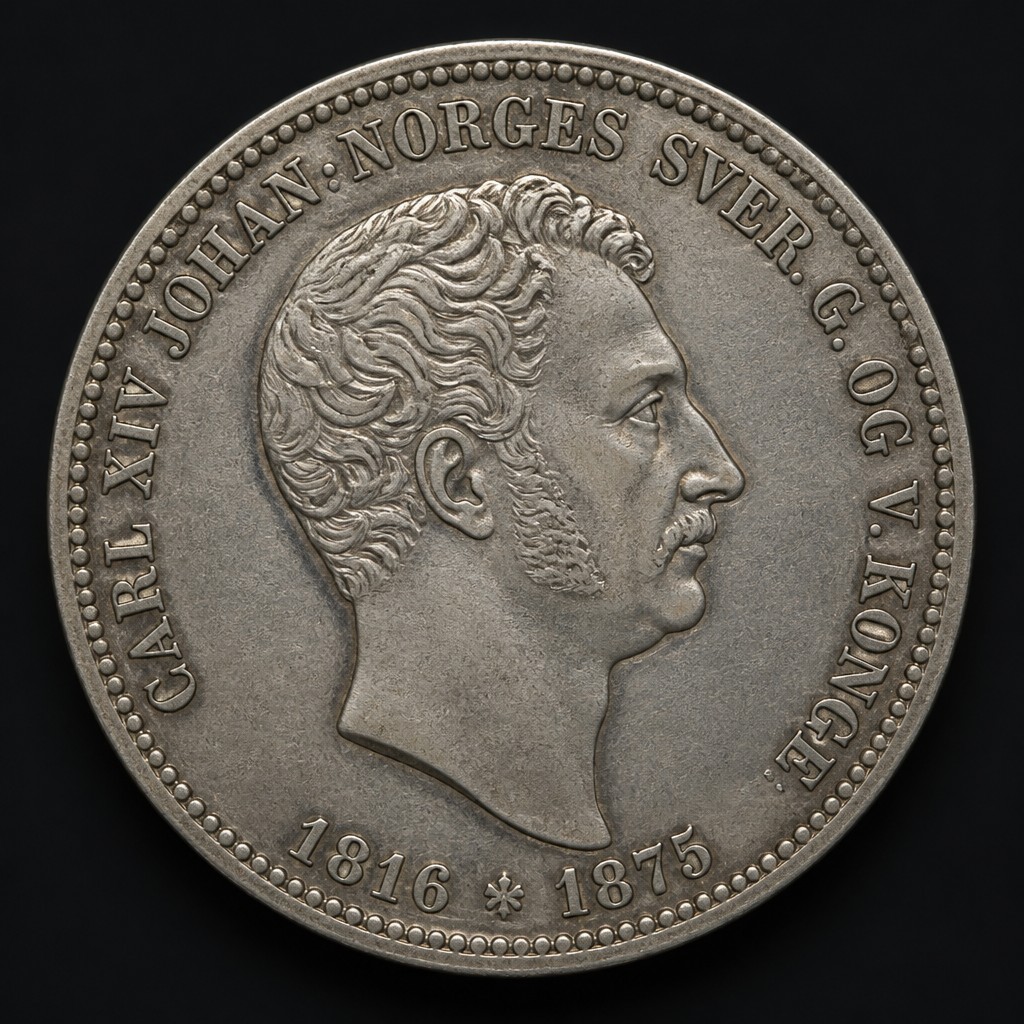
Norwegian Speciedaler
Norway's principal silver coin from the establishment of its independent currency in 1816 until the krone reform of the 1870s.
European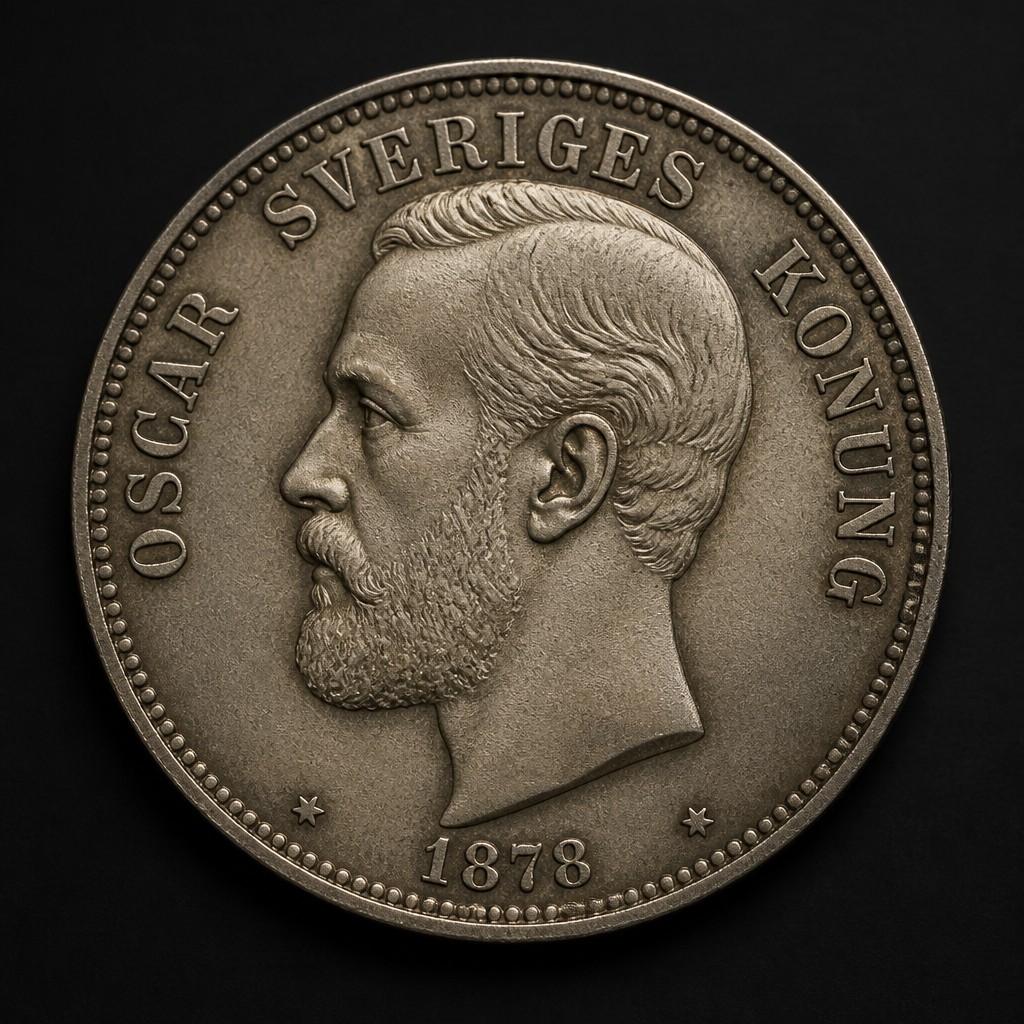
Swedish Krona
The krona has been Sweden's national currency since 1873, originally struck in silver as part of the Scandinavian Monetary Union and today issued in base metals bearing the reigning monarch's portrait.
European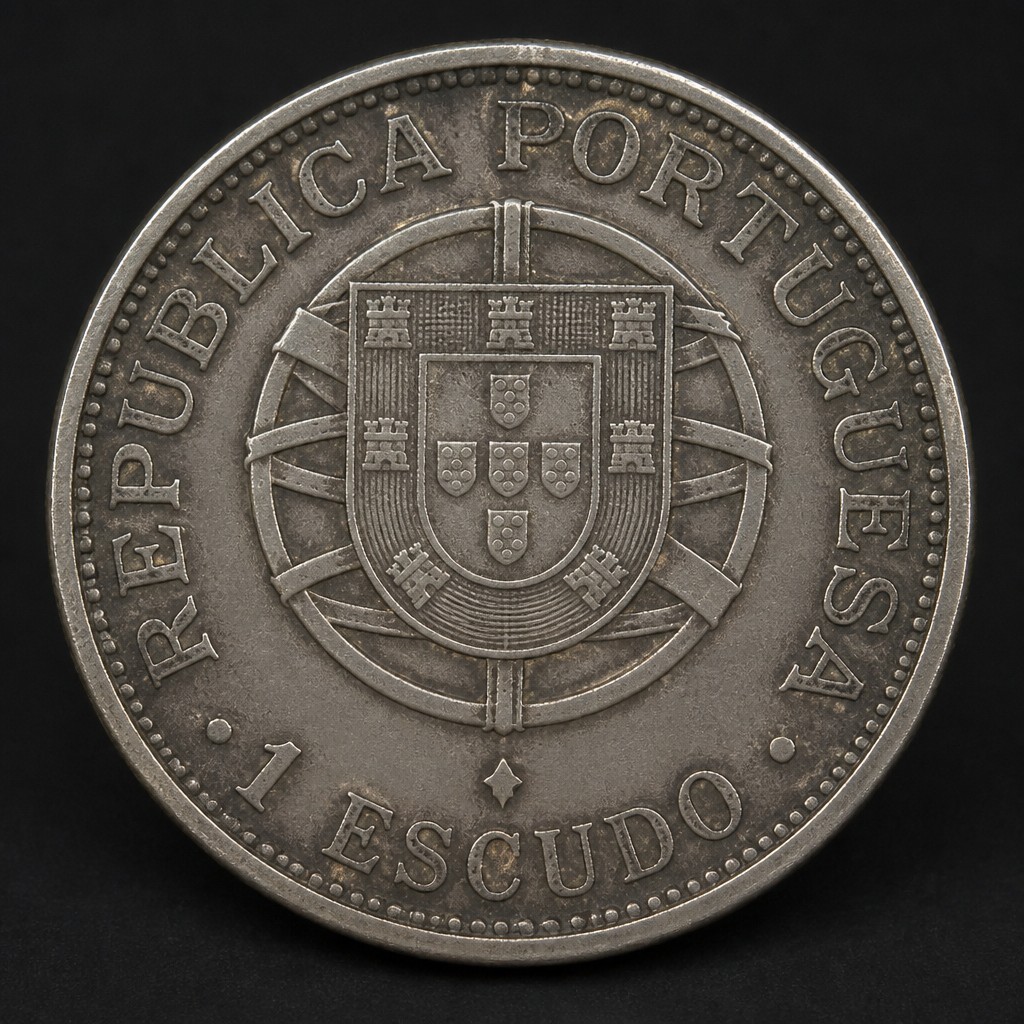
Portuguese Escudo
Portugal's national currency unit from the 1911 decimal reform, following the fall of the monarchy, until the Euro replaced it in the early 2000s.
European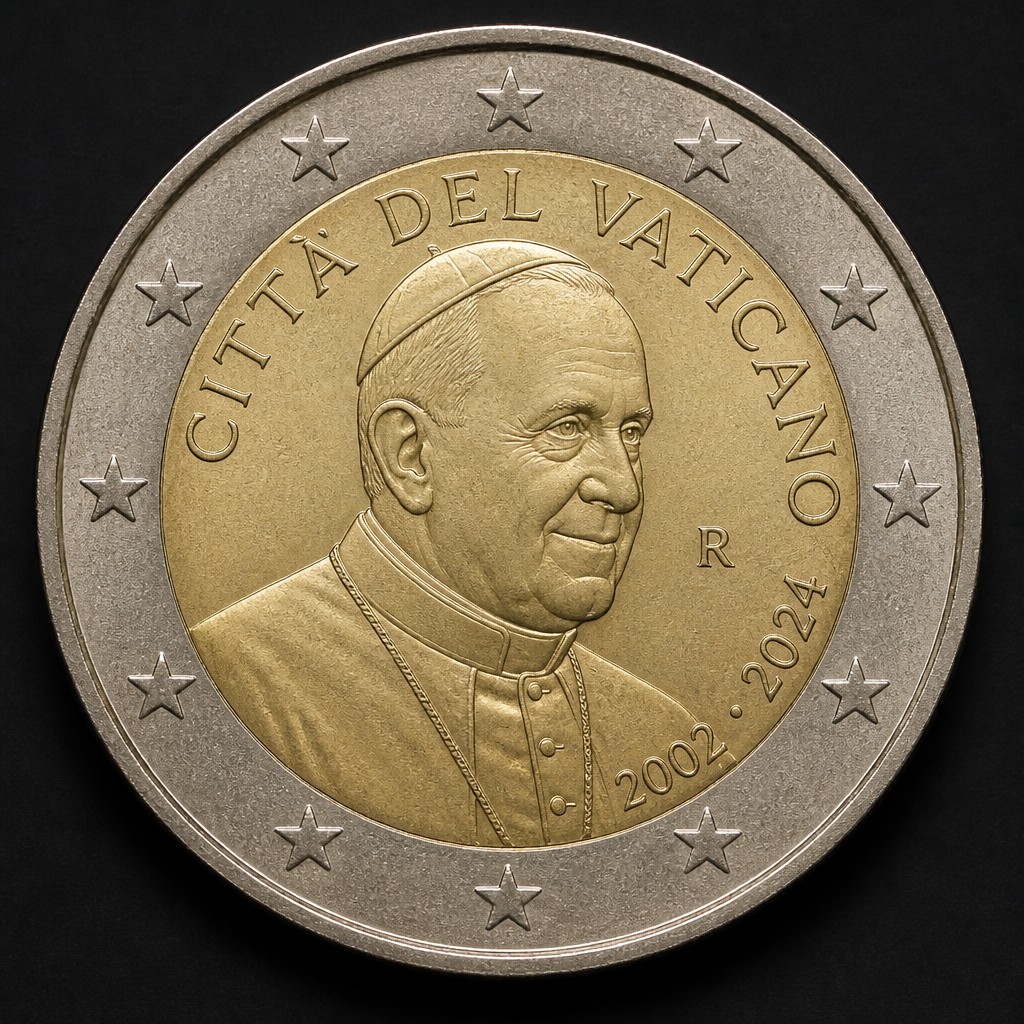
Vatican Euro Coins
Official euro coinage of the world's smallest sovereign state, struck in very limited quantities and highly sought after by euro coin collectors worldwide.
European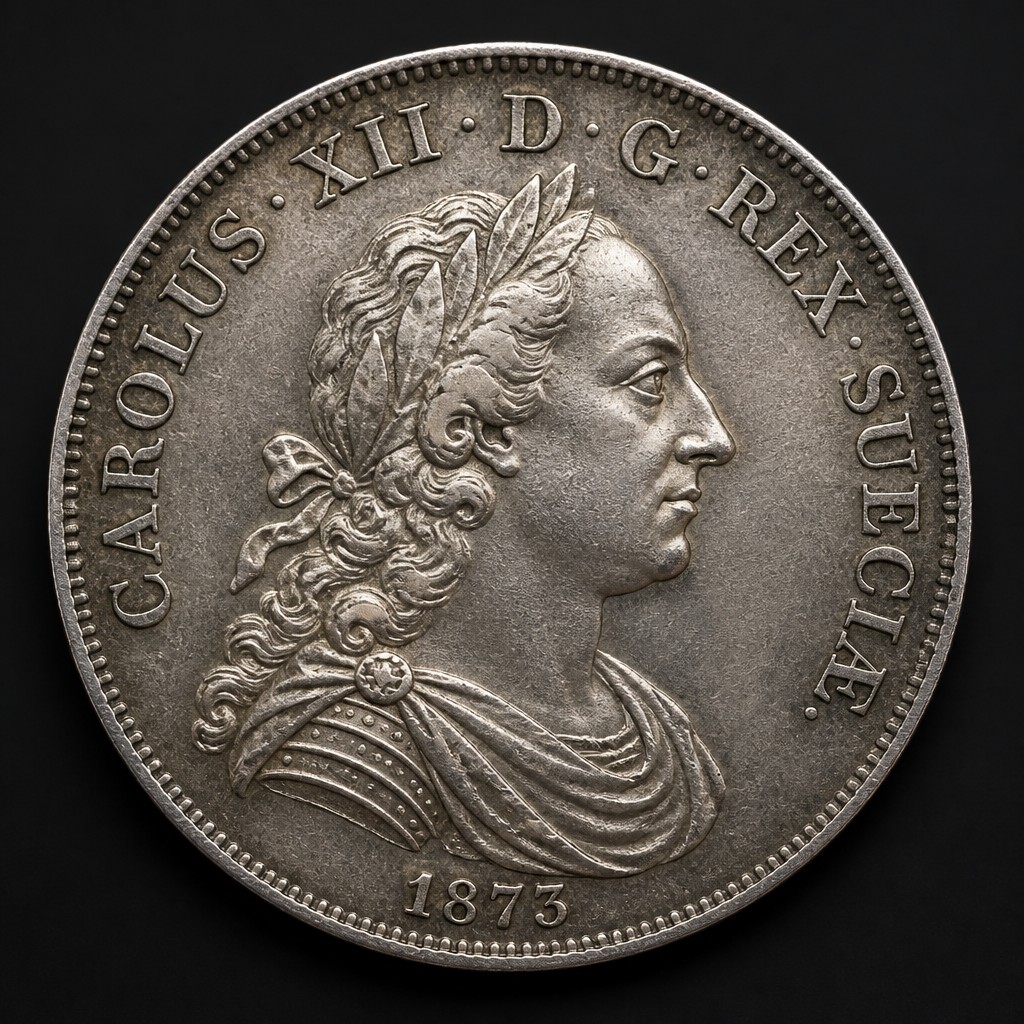
Swedish Riksdaler
Sweden's traditional silver dollar denomination, used for roughly two centuries before being replaced by the krona in the 1870s currency reform.
European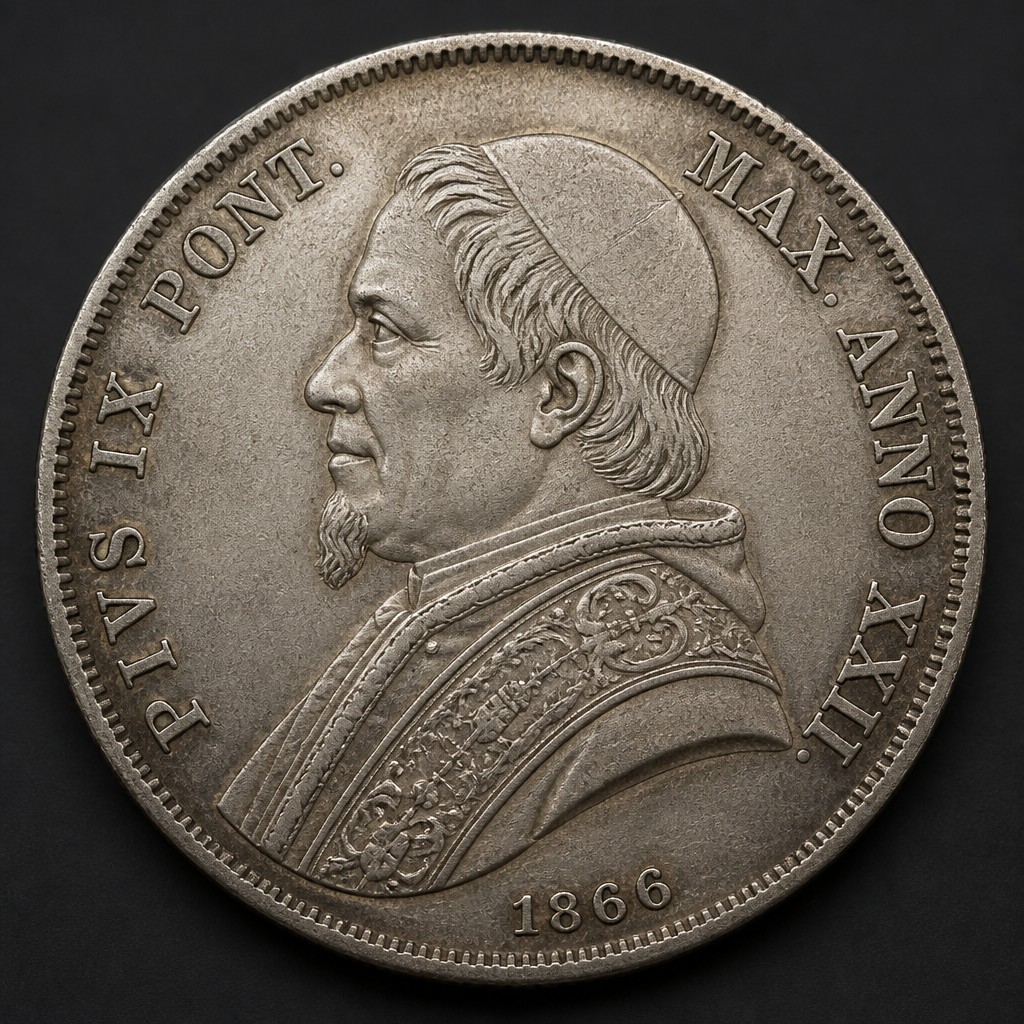
Italian Scudo (Papal States)
A large silver coin issued by the Papal States under successive popes, blending religious imagery with the temporal authority of the papacy.
European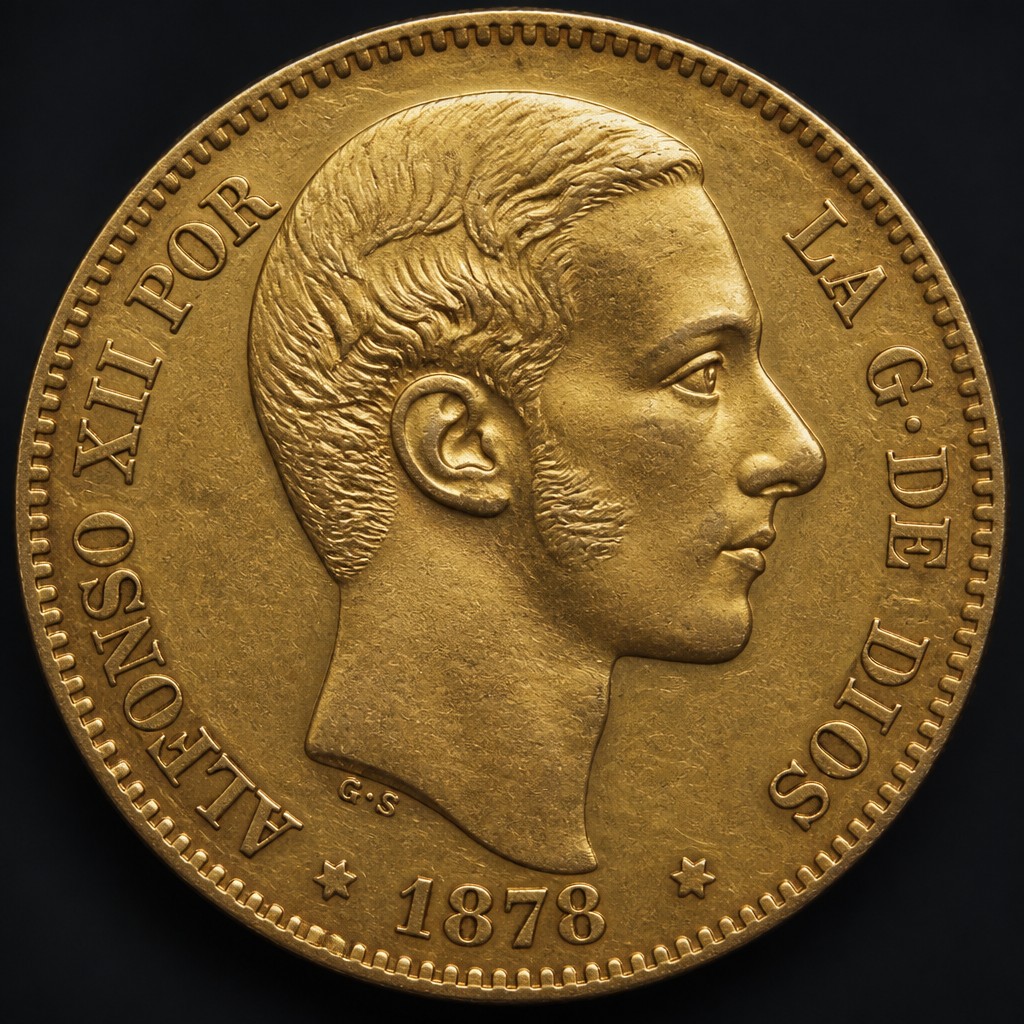
Spanish 20 Pesetas Gold (Alfonso XII)
Spain's standard gold coin of the Latin Monetary Union era, struck under King Alfonso XII following the restoration of the Spanish monarchy in the 1870s.
European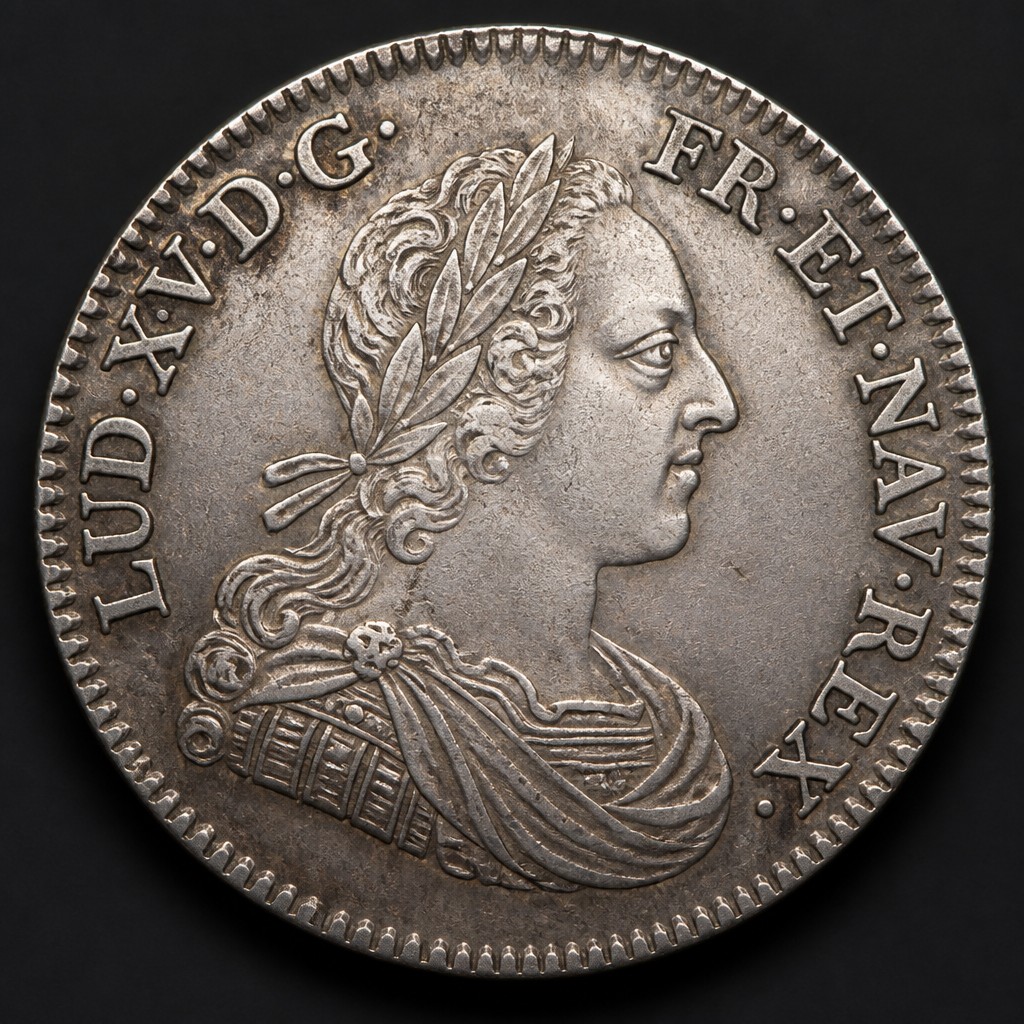
French Ecu (Louis d'Argent)
France's principal large silver coin of the pre-revolutionary era, bearing the reigning king's portrait, used as the standard silver crown-sized coin for over a century before decimalization.
European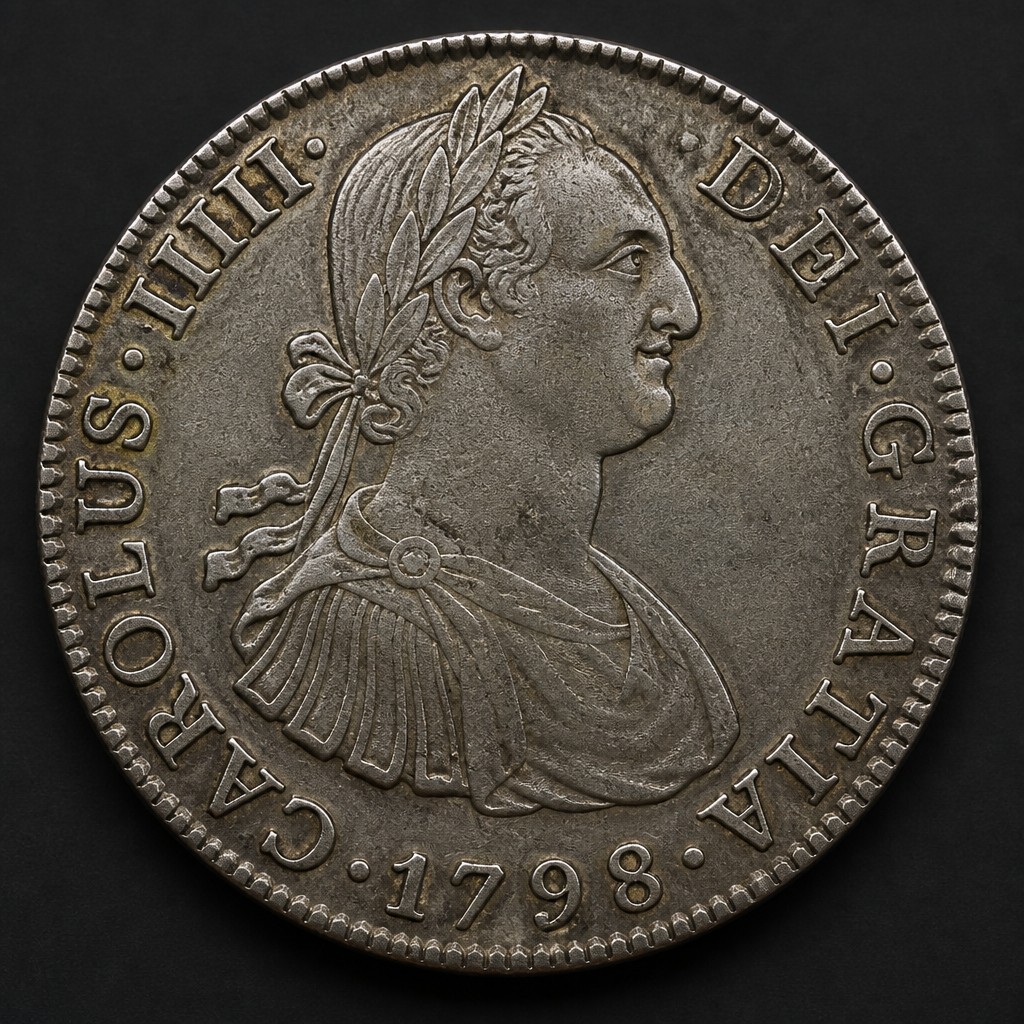
Spanish 4 Reales
A mid-value denomination of Spain's traditional real-based coinage, struck for centuries in both Spain and its American colonies.
European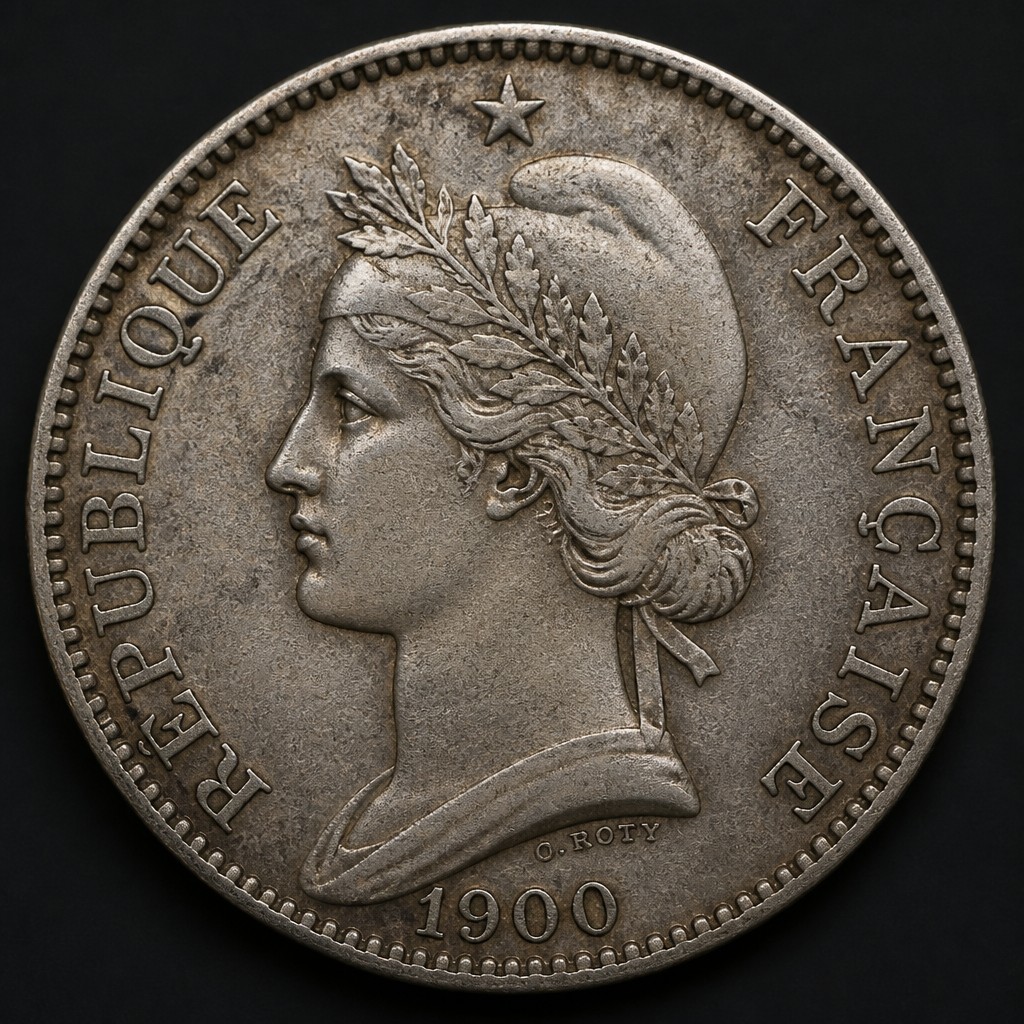
French 2 Francs (Silver)
A workhorse French silver denomination struck across the Napoleonic, Restoration, and Republican eras, later famous for the Semeuse (Sower) design.
European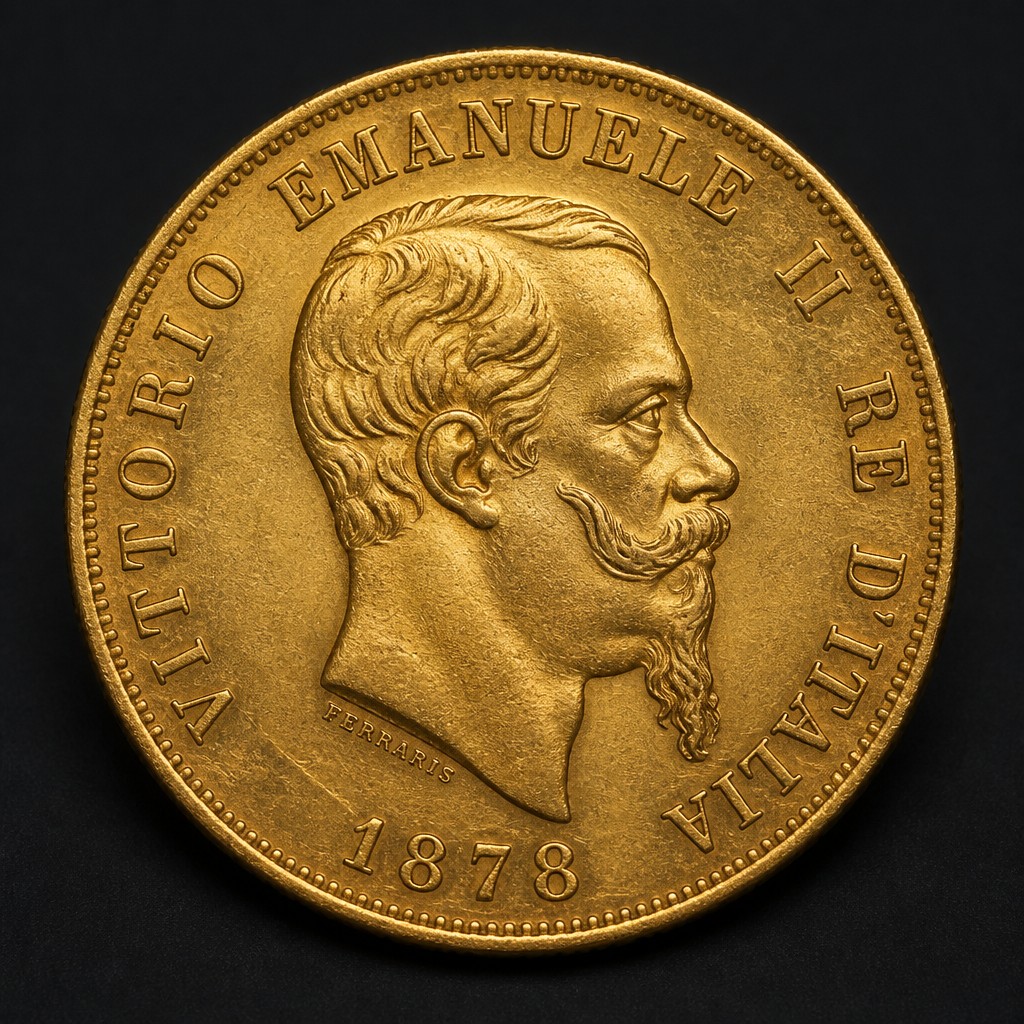
Italian 100 Lire Gold
The largest gold denomination of the Kingdom of Italy's Latin Monetary Union coinage, struck under Vittorio Emanuele II and Umberto I in relatively limited numbers.
European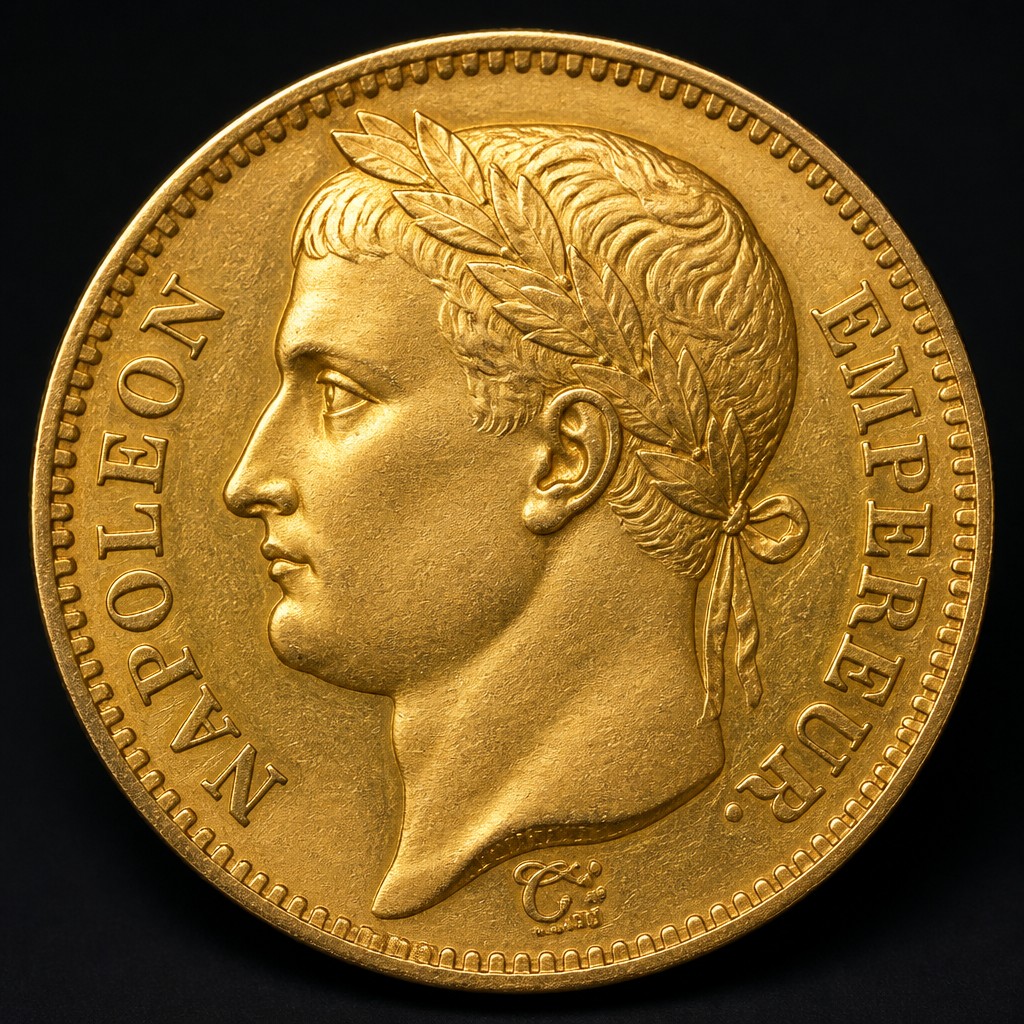
French Napoleon 20 Francs Gold
France's standard 19th-century gold coin, first struck under Napoleon I and continued under later rulers and the Republic, giving rise to the enduring nickname "Napoleon" for any 20-franc gold coin.
European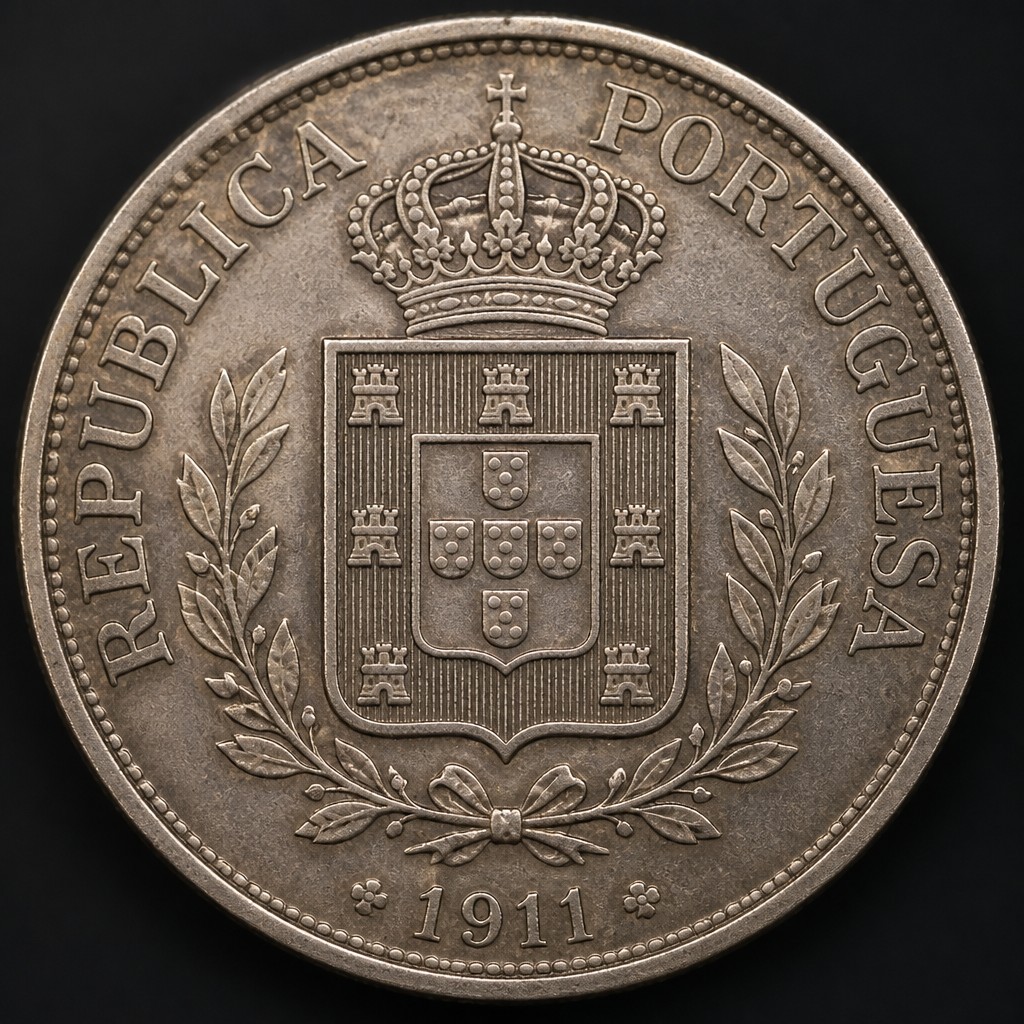
Portuguese Real
Portugal's centuries-old pre-decimal currency unit, used from the medieval era until the 1911 introduction of the escudo, also struck for Brazil and other colonies.
European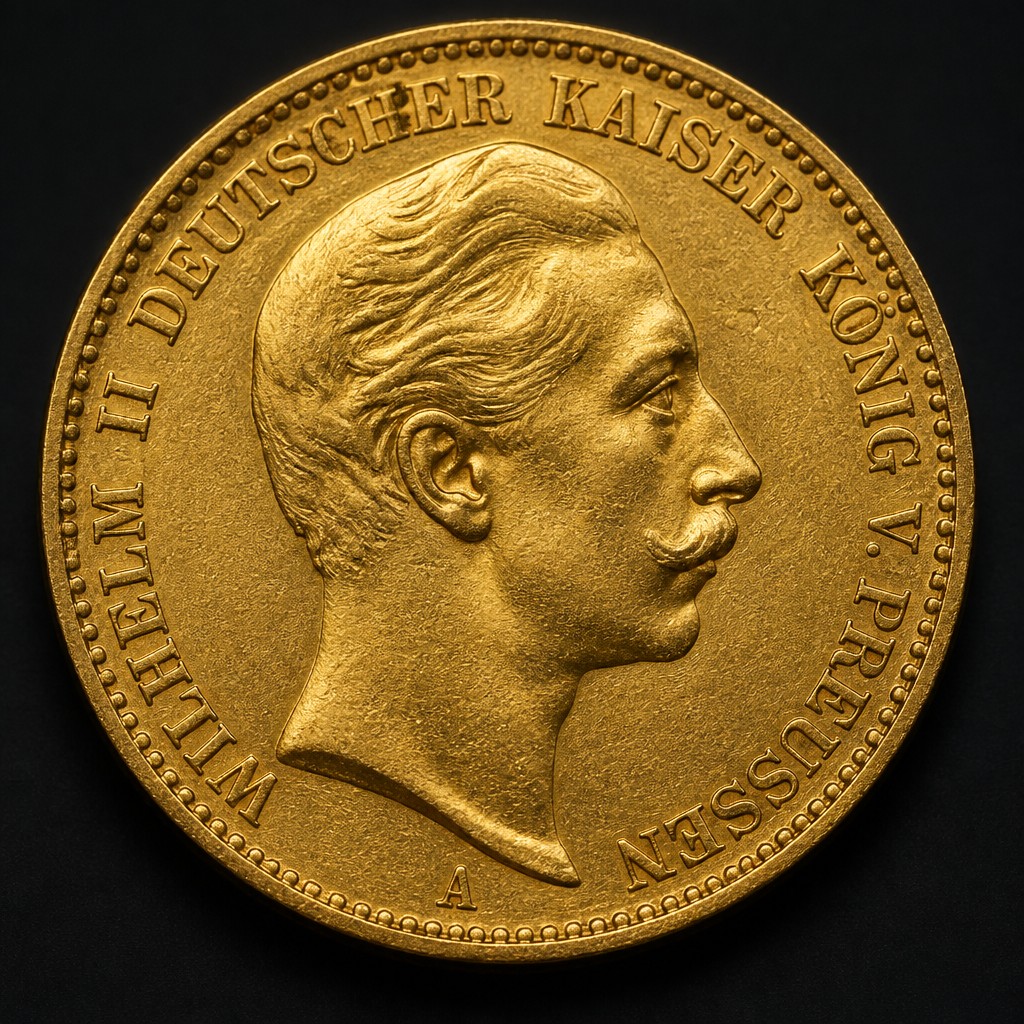
German Empire 20 Mark Gold (Wilhelm II)
The standard gold coin of the German Empire under Kaiser Wilhelm II, struck at multiple state mints and widely collected for its imperial portrait and eagle reverse.
European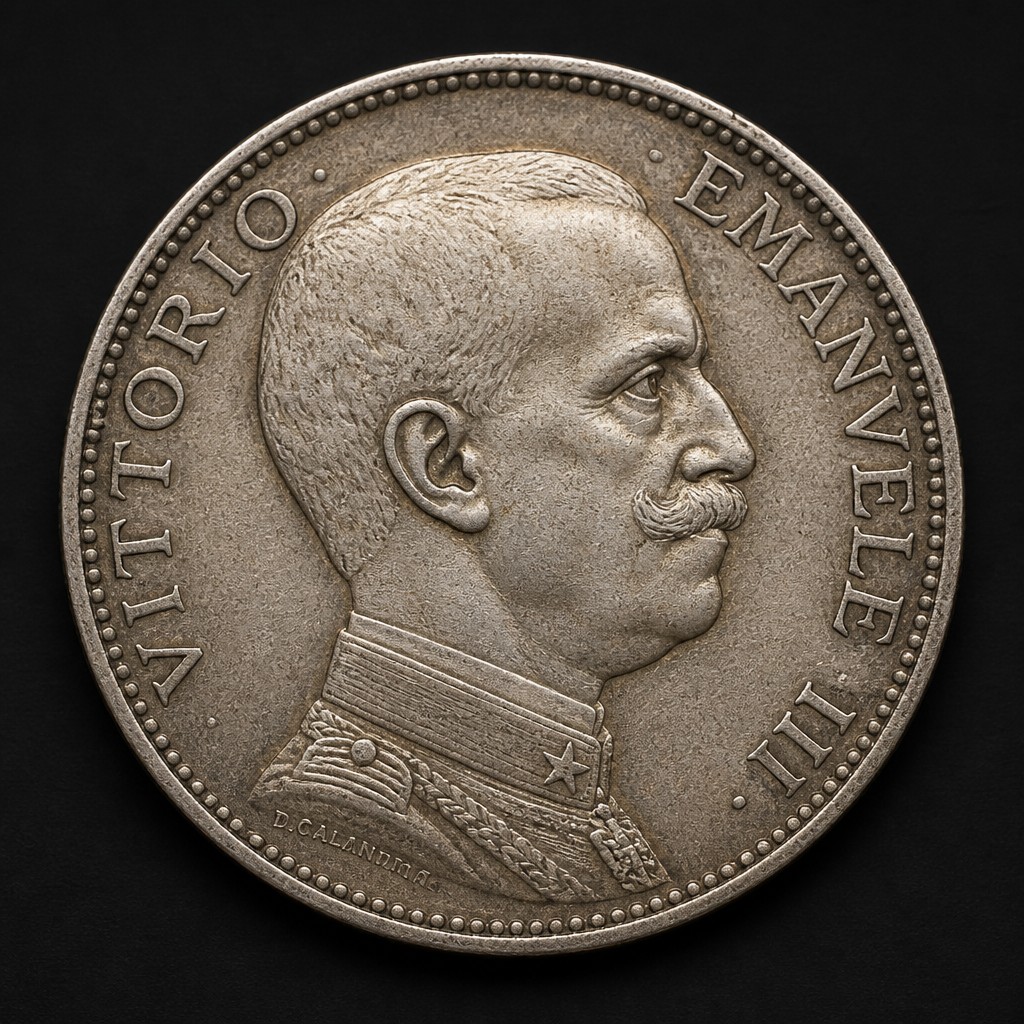
Italian 10 Lire (Silver)
Kingdom of Italy silver 10 Lire coin, best known for the 1926–1930 'Biga' type showing a two-horse chariot, struck under Vittorio Emanuele III.
European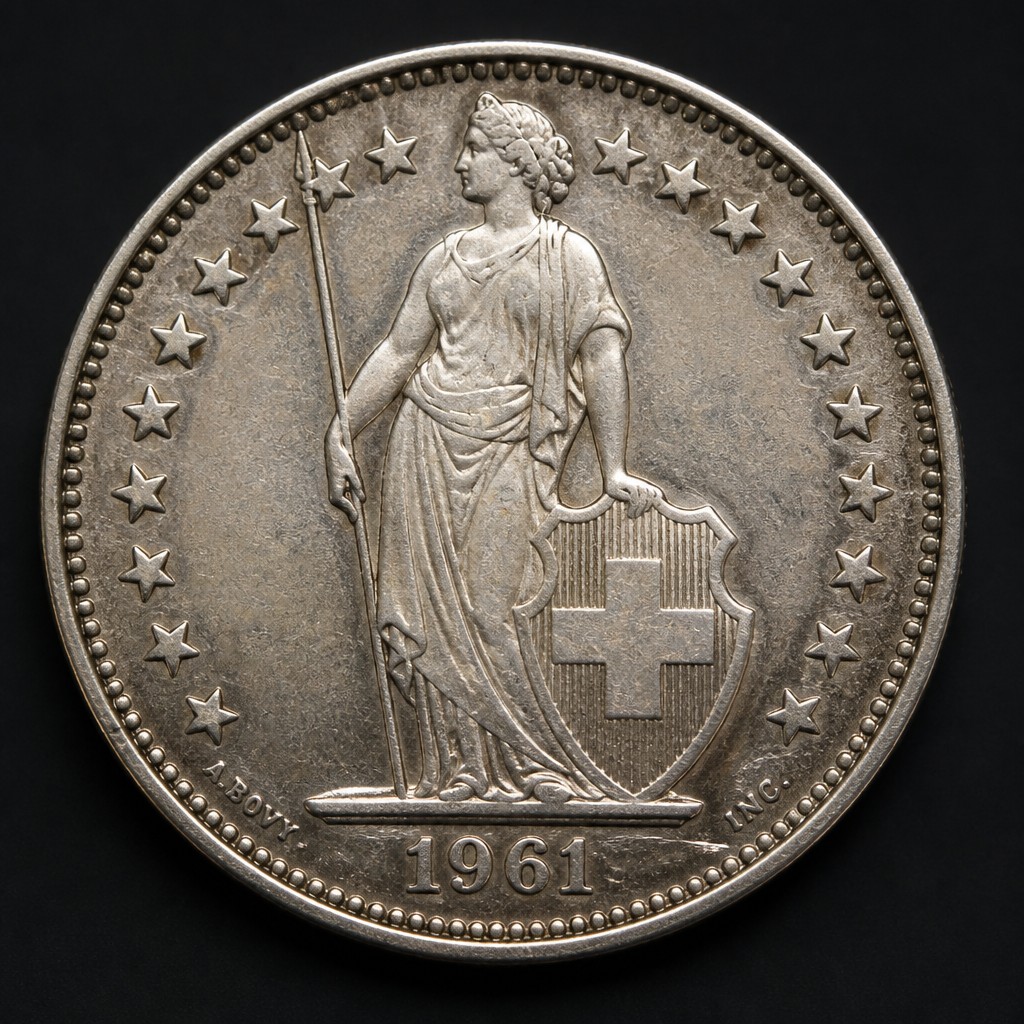
Swiss 5 Francs Silver
The Swiss 5 Francs was Switzerland's largest circulating silver coin for over a century, featuring the standing figure of Helvetia, and remains a favorite among collectors of European silver crowns.
European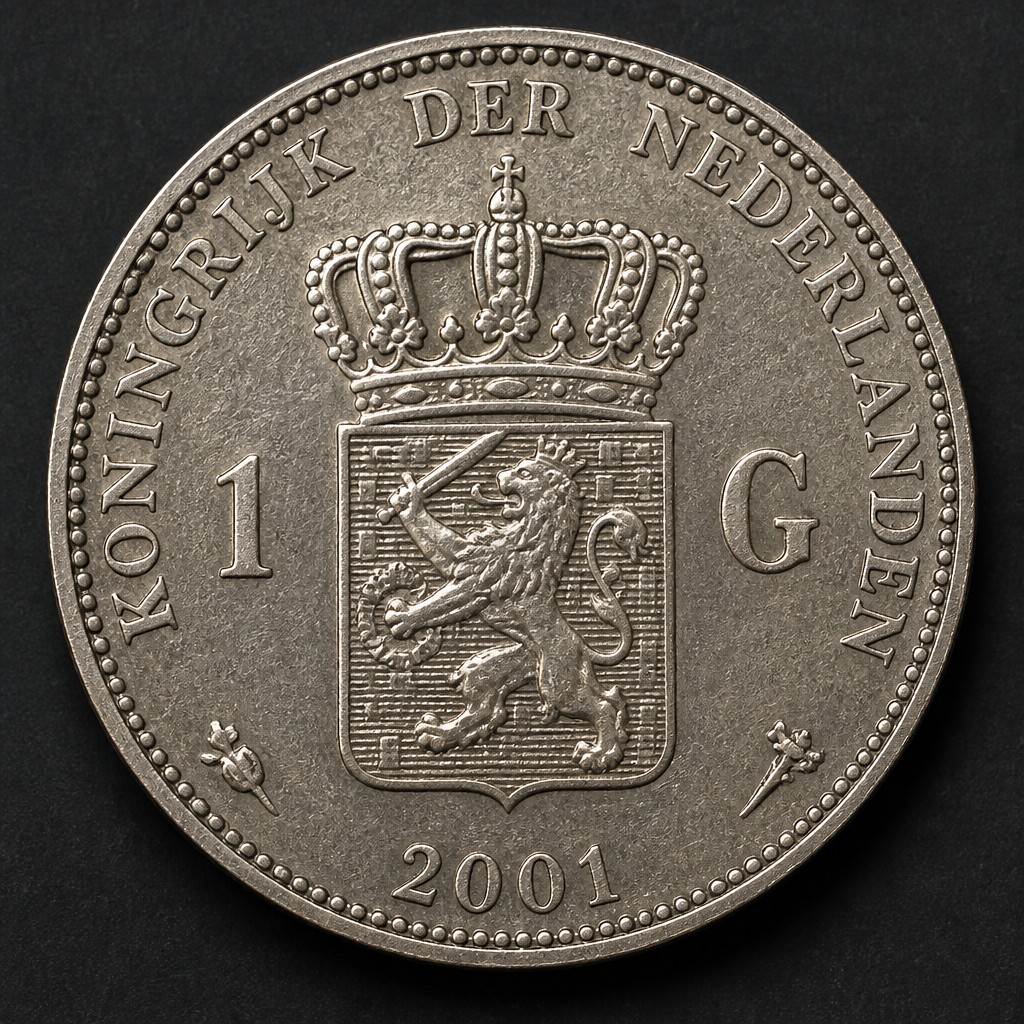
Netherlands Rijksdaalder Gulden
The 2.5 guilder coin of the Kingdom of the Netherlands, carrying forward the historic rijksdaalder name through the monarchy era until the euro's adoption.
European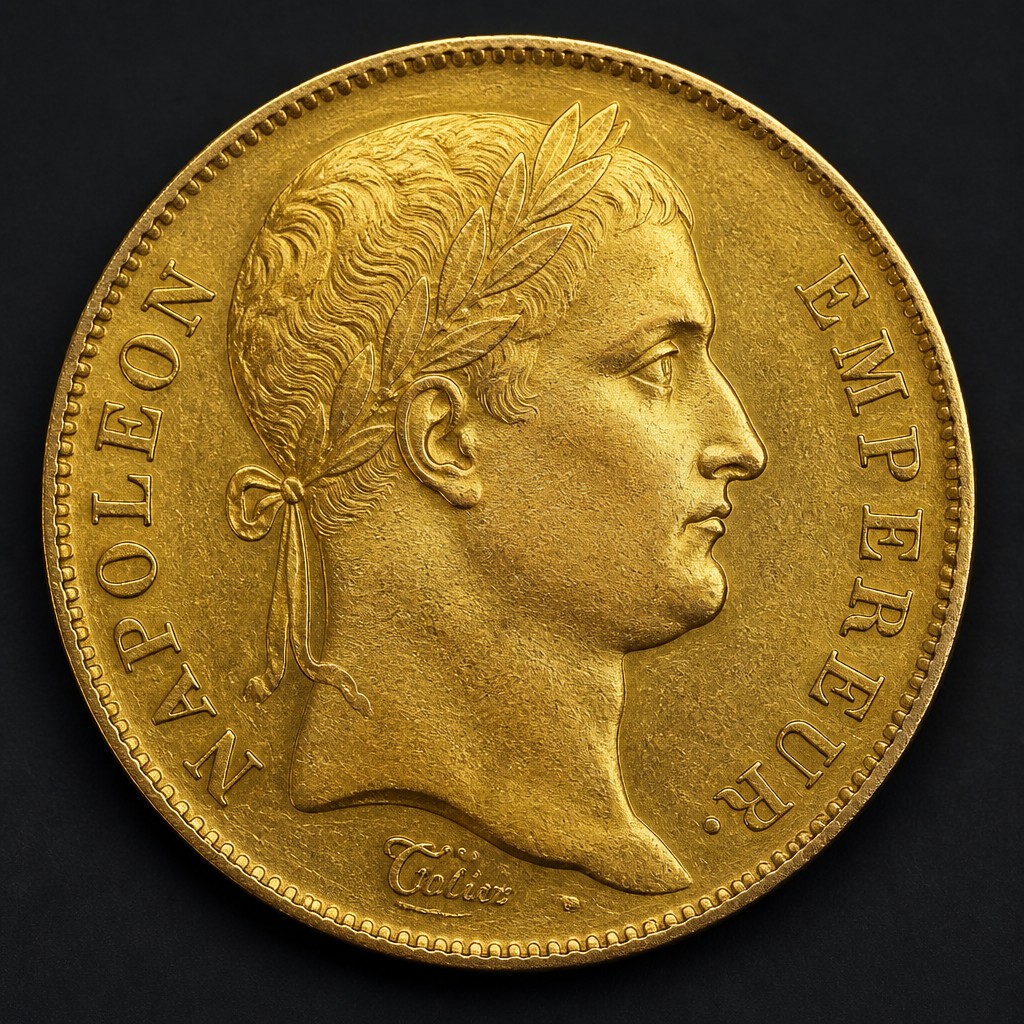
French 40 Francs Gold (Napoleon)
An early gold coin of Napoleon Bonaparte as First Consul and later Emperor, struck under France's new decimal franc system.
European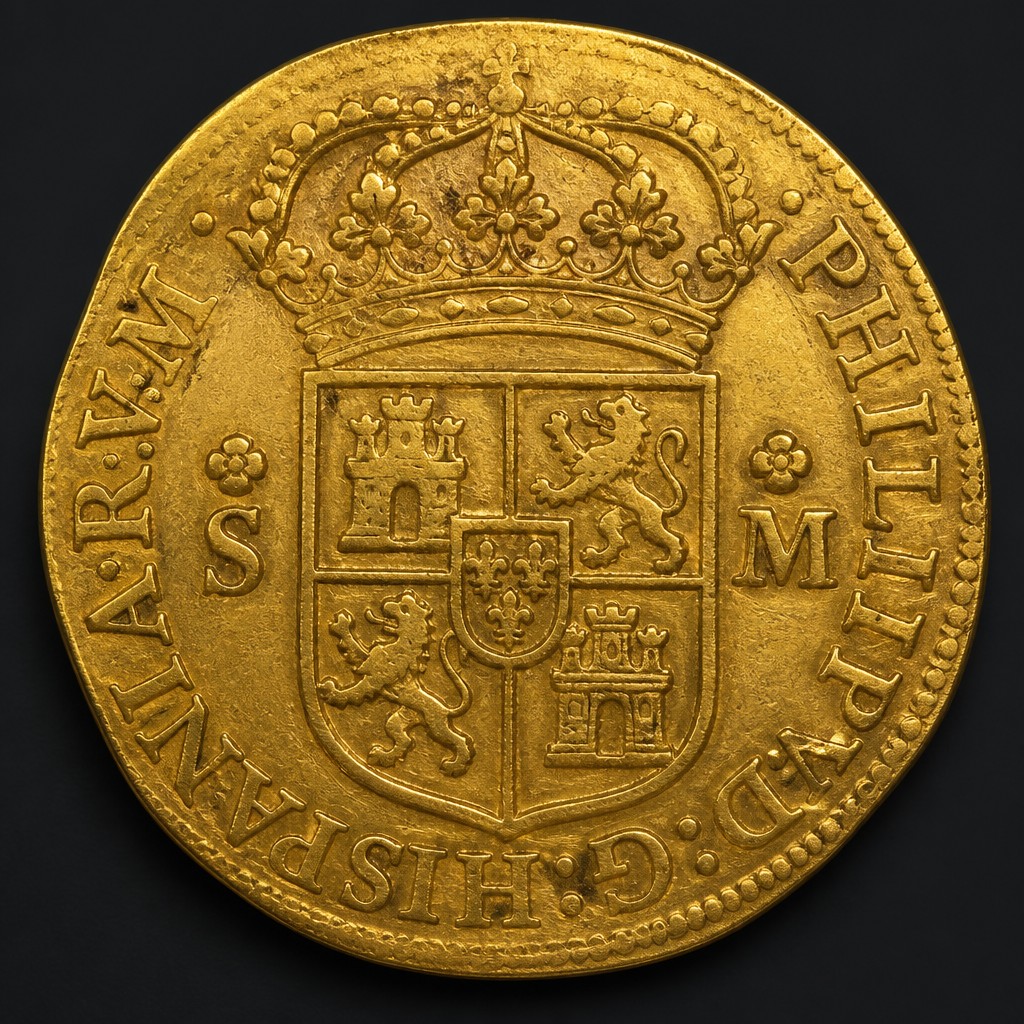
Spanish Gold Escudo (Doubloon)
The gold denomination of the Spanish Empire, whose larger multiples became famous as "doubloons," struck both in Spain and across its American colonial mints for centuries.
European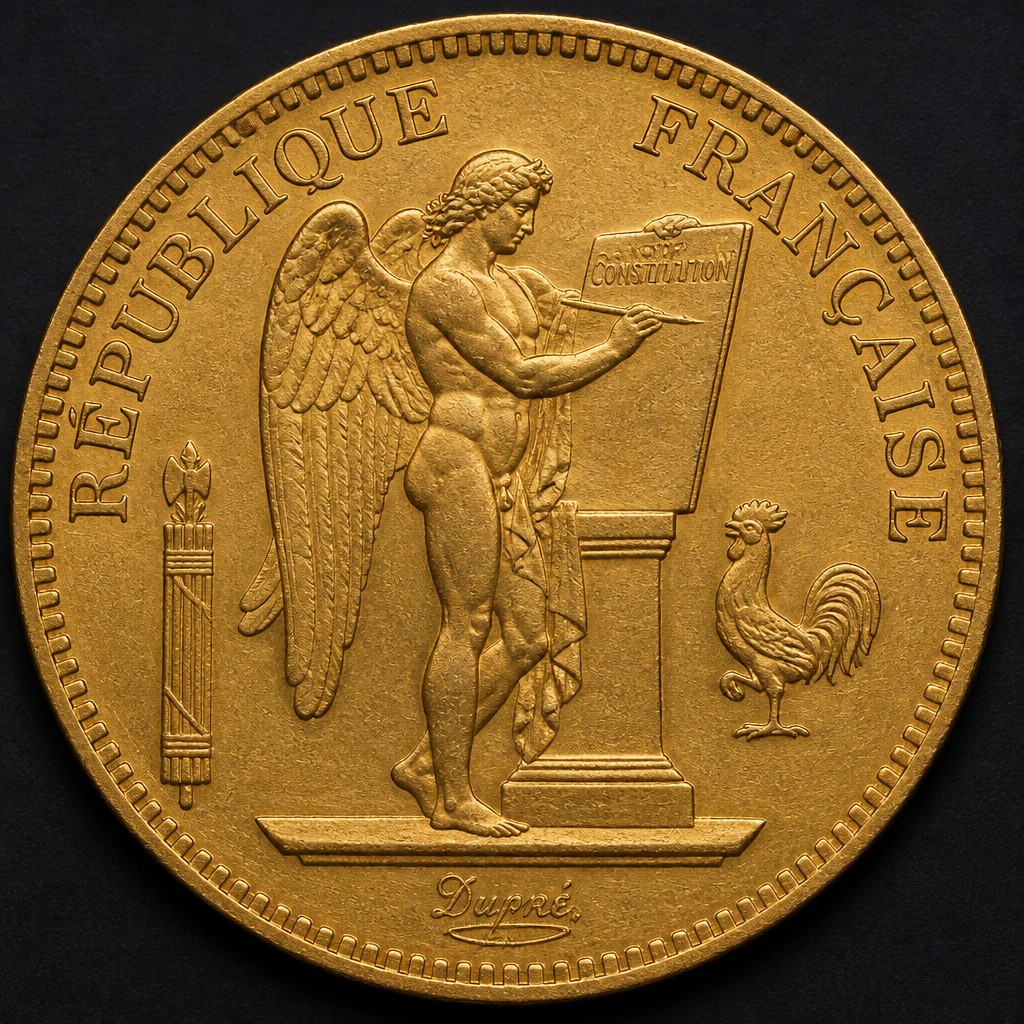
French 100 Francs Gold (Angel/Genius)
A large French gold coin of the Third Republic featuring an allegorical winged genius writing the constitution, often called the 'Angel' by collectors.
European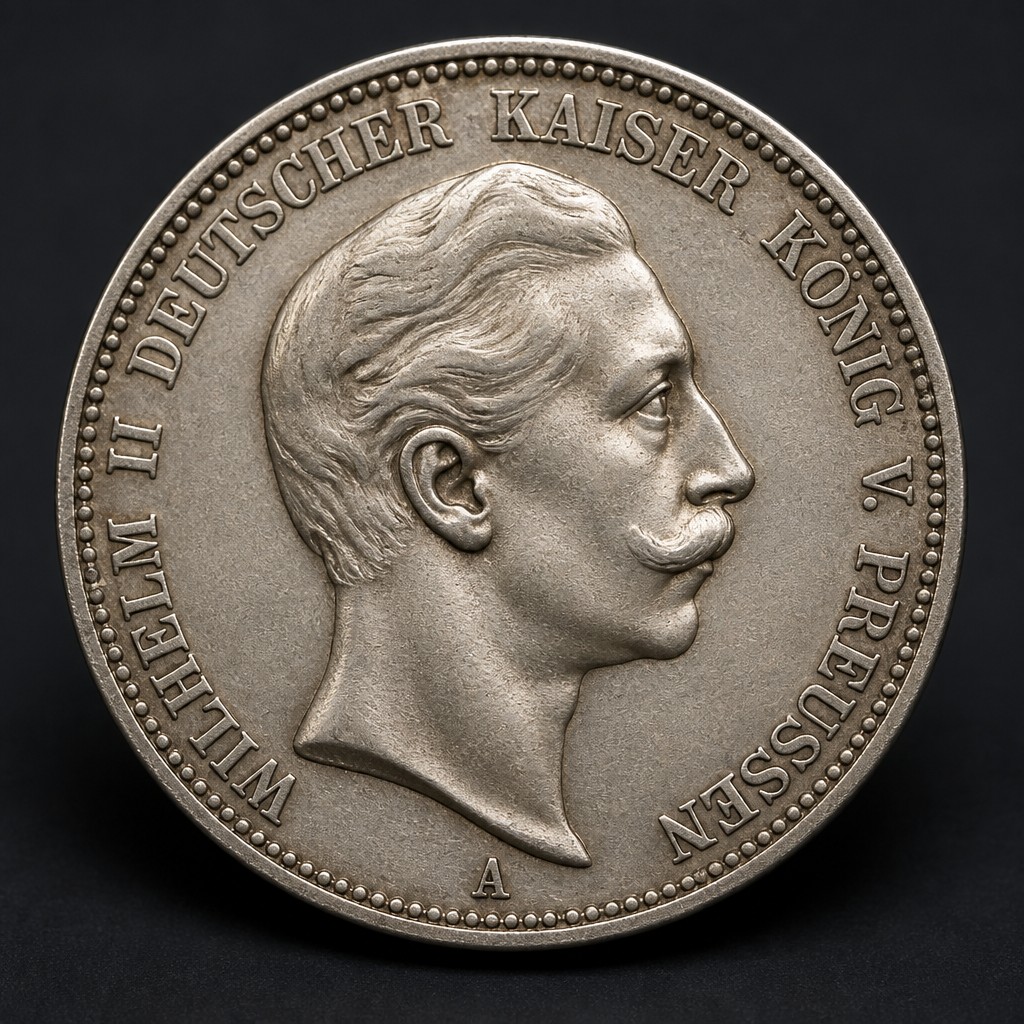
German 3 Mark Silver
A large silver coin of Imperial Germany, issued by the various constituent states with distinct rulers' portraits and commemorative designs.
European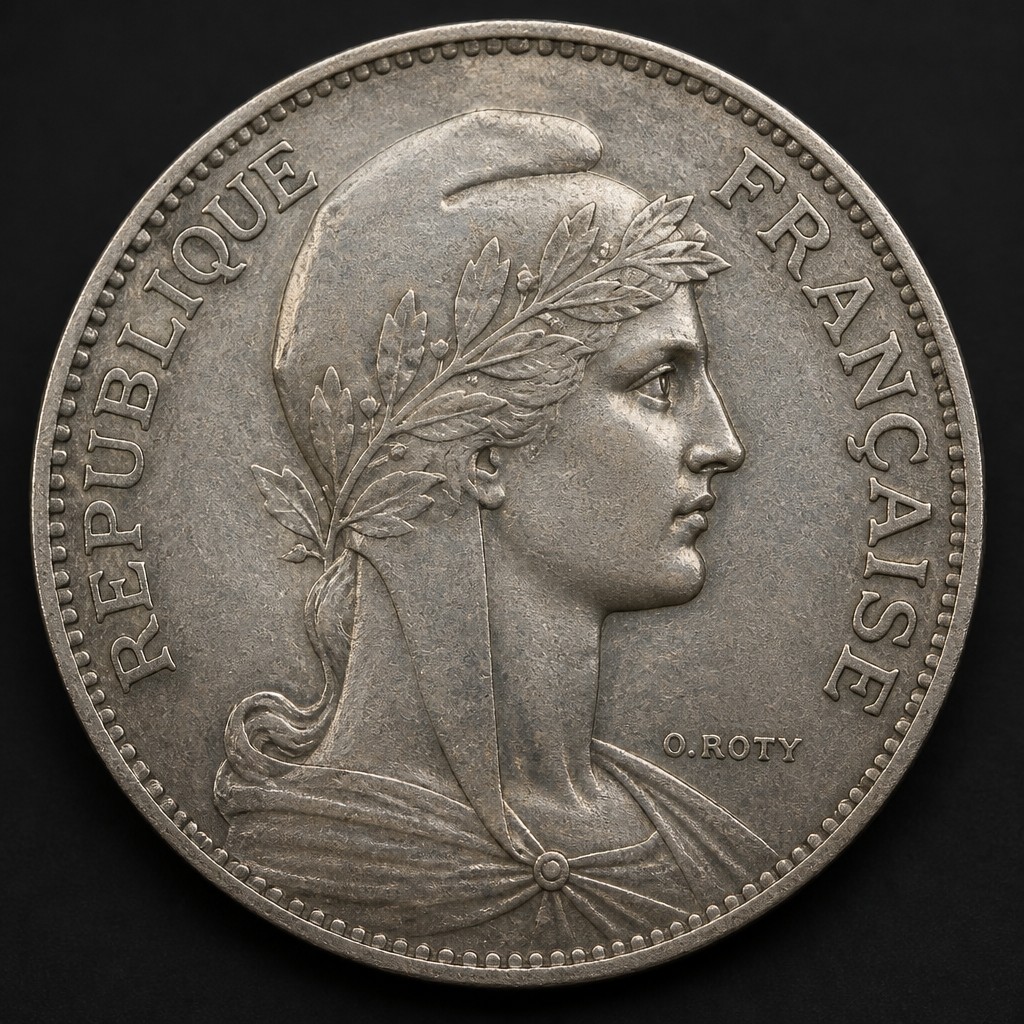
French Franc Germinal
Not a single coin but the bimetallic monetary standard fixed by Napoleon's 1803 law, defining the franc's silver and gold content for over a century.
European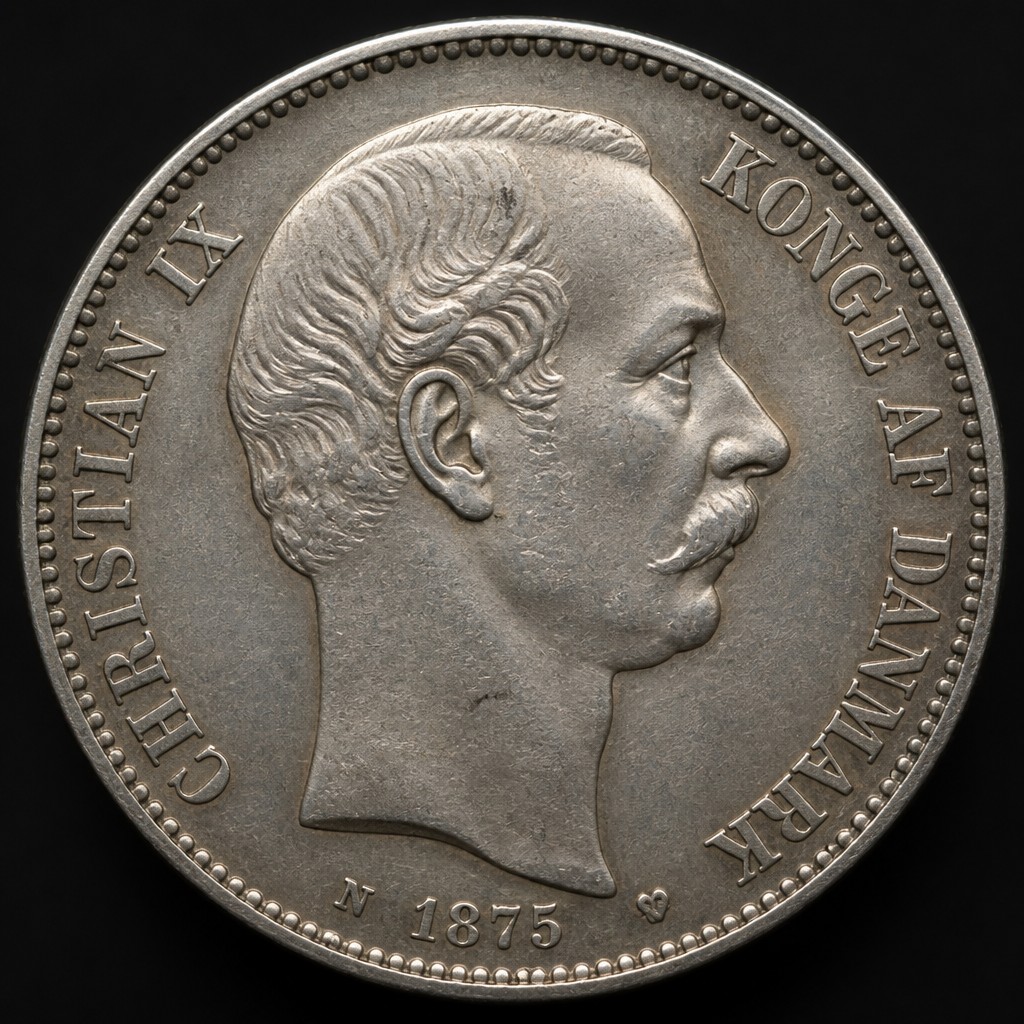
Danish Krone
The krone has been Denmark's national currency unit since 1875, issued in silver historically and base metals today, consistently featuring the reigning Danish monarch's portrait or monogram.
European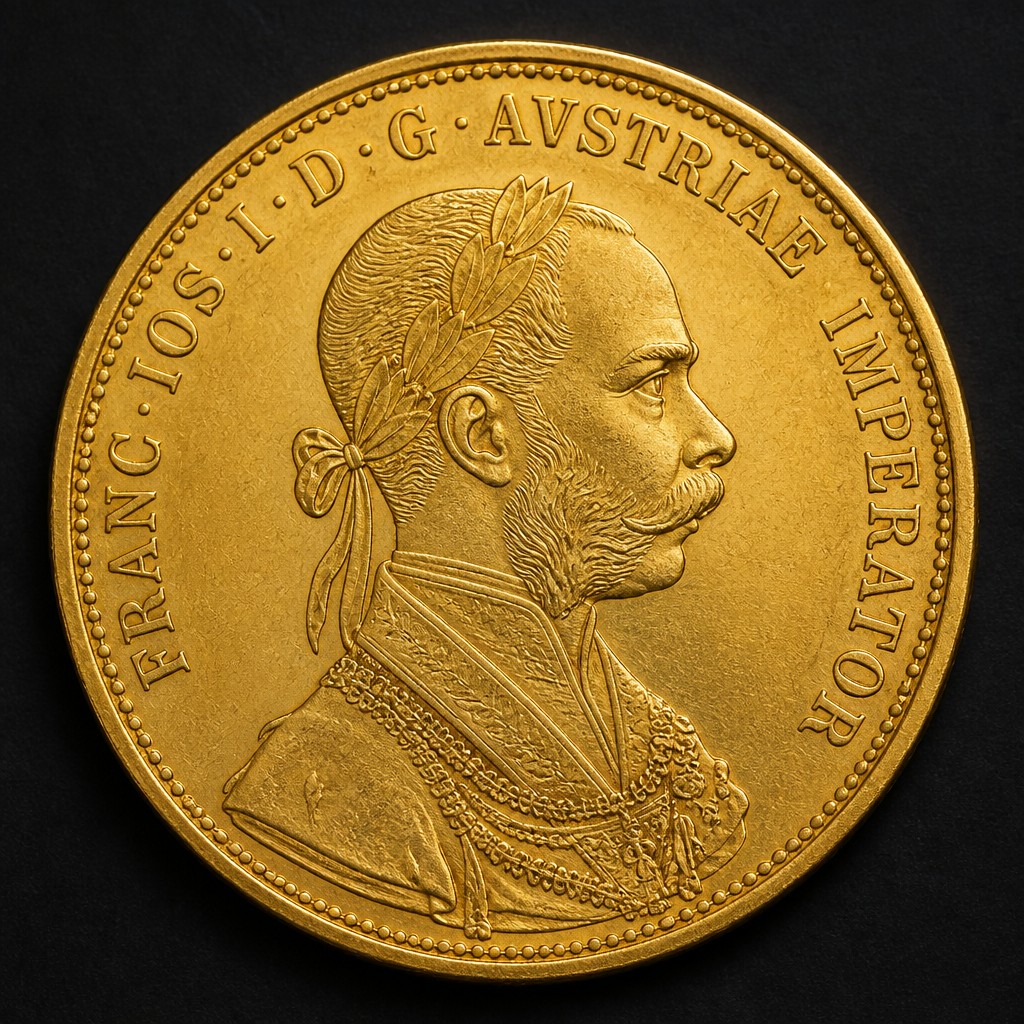
Austrian 20 Corona Gold
A compact gold coin of the Austro-Hungarian Empire depicting Emperor Franz Joseph I, widely available today as an accessible historic gold piece.
European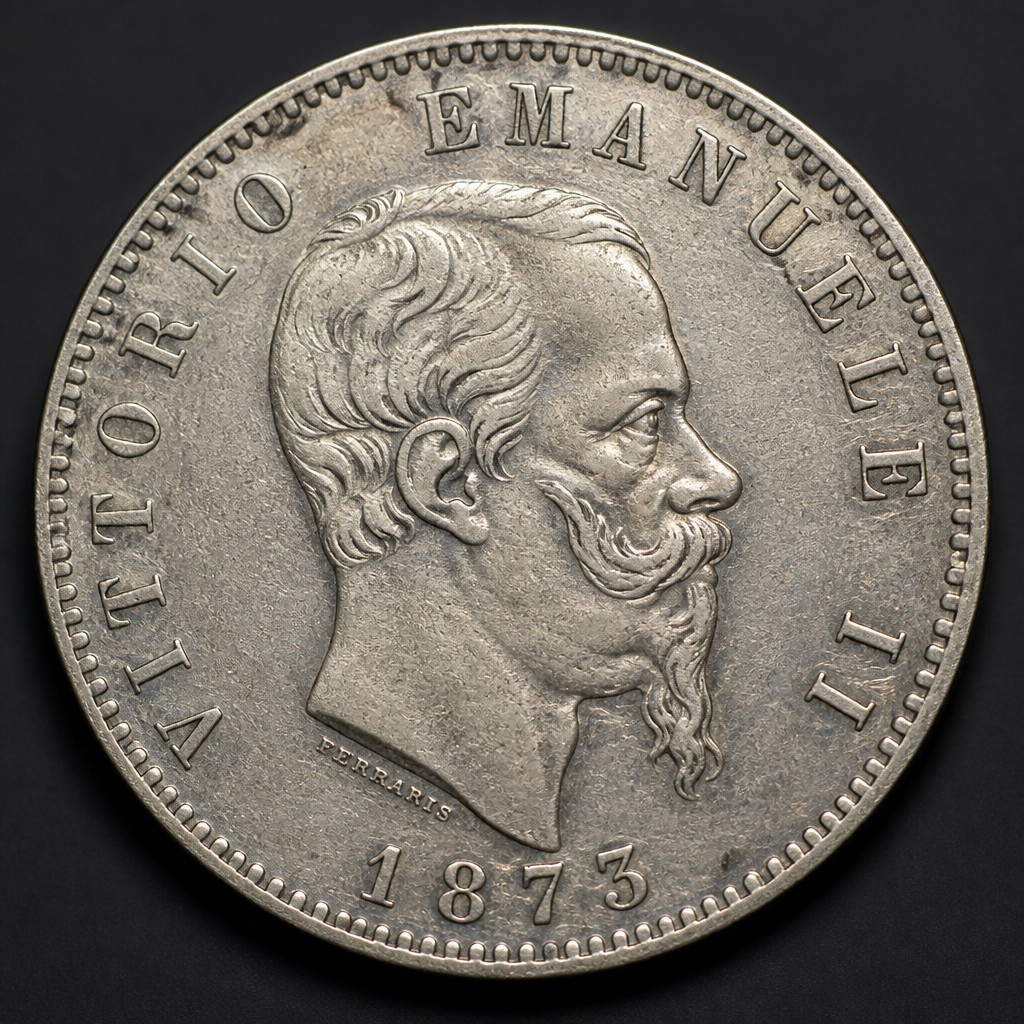
Italian 5 Lire Silver
The silver 5 Lire was the largest circulating silver coin of the newly unified Kingdom of Italy, featuring the portraits of its early kings and the national eagle, and remains a favorite of Italian collectors.
European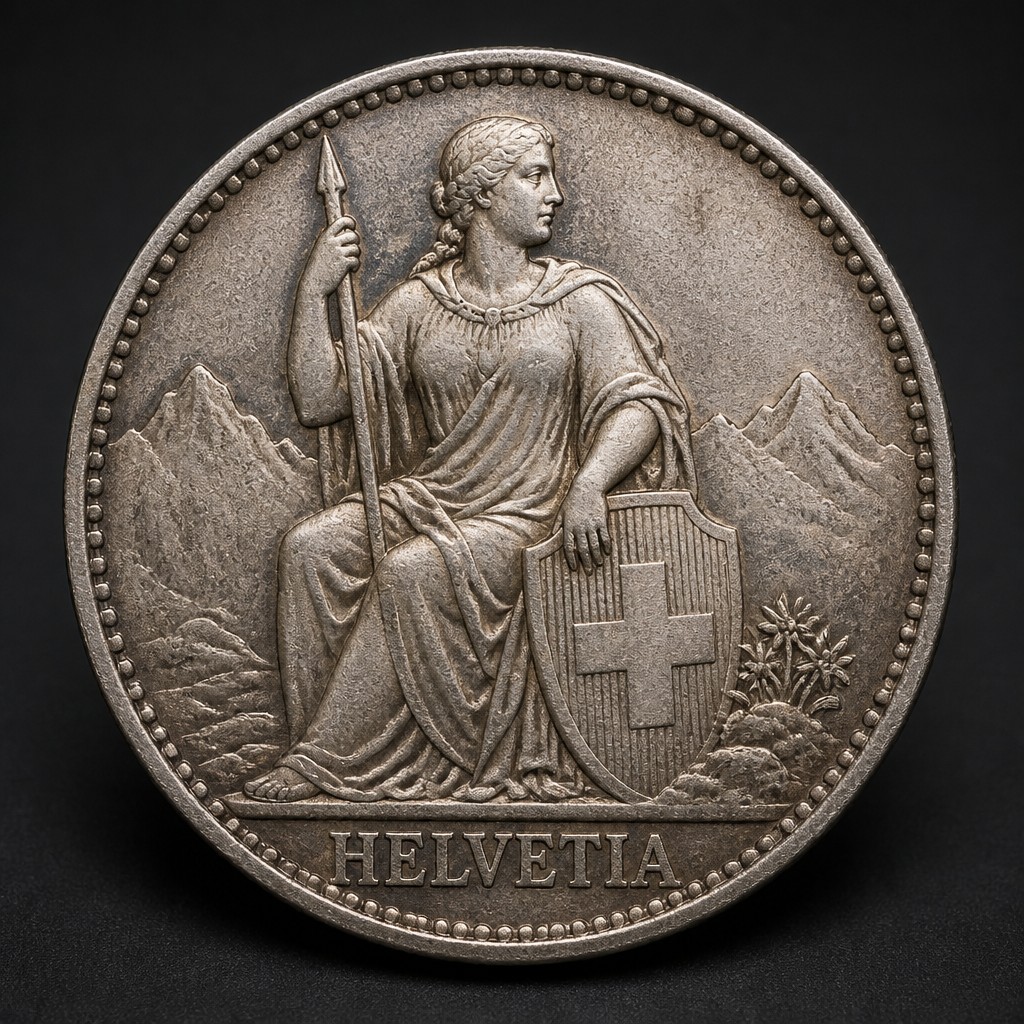
Swiss Franc (Helvetia Seated)
Switzerland's classic 19th-century silver coinage depicting a seated figure of Helvetia, the female personification of the Swiss nation.
European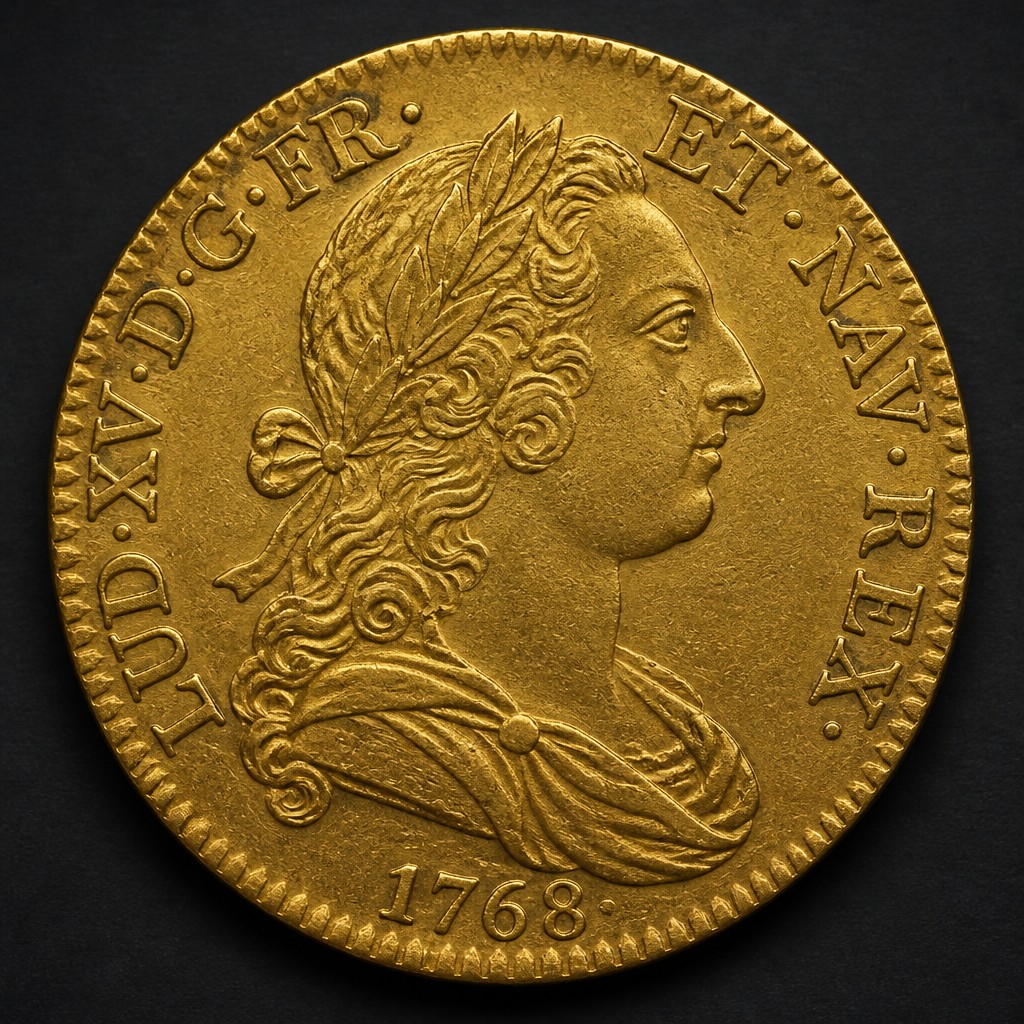
French Louis d'Or
The Louis d'Or was the principal gold coin of the French monarchy for over 150 years, named after the kings Louis who issued it, and struck until the eve of the Revolution.
European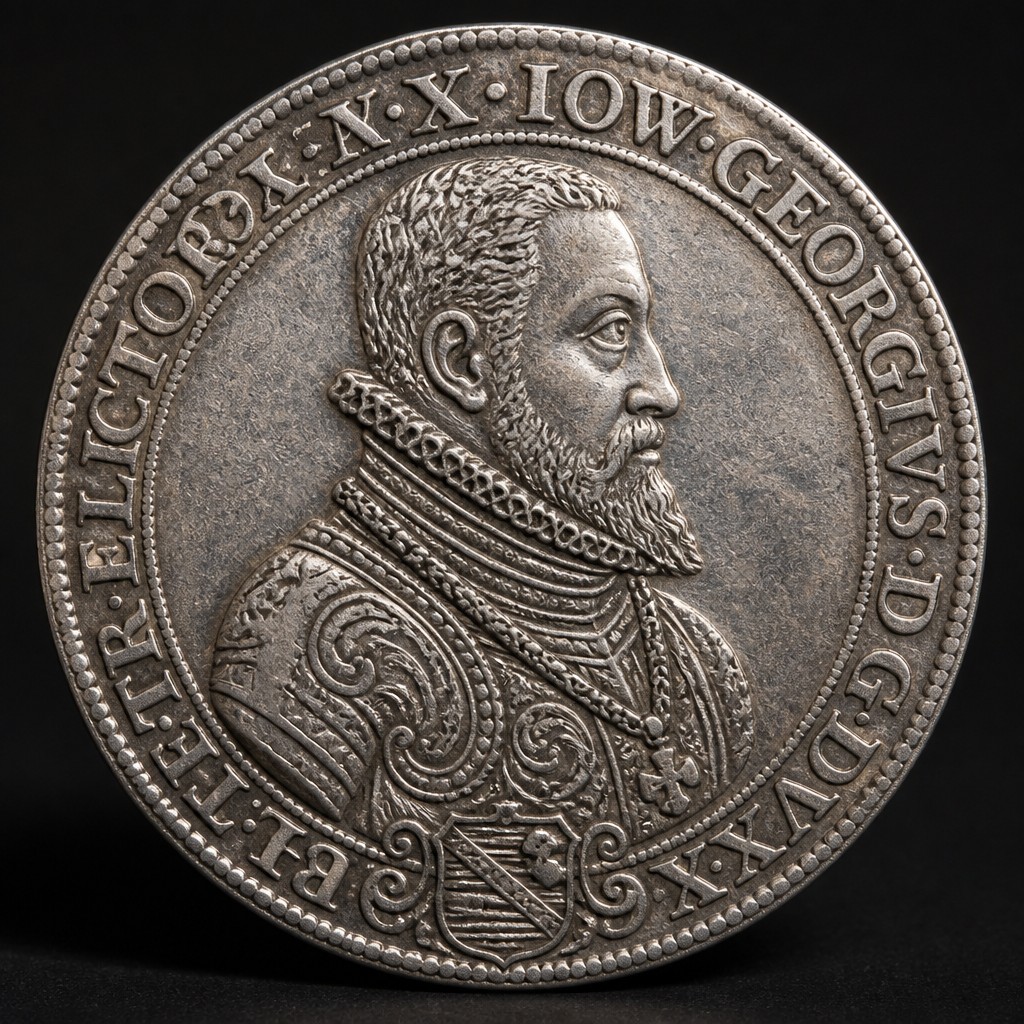
Saxony Thaler
Saxony was one of the earliest and most prolific issuers of thalers, with the electorate and later kingdom producing large silver coins from the 16th century until German unification.
European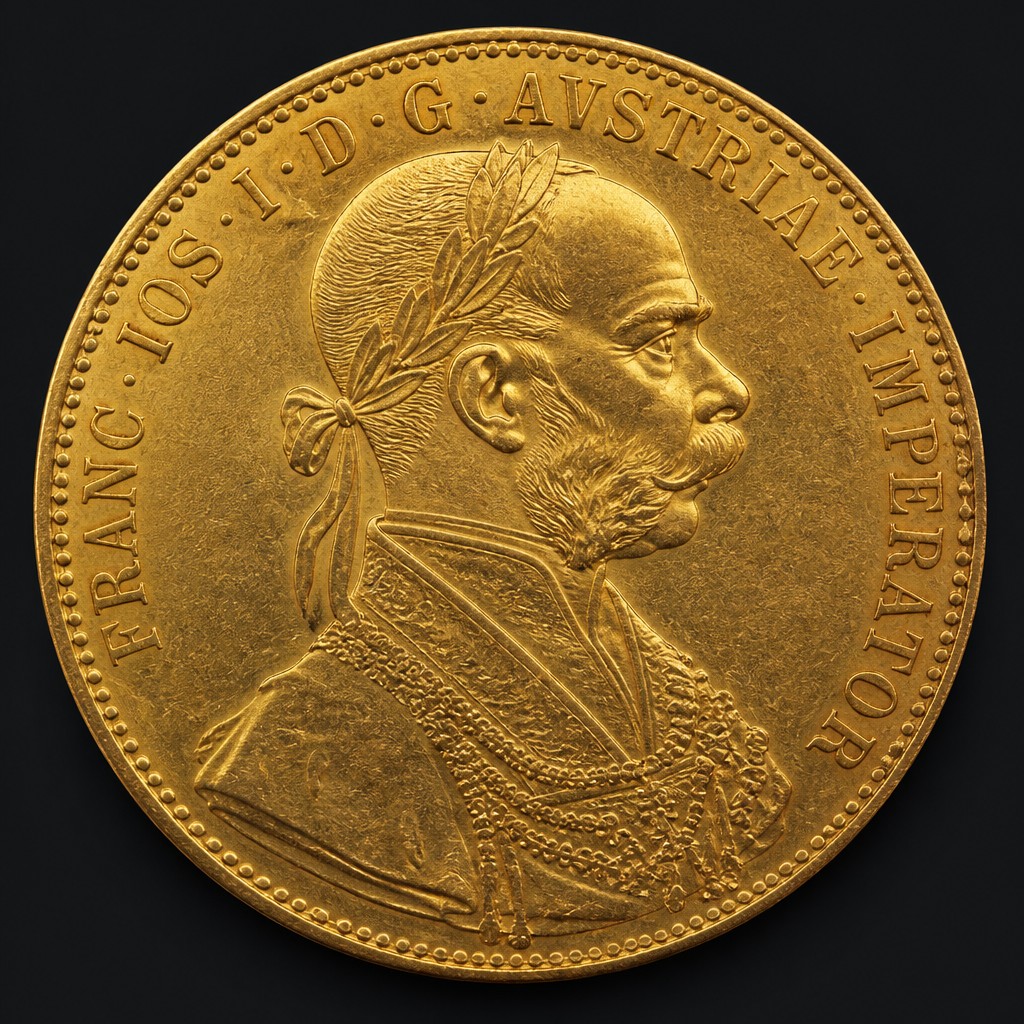
Austrian Gold Ducat
A traditional high-purity Austrian gold trade coin with centuries of history, still struck today by the Austrian Mint as an official restrike permanently dated 1915.
European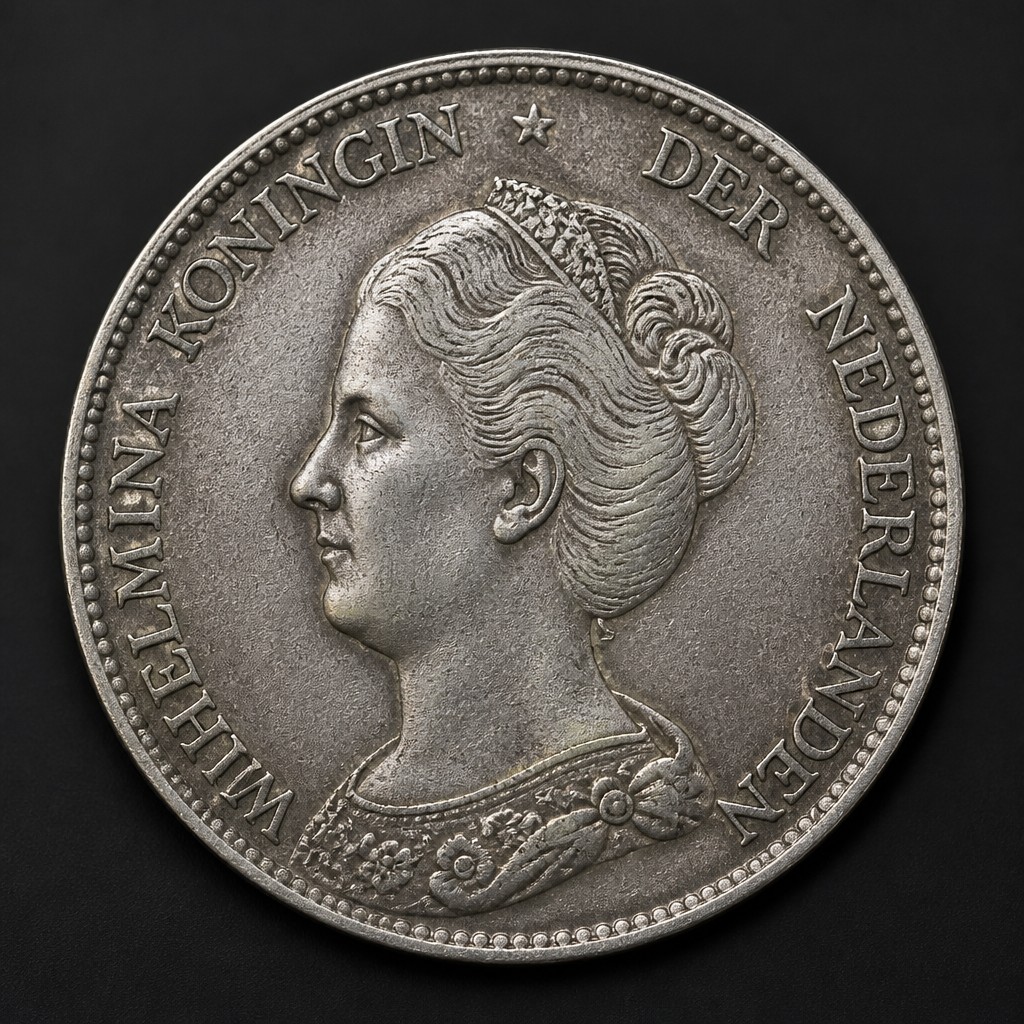
Dutch Guilder (Gulden)
The guilder was the standard currency of the Netherlands for more than three centuries, struck in silver and later copper-nickel before being replaced by the euro in 2002.
European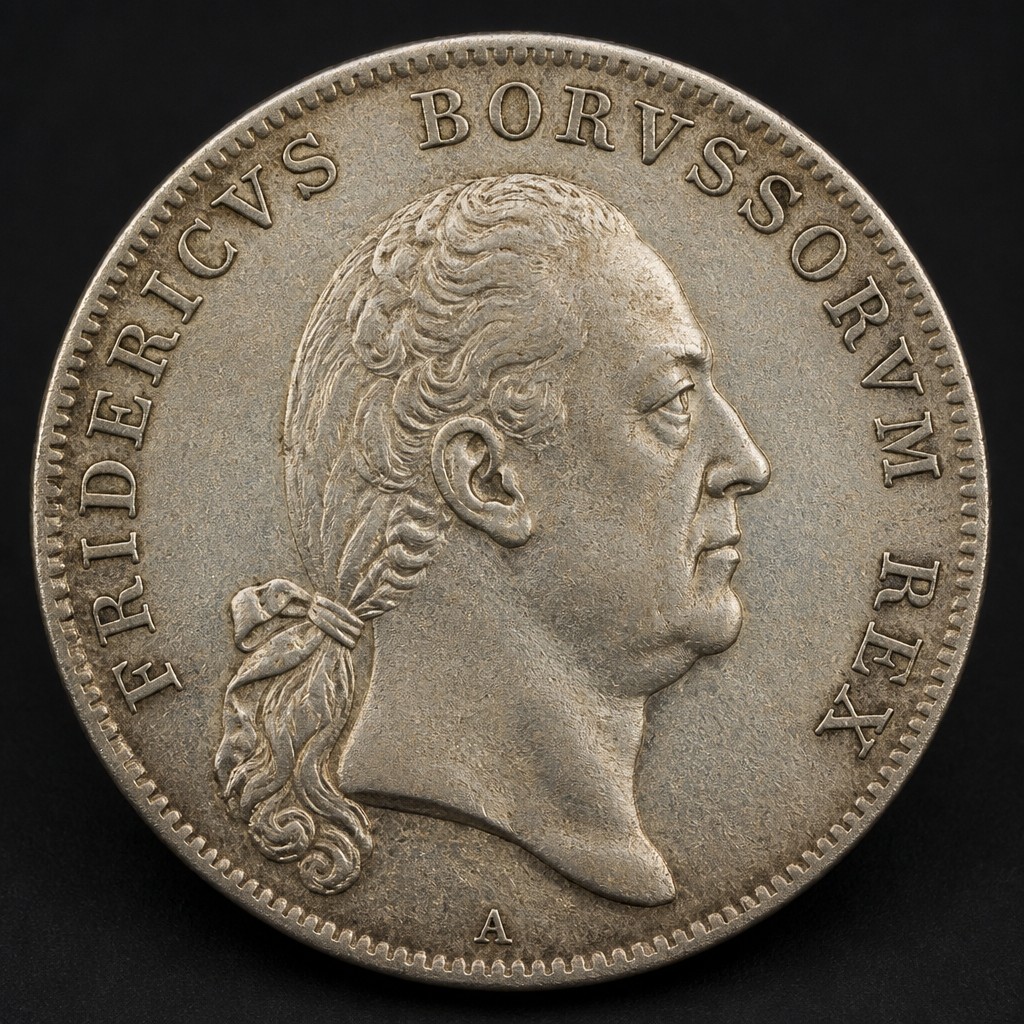
Prussian Thaler
The Prussian Thaler was the leading silver coin of the powerful Kingdom of Prussia, circulating from the mid-18th century until German unification replaced it with the mark in 1871–1873.
European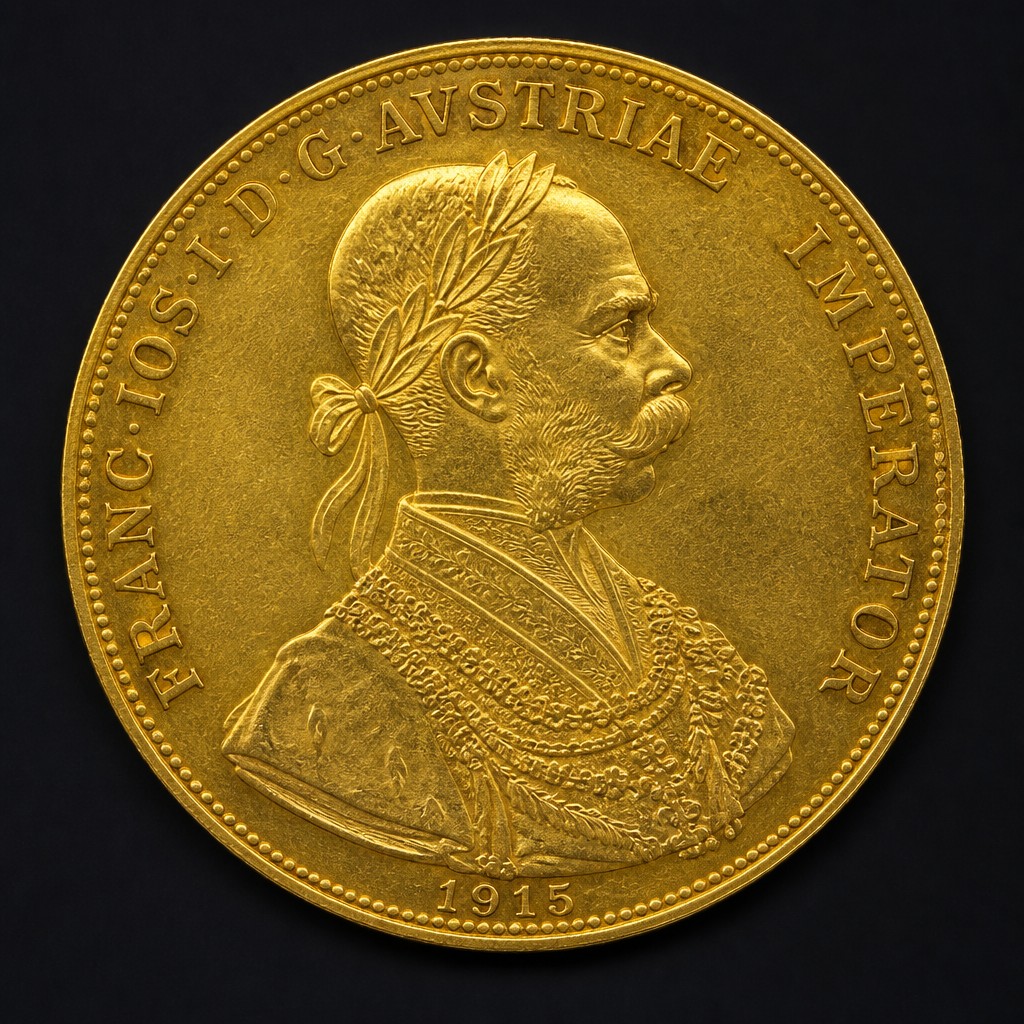
Austrian 4 Ducat Gold
The Austrian 4 Ducat is a large, high-purity gold coin historically used for trade and hoarding, best known today through the officially restruck 1915-dated pieces still produced for the bullion market.
European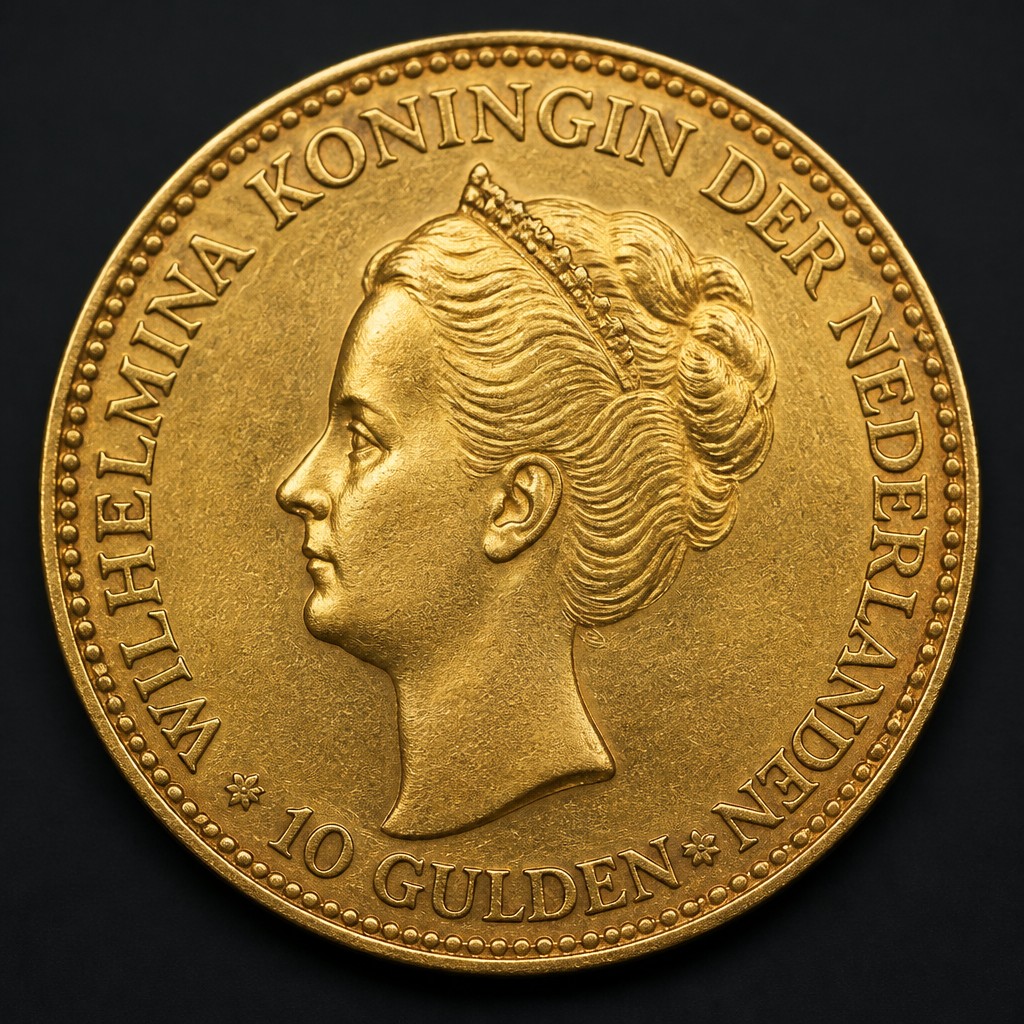
Netherlands 10 Gulden Gold (Wilhelmina)
The gold 10 Gulden coin featuring Queen Wilhelmina was the Netherlands' standard gold circulation and reserve coin in the early 20th century, later restruck as a recognized gold bullion piece.
European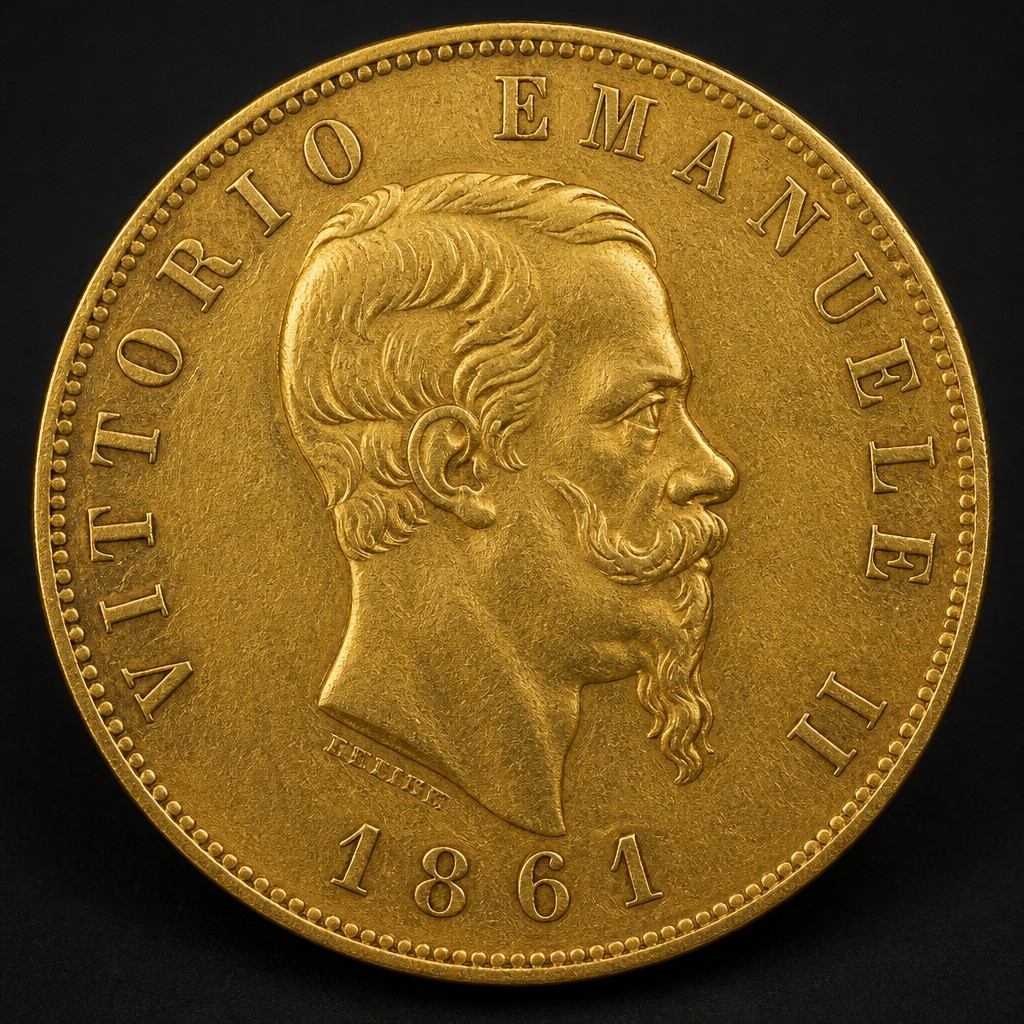
Italian 20 Lire Gold (Vittorio Emanuele)
The Kingdom of Italy's standard 20 lire gold coin, issued under kings including Vittorio Emanuele II, sharing the Latin Monetary Union's gold specifications with coins like the French Napoleon.
European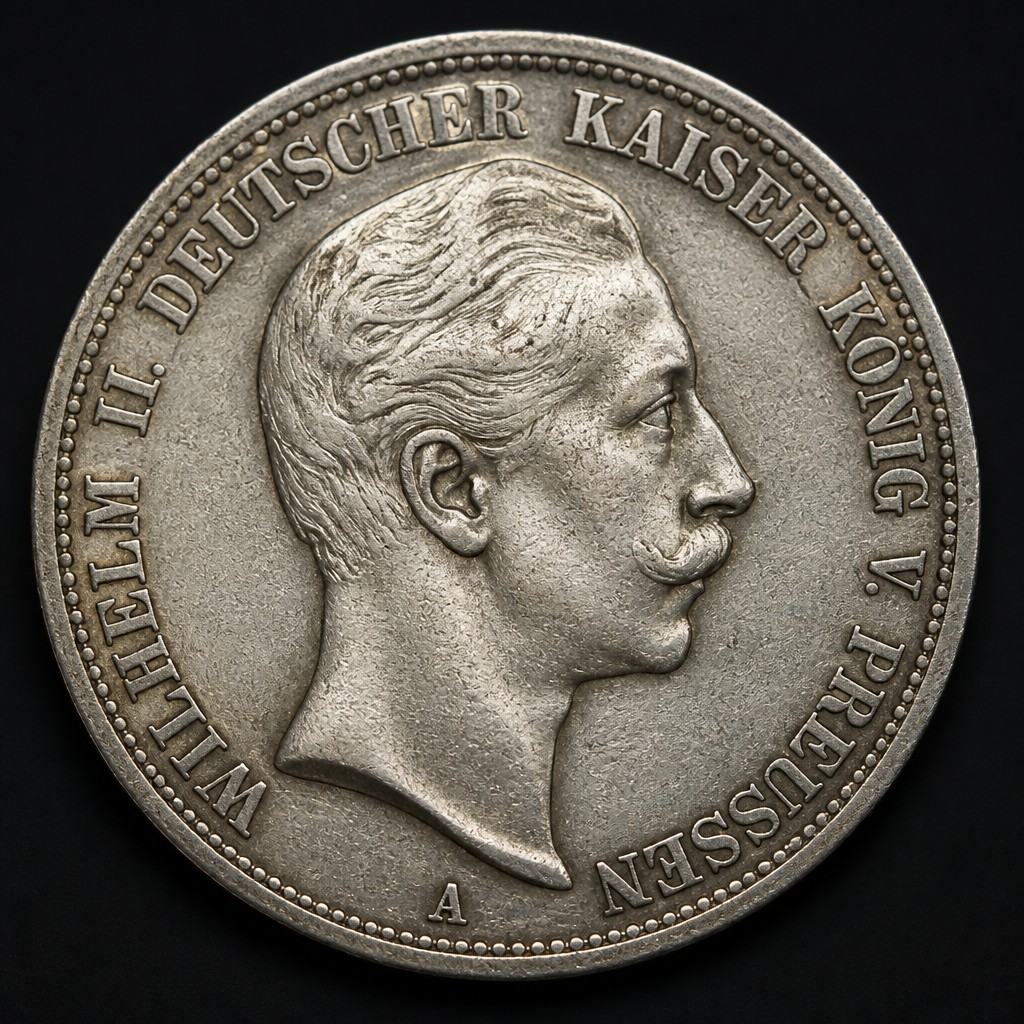
German 5 Mark Silver (Kaiserreich)
The 5 Mark was the largest circulating silver coin of the German Empire, issued by numerous constituent states and free cities, each with its own portrait or design under a common imperial system.
European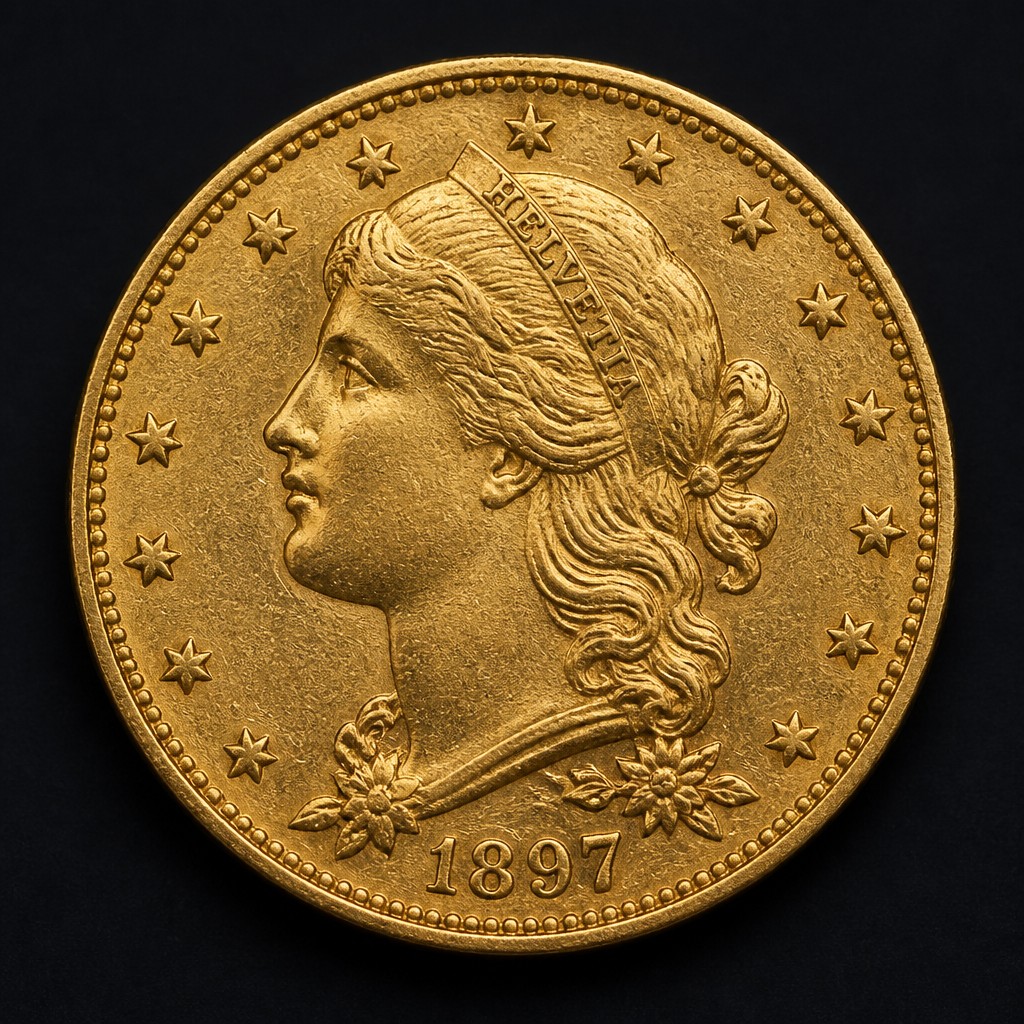
Swiss 20 Francs Gold Vreneli
Switzerland's beloved gold 20-franc coin, nicknamed "Vreneli" after the young woman on its obverse, prized worldwide as an approachable and historically rich gold bullion and collector coin.
European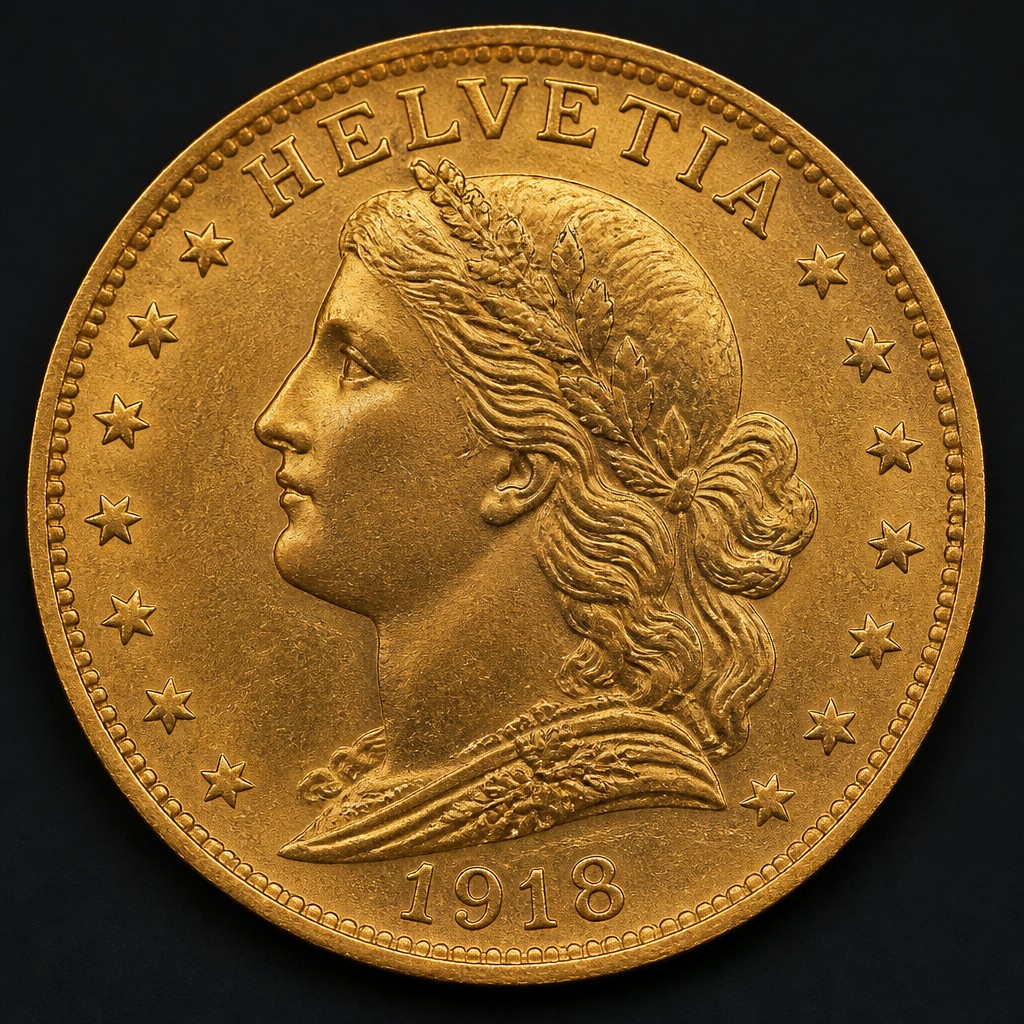
Swiss 20 Franc Vreneli
Switzerland's classic gold franc coin, depicting a young Swiss woman nicknamed Vreneli on the obverse and the Swiss shield on the reverse, a favorite of gold savers for over a century.
European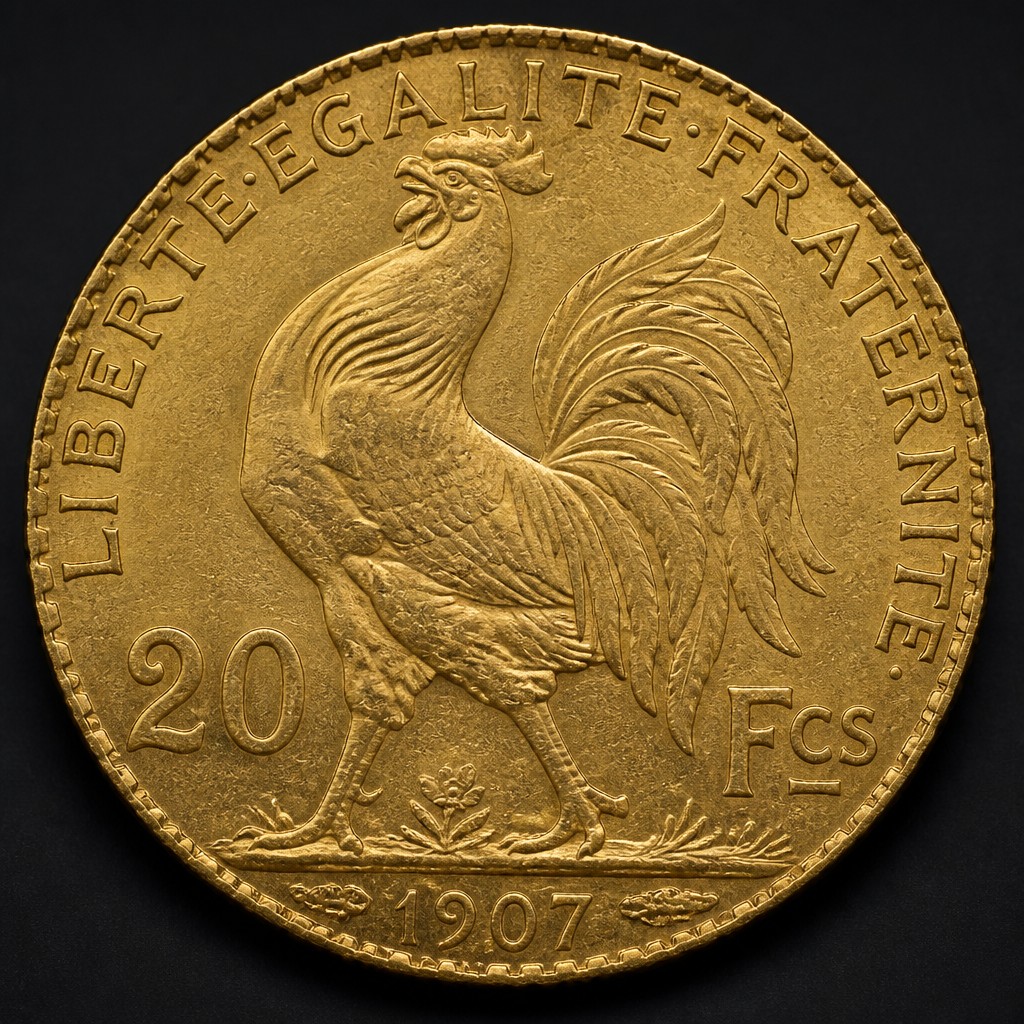
French 20 Franc Rooster
A French Third Republic gold coin replacing royal and imperial portraits with republican symbolism: Marianne on the obverse and a standing Gallic rooster on the reverse.
European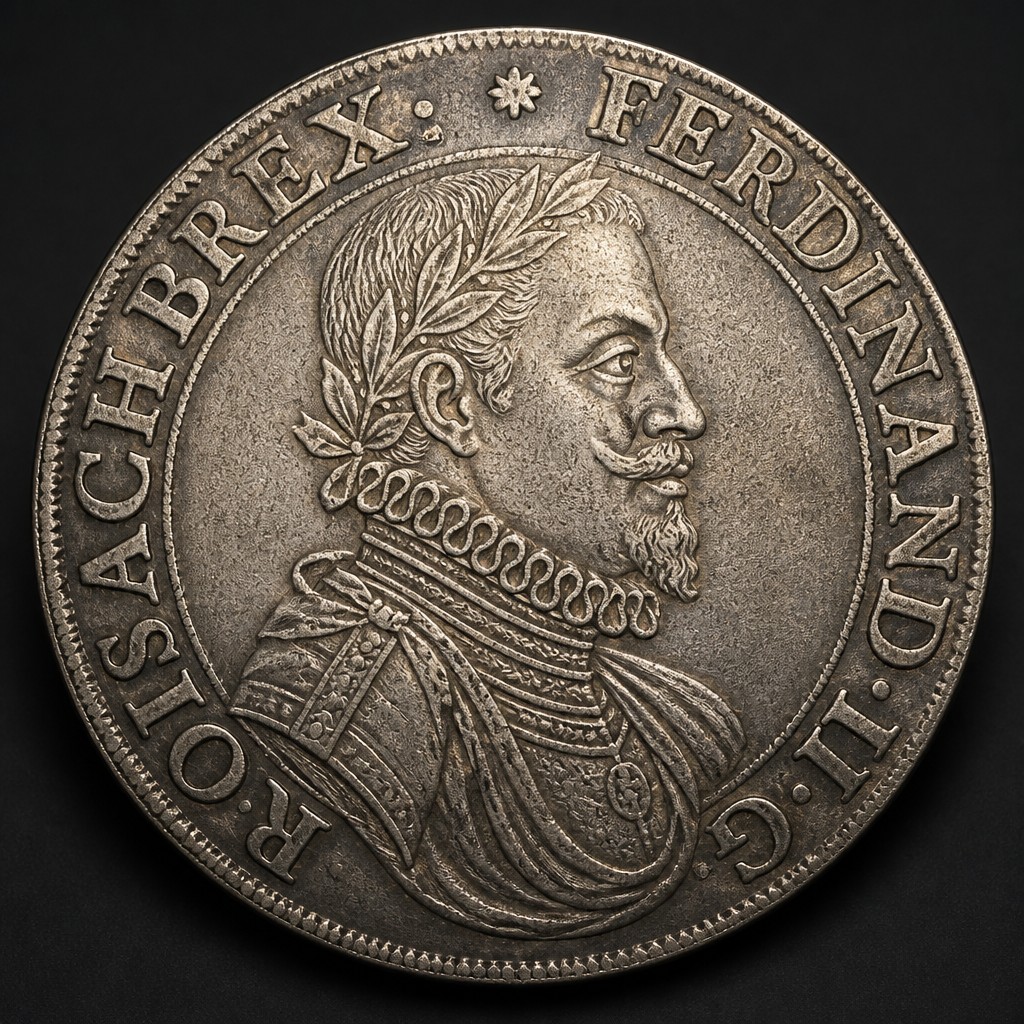
German States Thaler
A large silver coin struck by the many independent states of the German-speaking world for over three centuries, and the direct linguistic ancestor of the word 'dollar.'
European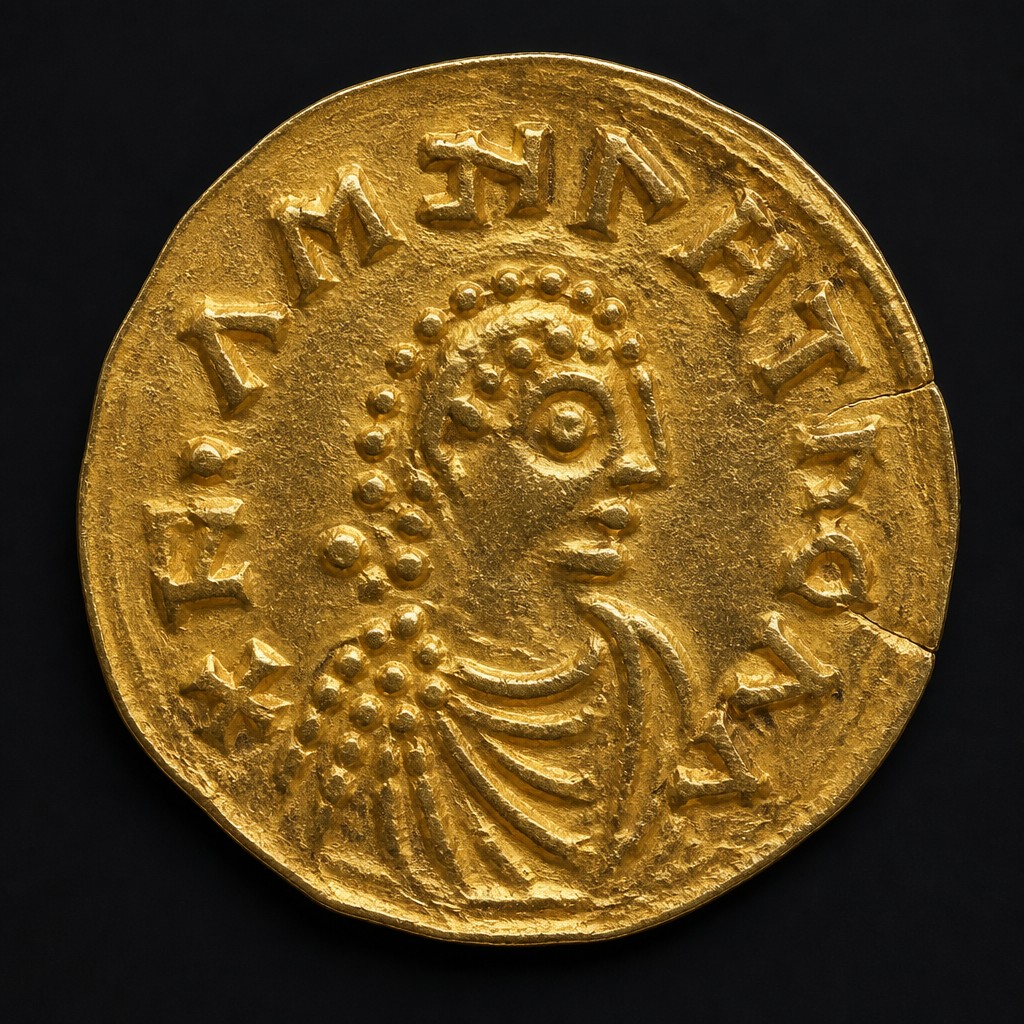
Merovingian Gold Tremissis
A small gold coin of the Merovingian Frankish kingdom, worth one-third of a solidus, often naming the local moneyer who struck it rather than the reigning king.
European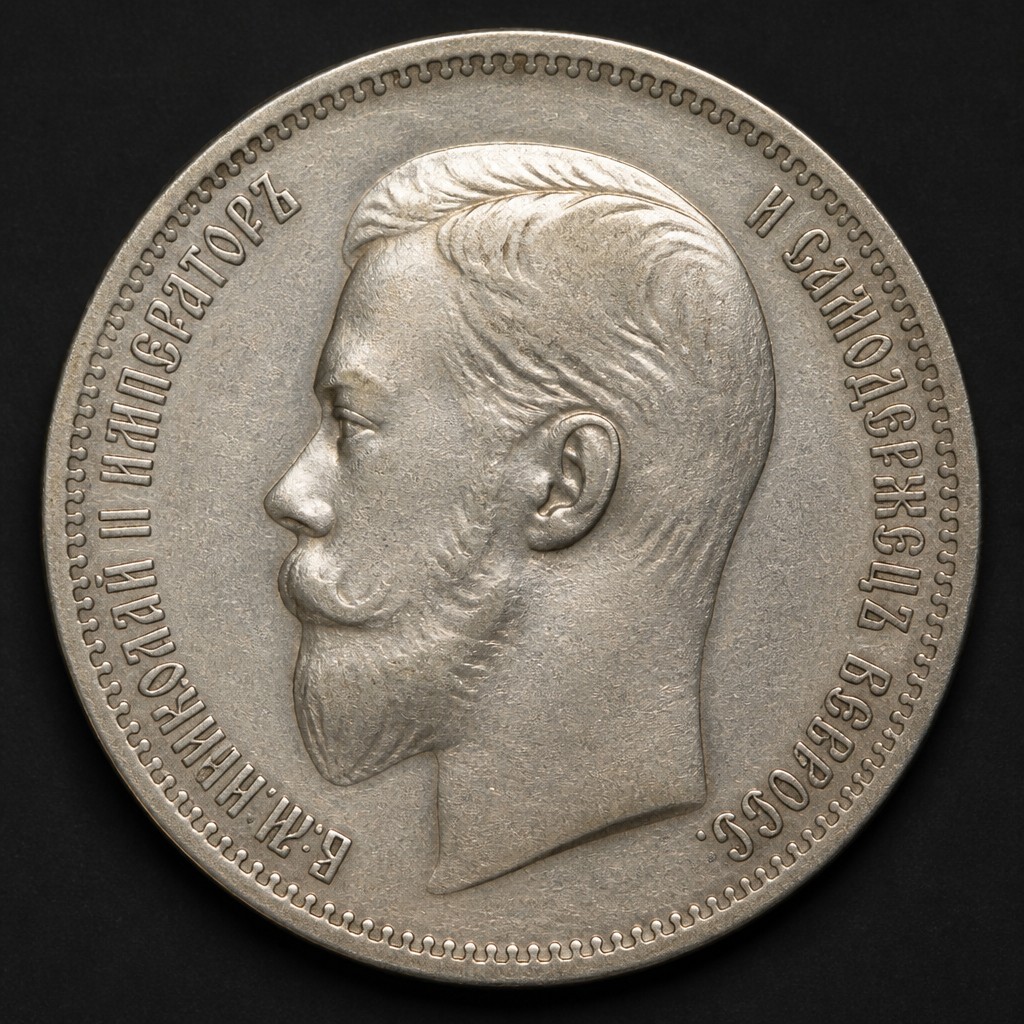
Russian Ruble (Imperial)
The principal silver coin of the Russian Empire, struck for over two centuries and bearing the portraits of successive tsars and the imperial double-headed eagle.
European