
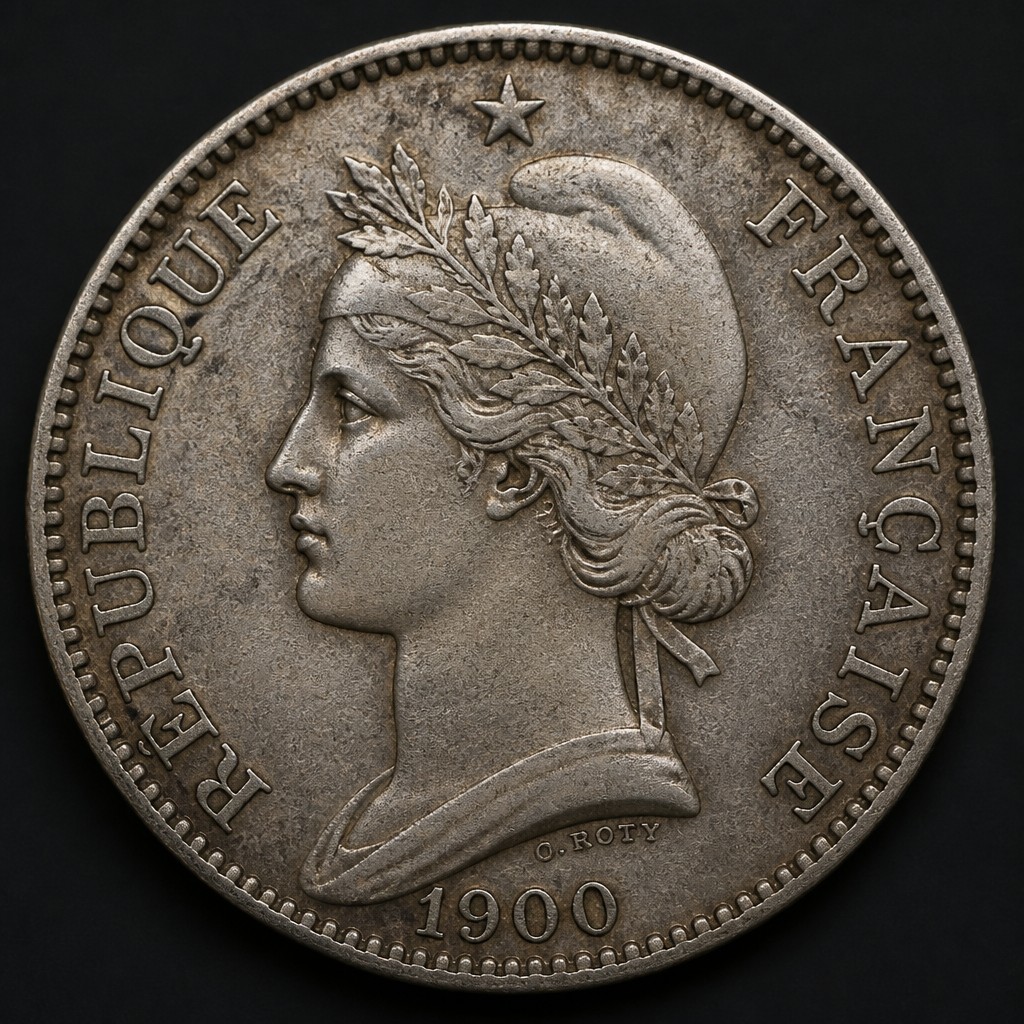
French 2 Francs (Silver)
A workhorse French silver denomination struck across the Napoleonic, Restoration, and Republican eras, later famous for the Semeuse (Sower) design.
- Country
- France
- Denomination
- 2 Francs
- Metal
- Silver (.835 fine, later .500 fine)
Got a coin like this?
Identify any coin from a photo, free.
Overview
The French 2 Francs silver coin was a mid-value denomination within France's decimal franc system, established after the Revolution and continued through numerous political regimes. It bridges France's monarchical, imperial, and republican coinage traditions in a single denomination.
The most iconic version among collectors is the Third Republic's Semeuse (Sower) design by Oscar Roty, showing an allegorical female figure sowing seed, which became one of the most enduring images in French numismatics.
Because the 2 Francs spans so many reigns and republics, it offers collectors an accessible way to build a type set illustrating France's turbulent 19th- and early 20th-century political history.
History & Background
France introduced its decimal franc system in the 1790s following the Revolution, with the 2 Francs silver coin appearing among the early denominations. Over the following century, the coin was restruck under Napoleon Bonaparte, the restored Bourbon and Orléans monarchies, Napoleon III's Second Empire, and the Third Republic, each issuing distinctive obverse portraits or allegorical designs.
The Semeuse design, introduced in 1898 for silver franc denominations, became the signature Third Republic image, portraying France as a sower scattering seeds of liberty, and it remained in use with modifications into the 1920s before the coin's silver content and size were eventually reduced or replaced.
As France's currency evolved through the 20th century, the 2 Francs eventually transitioned to smaller base-metal coinage, ending the long run of the silver franc denominations.
How to Identify
Earlier 2 Francs types show the profile portrait of the ruling monarch or emperor (such as Napoleon I or Napoleon III) on the obverse with a laurel wreath, while the Third Republic Semeuse type instead shows the sowing figure walking left with sun rays behind her.
Reverses typically display the denomination within a wreath along with the date, and the coin's edge may be reeded or lettered depending on the specific type and era.
Collectors distinguish types primarily by portrait or Semeuse style, mint letter (Paris coins usually unmarked or letter A), and date, while silver fineness dropped from the original .900/.835 standard to .500 fine in later 1920s issues, a detail sometimes noted by a design change in the edge lettering.
Value & Collectibility
Common Third Republic Semeuse 2 Francs coins from the late 19th and early 20th centuries are widely available and inexpensive in circulated grades, making them a popular type coin for beginning collectors of French numismatics.
Earlier imperial or monarchy-era 2 Francs pieces are scarcer and generally command higher prices, particularly in higher grades or for less common dates.
Most common-date circulated Semeuse 2 Francs coins trade for modest sums (often under $20), while scarce dates, mint errors, or superb uncirculated examples can be worth considerably more.
Frequently asked questions
What is the Semeuse design?
It is Oscar Roty's allegorical image of a sower scattering seed, introduced in 1898 and used on French silver franc coinage into the 20th century.
Is the French 2 Francs always silver?
No, later 20th-century 2 Francs coins were struck in base metals; only the earlier and Semeuse-era issues are silver.
Which French rulers appear on 2 Francs coins?
Depending on the era, portraits of Napoleon I, the restored Bourbon/Orléans kings, and Napoleon III appear, alongside the later Republican Semeuse allegory.
What is the silver purity of the 2 Francs?
It varied by era, generally .900 or .835 fine in the 19th century, dropping to .500 fine in some 1920s issues.
Other coins you may enjoy
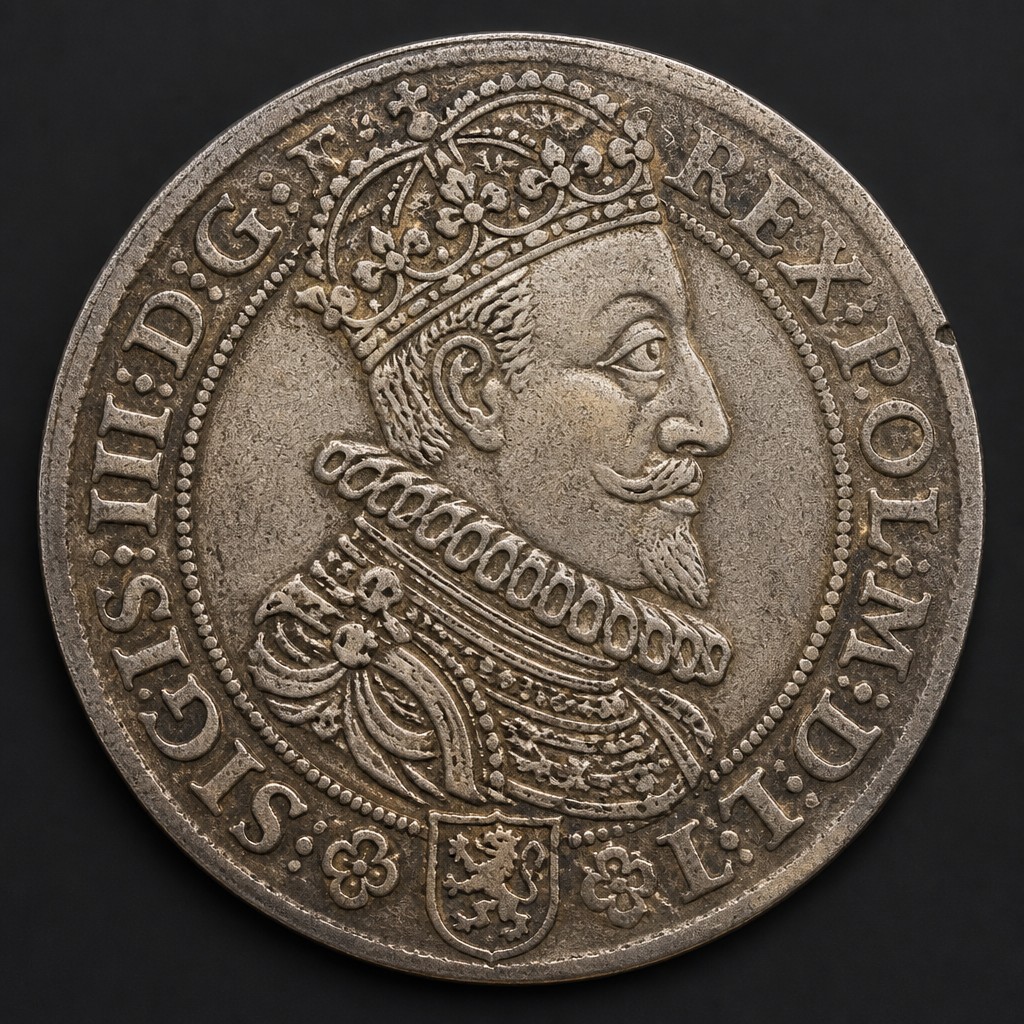
Polish-Lithuanian Thaler
circa 16th–18th century
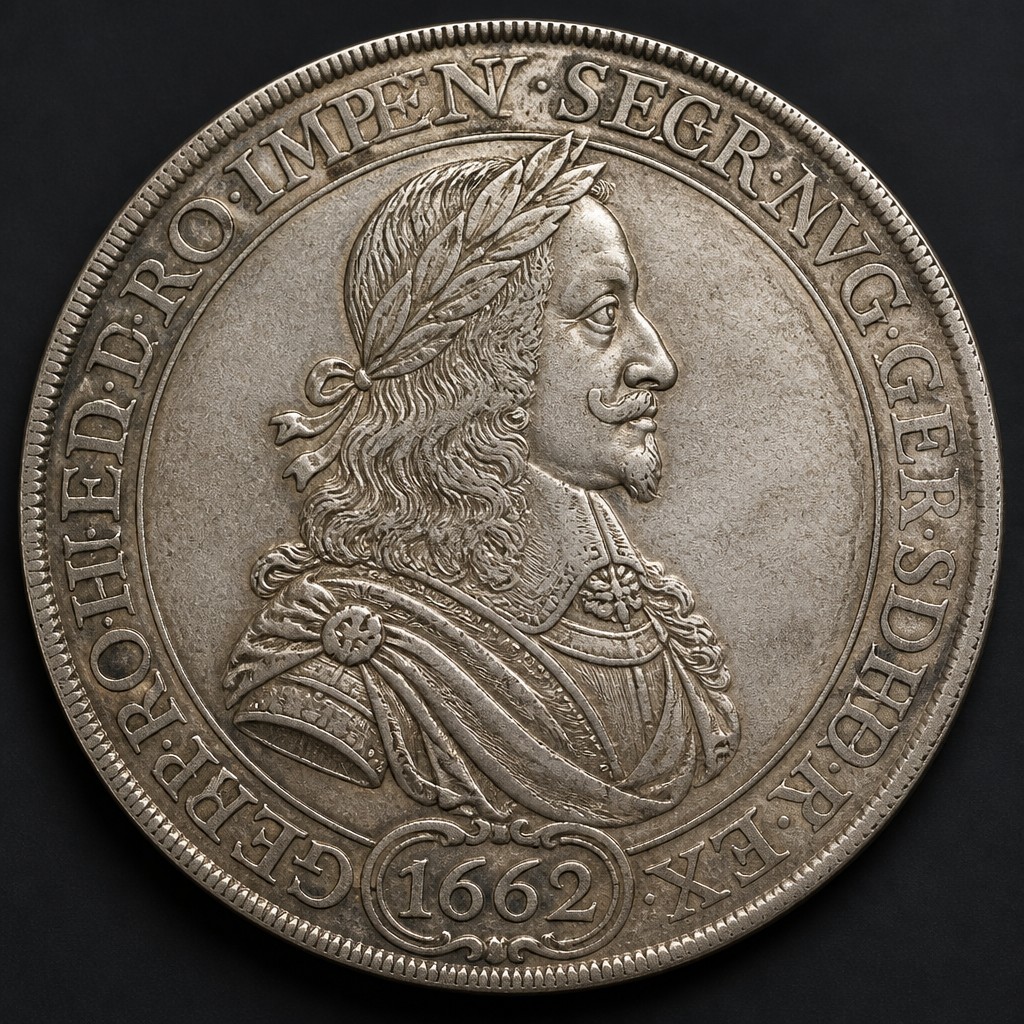
Reichsthaler
circa 1566–early 19th century
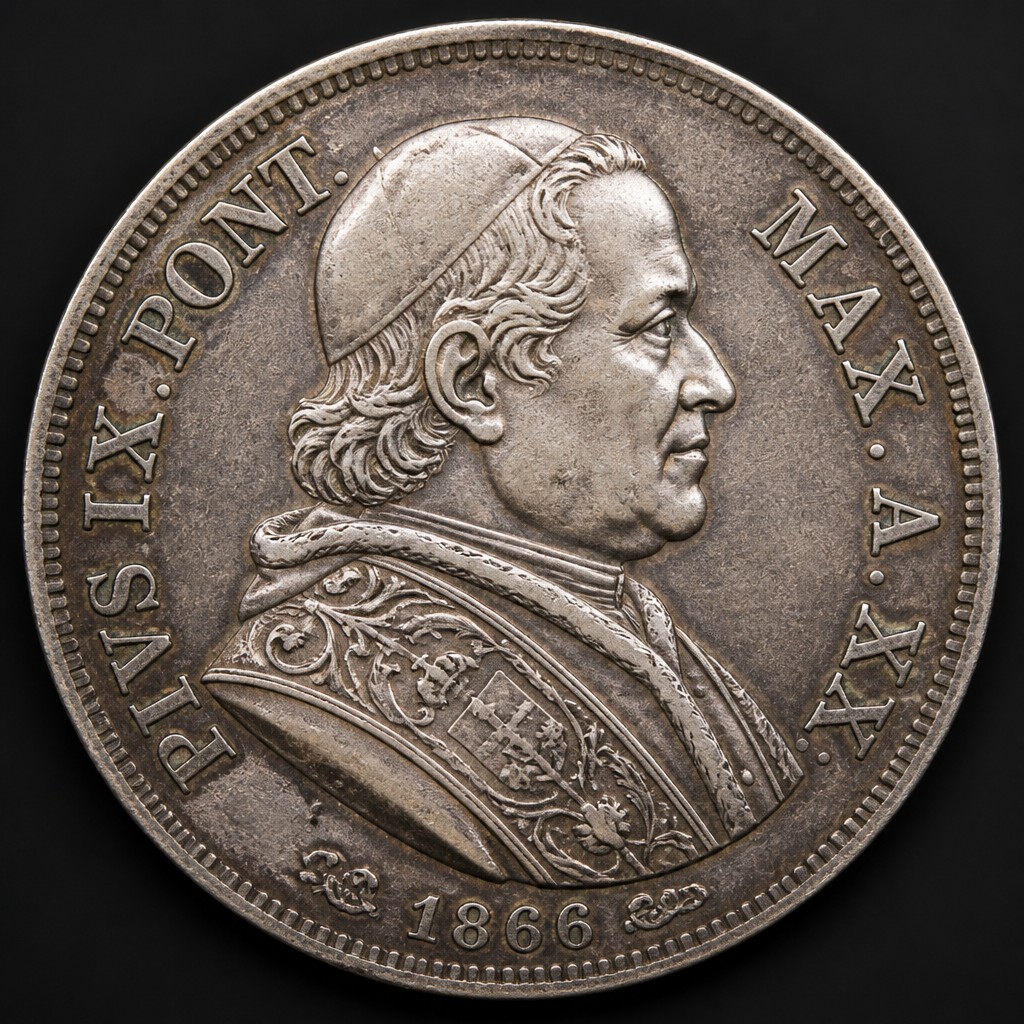
Papal States Scudo
16th century–1866
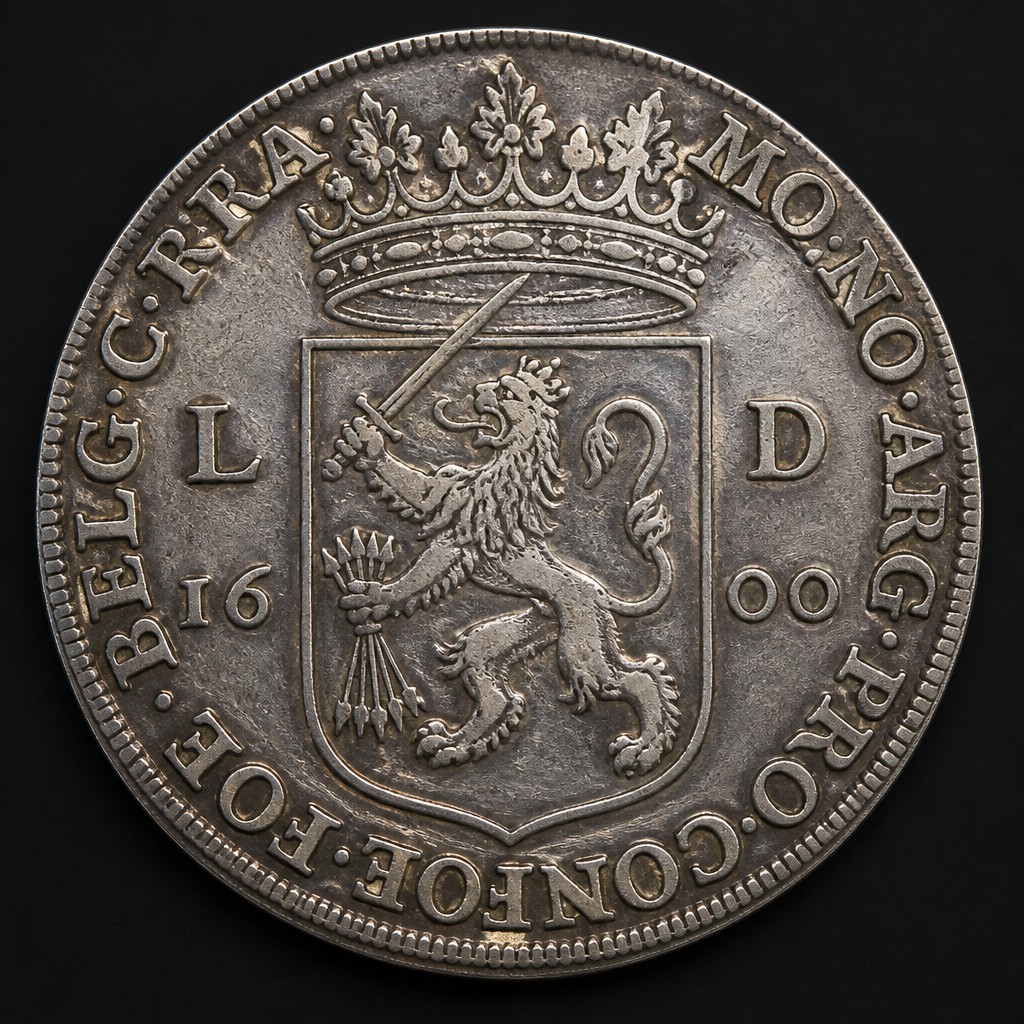
Netherlands Lion Daalder (Leeuwendaalder)
1575–1713
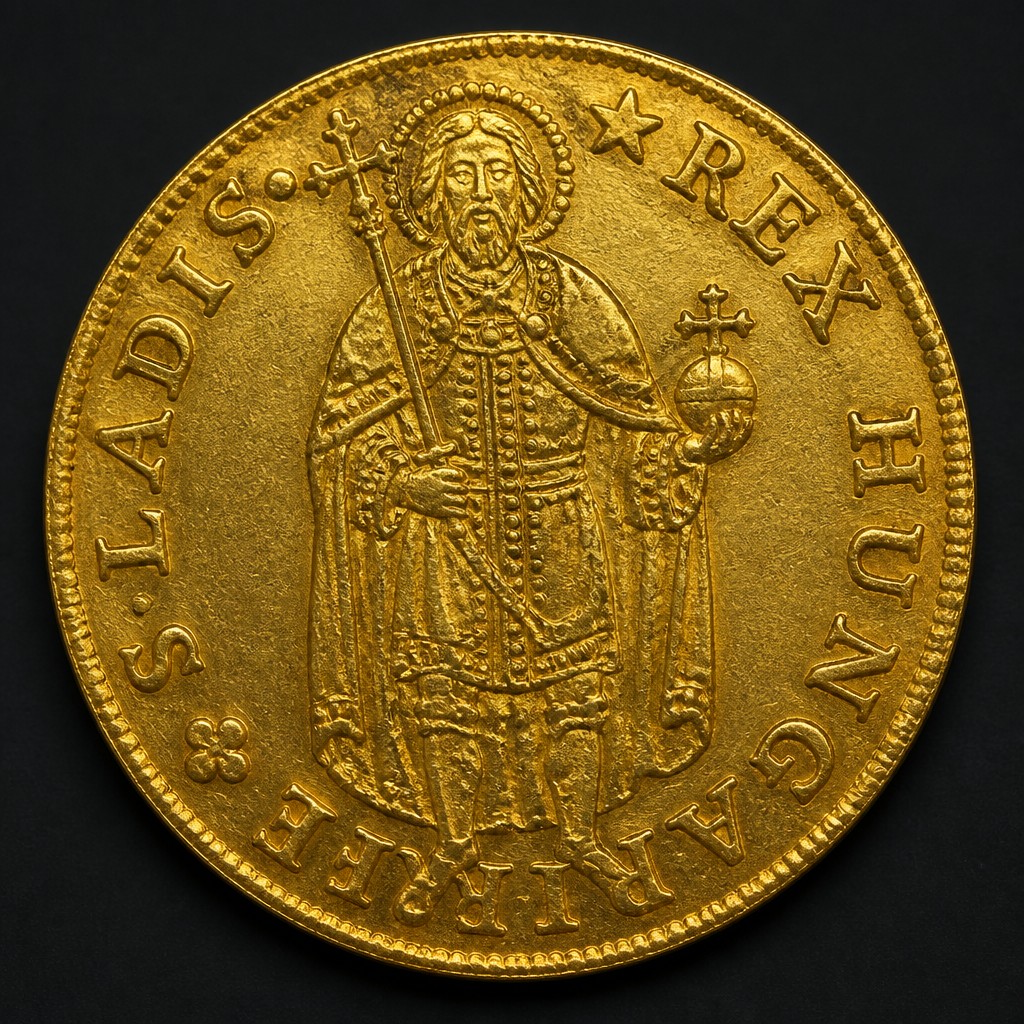
Hungarian Ducat
c. 1325–1918
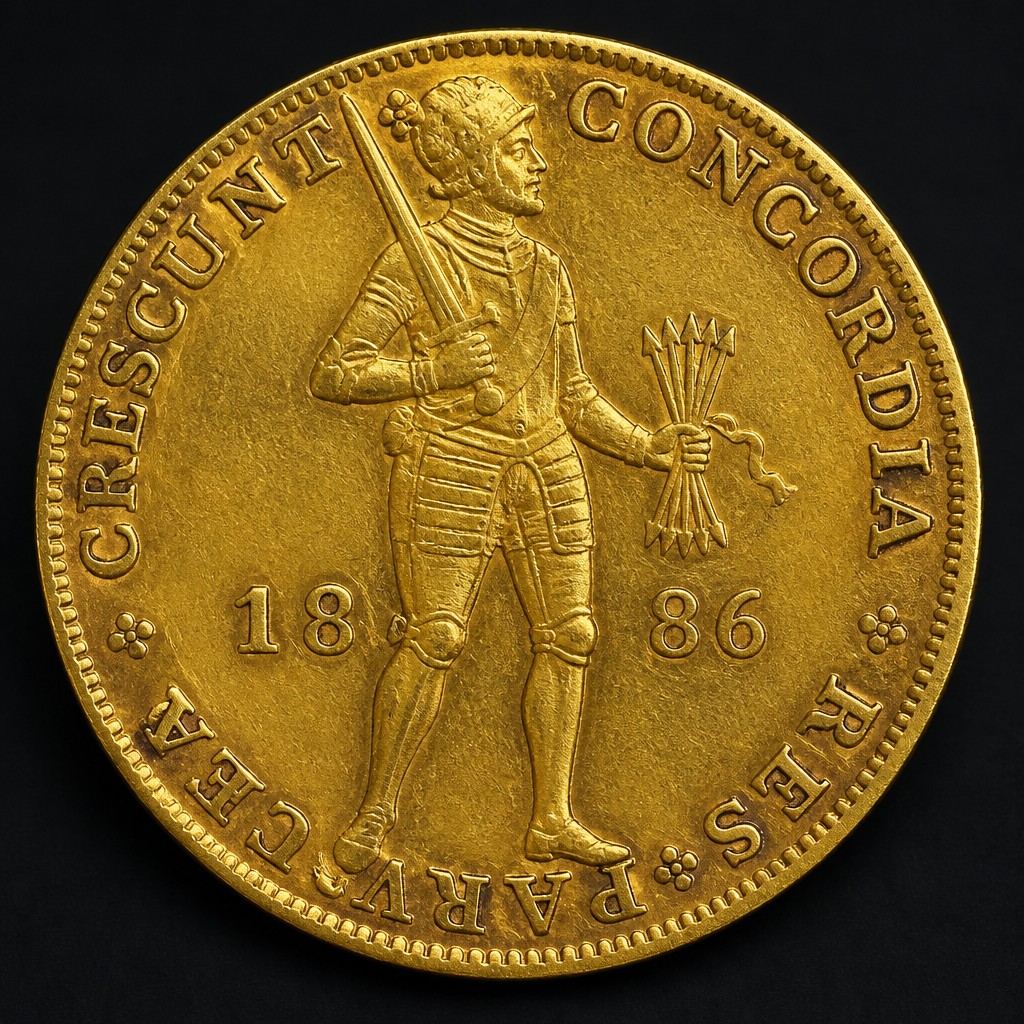
Dutch Ducat
c. 1586–present (classic type standardized after 1817)
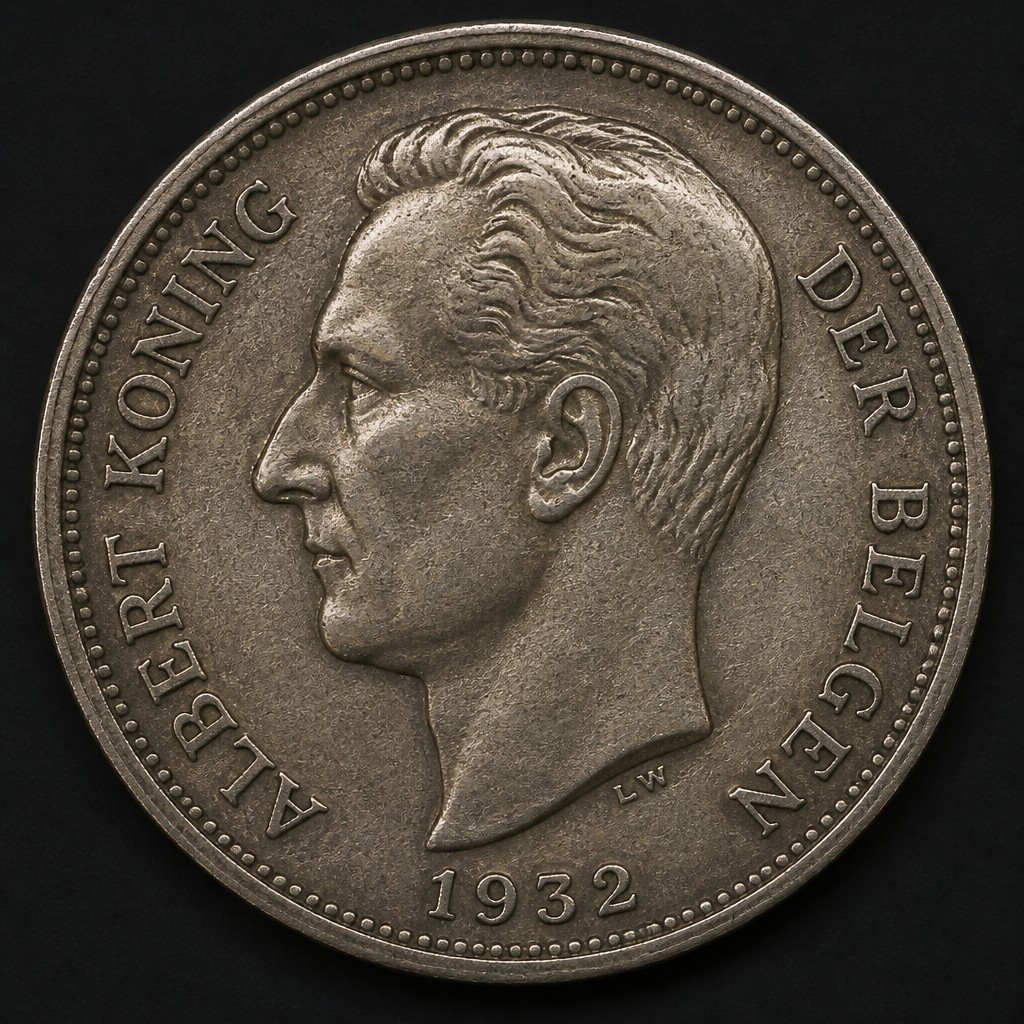
Belgian Franc
1832–2002
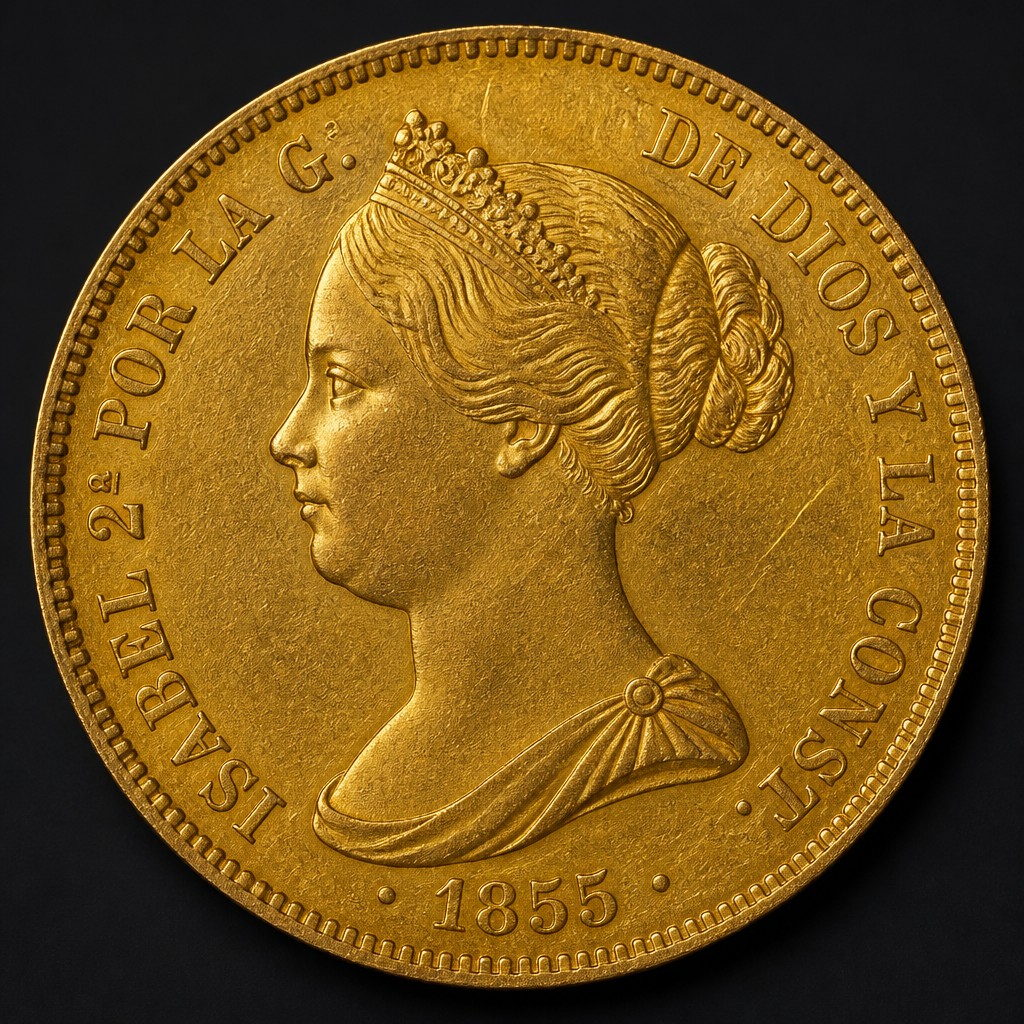
Spanish 100 Reales Gold (Isabel II)
1850s–1868
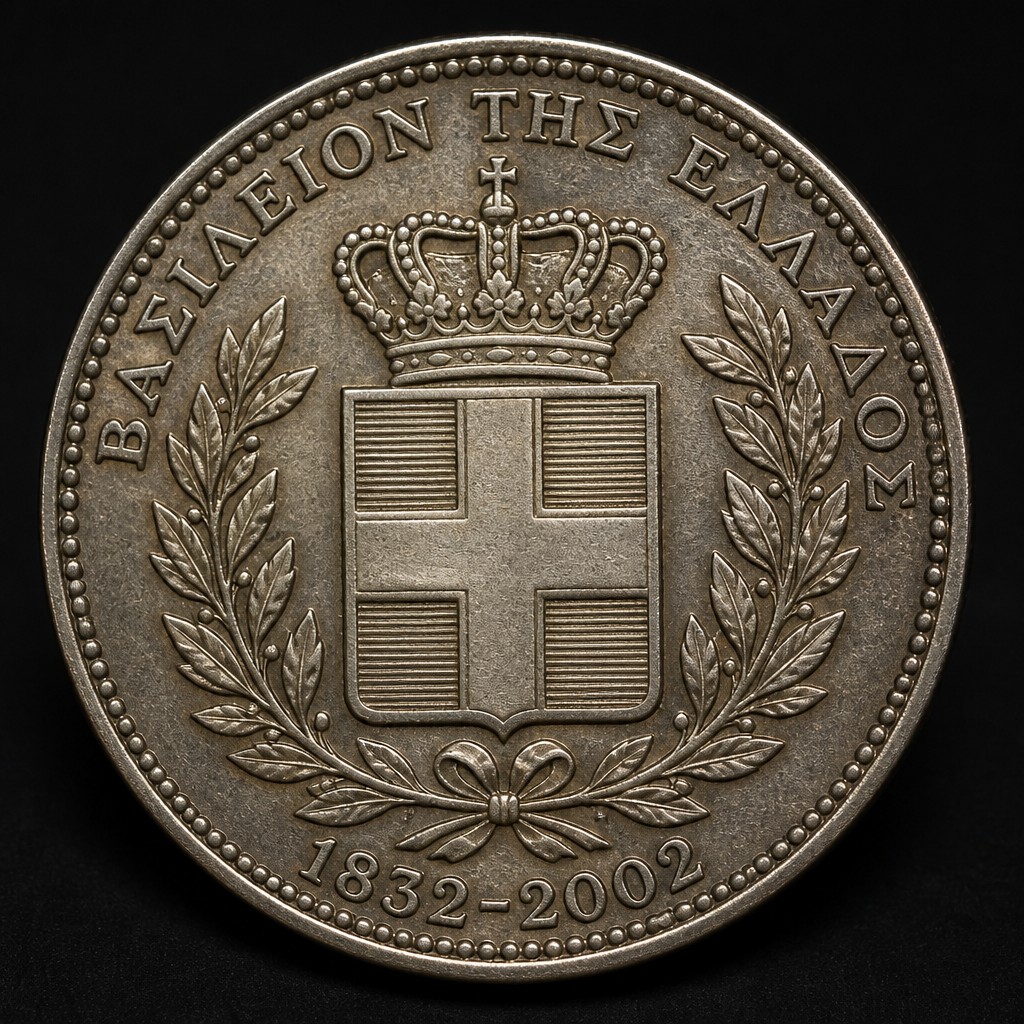
Greek Drachma
1832–2002
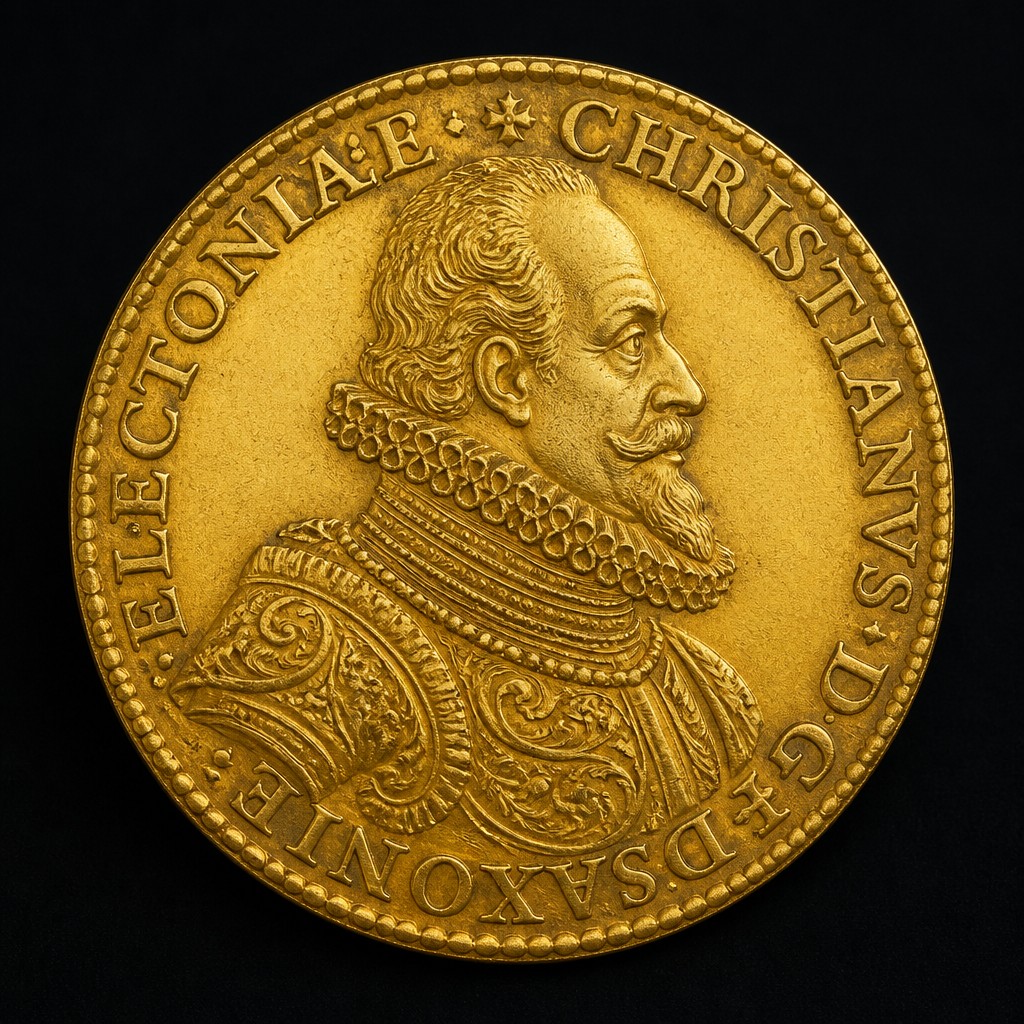
German Saxony Ducat
16th century–19th century
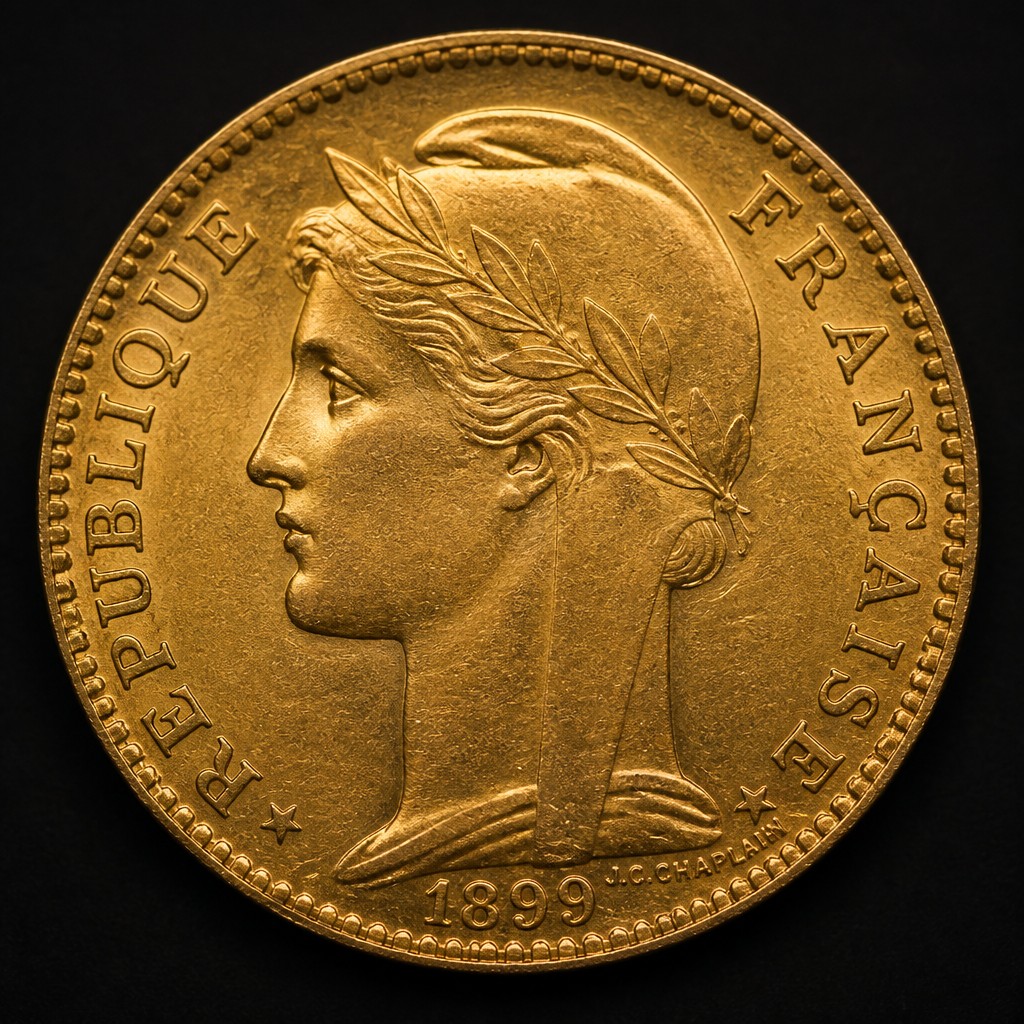
French 10 Francs Gold (Napoleon Rooster)
1899–1914
Netherlands 5 Gulden Gold
1826–1912 (intermittent)