
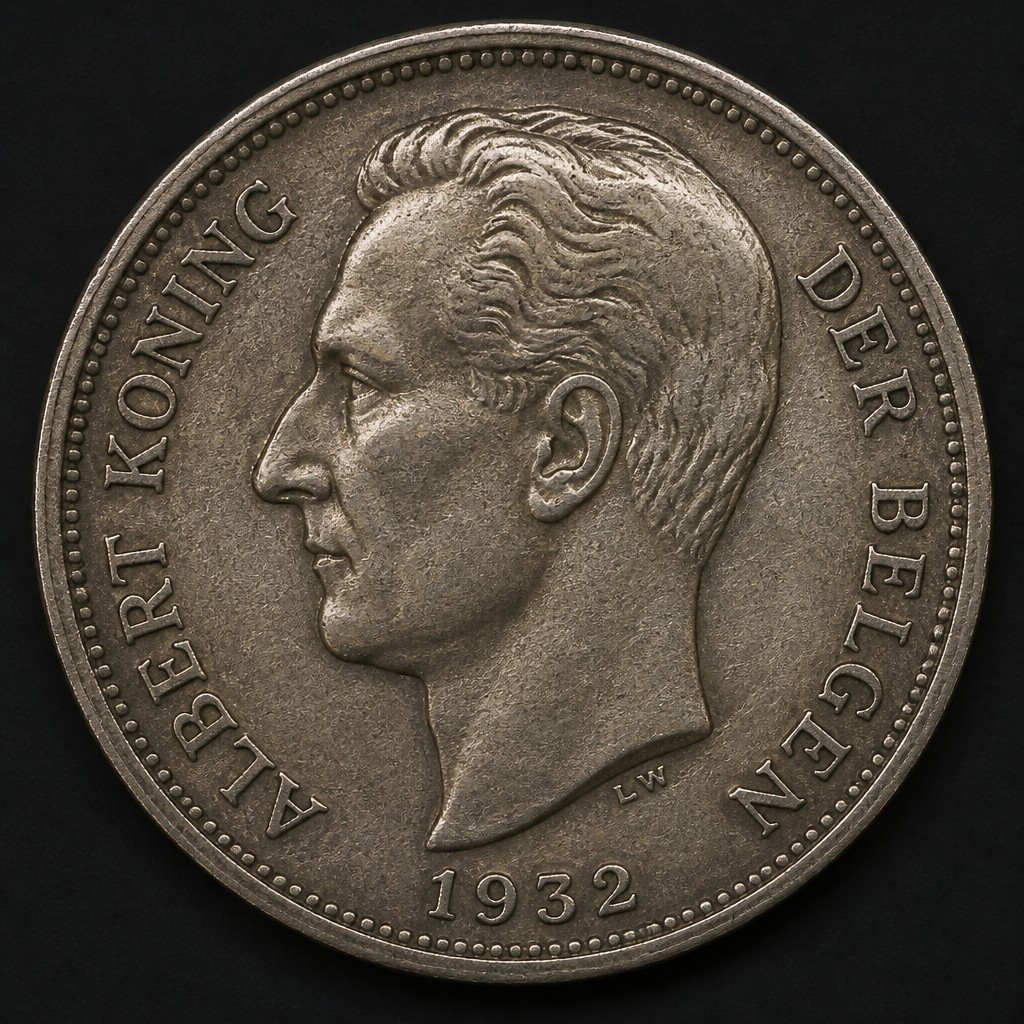
Belgian Franc
Belgium's national currency from independence in 1830 through the Latin Monetary Union era and into the Euro age, minted in both French and Dutch legends.
- Country
- Belgium
- Denomination
- Franc
- Metal
- Silver, Copper-Nickel, and Bronze (varies by era)
Got a coin like this?
Identify any coin from a photo, free.
Overview
The Belgian franc served as the kingdom's official currency for over 170 years, from shortly after Belgian independence in 1830 until the introduction of the Euro in the early 2000s.
As a founding member of the Latin Monetary Union, Belgium's franc coinage shared standards of size and fineness with France, Italy, and Switzerland, and Belgian franc coins often mirror French designs of the same era while carrying distinctly Belgian royal portraits and legends.
Collectors appreciate the Belgian franc series for its long span across the reigns of successive Belgian kings and for the bilingual (French/Dutch) inscriptions that reflect the country's linguistic communities.
History & Background
Belgium adopted the franc as its national currency shortly after gaining independence from the Netherlands in 1830, modeling its new coinage on the French franc system. The country became a founding member of the Latin Monetary Union in 1865, further standardizing its silver and gold coinage alongside France, Italy, Switzerland, and later Greece.
Belgian franc coins were struck under successive kings including Leopold I, Leopold II, Albert I, Leopold III, and Baudouin, with designs and legends periodically alternating between French and Dutch to reflect Belgium's two main linguistic communities.
The Belgian franc remained in circulation through the 20th century, surviving two world wars and numerous economic changes, until it was finally replaced by the Euro in 1999–2002 alongside other Eurozone currencies.
How to Identify
Belgian franc coins typically display the portrait or monogram of the reigning king on the obverse, with the legend in either French ('BELGIQUE') or Dutch ('BELGIE') depending on the specific strike, and the Belgian royal lion or coat of arms frequently appears on the reverse.
Earlier 19th-century franc coins were struck in silver to Latin Monetary Union standards, while 20th-century coins increasingly used copper-nickel, nickel, or other base metals as silver was phased out of circulating coinage.
Collectors distinguish Belgian franc types by language variant, king's portrait, date, and denomination, and should note that some years saw both French and Dutch legend versions struck simultaneously, creating collectible varieties for the same date and denomination.
Value & Collectibility
Most 20th-century Belgian franc coins are common and inexpensive, having been struck in large quantities for daily circulation across many decades.
Earlier 19th-century silver franc coins, particularly scarcer dates or the less common language variant for a given year, can command noticeably higher prices, especially in higher grades.
Common circulated Belgian franc coins are typically worth only a few dollars or less, while scarce 19th-century silver issues or superb uncirculated pieces can be worth considerably more.
Frequently asked questions
Why do some Belgian francs say 'BELGIE' and others 'BELGIQUE'?
Belgium has two main language communities, Dutch and French, and coins were struck with legends in one or the other, sometimes creating collectible language varieties for the same year.
What replaced the Belgian franc?
The Euro replaced the Belgian franc when Belgium adopted the common European currency in 1999–2002.
Was Belgium part of the Latin Monetary Union?
Yes, Belgium was a founding member in 1865, standardizing its coinage with France, Italy, and Switzerland.
Are Belgian franc coins silver?
Only earlier issues; most 20th-century coins were struck in copper-nickel or other base metals.
Other coins you may enjoy
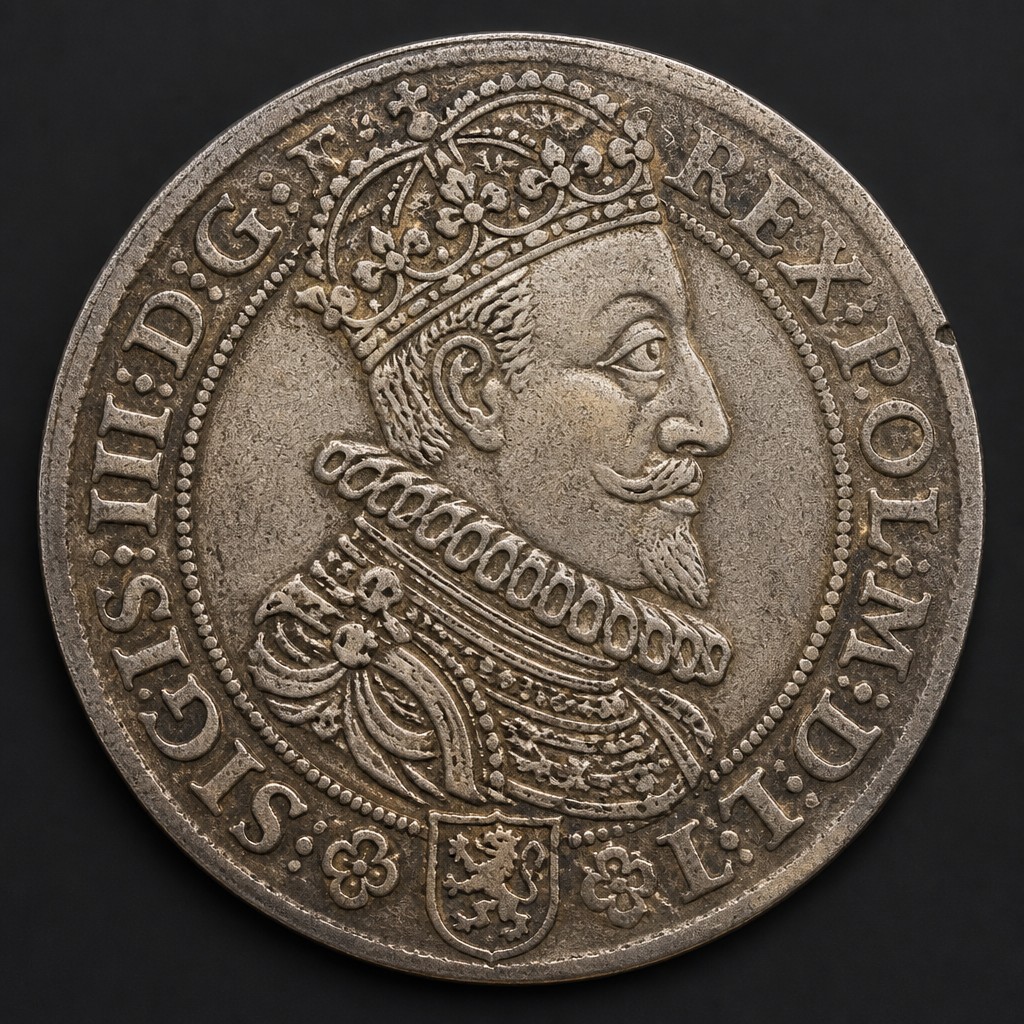
Polish-Lithuanian Thaler
circa 16th–18th century
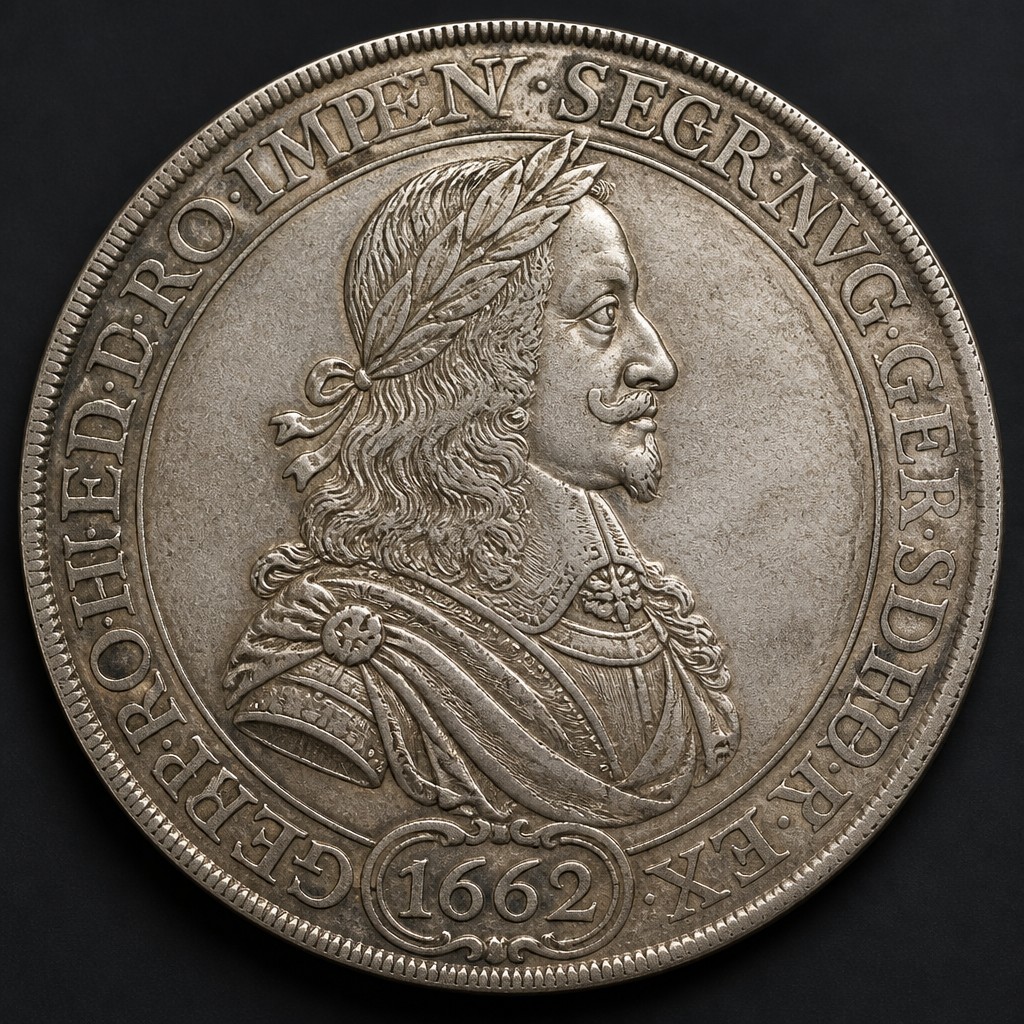
Reichsthaler
circa 1566–early 19th century
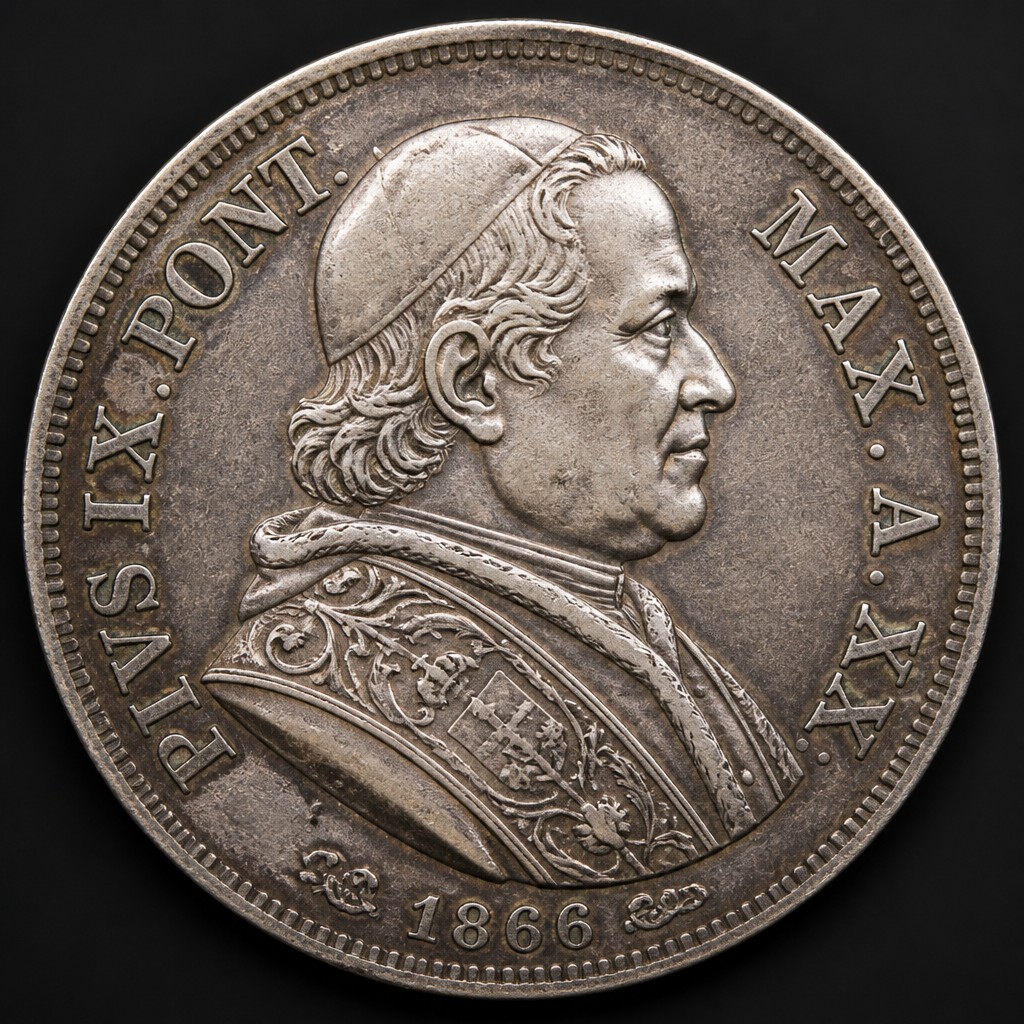
Papal States Scudo
16th century–1866
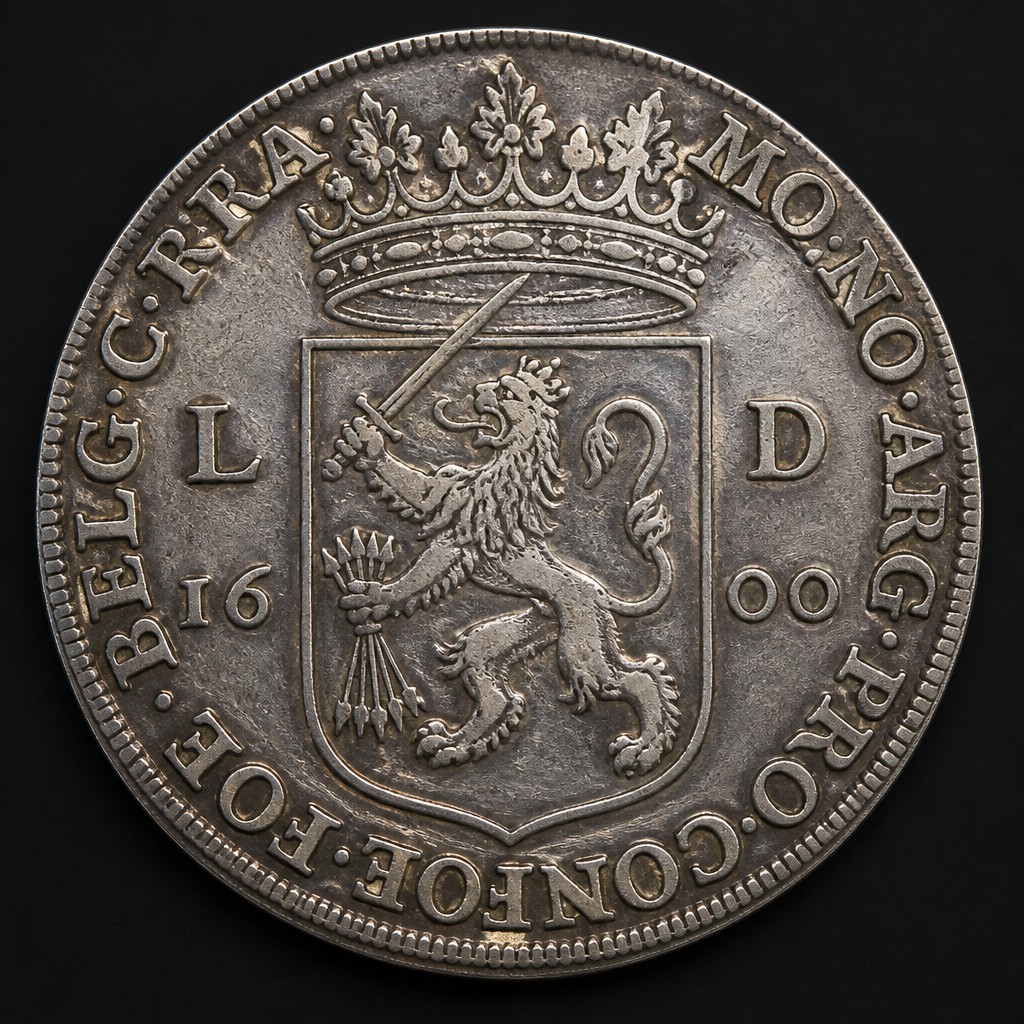
Netherlands Lion Daalder (Leeuwendaalder)
1575–1713
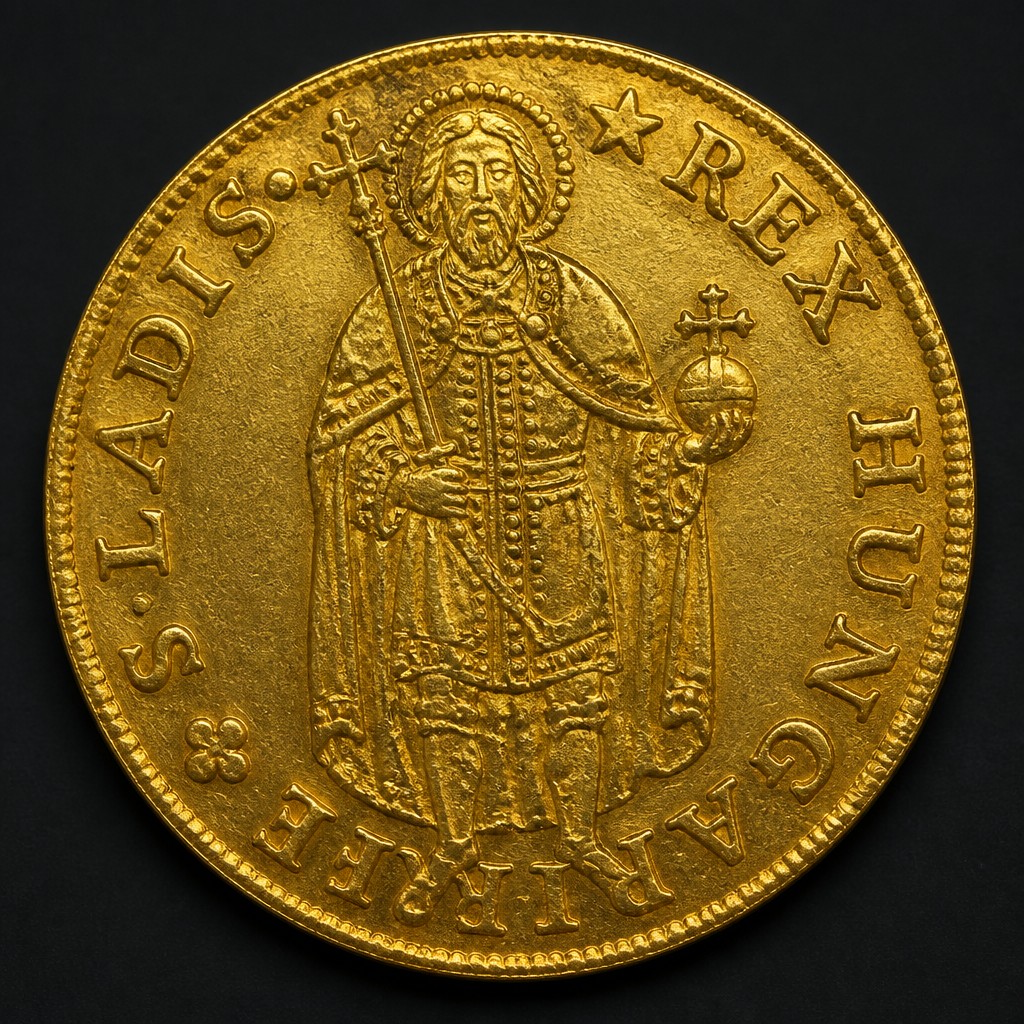
Hungarian Ducat
c. 1325–1918
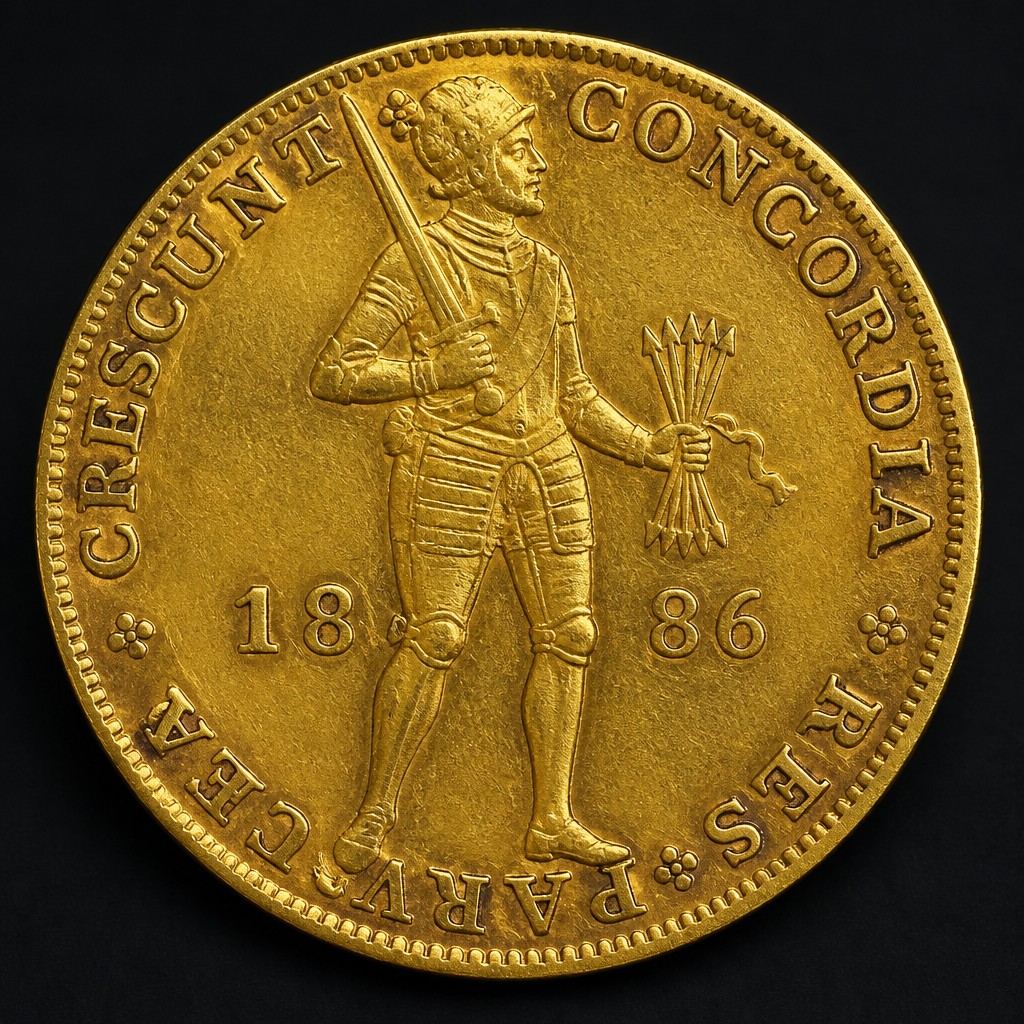
Dutch Ducat
c. 1586–present (classic type standardized after 1817)
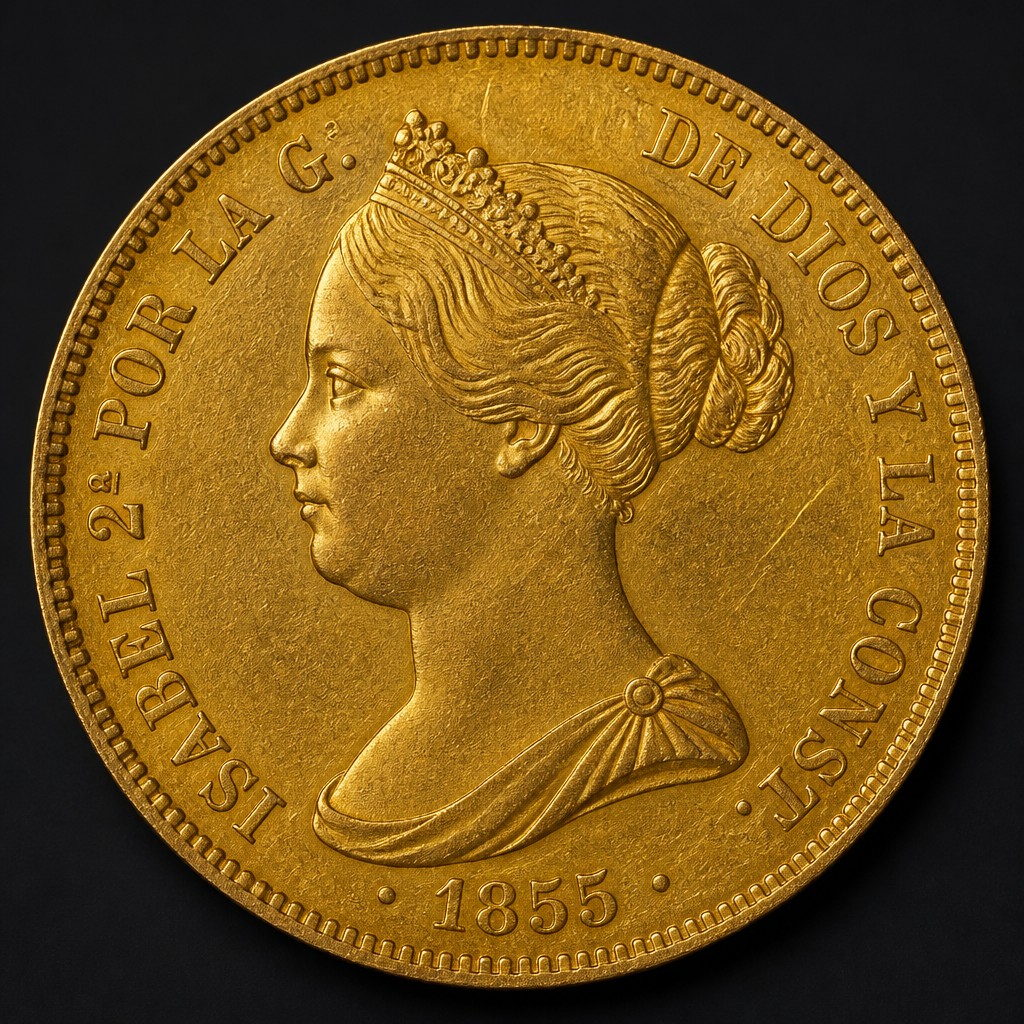
Spanish 100 Reales Gold (Isabel II)
1850s–1868
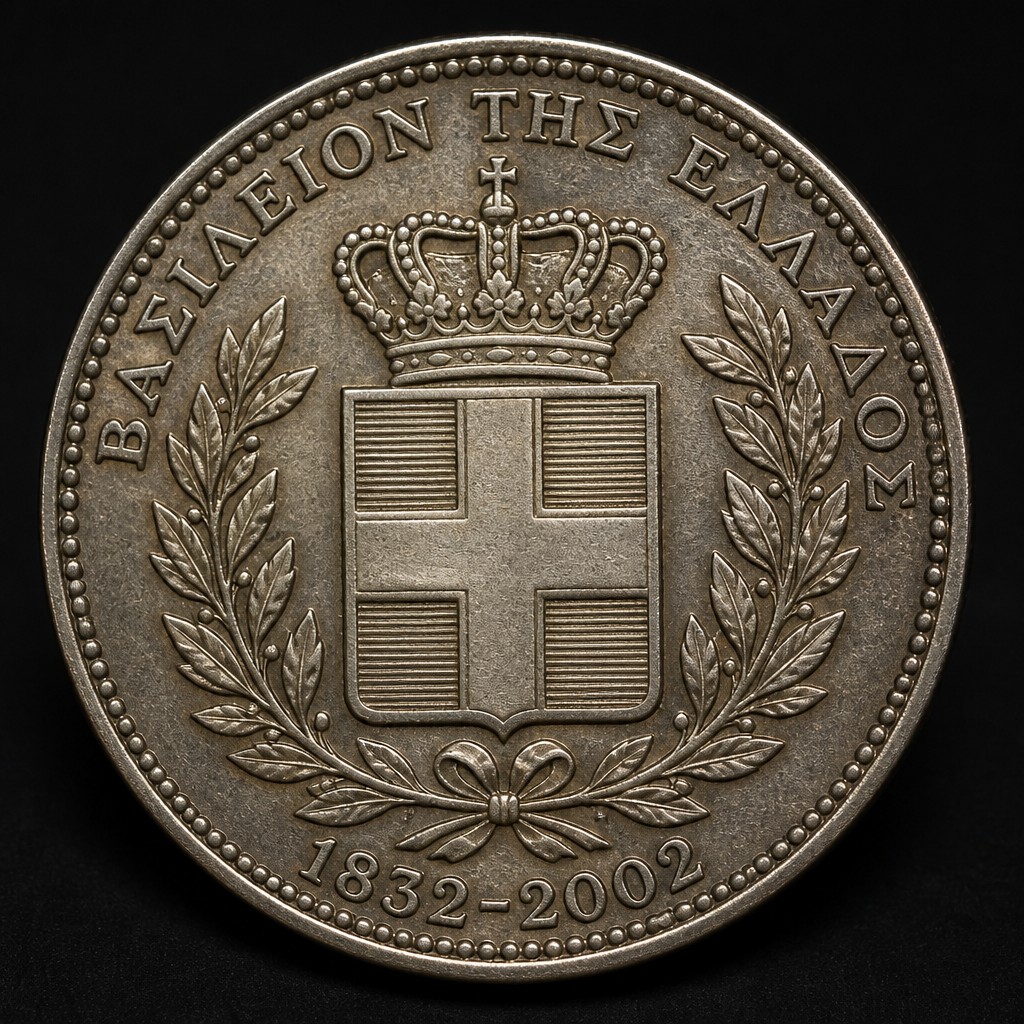
Greek Drachma
1832–2002
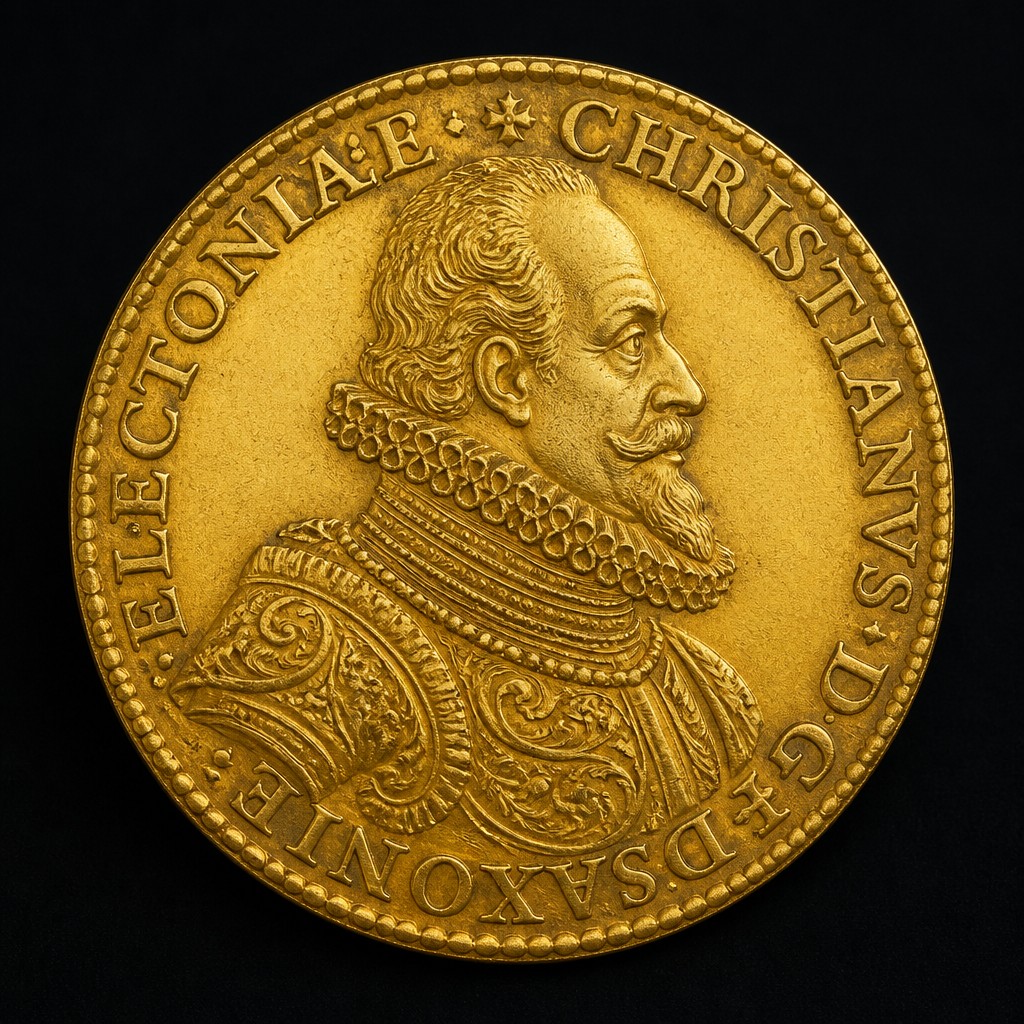
German Saxony Ducat
16th century–19th century
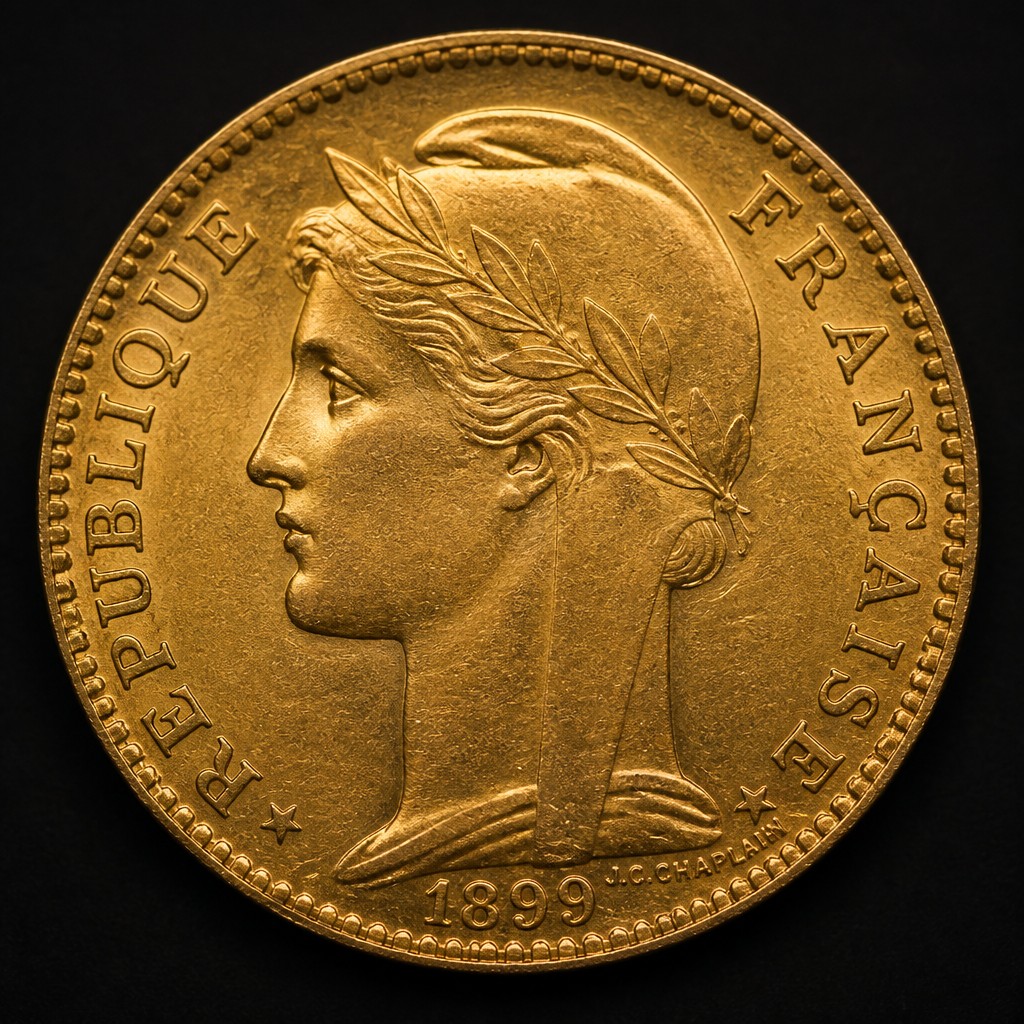
French 10 Francs Gold (Napoleon Rooster)
1899–1914
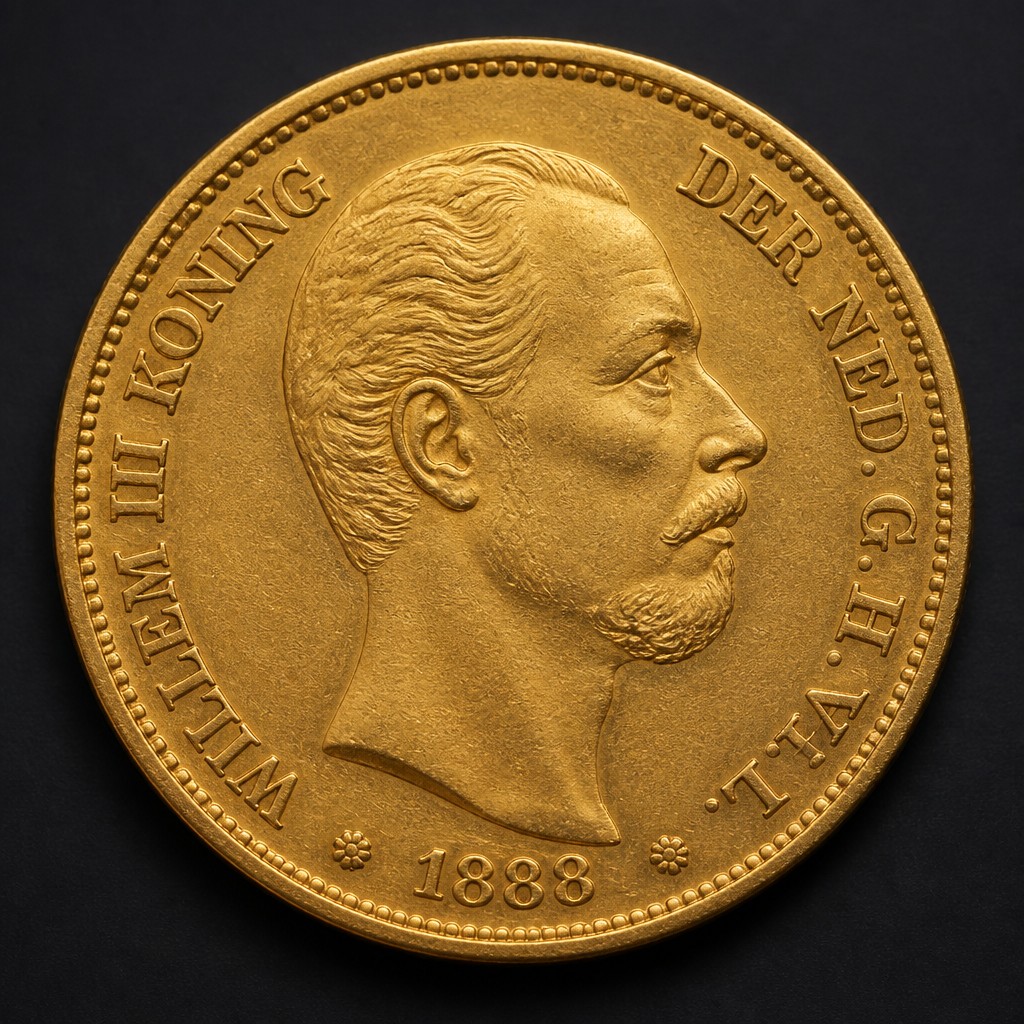
Netherlands 5 Gulden Gold
1826–1912 (intermittent)
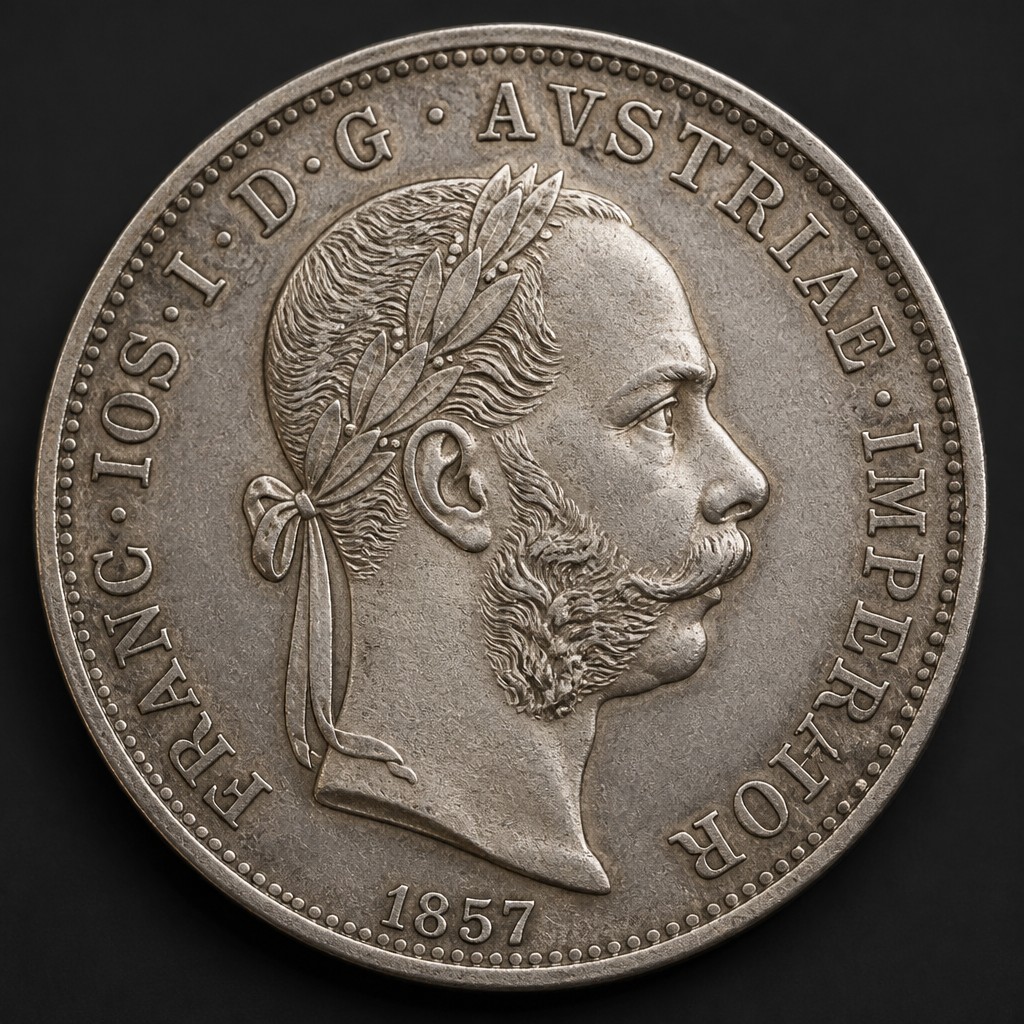
Austrian Florin (Gulden)
1857–1892