
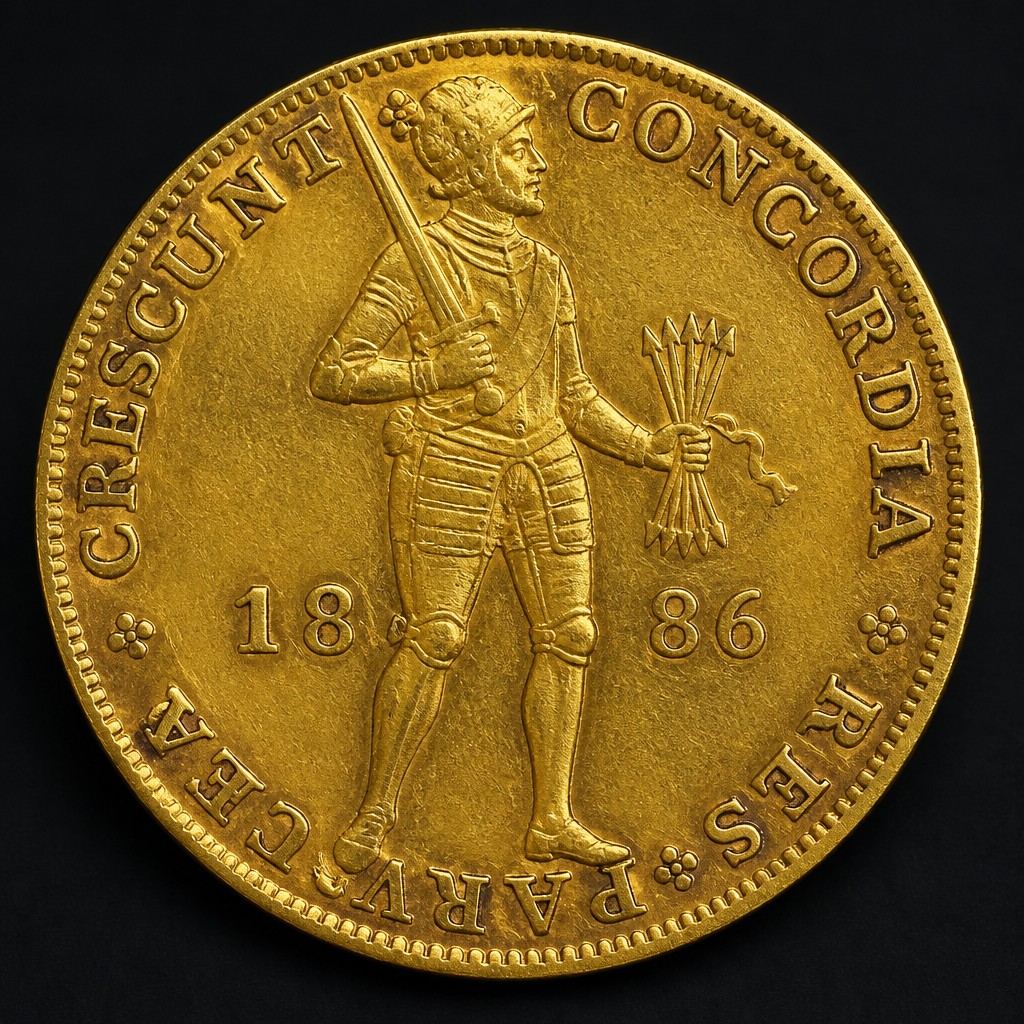
Dutch Ducat
A small, nearly pure gold coin showing an armored knight, minted for centuries by the Dutch provinces and later the Kingdom of the Netherlands as a trusted international trade coin.
- Country
- Netherlands (Dutch Republic and Kingdom)
- Denomination
- 1 Ducat
- Metal
- Gold, approximately .983 fine
Got a coin like this?
Identify any coin from a photo, free.
Overview
The Dutch ducat is one of the longest-running gold coin types in the world, prized historically for its consistent high fineness rather than any large size. Weighing roughly 3.5 grams and struck in gold that is nearly pure, it became a dependable unit of account for merchants far beyond the Netherlands, from the Baltic and Central Europe to the Levant and Russia.
The design has changed remarkably little over four centuries: a standing knight in armor holding a bundle of arrows and a sword occupies the obverse, while the reverse carries a Latin motto within an incuse square. This visual consistency, paired with the coin's reliable gold content, made it a recognizable and welcome medium of exchange wherever European trade reached.
Because it functioned as an international trade coin rather than a purely domestic circulation piece, the Dutch ducat was struck, and imitated, well past the fall of the Dutch Republic. The Kingdom of the Netherlands has continued to issue ducats periodically into the modern era, mostly for bullion and commemorative purposes rather than everyday commerce.
History & Background
Gold ducat coinage in the Low Countries developed as the various Dutch provinces sought a stable gold coin that could compete with well-regarded foreign ducats already circulating in European trade, particularly those of Venice and Hungary. Following the Union of Utrecht in 1579 and the practical independence of the northern provinces, the States General worked to standardize weight and fineness across provincial mints, and the classic 'knight' type ducat took shape in the final decades of the sixteenth century.
Each of the seven United Provinces (and various cities) operated its own mint and struck ducats with minor local privy marks, but all adhered to the same overall design and standard, which is part of why the coin gained such broad acceptance. Dutch ducats became a preferred trade coin in the Baltic grain trade, in Russia, and across the Ottoman-controlled Near East, where their reliability made them welcome even where the state that issued them was unfamiliar.
After the Dutch Republic gave way to the Kingdom of the Netherlands, the ducat design was retained essentially unchanged, and the state has periodically restruck ducats since 1817 for collectors, gift purposes, and gold bullion buyers, keeping this centuries-old design alive into the present day.
How to Identify
The obverse shows a knight standing in full armor, facing right, holding a bundle of seven arrows (symbolizing the seven provinces) in one hand and a sword in the other, surrounded by a Latin legend naming the issuing province or the united provinces. The reverse bears the motto MO ORD (or MO ARG for silver types) and CONCORDIA RES PARVAE CRESCUNT ('small things grow through harmony'), arranged within a beaded or linear incuse square, a distinctive feature that sets the ducat apart from most other gold trade coins of the era.
The coin is small and thin, roughly 20-21mm in diameter and about 3.5 grams, struck in gold of very high fineness (about .983), giving it a warm, deep yellow color compared to lower-fineness gold coins. Edges are plain. Because many provinces struck their own dies, subtle differences in lettering, knight pose, and privy marks can help identify the specific mint, though the overall design template remained constant for centuries.
Collectors should be aware that the ducat type was widely imitated by German states, Scandinavian mints, and others precisely because of its trusted reputation, so a coin bearing 'ducat'-style knight imagery is not automatically Dutch; checking the legend for the issuing authority is essential. Modern Dutch restrikes are typically dated to the year of striking rather than bearing a historical date, distinguishing them from genuine Republic-period issues.
Value & Collectibility
Because the ducat was struck in huge quantities over centuries and remains in demand as bullion, common dates and modern restrikes trade close to their gold content, generally in the low hundreds of dollars depending on the gold price. Well-preserved historical pieces from specific provinces or with clear, early dates can command modest numismatic premiums above bullion value.
Condition matters less for ducats than for many other historic coin types, since collectors often buy them primarily for gold content and design appeal rather than pursuing tightly graded sets; still, sharply struck examples with full knight detail and legend bring more than weakly struck or worn pieces. Rare provincial issues, unusual dates, or documented early Republic strikes can be significantly more valuable to specialists in Dutch numismatics.
Buyers should always confirm fineness and weight when purchasing, since counterfeit and low-quality imitation ducats have circulated historically alongside genuine Dutch issues; reputable dealers and known provenance are the best safeguards.
Frequently asked questions
What is a Dutch ducat made of?
It is struck in gold of very high fineness, around .983, making it one of the purest gold coins historically produced in Europe.
Why does the ducat show a knight instead of a monarch?
The Dutch Republic had no king; the standing knight represented the united provinces and their martial readiness rather than a royal portrait.
Are Dutch ducats still made today?
Yes, the Kingdom of the Netherlands periodically strikes ducats in the traditional design, mainly for bullion and gift purposes.
Why were Dutch ducats used outside the Netherlands?
Their consistent gold content made them a trusted trade coin across the Baltic, Central Europe, and the Ottoman world for centuries.
Other coins you may enjoy
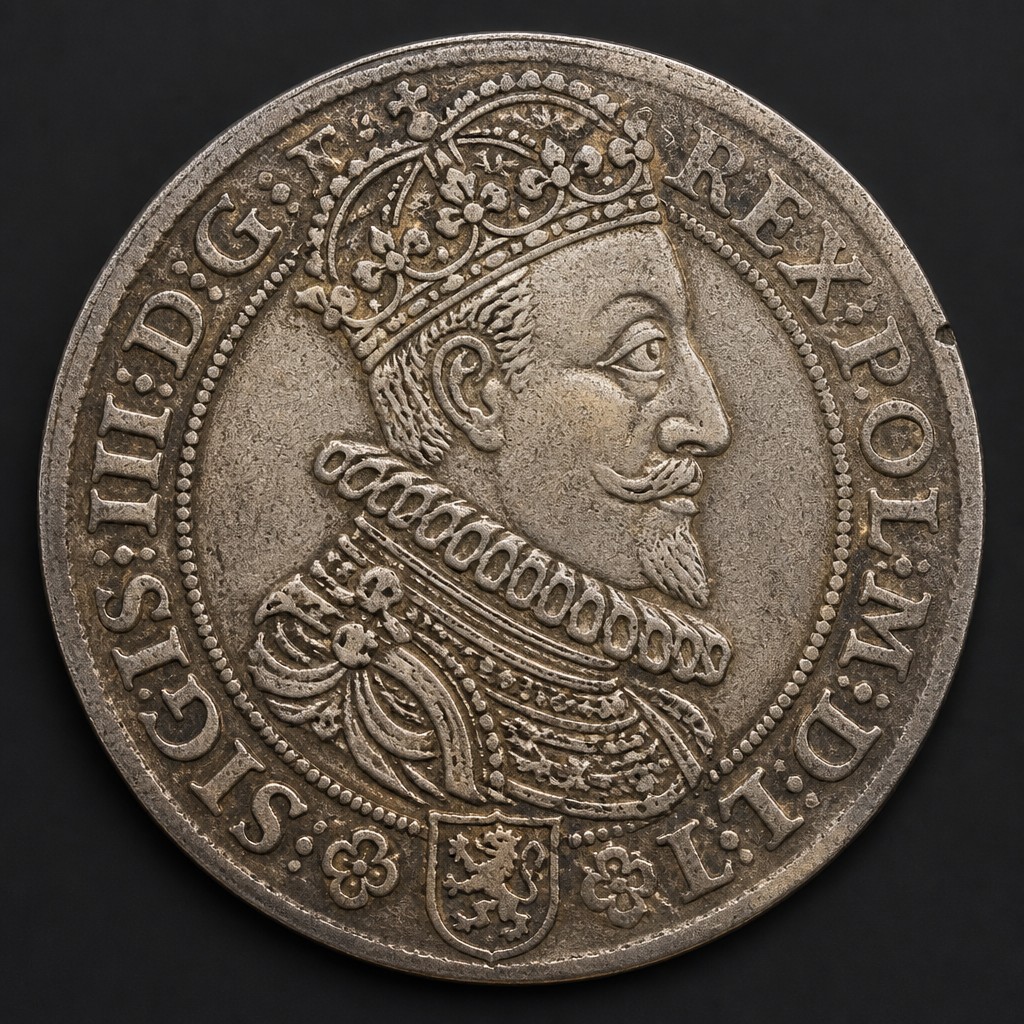
Polish-Lithuanian Thaler
circa 16th–18th century
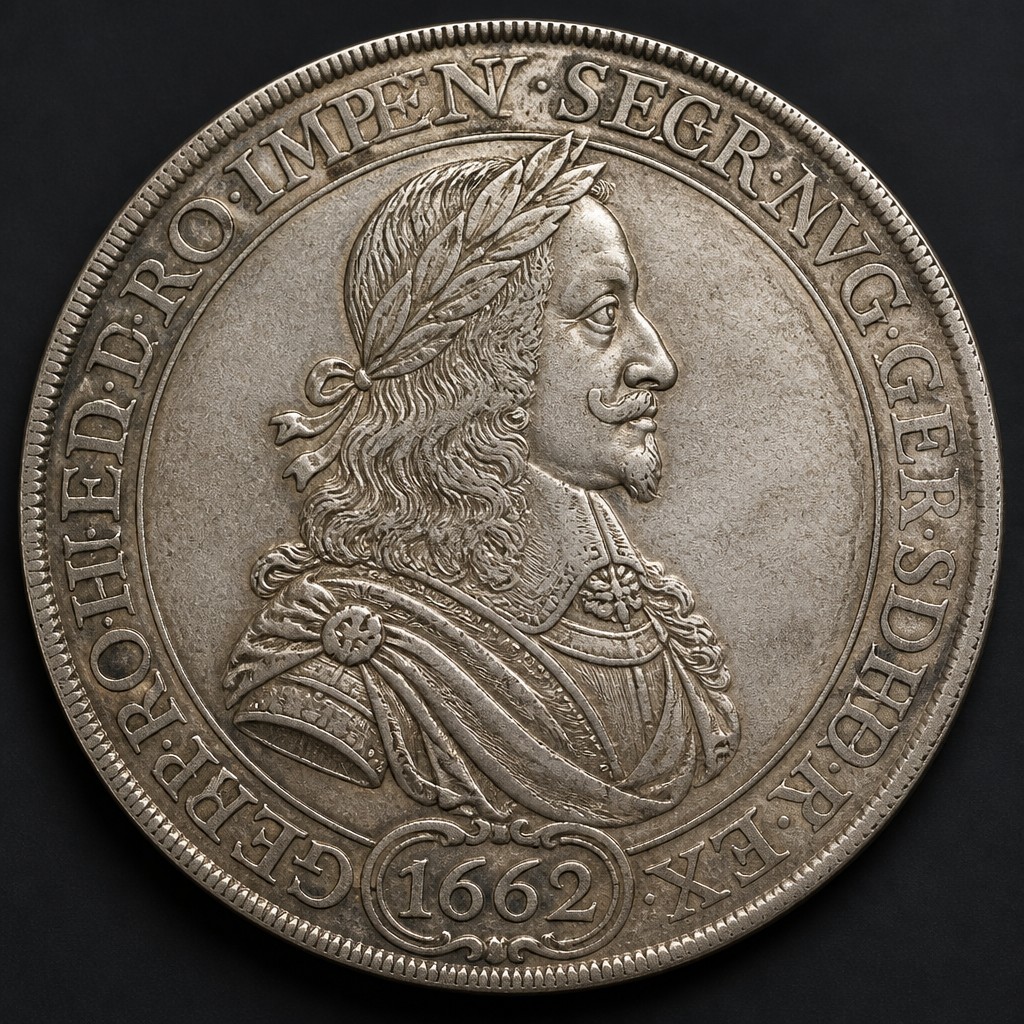
Reichsthaler
circa 1566–early 19th century
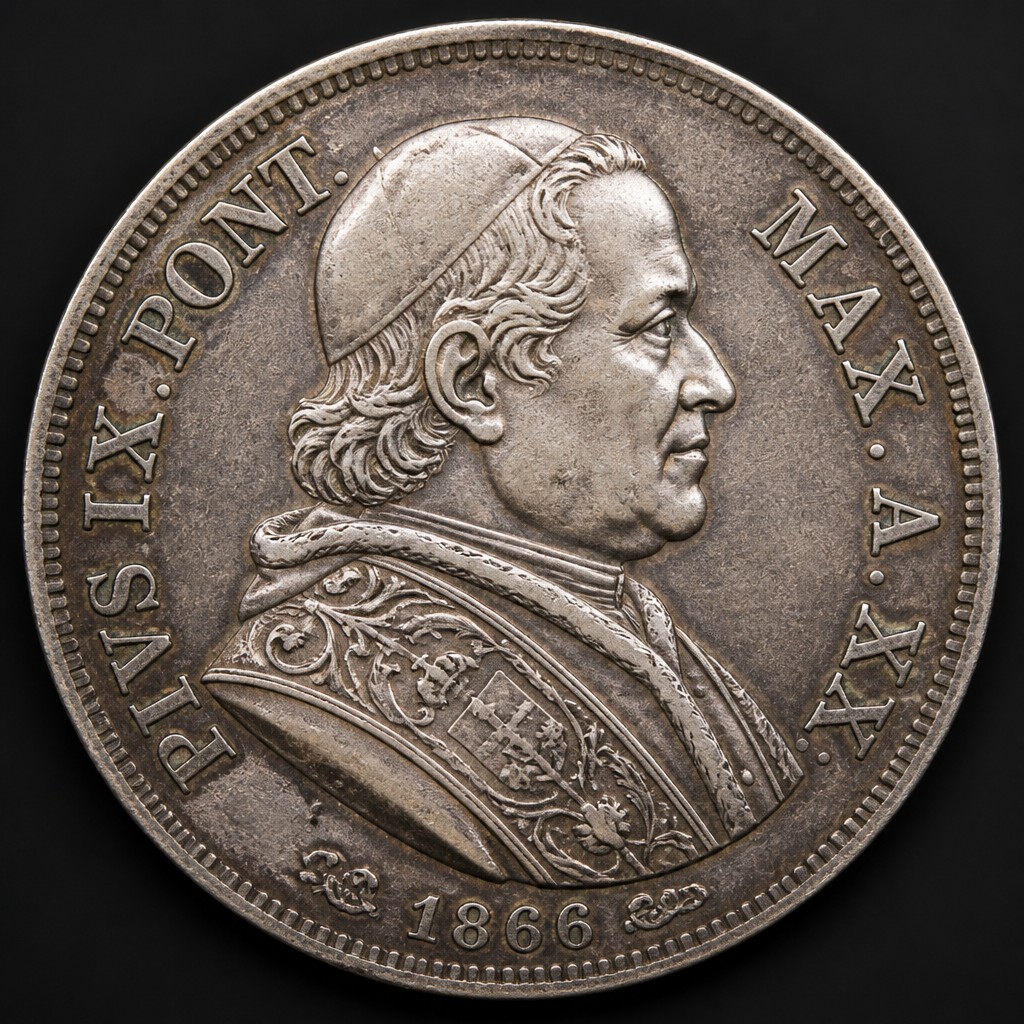
Papal States Scudo
16th century–1866
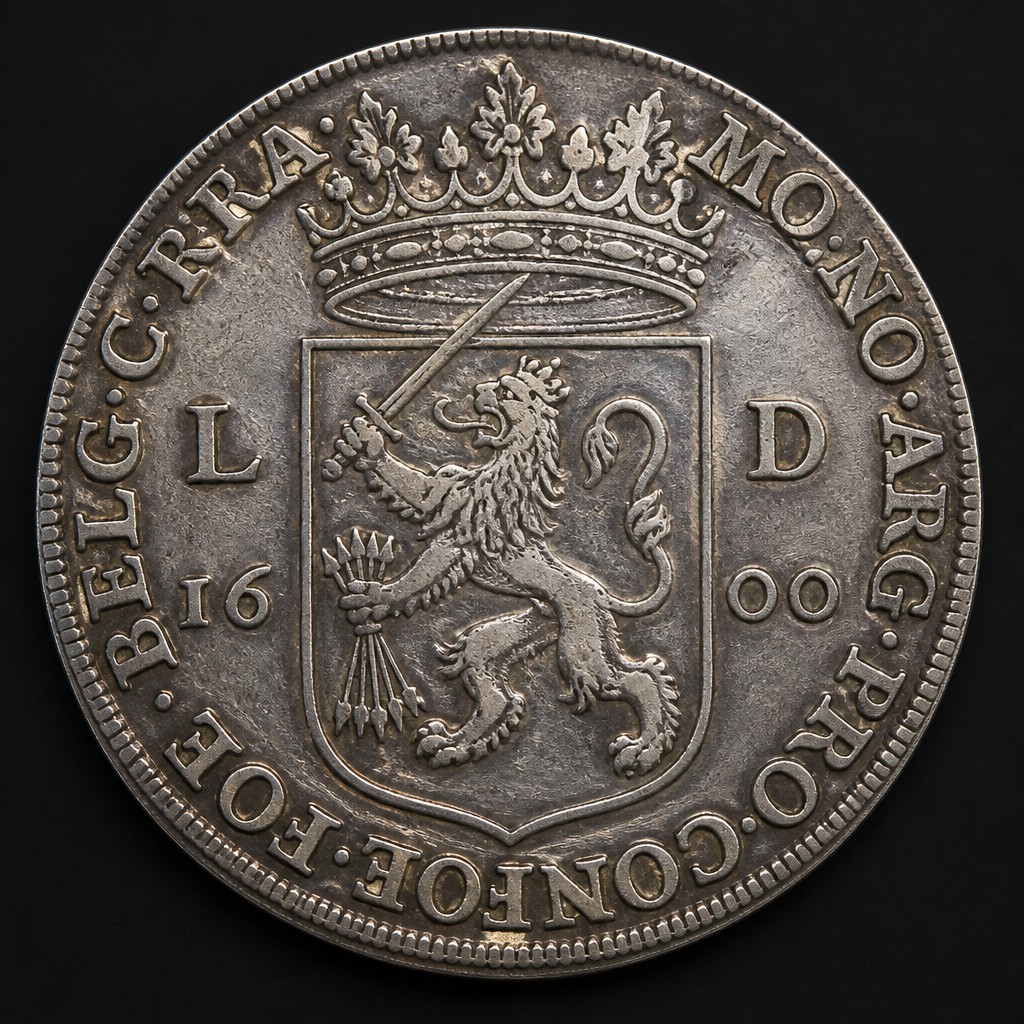
Netherlands Lion Daalder (Leeuwendaalder)
1575–1713
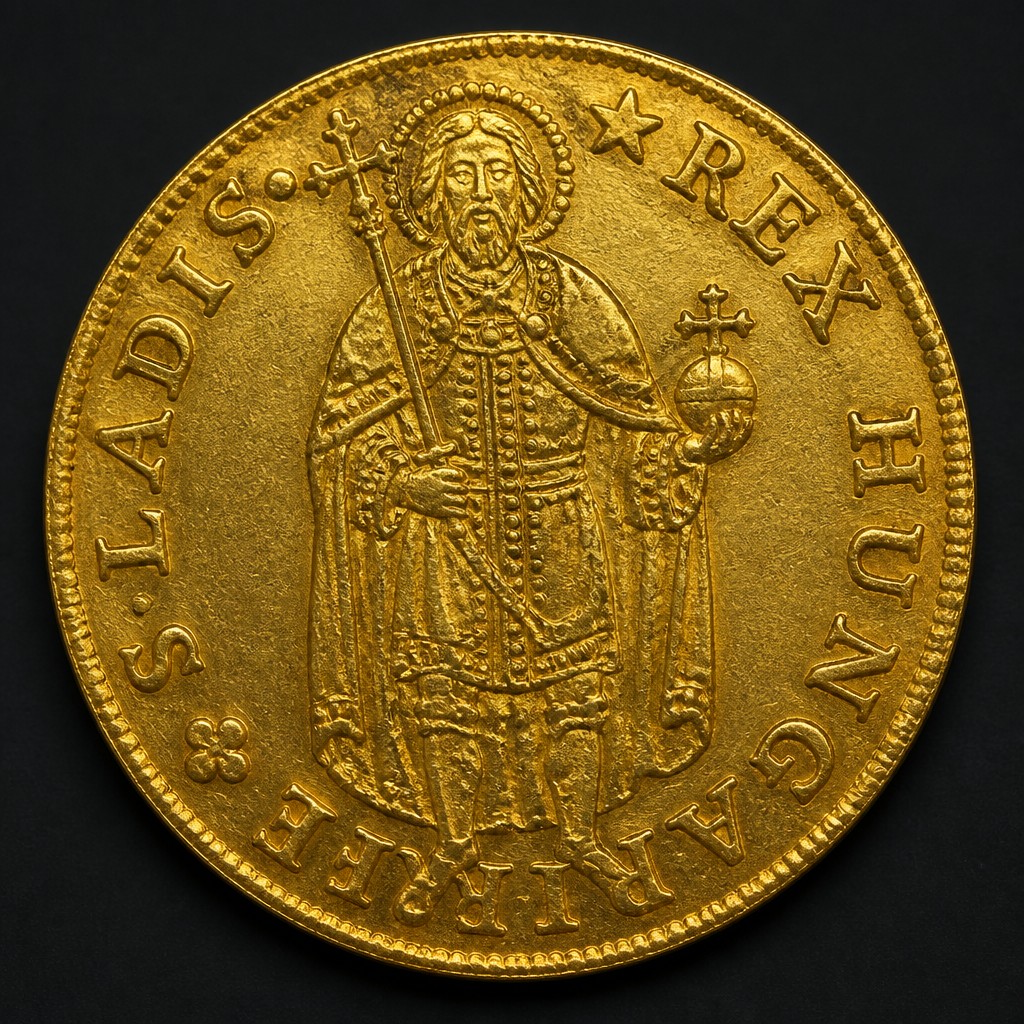
Hungarian Ducat
c. 1325–1918
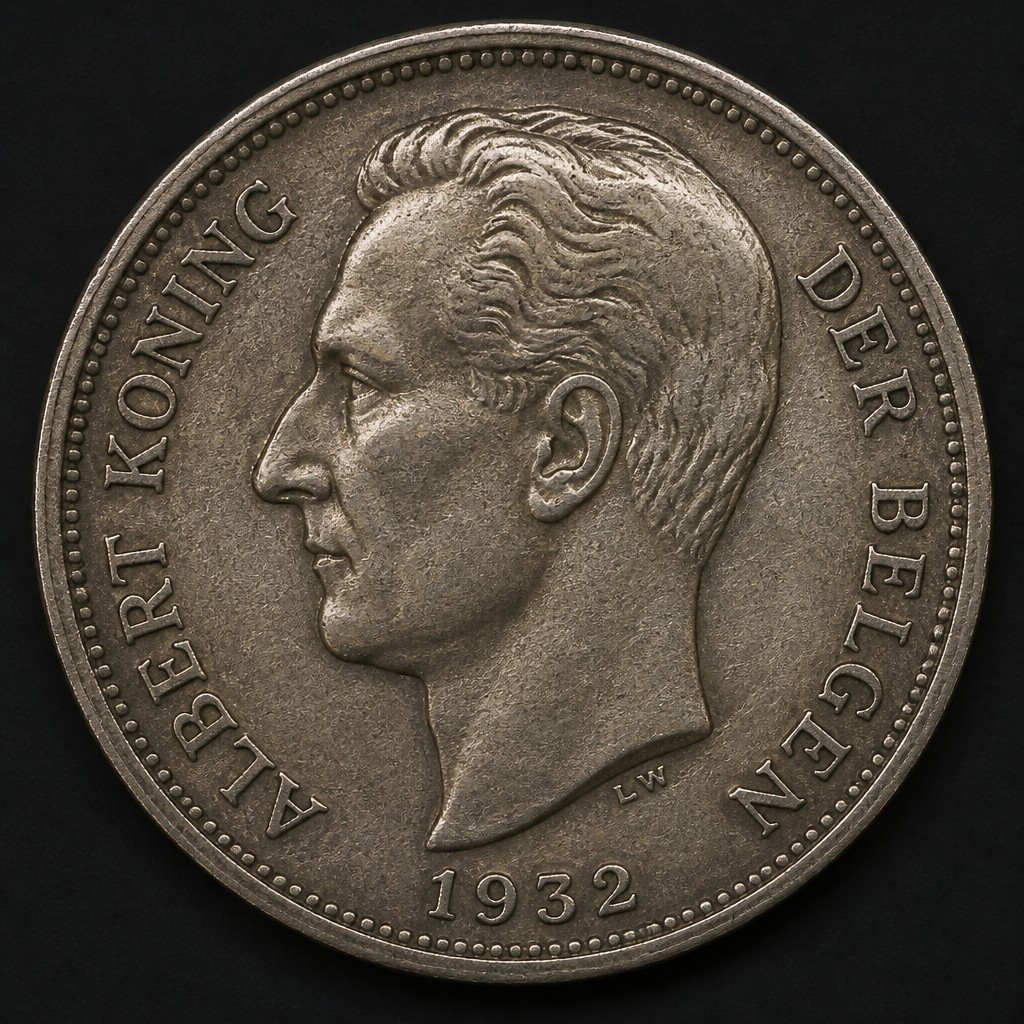
Belgian Franc
1832–2002
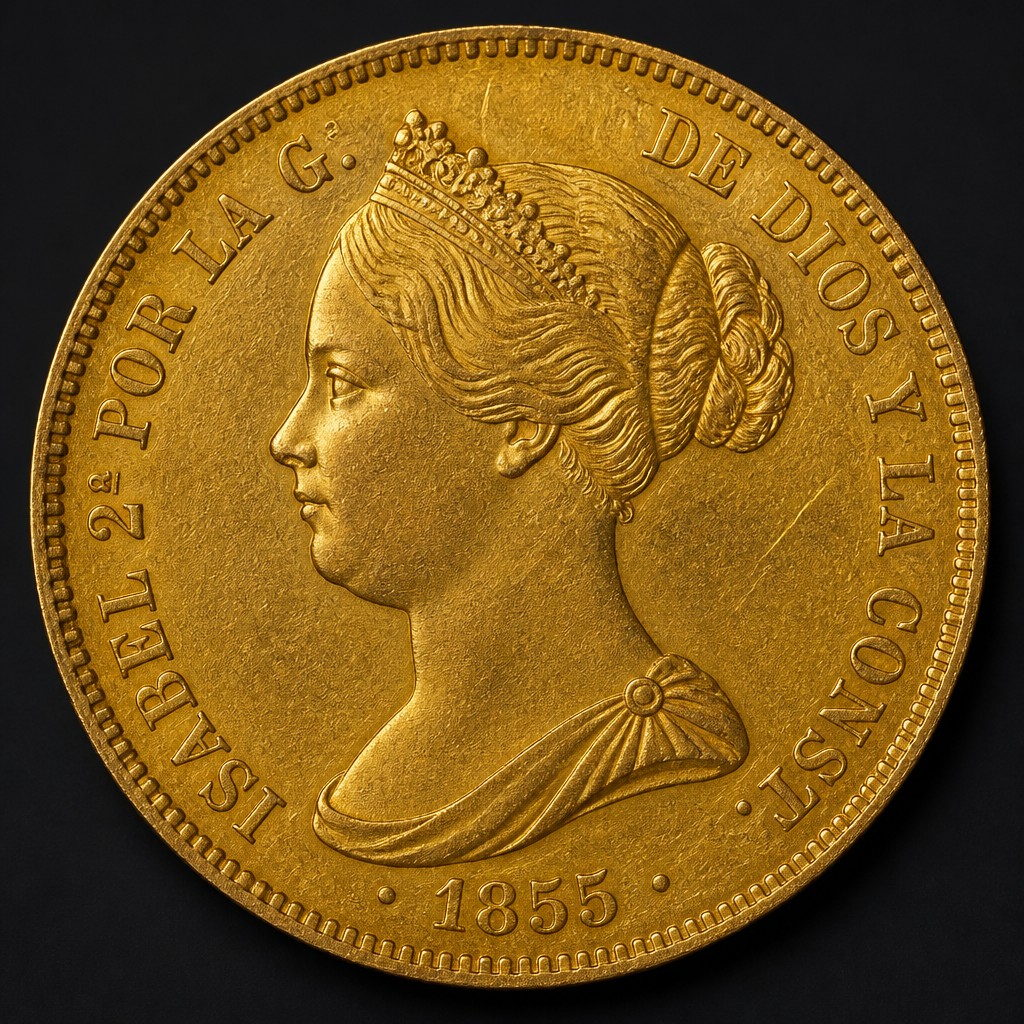
Spanish 100 Reales Gold (Isabel II)
1850s–1868
Greek Drachma
1832–2002
German Saxony Ducat
16th century–19th century
French 10 Francs Gold (Napoleon Rooster)
1899–1914
Netherlands 5 Gulden Gold
1826–1912 (intermittent)
Austrian Florin (Gulden)
1857–1892