
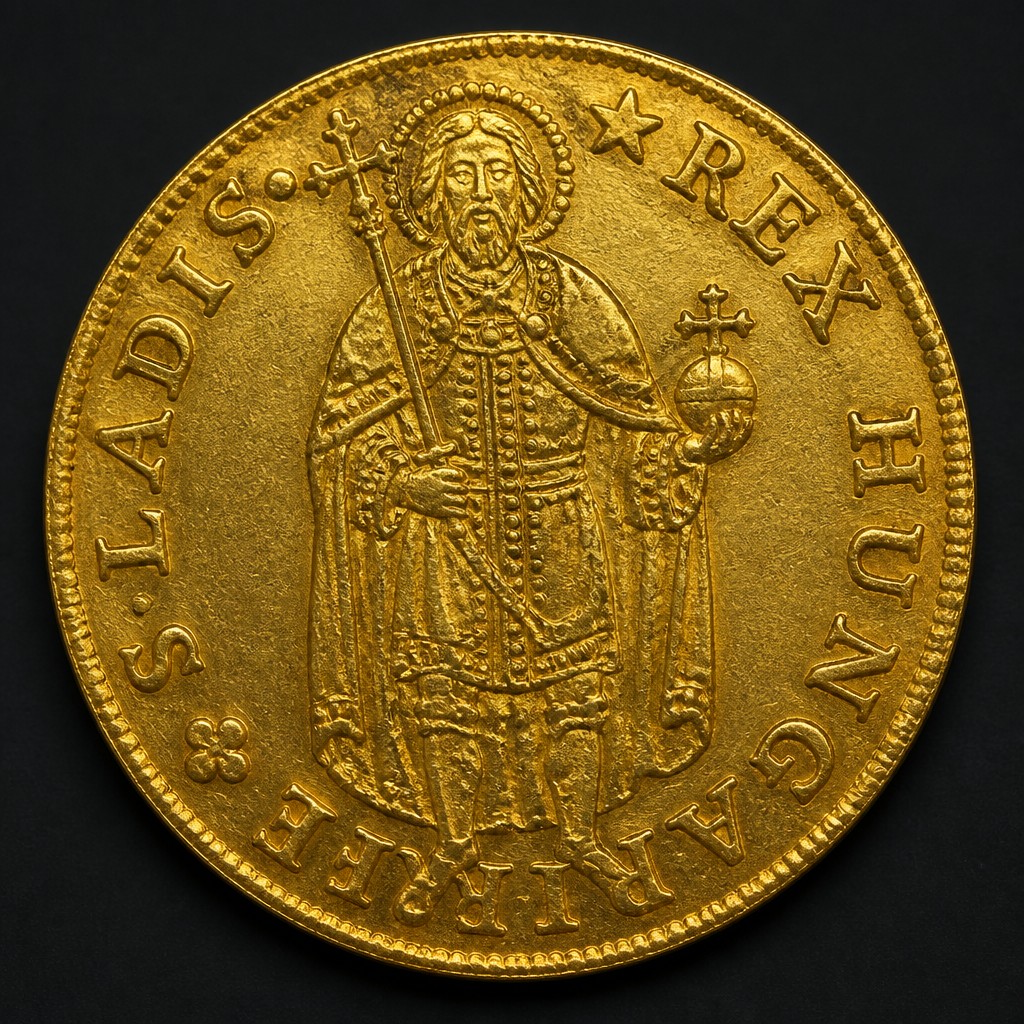
Hungarian Ducat
A remarkably long-lived gold coin of the Kingdom of Hungary, showing St. Ladislaus and the Madonna and Child, prized for centuries as one of Europe's most trusted trade coins.
- Country
- Kingdom of Hungary
- Denomination
- 1 Ducat
- Metal
- Gold, approximately .986 fine
Got a coin like this?
Identify any coin from a photo, free.
Overview
The Hungarian ducat is one of the most enduring gold coin designs in European history, struck with only gradual changes for nearly six centuries under the Kingdom of Hungary and later the Austro-Hungarian Empire. Modeled initially on the Florentine florin, it adopted its own distinctive religious iconography that remained remarkably stable across generations of rulers.
The coin's gold content, at close to pure fineness, made it exceptionally reliable as a trade and store-of-value coin, and it circulated widely across Central and Eastern Europe wherever merchants wanted a gold coin they could trust without close inspection. The rich gold deposits of the Kingdom of Hungary, particularly around mining towns like Kremnica, supplied the metal that made large-scale ducat production possible for so long.
Because the basic design changed so little, Hungarian ducats form a fascinating study in monetary continuity, with variations mainly limited to the reigning monarch's initials, mint marks, and dates rather than any wholesale redesign of the coin's core imagery.
History & Background
Hungarian gold ducat coinage began under King Charles I (Károly Róbert) in the early fourteenth century, as Hungary sought to participate in the increasingly gold-based trade economy already served by coins like the Florentine florin and Venetian ducat. Hungary's substantial domestic gold mining, especially in Transylvania and around towns such as Kremnica, gave the kingdom the raw material to sustain large-scale ducat production for centuries.
The ducat's obverse design, showing the sainted King Ladislaus I holding a battle-axe and orb, and its reverse showing the Madonna and Child (revered in Hungary as the Patrona Hungariae, or Patroness of Hungary), remained essentially unchanged through the reigns of Hungarian kings, the later Habsburg monarchs who ruled Hungary, and into the Austro-Hungarian Empire period.
Production continued at major mints, especially Kremnica (known in German as Körmöcbánya), through the early twentieth century, with ducat coinage ending as the Austro-Hungarian Empire dissolved after World War I, closing out one of the longest continuous coin designs in European monetary history.
How to Identify
The obverse traditionally shows a standing figure of St. Ladislaus, a canonized medieval king of Hungary, holding a battle-axe in one hand and a royal orb in the other, with a Latin legend identifying the reigning monarch. The reverse depicts the Madonna and Child, often within an ornamental border, reflecting the coin's association with the Patrona Hungariae devotion.
The coin is small, typically around 20mm in diameter and 3.5 grams, struck in gold of very high fineness (about .986), giving genuine examples a distinctively rich, deep yellow color. Mint marks, most notably K-B for Kremnica (Körmöcbánya), often appear on the coin along with the date, helping pin down both the production location and period.
Because the ducat design was so consistent over centuries, dating and attributing a specific example generally relies on reading the reigning monarch's name and mint mark rather than any change in overall design, and collectors should be attentive to these small details when distinguishing coins from different reigns.
Value & Collectibility
Common Hungarian ducats from more prolific reigns and mints, particularly nineteenth-century Austro-Hungarian issues, are relatively accessible to collectors, often trading in the low hundreds of dollars depending on gold content and condition. Earlier medieval and Renaissance-period ducats, especially those tied to specific well-documented Hungarian kings, can be considerably more valuable due to rarity and historical interest.
As with most historic gold trade coins, condition and strike sharpness affect value meaningfully, with well-preserved, clearly struck examples commanding premiums over worn or weakly struck pieces. Certain mints, mint marks, or short-reign issues can carry outsized rarity premiums for specialists in Hungarian and Central European numismatics.
Given the ducat's long production run and broad circulation, buyers should pay attention to specific date and mint combinations, as values can vary substantially even among coins that look similar at first glance.
Frequently asked questions
Why does the Hungarian ducat show a king with a battle-axe?
The figure is St. Ladislaus I, a canonized medieval Hungarian king venerated as a national and religious symbol, shown holding a battle-axe and orb.
How pure is the gold in a Hungarian ducat?
It is struck at a very high fineness of roughly .986, among the purest gold standards used in historic European coinage.
What does K-B mean on a Hungarian ducat?
It is the mint mark for Kremnica, known in German as Körmöcbánya, one of the most important and long-running Hungarian mints.
When did Hungary stop minting ducats?
Ducat production continued until the early twentieth century, ending with the dissolution of the Austro-Hungarian Empire after World War I.
Other coins you may enjoy
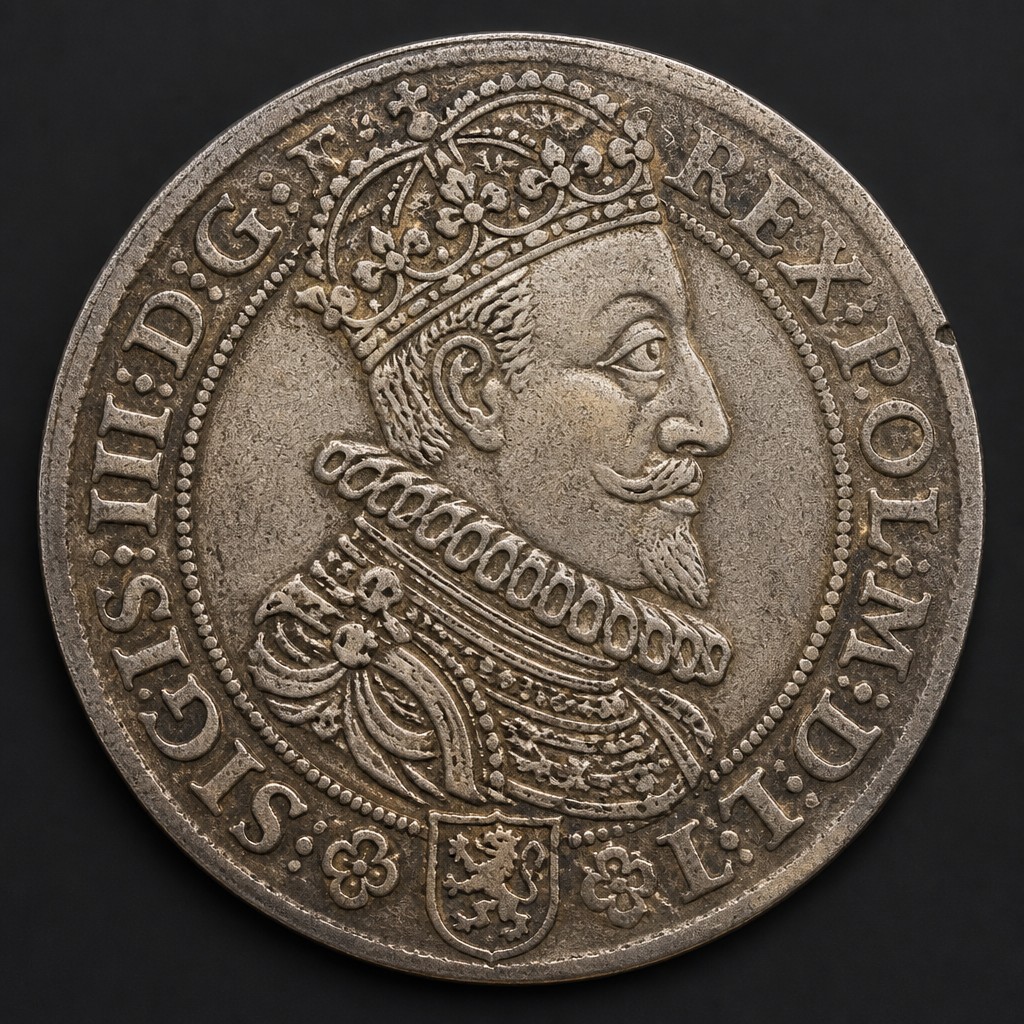
Polish-Lithuanian Thaler
circa 16th–18th century
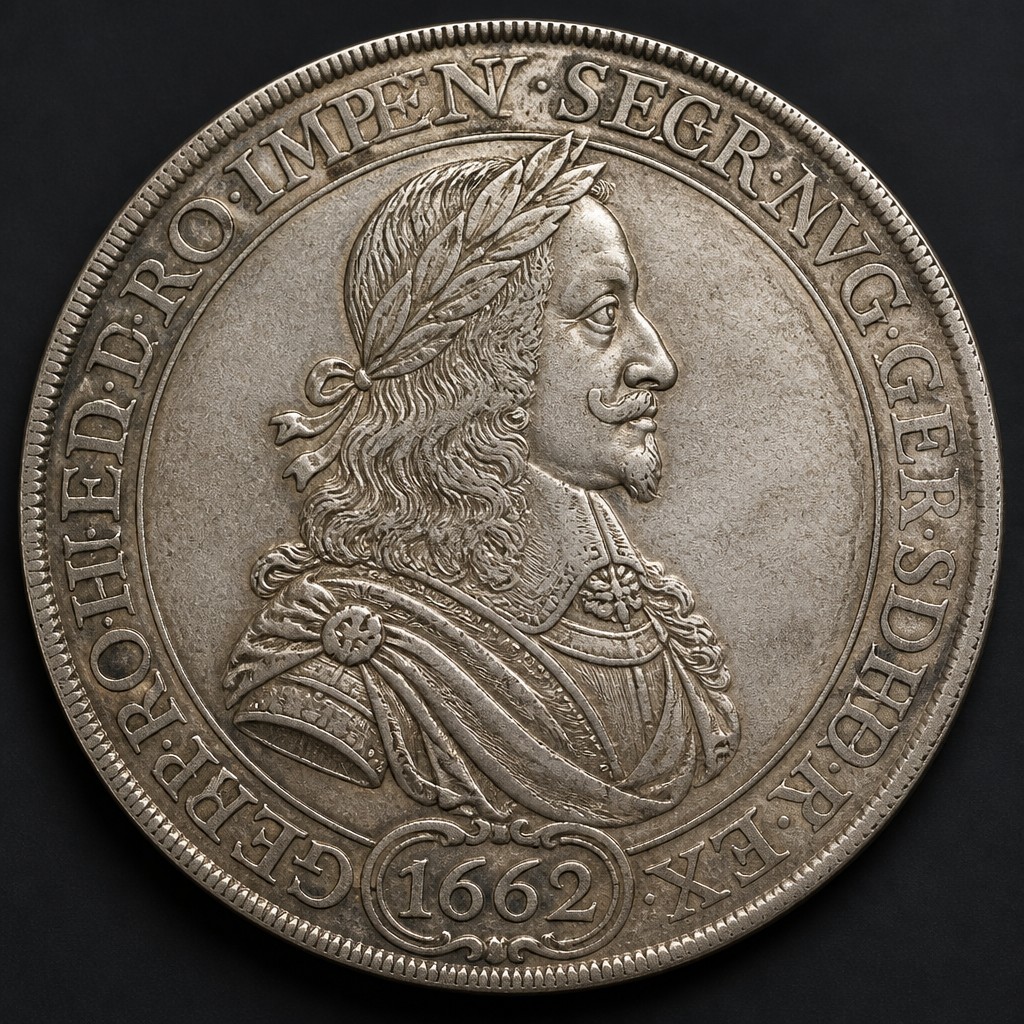
Reichsthaler
circa 1566–early 19th century
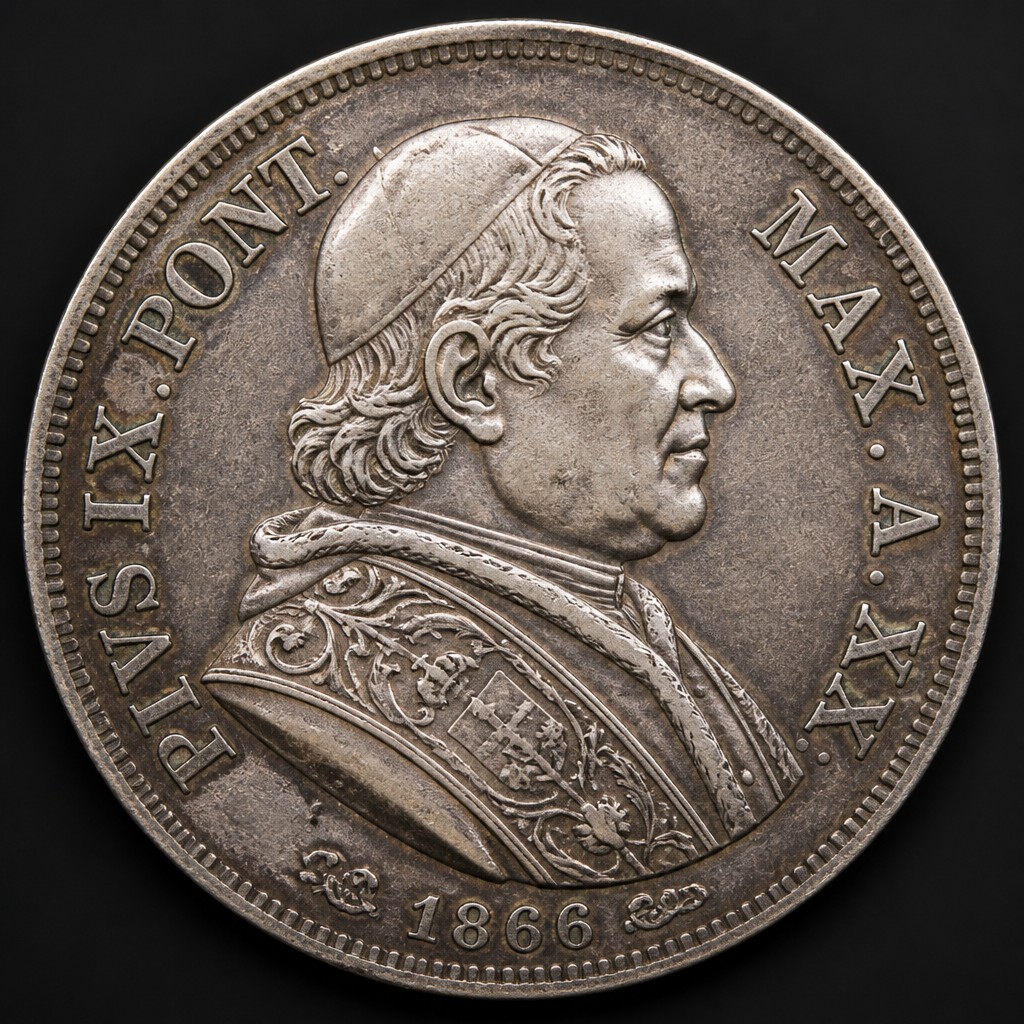
Papal States Scudo
16th century–1866
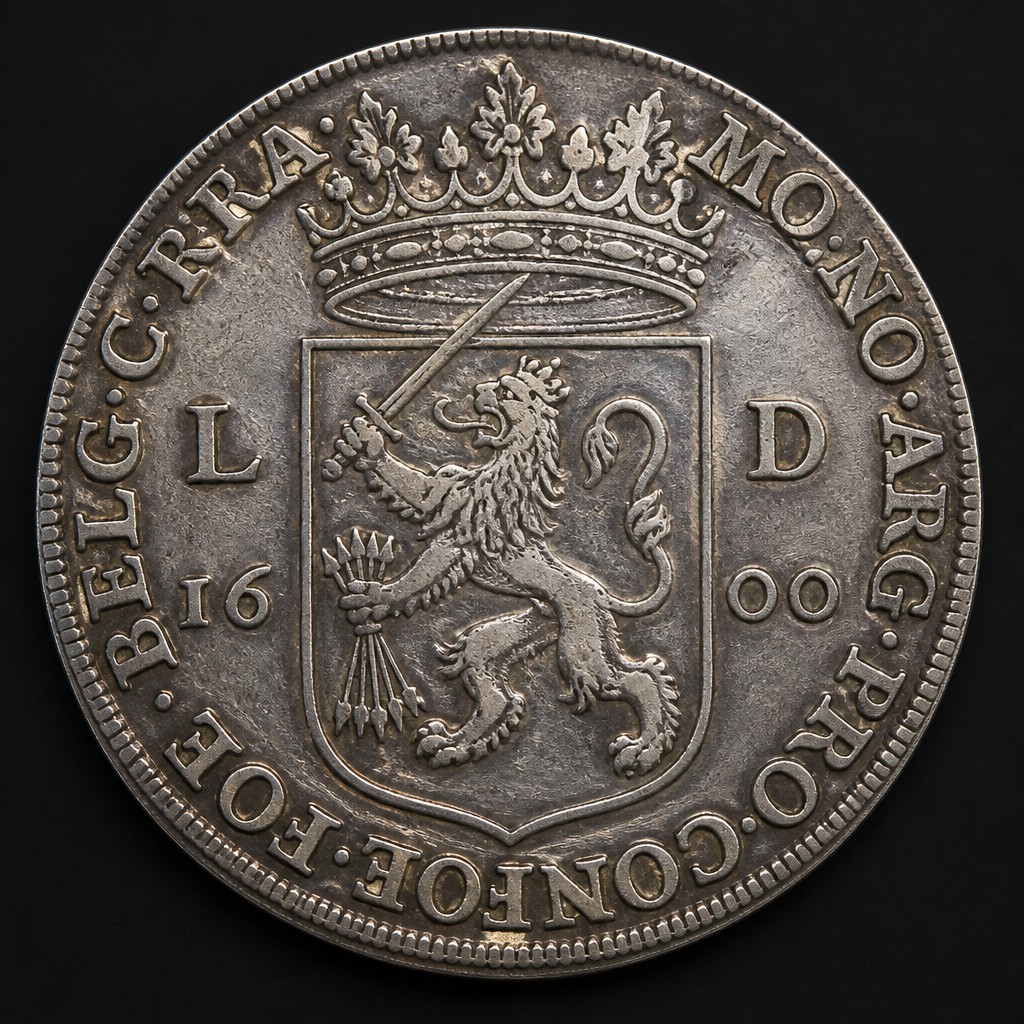
Netherlands Lion Daalder (Leeuwendaalder)
1575–1713
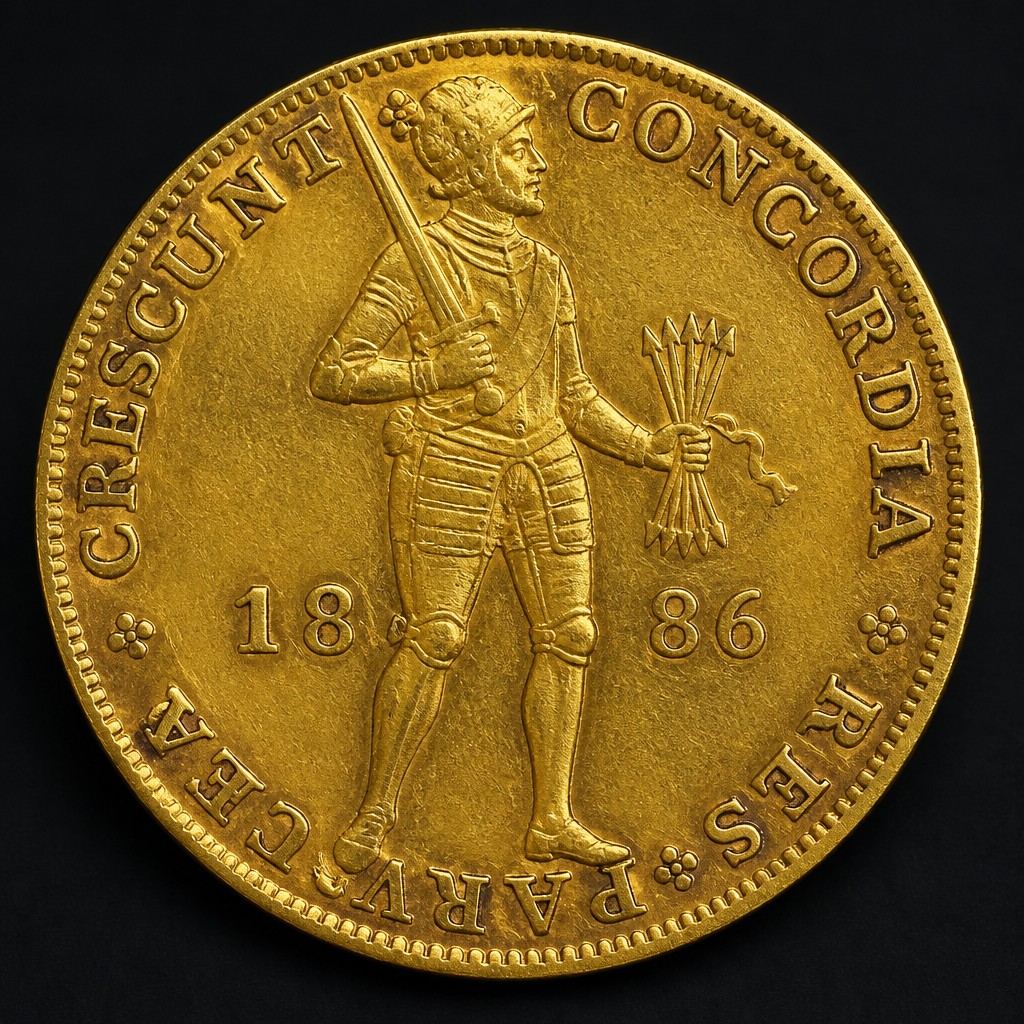
Dutch Ducat
c. 1586–present (classic type standardized after 1817)
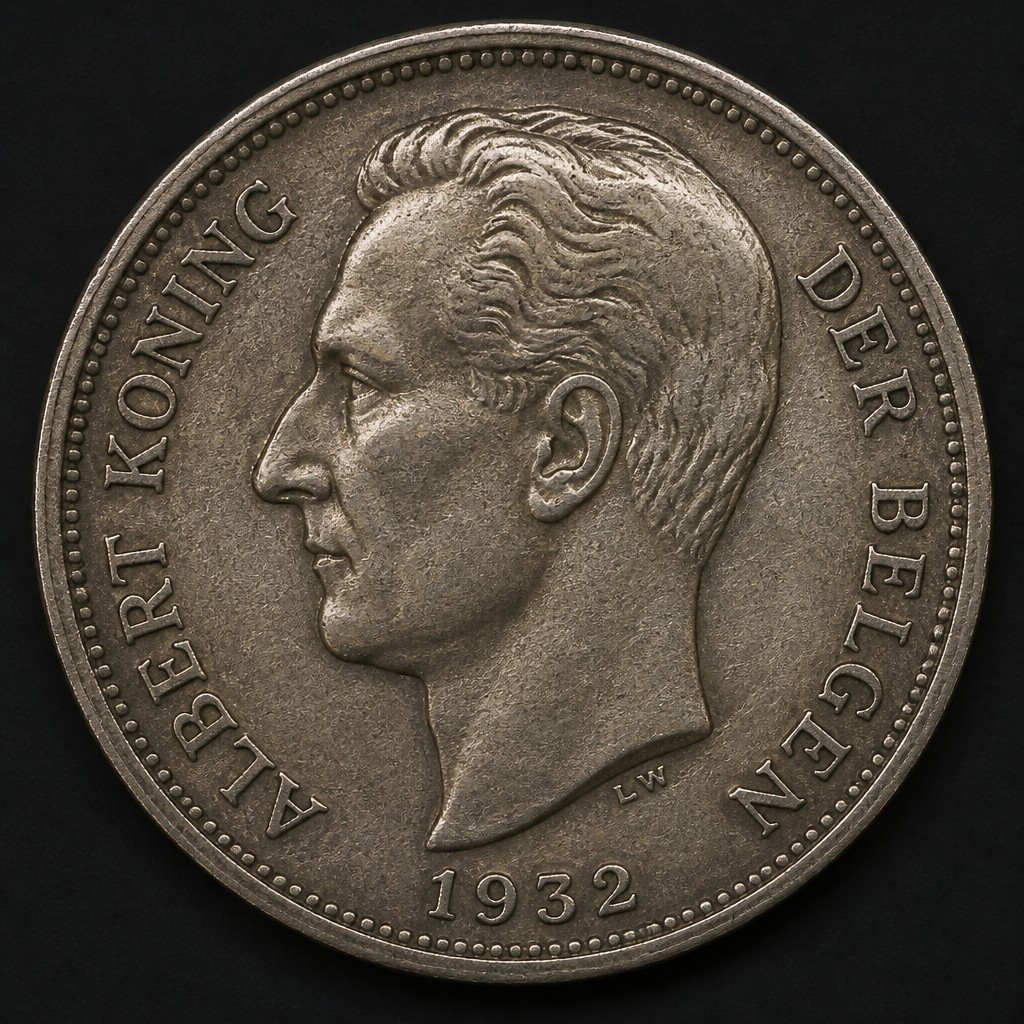
Belgian Franc
1832–2002
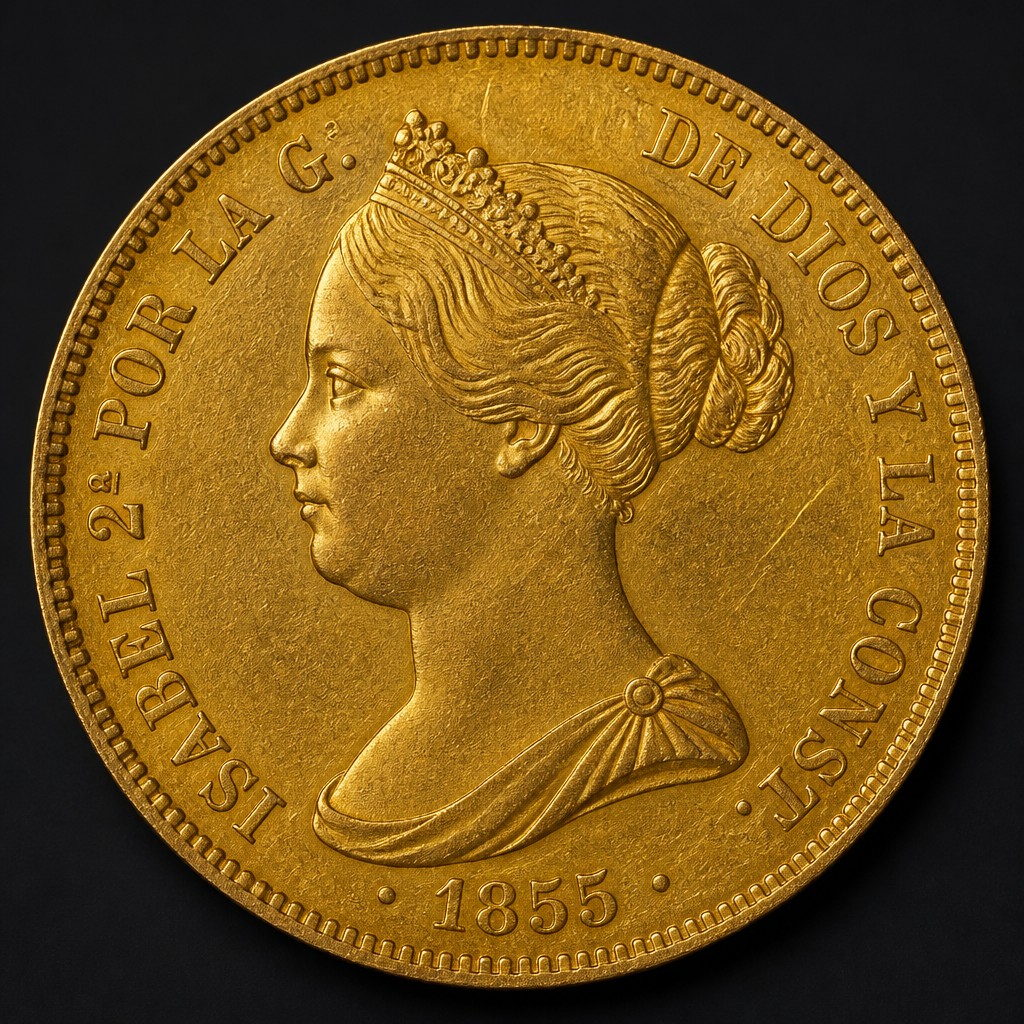
Spanish 100 Reales Gold (Isabel II)
1850s–1868
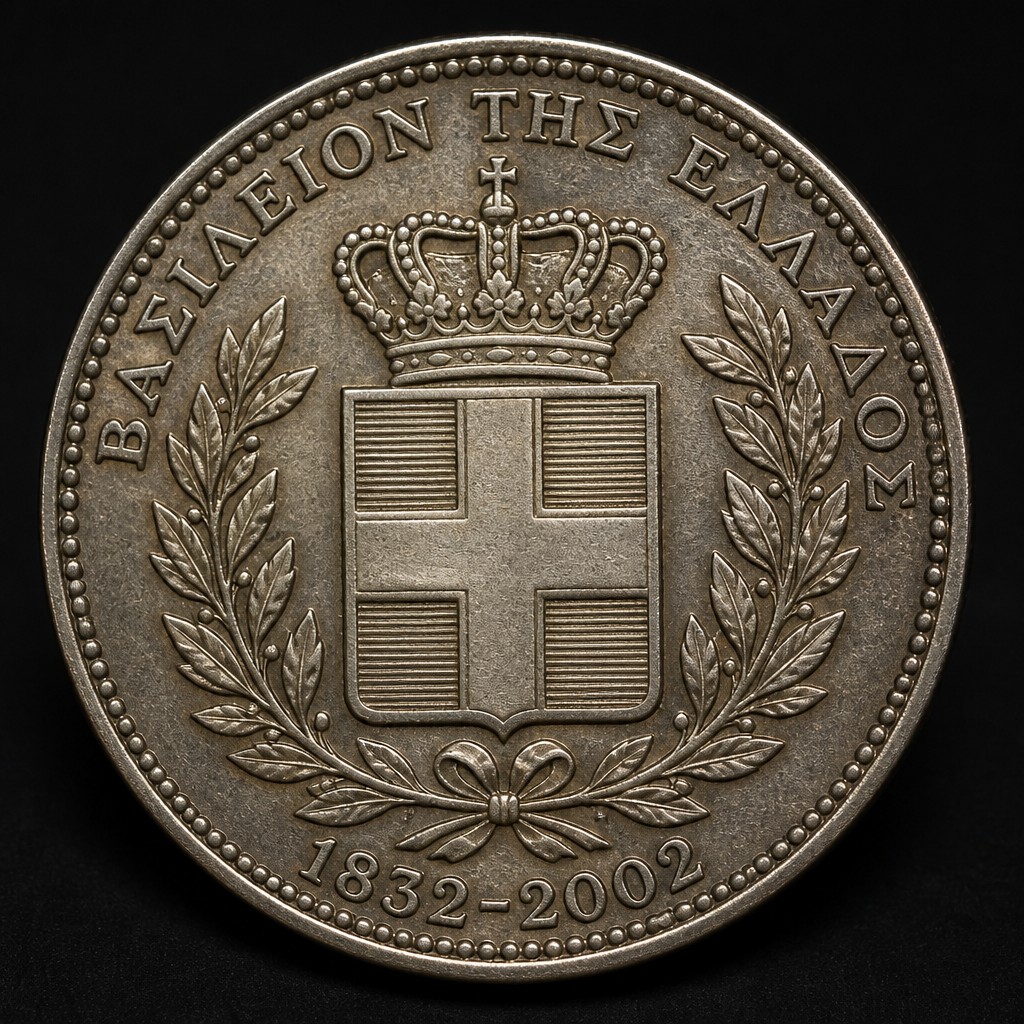
Greek Drachma
1832–2002
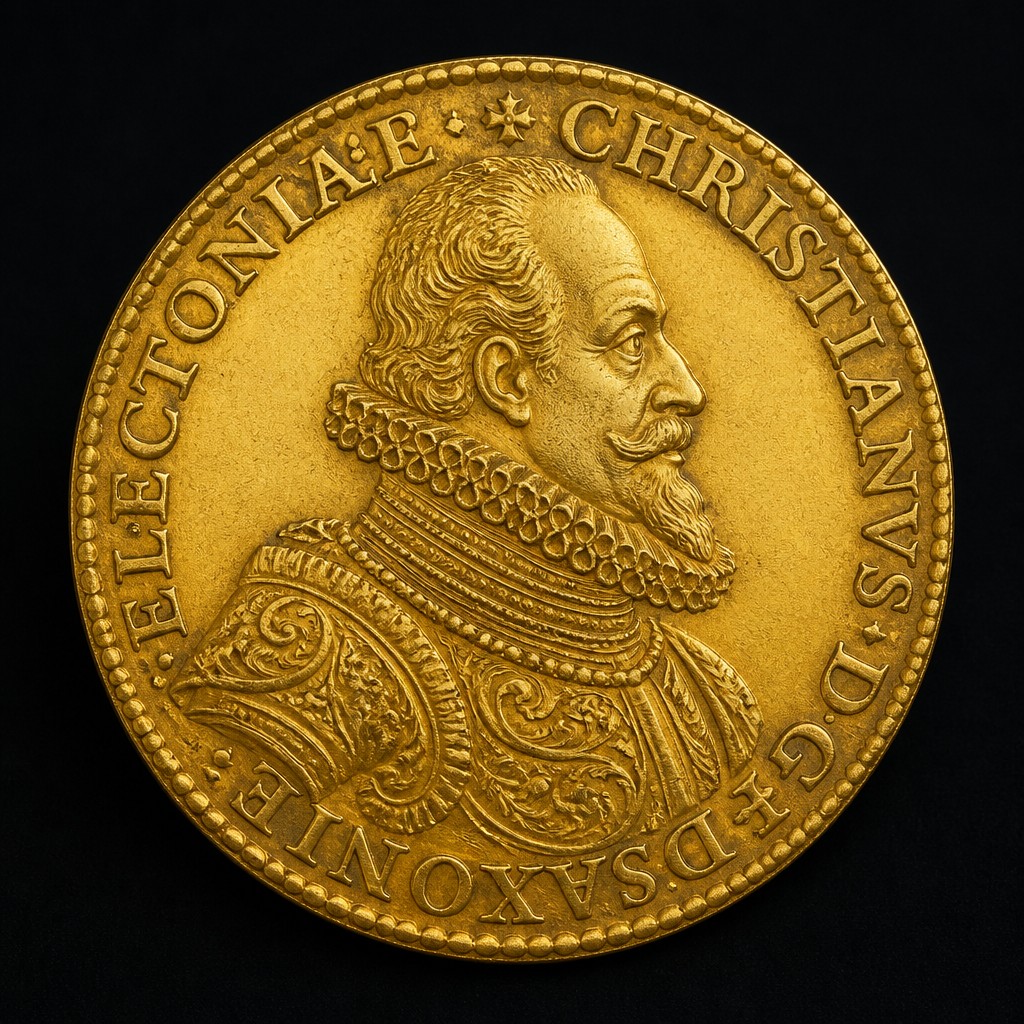
German Saxony Ducat
16th century–19th century
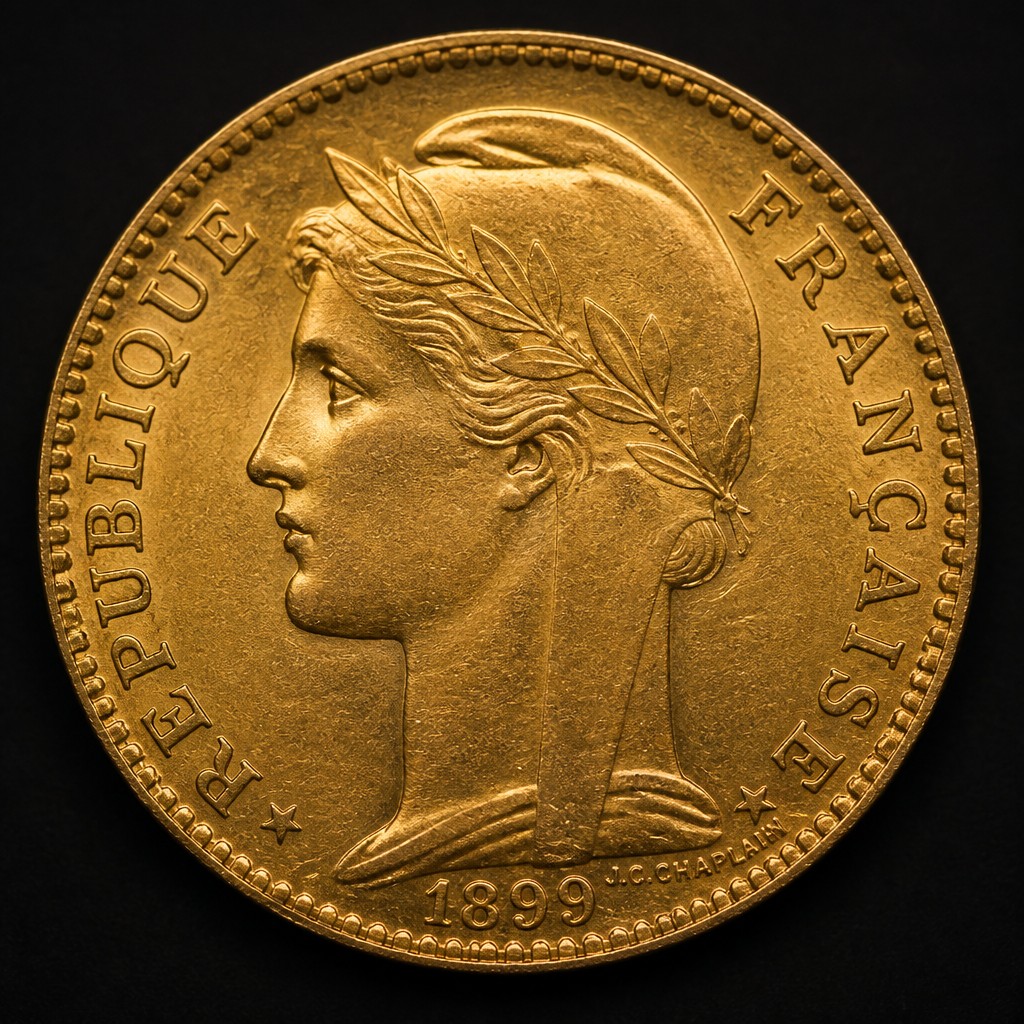
French 10 Francs Gold (Napoleon Rooster)
1899–1914
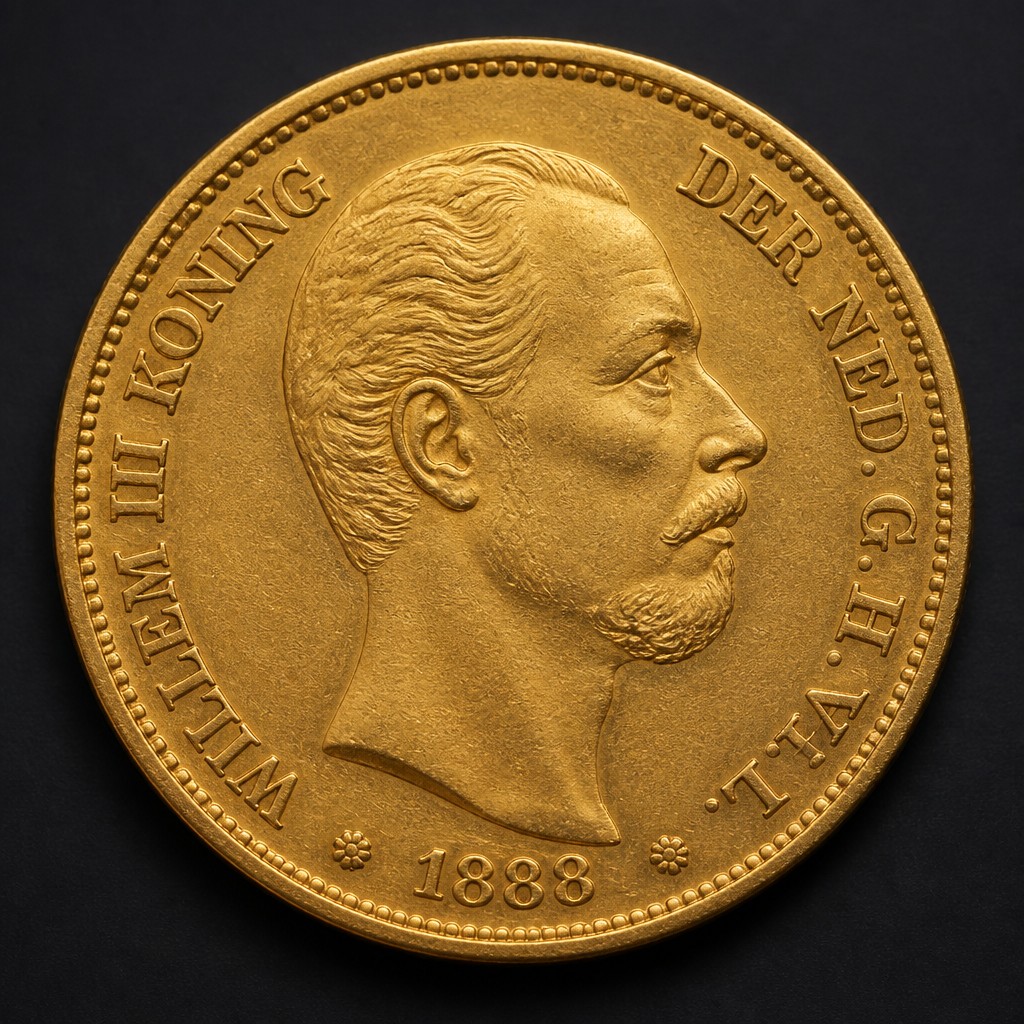
Netherlands 5 Gulden Gold
1826–1912 (intermittent)
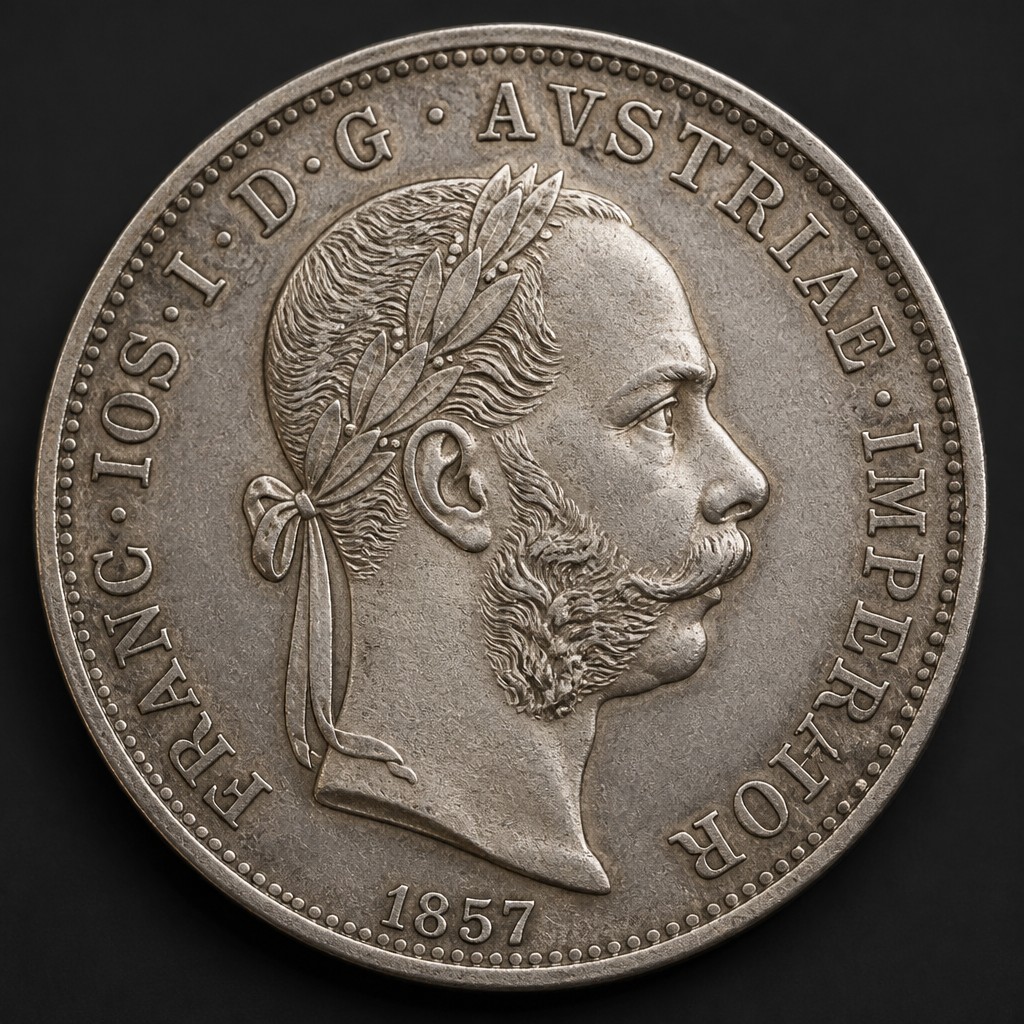
Austrian Florin (Gulden)
1857–1892