
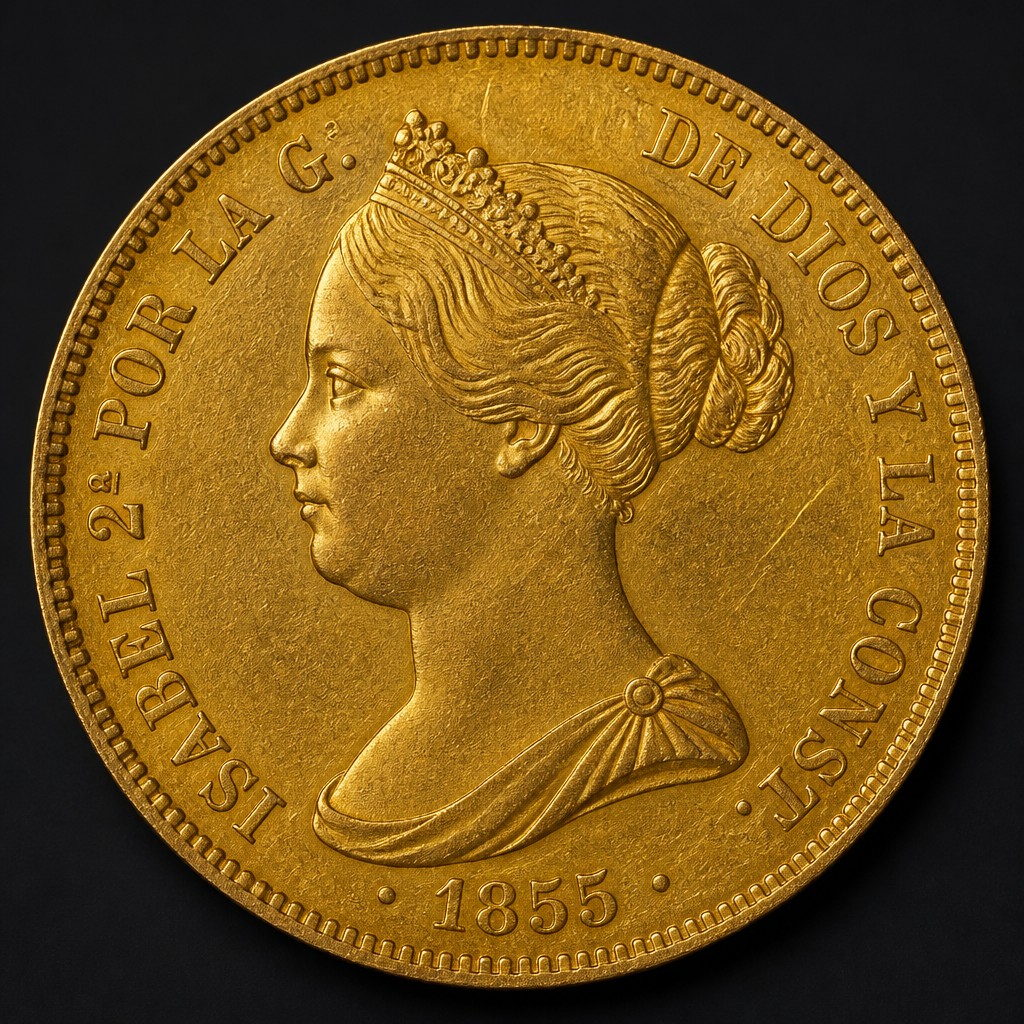
Spanish 100 Reales Gold (Isabel II)
A mid-19th-century Spanish gold coin struck under Queen Isabel II, part of Spain's pre-peseta reales-based monetary system.
- Country
- Spain
- Denomination
- 100 Reales
- Metal
- Gold (.900 fine)
Got a coin like this?
Identify any coin from a photo, free.
Overview
The 100 Reales gold coin represents Spain's mid-19th-century monetary reform efforts under Queen Isabel II, when the country attempted to modernize and stabilize its gold and silver coinage in the years before the peseta system was adopted.
Bearing the queen's portrait, the coin is a notable example of pre-decimal Spanish gold coinage and provides a window into the country's monetary experiments during a politically turbulent reign.
Collectors of Spanish and Isabeline-era coinage seek this type both for its historical context and for the relative scarcity of surviving gold coins from this period compared to later peseta gold issues.
History & Background
Isabel II reigned as Queen of Spain from 1833 to 1868, a period marked by political instability, civil wars (the Carlist Wars), and repeated attempts at fiscal and monetary reform. Gold coinage denominated in reales, including the 100 Reales piece, was part of mid-century efforts to standardize Spain's currency and align it more closely with other European gold standards.
The reales-based system was eventually replaced by the decimal peseta following the monetary law of 1868, enacted around the time of the revolution that ultimately deposed Isabel II later that year.
As a result, 100 Reales gold coins represent one of the last chapters of Spain's centuries-old reales denomination before the country transitioned fully to the peseta.
How to Identify
The obverse of the 100 Reales gold coin displays a portrait of Queen Isabel II, typically shown with her hair styled in period fashion, surrounded by her name and royal title in Spanish. The reverse carries the Spanish royal coat of arms along with the denomination and date.
As a gold coin, it is smaller and denser than contemporary silver Spanish coinage, struck to a relatively high gold fineness typical of mid-19th-century European standards.
Collectors should verify the denomination inscription ('100 REALES' or equivalent) and mint details to distinguish this coin from other Isabel II-era gold denominations (such as smaller or larger reales values) and from the later gold peseta coinage introduced after 1868.
Value & Collectibility
Genuine Isabel II gold 100 Reales coins are relatively scarce compared to later Spanish gold peseta issues, and their value is driven largely by gold content, rarity of specific date, and condition.
Because gold coins of this era were often melted or exported during subsequent currency reforms, well-preserved survivors can command a solid premium above bullion value.
Given their gold content and historical scarcity, collector value for genuine examples generally starts well above simple bullion melt value and can reach several hundred dollars or more for choice, well-documented pieces.
Frequently asked questions
Who is depicted on the 100 Reales gold coin?
Queen Isabel II of Spain, who reigned from 1833 to 1868, appears on the obverse.
What system did the peseta replace?
The peseta, introduced in 1868, replaced Spain's older reales-based monetary system, of which the 100 Reales gold coin was a part.
How can I tell this coin is gold and not silver?
Gold 19th-century Spanish coins are smaller and denser than silver denominations of similar face value and carry a distinctive yellow gold color and high fineness.
Is this coin rare?
Genuine examples are relatively scarce today, as many gold coins from this era were melted down during later currency reforms.
Other coins you may enjoy
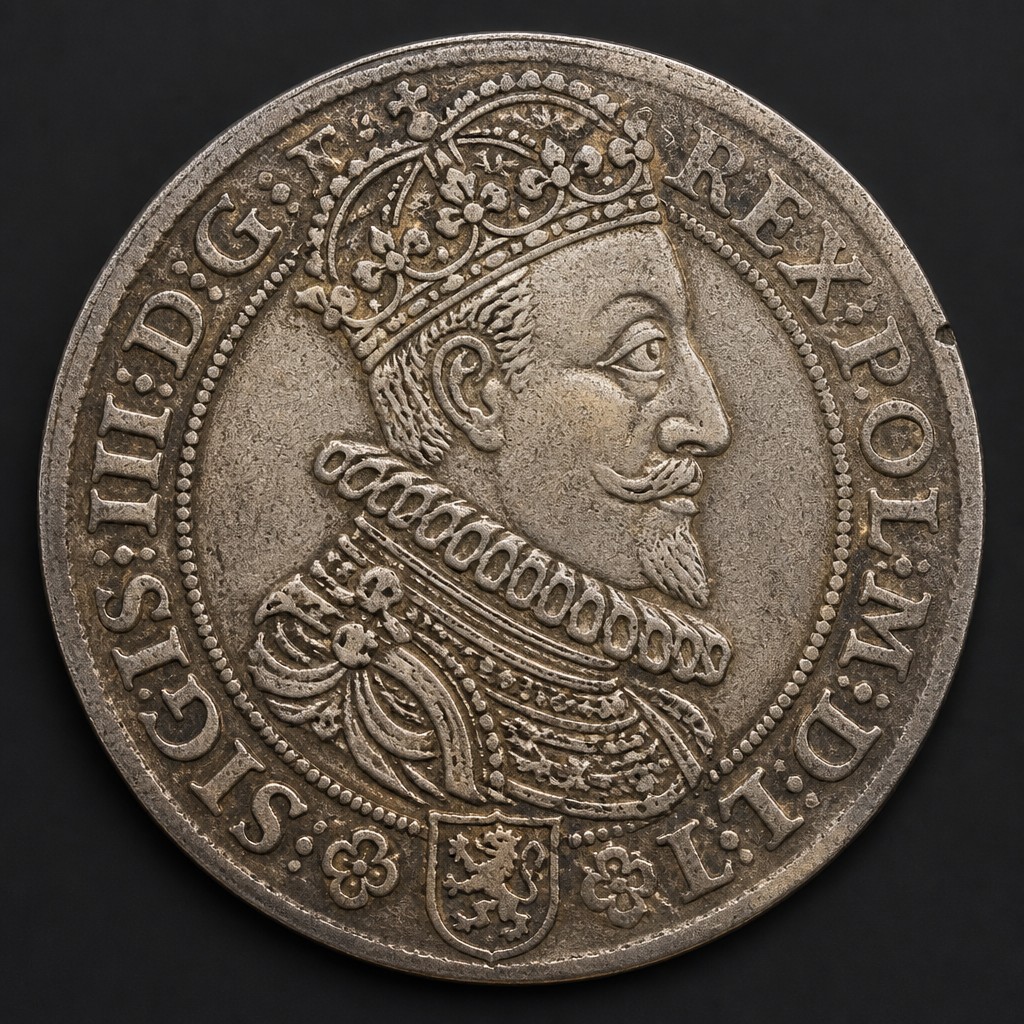
Polish-Lithuanian Thaler
circa 16th–18th century
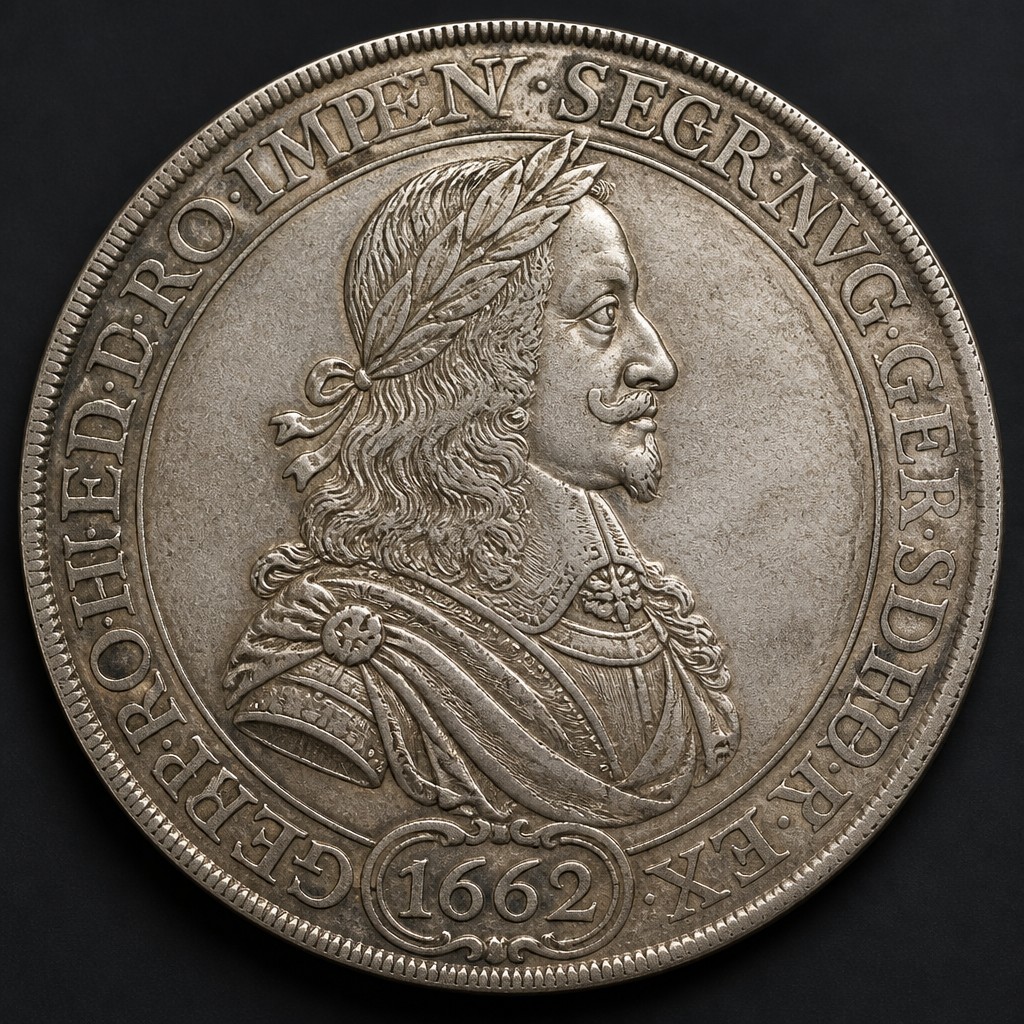
Reichsthaler
circa 1566–early 19th century
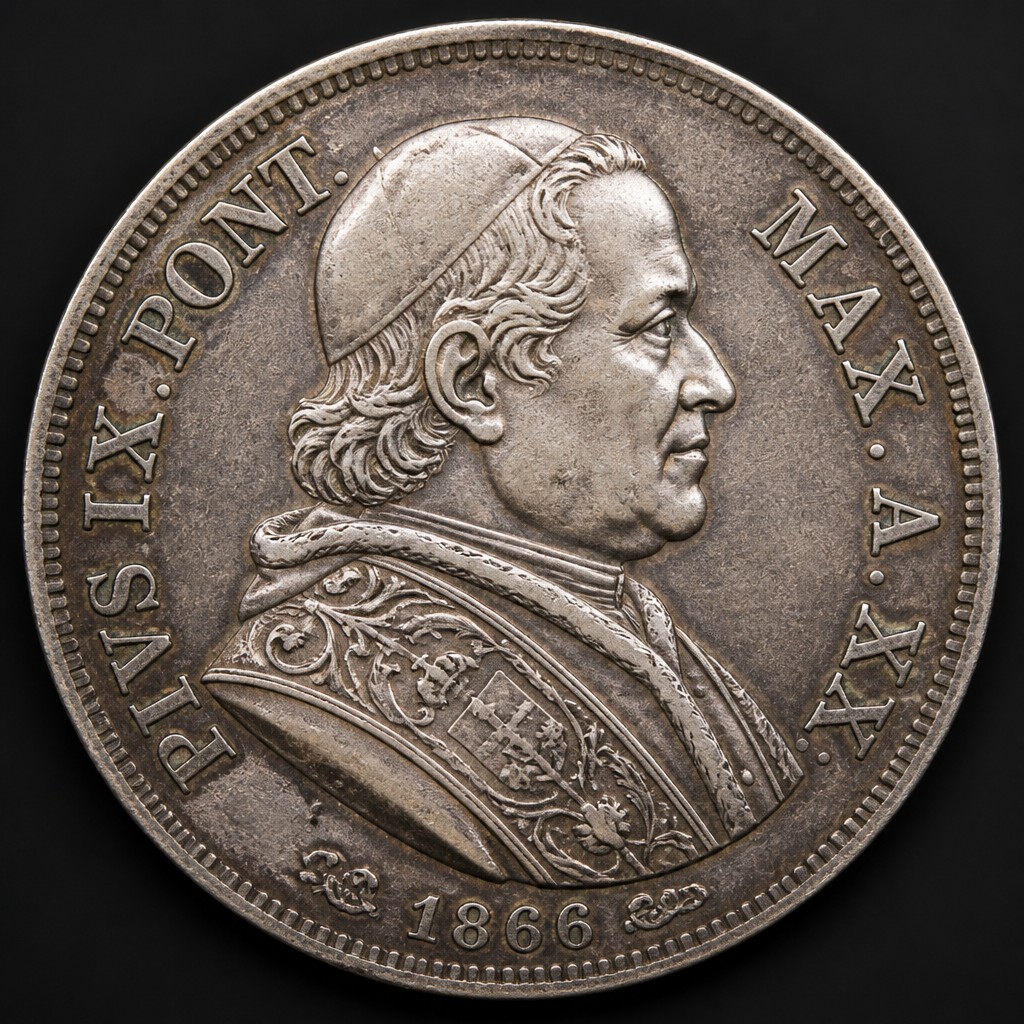
Papal States Scudo
16th century–1866
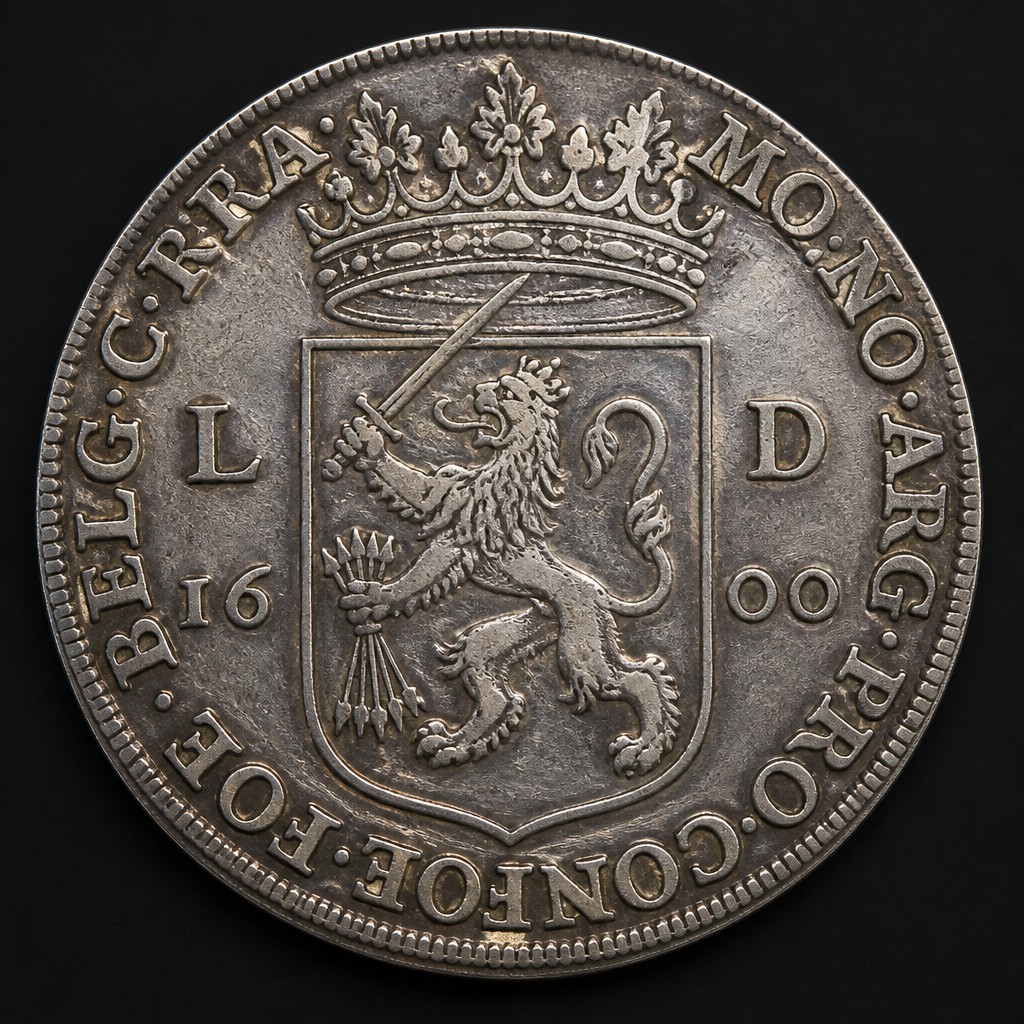
Netherlands Lion Daalder (Leeuwendaalder)
1575–1713
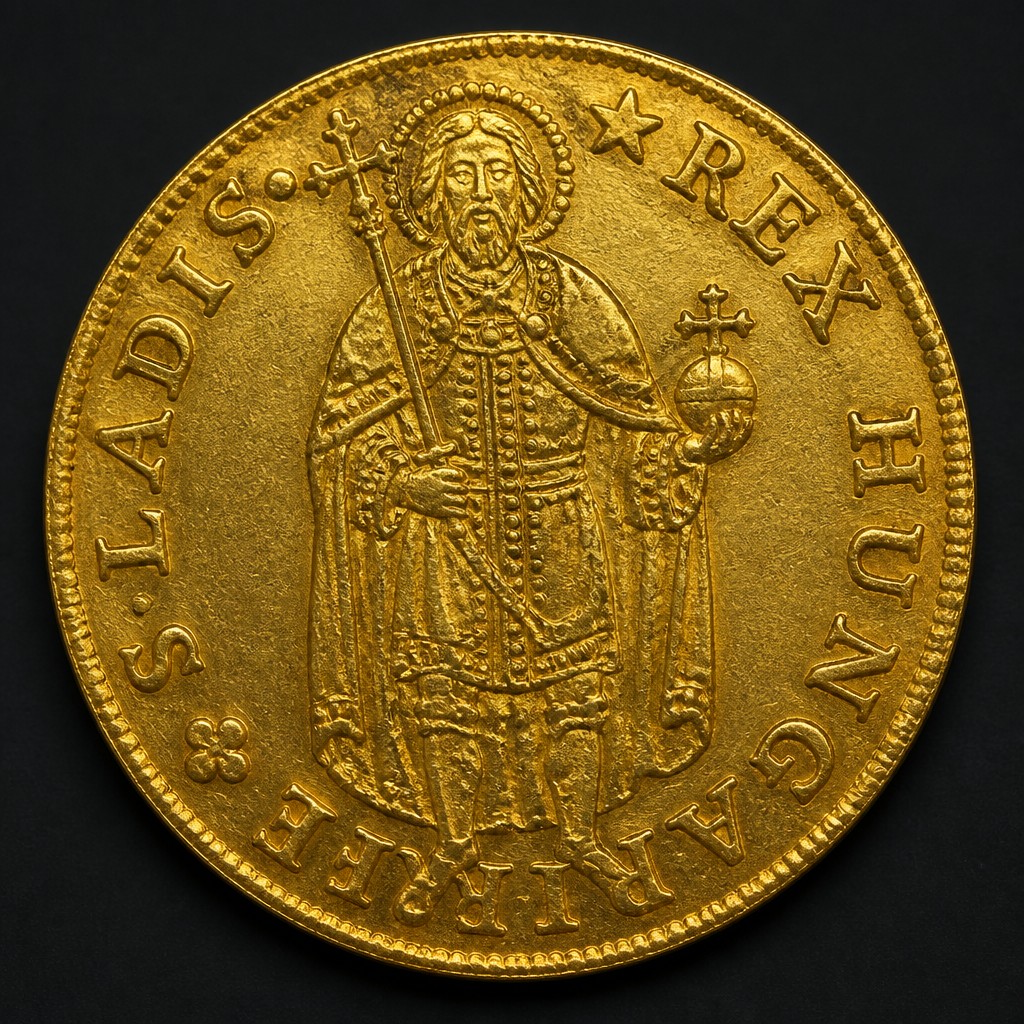
Hungarian Ducat
c. 1325–1918
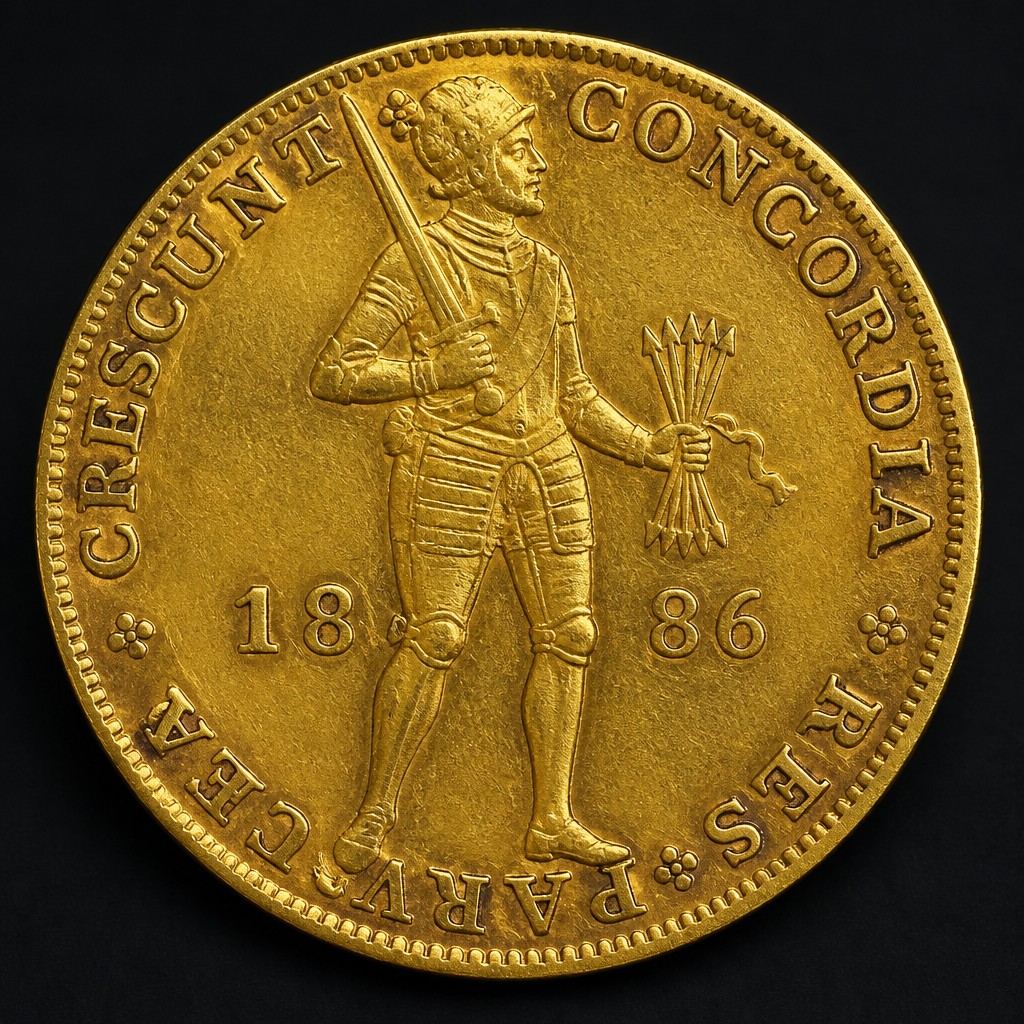
Dutch Ducat
c. 1586–present (classic type standardized after 1817)
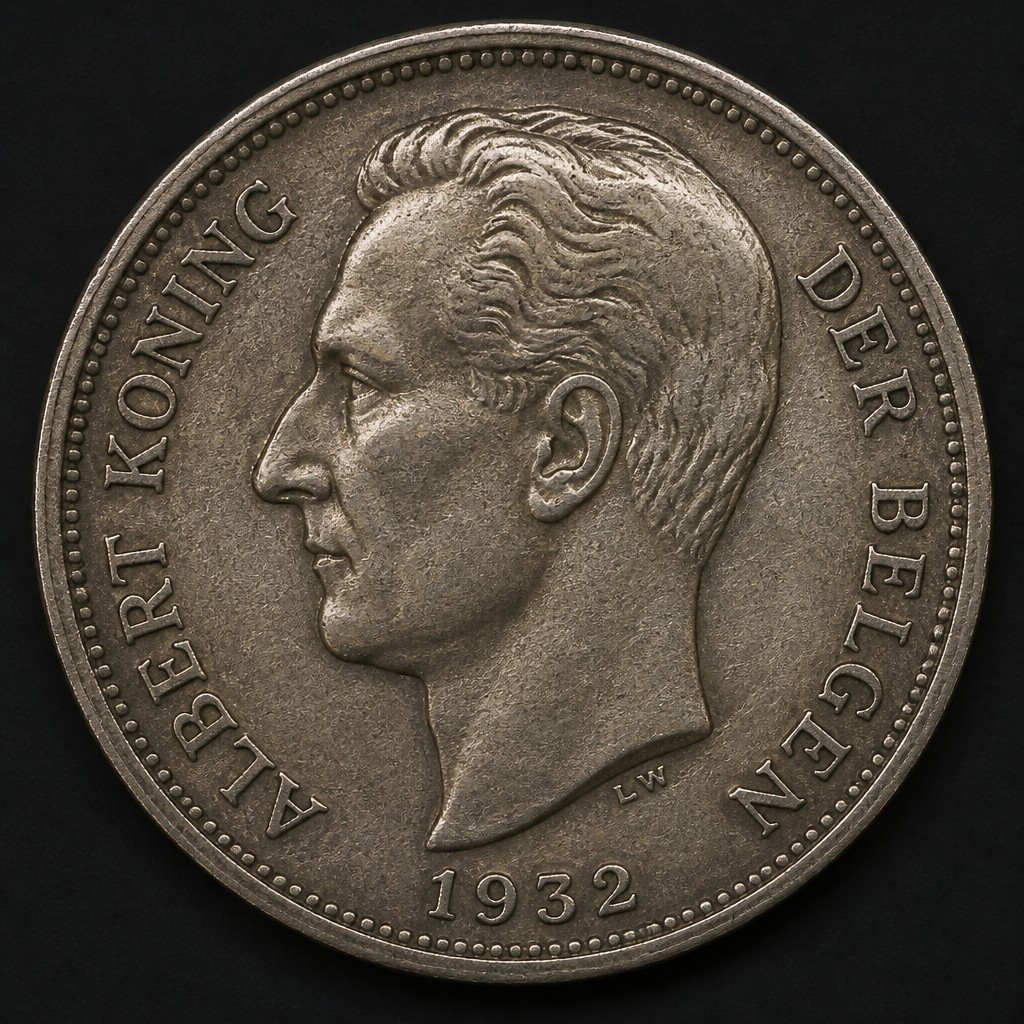
Belgian Franc
1832–2002
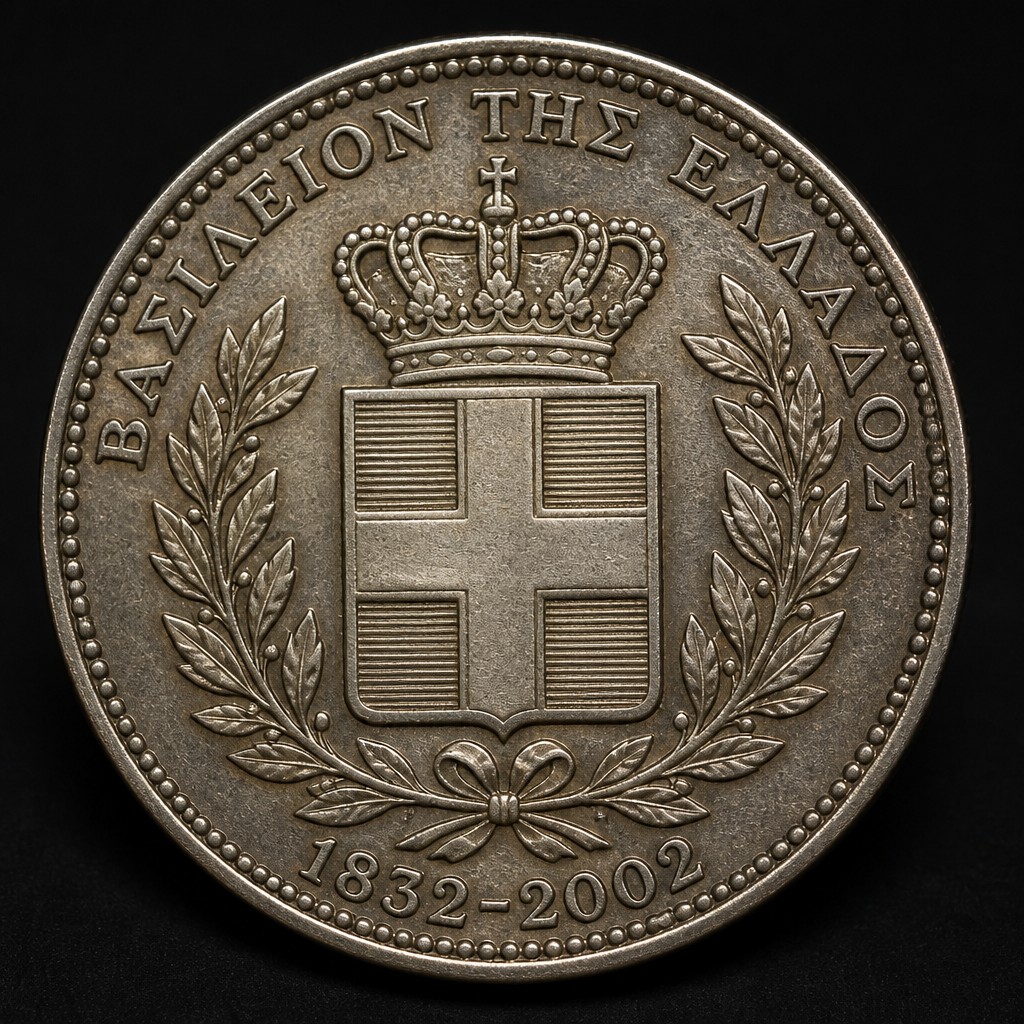
Greek Drachma
1832–2002
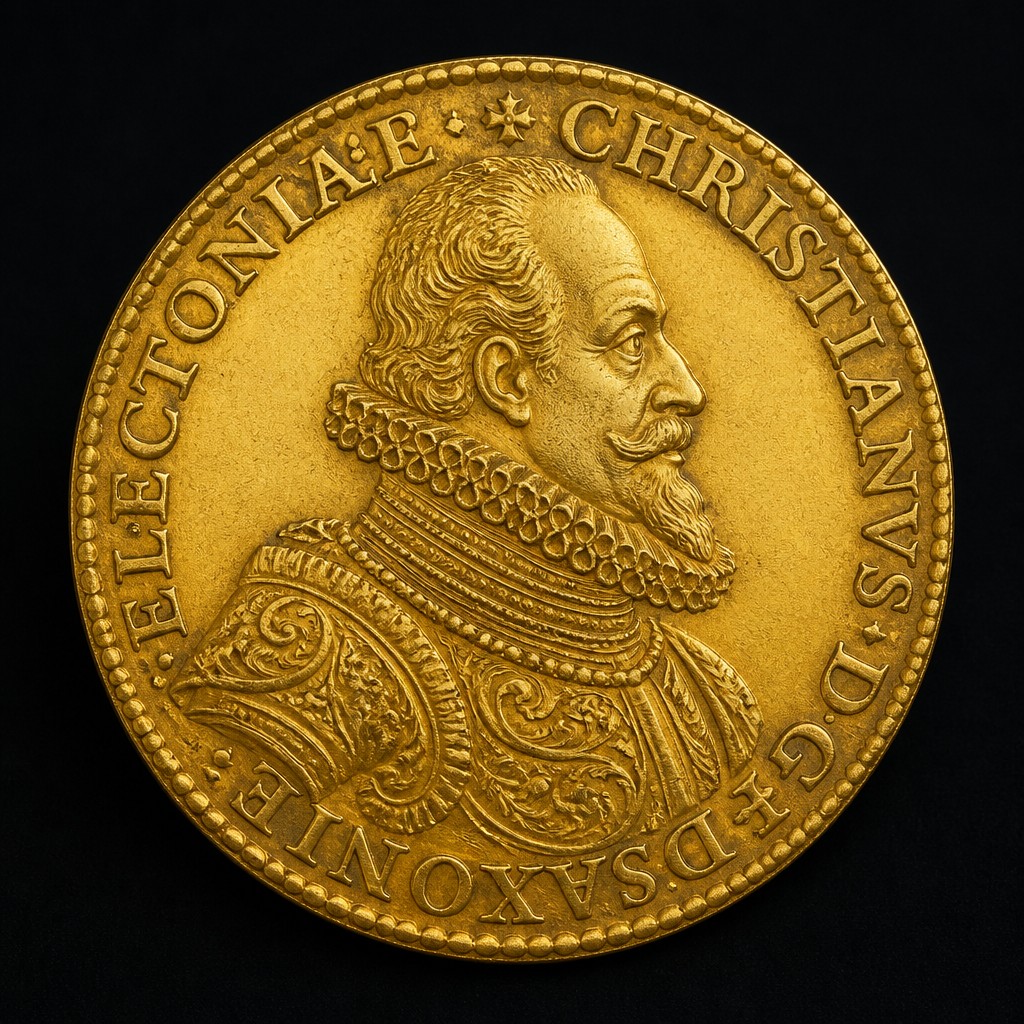
German Saxony Ducat
16th century–19th century
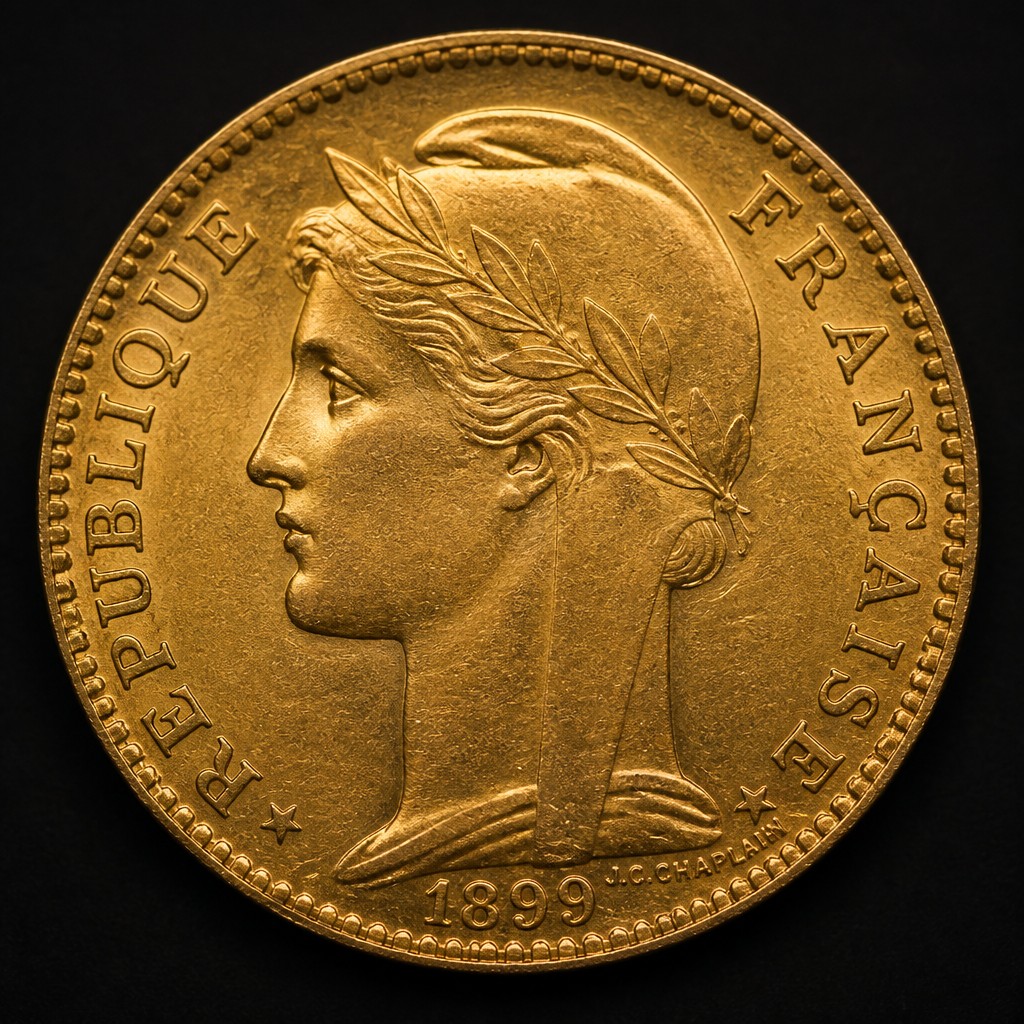
French 10 Francs Gold (Napoleon Rooster)
1899–1914
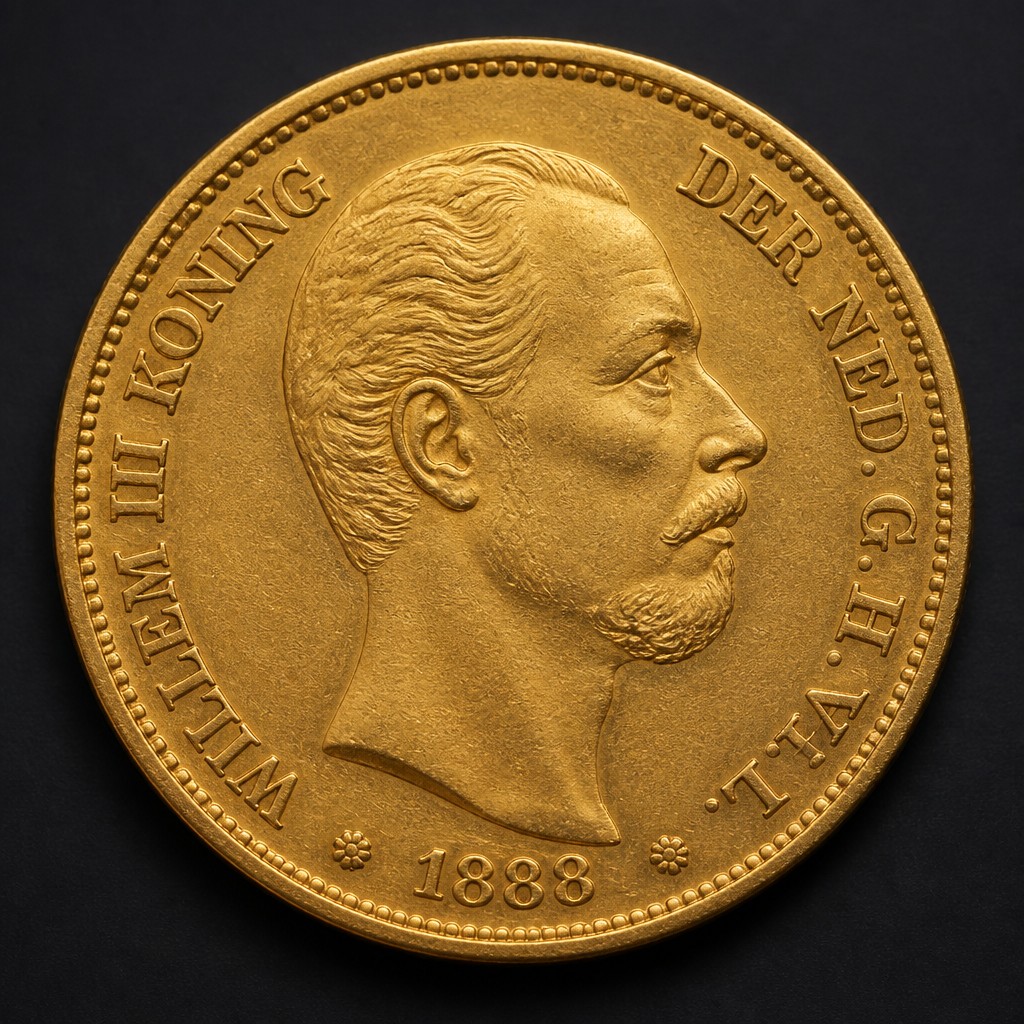
Netherlands 5 Gulden Gold
1826–1912 (intermittent)
Austrian Florin (Gulden)
1857–1892