
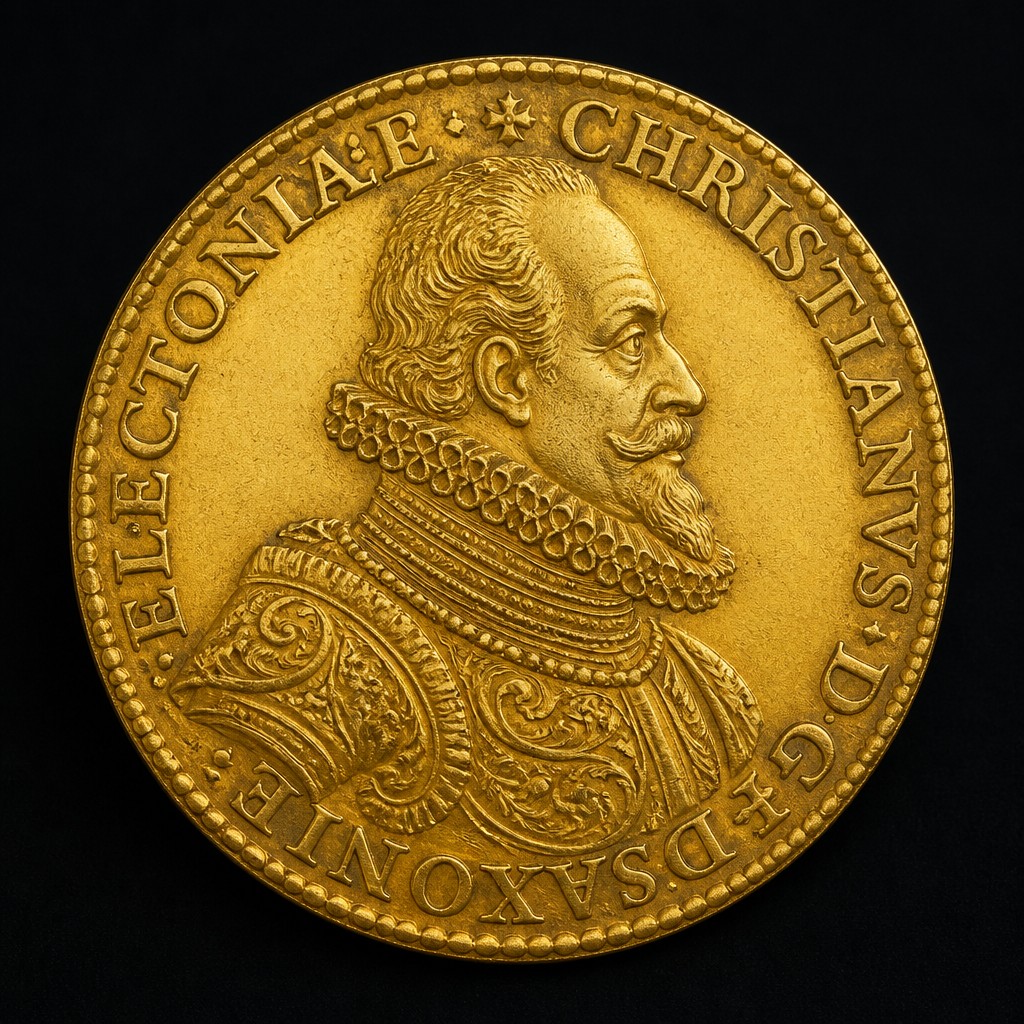
German Saxony Ducat
A high-purity gold trade coin struck for centuries by the rulers of Saxony, one of the most important German states before national unification.
- Country
- Germany (Electorate/Kingdom of Saxony)
- Denomination
- Ducat
- Metal
- Gold (.986 fine)
Got a coin like this?
Identify any coin from a photo, free.
Overview
Saxon ducats represent one of the longest-running gold coinage traditions among the German states, produced continuously by the Electors and later Kings of Saxony from the Renaissance era through the 19th century. As a ducat, the coin followed the pan-European ducat standard prized for its consistent high gold purity.
Saxony was among the wealthiest and most influential German states thanks to its silver mining industry, and its gold ducats circulated widely as trusted trade coins beyond its own borders.
Collectors of German states coinage and gold ducats generally value Saxon issues for their fine portraiture of the Wettin dynasty rulers and their role in the broader European ducat trading system.
History & Background
The ducat standard, originally established in Venice in the 13th century, was widely adopted across Europe as a trusted high-purity gold trade coin, and the Electorate of Saxony began striking its own ducats to this standard during the Renaissance under rulers of the Wettin dynasty.
Throughout the 17th, 18th, and into the 19th centuries, Saxon ducats were issued under successive Electors and, after 1806, Kings of Saxony, often featuring elaborate portraiture and sometimes commemorating specific events, mining anniversaries, or dynastic occasions.
Saxony's gold ducat production continued even as the state became part of the German Confederation and later the German Empire in 1871, with ducats persisting as trade and presentation coins even after standard circulating currency shifted to the unified German mark.
How to Identify
Saxon ducats typically display the portrait of the reigning Elector or King on the obverse, rendered in fine detail with elaborate period costume, wig, or armor depending on the era, along with his name and titles in Latin. The reverse often carries the Saxon coat of arms, a crowned cipher, or in commemorative issues, an inscription or scene marking a specific occasion.
As a true ducat, the coin is small but dense, struck in nearly pure (.986 fine) gold, and noticeably thinner and smaller in diameter than silver thaler-sized coins of the same states.
Because many German states struck ducats to the same standard, collectors must rely on the specific ruler's portrait, titles, and Saxon heraldic devices (such as the crossed swords or rue crown) to confirm a Saxon origin rather than that of another German principality.
Value & Collectibility
Saxon ducats are collected both for their gold content and for their historical and artistic merit, with value driven strongly by the specific ruler, date, and whether the issue is a common circulation type or a rarer commemorative strike.
Well-preserved portraits and sharp strikes command higher premiums, as ducats' thin planchets are prone to bending, scratching, and wear that can significantly reduce collector appeal.
Given their gold content and historical significance, genuine Saxon ducats typically sell well above simple bullion value, with common types reaching into the several-hundred-dollar range and rarer commemorative or early issues commanding considerably more.
Frequently asked questions
What is a ducat?
A ducat is a historic European gold trade coin standard, originally from Venice, known for its high and consistent gold purity, widely copied across Europe.
Who ruled Saxony when these ducats were struck?
Various Electors and, after 1806, Kings of Saxony from the Wettin dynasty issued ducats over several centuries.
How pure is the gold in a Saxon ducat?
Ducats were struck to a very high standard, typically around .986 fine gold.
Why did Saxony keep striking ducats into the 19th century?
Ducats remained useful and prestigious as trade and presentation coins even as everyday circulating currency shifted to other standards.
Other coins you may enjoy
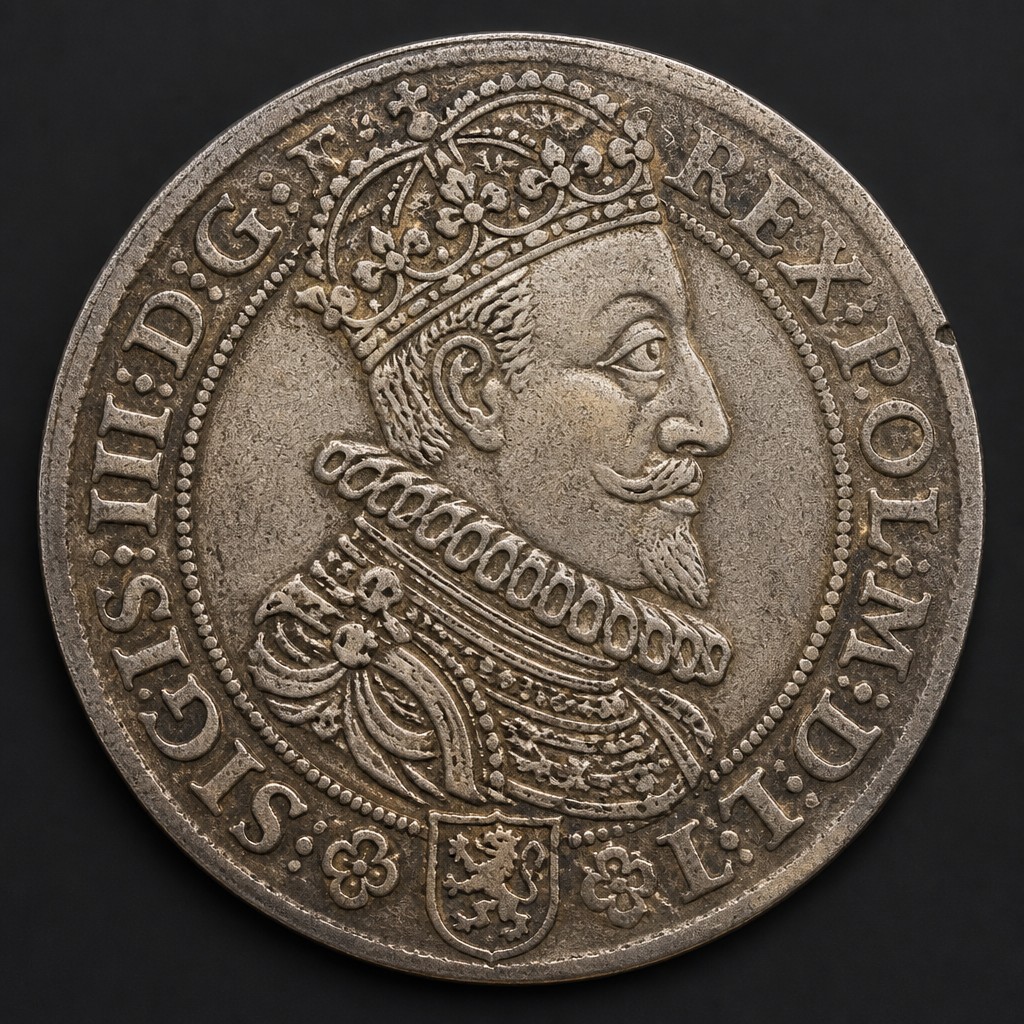
Polish-Lithuanian Thaler
circa 16th–18th century
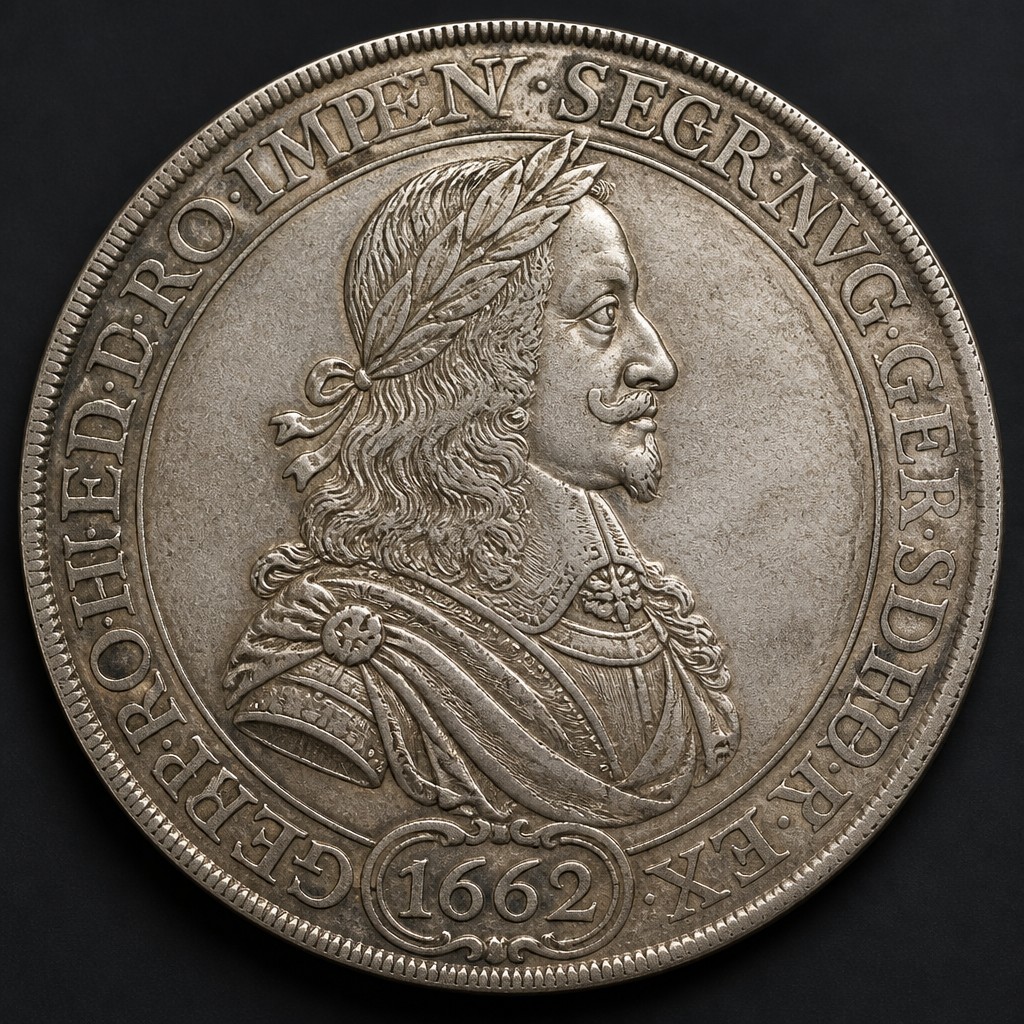
Reichsthaler
circa 1566–early 19th century
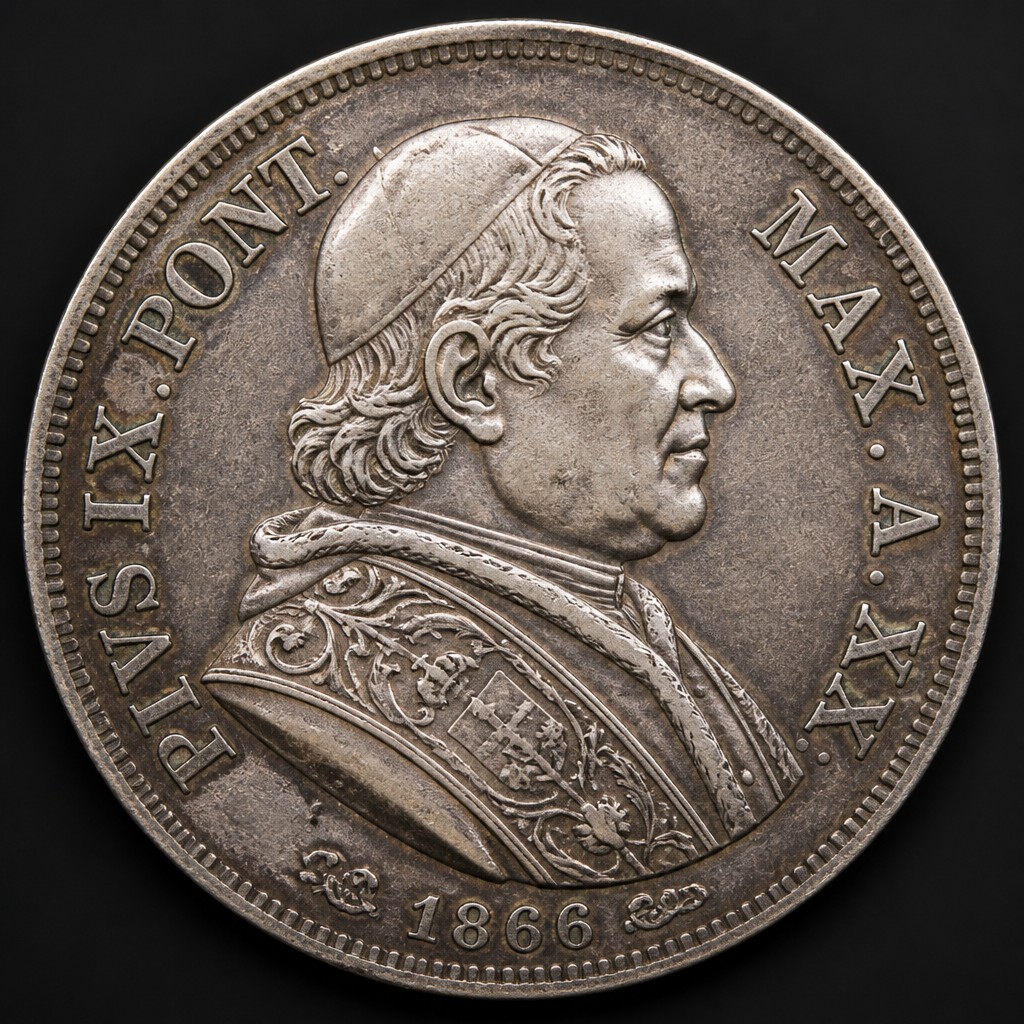
Papal States Scudo
16th century–1866
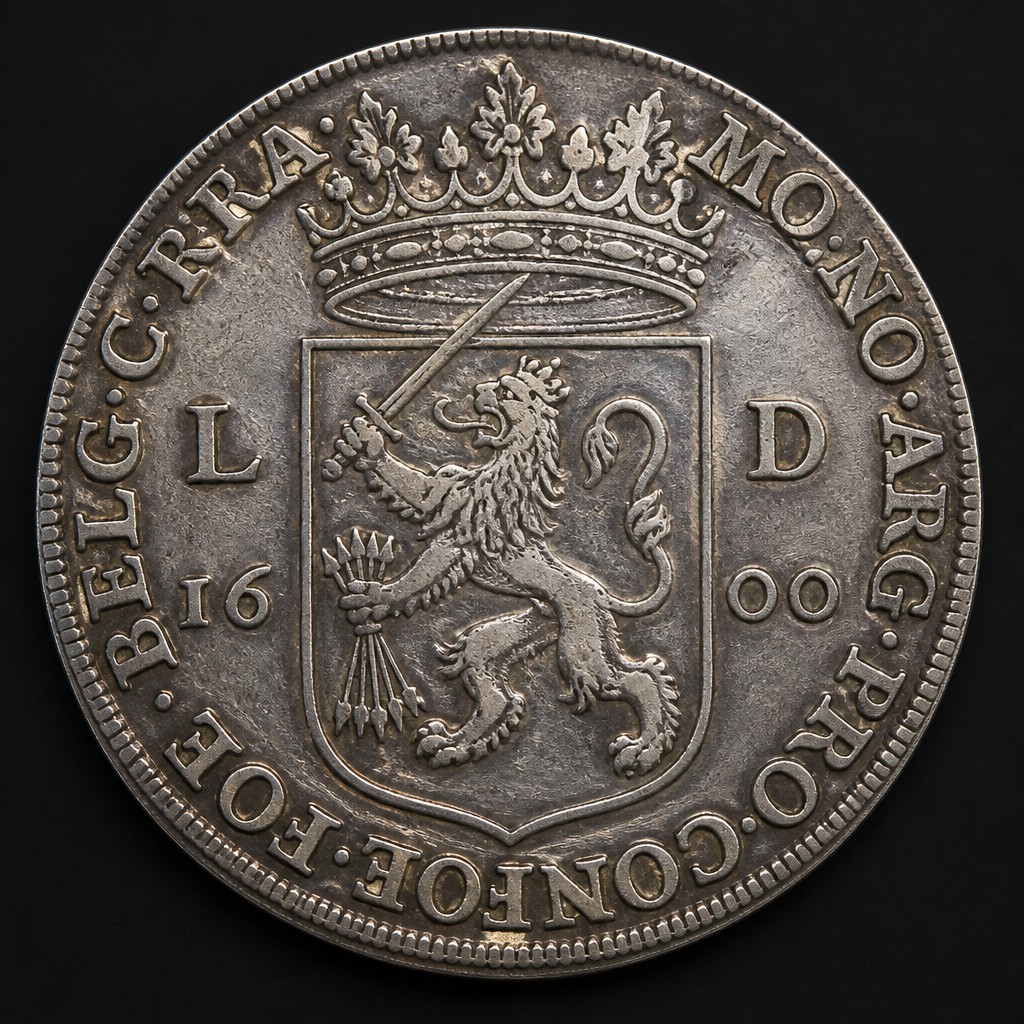
Netherlands Lion Daalder (Leeuwendaalder)
1575–1713
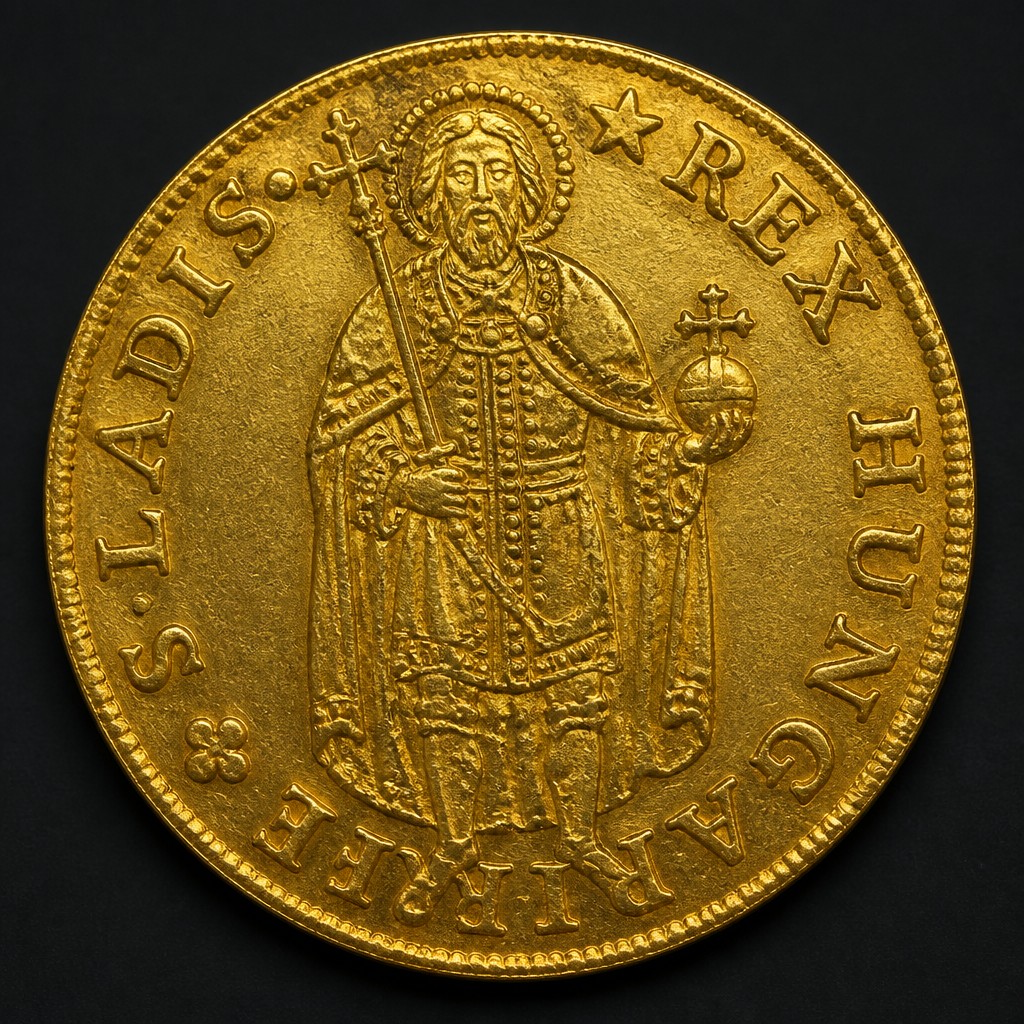
Hungarian Ducat
c. 1325–1918
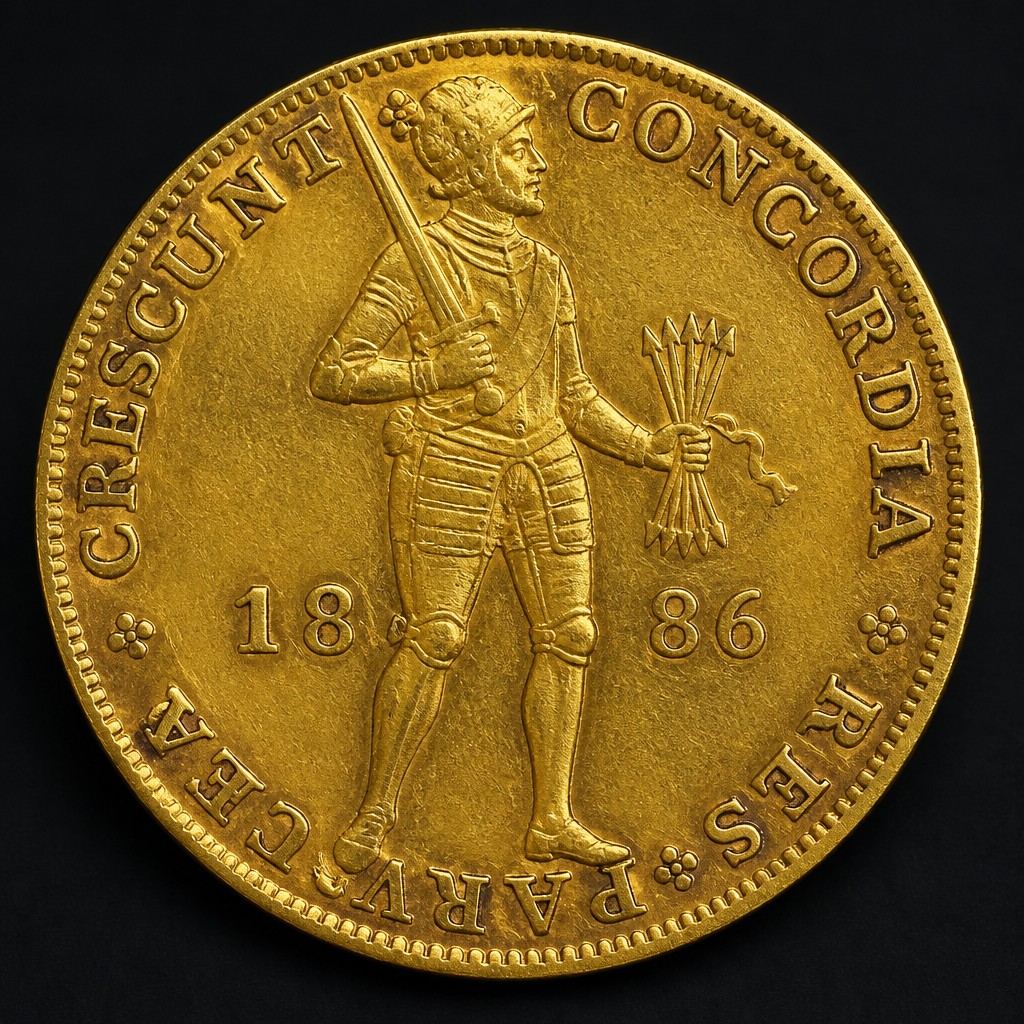
Dutch Ducat
c. 1586–present (classic type standardized after 1817)
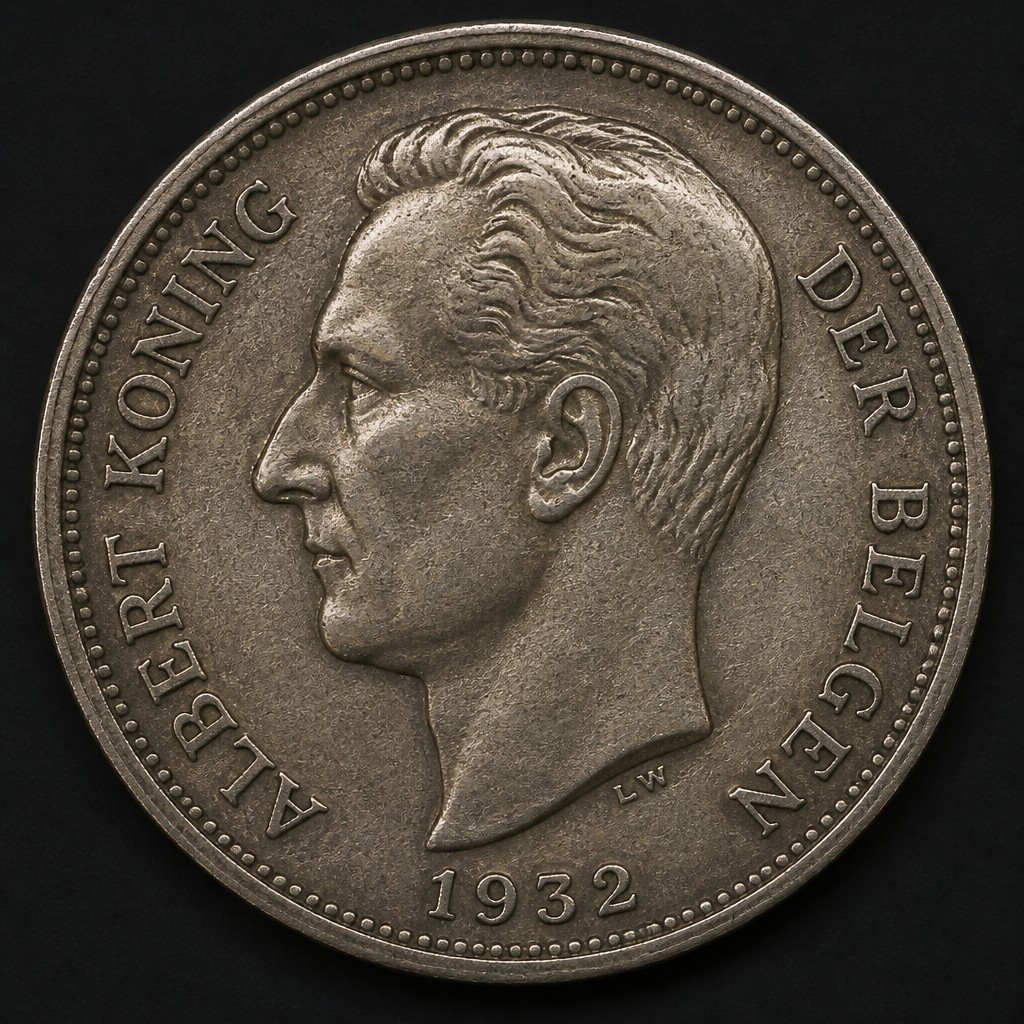
Belgian Franc
1832–2002
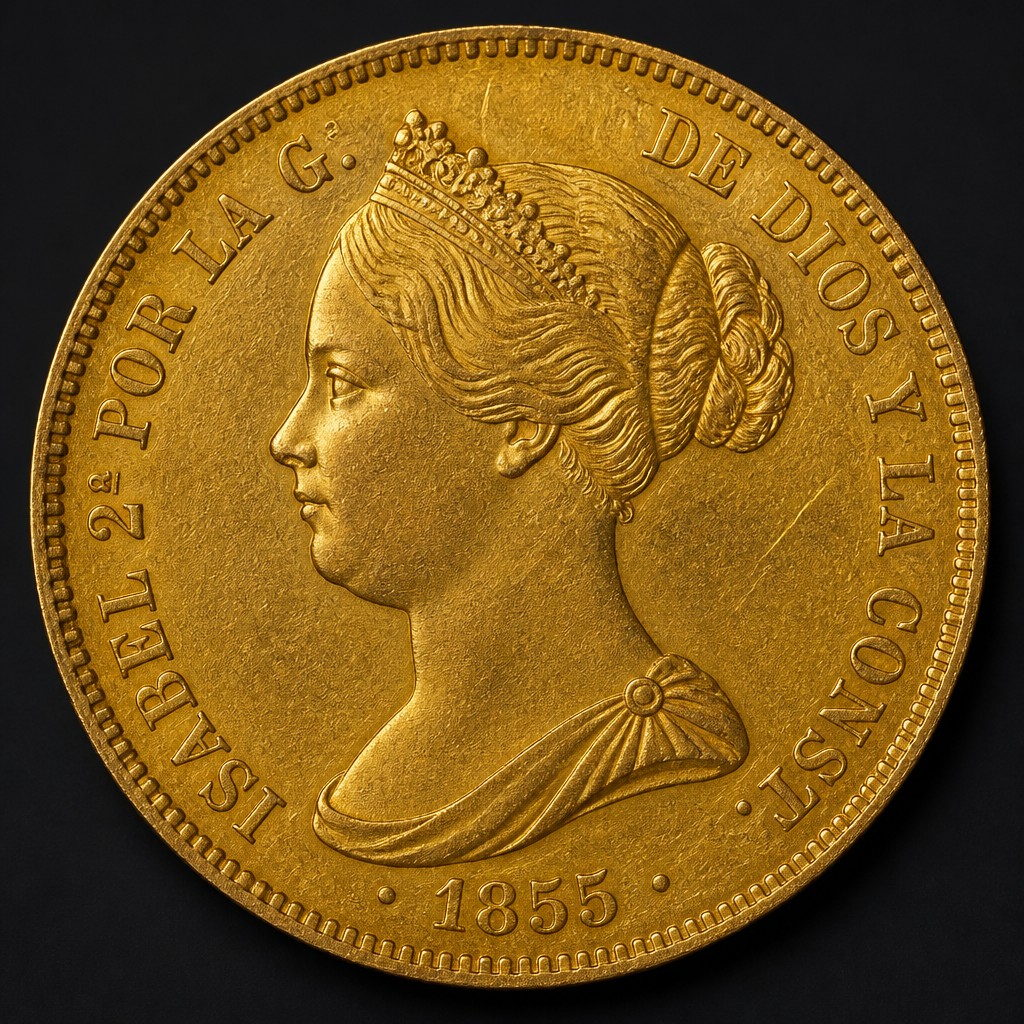
Spanish 100 Reales Gold (Isabel II)
1850s–1868
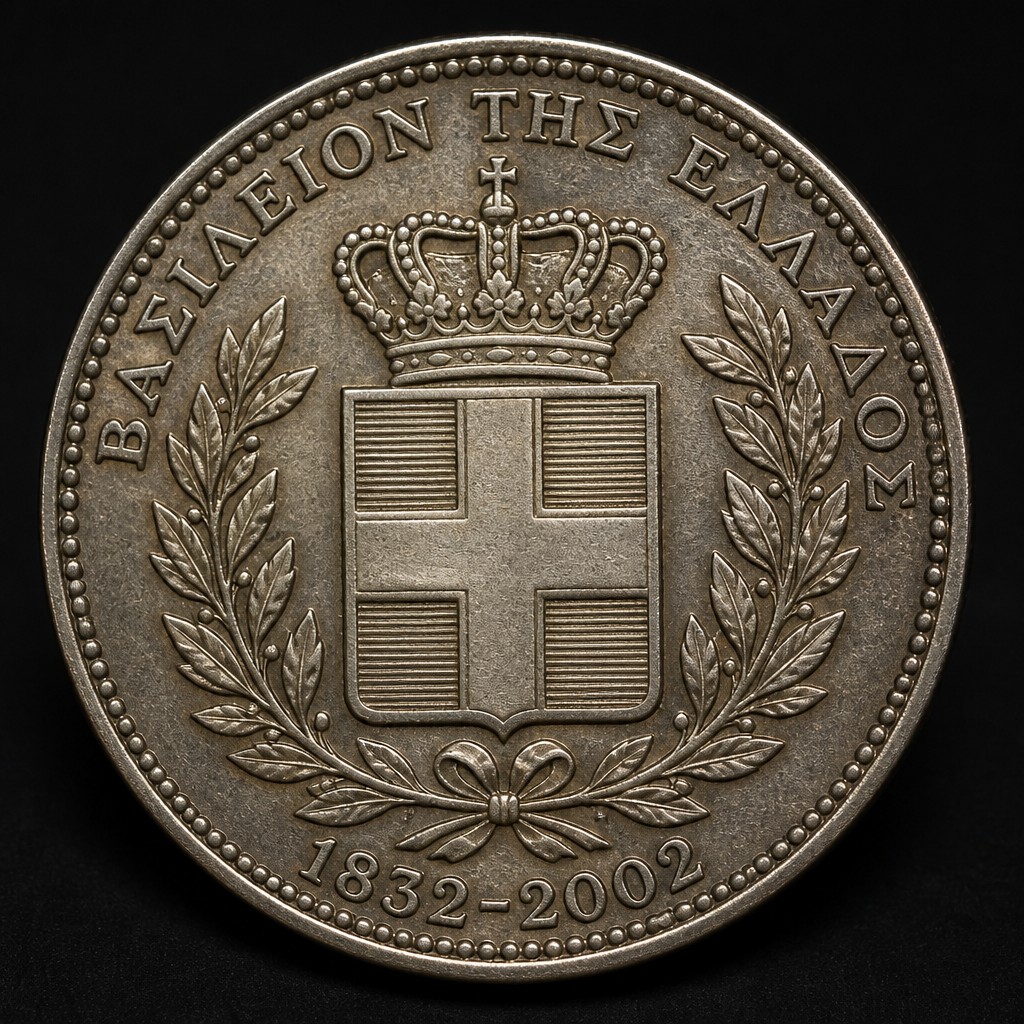
Greek Drachma
1832–2002
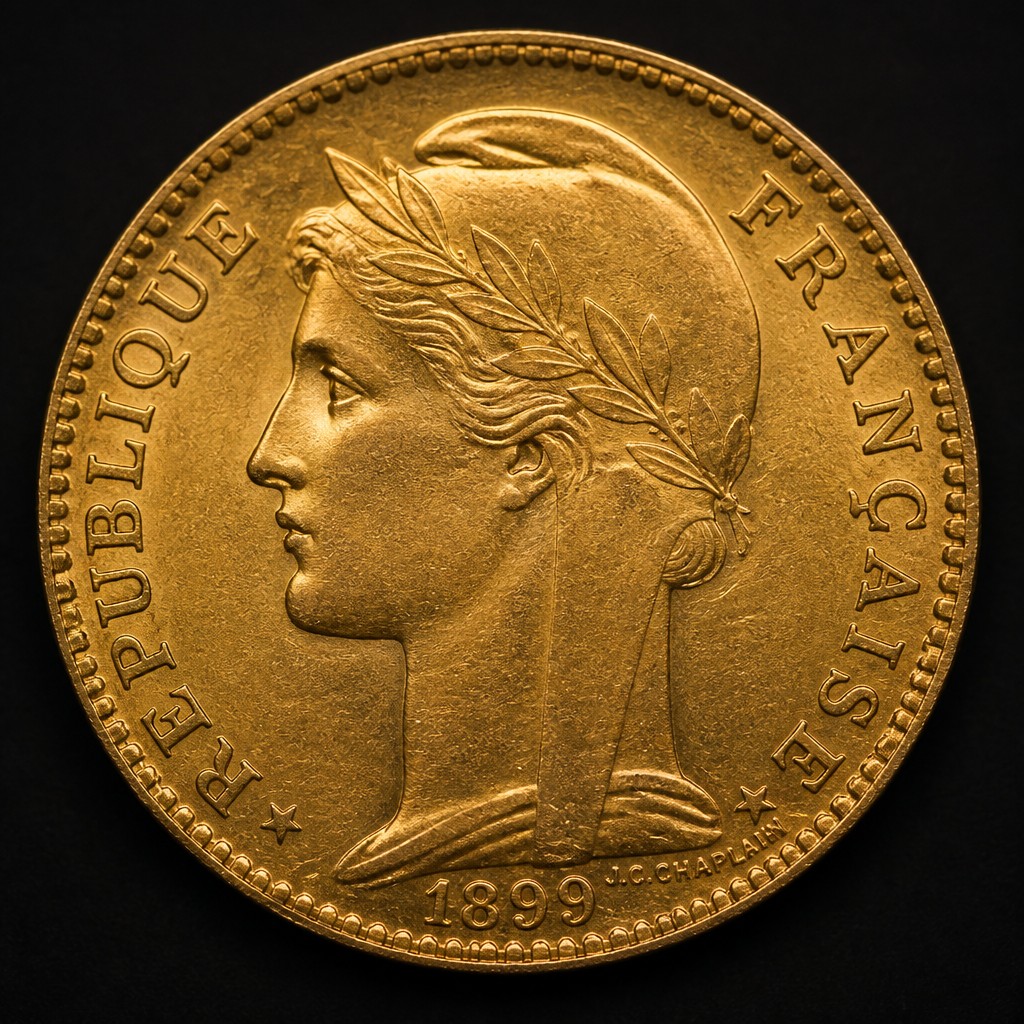
French 10 Francs Gold (Napoleon Rooster)
1899–1914
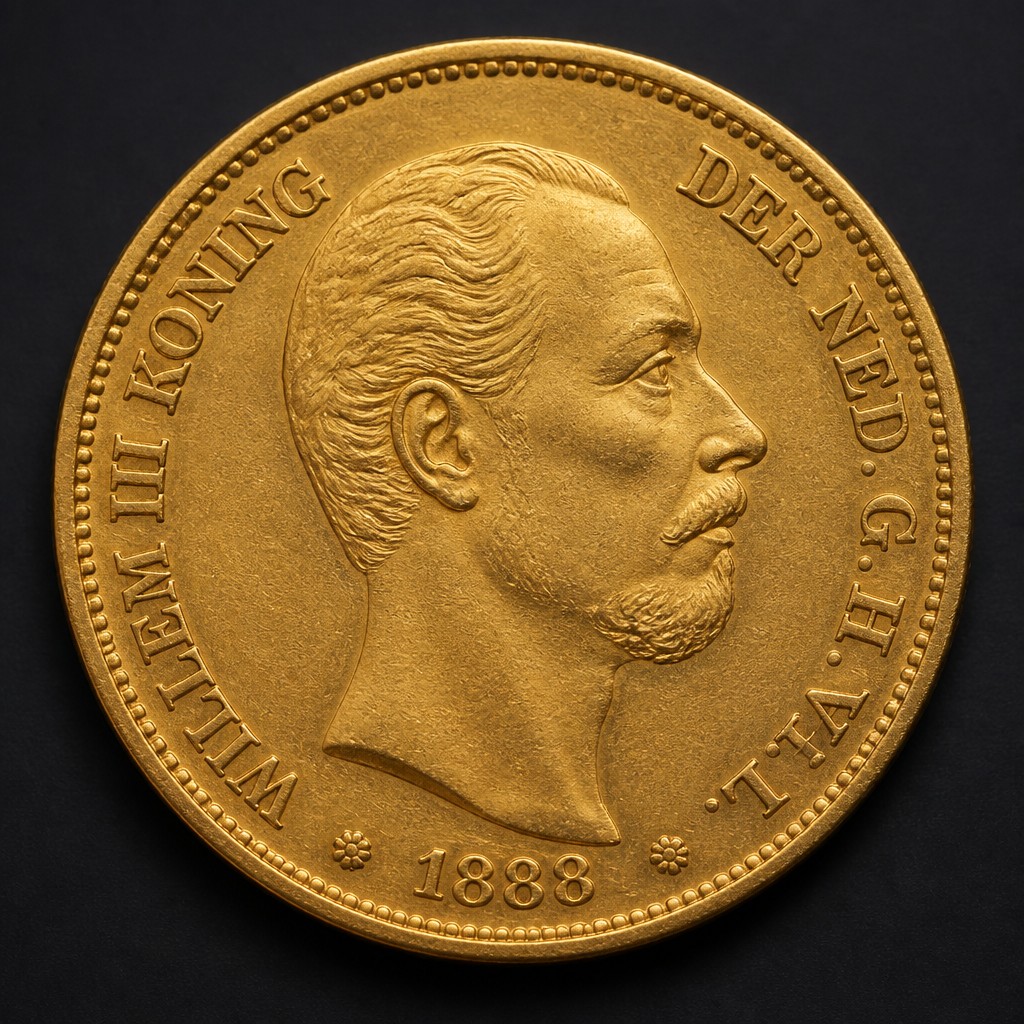
Netherlands 5 Gulden Gold
1826–1912 (intermittent)
Austrian Florin (Gulden)
1857–1892