
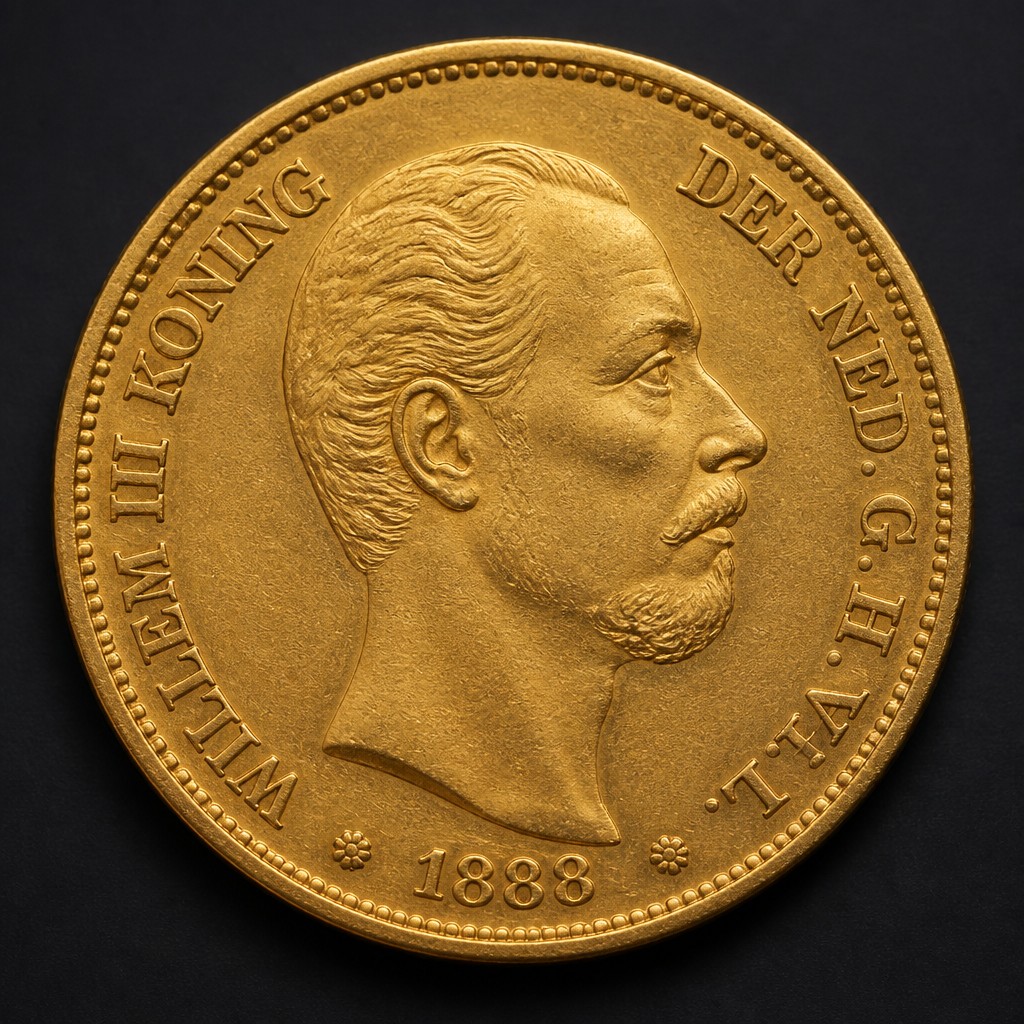
Netherlands 5 Gulden Gold
A gold 5 gulden coin struck intermittently by the Kingdom of the Netherlands, first under King William I in the 1820s and later as a rare 1912 commemorative under Queen Wilhelmina.
- Country
- Netherlands
- Denomination
- 5 Gulden
- Metal
- Gold (.900)
Got a coin like this?
Identify any coin from a photo, free.
Overview
The Netherlands 5 gulden gold piece is a minor gold denomination of the Kingdom of the Netherlands, considerably scarcer than the far more common 10 gulden "gouden tientje." It was struck in limited runs during the early 19th century and again as a special issue in the early 20th century, making it a more specialized target for collectors of Dutch gold.
Because it never circulated on the same scale as the 10 gulden coin, the 5 gulden piece is often overlooked, but its limited mintages give it genuine appeal to collectors focused on Dutch royal coinage.
History & Background
King William I introduced a gold 5 gulden coin in the 1820s as part of the reorganization of Dutch coinage following the creation of the Kingdom of the Netherlands in 1815. It circulated alongside the larger 10 gulden piece but in smaller numbers and for a shorter span of years.
Decades later, in 1912, the Dutch mint at Utrecht struck a special 5 gulden gold piece to mark the 25th anniversary of Queen Wilhelmina's accession to the throne. This later issue was intended more as a commemorative and collector's piece than as everyday circulating money, and it survives today in far smaller numbers than most Dutch gold coinage.
How to Identify
The obverse typically bears the portrait of the reigning monarch, either William I or Wilhelmina depending on the date, facing left or right with the ruler's name and title abbreviated in Latin. The reverse shows the crowned Dutch coat of arms, a lion holding a sword and a bundle of arrows, with the denomination "5 GULDEN" and the date below.
The coin is struck in .900 fine gold and is noticeably smaller and lighter than the 10 gulden gold piece, which shares a similar design language but should not be confused with it. It has a reeded edge typical of Dutch gold coinage of both periods.
Value & Collectibility
Because both the William I era issues and especially the 1912 Wilhelmina piece were struck in limited numbers, genuine examples are scarce and trade at a premium over their gold content, often ranging from several hundred to a few thousand US dollars depending on date, grade, and rarity.
Collectors should take care to distinguish the 5 gulden from the far more common and larger 10 gulden gouden tientje, which is frequently offered and can be confused with it by less experienced buyers.
Frequently asked questions
Is the Netherlands 5 gulden gold coin rare?
Yes, it was struck in much smaller numbers than the common Dutch 10 gulden gold piece, making genuine examples relatively scarce.
What is the difference between the 5 gulden and 10 gulden gold coins?
They share similar designs but the 10 gulden 'gouden tientje' is larger, heavier, and far more commonly available; the 5 gulden is a smaller, scarcer denomination.
Who appears on the coin?
Depending on the date, either King William I or Queen Wilhelmina appears on the obverse.
What metal is it made of?
It is struck in .900 fine gold, a standard purity for 19th and early 20th century Dutch gold coinage.
Other coins you may enjoy
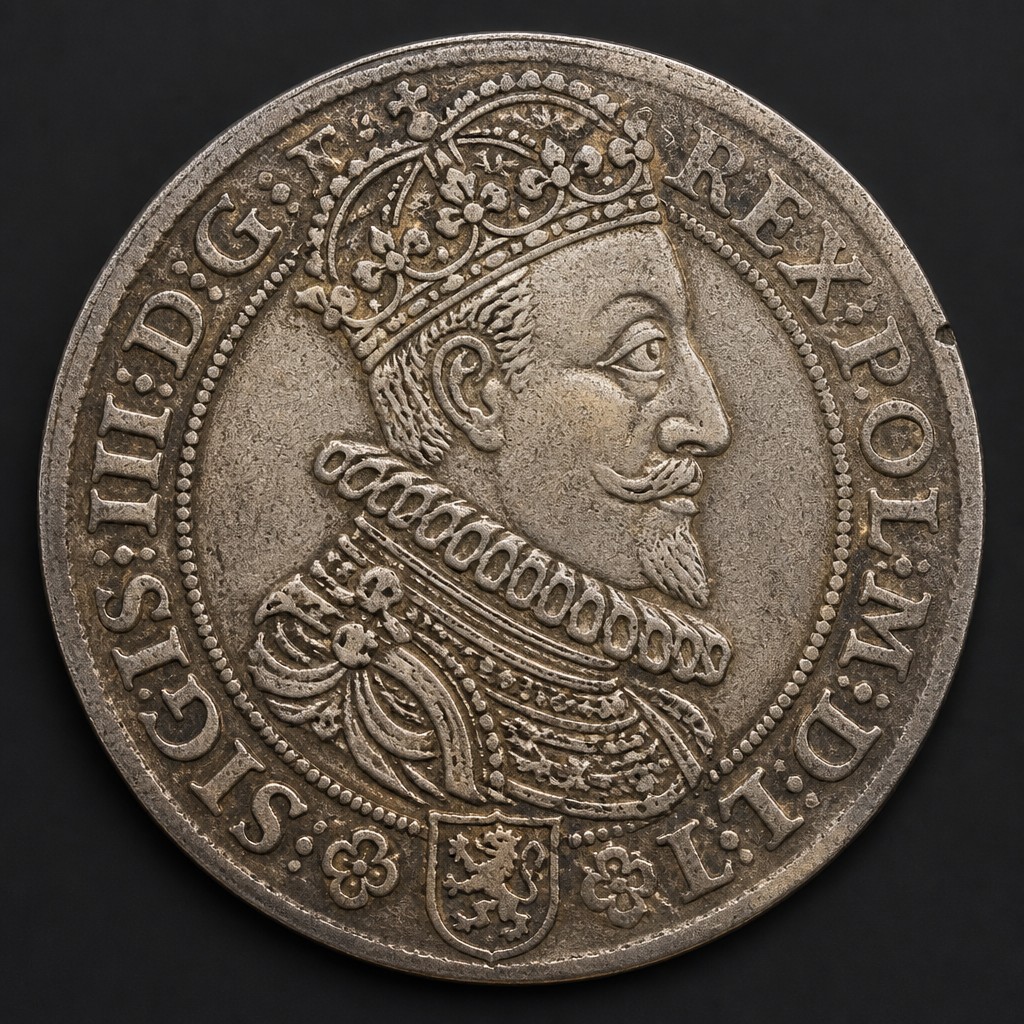
Polish-Lithuanian Thaler
circa 16th–18th century
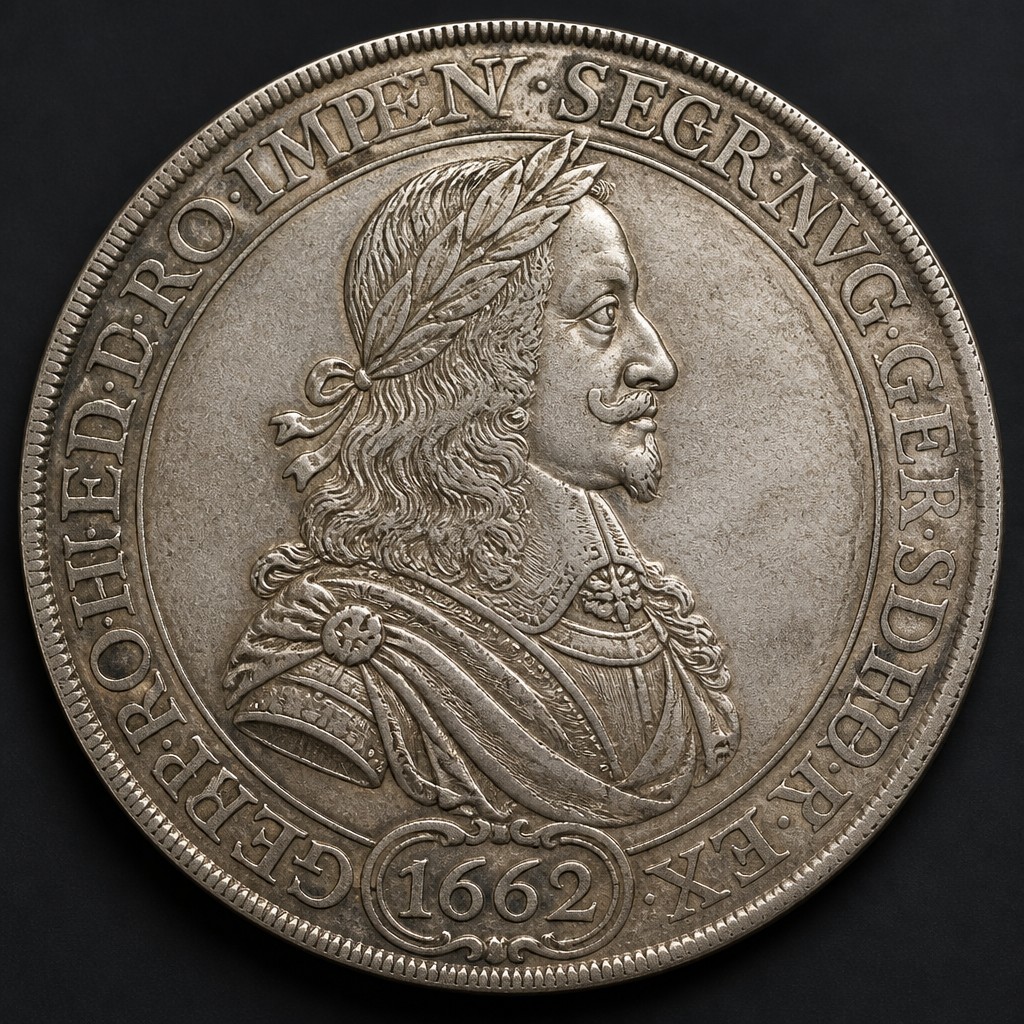
Reichsthaler
circa 1566–early 19th century
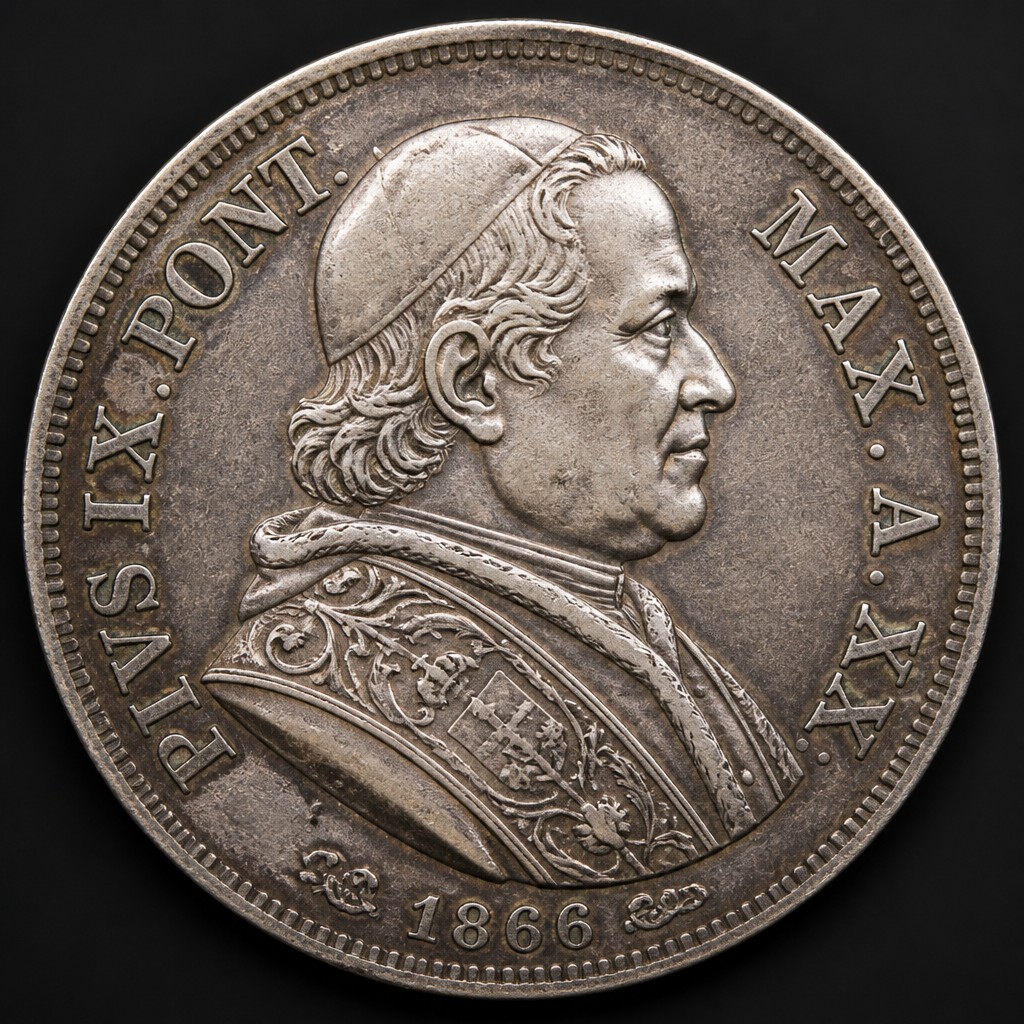
Papal States Scudo
16th century–1866
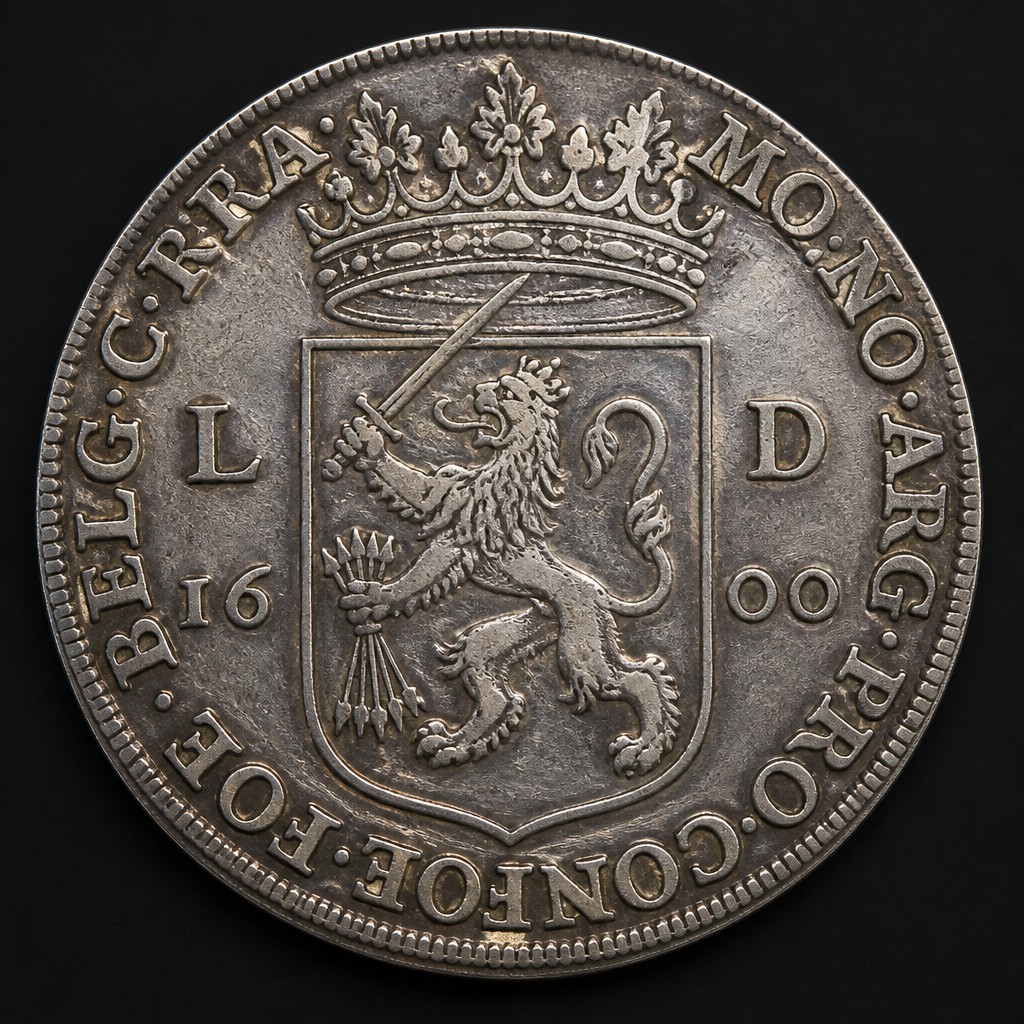
Netherlands Lion Daalder (Leeuwendaalder)
1575–1713
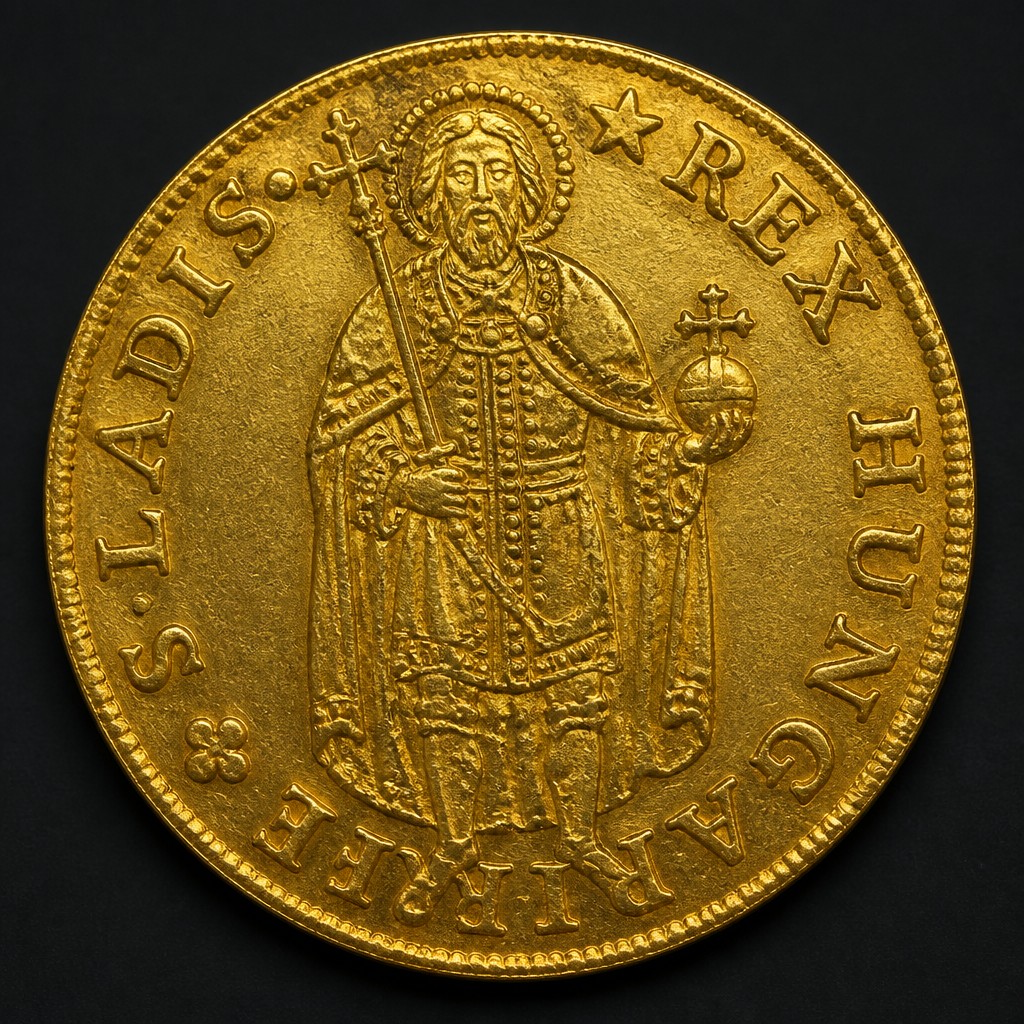
Hungarian Ducat
c. 1325–1918
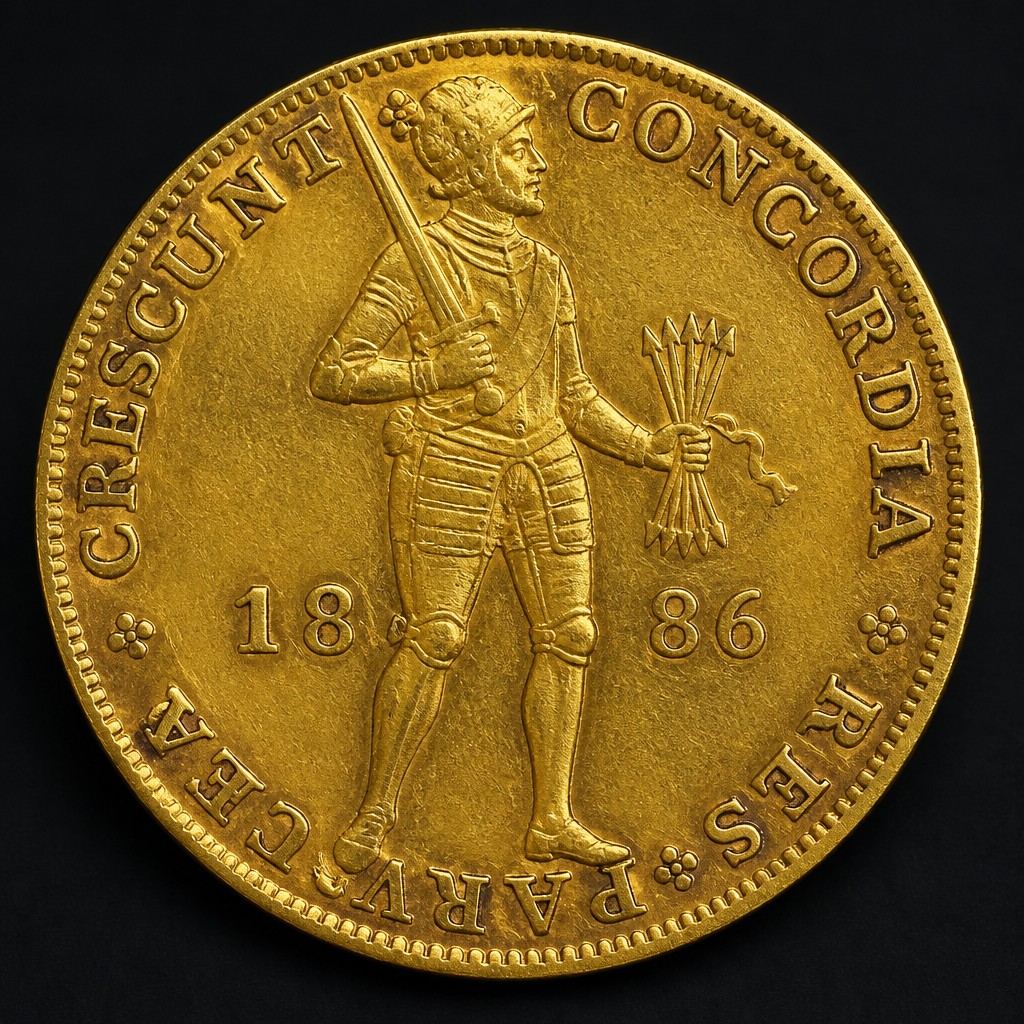
Dutch Ducat
c. 1586–present (classic type standardized after 1817)
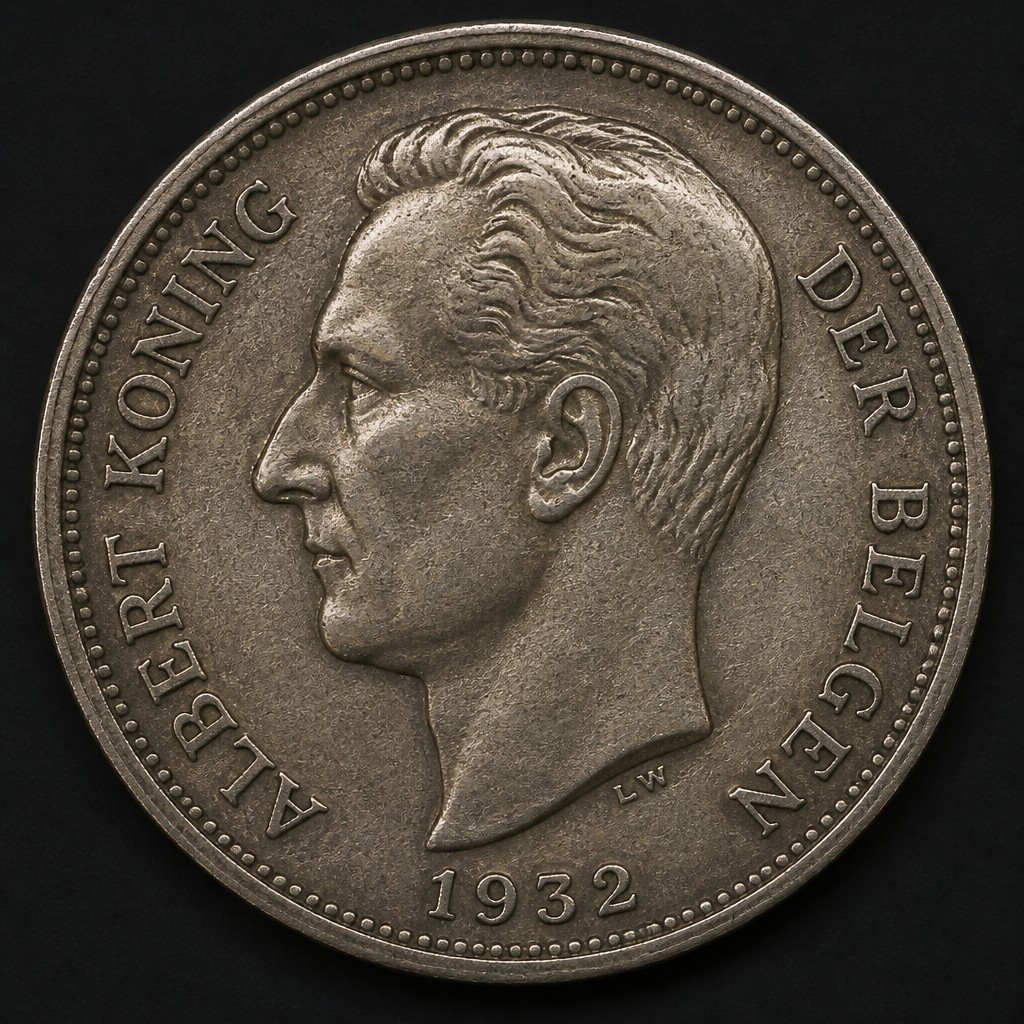
Belgian Franc
1832–2002
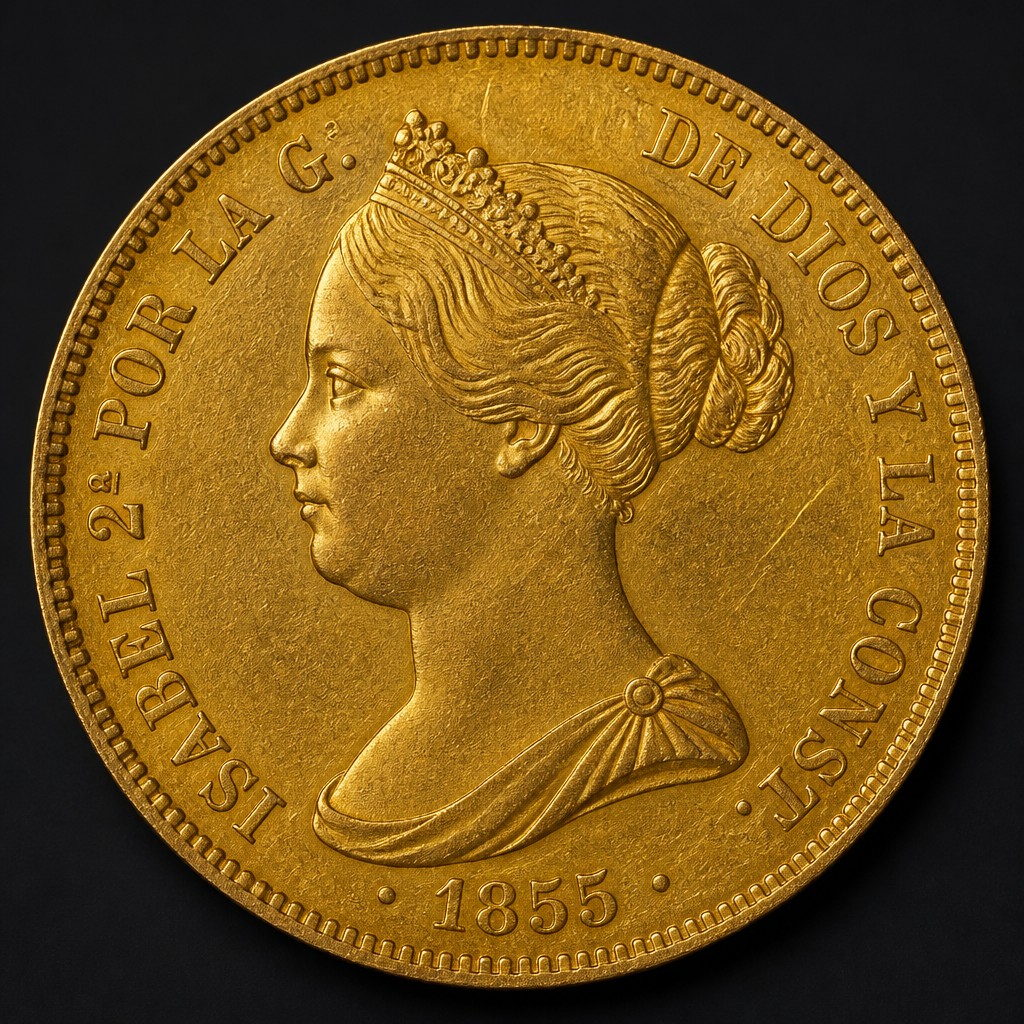
Spanish 100 Reales Gold (Isabel II)
1850s–1868
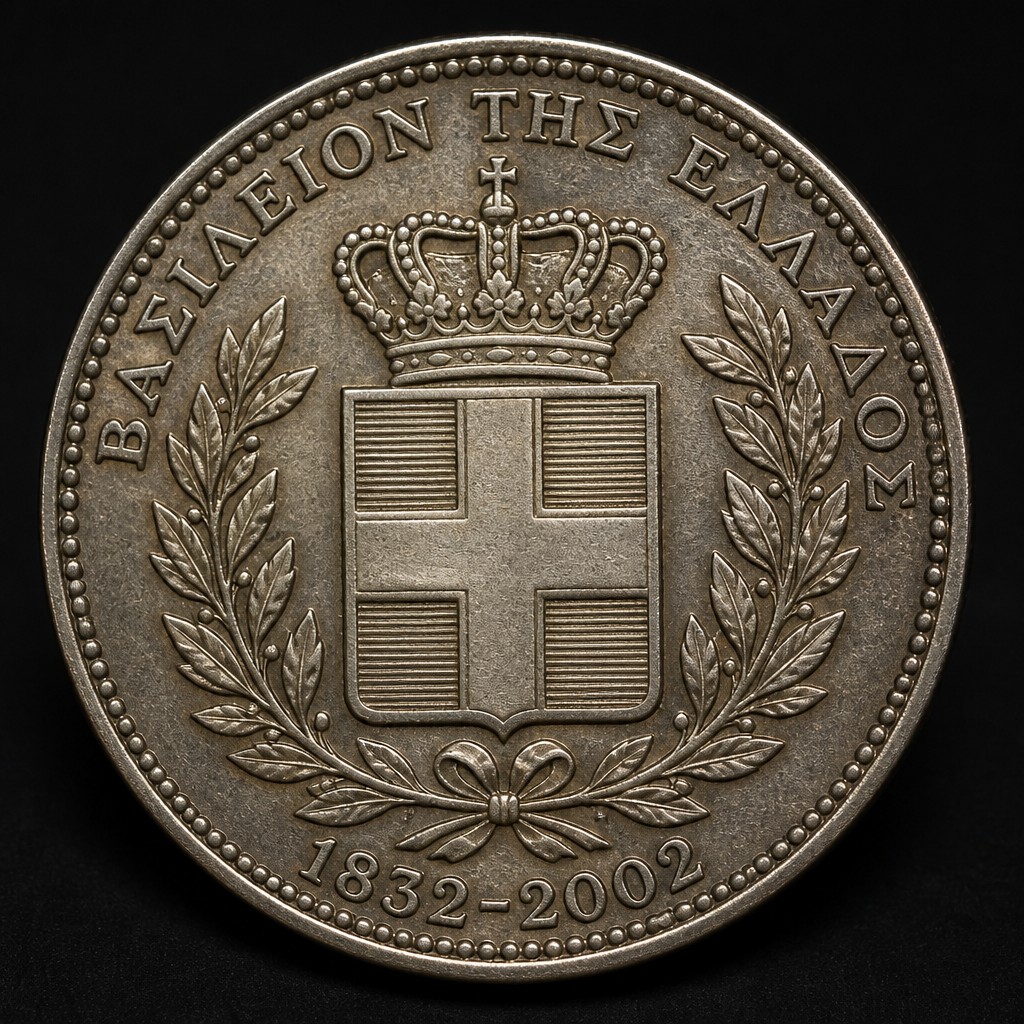
Greek Drachma
1832–2002
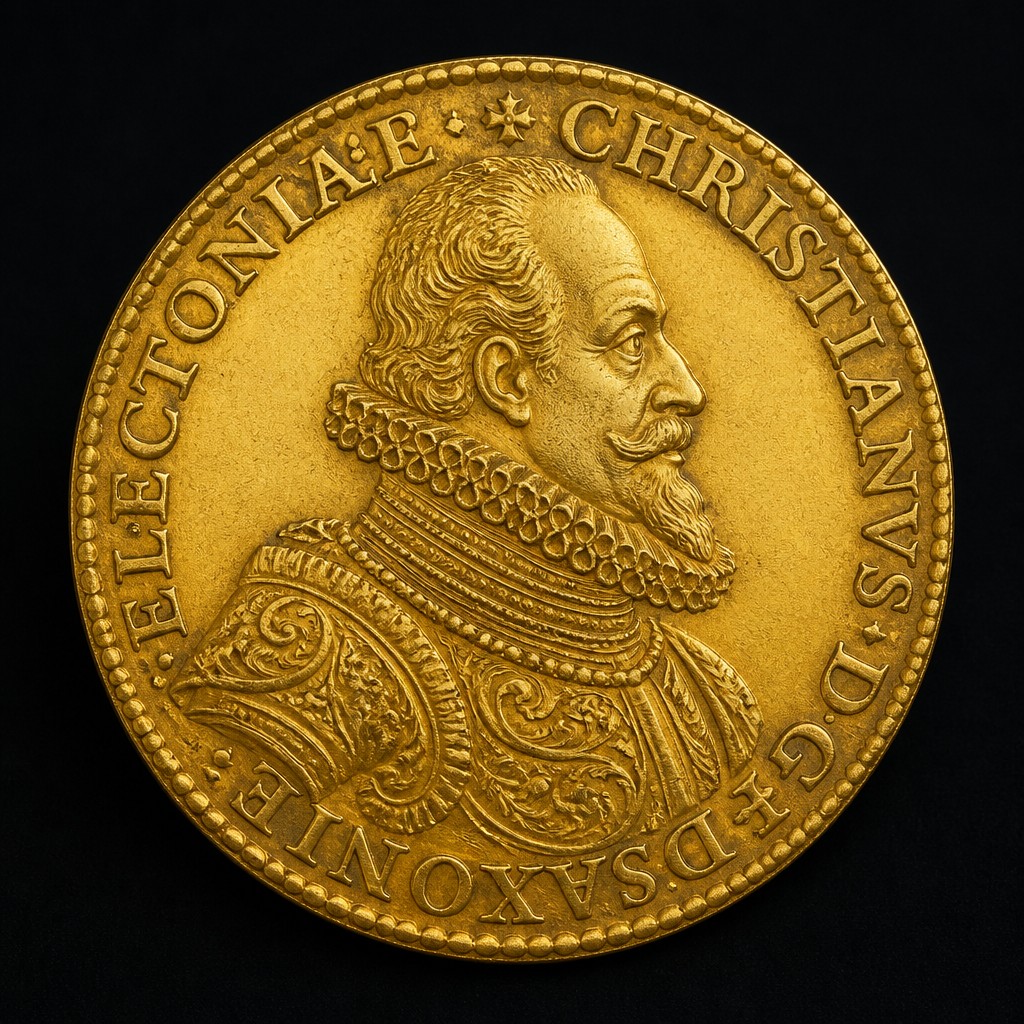
German Saxony Ducat
16th century–19th century
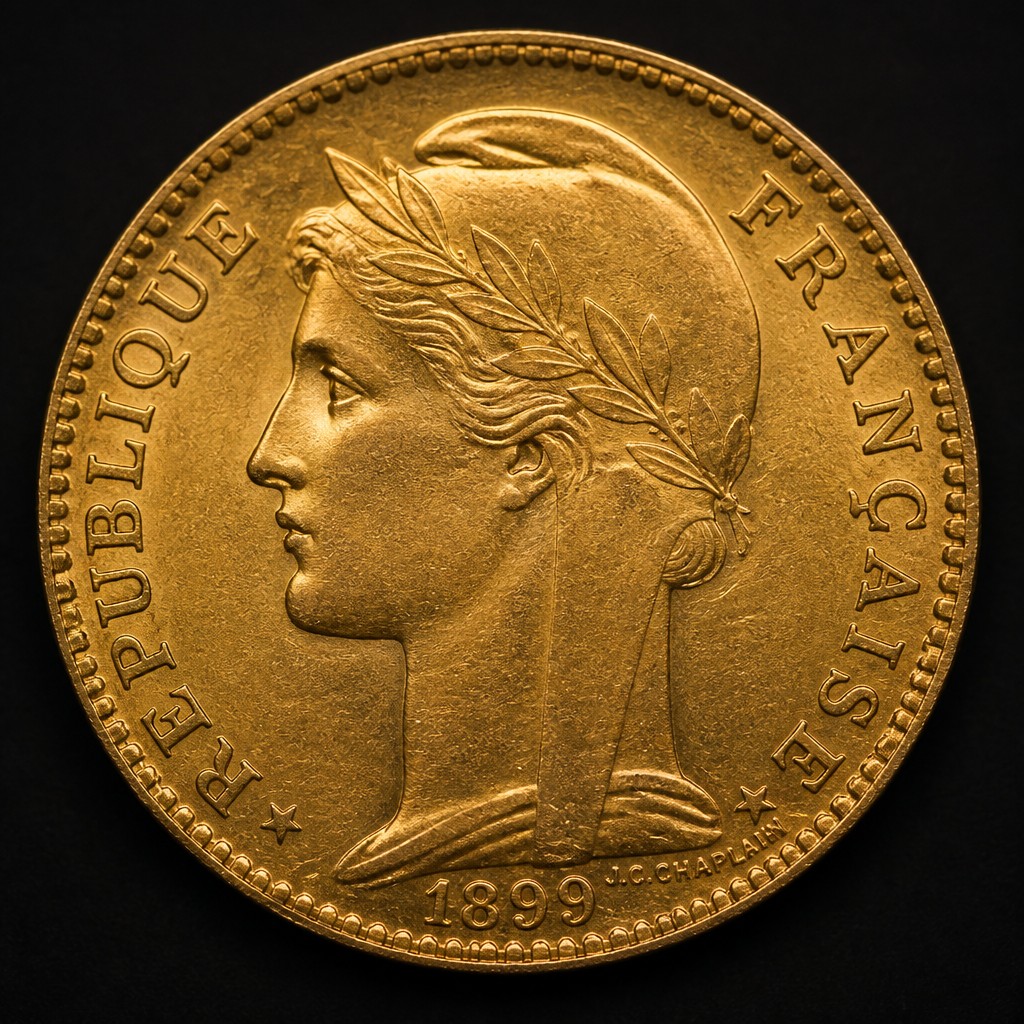
French 10 Francs Gold (Napoleon Rooster)
1899–1914
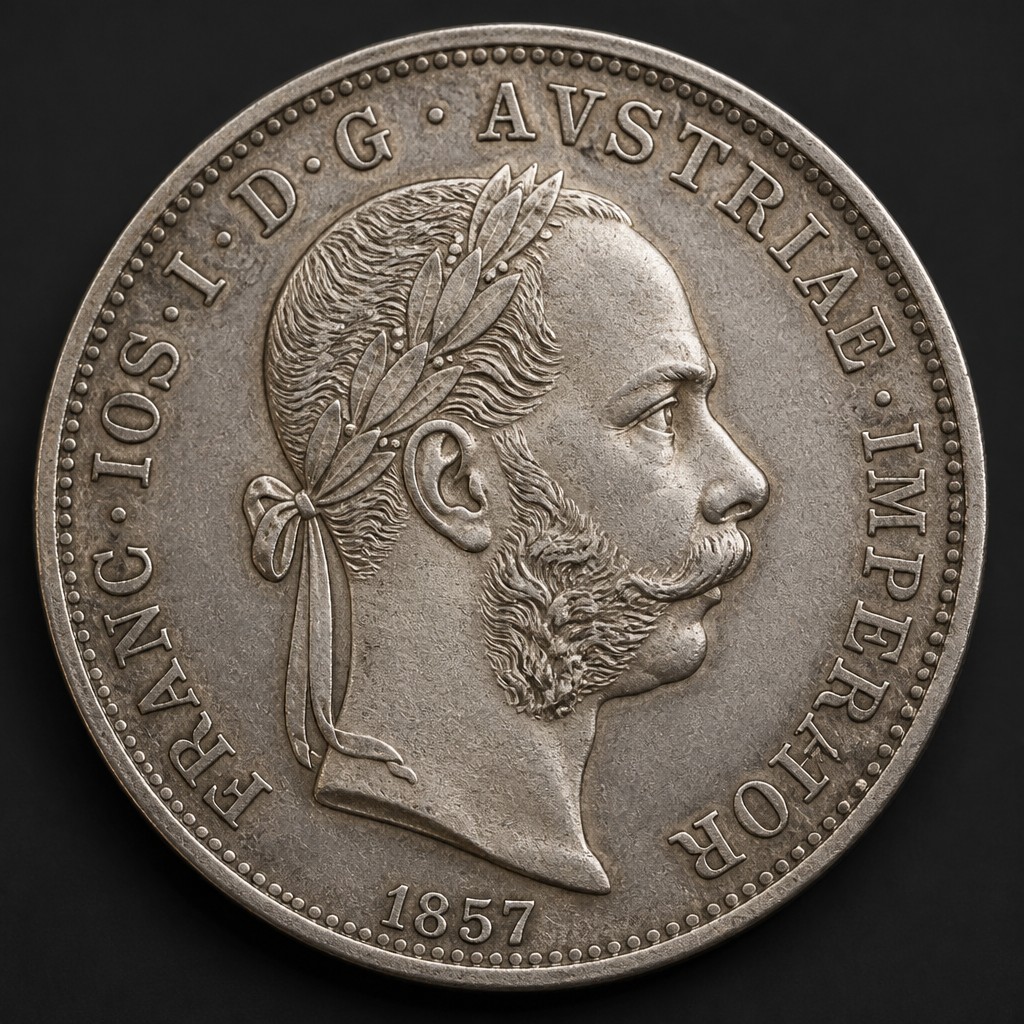
Austrian Florin (Gulden)
1857–1892