
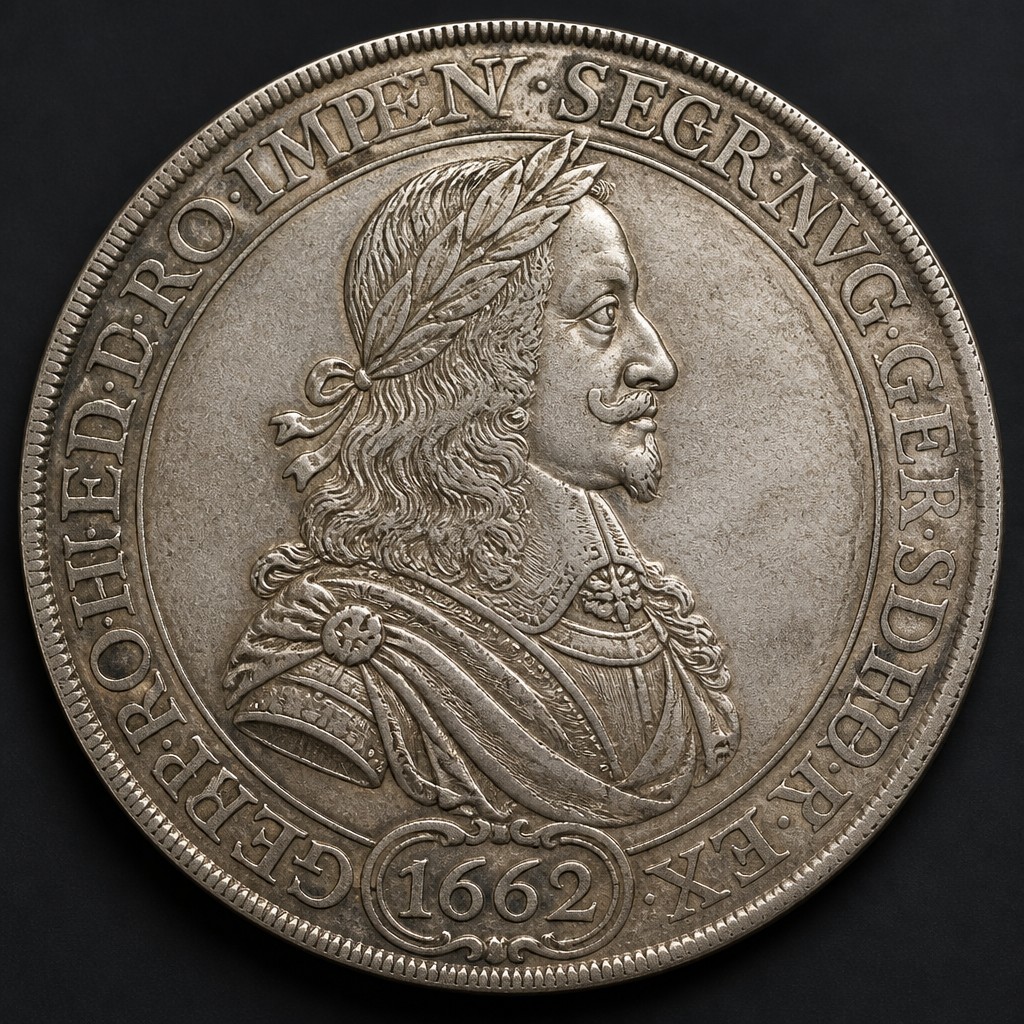
Reichsthaler
The standard large silver coin of the Holy Roman Empire and its constituent German states from the 16th century onward, whose name is the direct linguistic ancestor of the word 'dollar.'
- Country
- Holy Roman Empire / German States
- Denomination
- One Reichsthaler
- Metal
- Silver
Got a coin like this?
Identify any coin from a photo, free.
Overview
The Reichsthaler was the standardized large silver coin of the Holy Roman Empire, established through a series of imperial coinage ordinances beginning in the mid-16th century as an attempt to bring order to the bewildering variety of silver coins issued by the Empire's many semi-independent states, principalities, bishoprics, and free cities. Rather than being struck by a single central authority, Reichsthalers were minted separately by dozens of individual German states, each typically featuring its own ruler's portrait or coat of arms, while conforming to a shared weight and fineness standard that allowed the coins to circulate and be trusted across state borders.
Because so many different territories struck their own Reichsthaler coinage over roughly two and a half centuries, the series as a whole is enormously diverse, encompassing thousands of distinct types differentiated by ruling house, mint, date, and design, ranging from relatively simple armorial designs to elaborately detailed portrait and commemorative issues. This diversity makes German thaler coinage one of the richest specialty areas in European numismatics.
The Reichsthaler's name and general concept spread internationally through trade, most notably lending its name (via an earlier related coin, the Joachimsthaler) to the word 'dollar,' making this broad family of coins a direct ancestor of the modern currency term used in the United States and many other countries today.
History & Background
The Reichsthaler standard emerged from imperial efforts, formalized in coinage ordinances such as the Reichsmünzordnung of 1566, to create a reliable, widely trusted large silver coin that could support trade and taxation across the fragmented political landscape of the Holy Roman Empire. Before this standardization, silver coinage in German-speaking lands was highly inconsistent, with individual territories issuing coins of varying weight and fineness that complicated commerce between regions.
Over the following centuries, the specific weight and fineness standards for the Reichsthaler were revised multiple times as economic conditions changed, and different regional currency conventions, such as the later Conventionsthaler standard adopted in the 18th century by Austria and several German states, refined or adjusted the original imperial guidelines. Despite these adjustments, the general concept of a large, trusted silver trade coin denominated in thalers persisted as the backbone of German-speaking commerce for generations.
The Reichsthaler system gradually gave way in the 19th century to newer standardized currencies as German states moved toward greater monetary unification, including the Vereinsthaler adopted at mid-century and eventually the gold-based mark following German unification in 1871, bringing the long era of independently minted state thalers to a close.
How to Identify
Because the Reichsthaler was struck by many different issuing authorities, obverse designs vary enormously and typically feature either a portrait of the ruling prince, elector, duke, or bishop, or an elaborate coat of arms representing the issuing territory, along with Latin titles identifying the ruler and their domains. Reverse designs are similarly varied, often showing additional armorial elements, religious imagery, or in some cases commemorative scenes marking a specific historical event.
Genuine Reichsthalers are large silver coins, generally in the range of about 28 to 29 grams for the classic imperial standard, though weight varies somewhat by period and specific regional standard in effect at the time of striking. Identifying a specific Reichsthaler requires attributing it to its issuing state and ruler using the portrait, arms, and inscriptions present, since there is no single unified design across the entire series.
Collectors distinguish Reichsthalers from related but distinct denominations, such as smaller fractional thalers or the later, more uniform Vereinsthaler and Conventionsthaler issues, primarily through careful reading of the coin's inscriptions, date, and weight, along with reference to specialized German state coinage catalogs that organize the vast number of individual types by issuing authority.
Value & Collectibility
Values for Reichsthalers vary enormously depending on the specific issuing state, ruler, date, rarity of the type, and condition, with common, well-worn examples from prolific mints sometimes available for relatively modest sums, while rare rulers, low-mintage types, elaborately designed commemorative thalers, or coins in exceptional condition can bring prices from the hundreds into the thousands of dollars or more. Because the series spans so many centuries and issuing authorities, no single price range applies broadly across all Reichsthalers.
Collectors of German states coinage often specialize by ruling house, region, or theme (such as mining thalers or city-view thalers), and value within these specialties is driven heavily by the relative scarcity of specific rulers or mints, the sharpness of the strike, and the coin's overall eye appeal, since silver surfaces on large thalers show wear and handling marks readily.
Frequently asked questions
Is the Reichsthaler a single coin type or many different coins?
It refers to a broad standard followed by many different German states, each of which struck its own Reichsthaler designs featuring local rulers or arms, rather than a single uniform coin.
How is the Reichsthaler connected to the word 'dollar'?
The term traces back through the earlier Joachimsthaler, a large silver coin from Joachimsthal in Bohemia, whose name was shortened to 'thaler' and eventually evolved into 'dollar' in English.
What metal is a Reichsthaler made of?
It is a large silver coin, generally around 28 to 29 grams under the classic imperial standard, though exact weight varied somewhat by period.
When did German states stop issuing Reichsthalers?
The system was gradually phased out during the 19th century as German states moved toward unified currencies, culminating in the adoption of the gold mark after German unification in 1871.
How do I identify which state issued a particular Reichsthaler?
Look at the ruler's portrait or coat of arms and the Latin inscriptions, then compare them against specialized reference catalogs of German states coinage to attribute the specific issuing authority.
Other coins you may enjoy
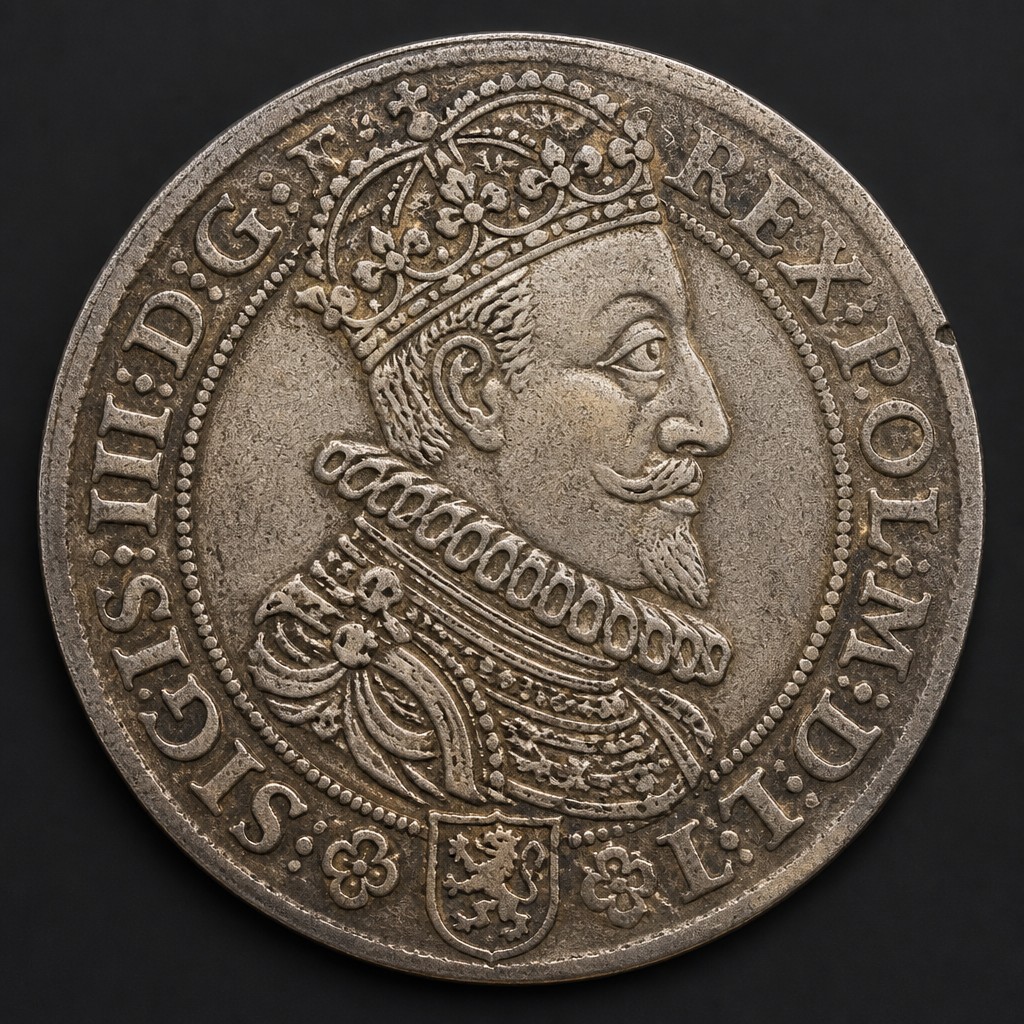
Polish-Lithuanian Thaler
circa 16th–18th century
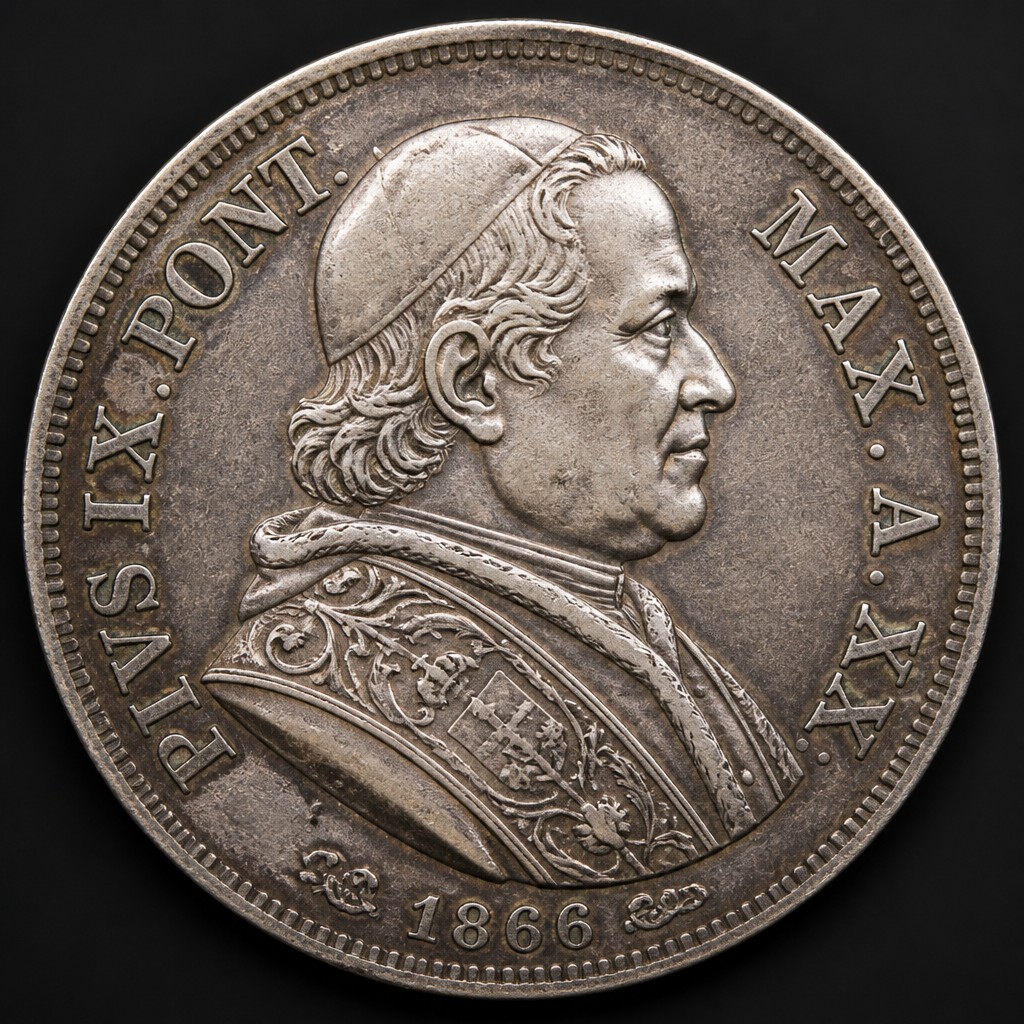
Papal States Scudo
16th century–1866
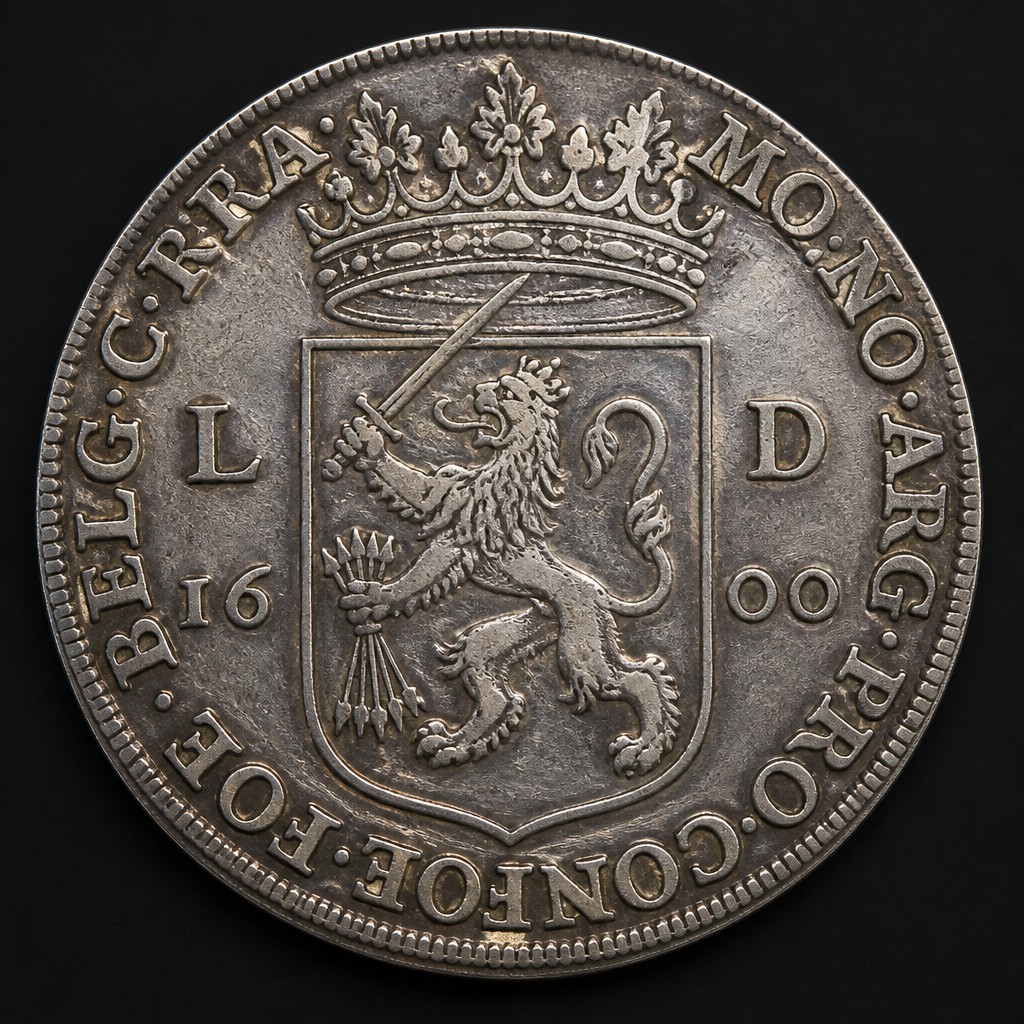
Netherlands Lion Daalder (Leeuwendaalder)
1575–1713
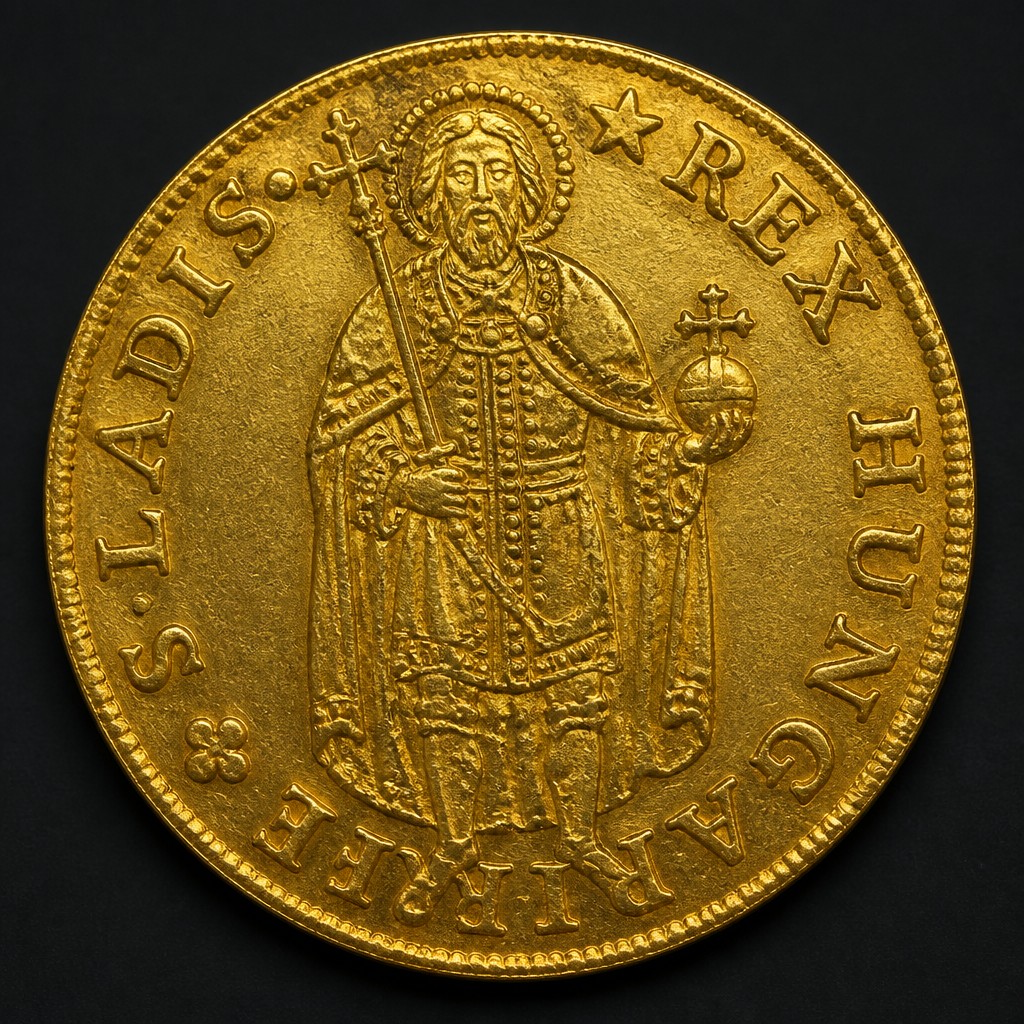
Hungarian Ducat
c. 1325–1918
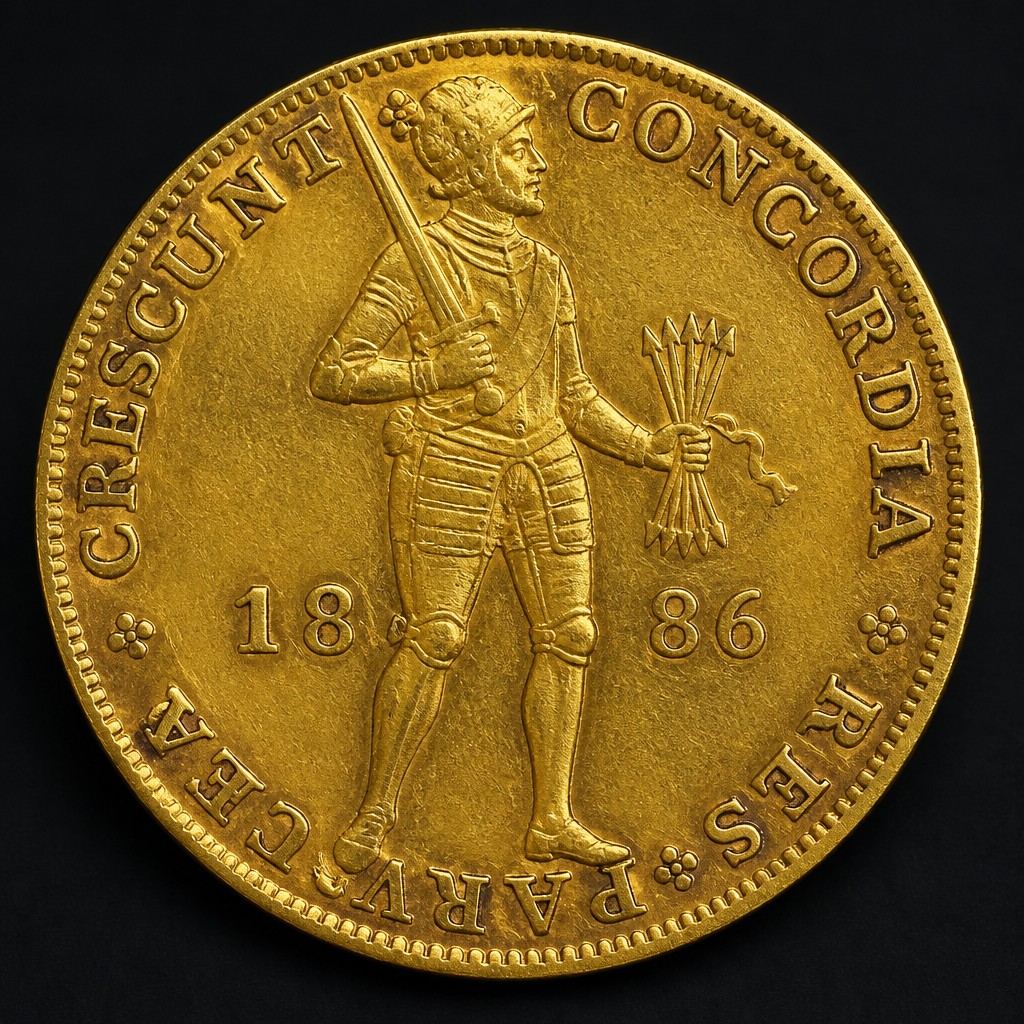
Dutch Ducat
c. 1586–present (classic type standardized after 1817)
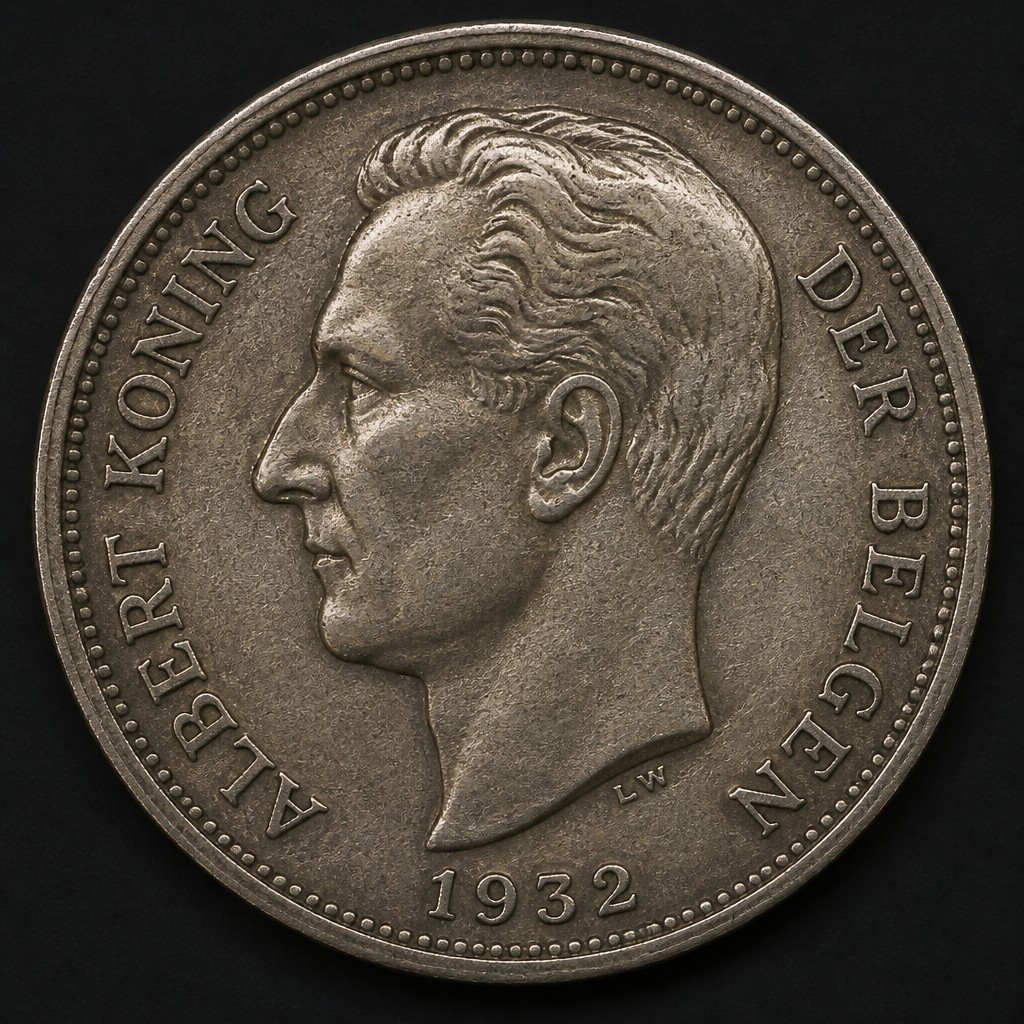
Belgian Franc
1832–2002
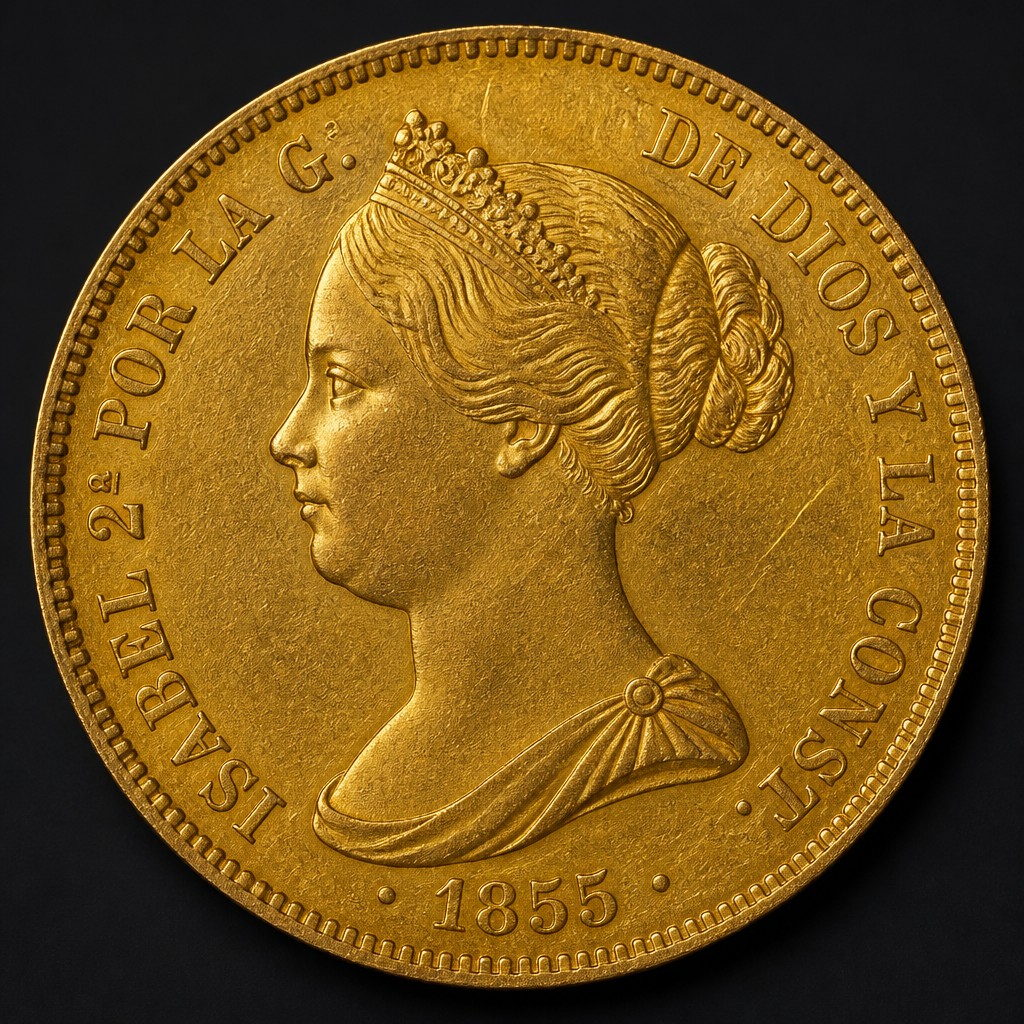
Spanish 100 Reales Gold (Isabel II)
1850s–1868
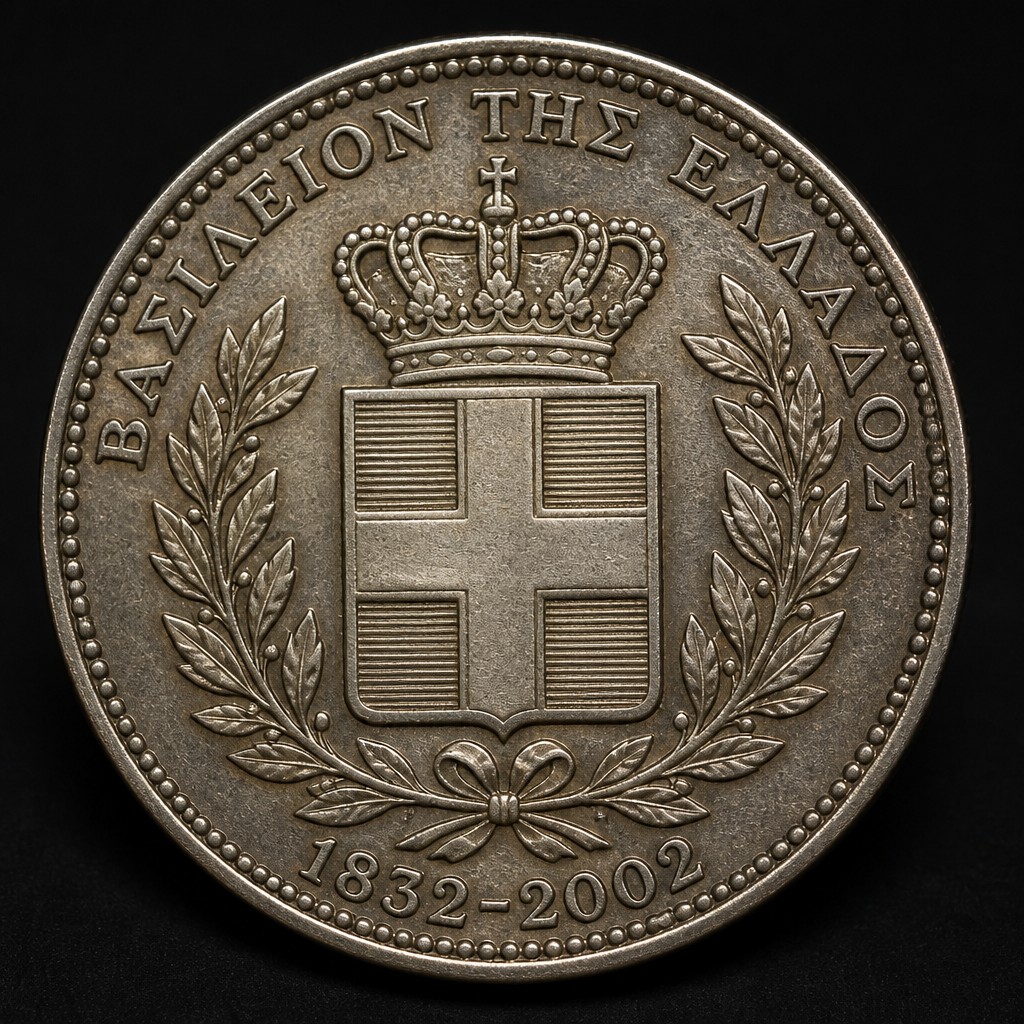
Greek Drachma
1832–2002
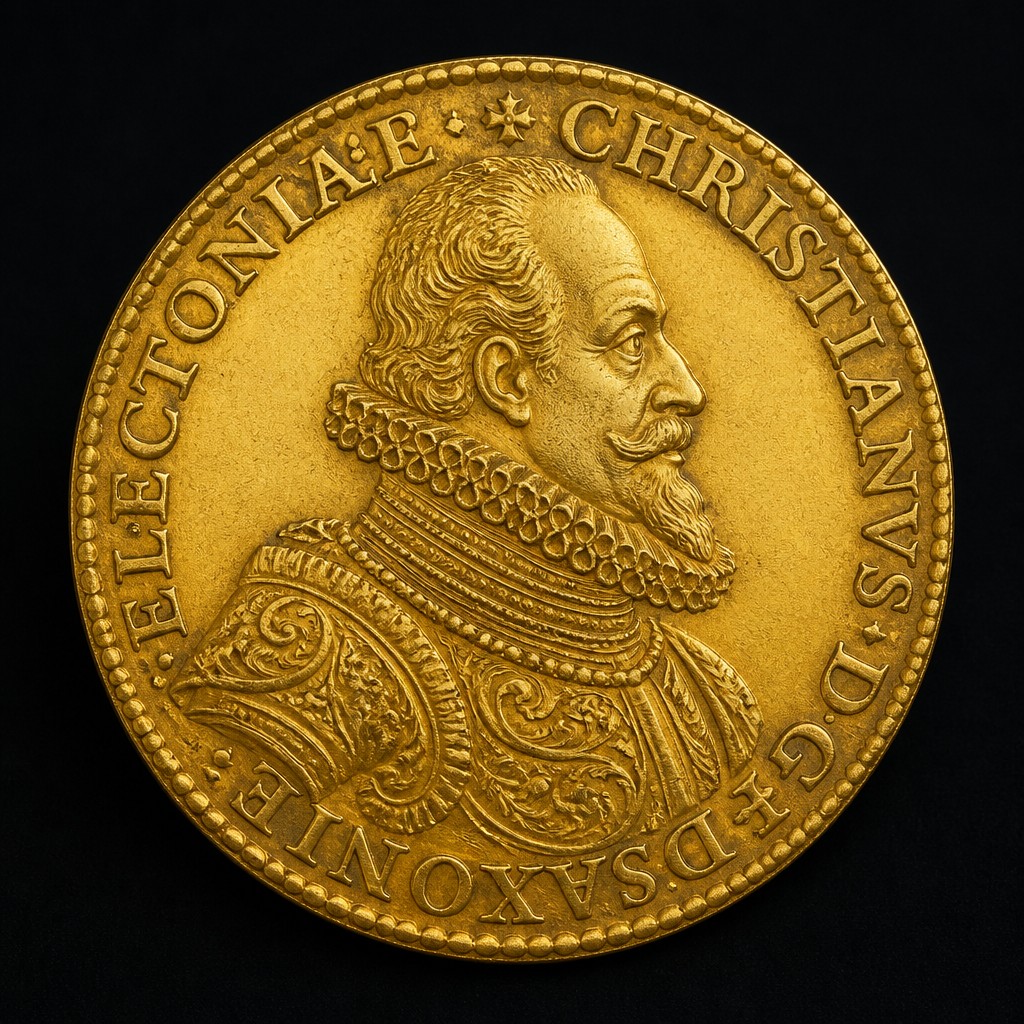
German Saxony Ducat
16th century–19th century
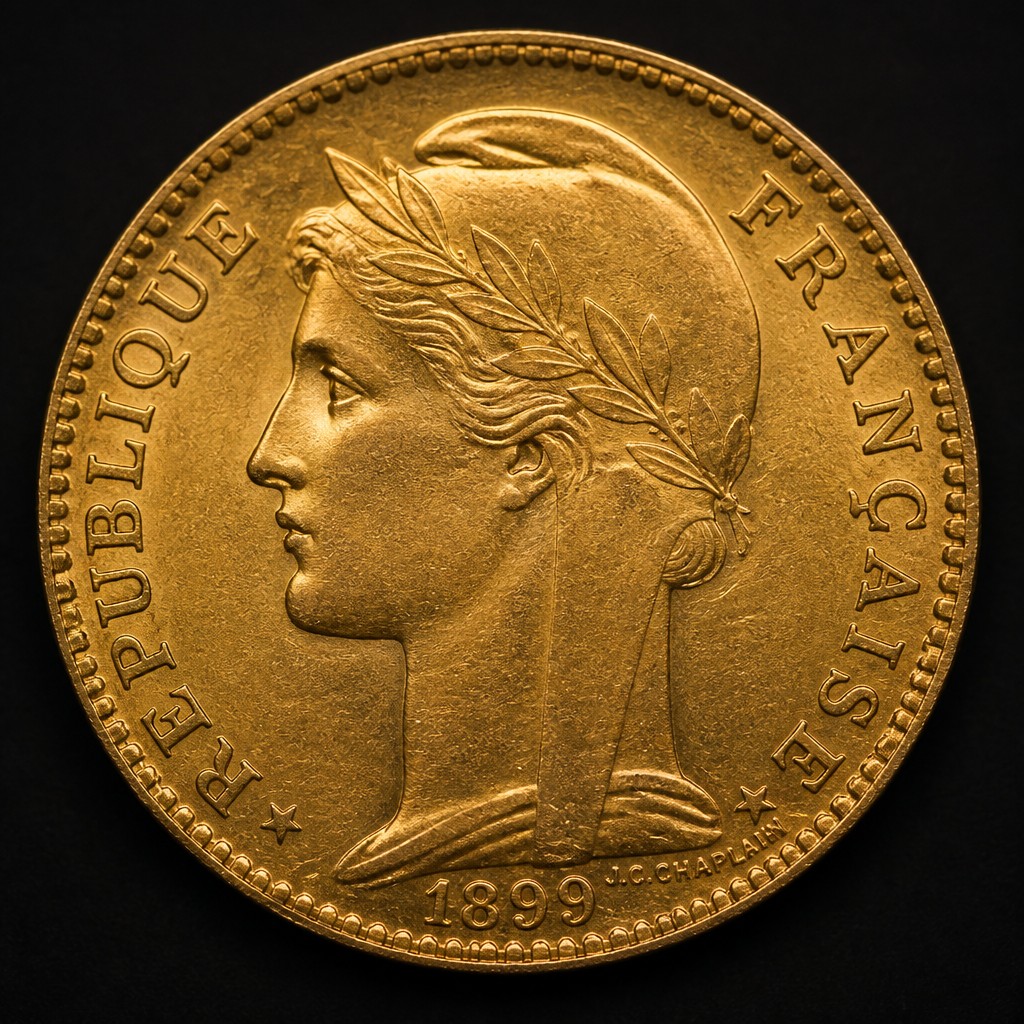
French 10 Francs Gold (Napoleon Rooster)
1899–1914
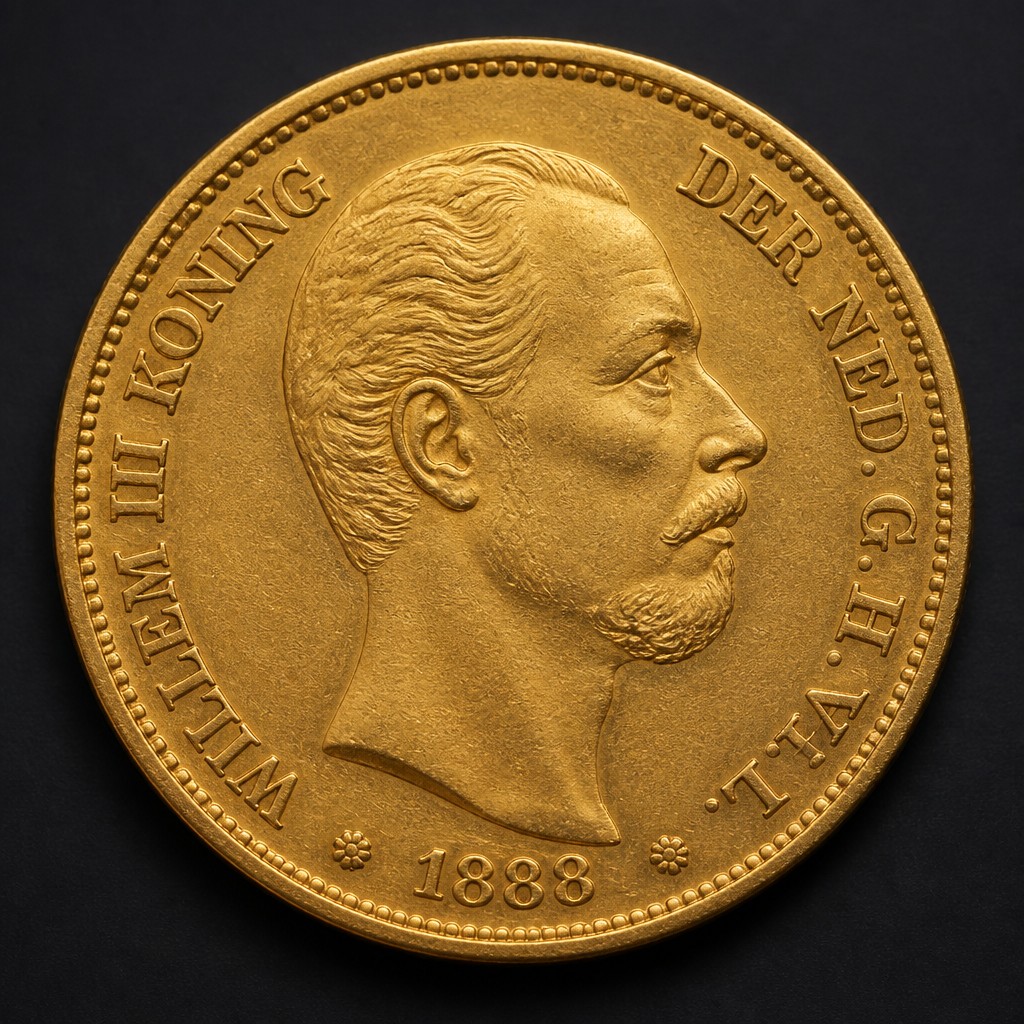
Netherlands 5 Gulden Gold
1826–1912 (intermittent)
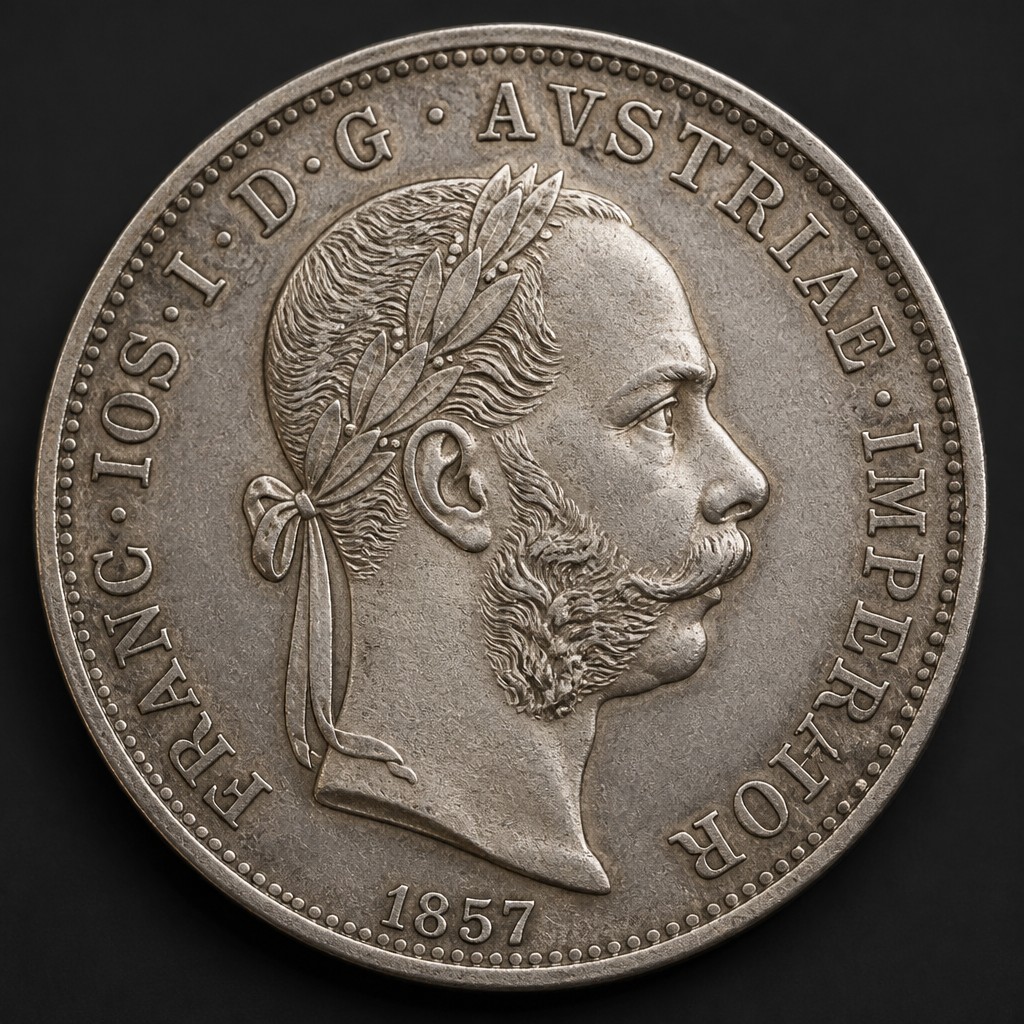
Austrian Florin (Gulden)
1857–1892