
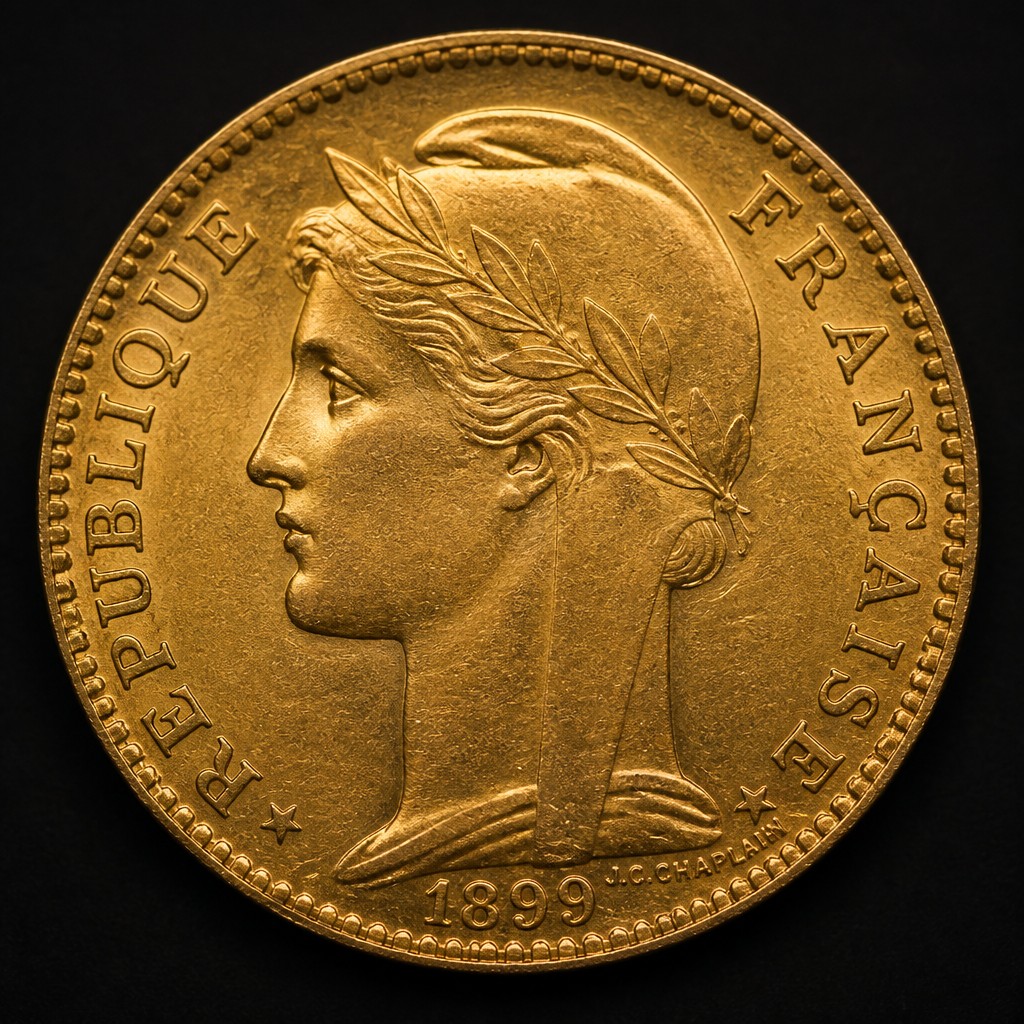
French 10 Francs Gold (Napoleon Rooster)
A small French gold coin from the Third Republic featuring the Gallic rooster reverse, a smaller companion to the famous 20 francs 'Coq' gold piece.
- Country
- France
- Denomination
- 10 Francs
- Metal
- Gold (.900 fine)
Got a coin like this?
Identify any coin from a photo, free.
Overview
The French 10 Francs gold coin, popularly nicknamed for its rooster ('coq') reverse design, is a smaller counterpart to the widely known 20 Francs gold 'Napoleon' or 'Coq' piece produced under the Third Republic.
Despite the popular nickname referencing Napoleon, the design actually dates to the Third Republic era and depicts the Gallic rooster, a traditional national symbol of France, rather than any Napoleon-era imagery.
Collectors and gold investors alike are drawn to this coin for its manageable size, historical French gold standard pedigree, and recognizable, attractive design.
History & Background
France's Third Republic issued a new gold coinage series at the turn of the 20th century featuring a standing figure of the Republic (Marianne, sowing or genius-inspired depending on denomination) alongside a Gallic rooster reverse, replacing older Napoleonic-portrait gold coins that had circulated for decades.
The 10 Francs denomination in this design was struck primarily in the years leading up to World War I, part of France's broader gold standard coinage alongside the more famous 20 Francs piece of the same design family.
Production of gold circulating coinage in France effectively ended with the outbreak of World War I in 1914, as European nations abandoned the gold standard for domestic circulation, making these pre-war gold francs a distinct, closed series.
How to Identify
The obverse of this coin shows a standing or seated allegorical figure representing the French Republic, often depicted sowing seeds, with 'REPUBLIQUE FRANCAISE' inscribed around the border. The reverse features a Gallic rooster standing atop a base bearing the denomination, date, and mint mark.
The coin is struck in .900 fine gold and is noticeably smaller and lighter than the 20 Francs gold piece of the same design family, making the two easy to confuse at a glance but simple to distinguish once weighed or compared side by side.
Mint marks and engraver's initials (such as the Paris 'A' mint mark and a small bee or cornucopia privy mark) appear on the edge or near the base of the design, useful for confirming an authentic Paris Mint strike.
Value & Collectibility
The 10 Francs gold coin trades largely on its gold content as a fractional gold piece, with common dates commanding a modest premium over melt value due to steady collector and small-gold-investor demand.
Condition and specific date can add a small premium, though this denomination is generally less dramatically variable in price than larger, more famous gold coins of the same era.
Values for common-date 10 Francs gold coins typically track gold bullion prices closely, generally selling in the range of the coin's gold value plus a modest numismatic premium.
Frequently asked questions
Is the 10 Francs gold coin the same as the famous 'Napoleon' gold coin?
It is a smaller companion piece from the same design family; the 20 Francs version is the one most commonly nicknamed the 'Napoleon' or 'Coq.'
Why is it called the 'Rooster' coin?
Because its reverse features a Gallic rooster, a traditional national symbol of France, rather than any portrait.
What is the gold purity of this coin?
It is struck in .900 fine gold, a standard shared with other Latin Monetary Union gold coinage of the era.
When was it minted?
Primarily in the years around 1899 to 1914, before France suspended gold coin circulation during World War I.
Other coins you may enjoy
Polish-Lithuanian Thaler
circa 16th–18th century
Reichsthaler
circa 1566–early 19th century
Papal States Scudo
16th century–1866
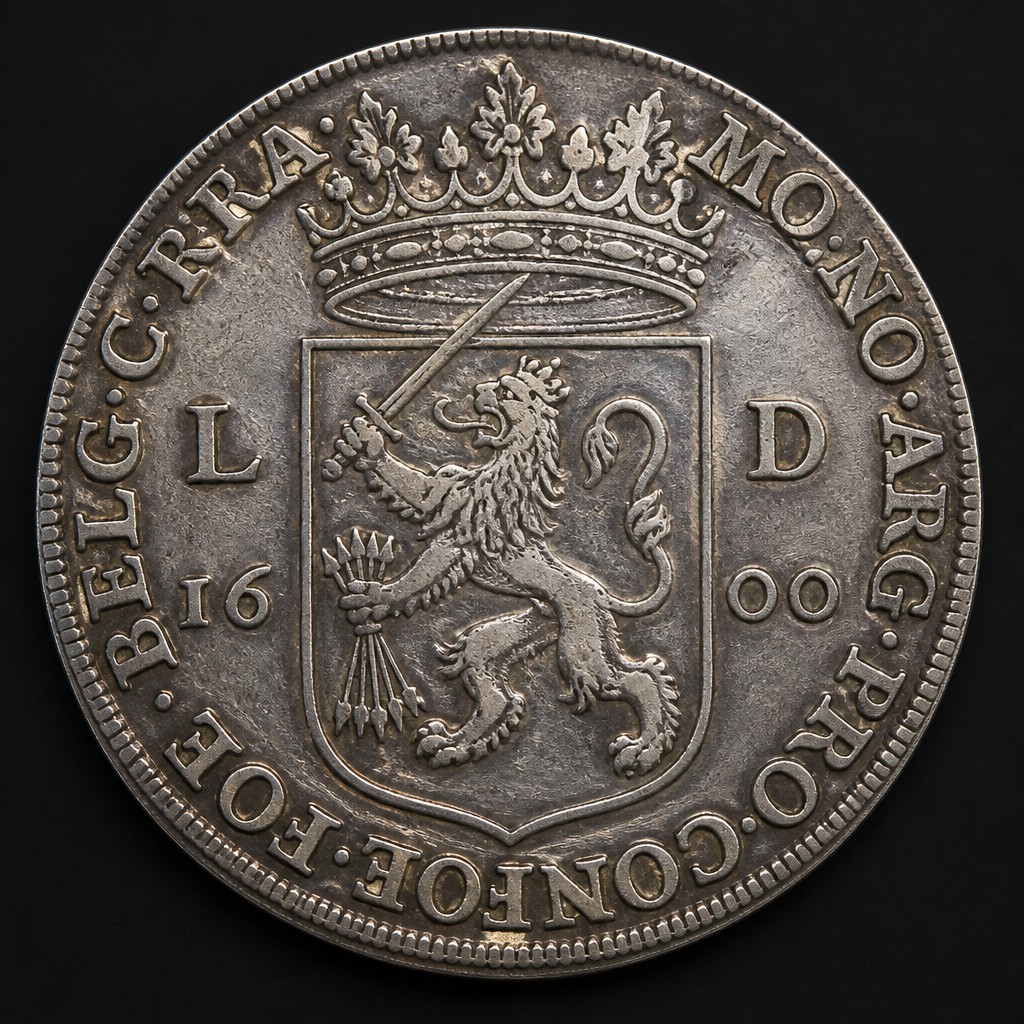
Netherlands Lion Daalder (Leeuwendaalder)
1575–1713
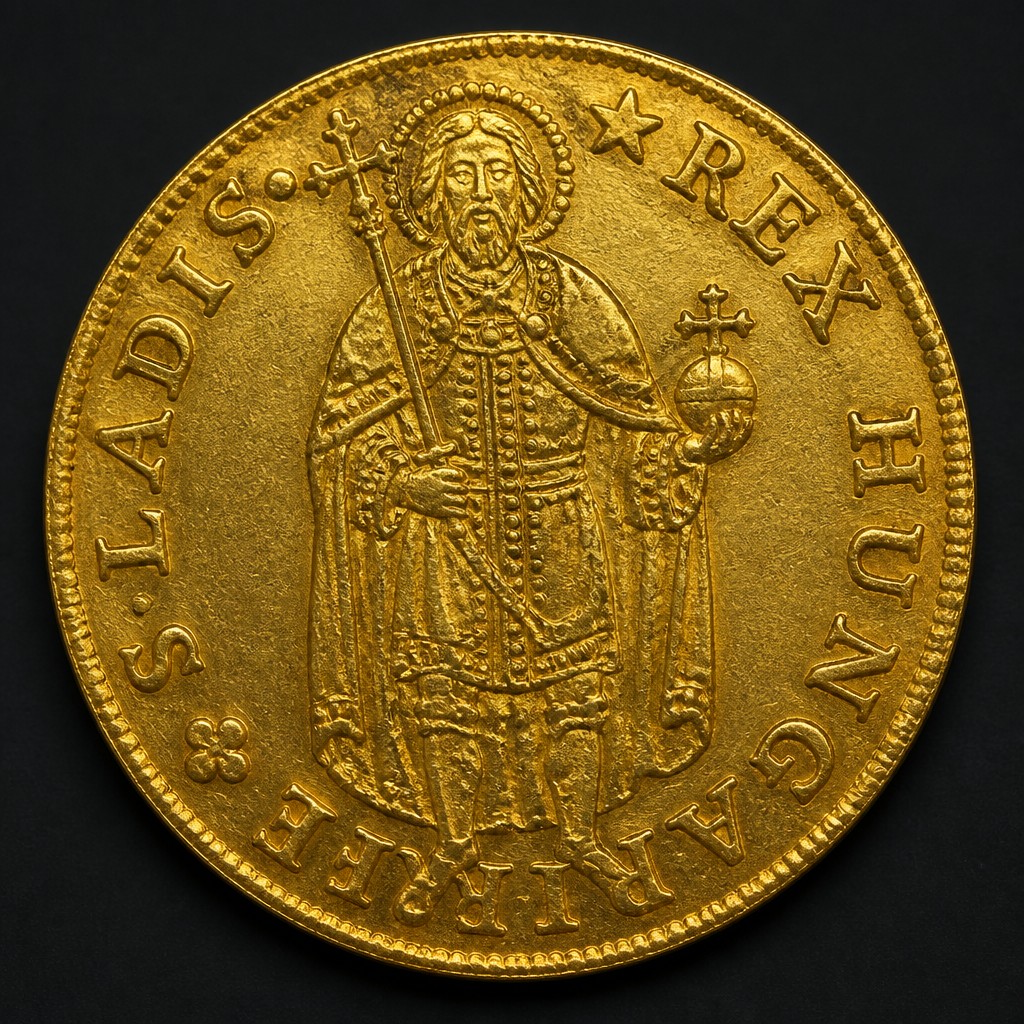
Hungarian Ducat
c. 1325–1918
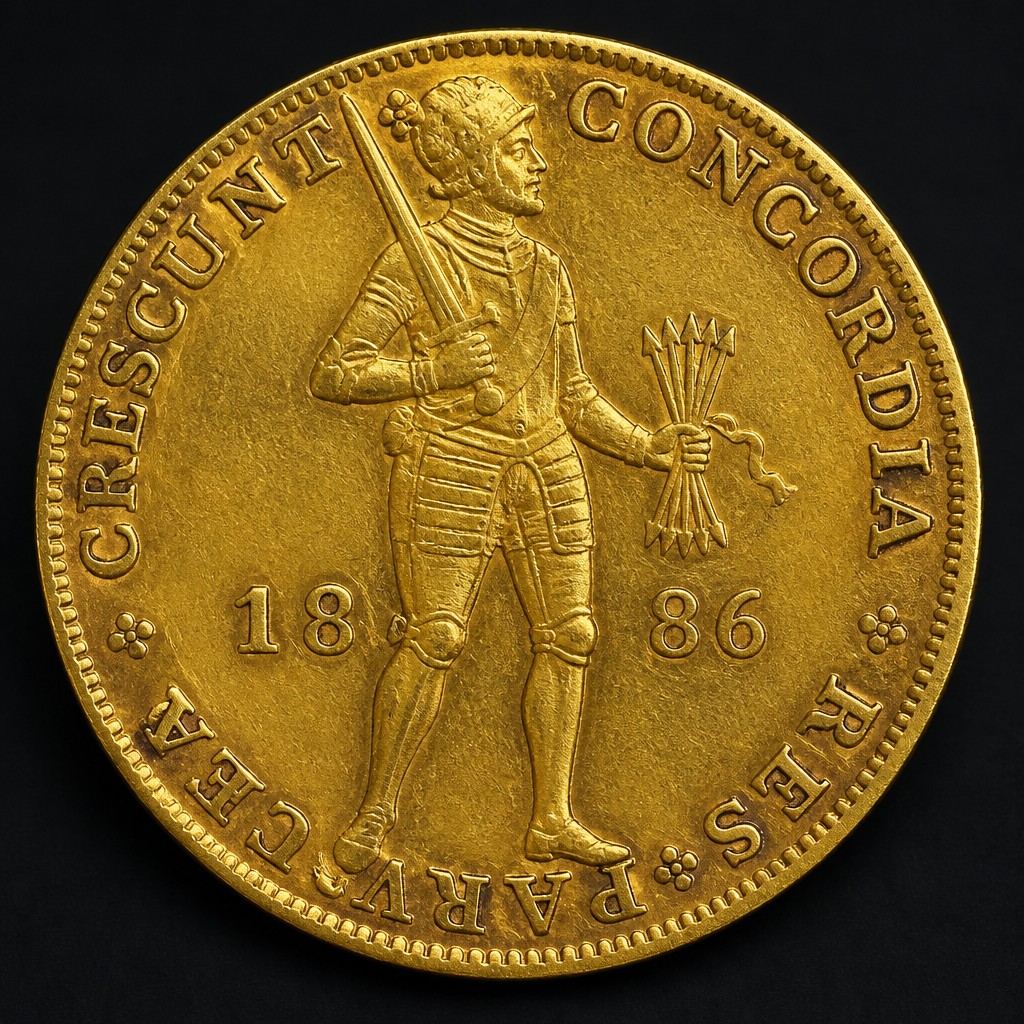
Dutch Ducat
c. 1586–present (classic type standardized after 1817)
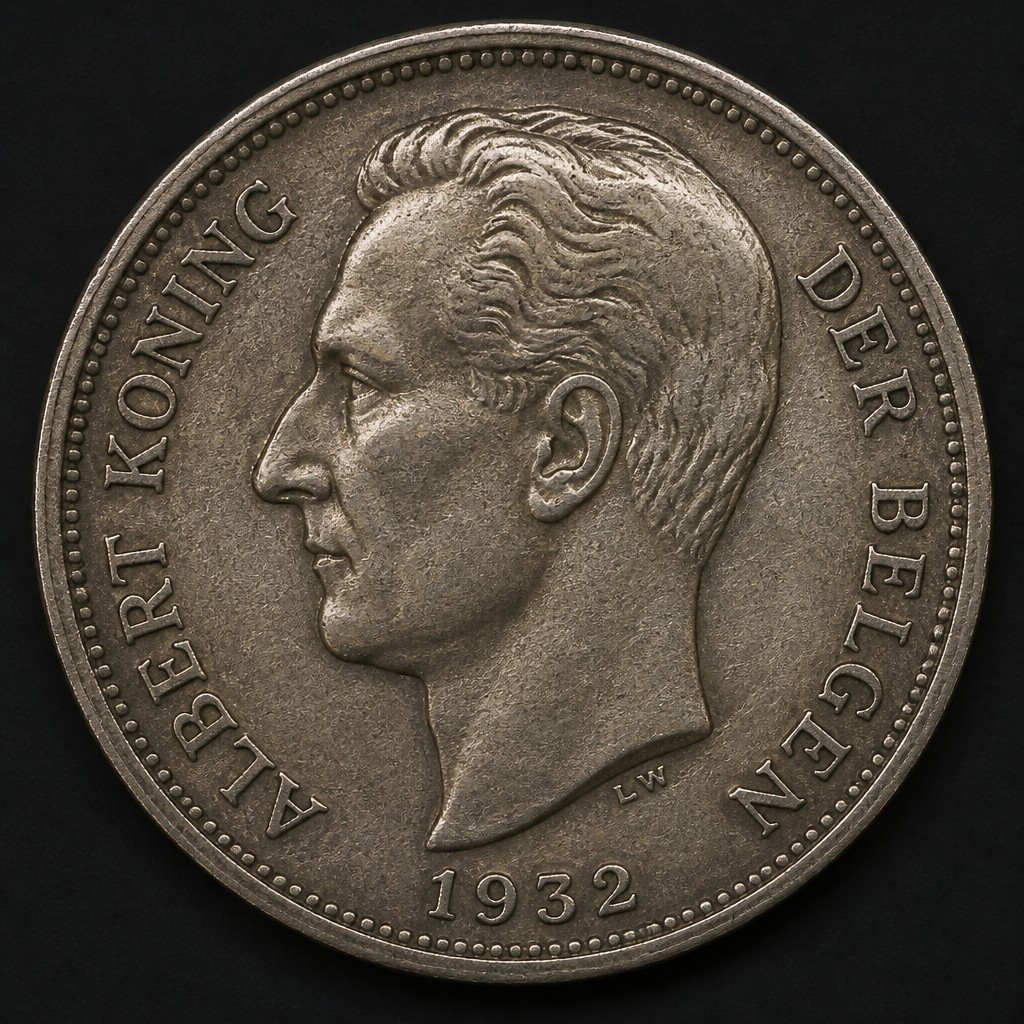
Belgian Franc
1832–2002
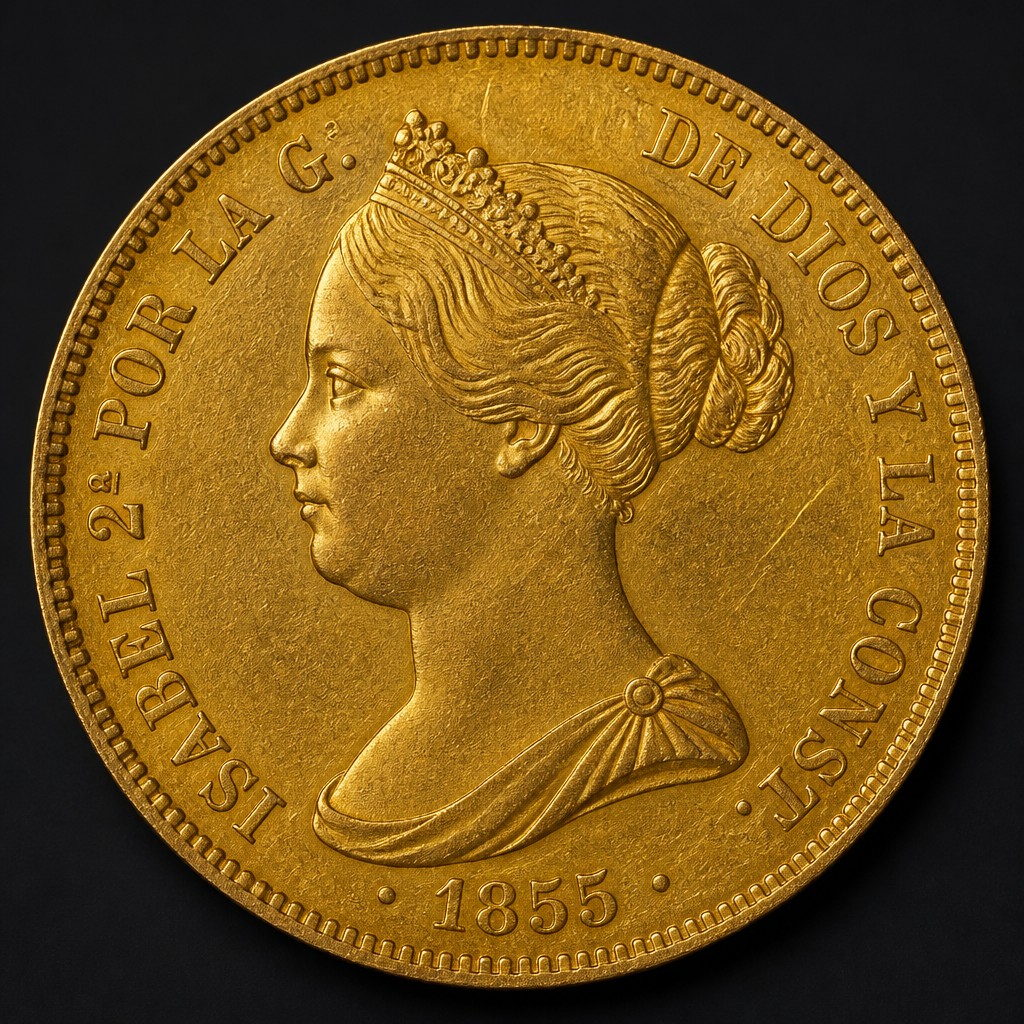
Spanish 100 Reales Gold (Isabel II)
1850s–1868
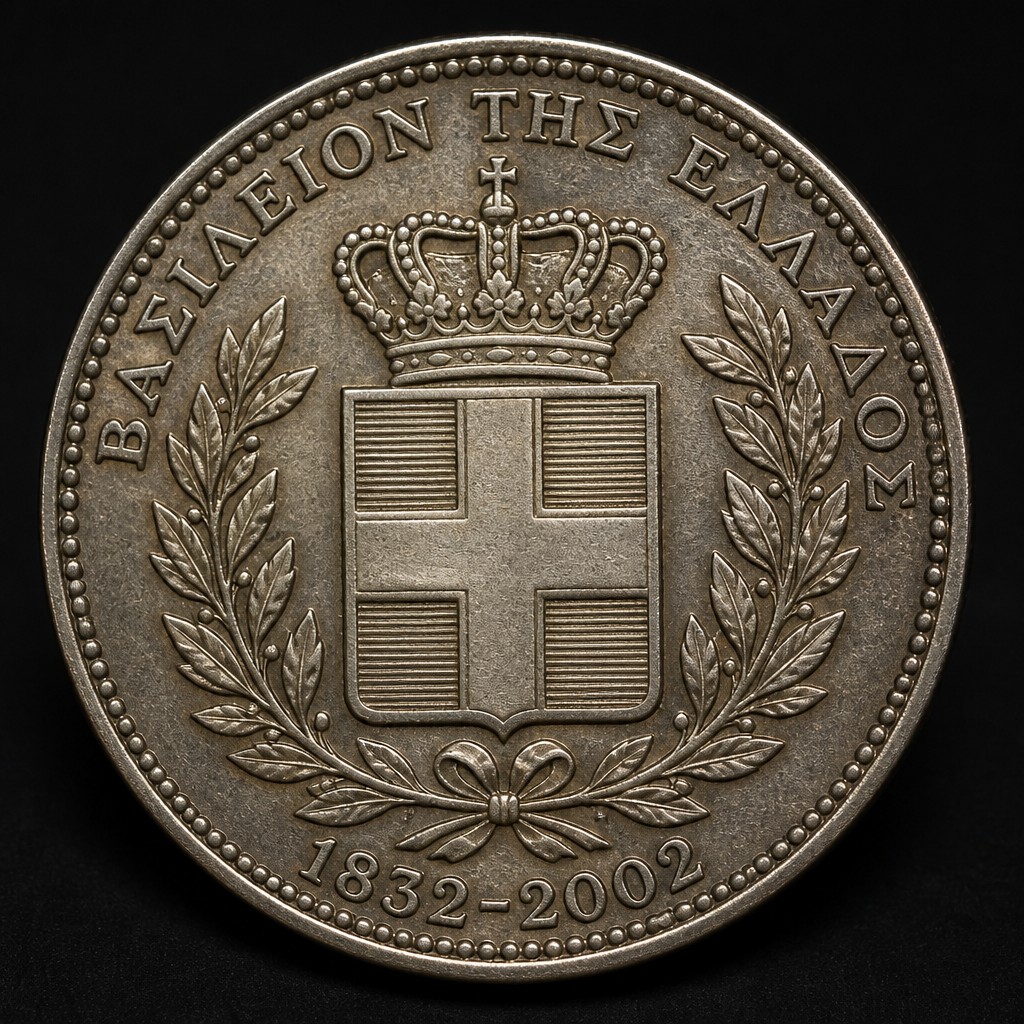
Greek Drachma
1832–2002
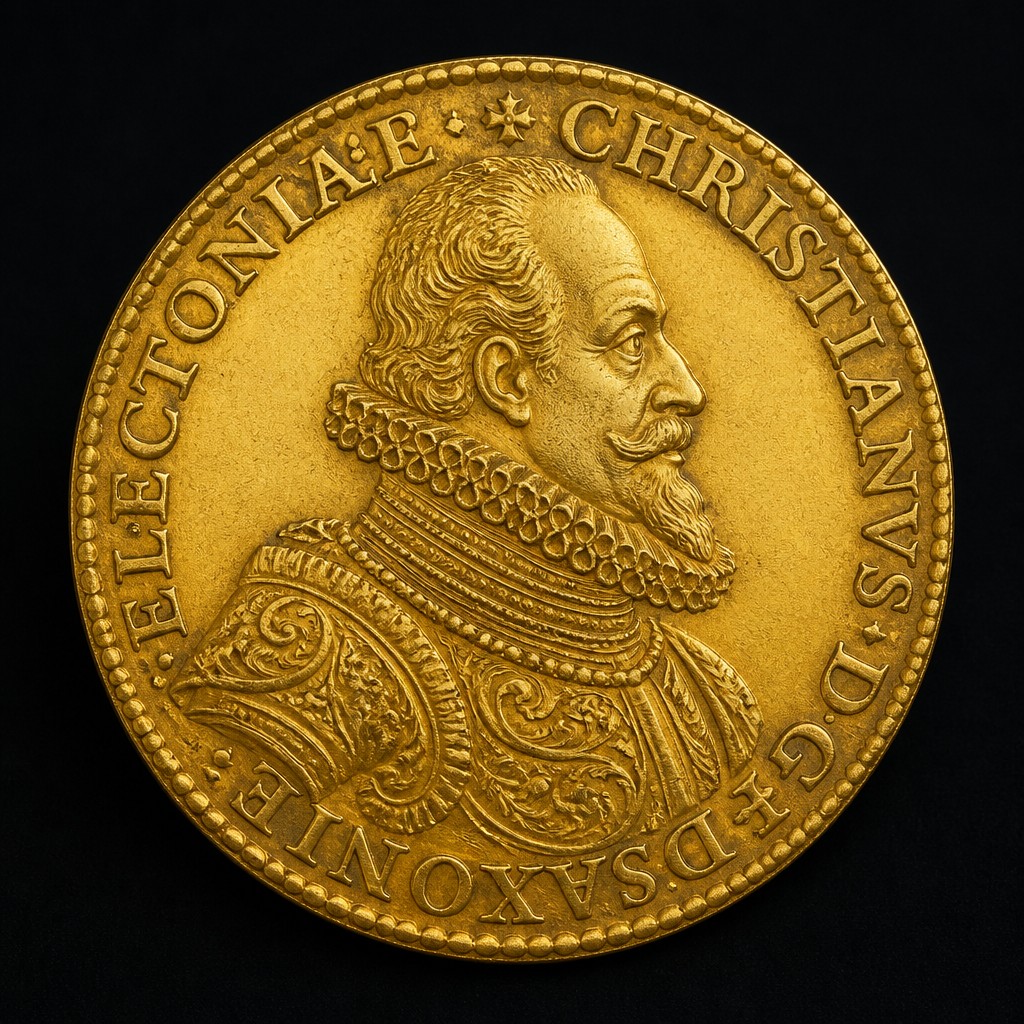
German Saxony Ducat
16th century–19th century
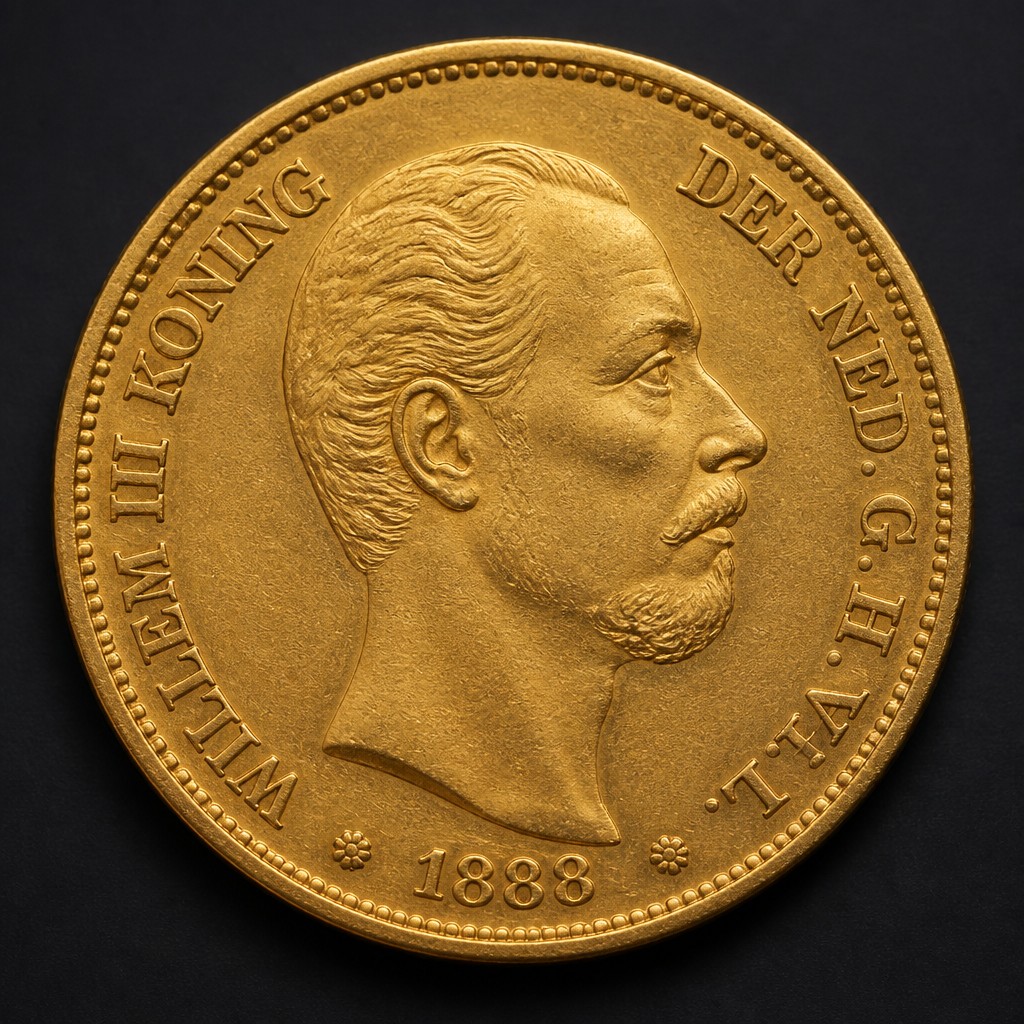
Netherlands 5 Gulden Gold
1826–1912 (intermittent)
Austrian Florin (Gulden)
1857–1892