
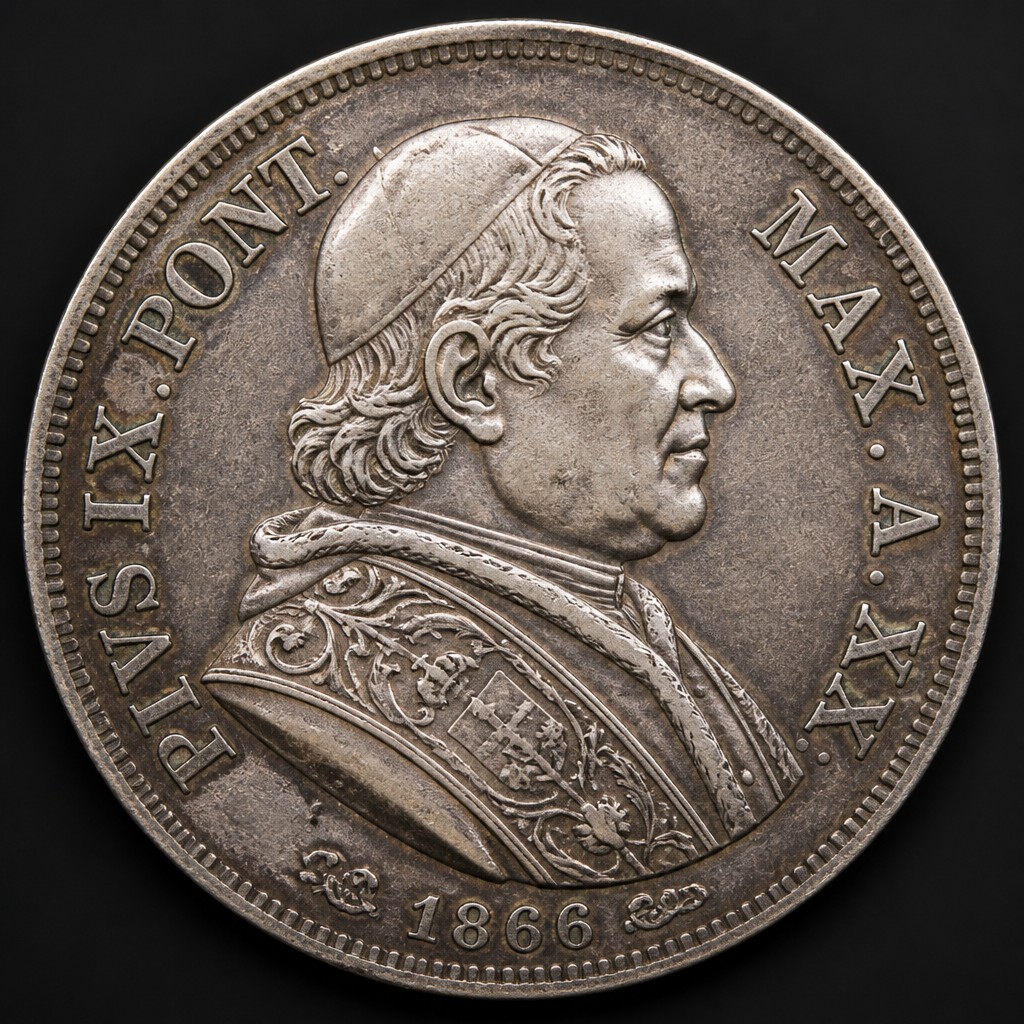
Papal States Scudo
The principal silver coin of the Papal States, bearing the portrait or arms of the reigning pope alongside religious imagery, struck for centuries until the Papal territories' loss of independence.
- Country
- Papal States
- Denomination
- 1 Scudo (and fractional/multiple denominations)
- Metal
- Silver, fineness varied by period
Got a coin like this?
Identify any coin from a photo, free.
Overview
The Papal scudo served as the standard large silver coin of the Papal States, the temporal territory ruled directly by the popes in central Italy, for roughly three centuries. As both a religious and secular currency, it reflects the unique dual identity of its issuing authority, combining coinage functions familiar from any European state with explicitly religious iconography rarely found on comparable secular coins.
Designs typically paired the pope's portrait or coat of arms on one side with devotional imagery, such as depictions of saints, the Madonna, or biblical scenes, on the other, along with the pope's name and regnal year. Because each pope's coinage reflects his individual reign and artistic taste, papal scudos form a natural chronological collecting series tied to the succession of pontiffs.
Scudo coinage continued until the political dissolution of the Papal States' temporal power in the mid-nineteenth century, as the unification of Italy absorbed most papal territory, leaving the scudo as a numismatic record of a distinctive and long-vanished European state.
History & Background
The scudo denomination developed in Italy during the sixteenth century as part of a broader family of large silver trade coins modeled on coins like the Spanish real and other contemporary talers, with the Papal States adopting the denomination under various popes to fund both religious institutions and the state's civil administration and defense. Rome served as the primary mint, though other papal-controlled cities, including Bologna, also struck coinage under papal authority.
Throughout the seventeenth and eighteenth centuries, the scudo remained the backbone silver denomination of papal commerce, its designs shifting with each new pope's chosen imagery, often emphasizing themes of faith, protection, and papal authority. As the political landscape of Italy shifted dramatically in the nineteenth century, the Papal States found themselves increasingly isolated amid the movement toward Italian unification.
How to Identify
The obverse of a Papal scudo generally bears either a bust portrait of the reigning pope or his personal coat of arms beneath the crossed keys and papal tiara, with a Latin legend giving his name and title. The reverse commonly depicts religious subject matter, such as a saint, an allegorical figure, or a Marian image, again accompanied by a Latin inscription and often a regnal year indicating the pope's year of reign.
Size and weight are broadly comparable to other large European silver trade coins of the era, generally in the range of 25 to 45 grams depending on period and specific issue, with silver fineness varying somewhat across the centuries of production. Mint identification can often be determined from small marks or legends referencing Rome or other papal mint cities such as Bologna.
Because different popes used markedly different reverse imagery, collectors typically identify specific scudo types by pairing the obverse pope's name with the particular reverse religious design used during that pontificate, cross-referencing against known papal coinage type catalogs.
Value & Collectibility
Common Papal scudos from well-documented eighteenth and nineteenth century popes are generally attainable, often trading from around one hundred to several hundred dollars depending on condition and specific pope. Earlier scudos from less common pontificates or with particularly fine artistic reverse designs can bring considerably more.
As with most historic large silver coins, strike quality and surface preservation drive much of the value difference between typical circulated examples and premium specimens; sharply struck coins with full detail in the papal portrait or religious scene are especially sought after by specialist collectors of Italian and papal numismatics.
Scudos tied to particularly notable historical popes, rare mint cities, or unusual denominational variants can command a premium among collectors focused specifically on Papal States coinage, a relatively specialized but enduring niche within world numismatics.
Frequently asked questions
Who is shown on a Papal scudo?
Typically the reigning pope, either as a portrait or through his personal coat of arms beneath the papal tiara and crossed keys.
Why does the reverse show religious scenes?
As both a spiritual and temporal ruler, the pope's coinage often emphasized faith through images of saints or biblical figures.
When did Papal States coinage end?
It continued until the mid-1860s, ending as the Papal States lost most of their territory during Italian unification.
Where were Papal scudos minted?
Primarily in Rome, though other papal-controlled cities such as Bologna also struck coinage under papal authority.
Other coins you may enjoy
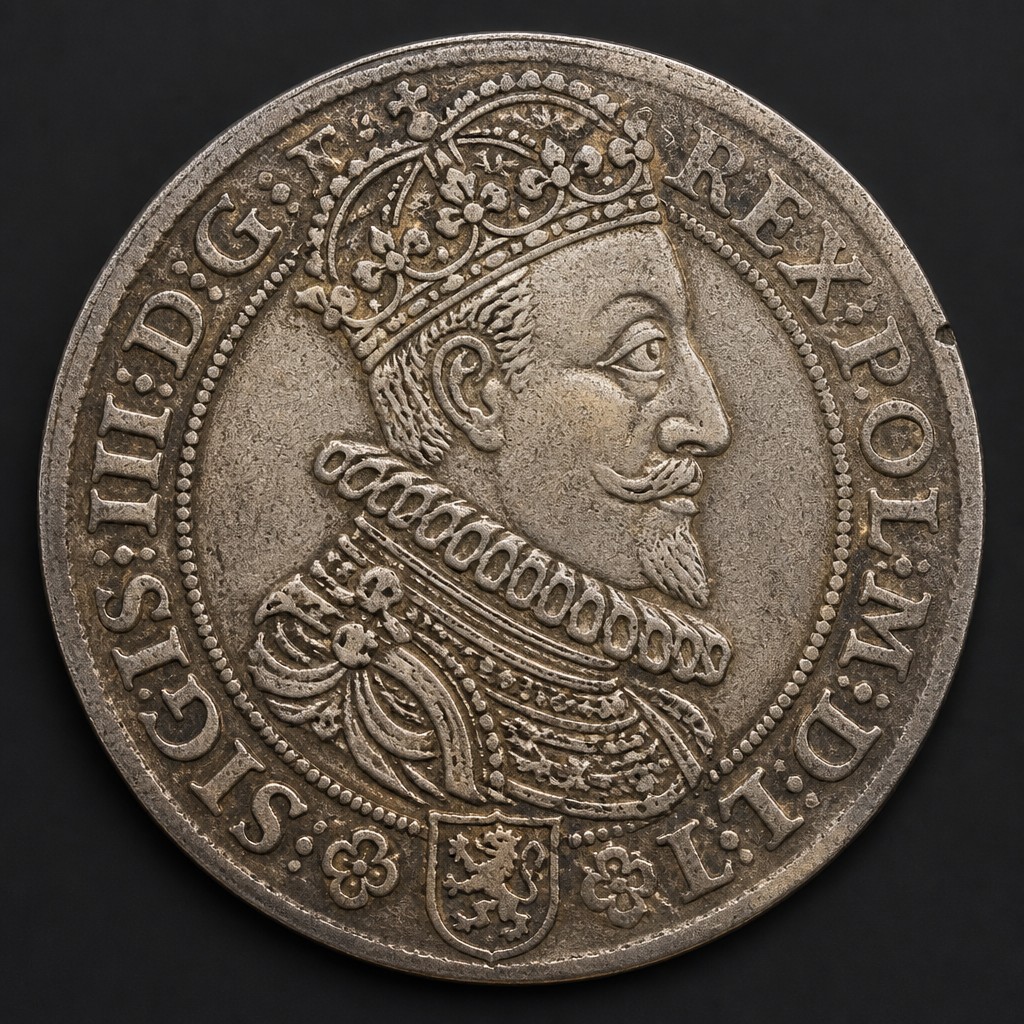
Polish-Lithuanian Thaler
circa 16th–18th century
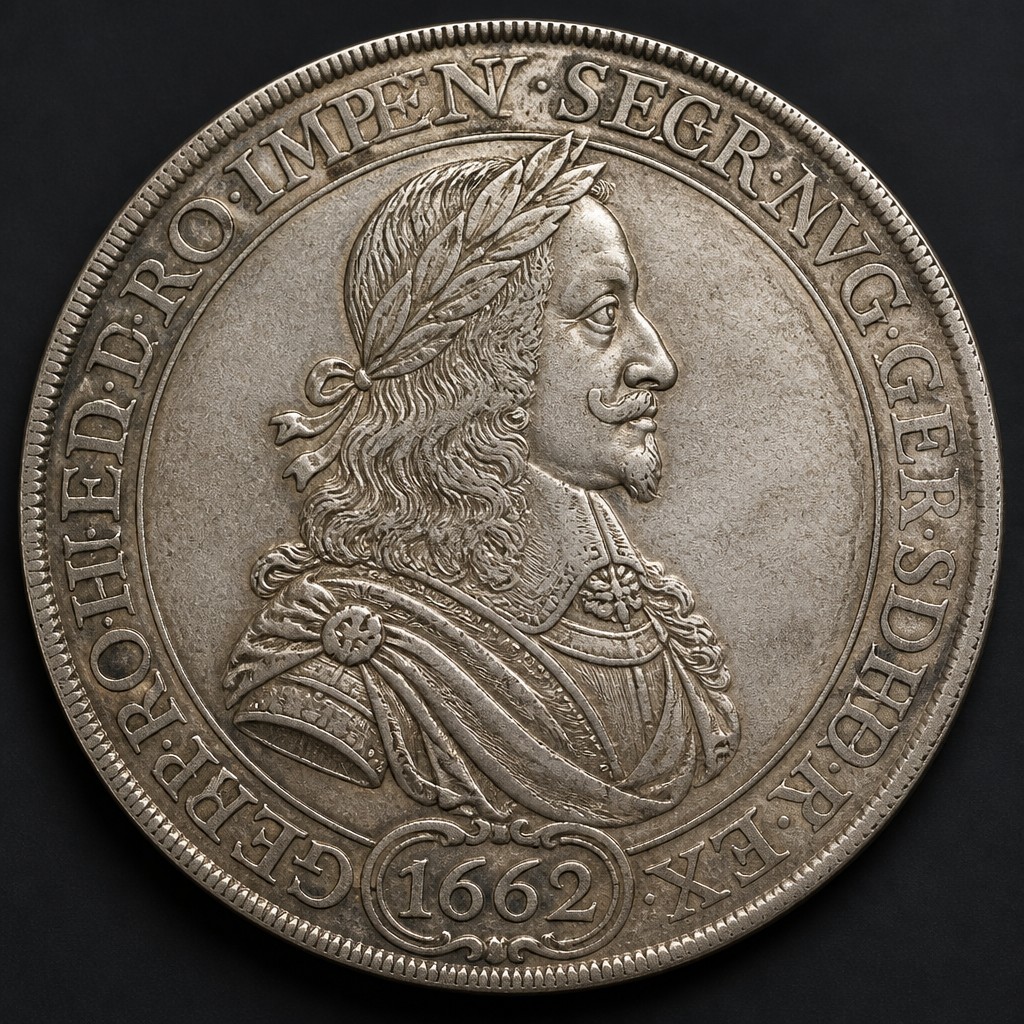
Reichsthaler
circa 1566–early 19th century
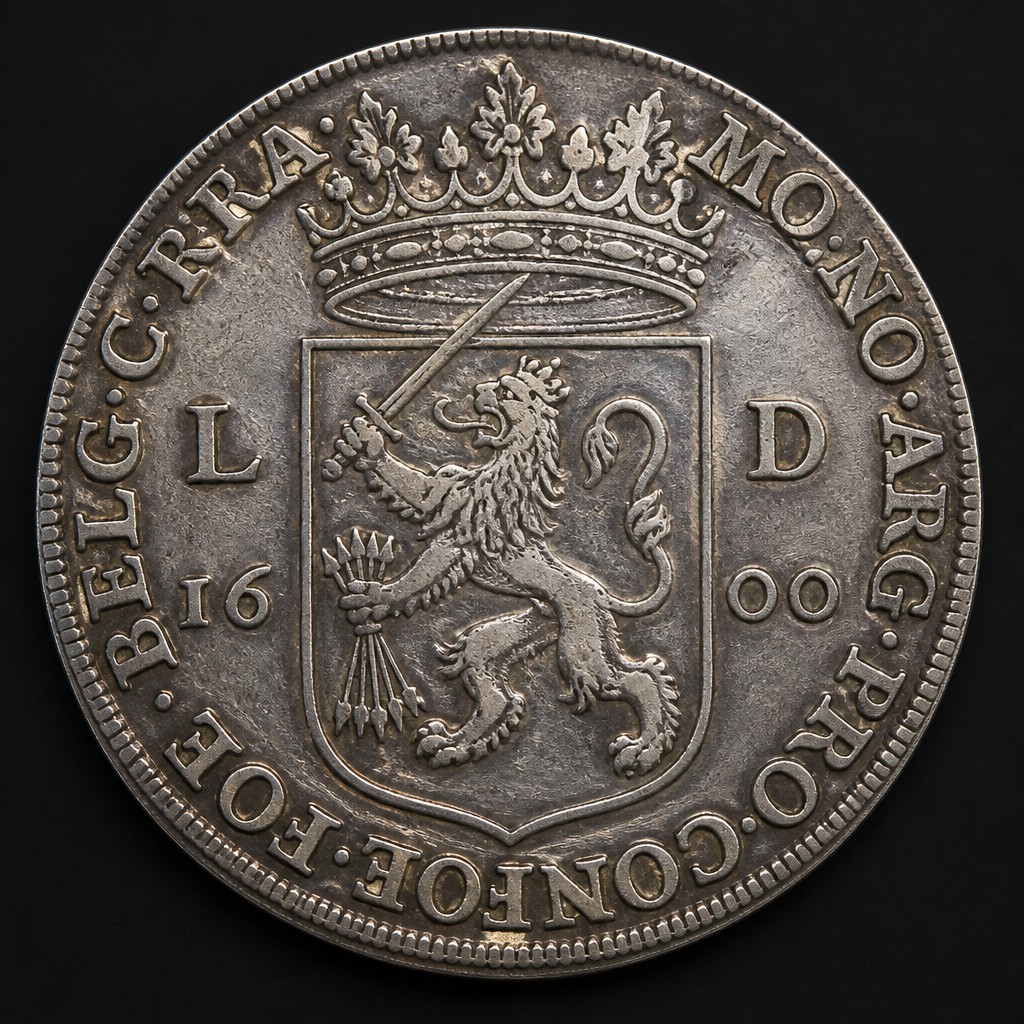
Netherlands Lion Daalder (Leeuwendaalder)
1575–1713
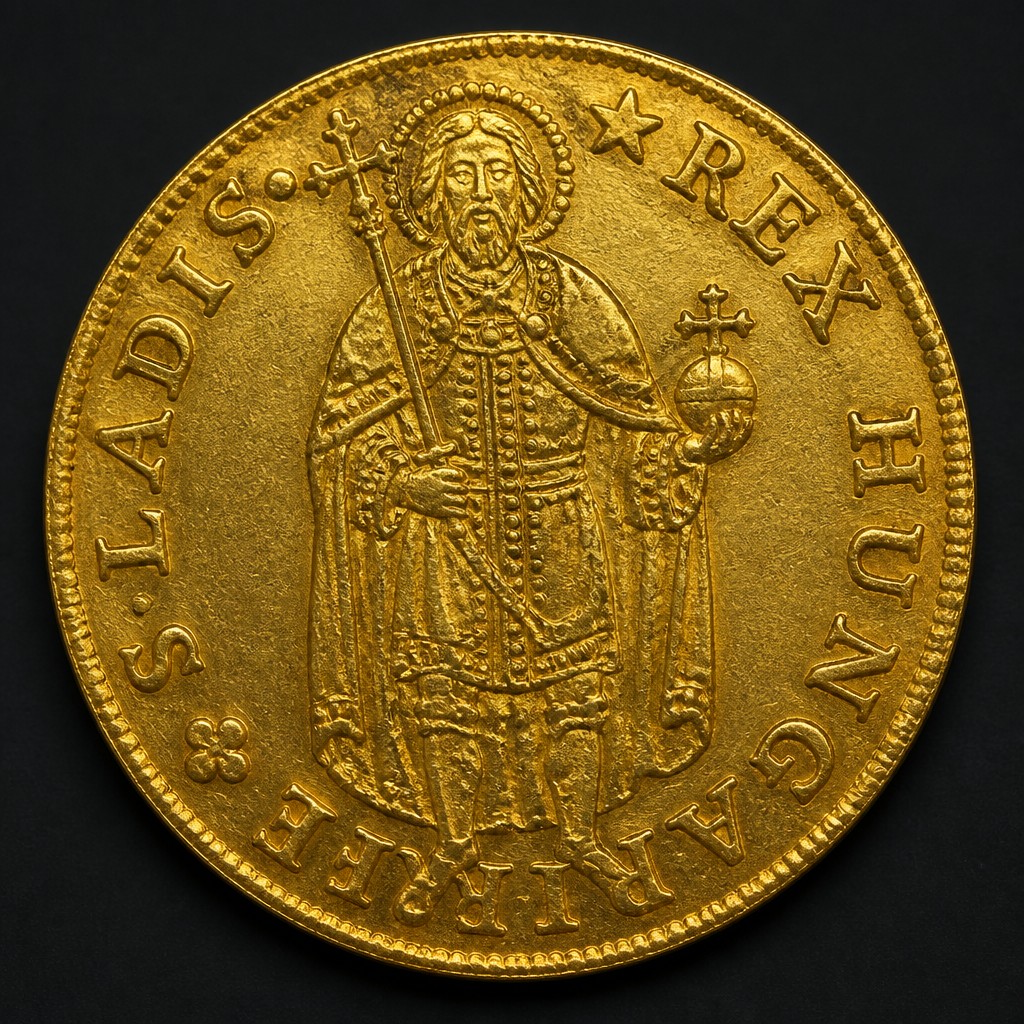
Hungarian Ducat
c. 1325–1918
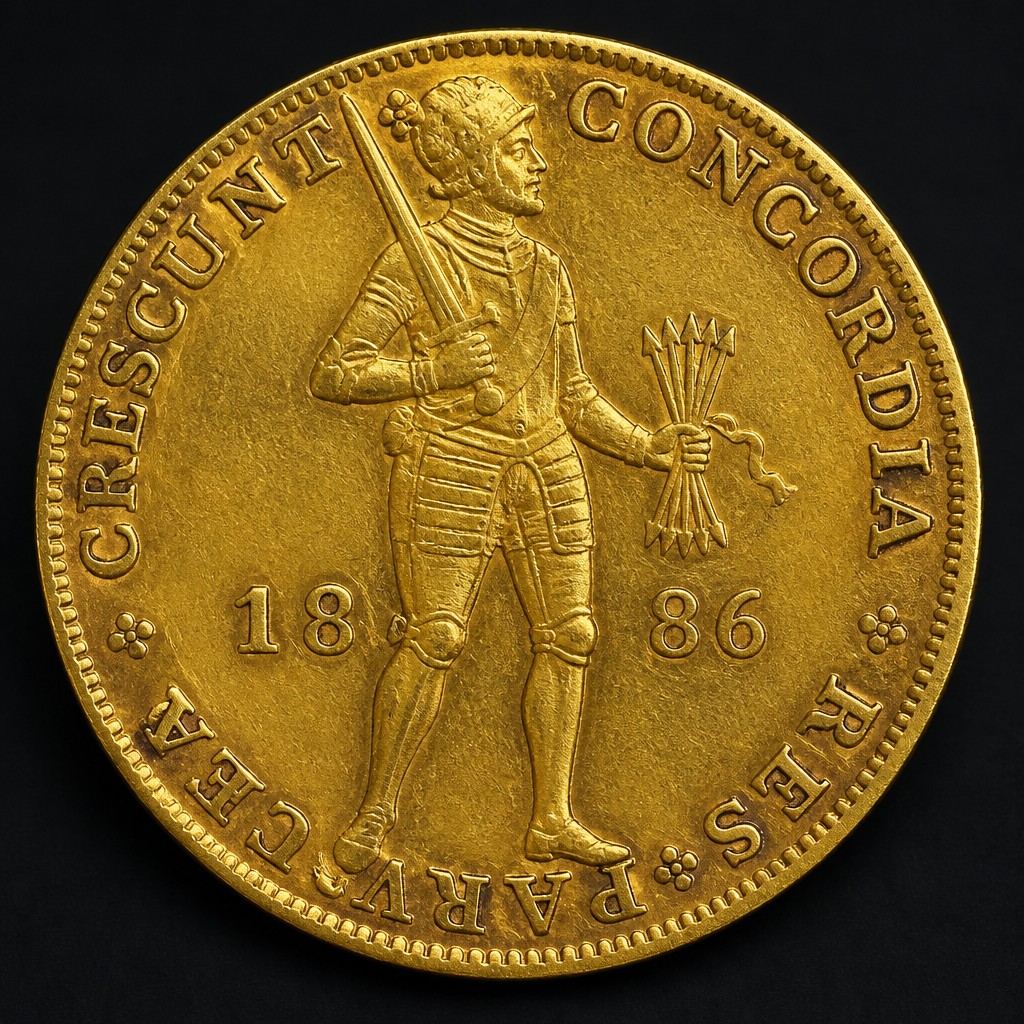
Dutch Ducat
c. 1586–present (classic type standardized after 1817)
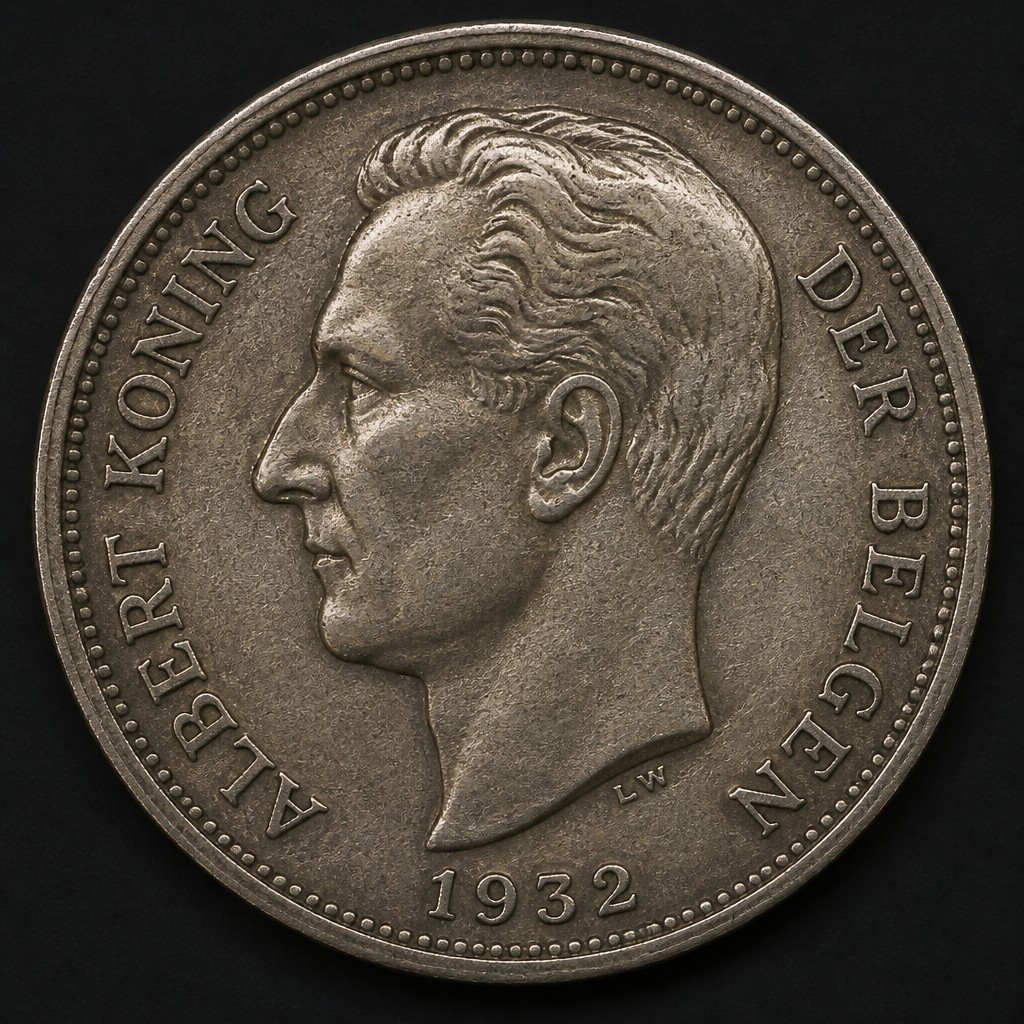
Belgian Franc
1832–2002
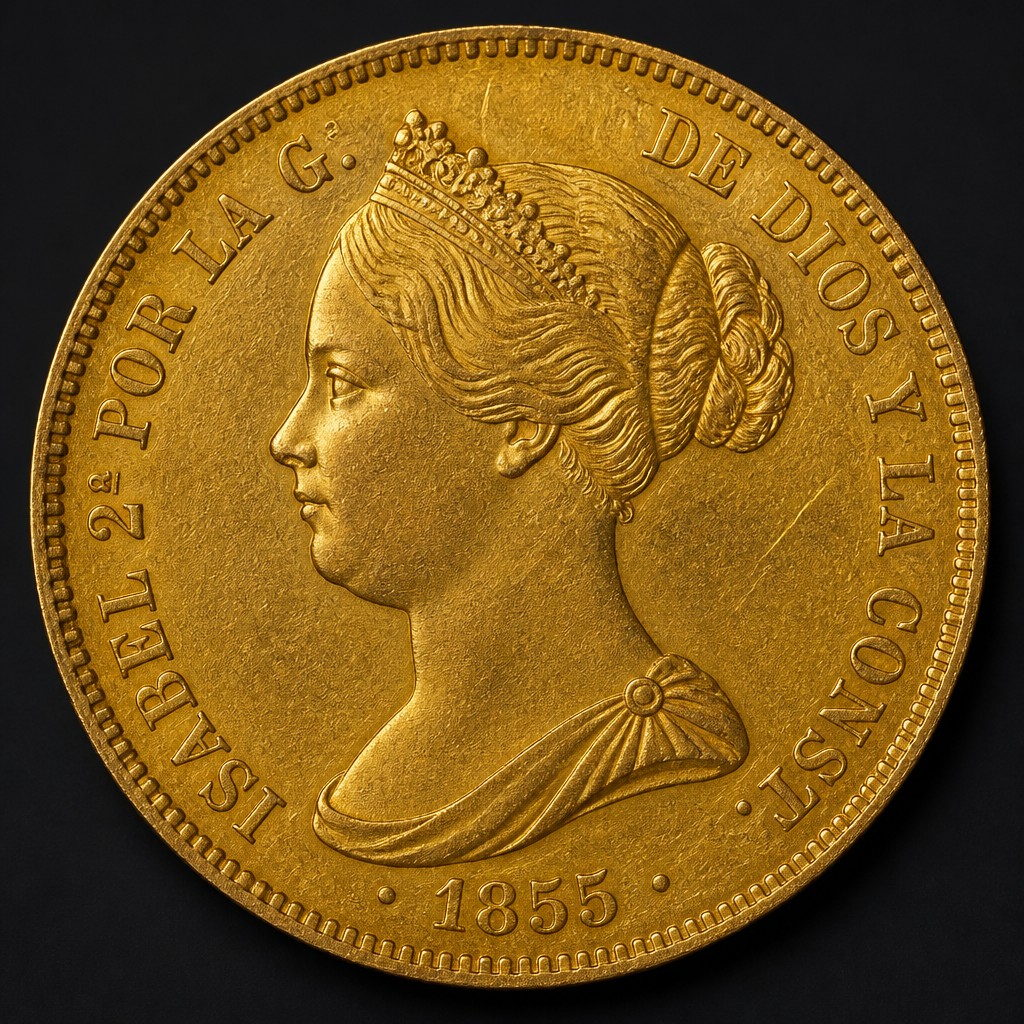
Spanish 100 Reales Gold (Isabel II)
1850s–1868
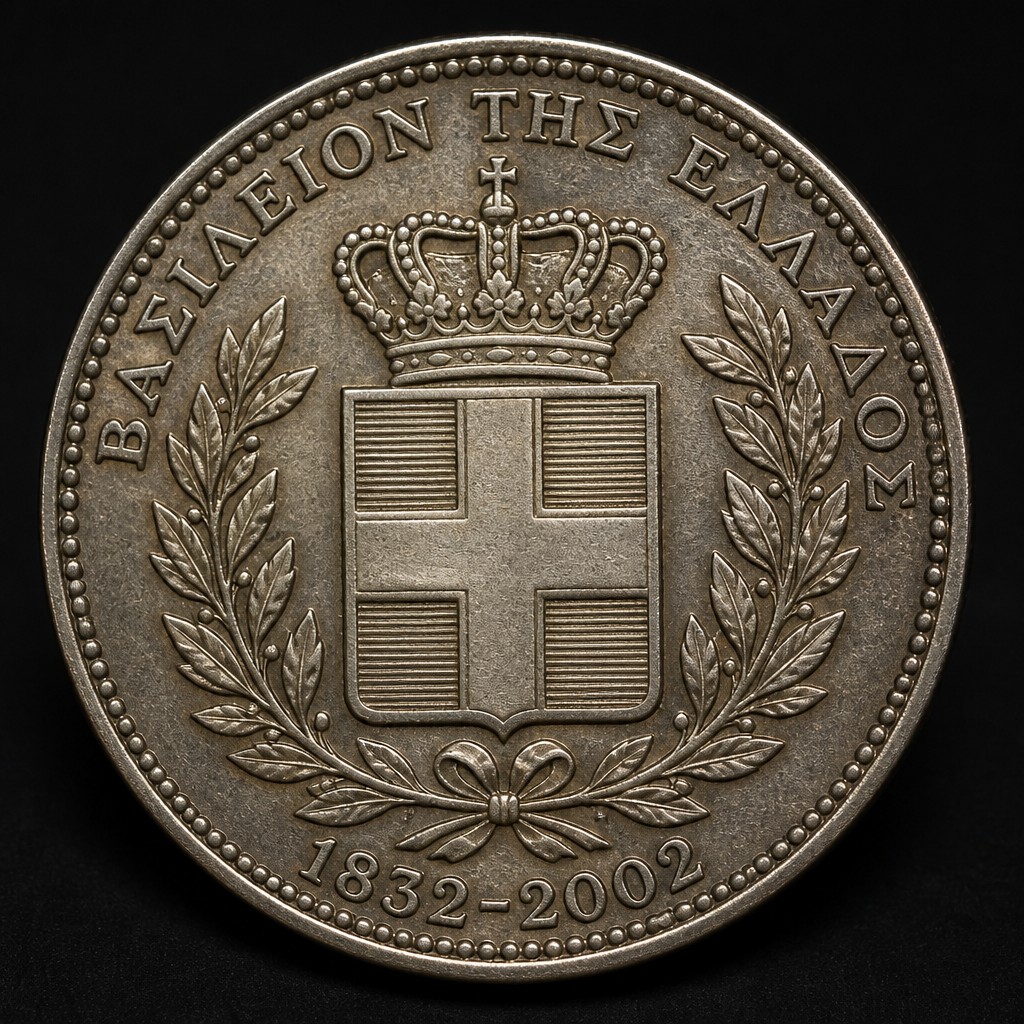
Greek Drachma
1832–2002
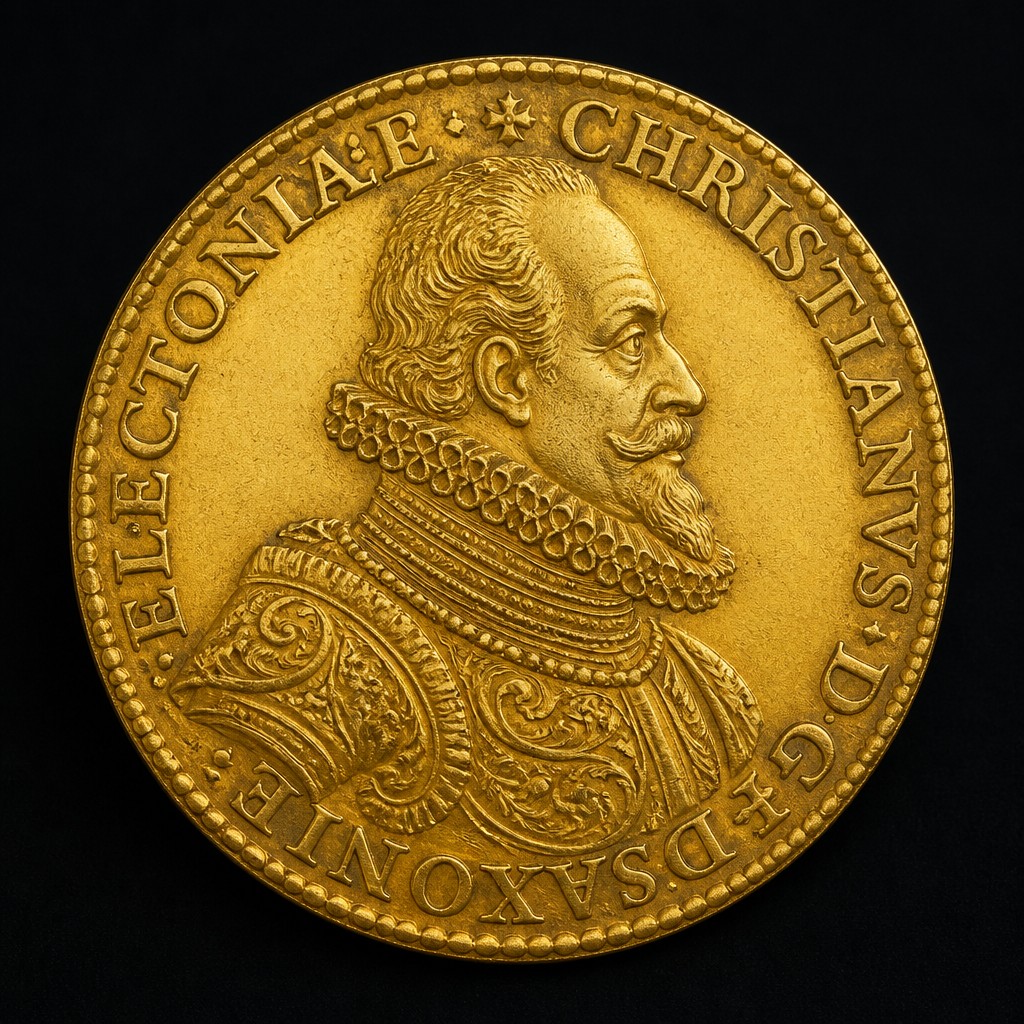
German Saxony Ducat
16th century–19th century
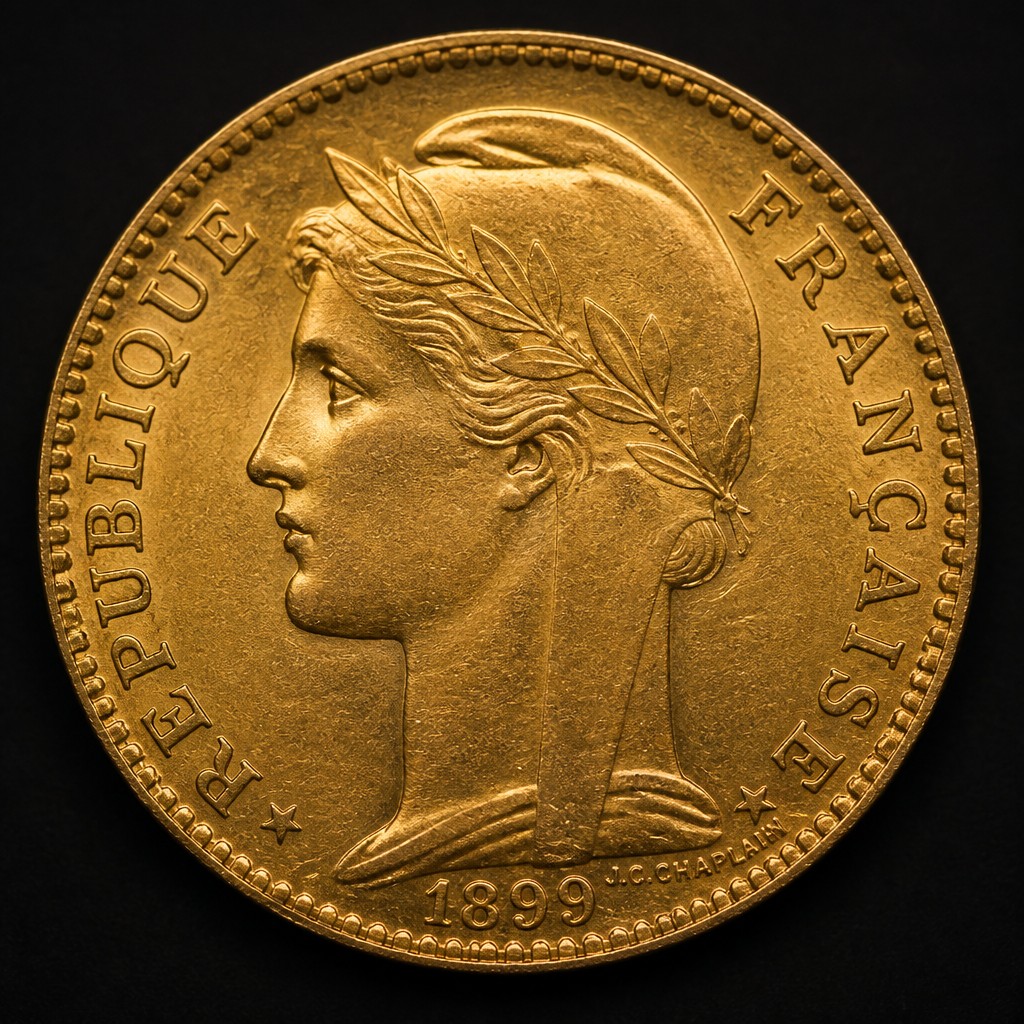
French 10 Francs Gold (Napoleon Rooster)
1899–1914
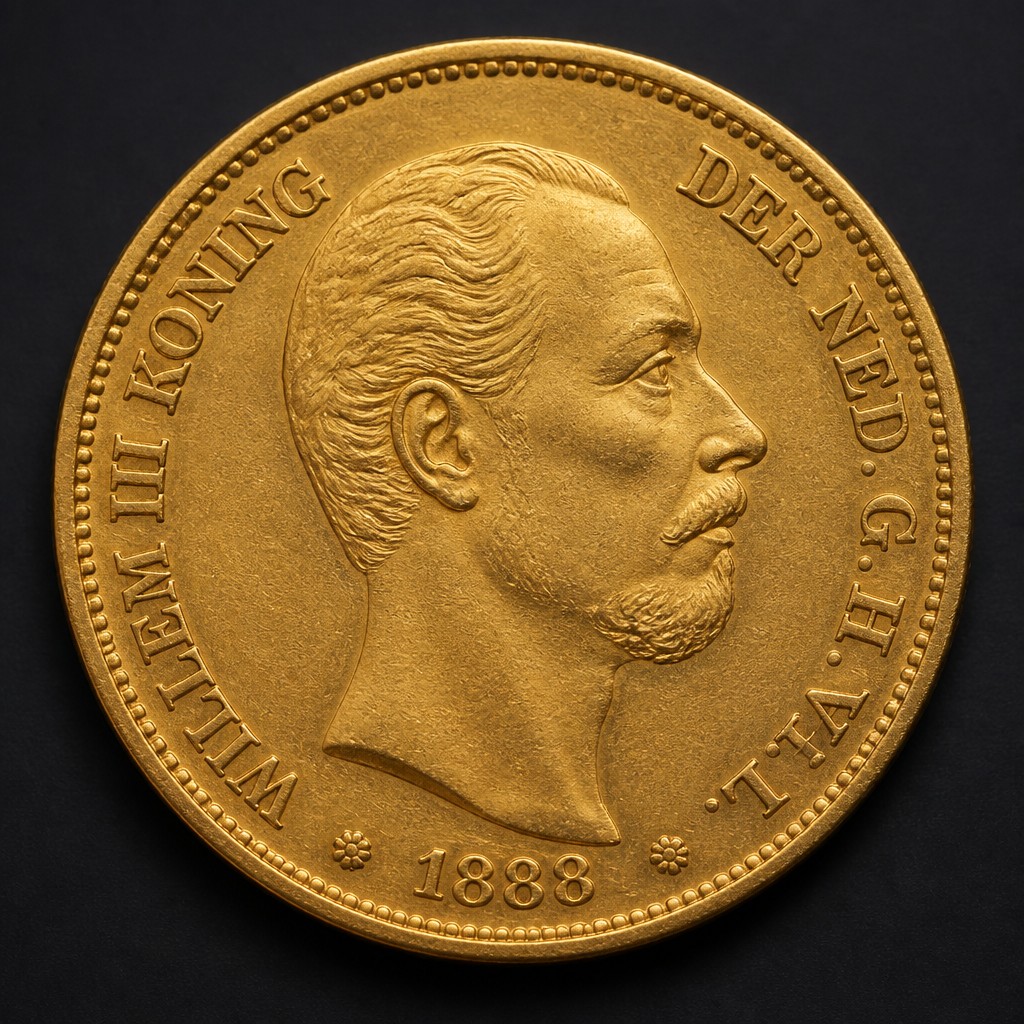
Netherlands 5 Gulden Gold
1826–1912 (intermittent)
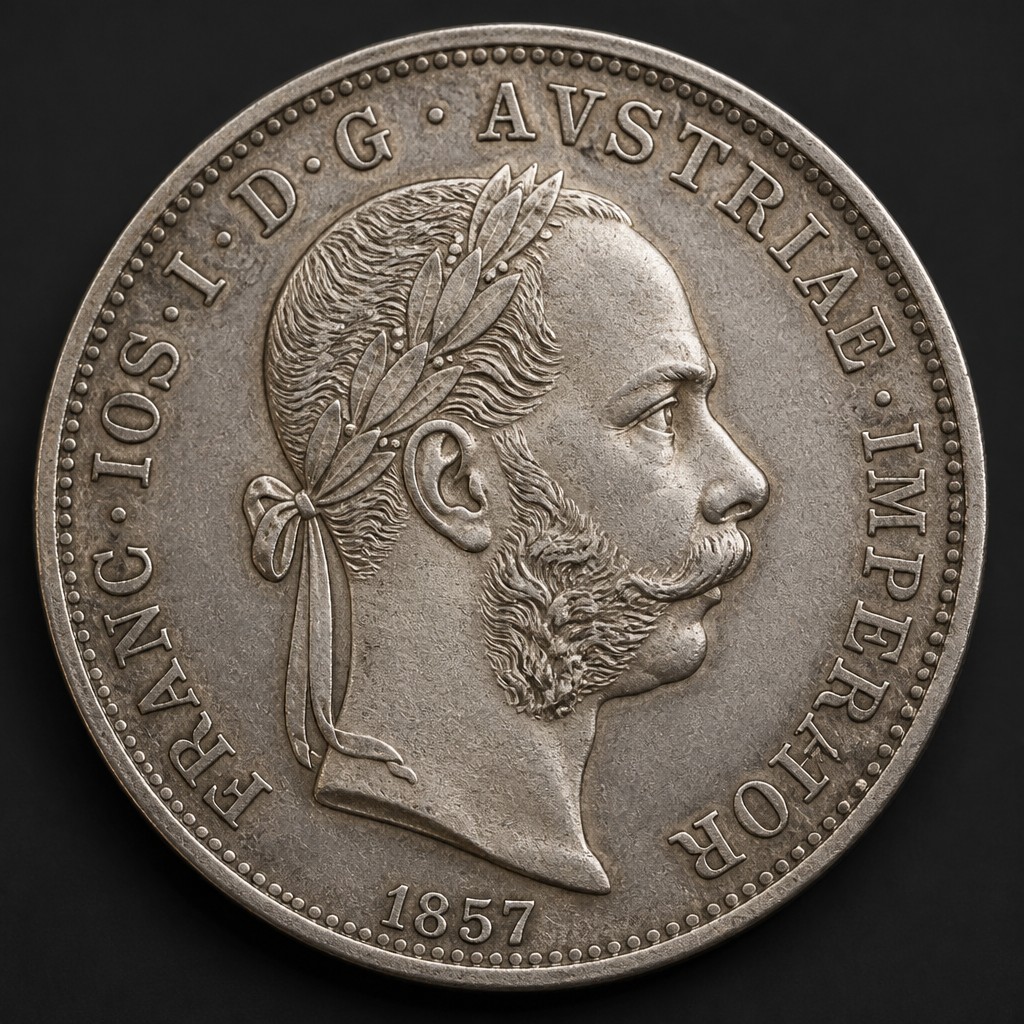
Austrian Florin (Gulden)
1857–1892