
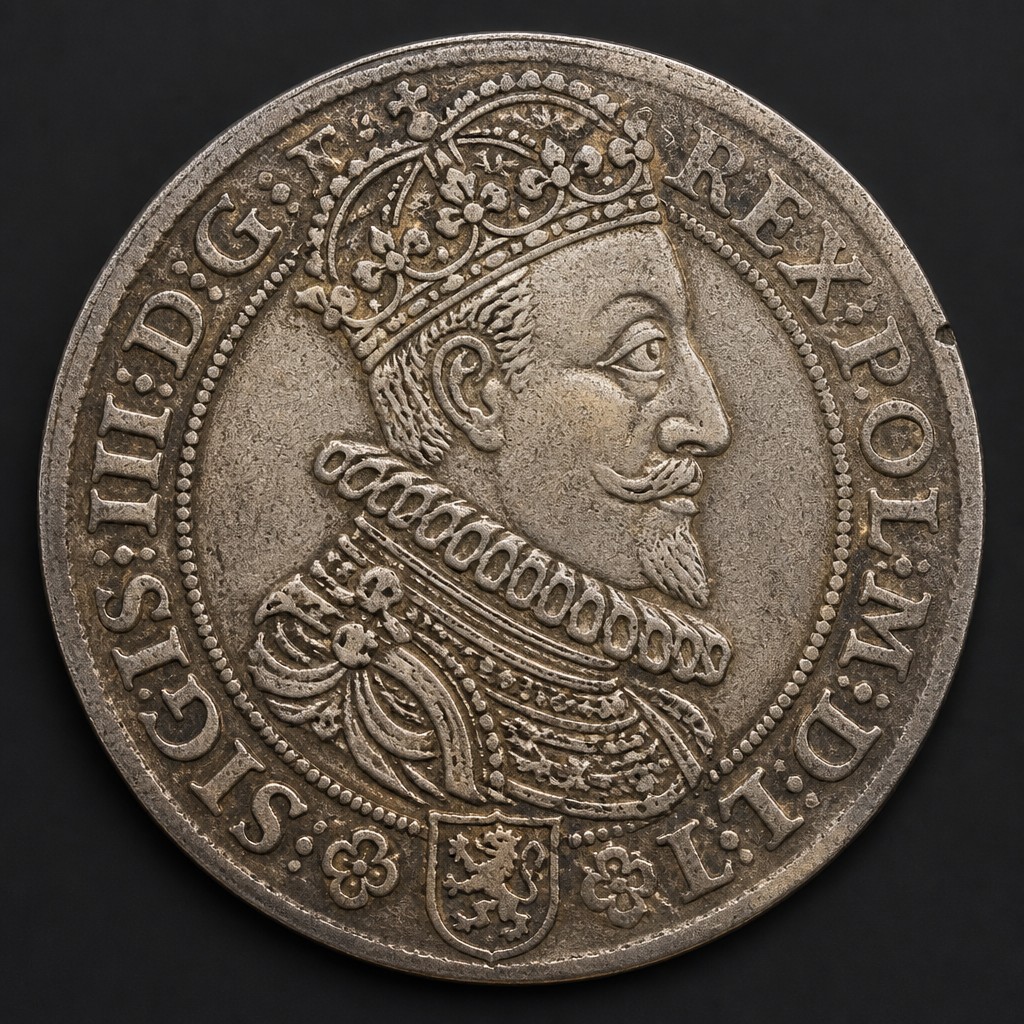
Polish-Lithuanian Thaler
The large silver trade coin of the Polish-Lithuanian Commonwealth, struck under successive kings from the 16th through 18th centuries, bearing royal portraits paired with the combined Polish eagle and Lithuanian Vytis arms.
- Country
- Polish-Lithuanian Commonwealth
- Denomination
- One Thaler (Talar)
- Metal
- Silver
Got a coin like this?
Identify any coin from a photo, free.
Overview
The Polish-Lithuanian Thaler, known locally as the talar, was the large silver trade coin of the Polish-Lithuanian Commonwealth, one of the largest and most influential states in early modern Europe. Following the broader European thaler tradition of substantial silver coins used for major transactions and international trade, these pieces were struck under a succession of Commonwealth monarchs from the 16th century into the 18th century, each typically bearing that ruler's portrait and titles.
A distinctive feature of Commonwealth thalers is their reverse design, which combines the Polish eagle with the Lithuanian coat of arms, known as the Vytis or Pogoń, symbolizing the political union between the Kingdom of Poland and the Grand Duchy of Lithuania that defined the Commonwealth. Notable rulers whose portraits appear on these large silver coins include Sigismund III Vasa, John III Sobieski (famous for his military victories including the relief of Vienna), and the final king, Stanisław August Poniatowski.
Because the Commonwealth encompassed a vast, ethnically and religiously diverse territory across what is now Poland, Lithuania, Belarus, and Ukraine, its thaler coinage is an important reference point for the political and economic history of East-Central Europe, and it remains a popular specialty for collectors interested in Polish, Lithuanian, and broader European thaler coinage.
History & Background
The Polish-Lithuanian Commonwealth was formed by the Union of Lublin in 1569, formally joining the Kingdom of Poland and the Grand Duchy of Lithuania under a shared monarch and parliament while each retained certain distinct institutions. As one of the larger and, for a time, more powerful states in Europe, the Commonwealth required substantial silver coinage to support its extensive trade networks, and its kings issued thalers broadly comparable in weight and purpose to the large silver trade coins circulating elsewhere in Europe.
Commonwealth thaler coinage was struck at various mints across the union's territory, including the Polish royal mint at Kraków and mints operating in Lithuania such as Vilnius, with production levels and specific designs varying under different monarchs depending on economic conditions, available silver supply, and the political priorities of the reigning king. Some of the most celebrated Commonwealth thalers were struck under King John III Sobieski in the late 17th century, a period closely associated with his military leadership against Ottoman forces.
The Commonwealth's thaler coinage continued, with interruptions and changes reflecting the state's declining political fortunes, until the partitions of Poland-Lithuania in the late 18th century by neighboring Russia, Prussia, and Austria brought an end to the Commonwealth as an independent state, and with it, the end of independent Commonwealth coinage under its own kings.
How to Identify
The obverse of a typical Polish-Lithuanian thaler features a portrait of the reigning king, usually shown in armor or formal royal dress, surrounded by a Latin legend giving his name and titles, which often include references to being king of Poland, grand duke of Lithuania, and ruler of various other territories associated with the crown. Specific portrait style and legend wording vary by monarch and mint.
The reverse typically displays a composite coat of arms combining the Polish eagle with the Lithuanian Vytis (a mounted knight, also called Pogoń), reflecting the political union of the two states, along with the date and sometimes additional heraldic elements representing the ruling dynasty or specific mint. Mint identification can often be determined by small marks, initials, or inscriptions incorporated into the design, corresponding to production centers such as Kraków, Bydgoszcz, or Vilnius.
Collectors distinguish Commonwealth thalers from other European thalers primarily through the distinctive combined Polish-Lithuanian arms on the reverse and the specific royal portraits and titles used, which differ from the imagery found on German states, Habsburg, or Scandinavian thaler issues of the same general period. Weight and diameter are generally consistent with the broader European large silver thaler standard of the era.
Value & Collectibility
Values for Polish-Lithuanian thalers depend heavily on the specific ruler, mint, date, and rarity of the type, with more common issues from prolific reigns generally available at moderate prices, while scarcer types, particularly those tied to celebrated rulers like John III Sobieski, or coins in exceptional condition with strong strikes and original luster, can command significantly higher prices reaching into four figures or more at auction. As with most historical European silver, well-centered strikes with minimal wear or cleaning tend to command a meaningful premium.
Collectors interested in Polish and Lithuanian numismatic history often build focused collections by ruler or by mint, and rarity within these specialty categories, rather than any single overall market price, is usually the primary factor driving value for a given piece. Provenance and documented collection history can also add value for exceptional or historically notable examples.
Frequently asked questions
What does the combined eagle and rider design represent?
It symbolizes the political union between the Kingdom of Poland (represented by the eagle) and the Grand Duchy of Lithuania (represented by the Vytis, a mounted knight), formalized by the 1569 Union of Lublin.
Which Commonwealth king's thalers are especially notable?
Thalers of John III Sobieski, known for his military leadership including the relief of Vienna in 1683, are among the most celebrated Commonwealth issues among collectors.
Where were Polish-Lithuanian thalers minted?
Production took place at several mints across the Commonwealth's territory, including Kraków in Poland and Vilnius in Lithuania, among others.
When did the Commonwealth stop issuing its own coinage?
Independent Commonwealth coinage ended with the late 18th-century partitions of Poland-Lithuania by Russia, Prussia, and Austria, which dissolved the state.
How can I tell which king issued a specific thaler?
The obverse portrait style and Latin title legend identify the specific monarch; comparing these details against reference catalogs of Polish-Lithuanian coinage allows precise attribution.
Other coins you may enjoy
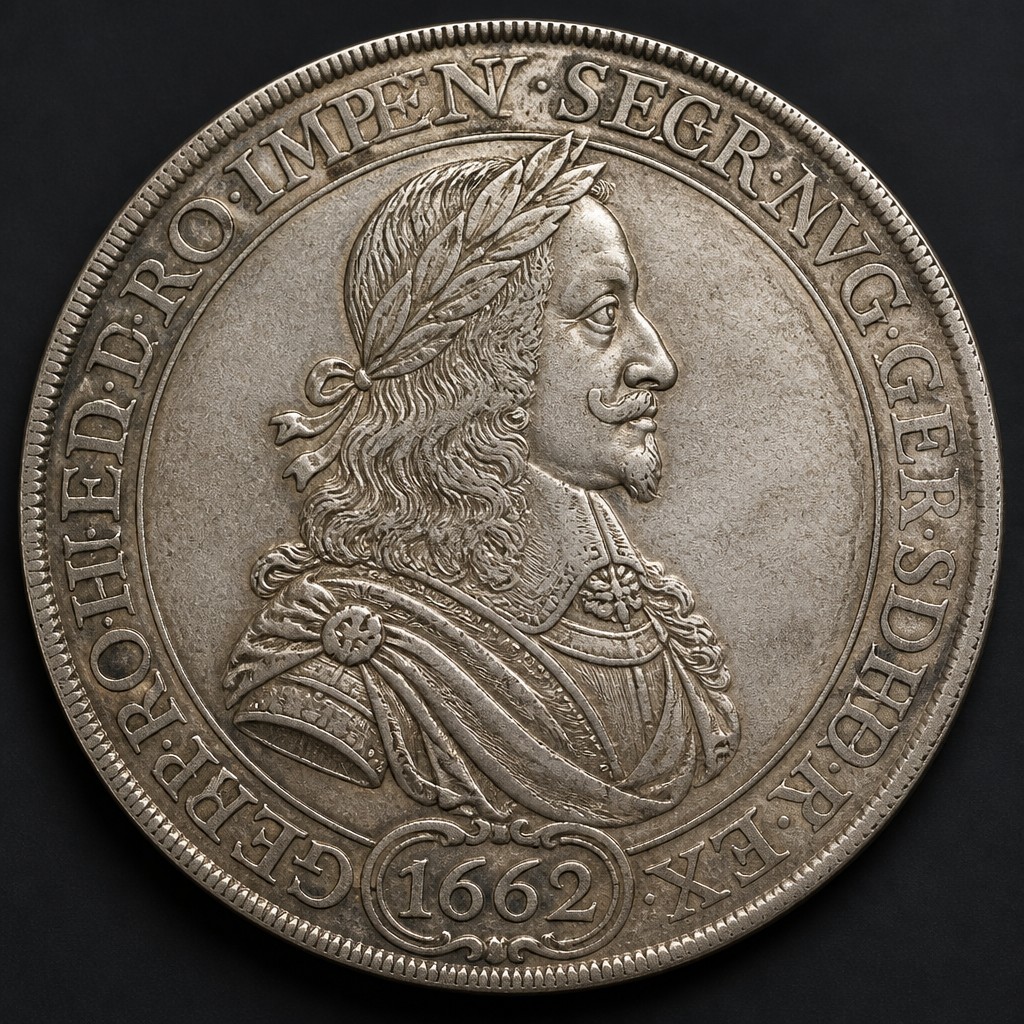
Reichsthaler
circa 1566–early 19th century
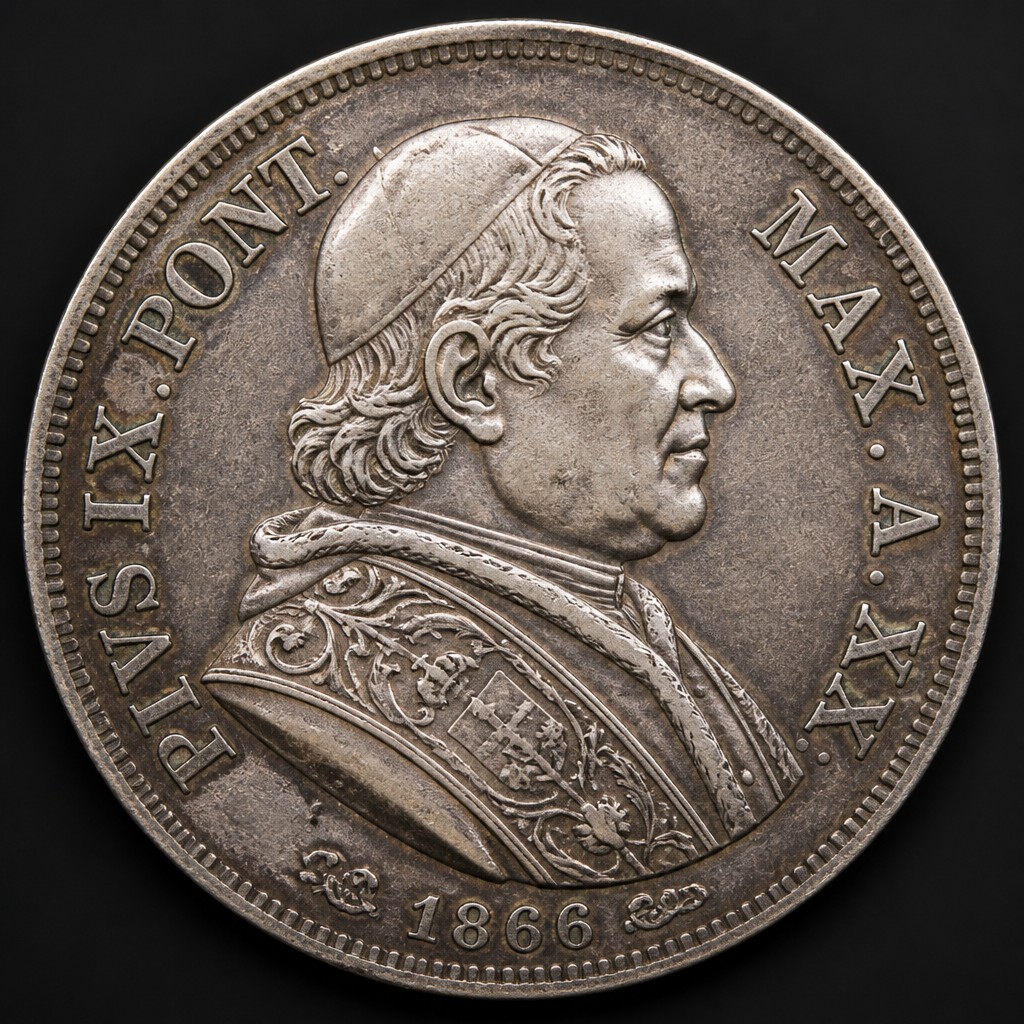
Papal States Scudo
16th century–1866
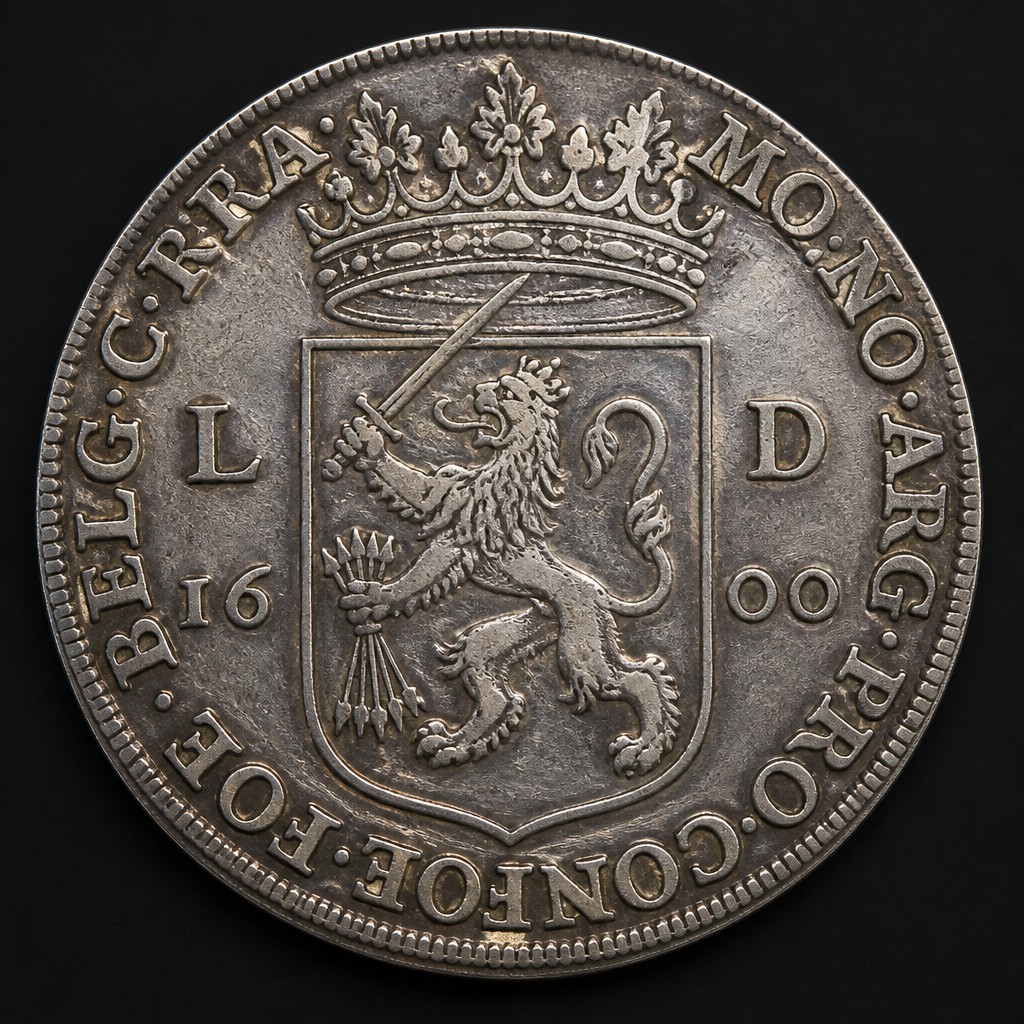
Netherlands Lion Daalder (Leeuwendaalder)
1575–1713
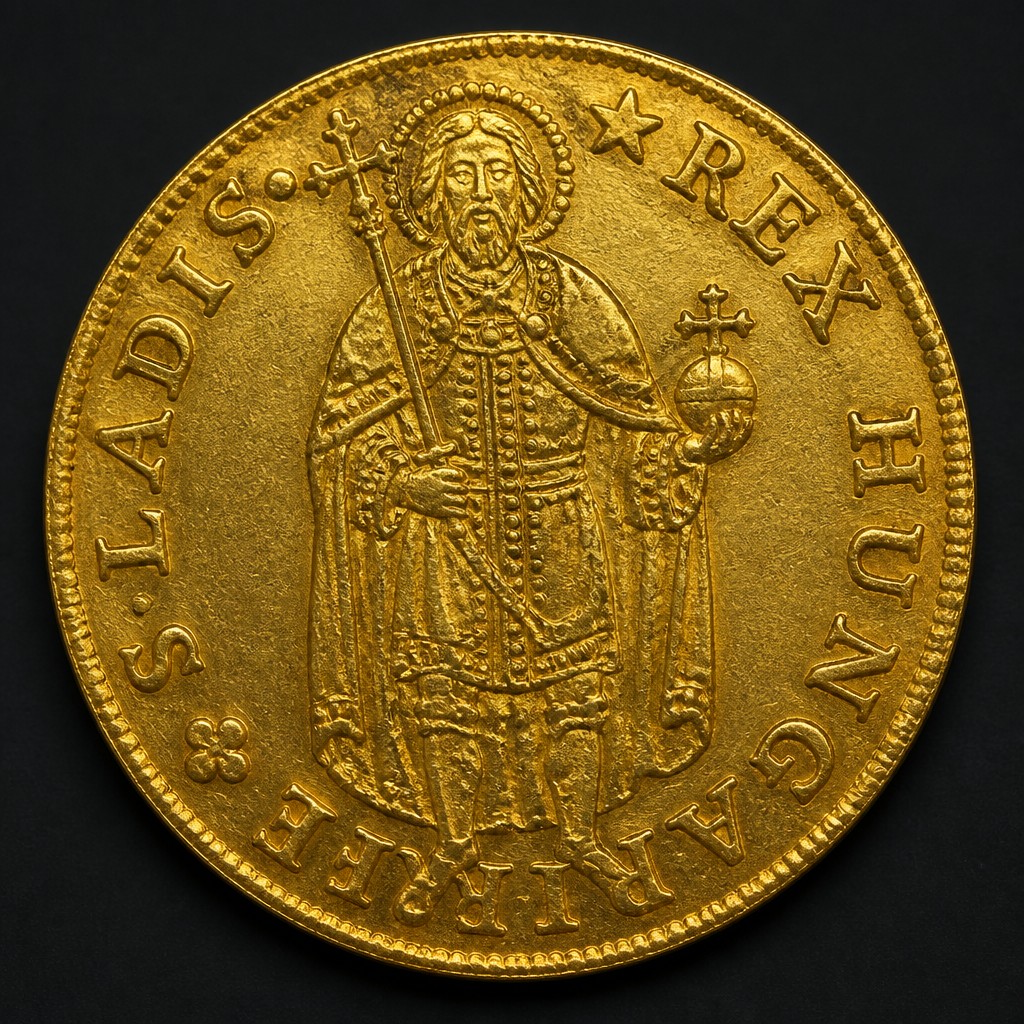
Hungarian Ducat
c. 1325–1918
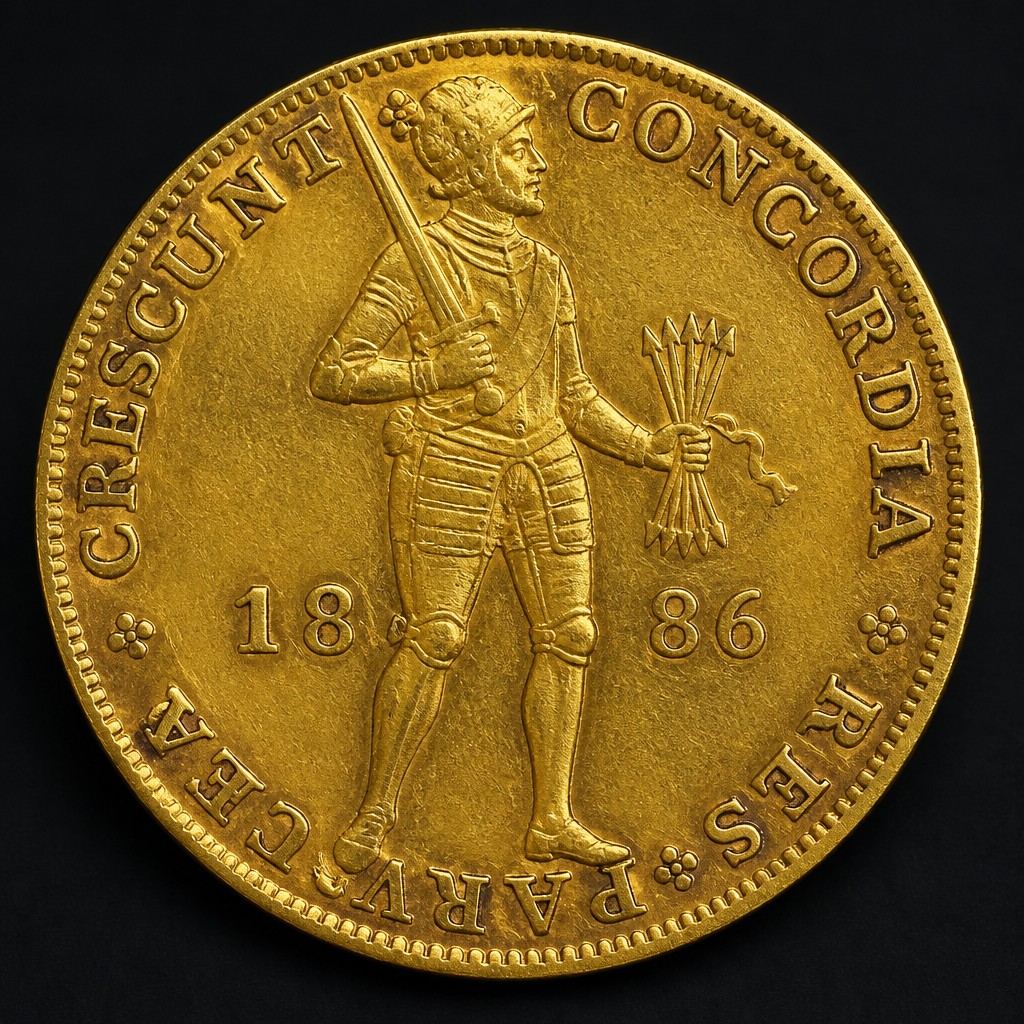
Dutch Ducat
c. 1586–present (classic type standardized after 1817)
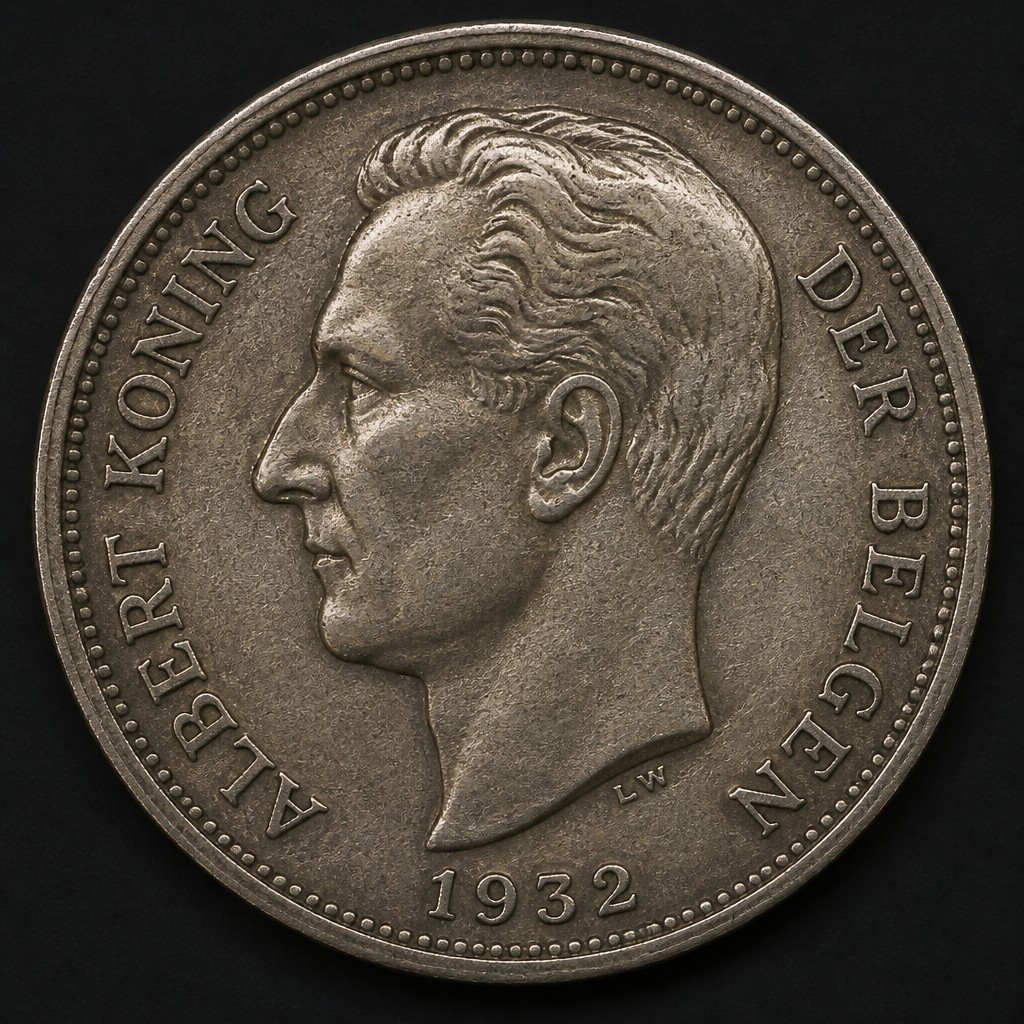
Belgian Franc
1832–2002
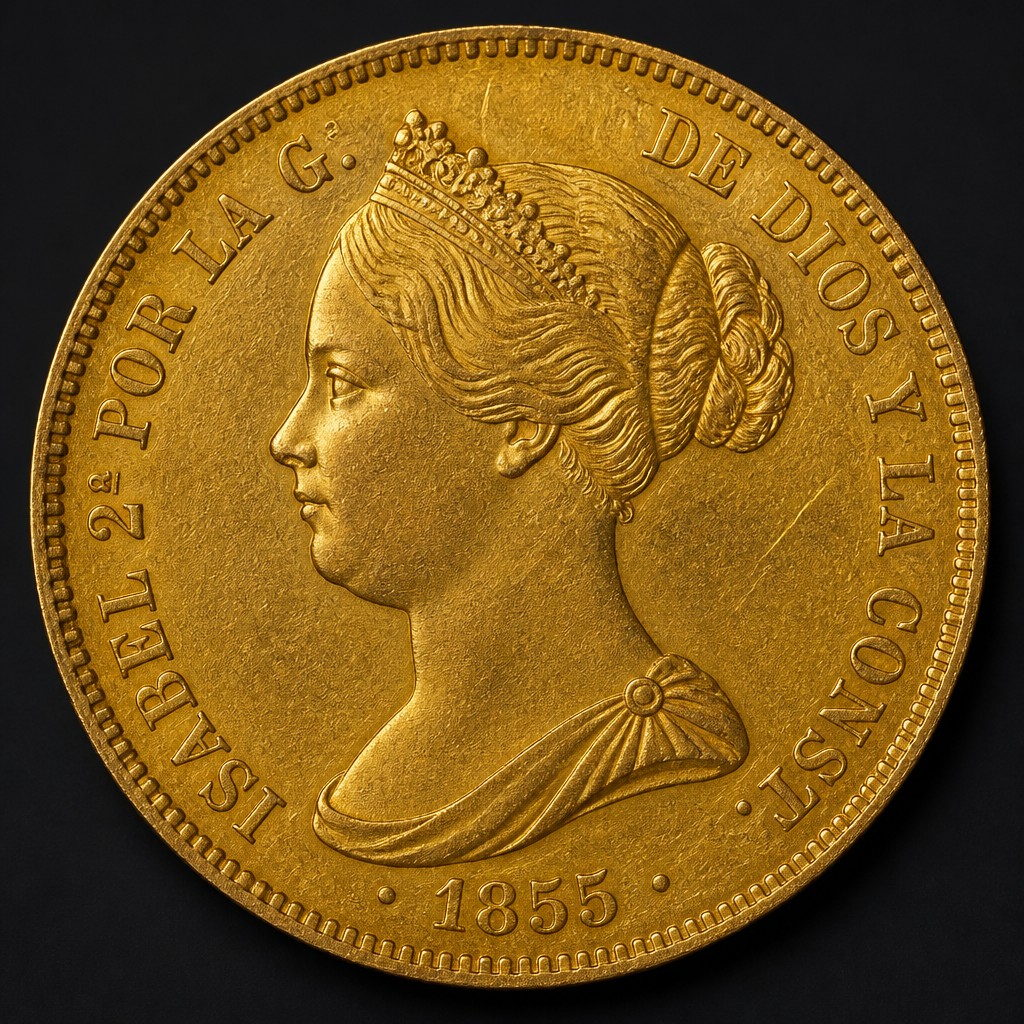
Spanish 100 Reales Gold (Isabel II)
1850s–1868
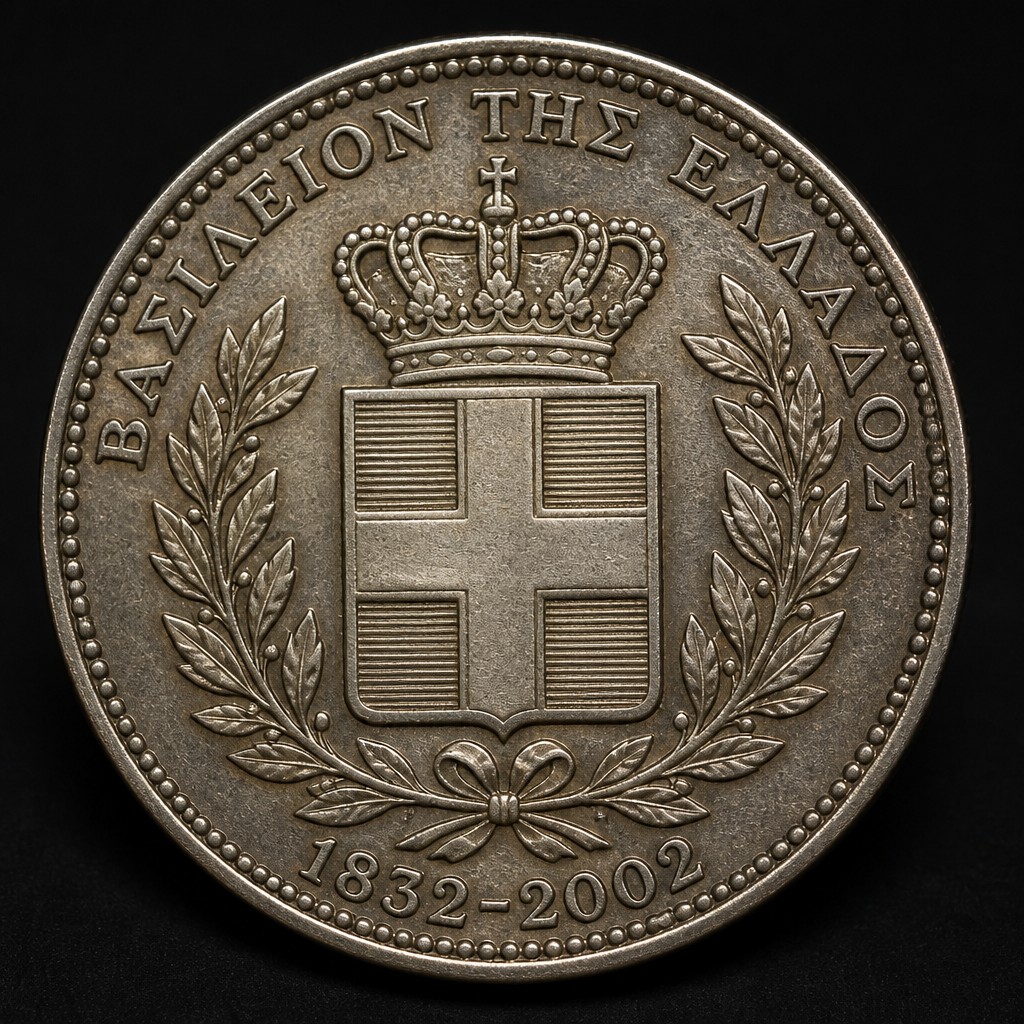
Greek Drachma
1832–2002
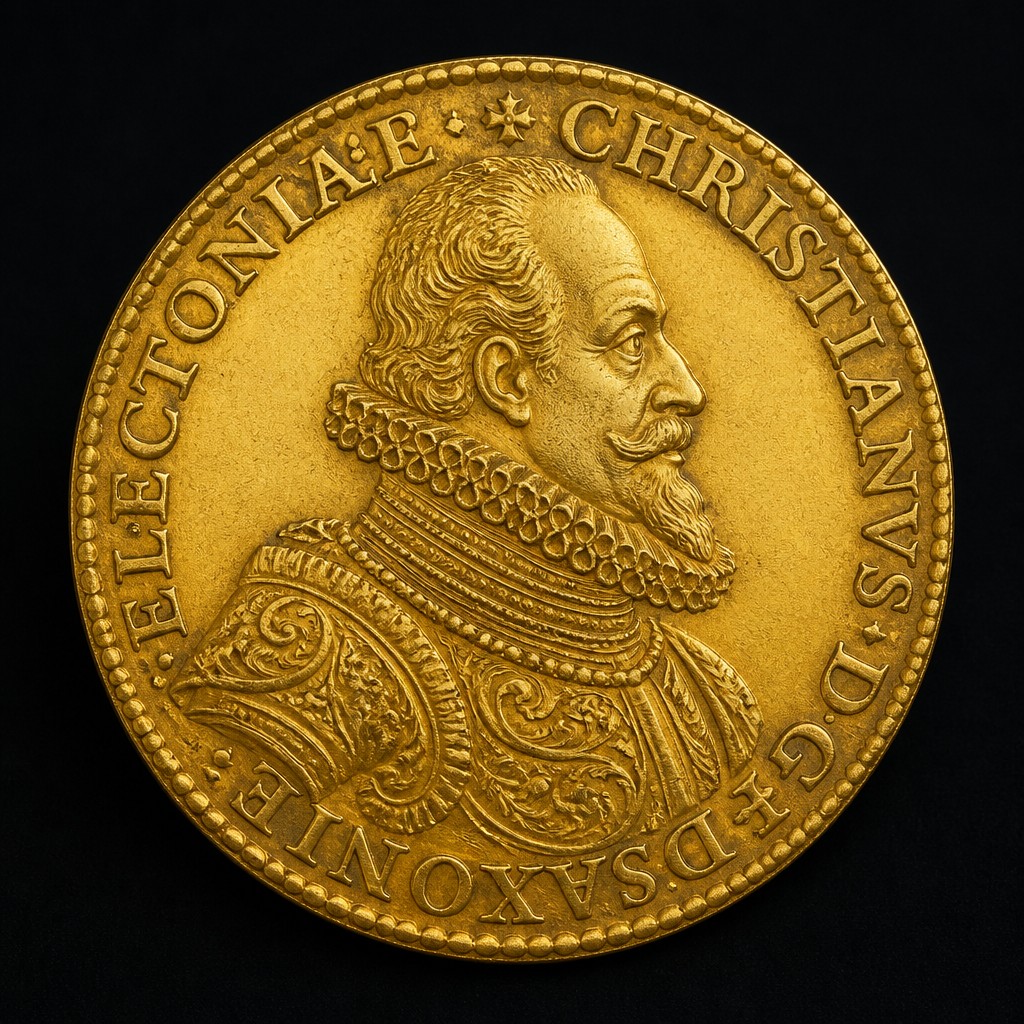
German Saxony Ducat
16th century–19th century
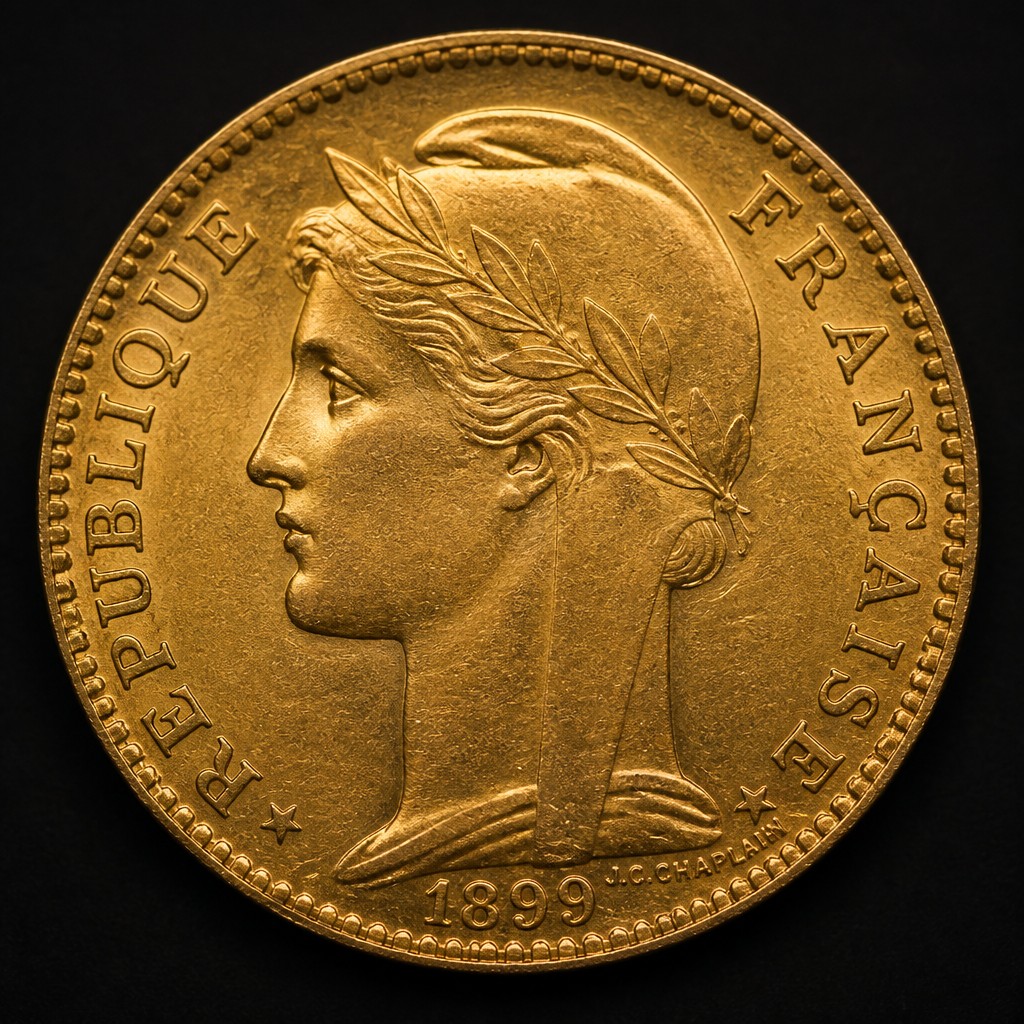
French 10 Francs Gold (Napoleon Rooster)
1899–1914
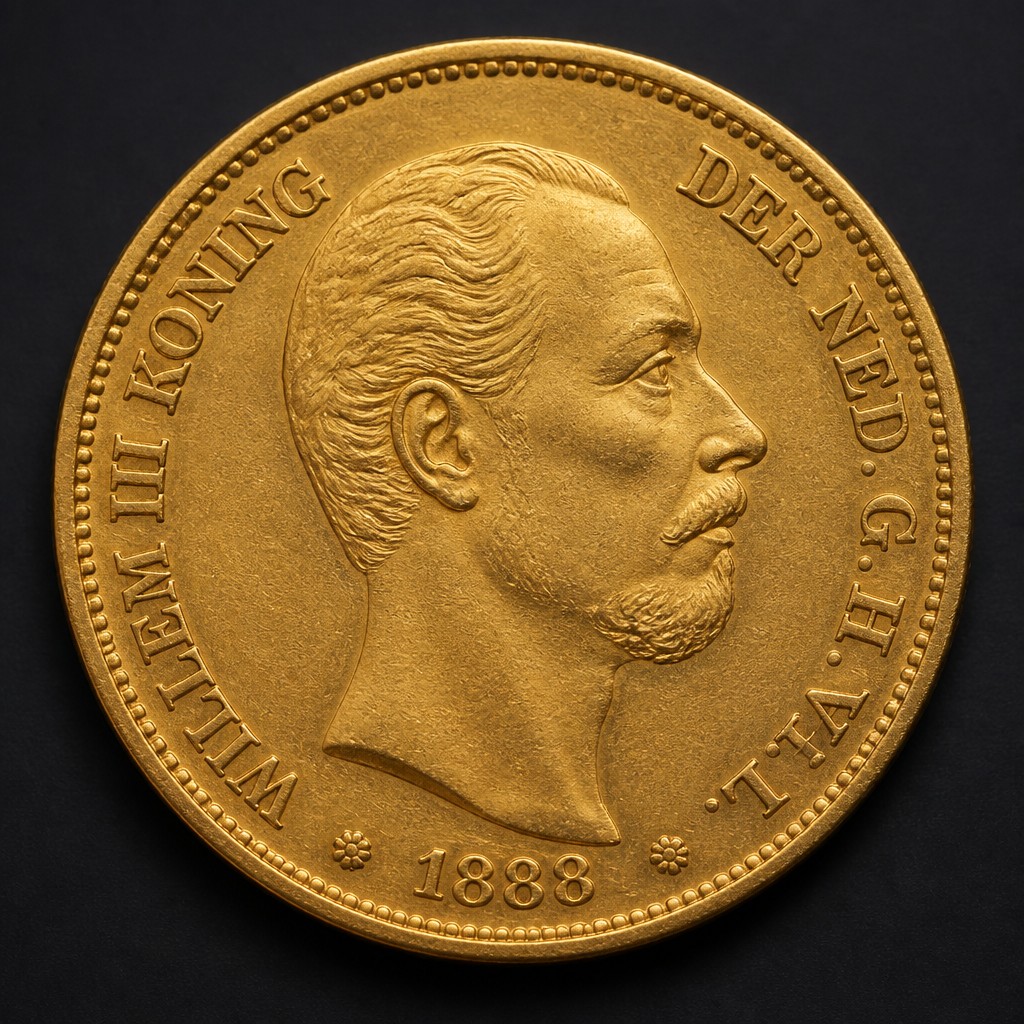
Netherlands 5 Gulden Gold
1826–1912 (intermittent)
Austrian Florin (Gulden)
1857–1892