
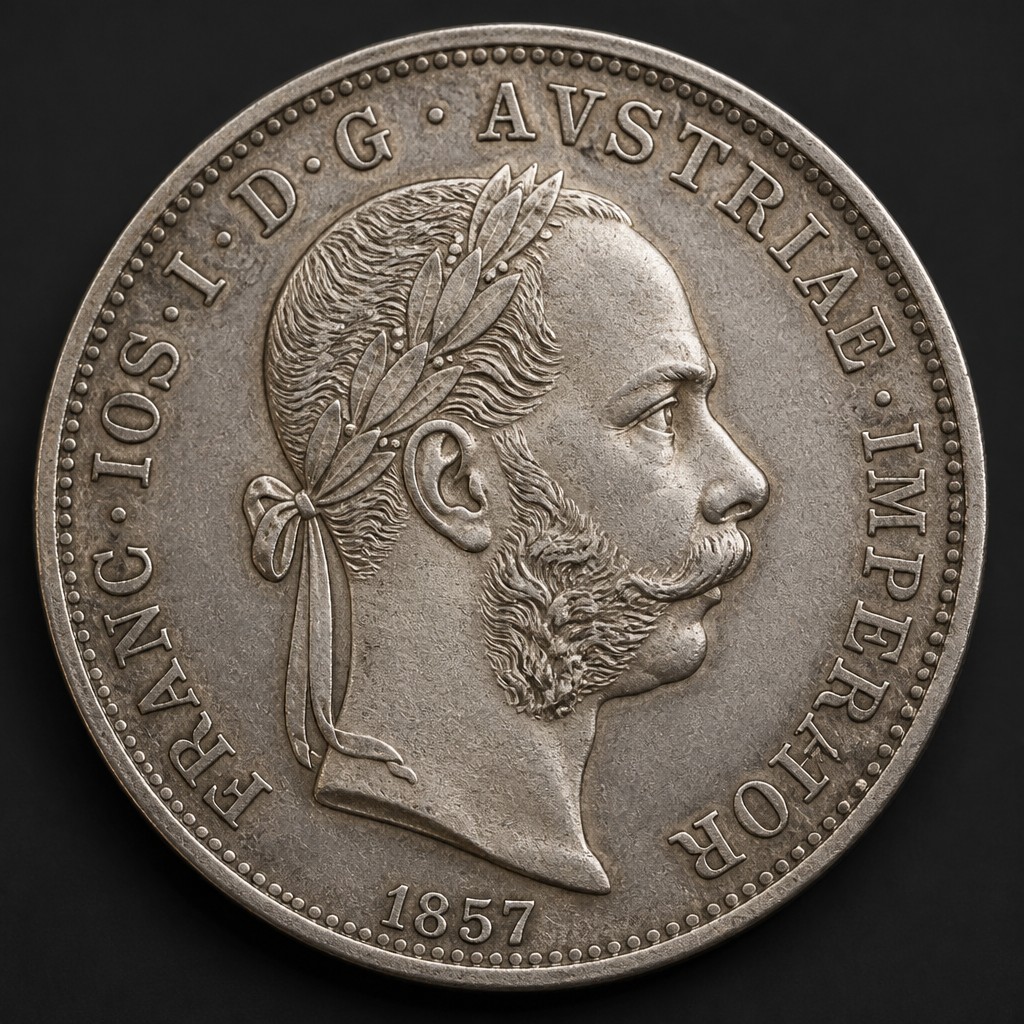
Austrian Florin (Gulden)
The main silver coin of Austria-Hungary in the second half of the 19th century, used until the krone replaced it in the 1892 monetary reform.
- Country
- Austria (Austrian Empire / Austria-Hungary)
- Denomination
- Florin (Gulden)
- Metal
- Silver (.900 fine)
Got a coin like this?
Identify any coin from a photo, free.
Overview
The florin, known in German as the gulden, served as the principal currency unit of the Austrian Empire and later Austria-Hungary for several decades, bridging the earlier conventionsthaler system and the later krone-based currency of the dual monarchy.
Struck consistently under Emperor Franz Joseph I, the florin is one of the most commonly encountered 19th-century Austro-Hungarian silver coins and a staple of central European type collections.
Its long production run and shared use across the Habsburg lands make it an accessible and historically rich denomination for collectors interested in the Austro-Hungarian Empire.
History & Background
The florin (gulden) was established as Austria's standard silver coin under an 1857 monetary convention among German-speaking states, replacing the older conventionsthaler as the empire modernized its currency to better align with neighboring economies.
Throughout its production, the florin bore the portrait of Emperor Franz Joseph I, who reigned for an unusually long period spanning from 1848 to 1916, making his florin coinage a familiar constant even as the empire itself underwent the 1867 transformation into the dual monarchy of Austria-Hungary.
The florin was retired in 1892 when Austria-Hungary adopted the krone as part of a broader move toward the gold standard, ending over three decades of florin/gulden circulation.
How to Identify
The obverse of the Austrian florin shows the bearded profile portrait of Franz Joseph I facing right, with his name and imperial titles in Latin around the rim. The reverse displays the double-headed Habsburg imperial eagle along with the denomination ('1 Fl.' or similar) and date.
The coin is struck in .900 fine silver and is a modest, easily handled size typical of mid-19th-century European silver minor coinage. Mint marks for Vienna, Kremnitz, and other Habsburg mints appear in small letters near the base of the design.
Collectors should distinguish the florin from the smaller Austrian kreuzer denominations and from the later krone coinage introduced after 1892, which replaced the florin at a fixed conversion rate and carries entirely different denomination markings.
Value & Collectibility
Common-date Austrian florins from the 1860s–1880s are plentiful and inexpensive in circulated grades, making them a readily available representative piece of Franz Joseph's long reign.
Earlier dates, specific mint varieties, and higher-grade uncirculated examples can command noticeably higher prices, as can any coins with documented rarity or special issue status.
Typical circulated florins often sell for modest amounts (frequently under $30), while choice or scarce examples can reach into the higher double or low triple digits.
Frequently asked questions
Is the florin the same as the gulden?
Yes, 'florin' and 'gulden' refer to the same Austrian silver denomination, with 'gulden' being the German name.
Who is on the coin?
Emperor Franz Joseph I of Austria-Hungary appears on all florin coinage of this era.
When was the florin discontinued?
It was replaced by the krone in the 1892 Austro-Hungarian monetary reform.
What is the silver content of the florin?
It was struck in .900 fine silver, a common standard for 19th-century central European coinage.
Other coins you may enjoy
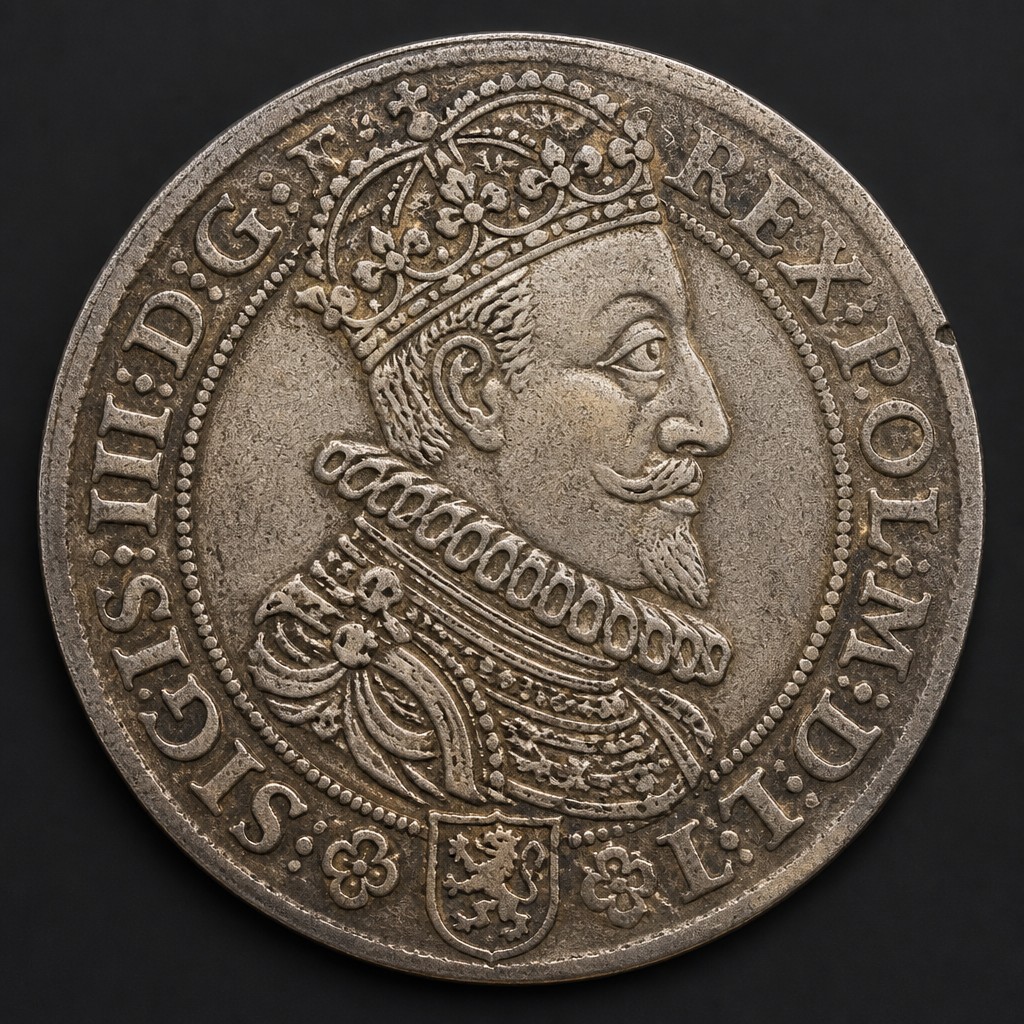
Polish-Lithuanian Thaler
circa 16th–18th century
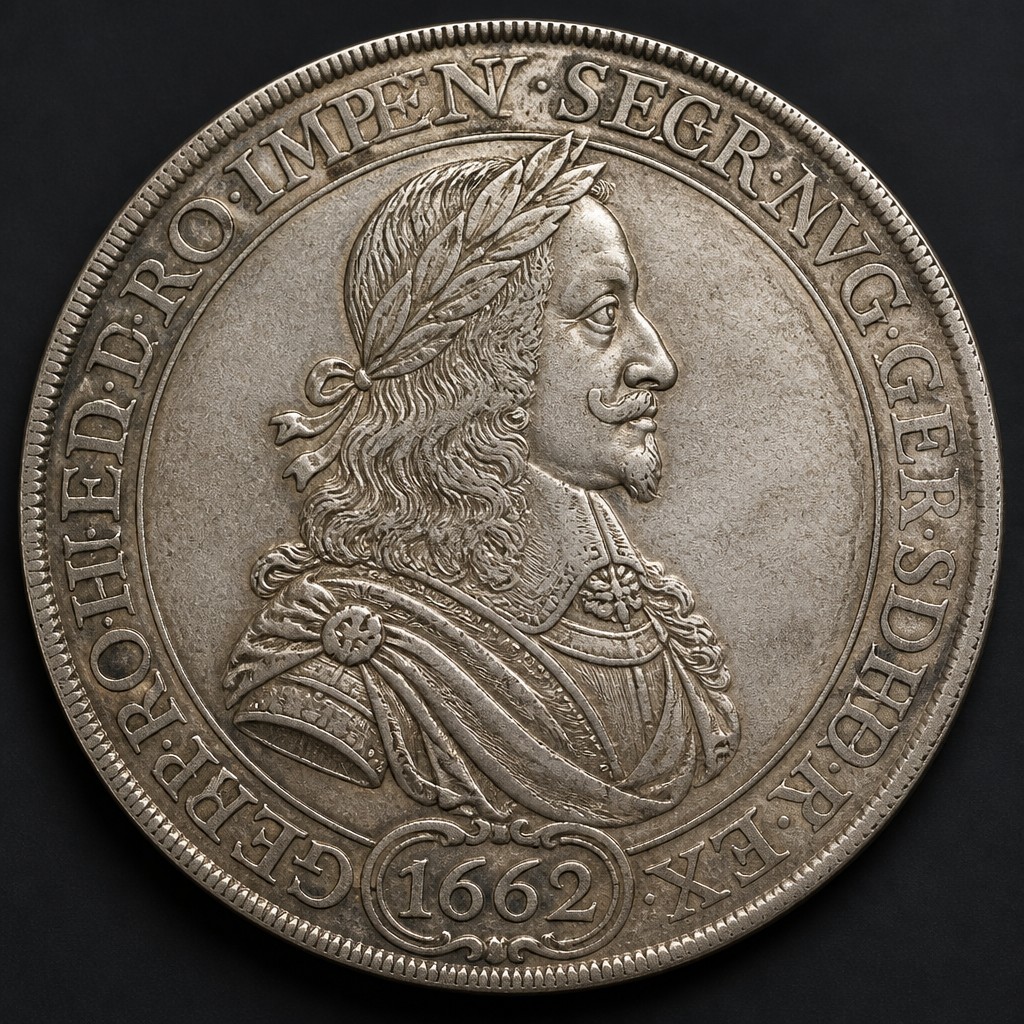
Reichsthaler
circa 1566–early 19th century
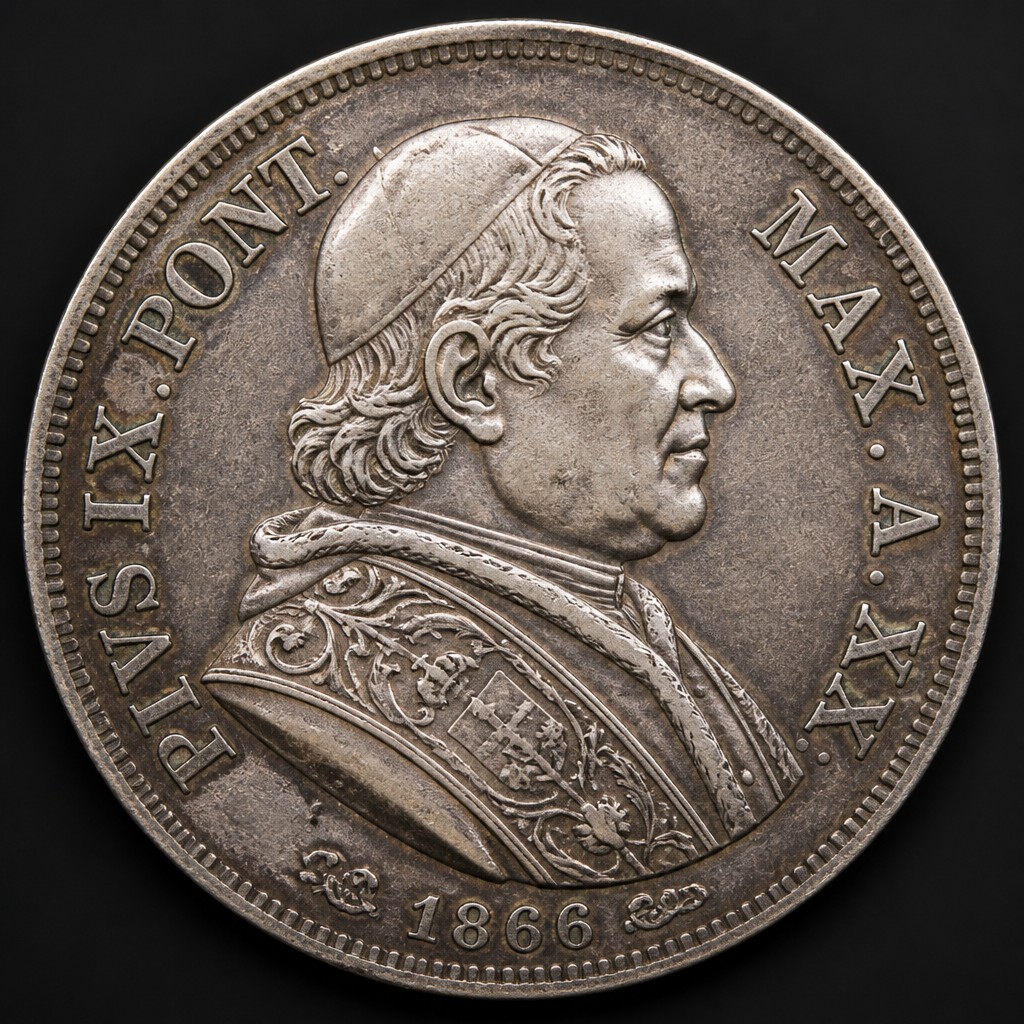
Papal States Scudo
16th century–1866
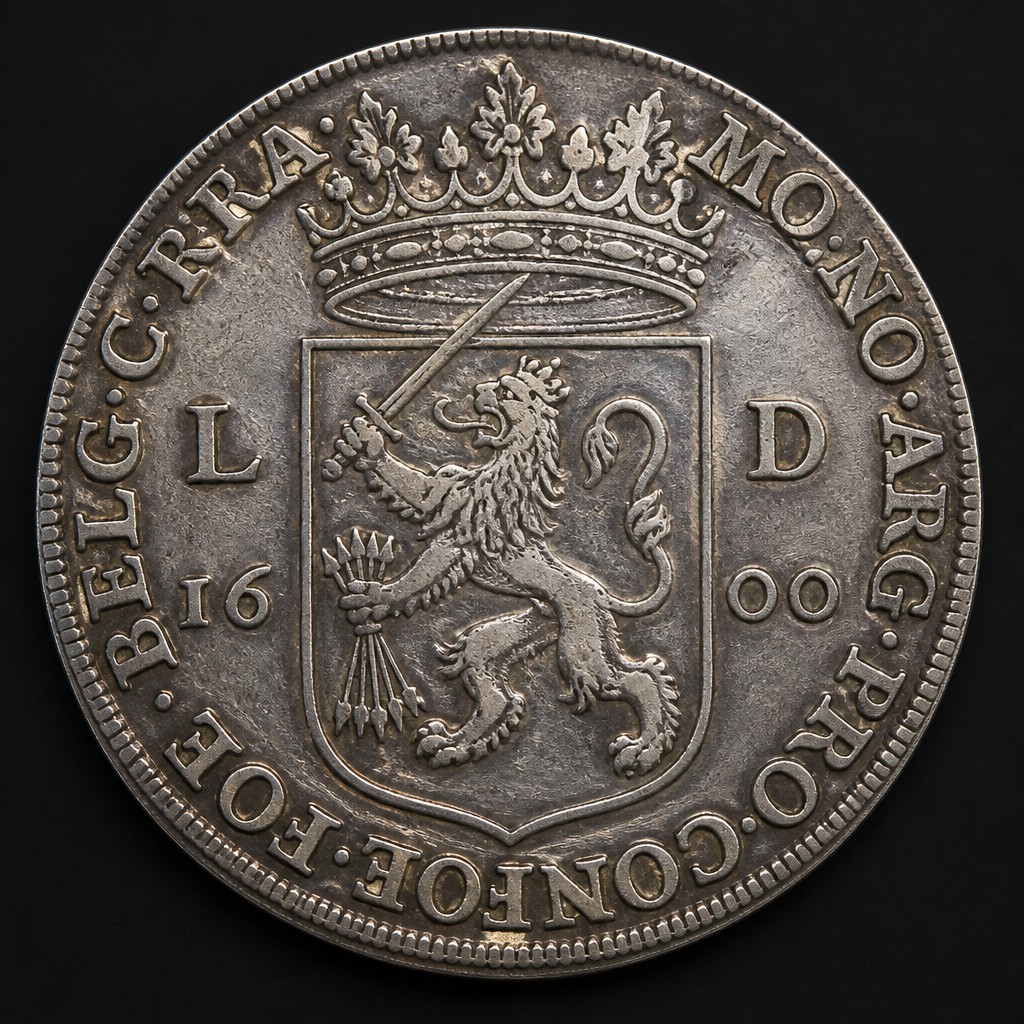
Netherlands Lion Daalder (Leeuwendaalder)
1575–1713
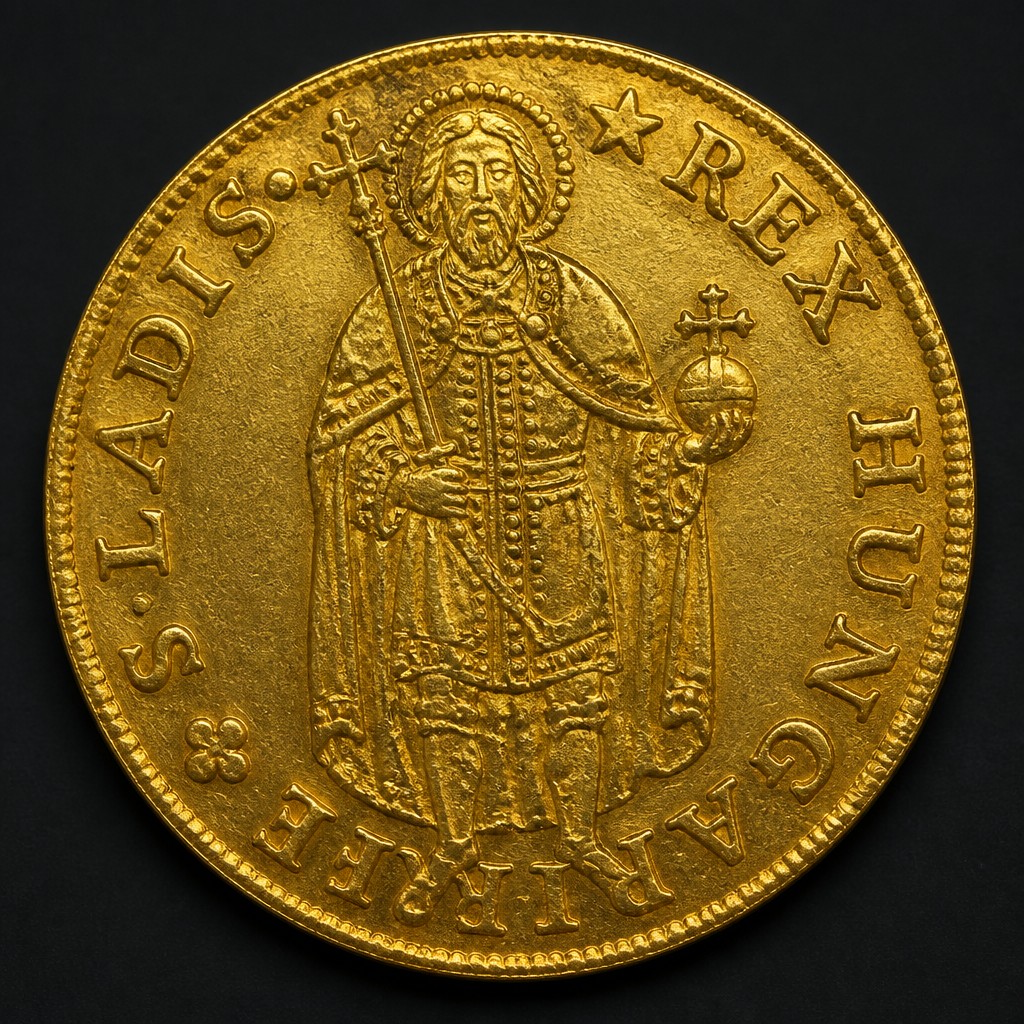
Hungarian Ducat
c. 1325–1918
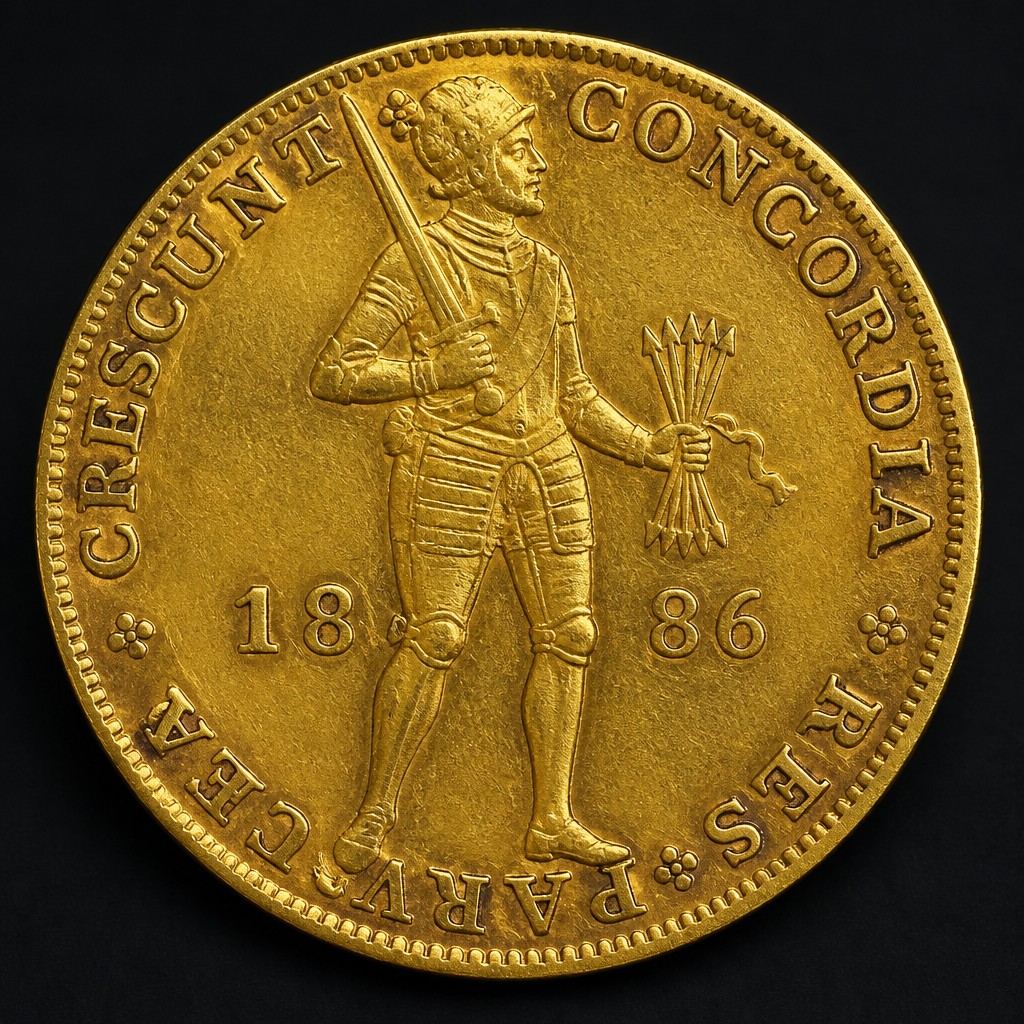
Dutch Ducat
c. 1586–present (classic type standardized after 1817)
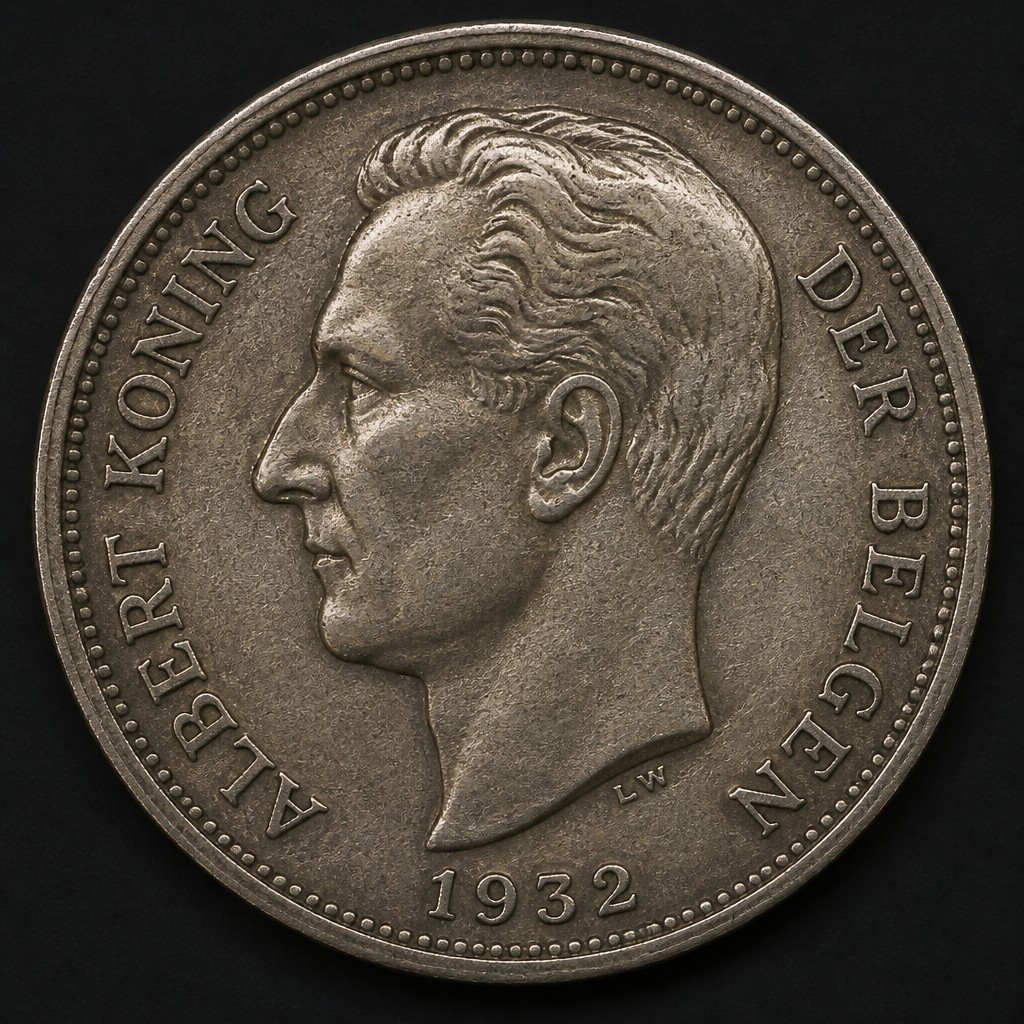
Belgian Franc
1832–2002
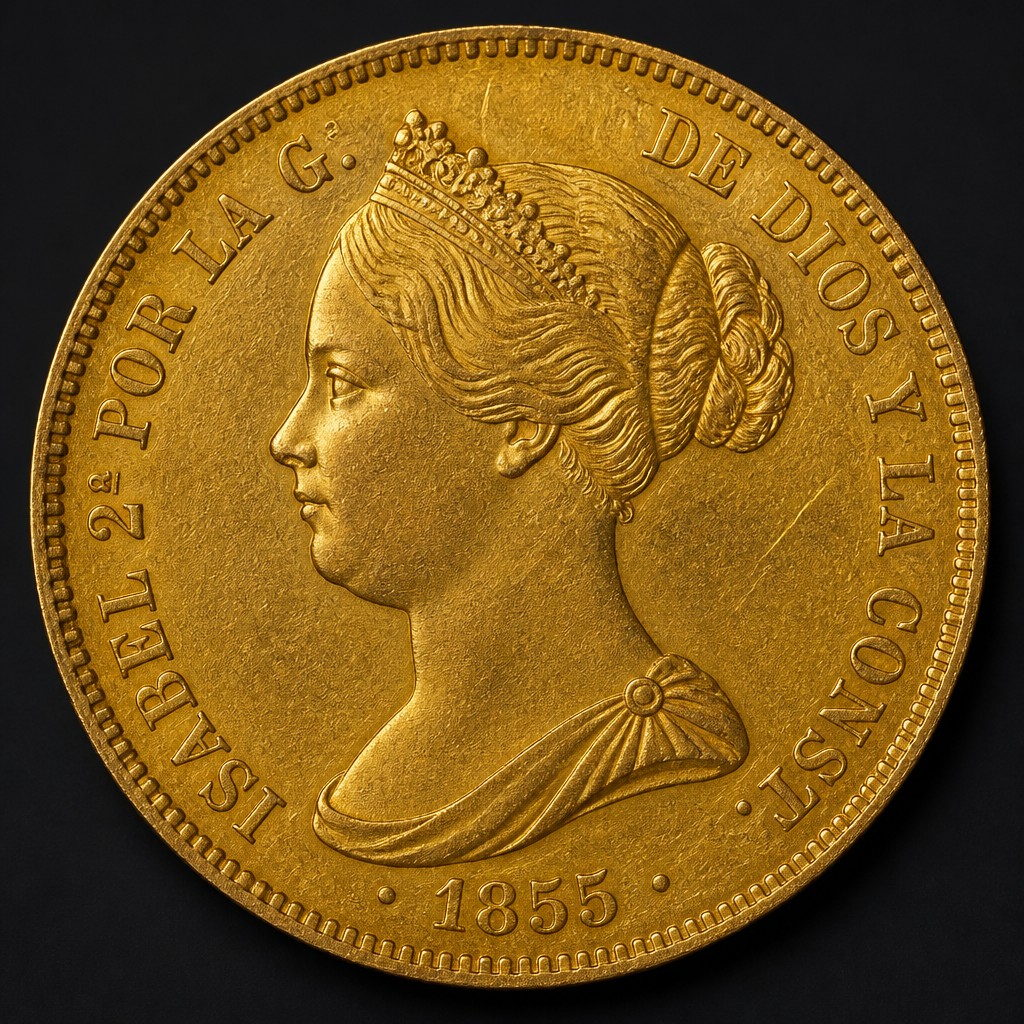
Spanish 100 Reales Gold (Isabel II)
1850s–1868
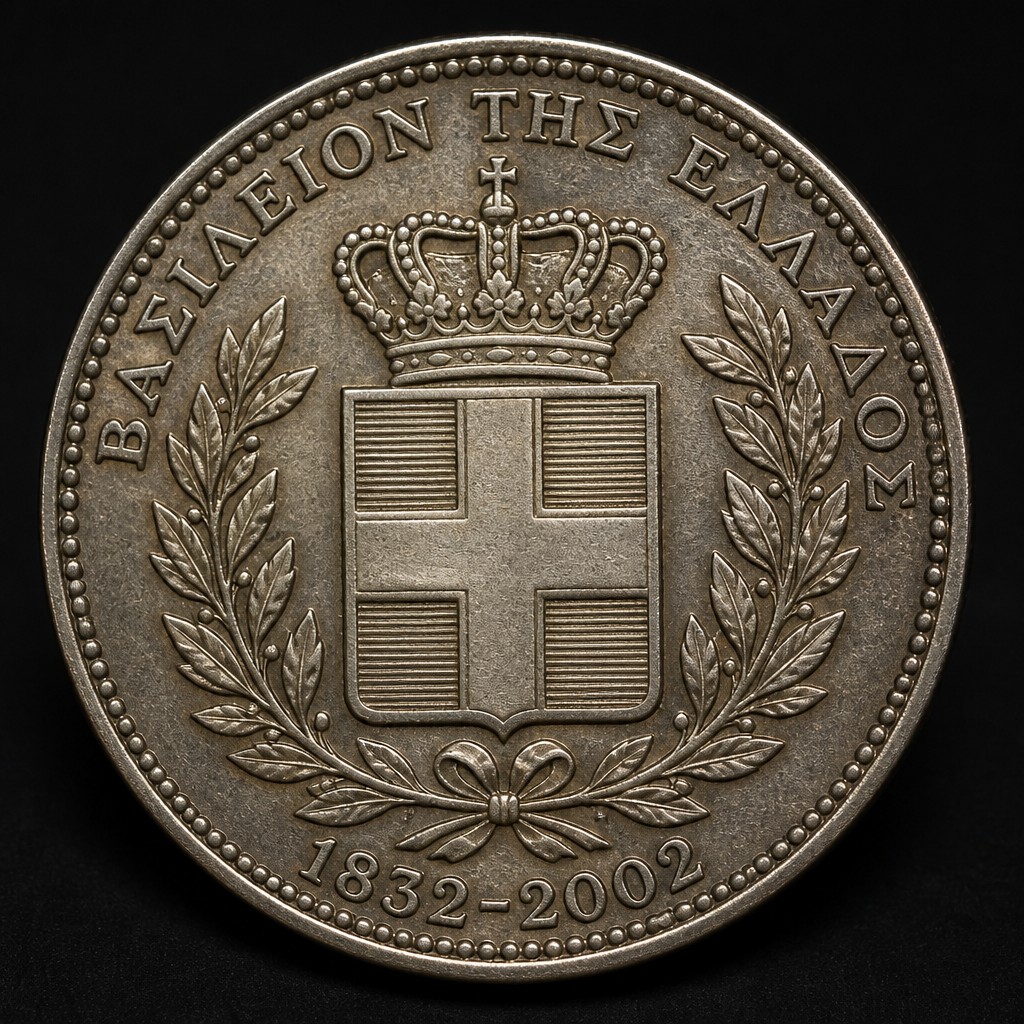
Greek Drachma
1832–2002
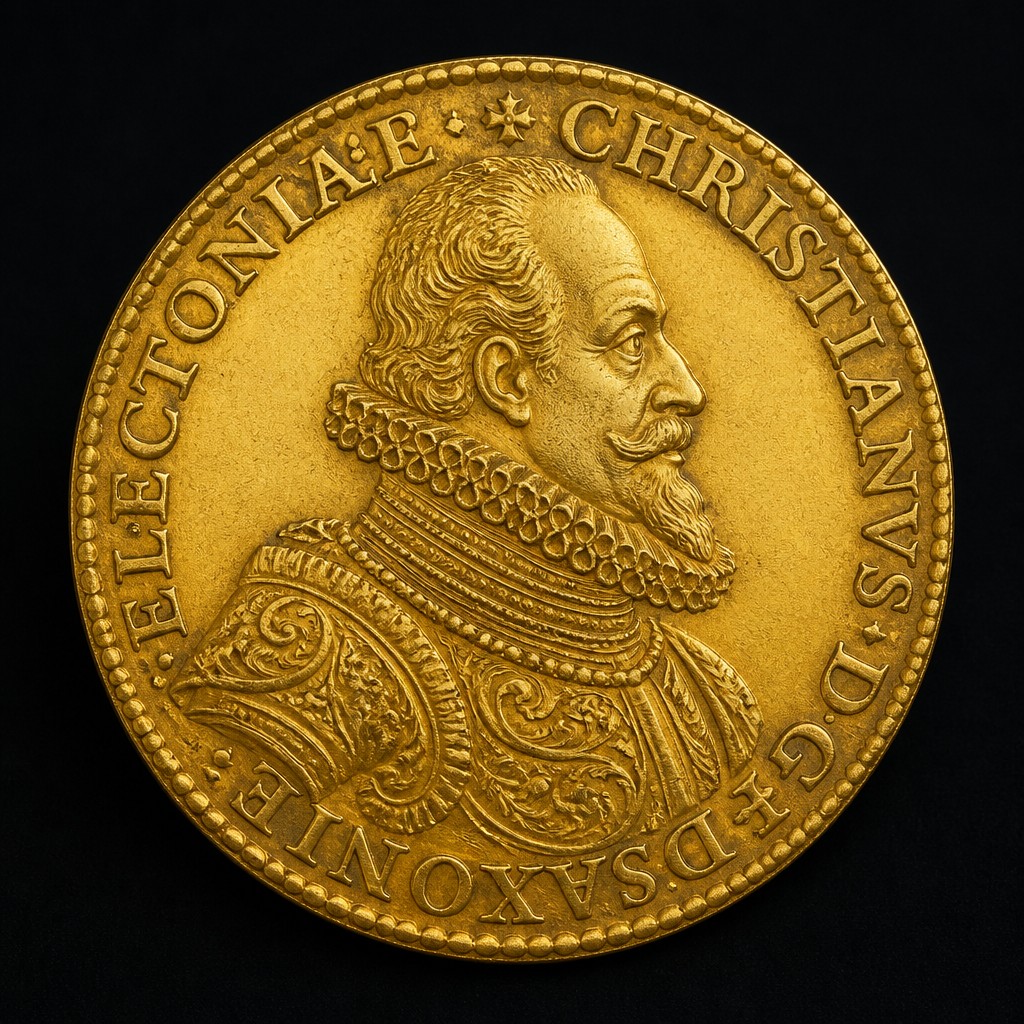
German Saxony Ducat
16th century–19th century
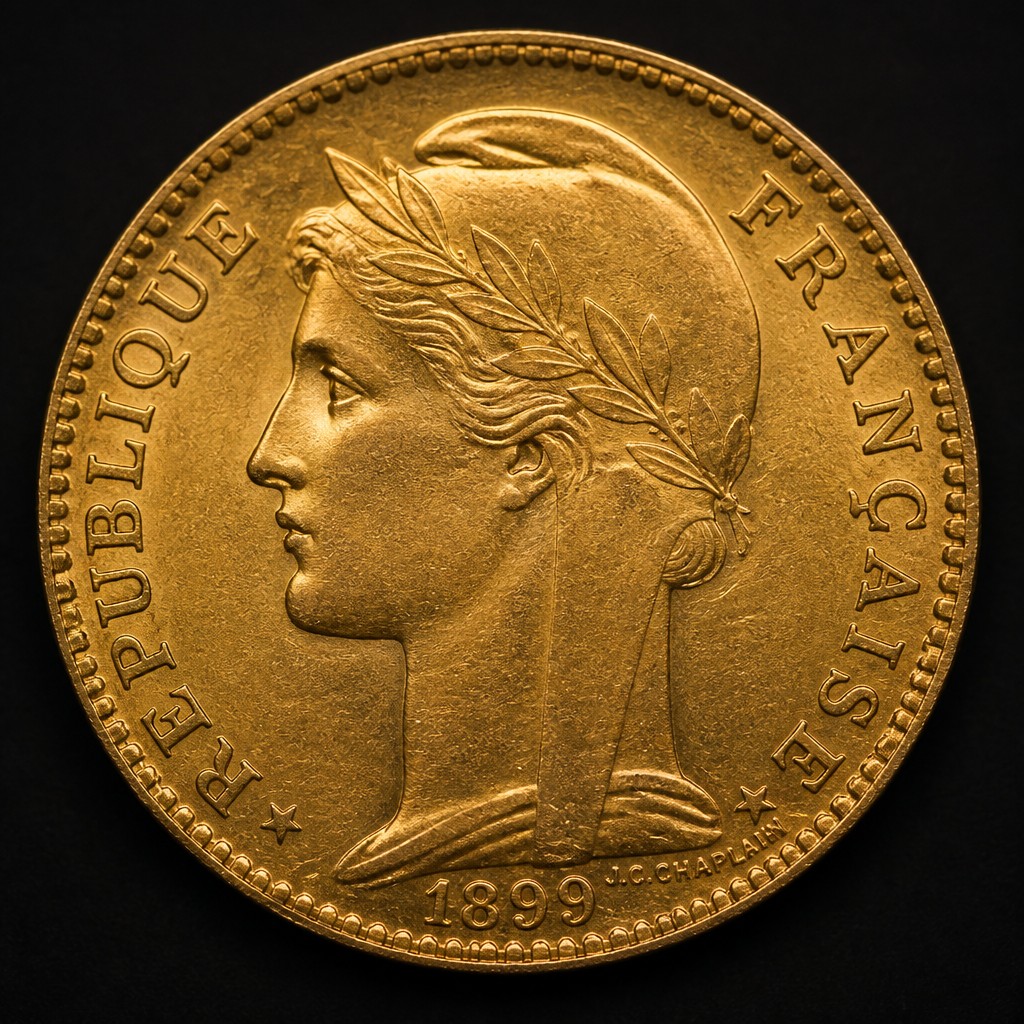
French 10 Francs Gold (Napoleon Rooster)
1899–1914
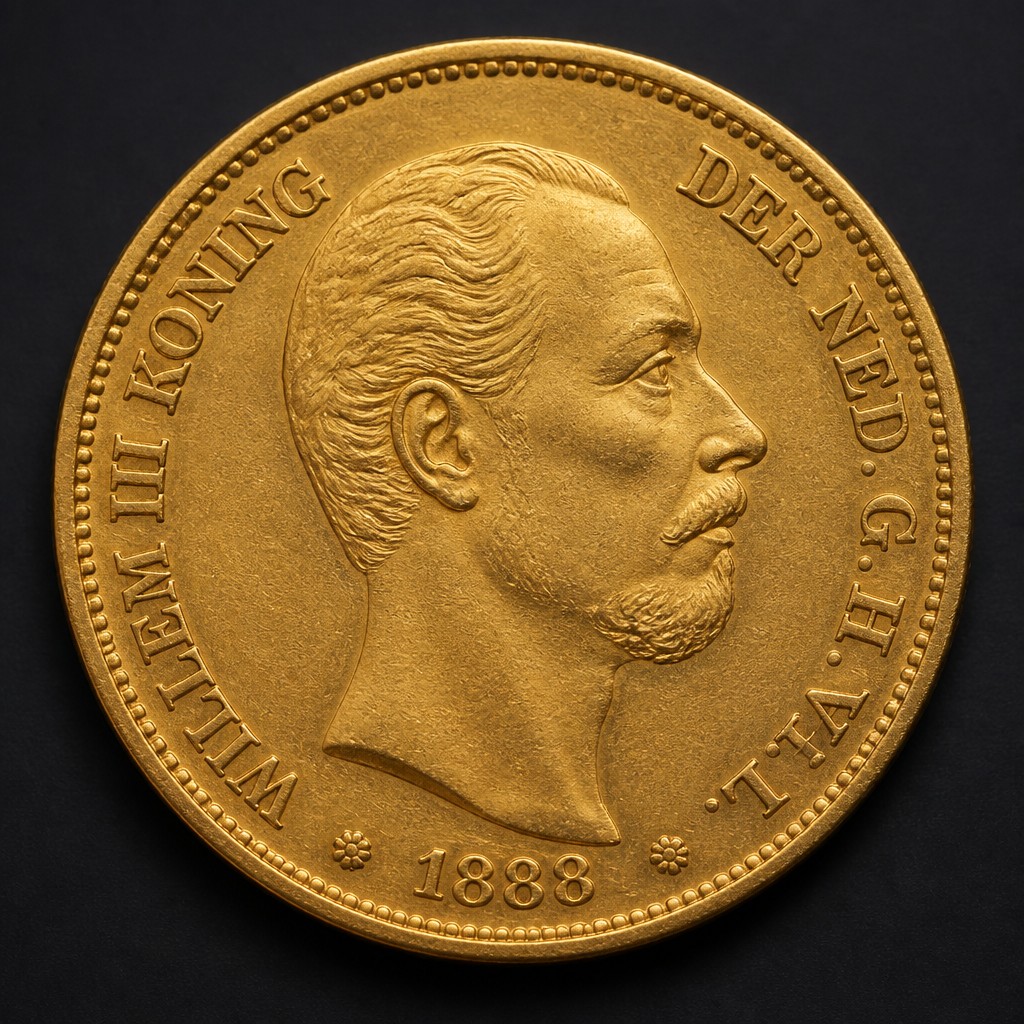
Netherlands 5 Gulden Gold
1826–1912 (intermittent)