
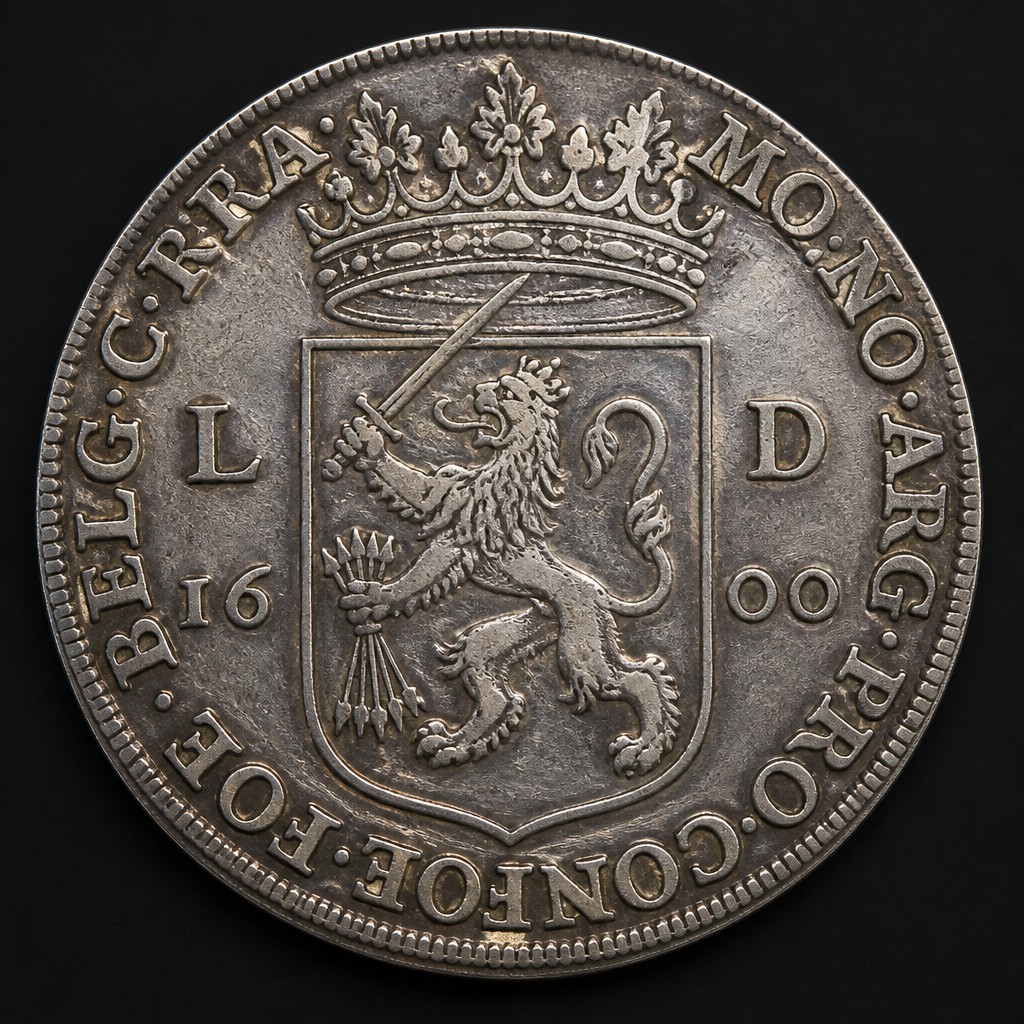
Netherlands Lion Daalder (Leeuwendaalder)
A large silver trade coin of the Dutch provinces showing a knight and a rampant lion, widely circulated in colonial North America and the Ottoman world as the prototype 'lion dollar.'
- Country
- Dutch Republic (United Provinces)
- Denomination
- Lion Daalder (approximately 30 to 42 stuivers depending on period and region)
- Metal
- Silver, approximately .750 fine
Got a coin like this?
Identify any coin from a photo, free.
Overview
The Lion Daalder, or Leeuwendaalder, was one of the most widely traded silver coins of the sixteenth and seventeenth centuries, struck by numerous Dutch provinces to fund trade and military campaigns during the long struggle for independence from Spain. Its lower silver fineness compared to the full-value rijksdaalder made it cheaper to produce in bulk, which suited its role as an export coin meant to move goods and pay soldiers across a wide trading area.
The coin's rampant lion reverse gave it the popular nickname 'lion dollar,' a name that stuck as the coin traveled well beyond Dutch borders. It became a familiar sight in the Baltic, the Levant, and notably in early colonial North America, where Dutch and English settlers alike used lion dollars in daily trade, and where its design directly influenced later imitations and even folk terminology for money.
Production ceased in the early eighteenth century as Dutch monetary reform standardized coinage around other denominations, but the Lion Daalder's long circulation life left a lasting mark on colonial American commerce and on European trade coin history generally.
History & Background
The Lion Daalder was introduced in 1575 by the province of Holland during the Dutch Revolt against Spanish rule, designed as a silver trade coin that could be produced more cheaply than full-fineness talers to help finance the war effort and outfit soldiers and ships. Other provinces, including Zeeland, Gelderland, West Friesland, Overijssel, and Utrecht, soon began striking their own versions, each with local legends and privy marks but a broadly consistent design.
Because of its lower fineness and immense output, the coin traveled extensively along Dutch trade routes, becoming a dominant currency in parts of the Middle East, the Baltic region, and the Dutch colonial world, including New Netherland (the future New York) and other early American settlements. Its widespread acceptance led to extensive imitation by German principalities and other issuers eager to capture some of the same trust the genuine Dutch coin enjoyed.
By the early eighteenth century, the Dutch Republic moved to standardize its silver coinage around other denominations, and the Lion Daalder was phased out by 1713, though worn examples likely continued to circulate informally for years afterward in more remote trading regions.
How to Identify
The obverse depicts a standing knight in armor, facing right or left depending on the specific mint, often shown behind or beside a shield bearing a rampant lion, with a Latin legend naming the province around the rim. The reverse shows a large rampant lion facing left, standing on its hind legs, encircled by a Latin motto such as CONFIDENS DNO NON MOVETUR ('trusting in the Lord, one shall not be moved') or a similar phrase invoking divine protection.
The coin is large for its silver content, roughly 40mm in diameter, reflecting its lower fineness (about .750 silver) compared to full-value Dutch rijksdaalders. Weight is typically in the range of 27 grams, though this varied by province and period. Edges are plain, and strikes are often somewhat crude due to the high volume, rapid production intended for trade rather than domestic prestige coinage.
Because many provinces and even some German and other European mints produced lion dollar imitations, collectors should check the obverse legend closely to confirm genuine Dutch provincial issuance, as counterfeit and unofficial 'lion dollars' from the period can closely resemble the real thing at a glance.
Value & Collectibility
Common Lion Daalders from major provinces in worn condition are relatively affordable and available, often trading in the range of roughly $50 to $150 depending on strike quality and specific province. Well-struck, higher-grade examples with clear lion and knight detail bring meaningfully more.
Specific provincial issues, unusual dates, or coins with strong provenance to colonial American or Middle Eastern trade contexts can carry added interest and premium for specialist collectors of Dutch or colonial-era numismatics. As with most heavily circulated trade silver, sharpness of strike and surface preservation drive most of the value difference between ordinary and premium examples.
Buyers should be cautious of contemporary counterfeits and later imitation lion dollars produced outside the Netherlands, which can be harder to distinguish and may carry different (usually lower) collector value than genuine provincial Dutch issues.
Frequently asked questions
Why is it called a 'lion dollar'?
The nickname comes from the large rampant lion on the reverse, a design element that made the coin instantly recognizable across many trading regions.
Did lion dollars circulate in colonial America?
Yes, they were common in early Dutch and English colonial settlements, including New Netherland, and influenced later local currency practices.
How pure is the silver in a Lion Daalder?
It is lower fineness than many full-value Dutch coins, typically around .750 silver, which made it cheaper to produce for wide trade circulation.
Why do different Lion Daalders look slightly different?
Multiple Dutch provinces each struck their own versions with local legends and privy marks, though the overall knight-and-lion design remained similar.
Other coins you may enjoy
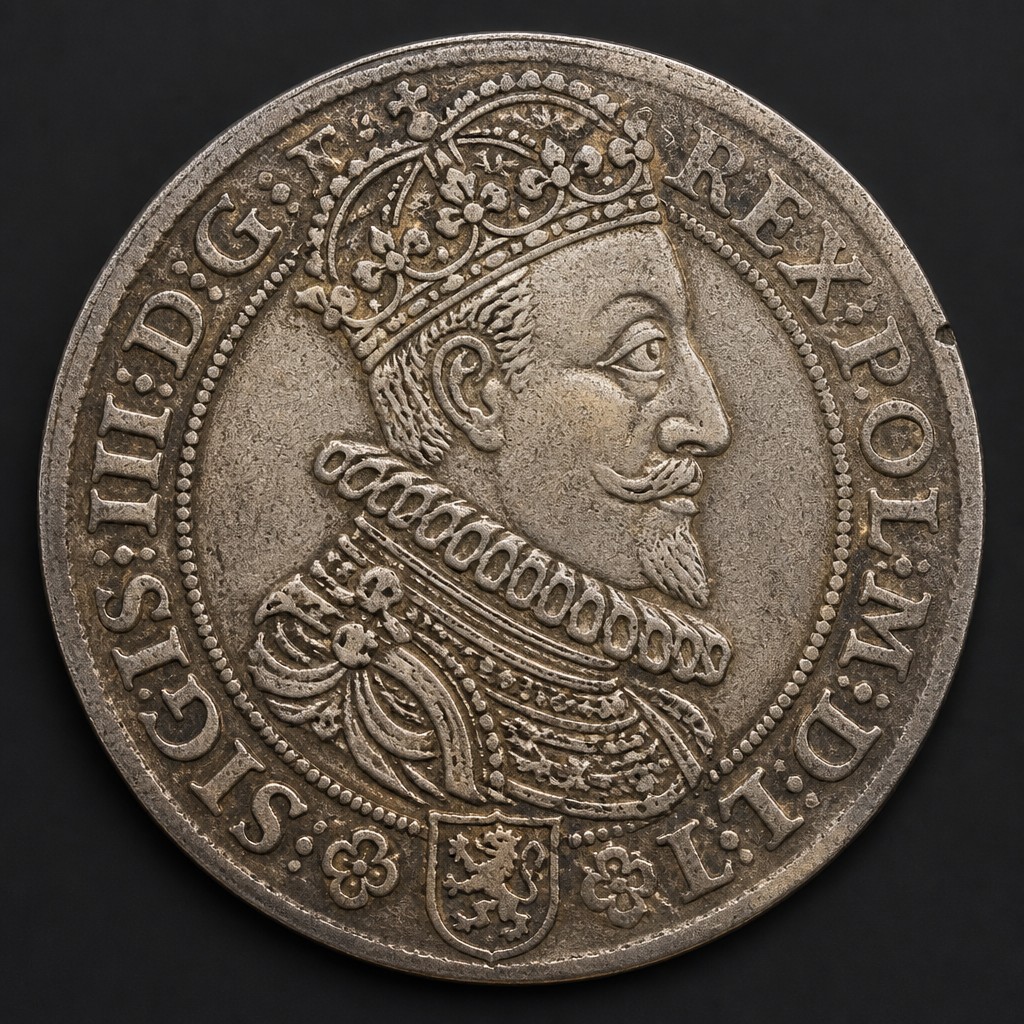
Polish-Lithuanian Thaler
circa 16th–18th century
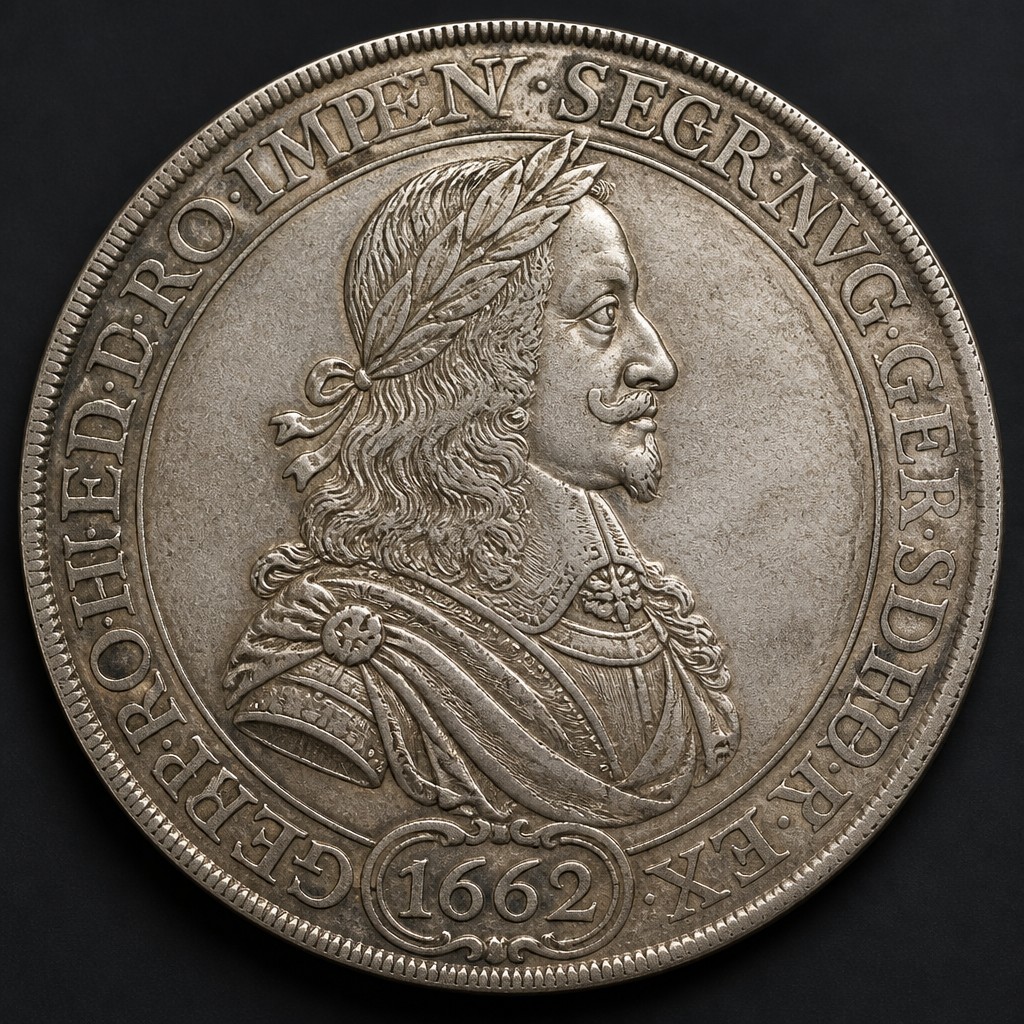
Reichsthaler
circa 1566–early 19th century
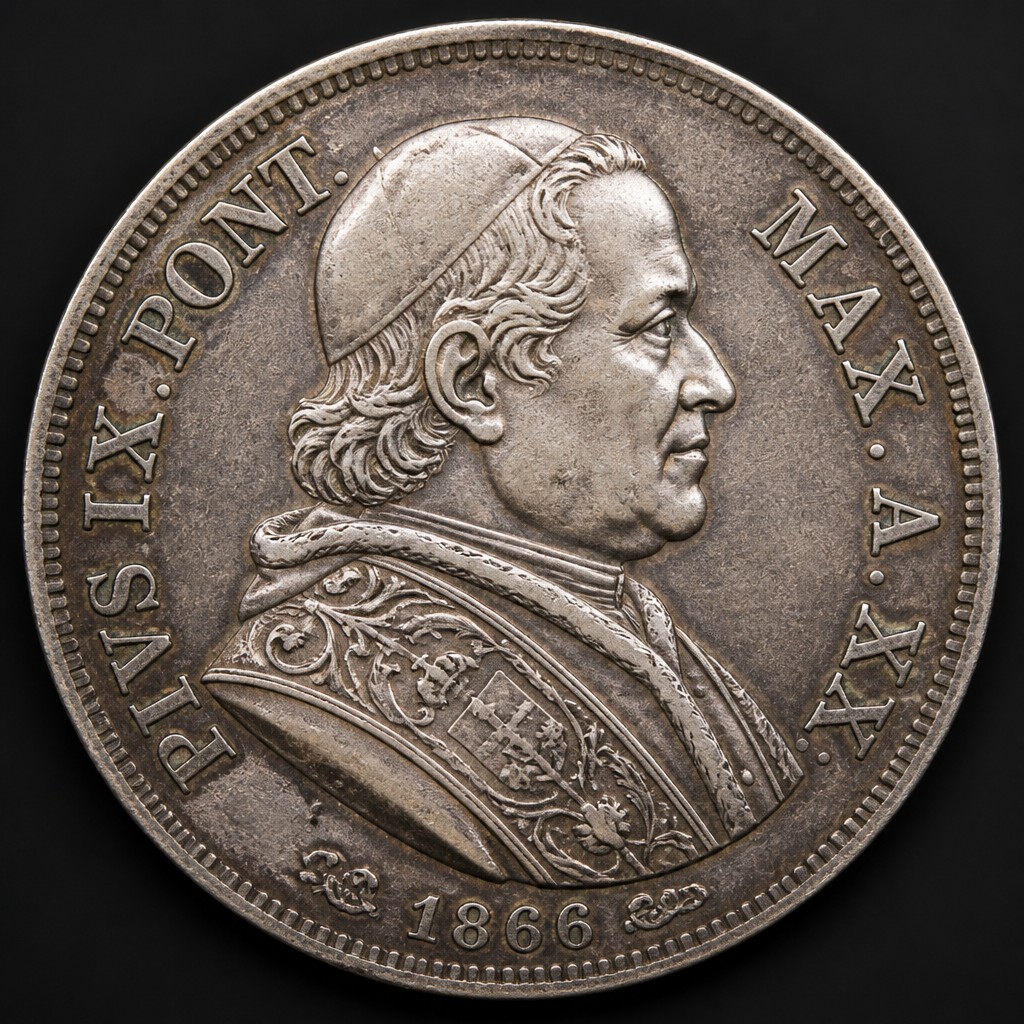
Papal States Scudo
16th century–1866
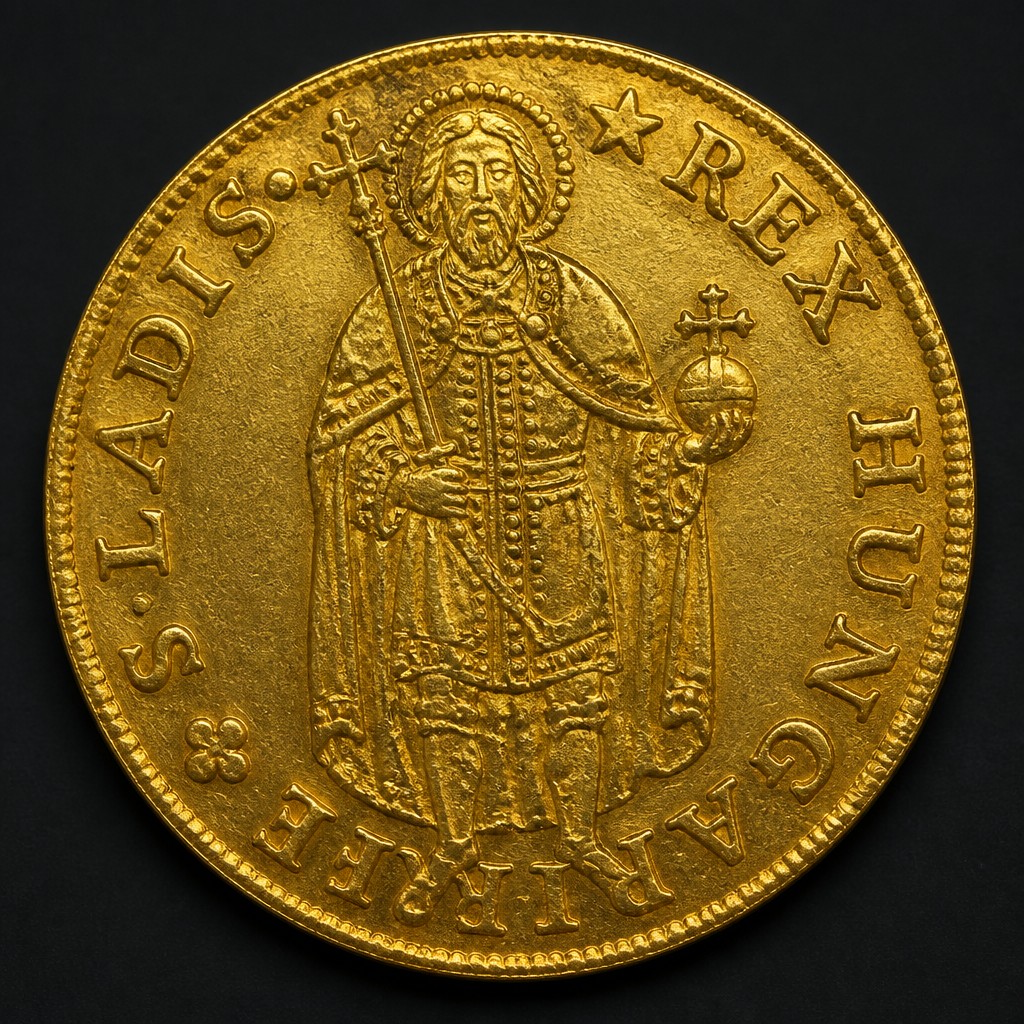
Hungarian Ducat
c. 1325–1918
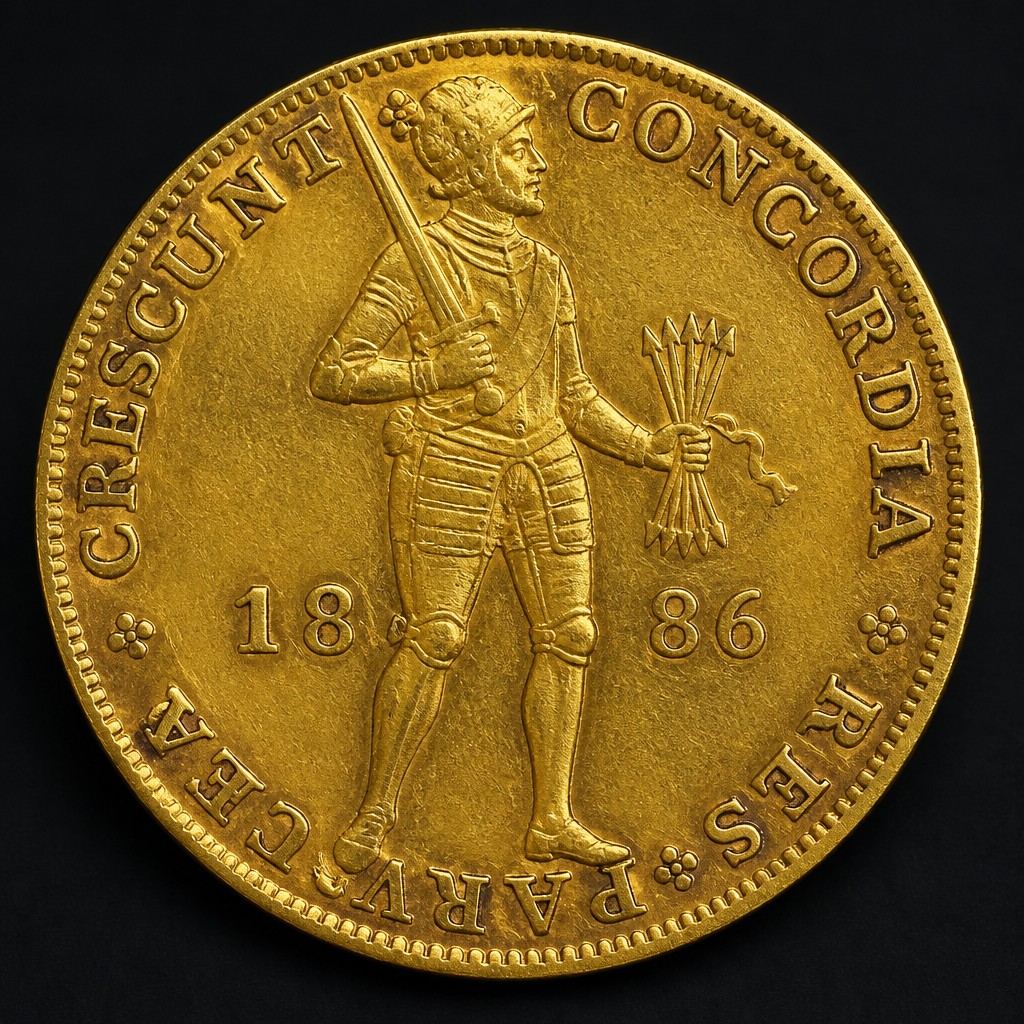
Dutch Ducat
c. 1586–present (classic type standardized after 1817)
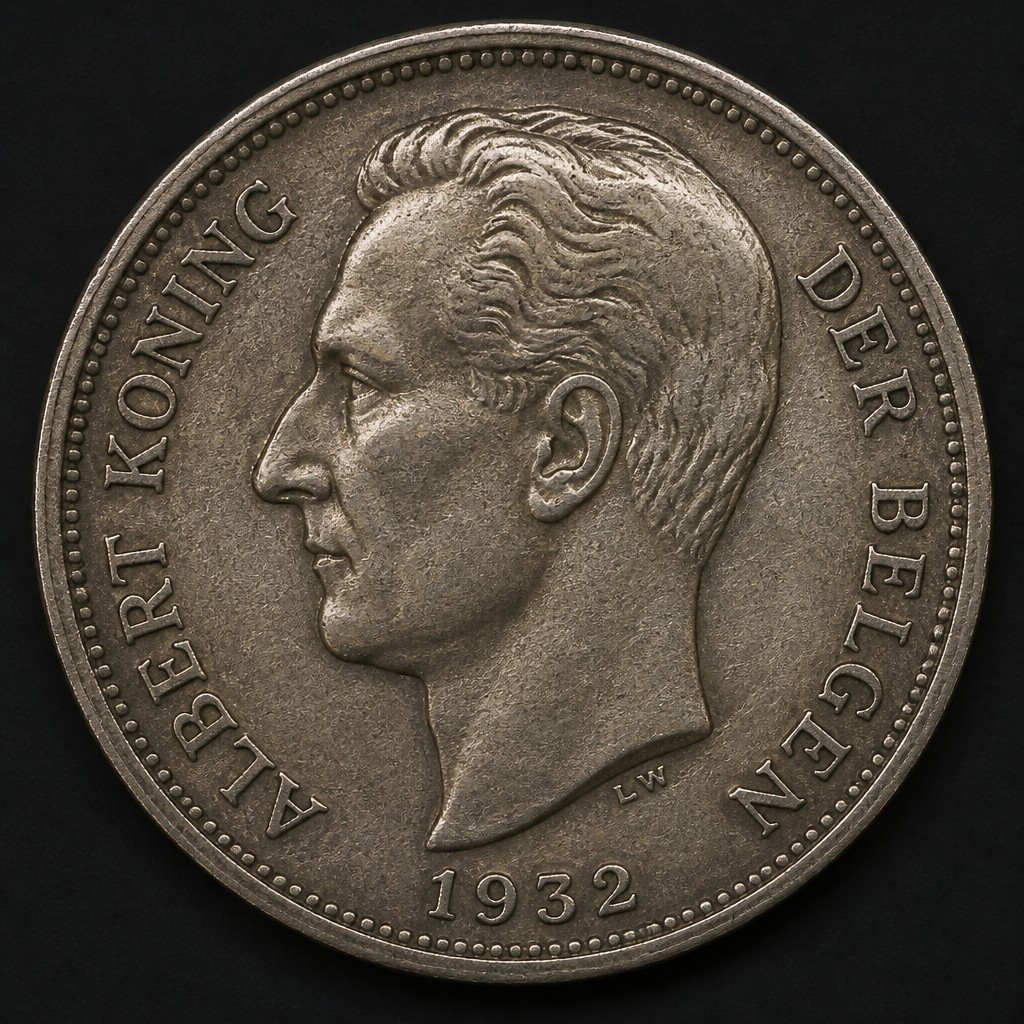
Belgian Franc
1832–2002
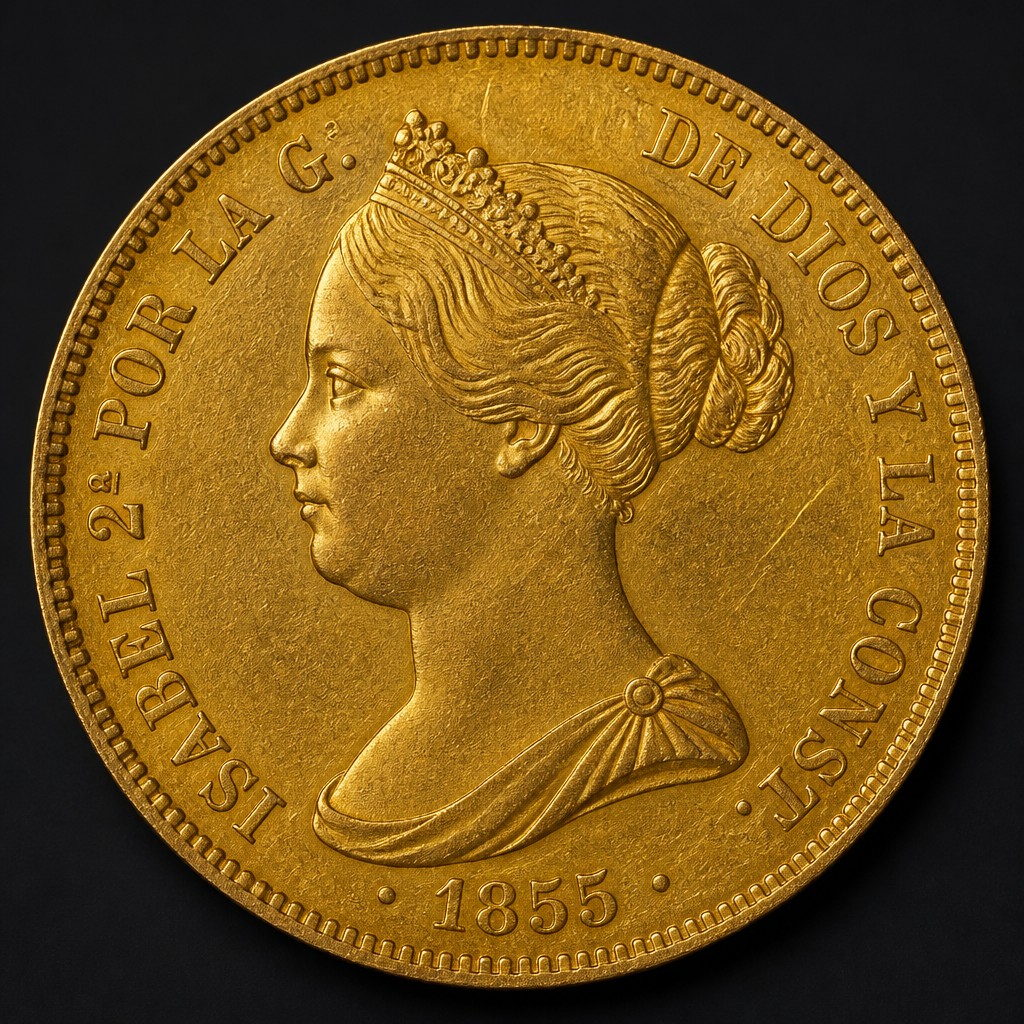
Spanish 100 Reales Gold (Isabel II)
1850s–1868
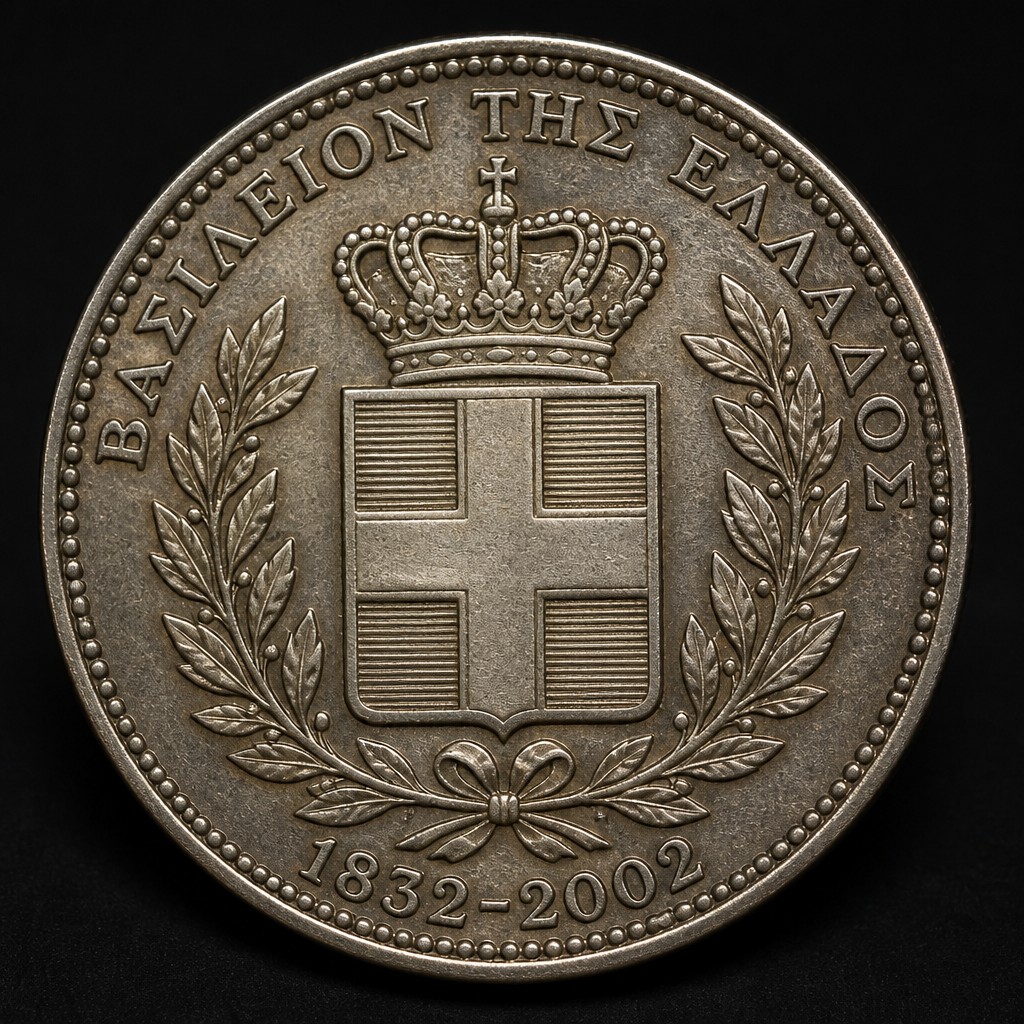
Greek Drachma
1832–2002
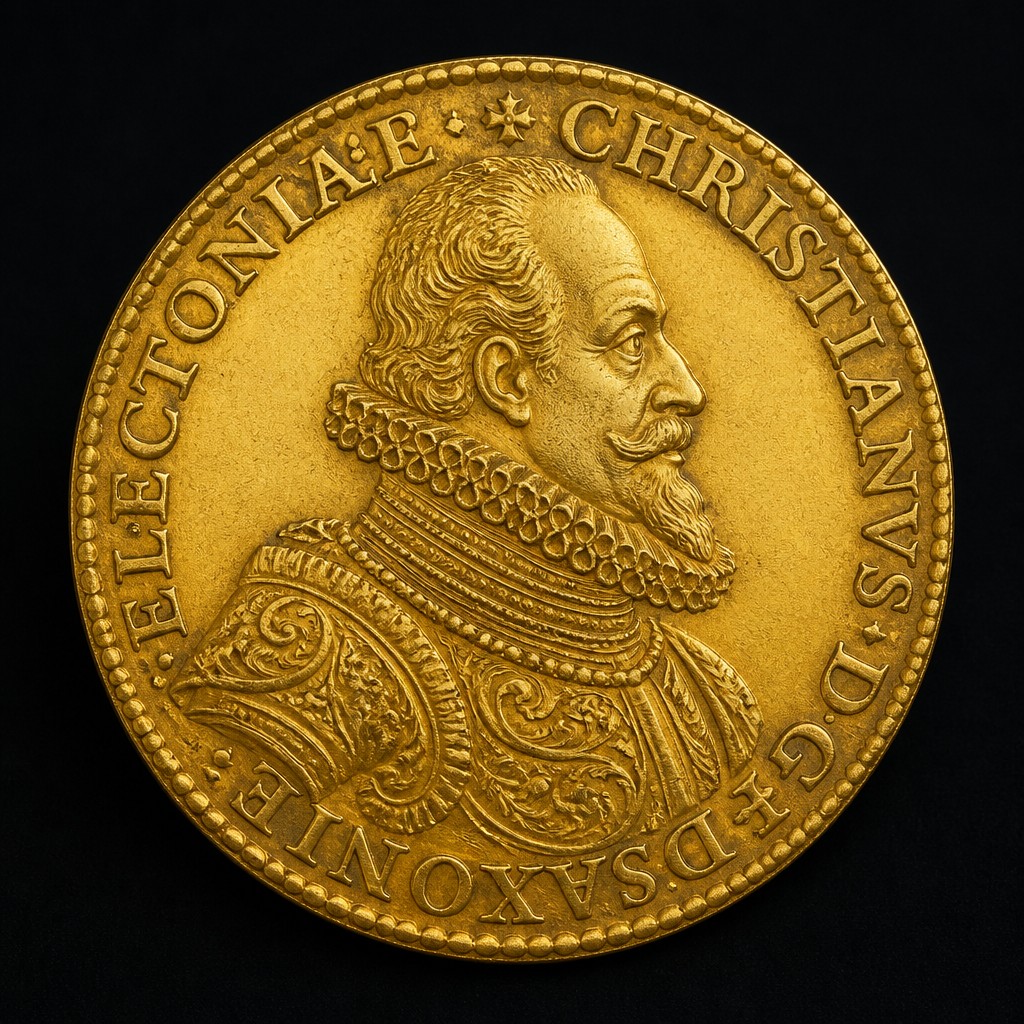
German Saxony Ducat
16th century–19th century
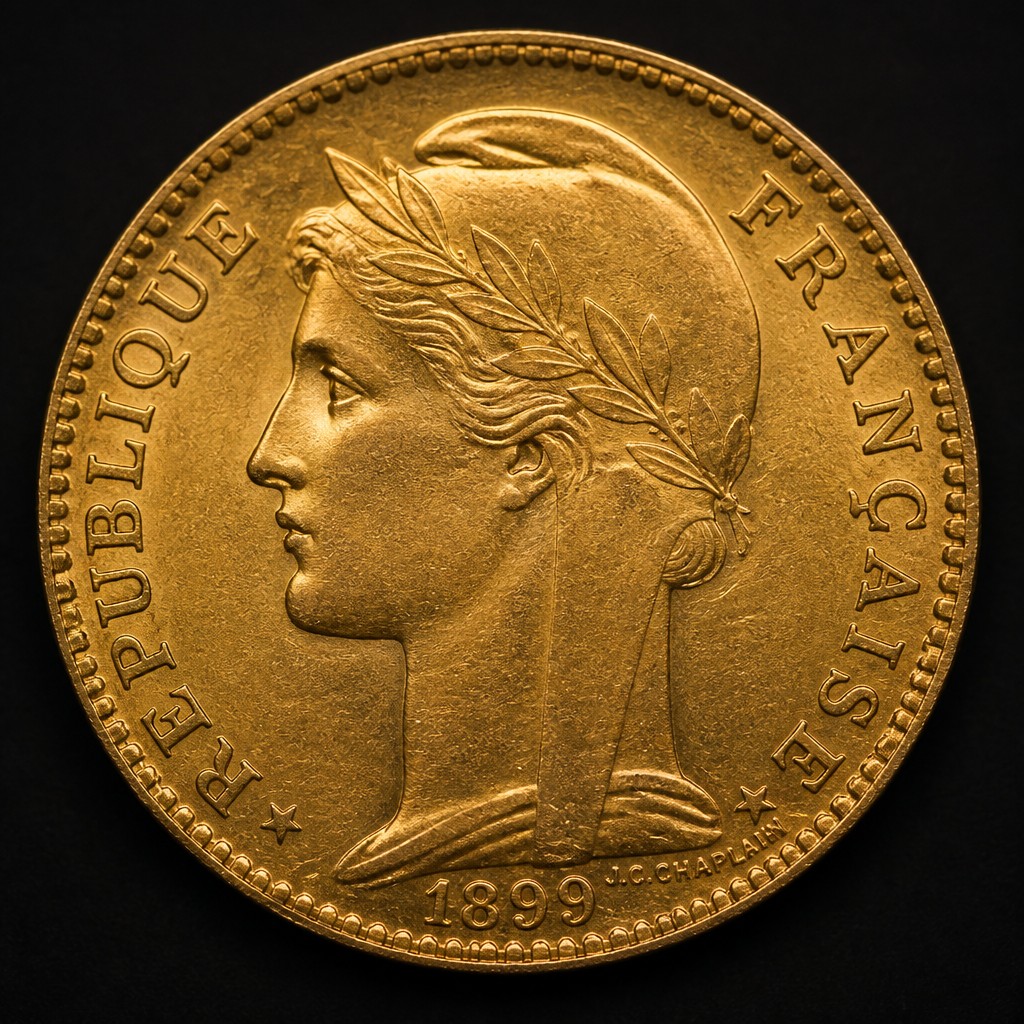
French 10 Francs Gold (Napoleon Rooster)
1899–1914
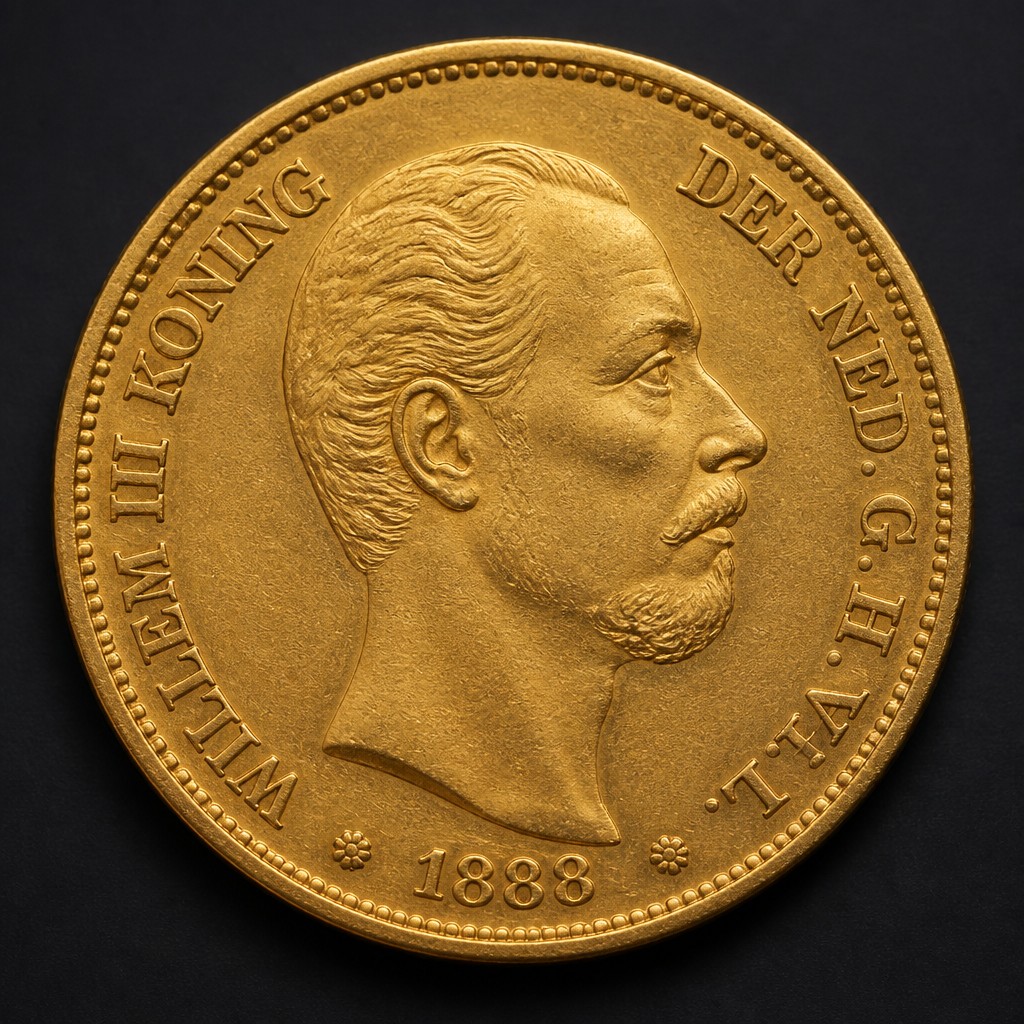
Netherlands 5 Gulden Gold
1826–1912 (intermittent)
Austrian Florin (Gulden)
1857–1892