
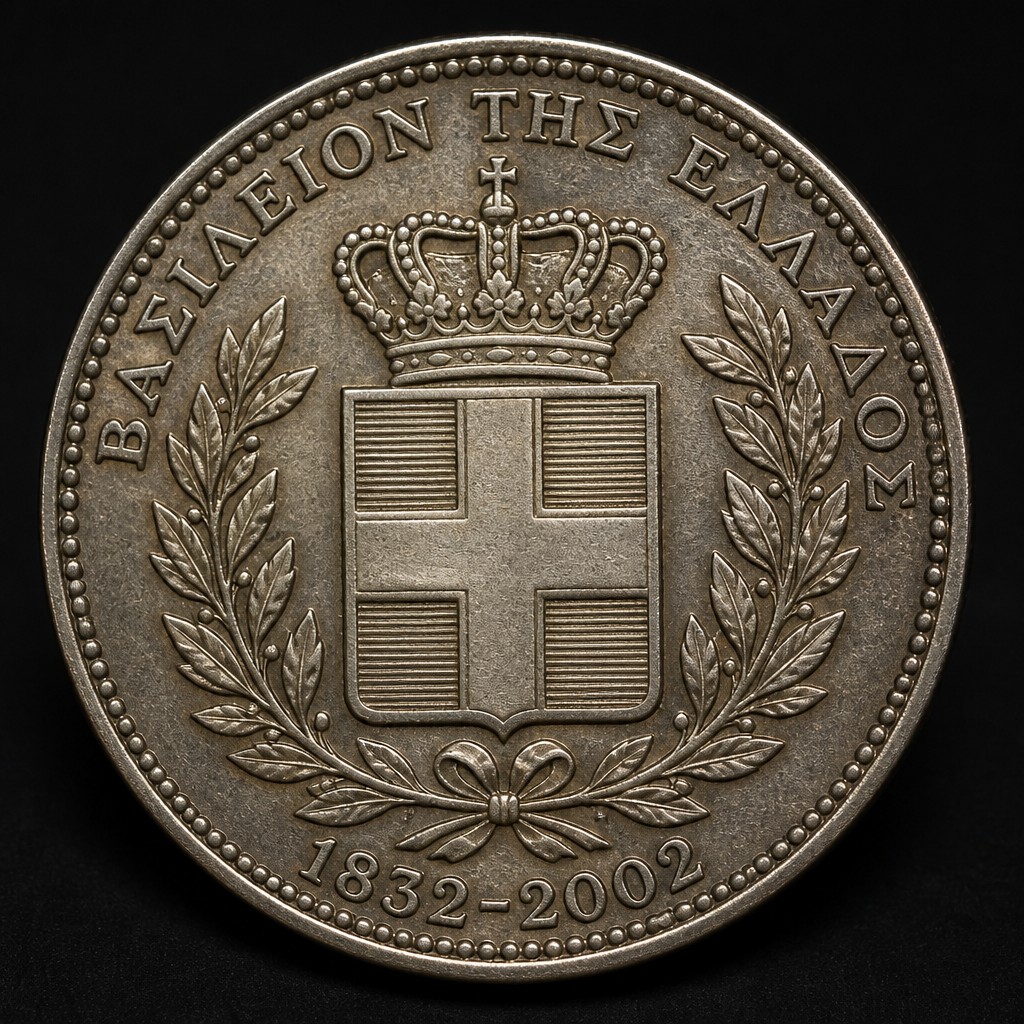
Greek Drachma
The modern national currency of Greece from shortly after independence until the adoption of the euro, reviving the name of the ancient Greek unit and featuring classical and historical imagery.
- Country
- Greece
- Denomination
- Drachma
- Metal
- Various (Silver in early issues; Copper, Cupro-nickel, Aluminum-bronze in later issues)
Got a coin like this?
Identify any coin from a photo, free.
Overview
The modern Greek drachma was the circulating currency of Greece from the early years of the independent Greek state until it was replaced by the euro in 2002. Reviving the name of the famous coinage struck by ancient Greek city-states, the modern drachma linked the newly independent nation to its classical heritage while serving as everyday money for nearly two centuries.
Collectors of modern Greek coinage value the drachma both for its long historical run and for its imagery drawing on Greece's ancient and revolutionary past.
History & Background
King Otto of Greece introduced the drachma as the national currency in 1832, replacing the short-lived phoenix currency used in the years immediately following Greek independence. Over the following 170 years, the drachma underwent several revaluations and redesigns, particularly amid the economic disruption of the World Wars and the severe postwar inflation of the mid-20th century.
After decades of stabilization in the later 20th century, Greece joined the eurozone and the drachma was gradually phased out, with drachma coins and banknotes ceasing to be legal tender in 2002.
How to Identify
Modern drachma coins typically depict ancient Greek motifs, mythological figures, historic Greeks such as philosophers or independence-era heroes, or national symbols on one side, paired with the denomination and a national emblem or crest on the other.
Earlier royal-era issues from the 19th and early 20th centuries were often struck in silver, while later 20th-century Hellenic Republic issues commonly used copper, cupro-nickel, or aluminum-bronze depending on denomination, reflecting cost-driven changes in coinage metals over the currency's long history.
Value & Collectibility
Most 20th-century Greek drachma coins are common and inexpensive, valued mainly for their historical interest rather than rarity. Earlier 19th-century royal-era silver drachma issues, along with any genuinely low-mintage or key-date coins, can carry more meaningful premiums.
The majority of circulated drachma coins from the later 20th century trade for modest sums, making them an accessible way to collect a complete run of Greece's pre-euro currency.
Frequently asked questions
Is the modern drachma the same as the ancient Greek drachma?
No, they share a name and heritage, but the modern drachma was a separate national currency introduced in 1832, distinct from the ancient coinage of Greek city-states.
When did Greece stop using the drachma?
The drachma was phased out when Greece adopted the euro, with drachma coins losing legal tender status in 2002.
Are drachma coins still valuable?
Most later drachma coins are common and worth modest amounts, though earlier silver issues can be more valuable to collectors.
What images appear on drachma coins?
Designs often feature ancient Greek mythology, historic figures, and national symbols, connecting modern Greece to its classical past.
Other coins you may enjoy
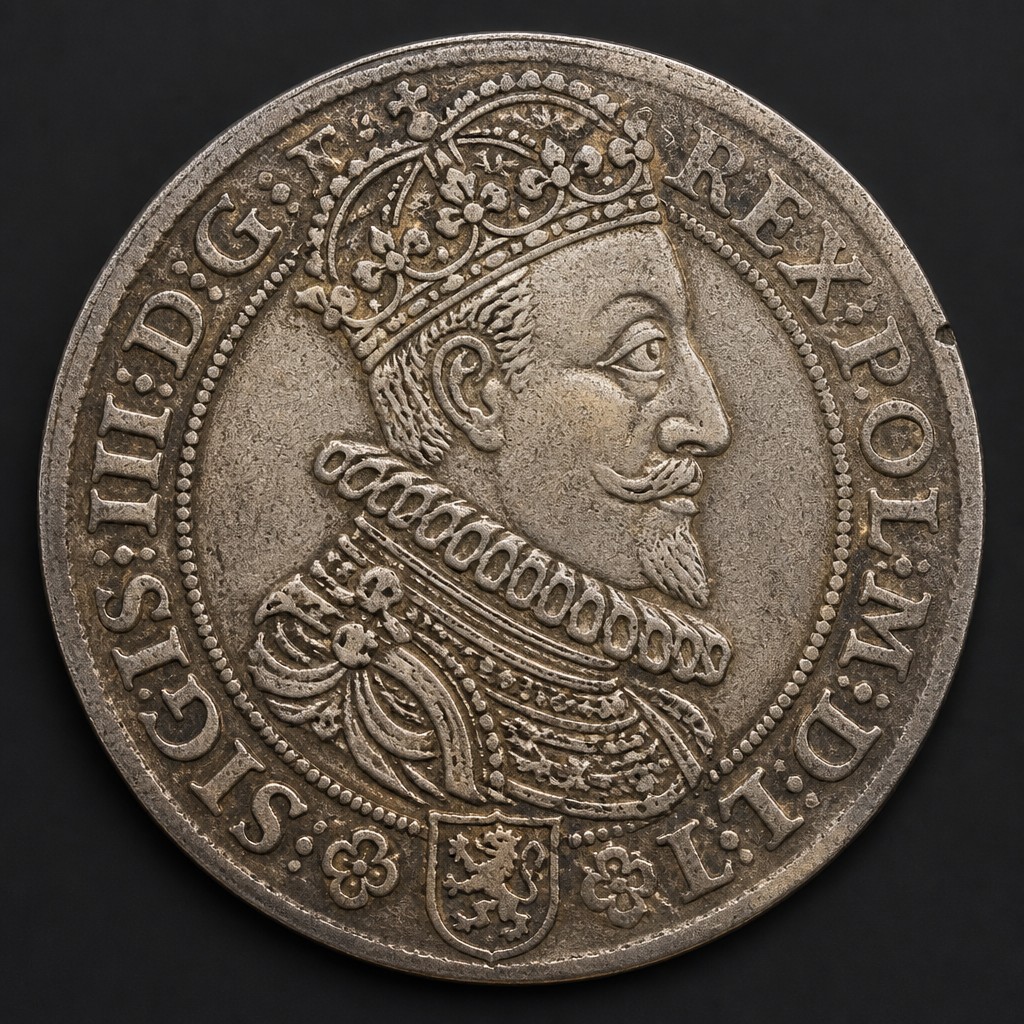
Polish-Lithuanian Thaler
circa 16th–18th century
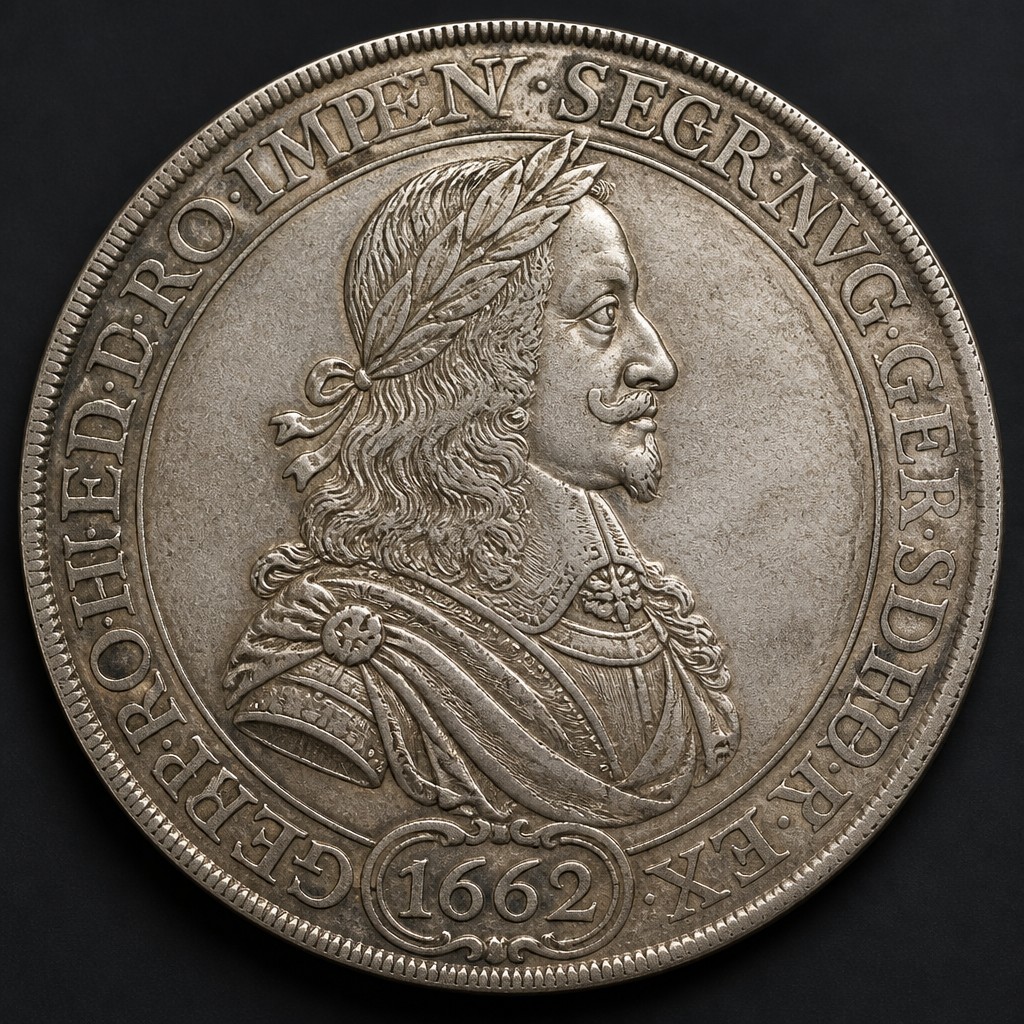
Reichsthaler
circa 1566–early 19th century
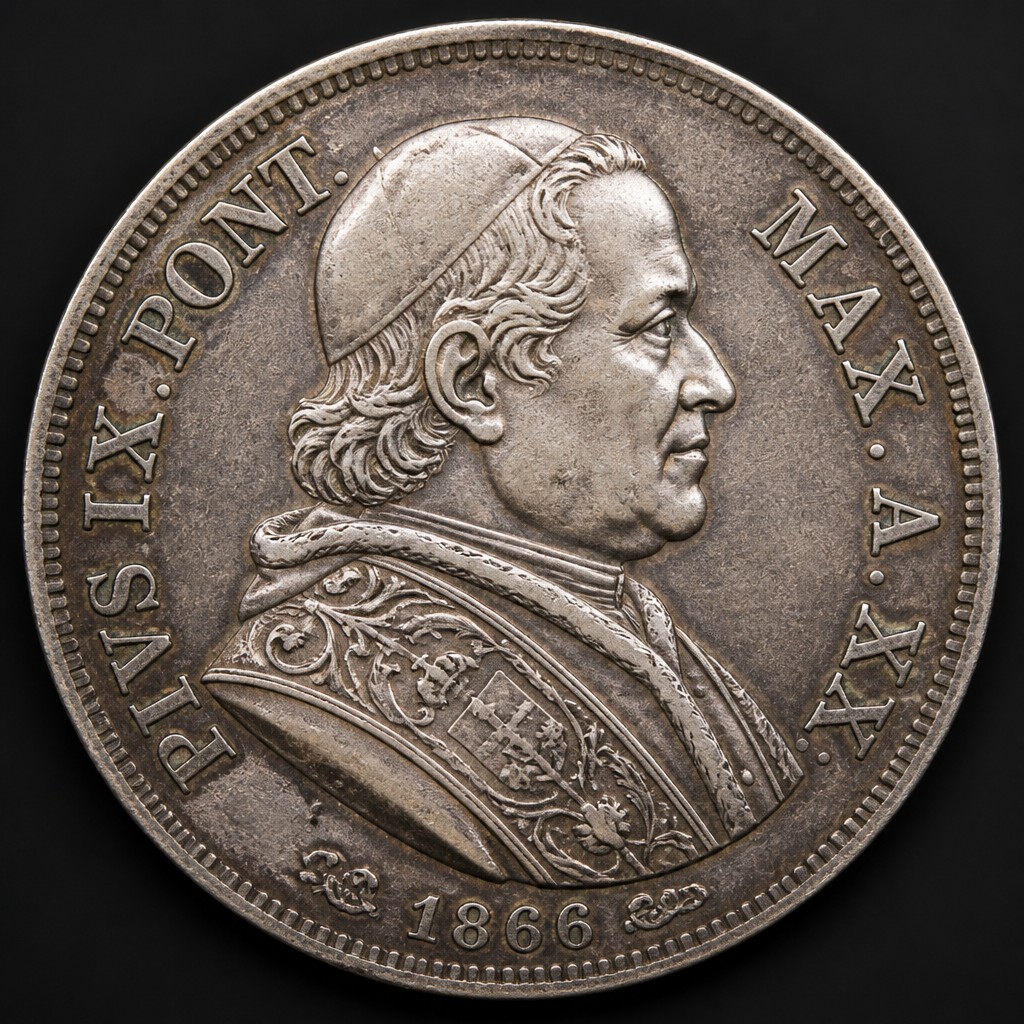
Papal States Scudo
16th century–1866
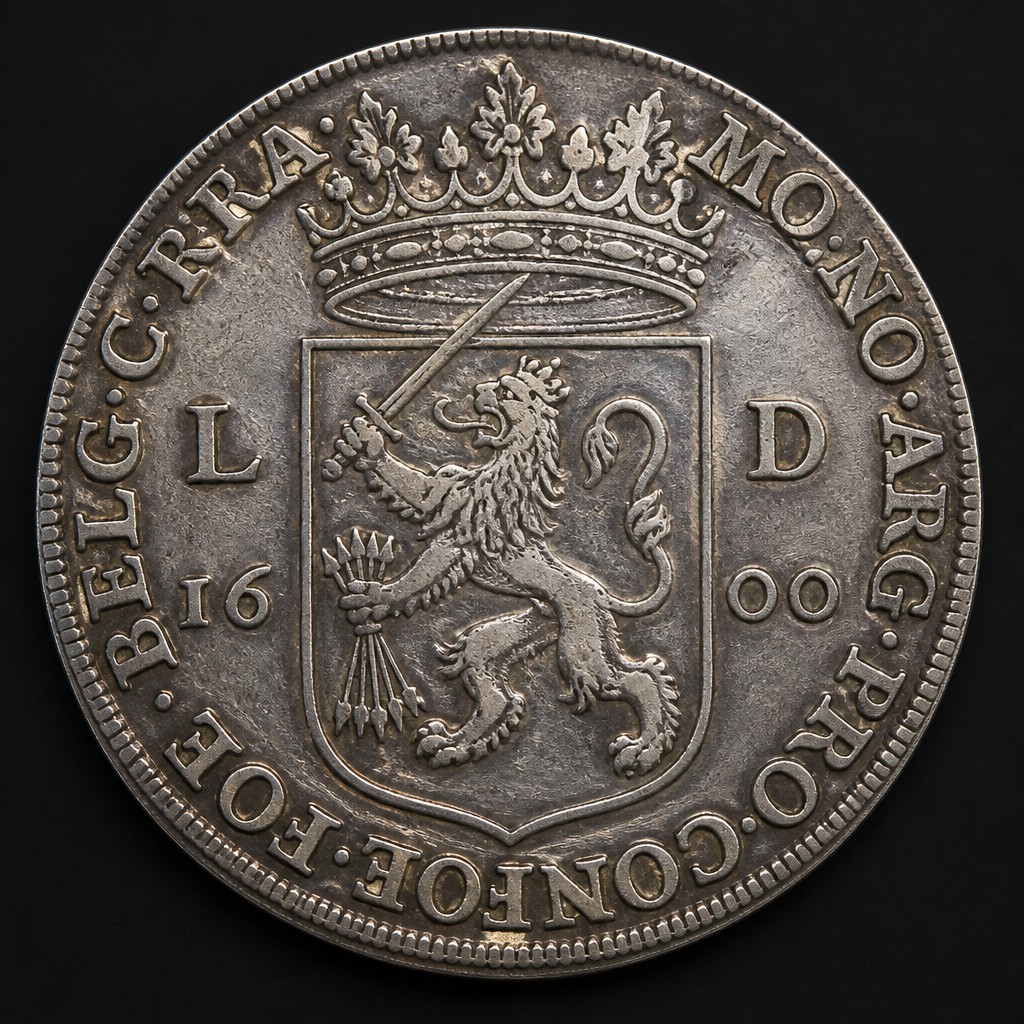
Netherlands Lion Daalder (Leeuwendaalder)
1575–1713
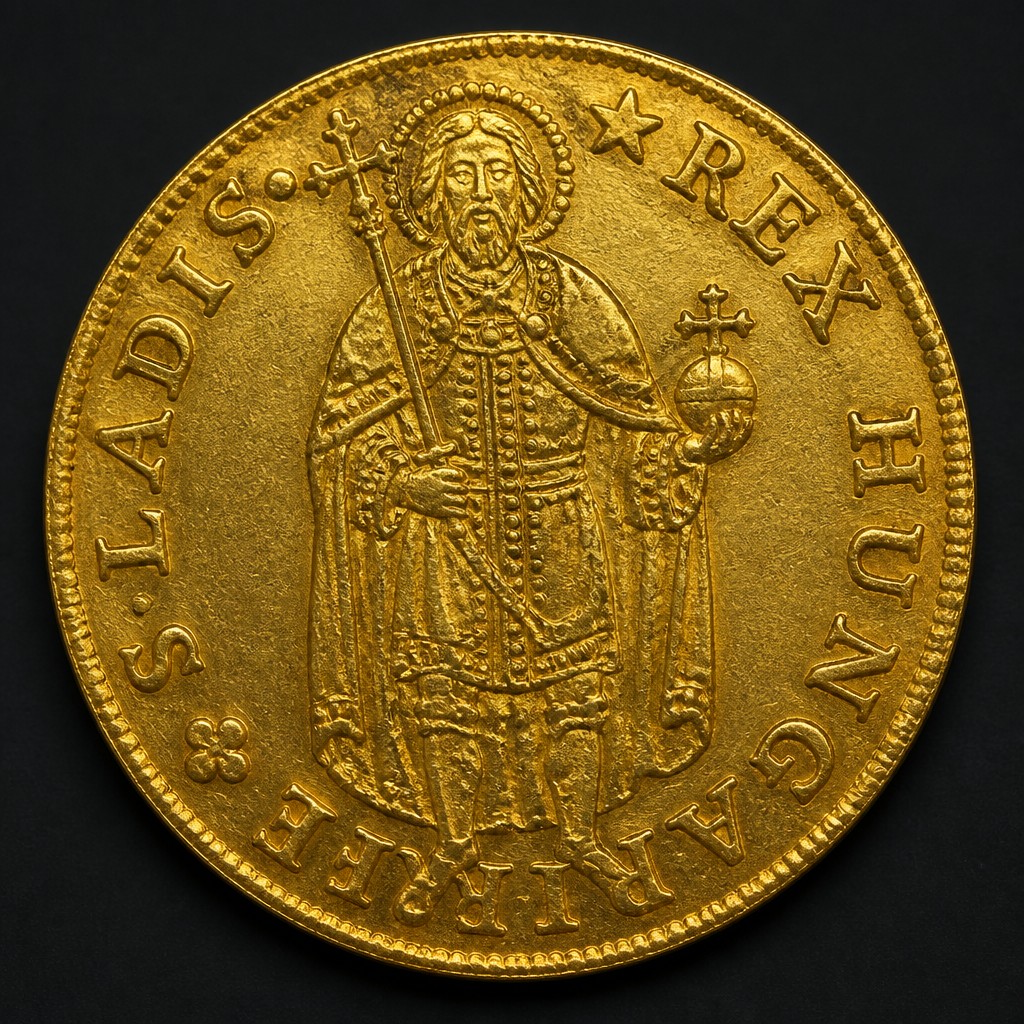
Hungarian Ducat
c. 1325–1918
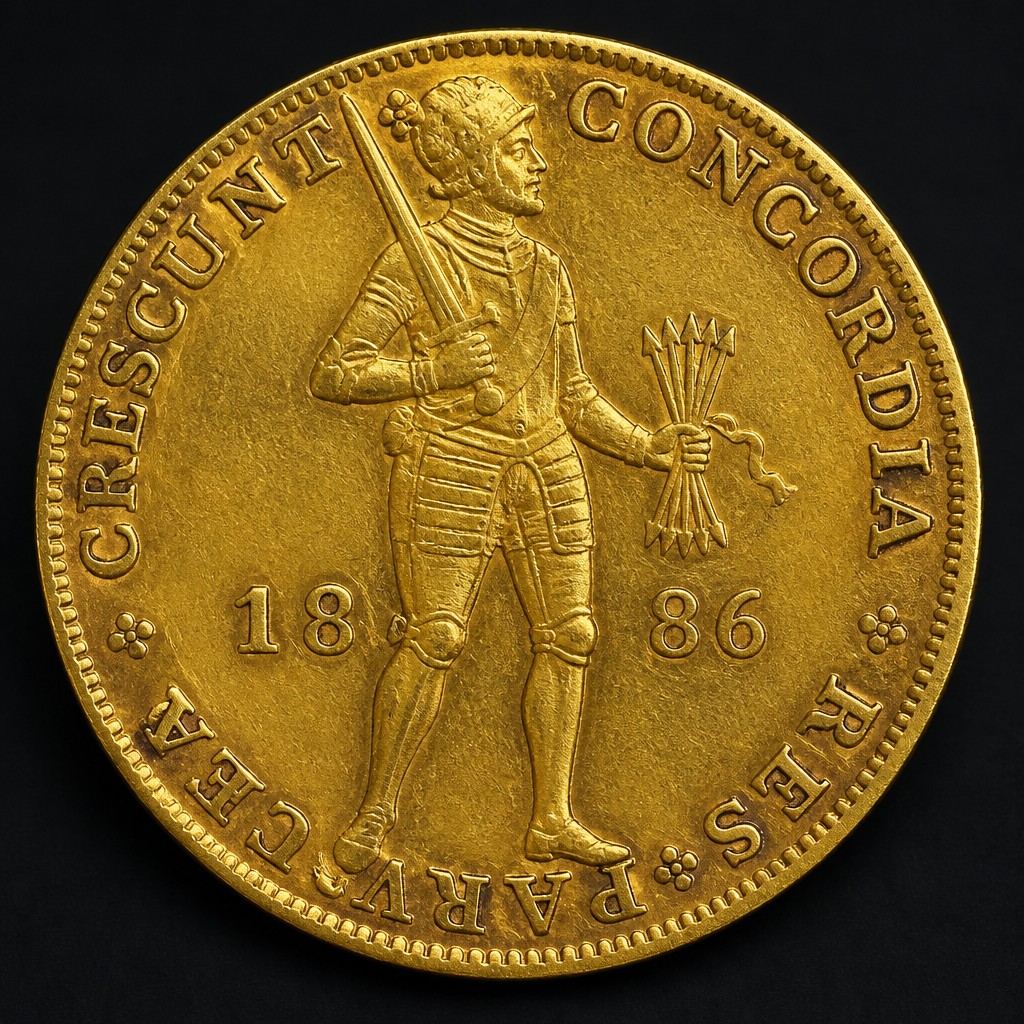
Dutch Ducat
c. 1586–present (classic type standardized after 1817)
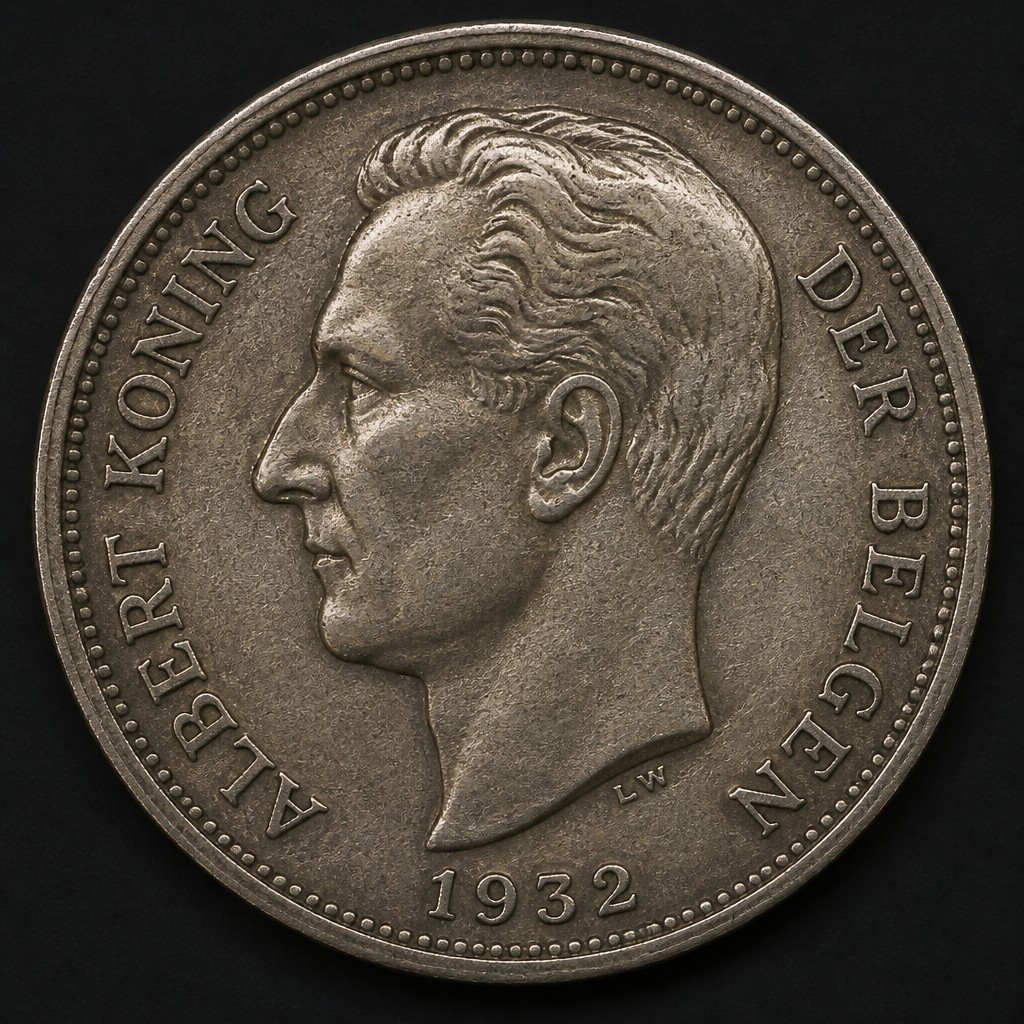
Belgian Franc
1832–2002
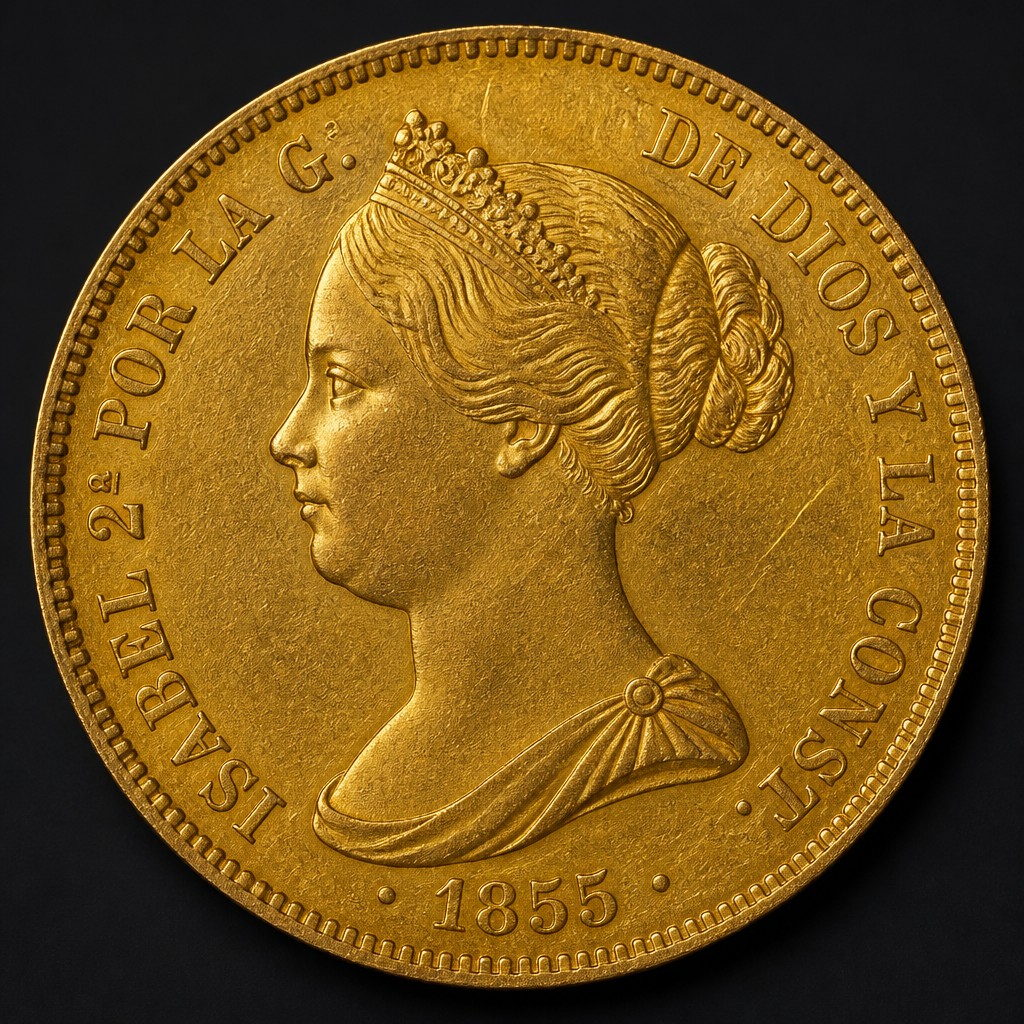
Spanish 100 Reales Gold (Isabel II)
1850s–1868
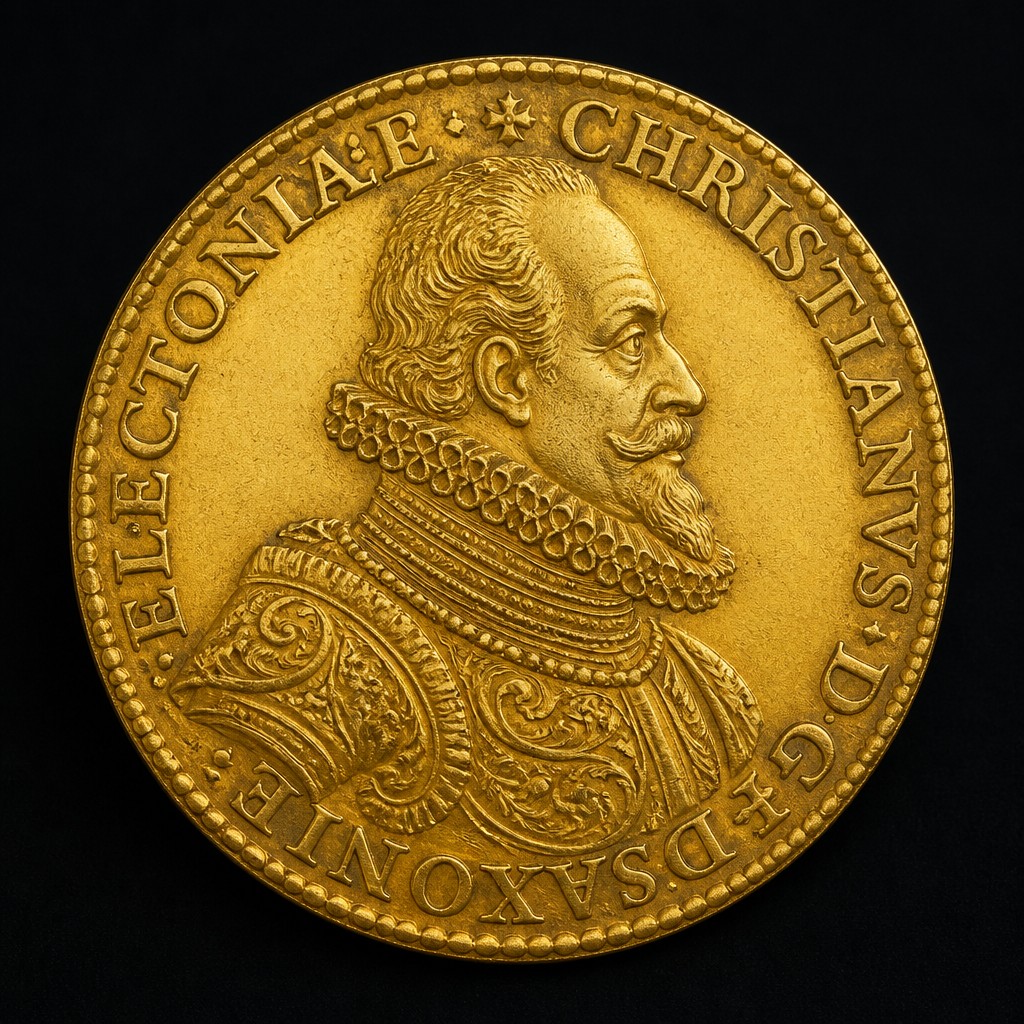
German Saxony Ducat
16th century–19th century
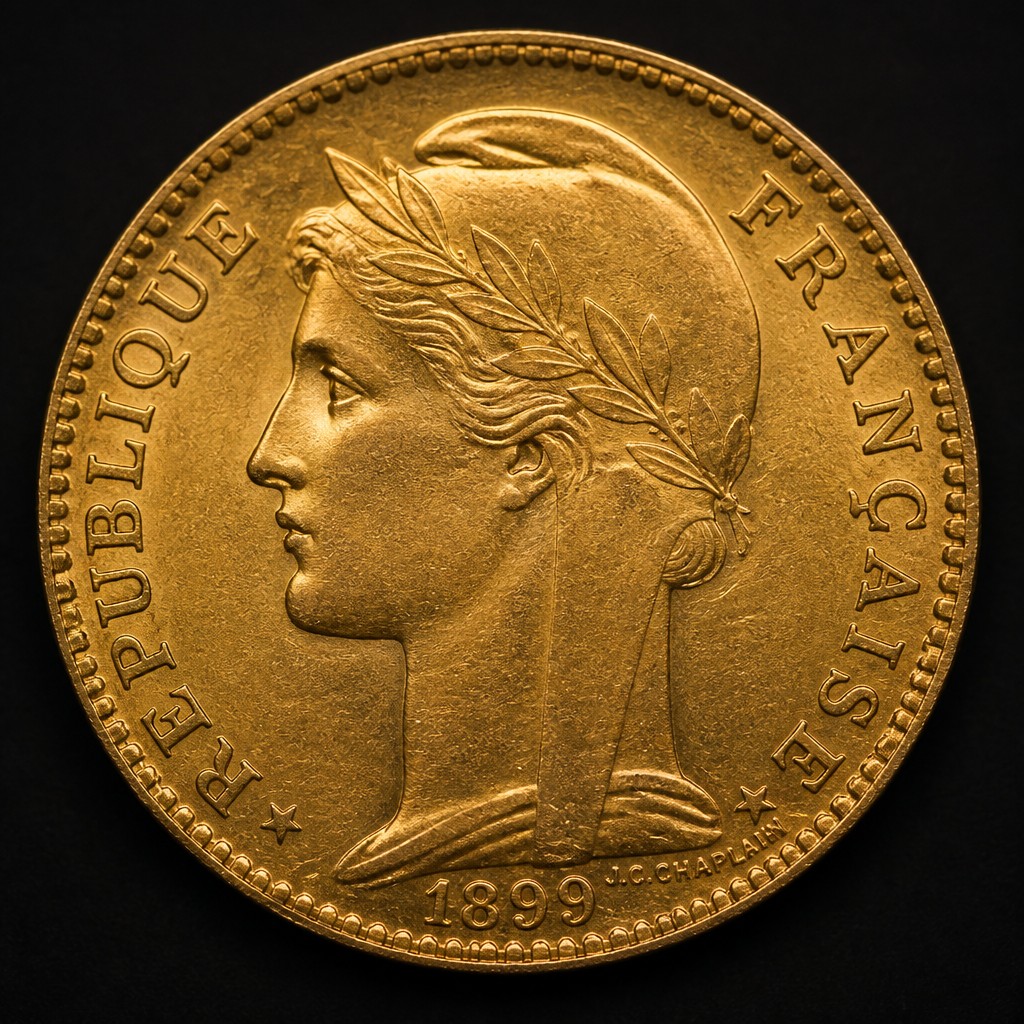
French 10 Francs Gold (Napoleon Rooster)
1899–1914
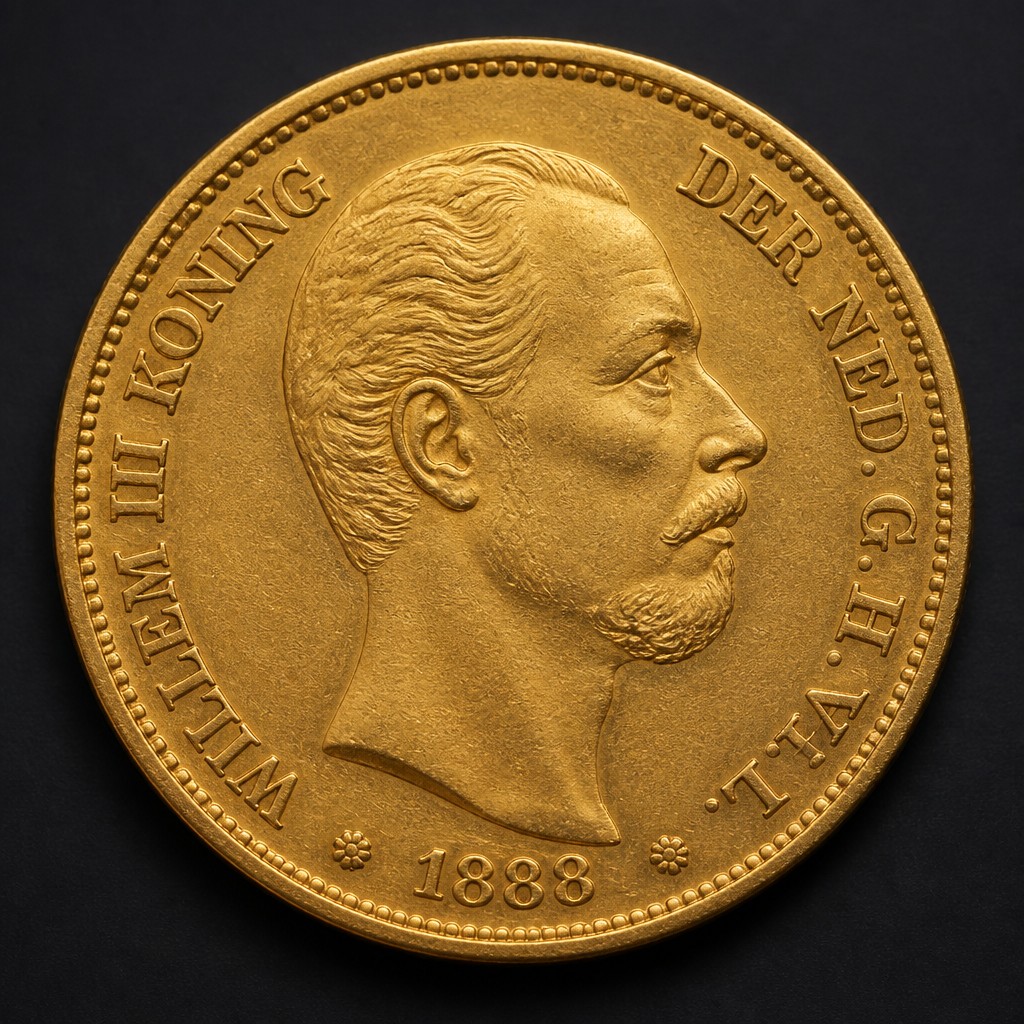
Netherlands 5 Gulden Gold
1826–1912 (intermittent)
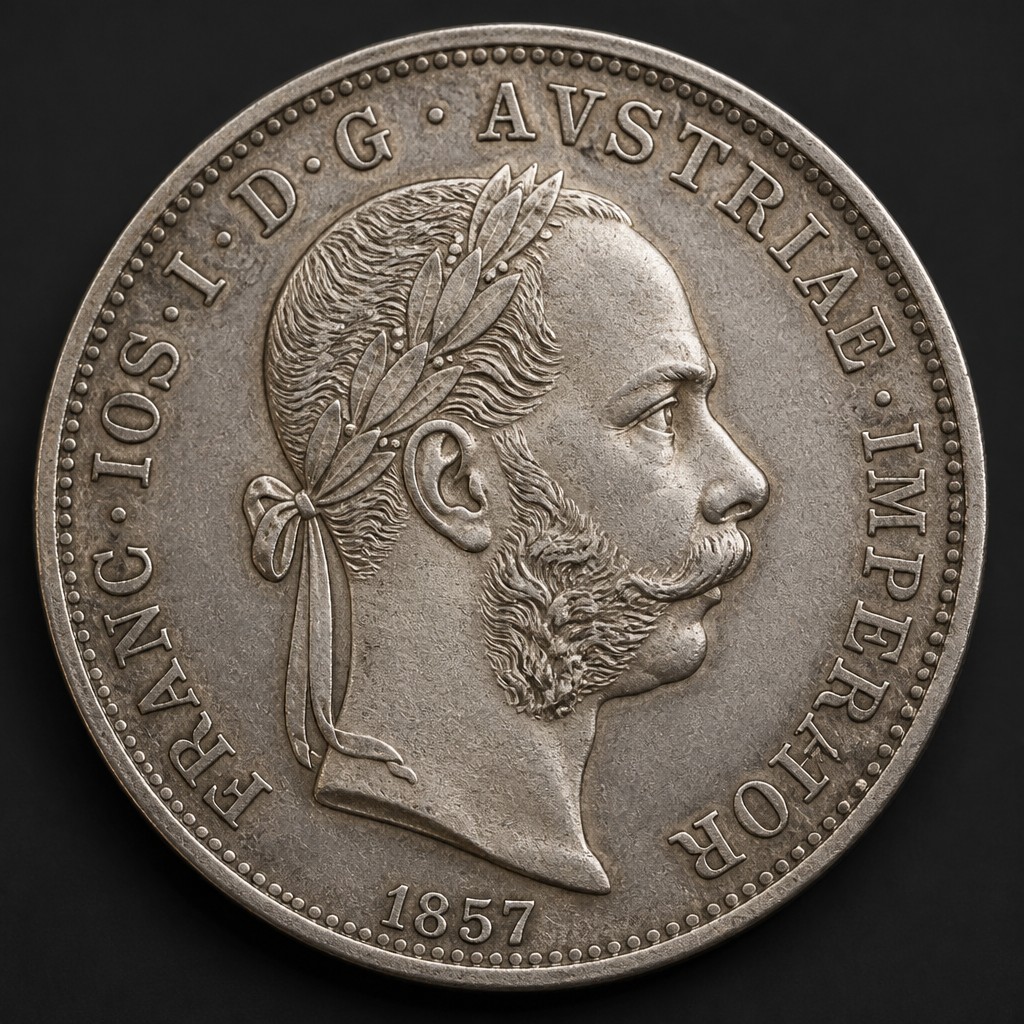
Austrian Florin (Gulden)
1857–1892