
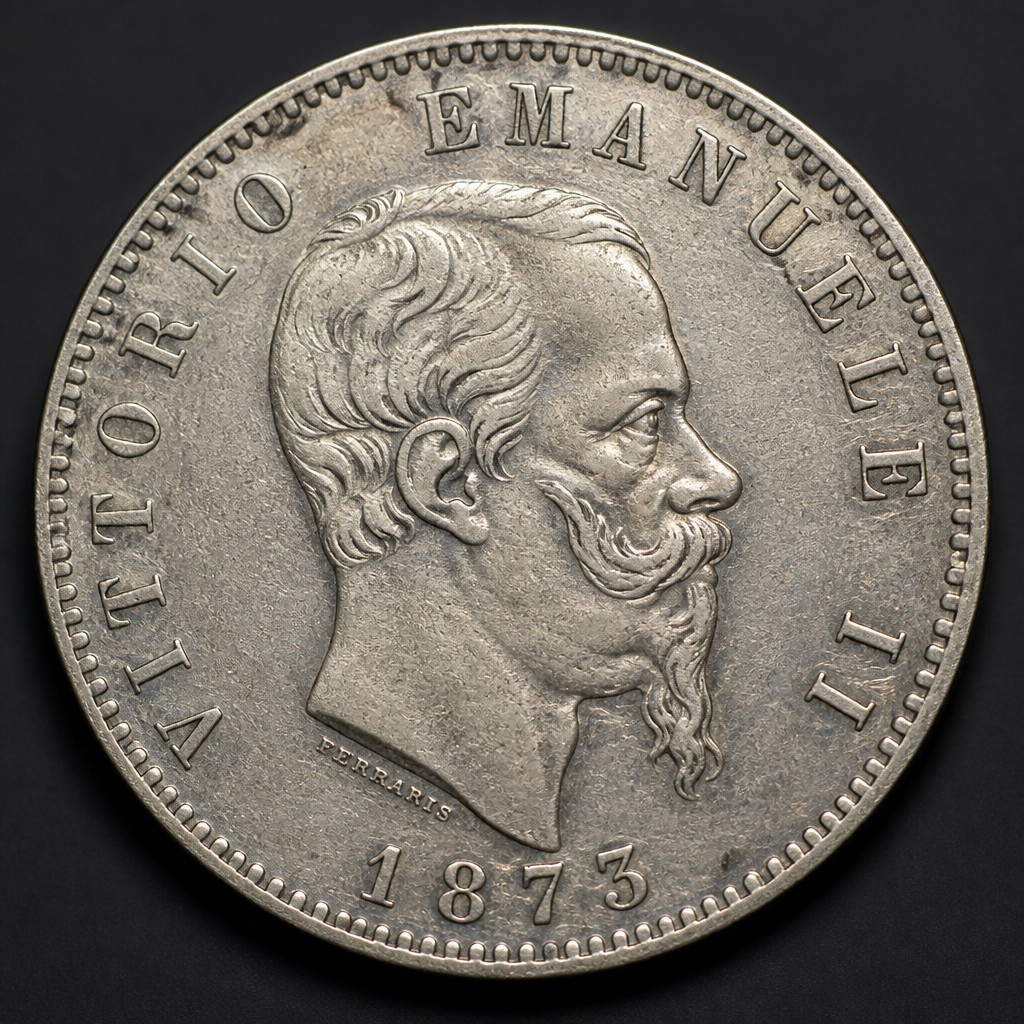
Italian 5 Lire Silver
The silver 5 Lire was the largest circulating silver coin of the newly unified Kingdom of Italy, featuring the portraits of its early kings and the national eagle, and remains a favorite of Italian collectors.
- Country
- Italy (Kingdom of Italy)
- Denomination
- 5 Lire
- Metal
- 90% Silver
Got a coin like this?
Identify any coin from a photo, free.
Overview
The Italian 5 Lire silver coin holds a special place in Italian numismatics as one of the first major coin denominations of the unified Kingdom of Italy, formed in 1861 under King Vittorio Emanuele II. It represents Italy's transition from a patchwork of regional states and currencies to a single national monetary system.
Collectors are drawn to the series for its historical significance marking Italian unification (the Risorgimento), its attractive large-crown format, and the range of types issued across the reigns of Vittorio Emanuele II, Umberto I, and later Vittorio Emanuele III.
As with many national silver crowns, certain early mint and date combinations from the unification period are genuinely scarce, giving the series meaningful depth for specialist collectors alongside more accessible common dates.
History & Background
Italy's political unification in 1861 brought together the previously separate kingdoms, duchies, and papal territories of the Italian peninsula under King Vittorio Emanuele II, and a unified national currency, the Italian lira, replaced the various regional currencies that had circulated before. The silver 5 Lire became the standard large silver coin of the new kingdom, minted at several Italian cities that had previously operated as independent or semi-independent mints.
Early 5 Lire coins from the 1860s and 1870s are closely tied to the unification era and to Vittorio Emanuele II himself, who is remembered as a founding figure of modern Italy. Later 5 Lire issues appeared periodically under his successors, King Umberto I and King Vittorio Emanuele III, including some special commemorative issues in the early 20th century.
As global silver prices and monetary policy shifted in the late 19th and early 20th centuries, regular large-denomination silver coinage became less common, and Italy's 5 Lire silver coin transitioned toward more occasional and commemorative production rather than routine circulation.
How to Identify
The obverse of most 5 Lire issues shows a bare or laureate portrait of the reigning Italian king (Vittorio Emanuele II, Umberto I, or Vittorio Emanuele III) with his name and title in the legend. The reverse commonly displays the crowned Savoy coat of arms supported by an eagle (the "Aquila Sabauda"), or a wreathed denomination, depending on the specific type and date.
The coin is a substantial silver crown comparable in size to other major European large silver coins of the period, with a reeded edge. Mint marks and engraver initials appear near the date on many issues, useful for identifying which of Italy's several 19th-century mints struck a given coin.
Collectors distinguish 5 Lire types primarily by the reigning king's portrait and the specific reverse arms design, since minor style variations occurred as engravers and mint locations changed over the kingdom's early decades.
Value & Collectibility
Common-date 5 Lire coins from the reign of Vittorio Emanuele II in worn condition are reasonably accessible to collectors, while scarcer mint and date combinations from the unification era can be considerably more valuable. Well-preserved or uncirculated examples of any date command notable premiums over typical circulated grades.
Special commemorative 5 Lire issues from the early 20th century, struck in smaller numbers, are often prized above common circulation coins of similar silver weight.
Typical circulated 5 Lire silver coins often trade in the tens of dollars range, while scarce mint-date combinations or high-grade examples can range into the hundreds of dollars depending on rarity and demand.
Frequently asked questions
Why is the Italian 5 Lire historically significant?
It was one of the first major coin denominations of the unified Kingdom of Italy, formed in 1861, marking Italy's transition to a single national currency.
Who appears on the Italian 5 Lire silver coin?
Portraits of Italy's early kings appear, including Vittorio Emanuele II, Umberto I, and Vittorio Emanuele III, depending on the coin's date.
What is the Aquila Sabauda?
It refers to the Savoy eagle design, a reverse motif on many Italian coins featuring the House of Savoy's coat of arms supported by an eagle.
Are all Italian 5 Lire silver coins rare?
No, many dates from Vittorio Emanuele II's reign are relatively common, while certain unification-era mint and date combinations are genuinely scarce.
Other coins you may enjoy
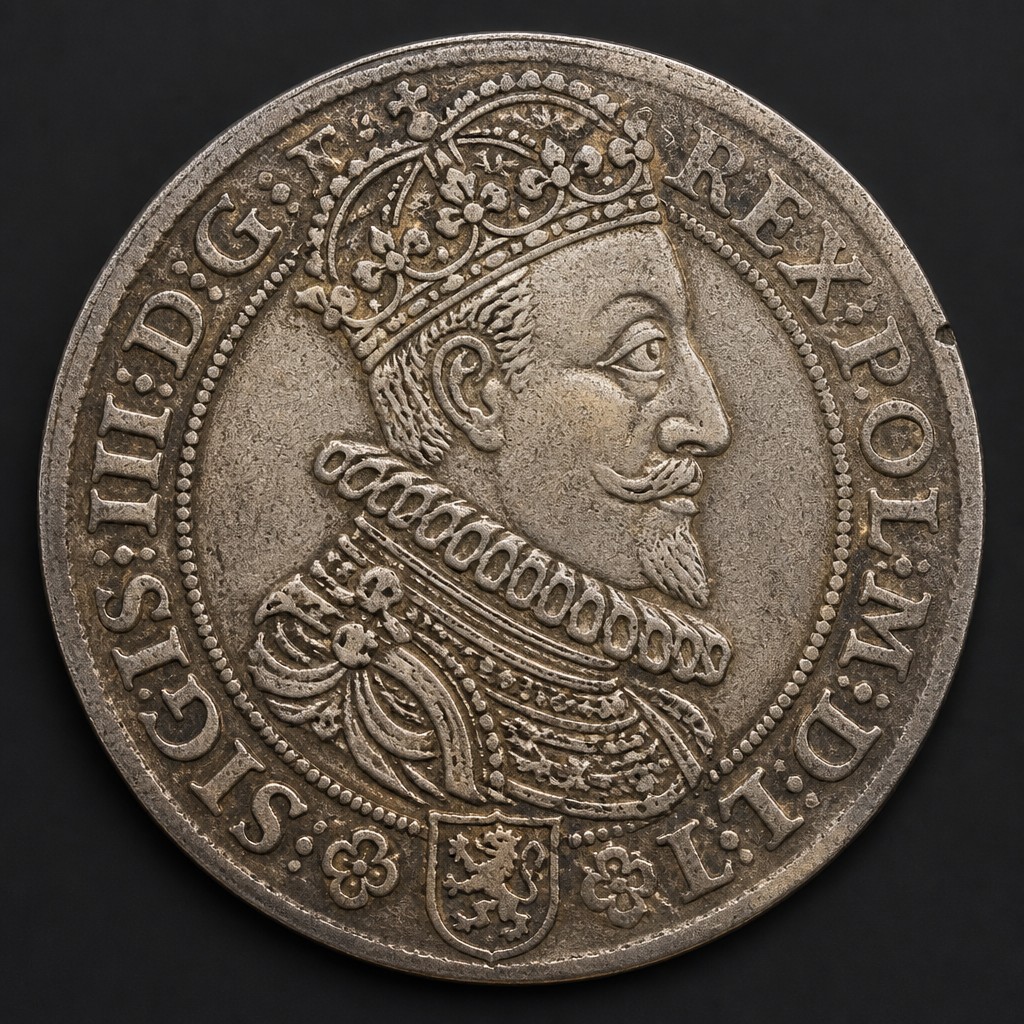
Polish-Lithuanian Thaler
circa 16th–18th century
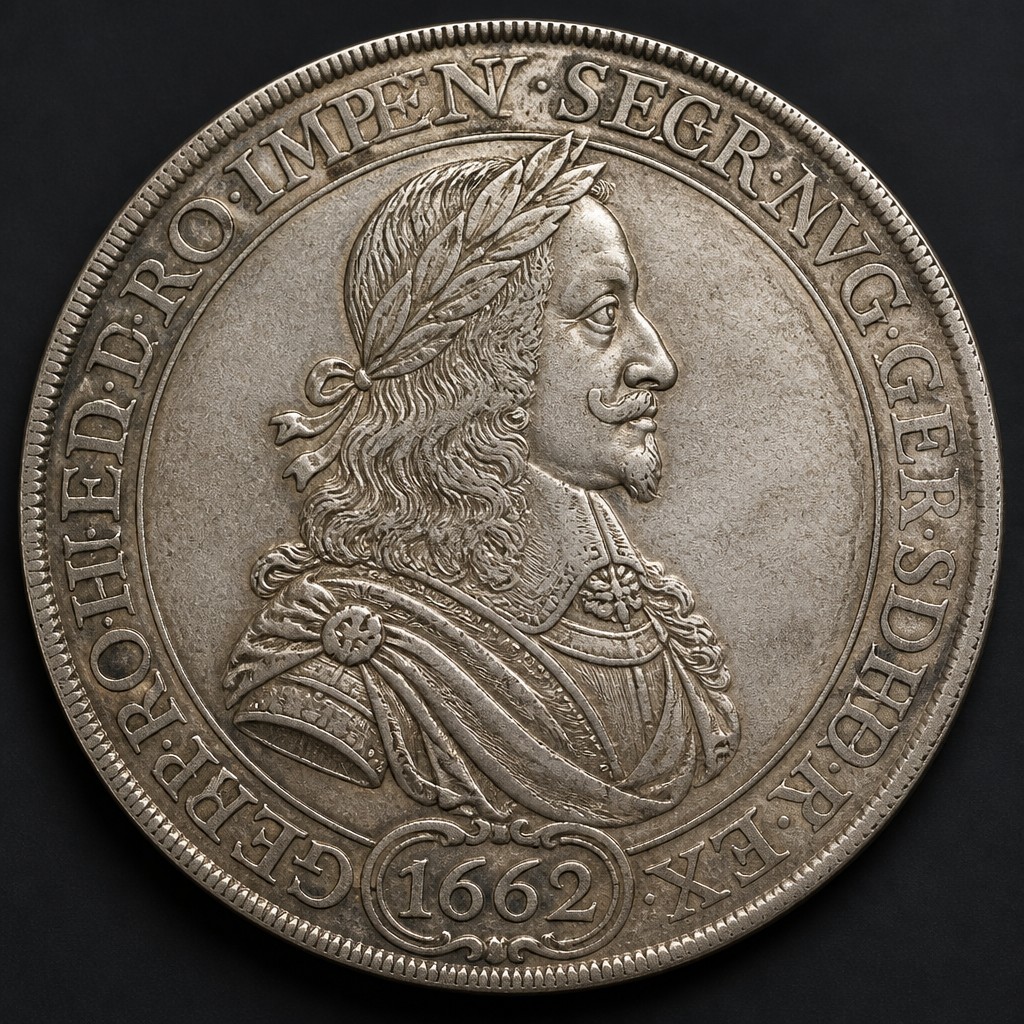
Reichsthaler
circa 1566–early 19th century
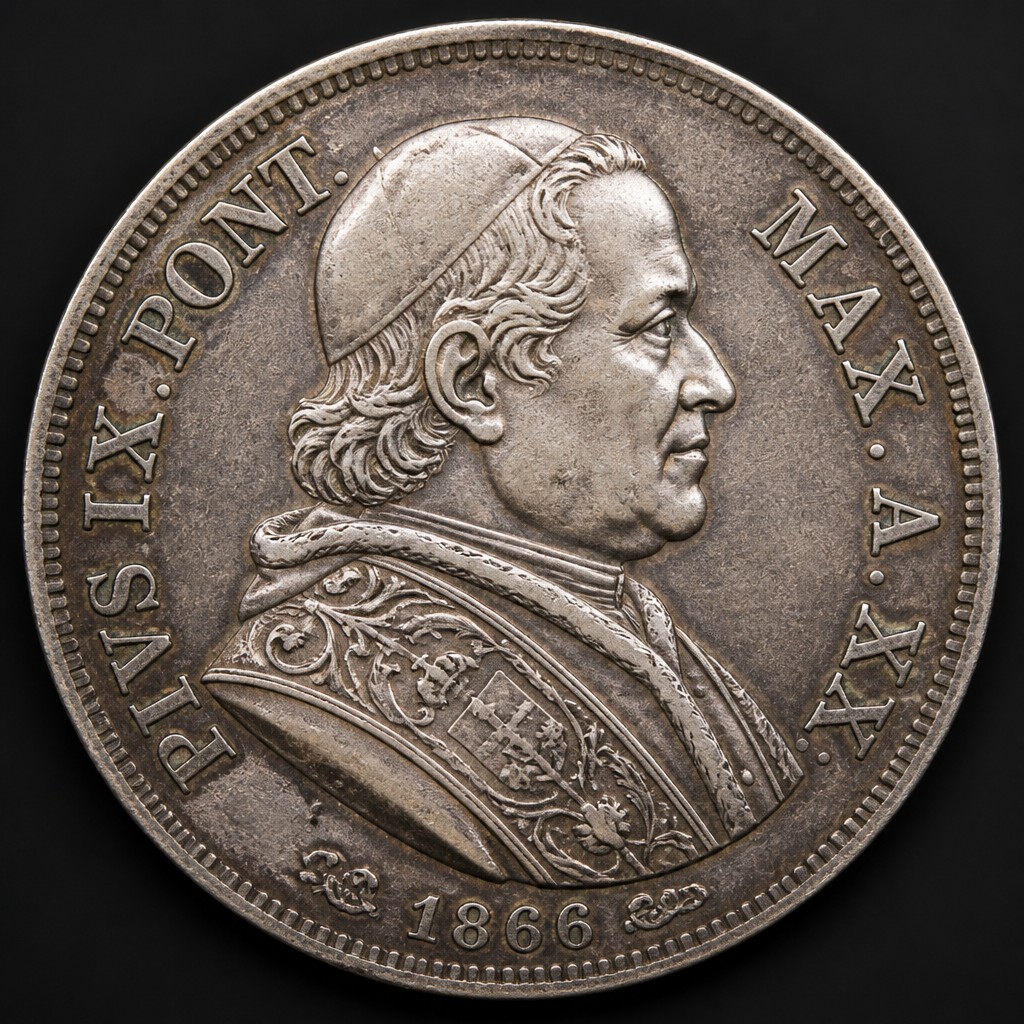
Papal States Scudo
16th century–1866
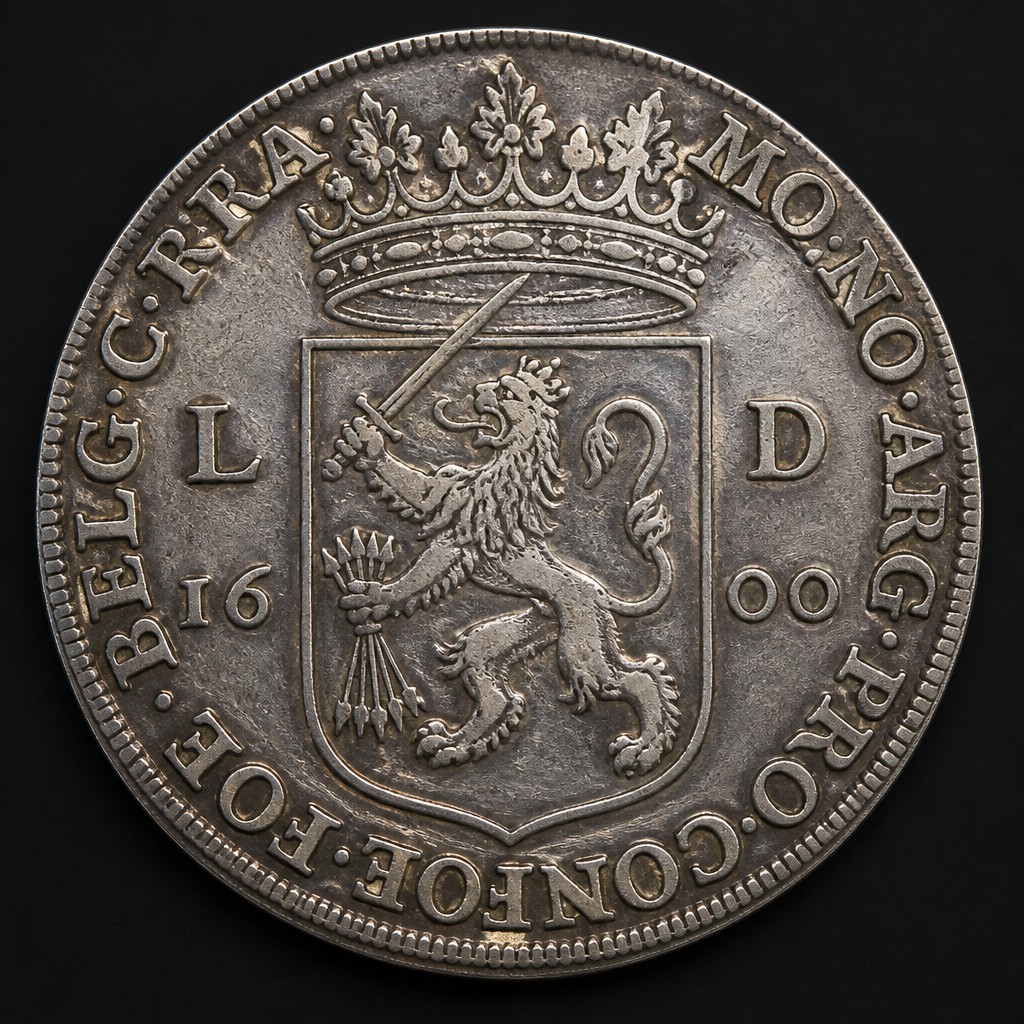
Netherlands Lion Daalder (Leeuwendaalder)
1575–1713
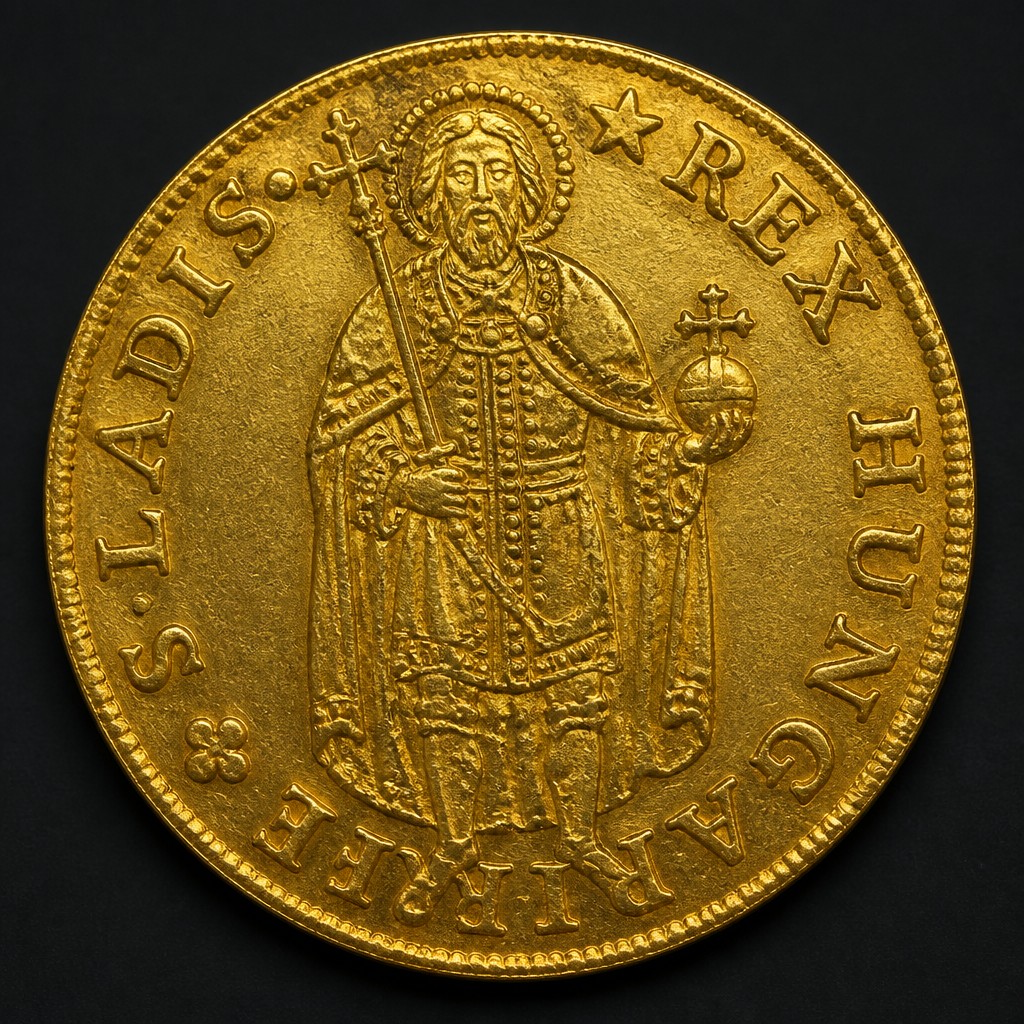
Hungarian Ducat
c. 1325–1918
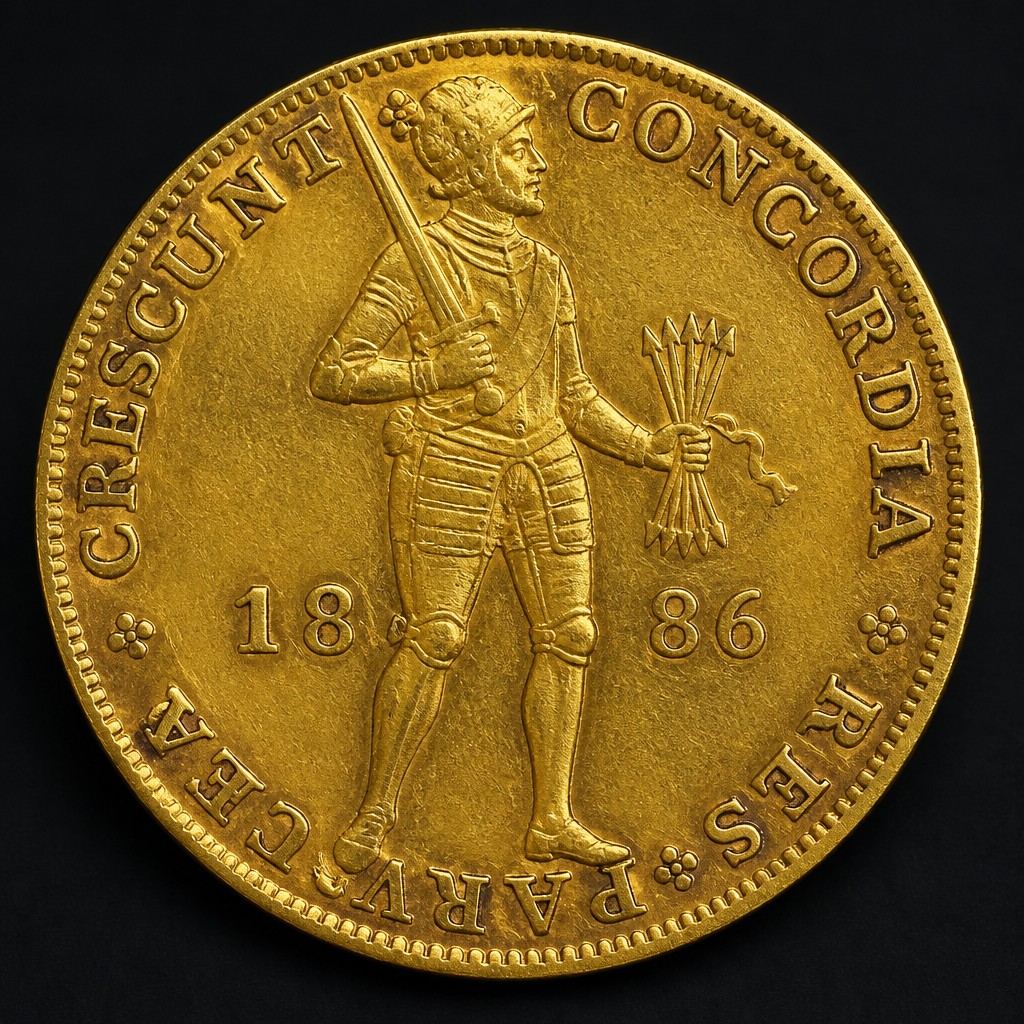
Dutch Ducat
c. 1586–present (classic type standardized after 1817)
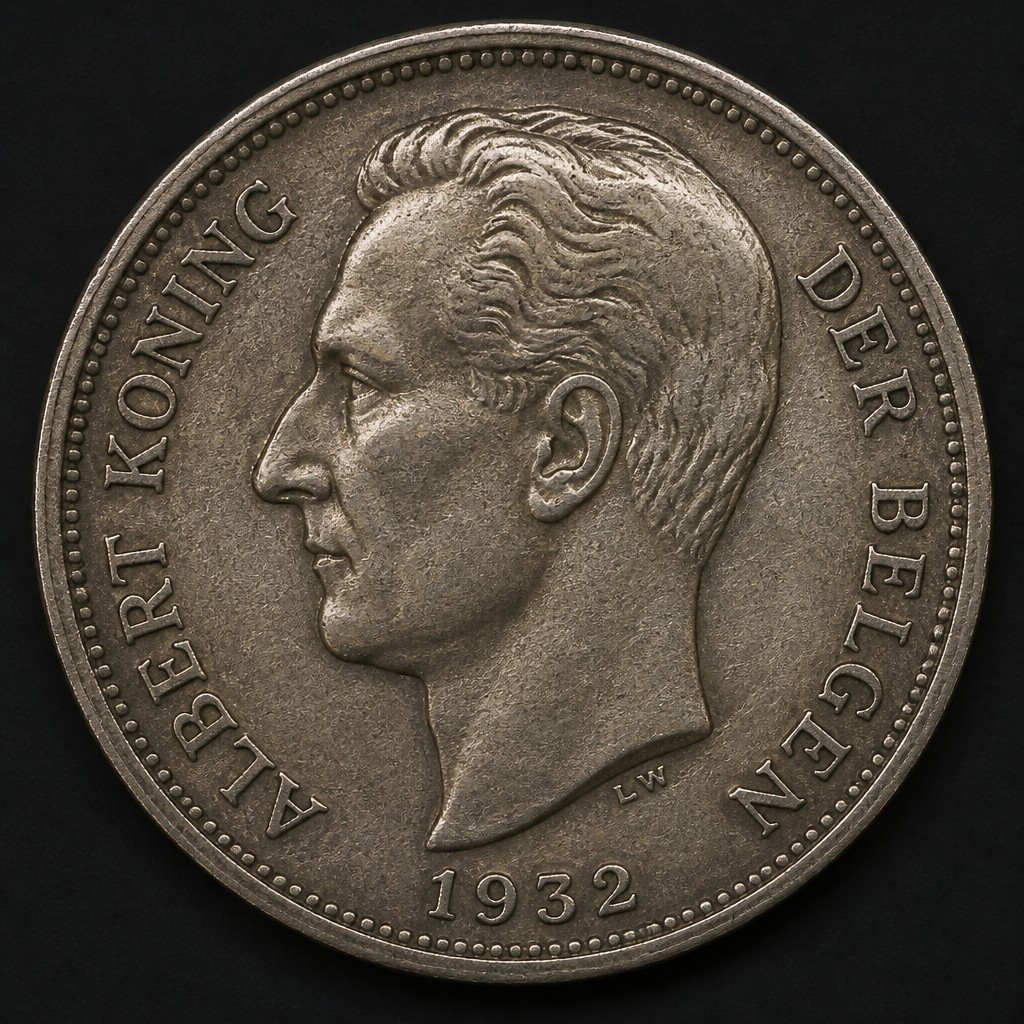
Belgian Franc
1832–2002
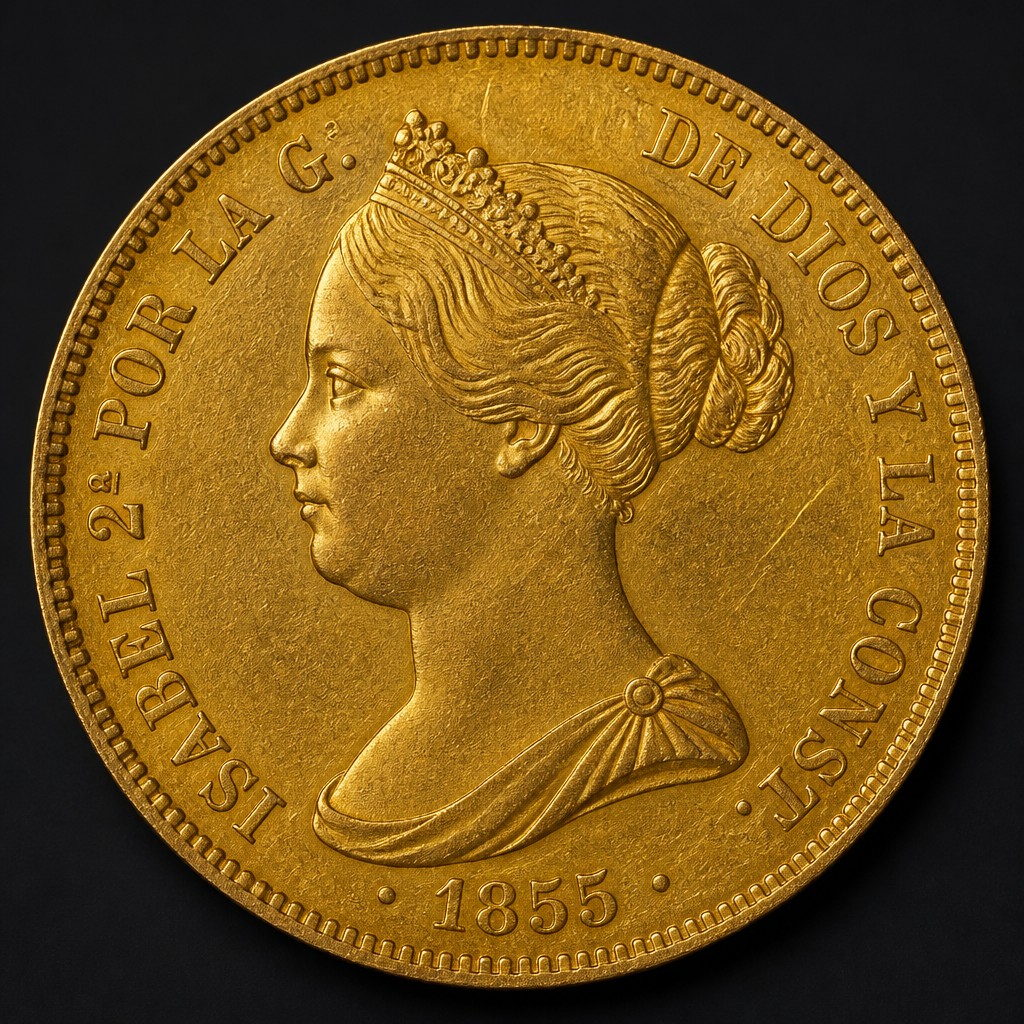
Spanish 100 Reales Gold (Isabel II)
1850s–1868
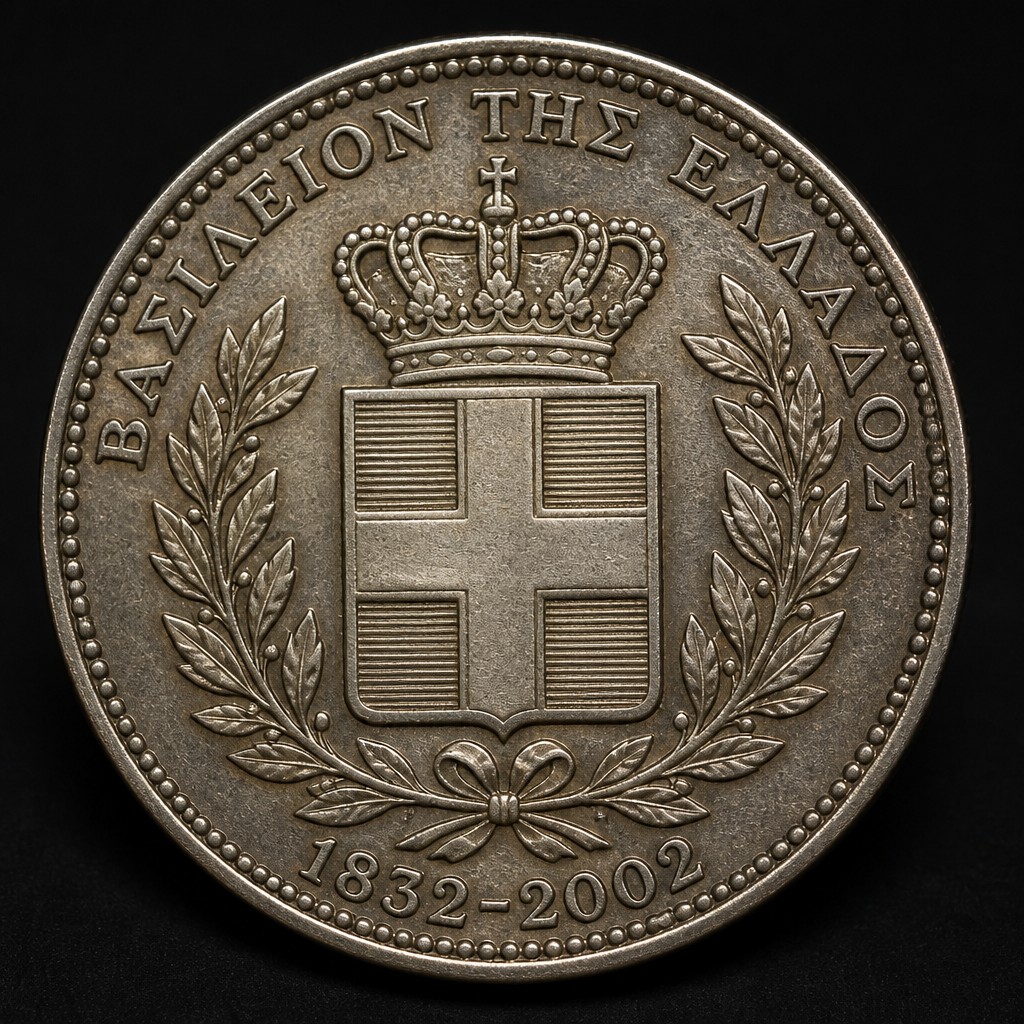
Greek Drachma
1832–2002
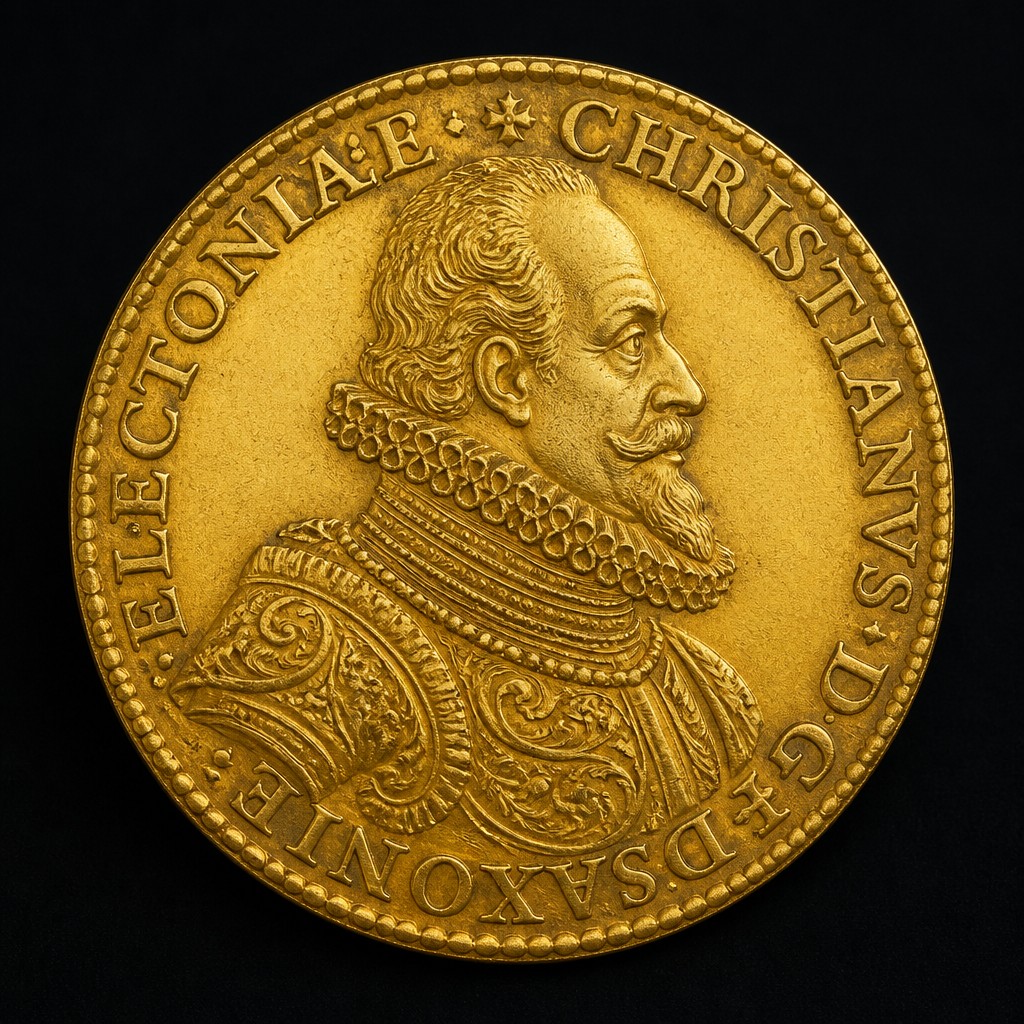
German Saxony Ducat
16th century–19th century
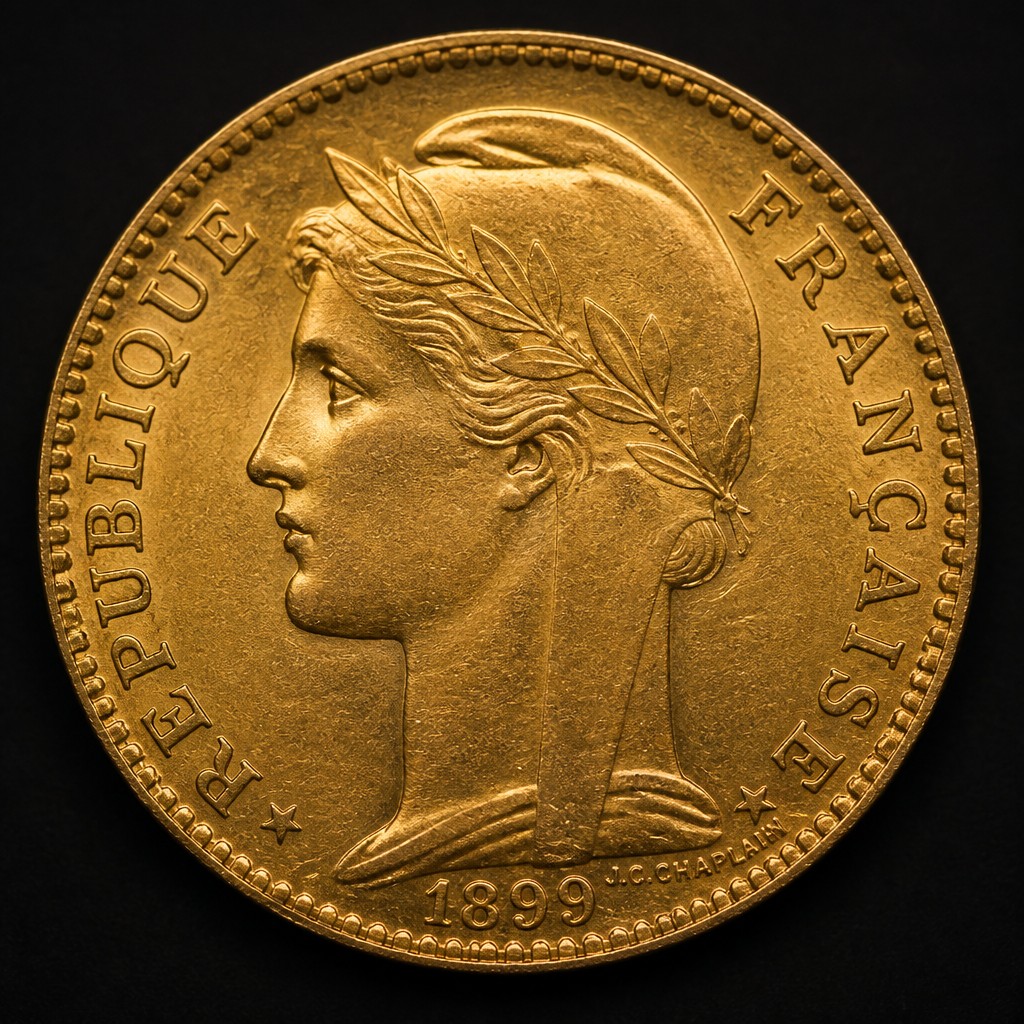
French 10 Francs Gold (Napoleon Rooster)
1899–1914
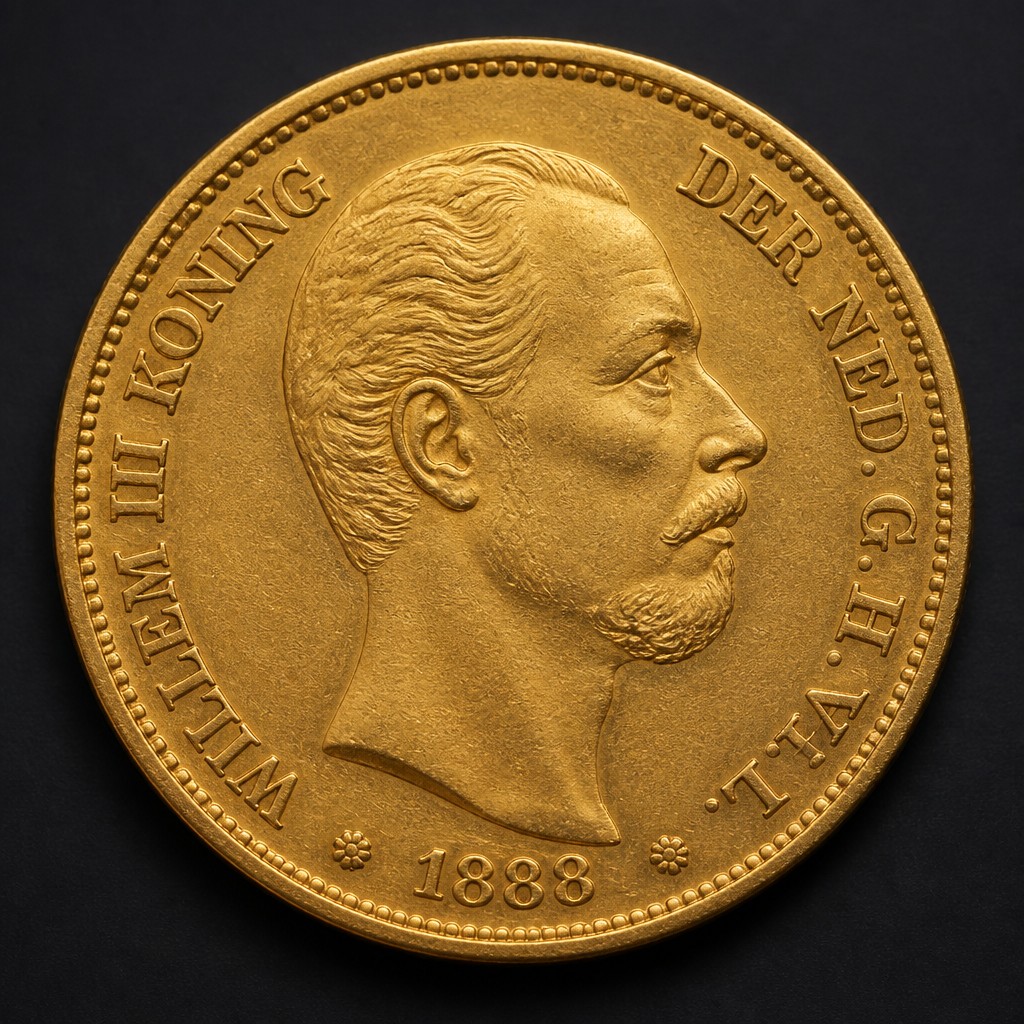
Netherlands 5 Gulden Gold
1826–1912 (intermittent)