
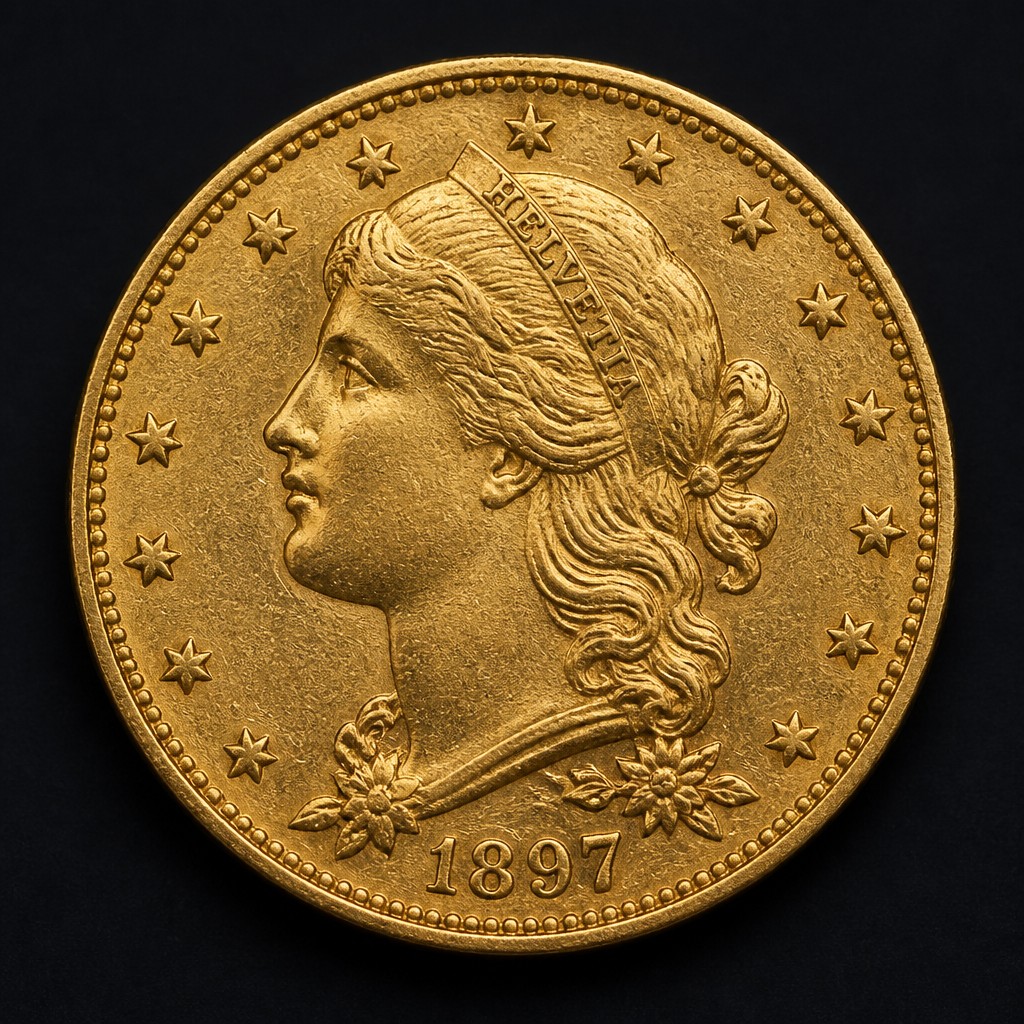
Swiss 20 Francs Gold Vreneli
Switzerland's beloved gold 20-franc coin, nicknamed "Vreneli" after the young woman on its obverse, prized worldwide as an approachable and historically rich gold bullion and collector coin.
- Country
- Switzerland
- Denomination
- 20 Francs
- Metal
- 90% Gold (.900 fine)
Got a coin like this?
Identify any coin from a photo, free.
Overview
The Vreneli is Switzerland's classic 20 franc gold coin, struck between 1897 and 1949 with later official restrikes, and remains one of the most popular gold coins among European collectors and bullion buyers alike. Its charming portrait of a young Swiss woman and its manageable, affordable size have made it a lasting favorite.
Beyond its aesthetic appeal, the coin holds real historic significance as part of the Latin Monetary Union's standardized gold coinage, sharing specifications with coins like the French Napoleon and Italian 20 lire.
History & Background
Switzerland introduced its 20 franc gold coin in 1897, adopting the specifications already standardized under the Latin Monetary Union, an agreement among France, Italy, Switzerland, Belgium, and other members to harmonize gold and silver coinage across borders. The coin's obverse, designed by Swiss artist Fritz Landry, depicted an idealized young Swiss woman with braided hair meant to personify Helvetia, the female personification of Switzerland.
The nickname "Vreneli" arose informally as a diminutive of the common Swiss female name Verena, reflecting popular affection for the design. Production continued into the mid-20th century, with the last regular-date issues struck in 1949, though Switzerland later authorized official restrikes using earlier dates to meet ongoing demand from collectors and bullion investors.
Because of its long production run, dependable gold content, and attractive design, the Vreneli became one of the most widely held gold coins in Switzerland and a common choice for private gold savings throughout the 20th century.
How to Identify
The obverse shows the profile bust of a young woman with braided hair, the "Helvetia" figure, facing left, surrounded by the word "HELVETIA" and the date. The reverse depicts a Swiss cross shield surrounded by a wreath of oak and edelweiss or pine sprigs, with the denomination "20 FR" and the Latin motto referencing the Swiss confederation.
The coin measures about 21mm in diameter and weighs 6.45 grams in .900 fine gold, identical in specification to the French 20 franc Napoleon and other Latin Monetary Union gold coins of the period, reflecting their shared international standard. Collectors distinguish original circulation-era strikes from later official restrikes primarily by close examination of specific date and mint characteristics, since the restrikes intentionally used earlier dates.
Value & Collectibility
Common date Vrenelis trade close to their gold bullion value and are one of the most liquid, widely recognized gold coins for smaller-scale gold ownership in Europe, prized for their manageable size and trusted gold content. Certain early or lower-mintage dates carry modest numismatic premiums above bullion value for collectors seeking specific years.
Because the coin was produced in significant quantities and remains popular today, it is generally considered an accessible, liquid form of historic gold rather than a scarce rarity, though condition and specific date still affect price to some degree.
Frequently asked questions
Why is it called the "Vreneli"?
The nickname comes from Verena, a common Swiss female name, informally applied to the young woman depicted on the coin's obverse.
How much gold does a Vreneli contain?
It contains 6.45 grams of .900 fine gold, matching the broader Latin Monetary Union 20 franc gold coin standard.
Are Vrenelis still being minted?
Official restrikes using earlier dates have been produced to meet demand, though the original circulation-era run ended in 1949.
Is the Vreneli a good coin for gold bullion holdings?
It is widely regarded as a popular, liquid choice for holding physical gold due to its recognized standard content and manageable size.
Other coins you may enjoy
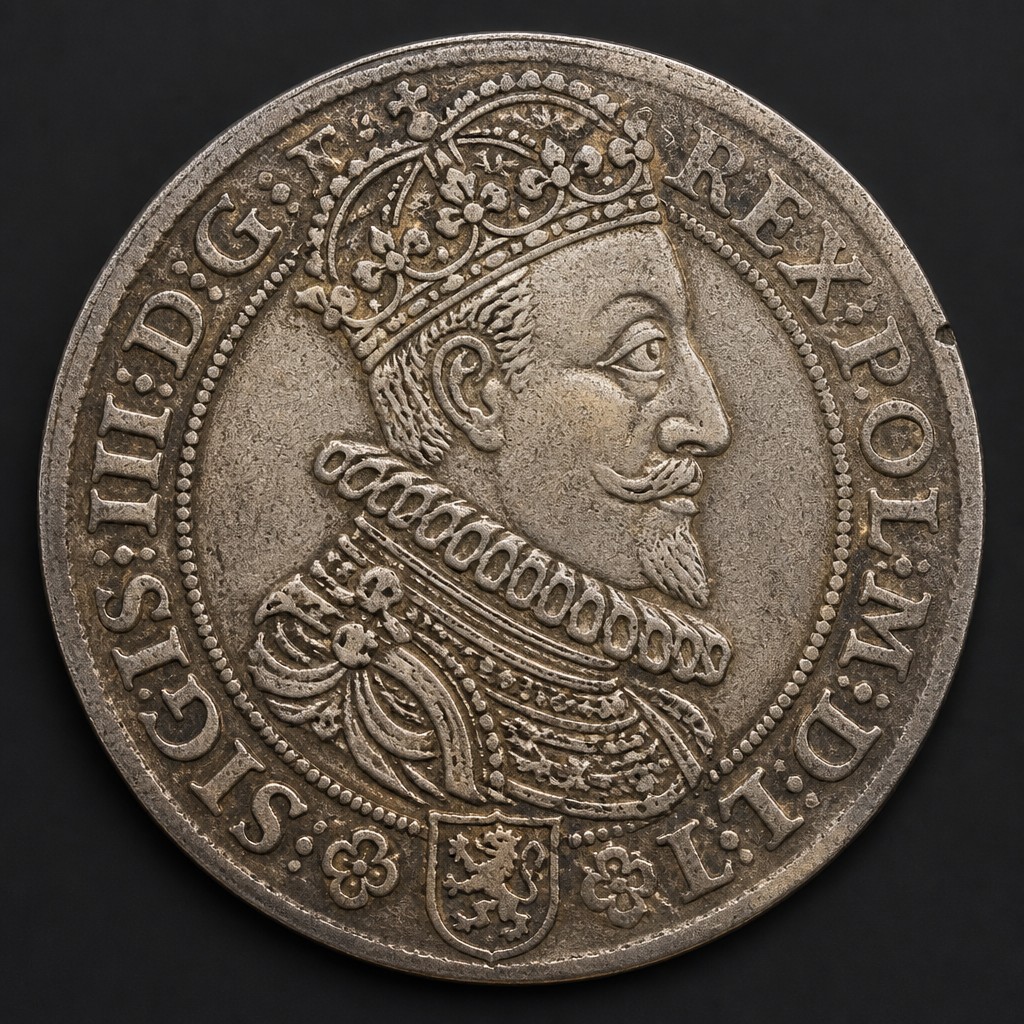
Polish-Lithuanian Thaler
circa 16th–18th century
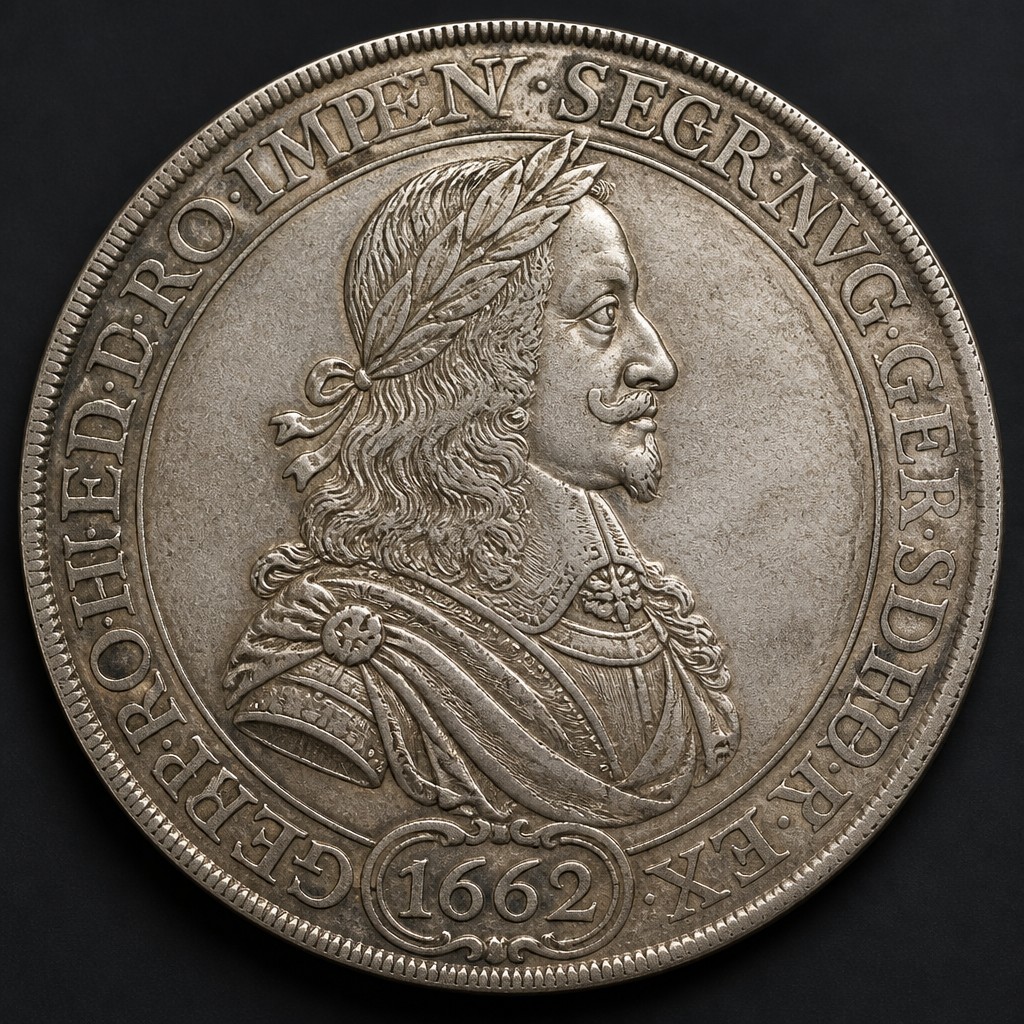
Reichsthaler
circa 1566–early 19th century
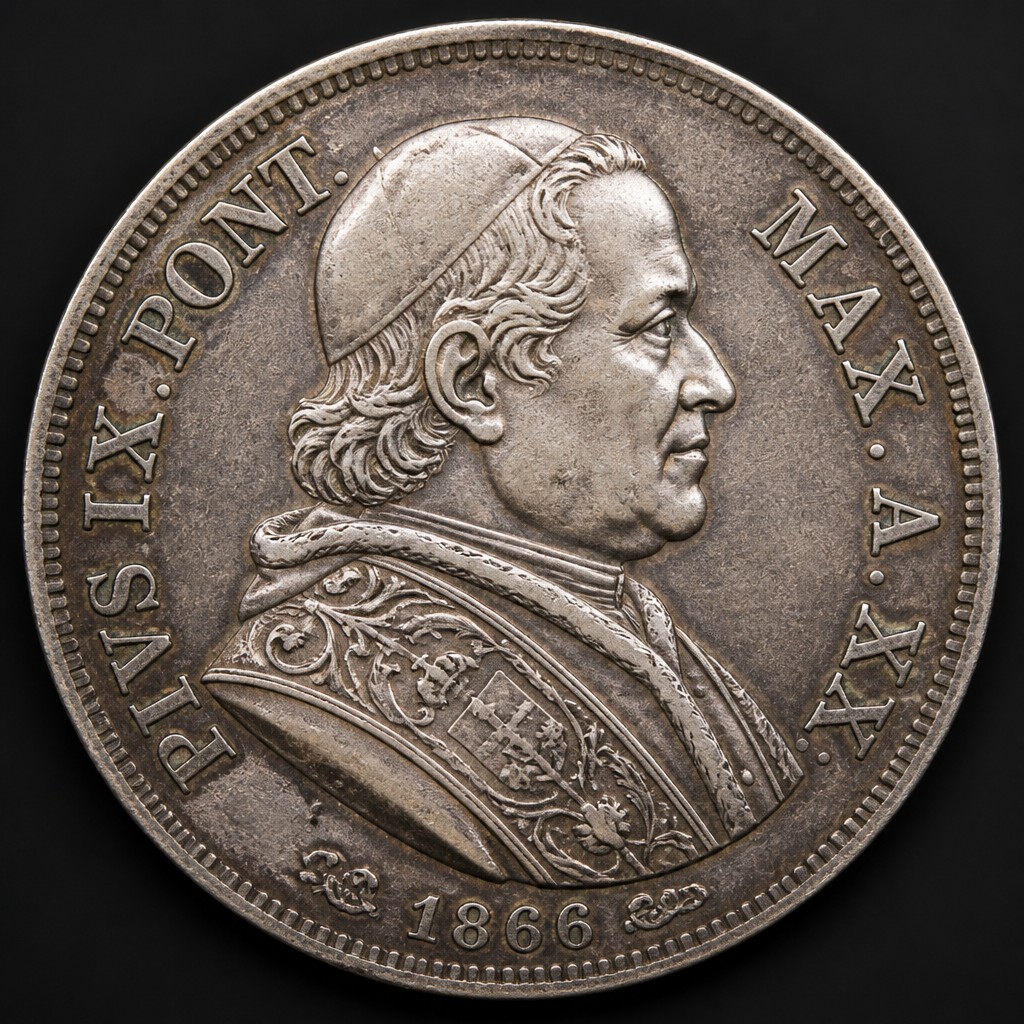
Papal States Scudo
16th century–1866
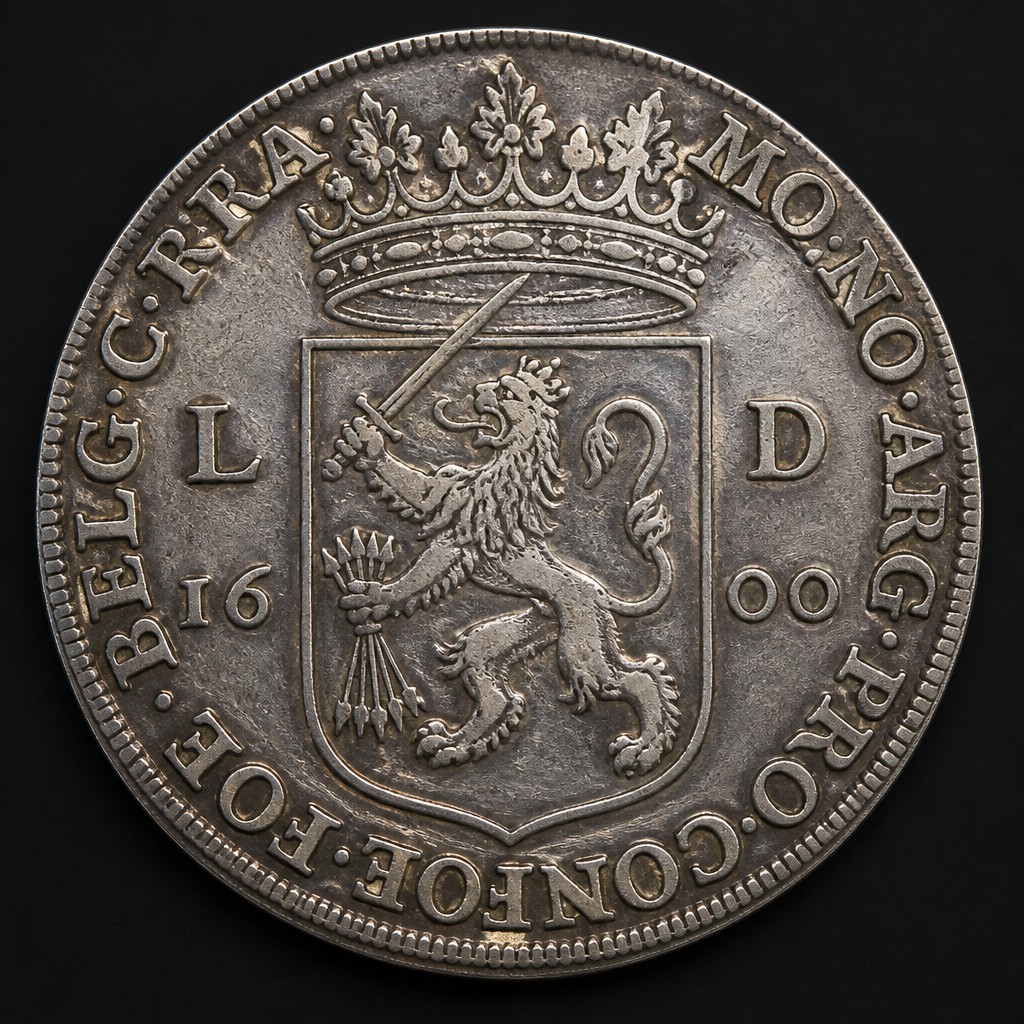
Netherlands Lion Daalder (Leeuwendaalder)
1575–1713
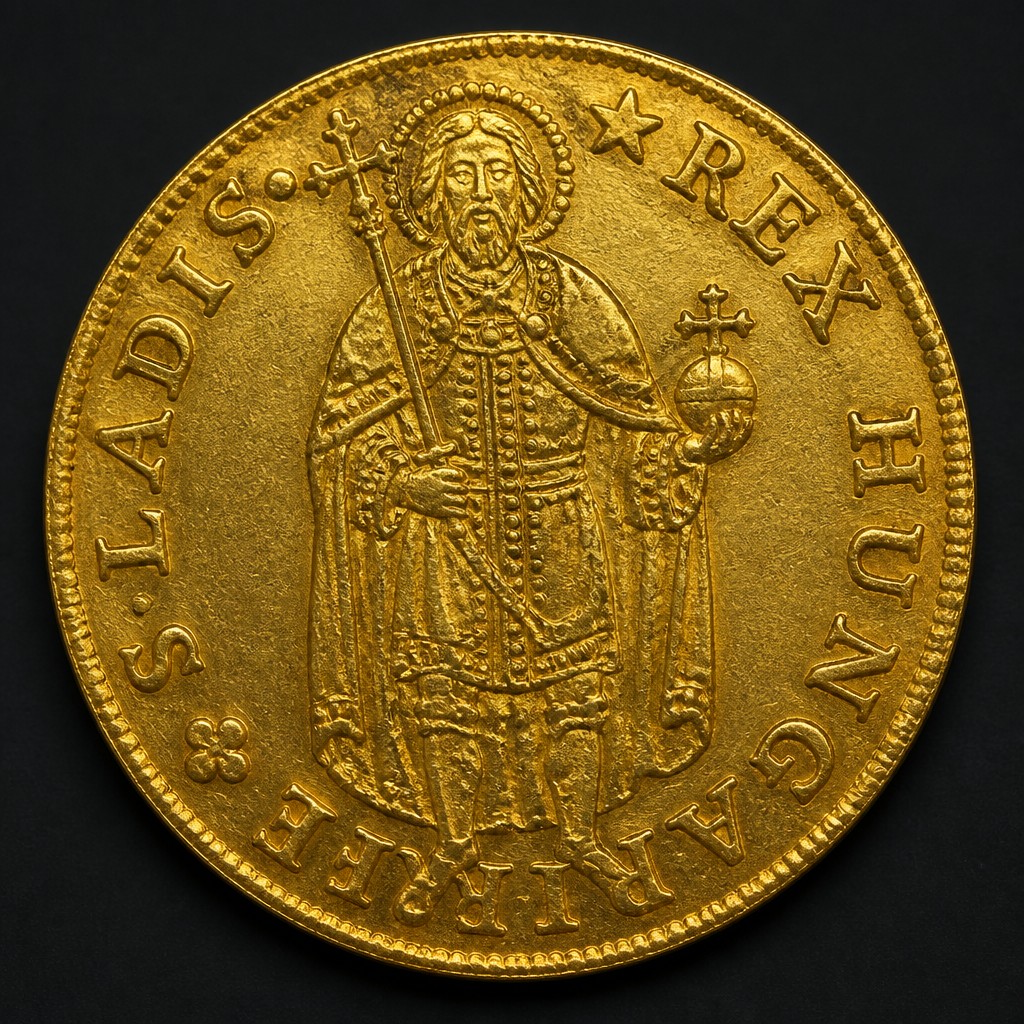
Hungarian Ducat
c. 1325–1918
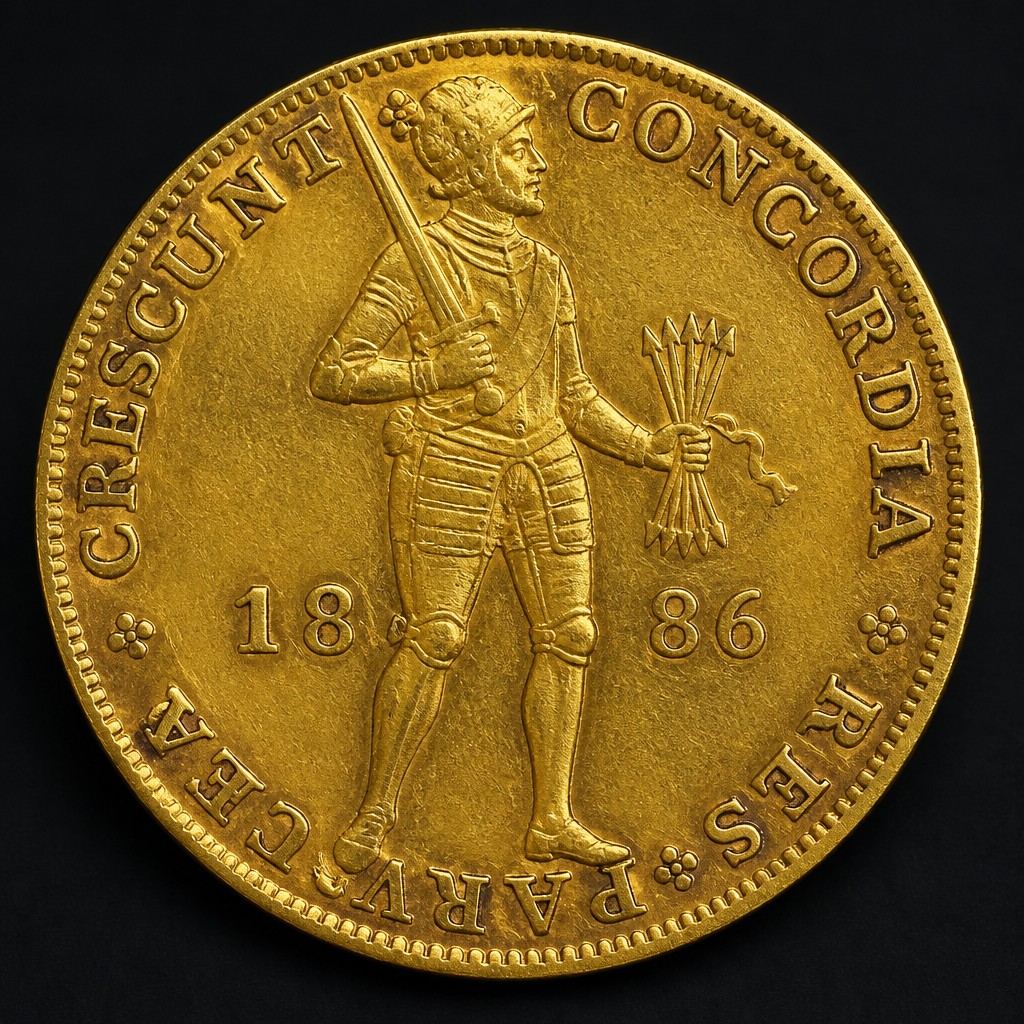
Dutch Ducat
c. 1586–present (classic type standardized after 1817)
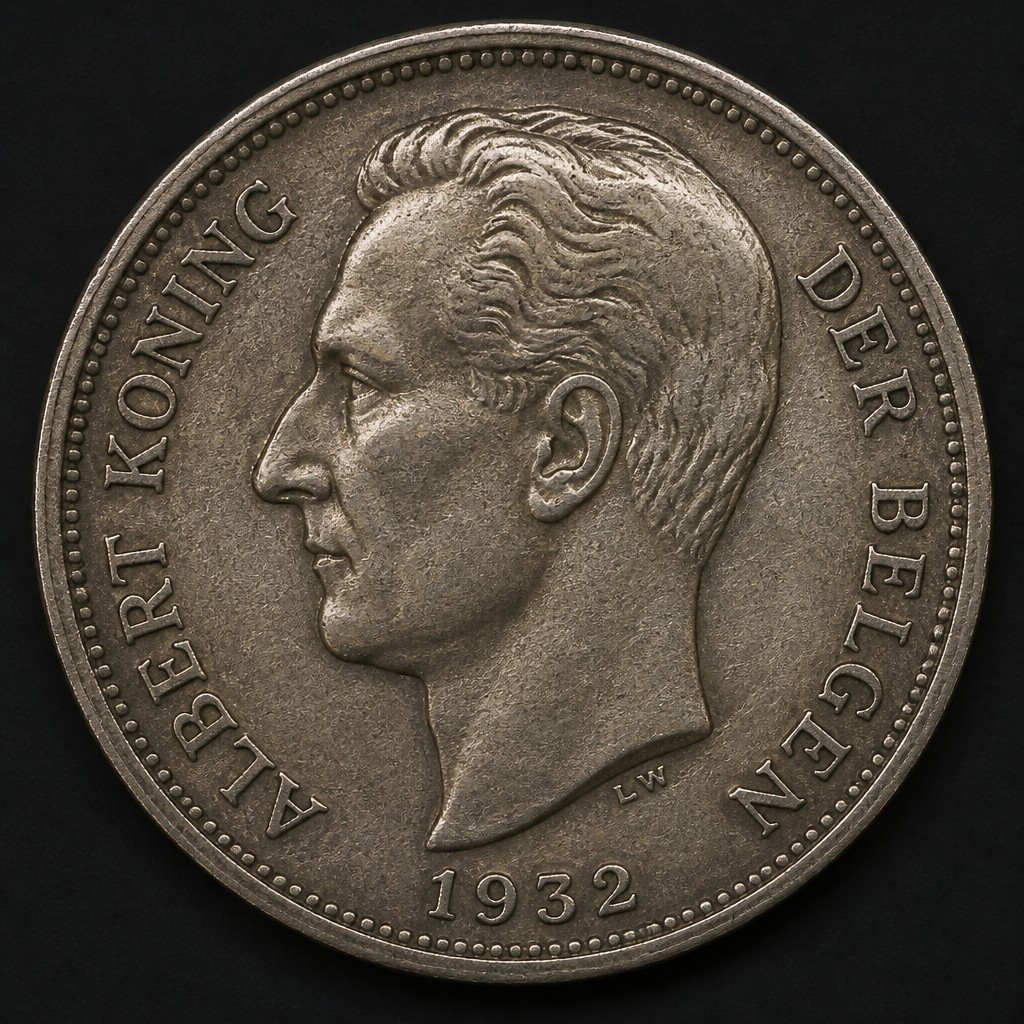
Belgian Franc
1832–2002
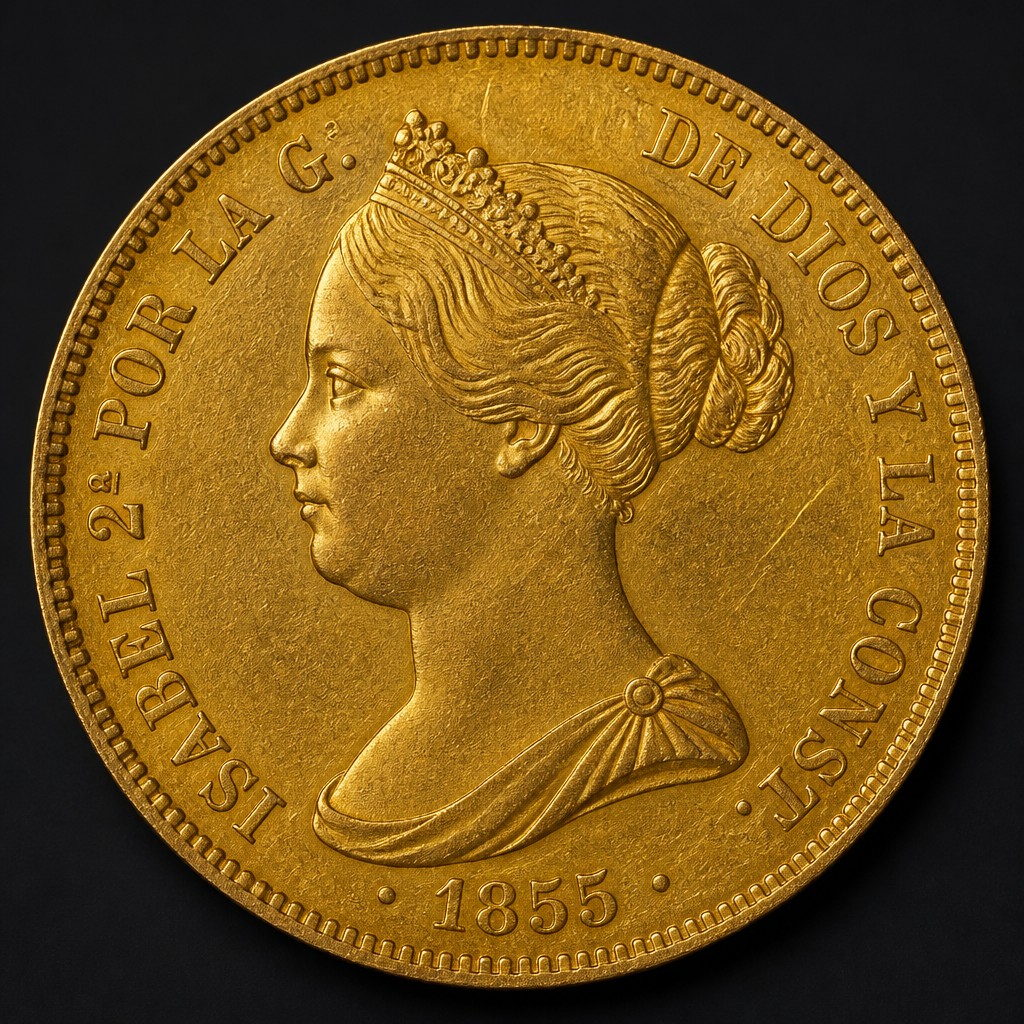
Spanish 100 Reales Gold (Isabel II)
1850s–1868
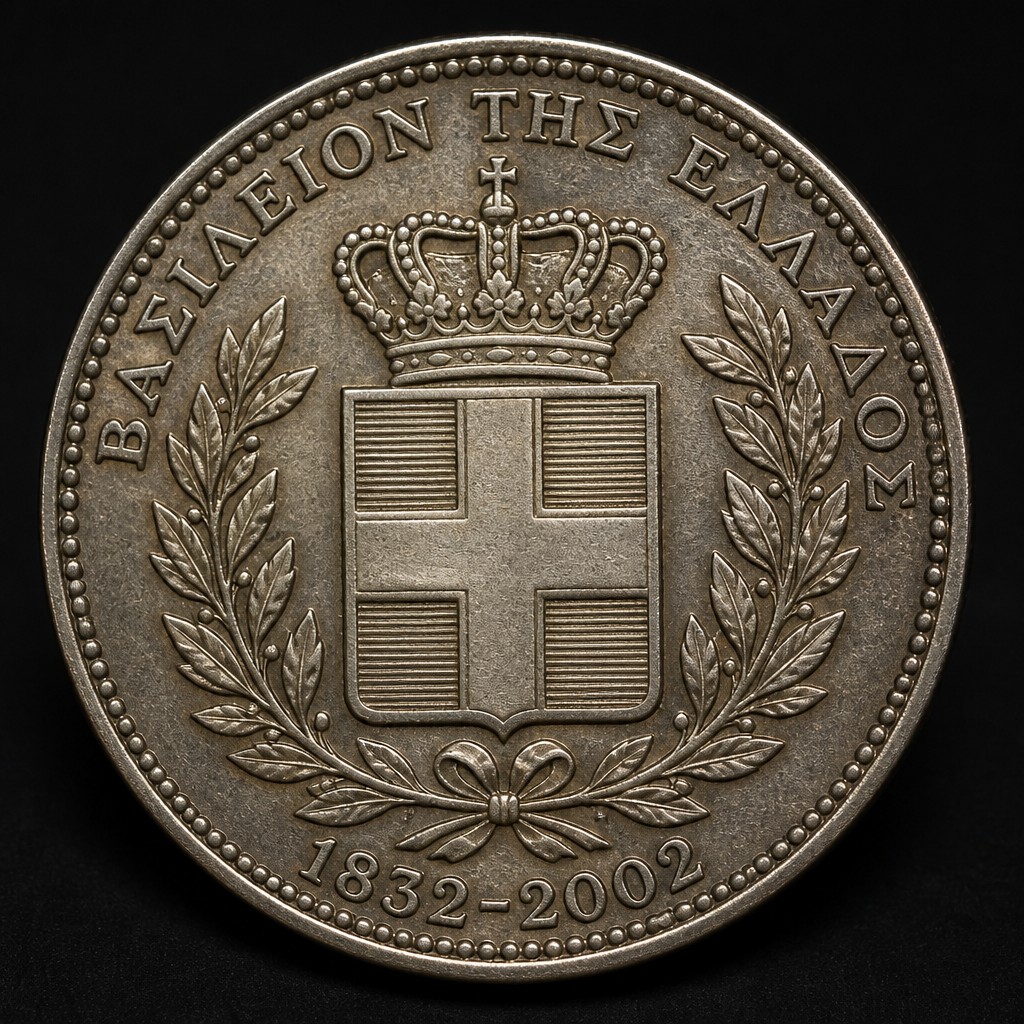
Greek Drachma
1832–2002
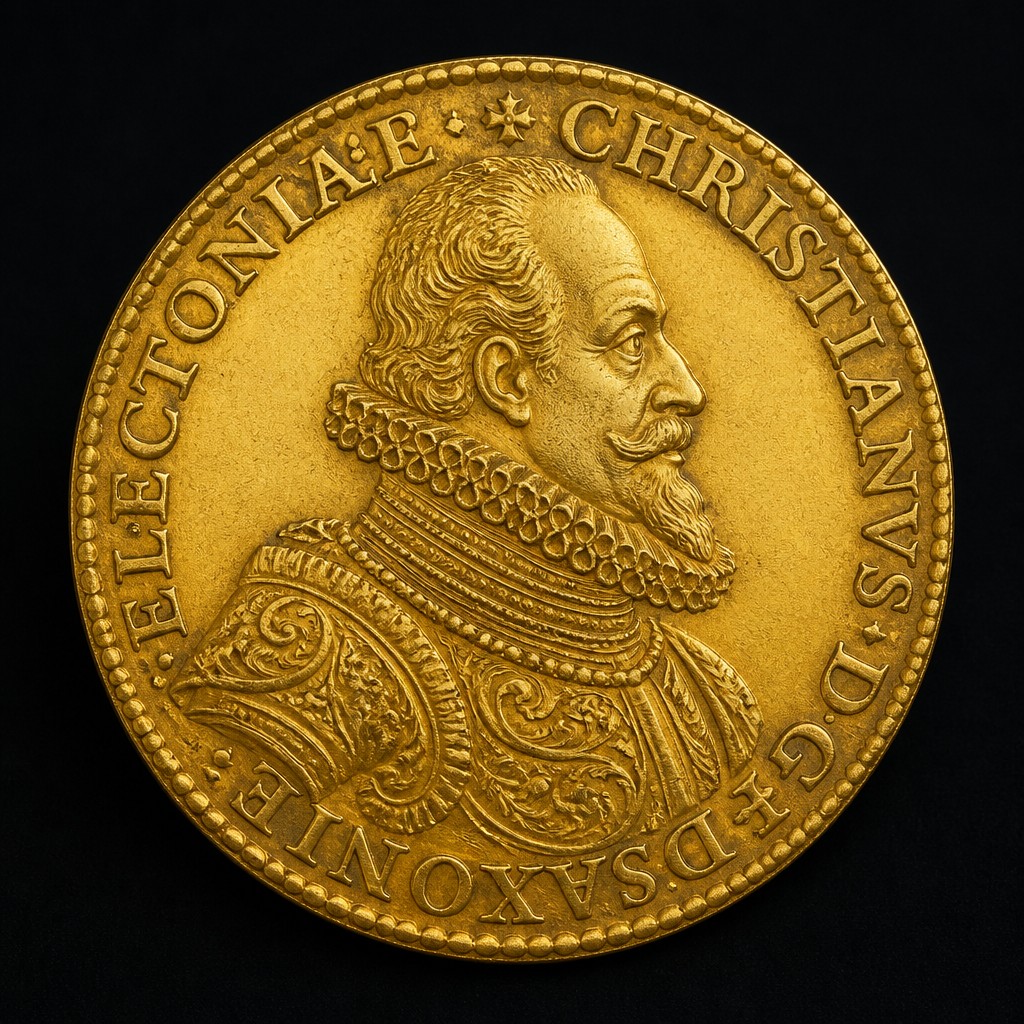
German Saxony Ducat
16th century–19th century
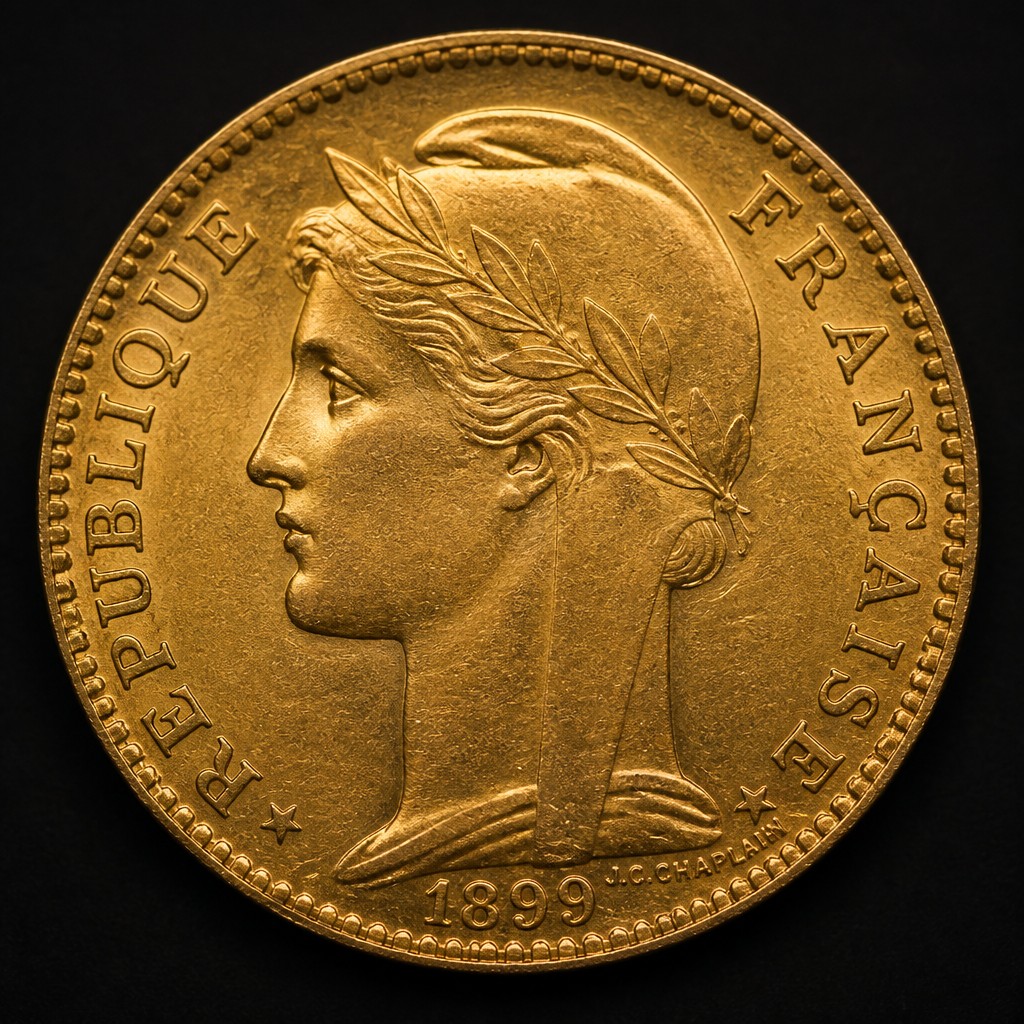
French 10 Francs Gold (Napoleon Rooster)
1899–1914
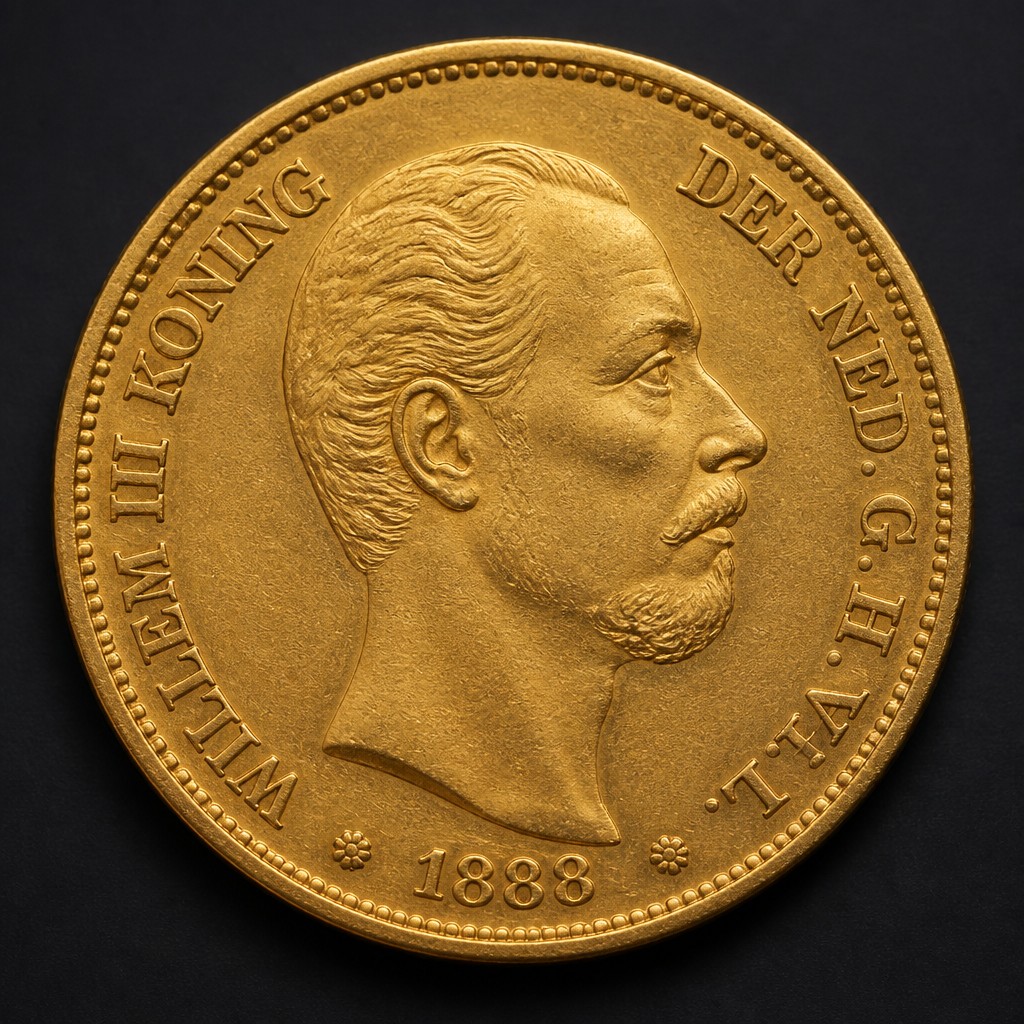
Netherlands 5 Gulden Gold
1826–1912 (intermittent)