
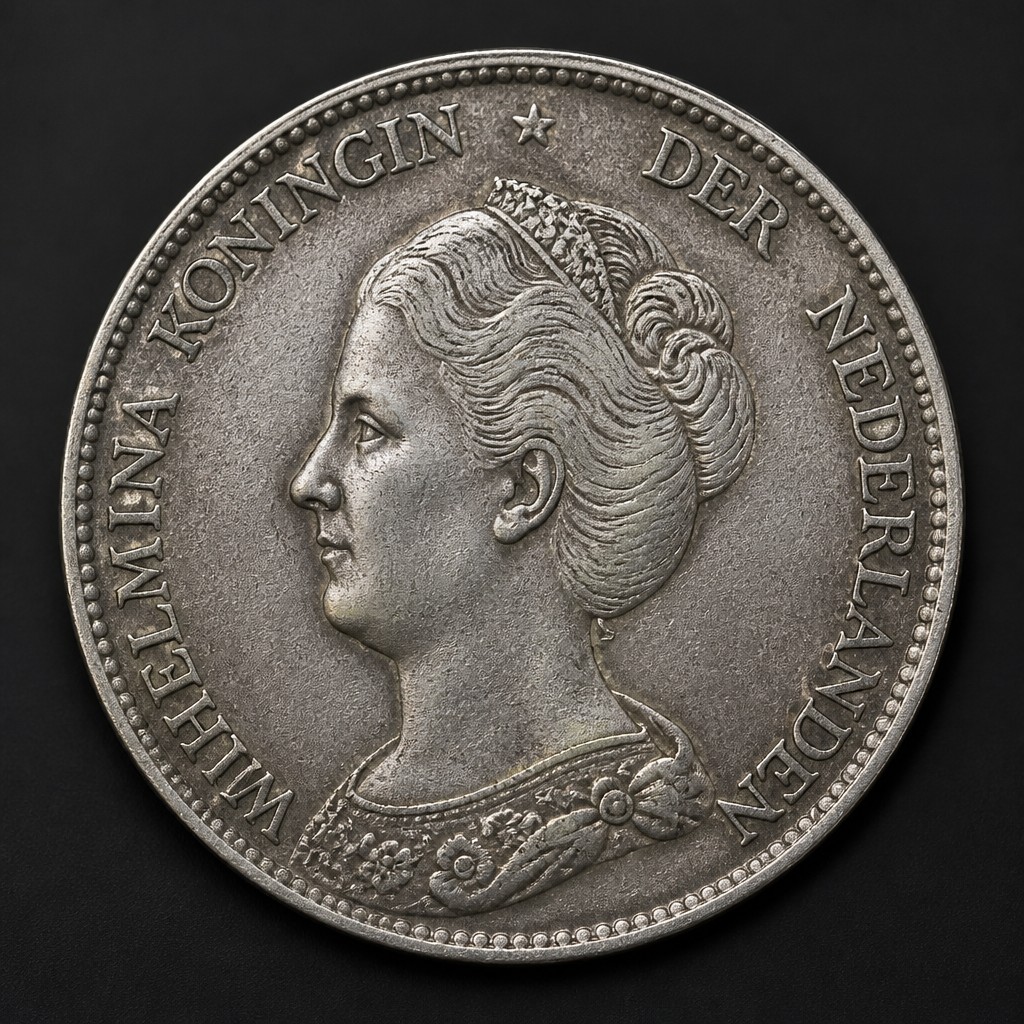
Dutch Guilder (Gulden)
The guilder was the standard currency of the Netherlands for more than three centuries, struck in silver and later copper-nickel before being replaced by the euro in 2002.
- Country
- Netherlands
- Denomination
- One Gulden (Guilder)
- Metal
- Silver (early issues), Copper-Nickel (post-1967)
Got a coin like this?
Identify any coin from a photo, free.
Overview
The guilder, known locally as the gulden, was the backbone of Dutch coinage from the era of the Dutch Republic through the 20th century. Collectors encounter guilders ranging from crude hammered silver pieces of the 1600s to crisp, modern copper-nickel coins bearing the portraits of Wilhelmina, Juliana, and Beatrix.
Because the guilder circulated for so long across such varied eras, it offers an entry point into Dutch monetary history at almost any price level, from inexpensive 20th-century circulation pieces to scarce early modern issues.
The coin's long run and steady, evolving portraiture make it a popular "type set" target for collectors who want one example from each reigning monarch or design era.
History & Background
Guilders trace back to the medieval Dutch and Burgundian gold florin tradition, but the silver gulden became the everyday unit of the United Provinces during the Dutch Golden Age, when Amsterdam was a leading center of world trade and minting. Provincial mints across the Netherlands struck their own guilder-denominated coins before national standardization.
After the Kingdom of the Netherlands was formed in the early 19th century, the guilder was placed on a more uniform national footing, with the Royal Dutch Mint in Utrecht producing coinage bearing the monarch's portrait. Silver content and coin size were adjusted periodically through the 19th and 20th centuries in response to bullion prices and economic conditions.
In 1967 the guilder was debased to copper-nickel for everyday circulation, ending regular silver coinage for general use. The guilder remained legal tender until the introduction of the euro, with Dutch coins fully withdrawn in the early 2000s.
How to Identify
Obverse designs typically feature the profile portrait of the reigning Dutch monarch (William III, Wilhelmina, Juliana, or Beatrix, depending on era) with a Latin or Dutch legend naming the ruler. Reverse designs commonly show the crowned Dutch coat of arms (lion holding sword and arrow bundle) with the denomination and date.
Silver guilders from the 19th and early 20th centuries are noticeably heavier and have a duller gray-white tone compared to the shinier, lighter copper-nickel coins struck from 1967 onward. Edge treatment varies by era, with many silver issues showing a reeded or lettered edge.
Collectors distinguish guilders from similar Dutch denominations, such as the 2½ gulden or the rijksdaalder, primarily by size and the numeral on the reverse. Mint marks and privy marks (small symbols near the date) can help pin down the exact year and mint official, useful for more advanced attribution.
Value & Collectibility
Common 20th-century copper-nickel guilders are inexpensive and readily available in circulated grades, making them accessible entry points for new collectors of Dutch coinage. Earlier silver guilders, particularly well-preserved 19th-century pieces, carry modest premiums tied to silver content and condition.
Key dates and low-mintage years within specific monarch series can command higher prices, especially in uncirculated or proof condition. As with most world coins, grade is the dominant factor: a well-struck, lustrous example will be worth considerably more than a worn, cleaned, or corroded specimen.
Most circulated guilders trade in the range of a few dollars, while choice uncirculated silver types or scarcer 19th-century dates can reach considerably more; specialized pre-1900 guilders in top grade are the segment most likely to bring meaningful premiums.
Frequently asked questions
What is a Dutch guilder worth today?
Most common 20th-century guilders are worth only a small amount above face or silver value, while scarcer 19th-century dates in nice condition can be worth considerably more.
When did the guilder stop being used?
The guilder was replaced by the euro, with Dutch guilder coins losing legal tender status in the early 2000s after a transition period.
Is the Dutch guilder silver?
Guilders were silver through the mid-1960s; coins dated 1967 and later are copper-nickel.
Whose portrait appears on guilder coins?
Depending on the date, guilders show the Dutch monarch of the era, such as William III, Wilhelmina, Juliana, or Beatrix.
Other coins you may enjoy
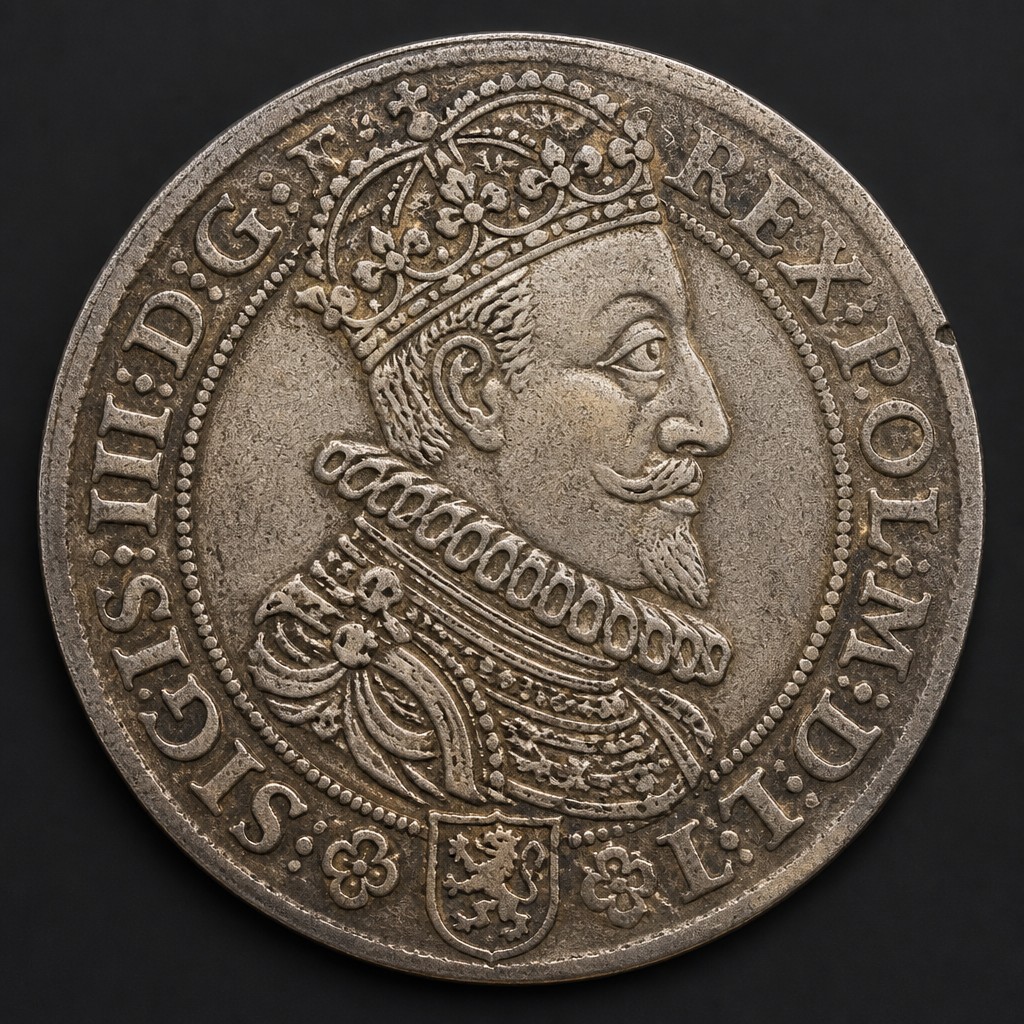
Polish-Lithuanian Thaler
circa 16th–18th century
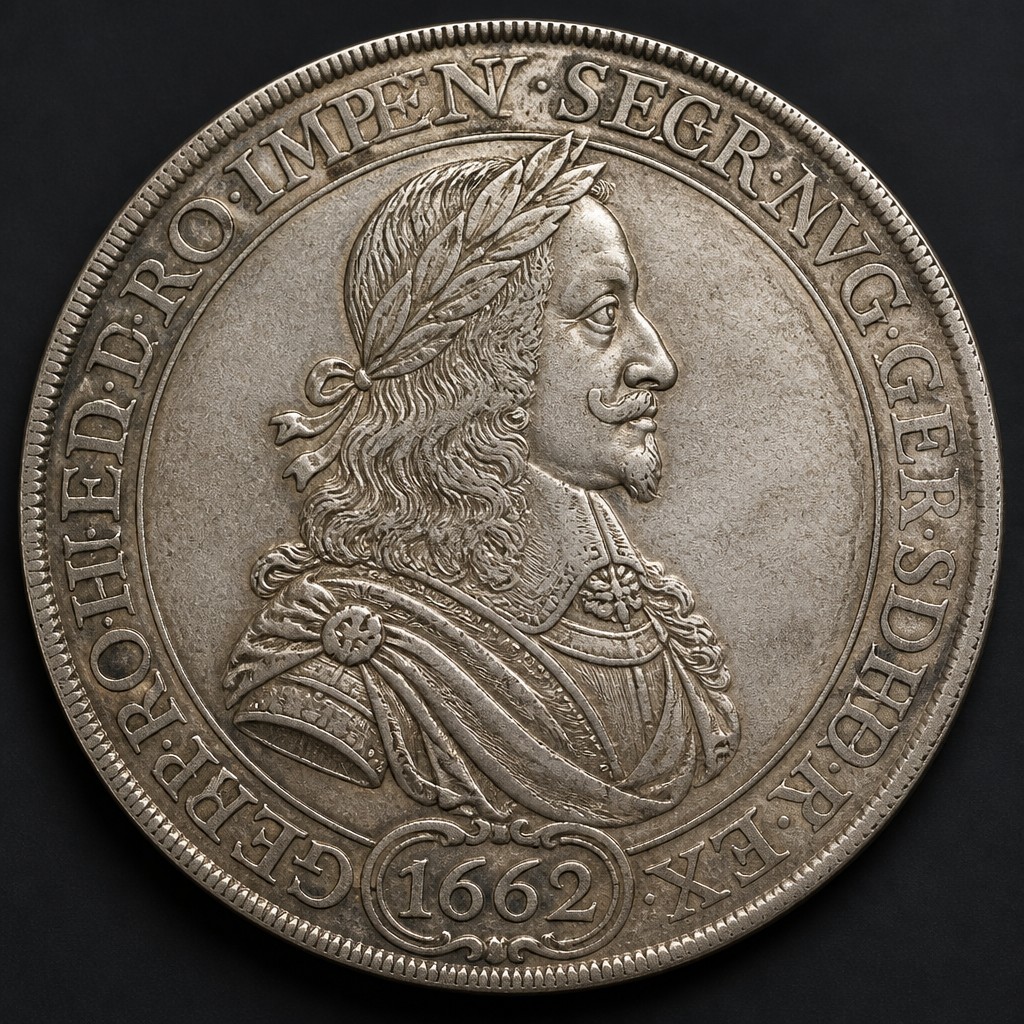
Reichsthaler
circa 1566–early 19th century
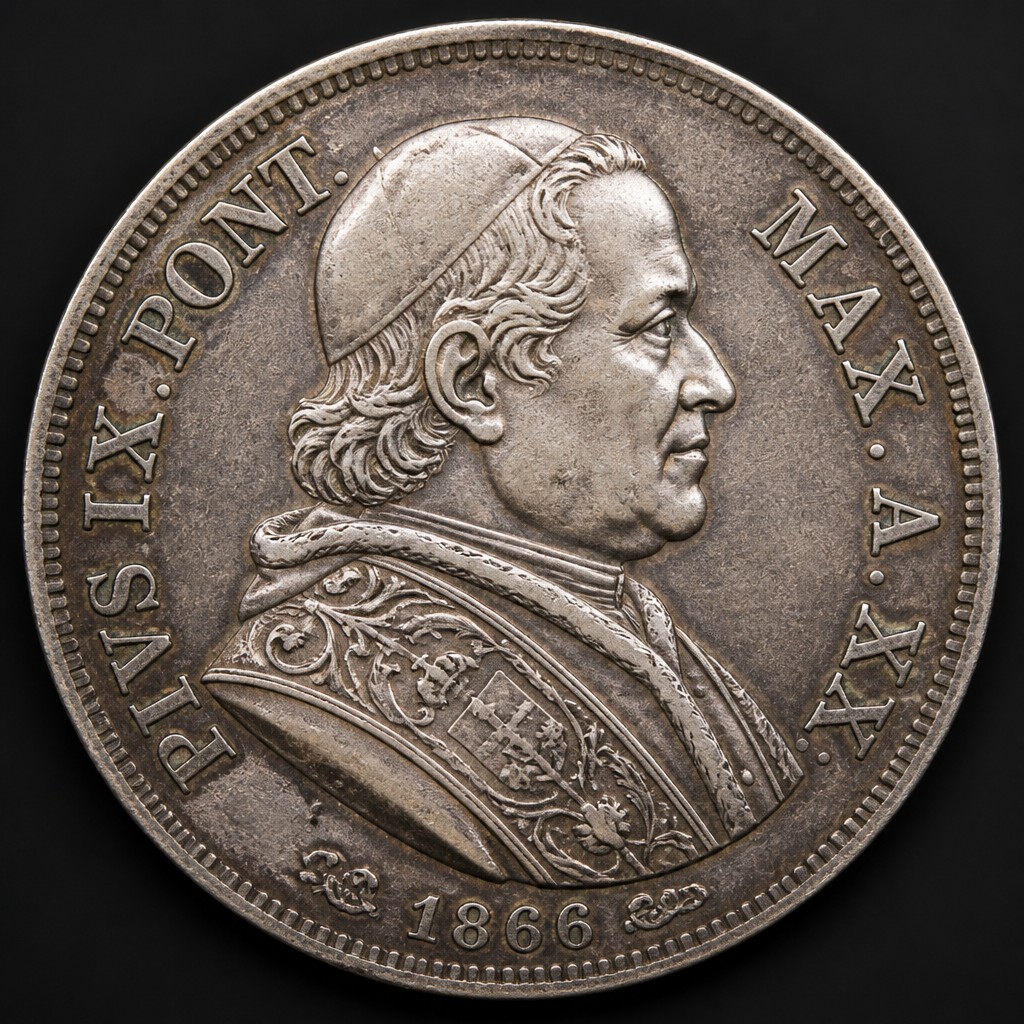
Papal States Scudo
16th century–1866
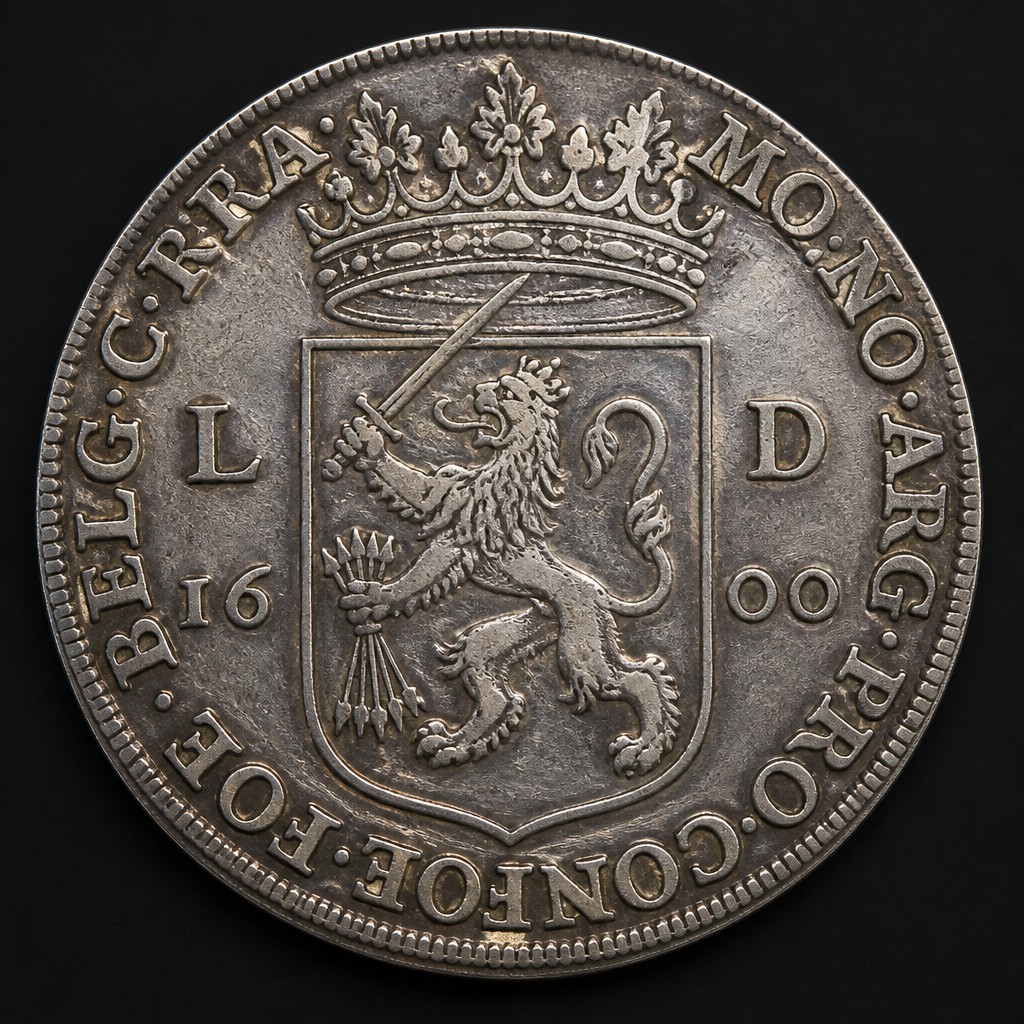
Netherlands Lion Daalder (Leeuwendaalder)
1575–1713
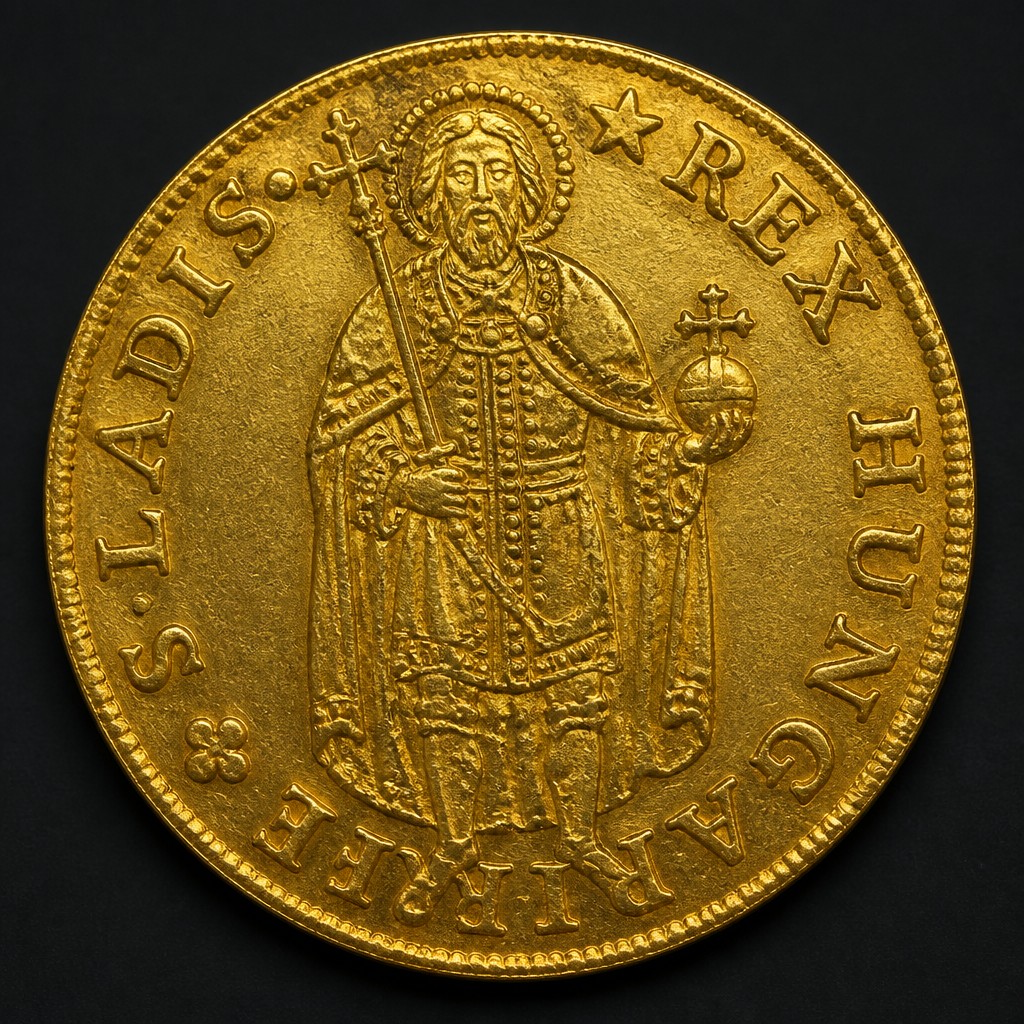
Hungarian Ducat
c. 1325–1918
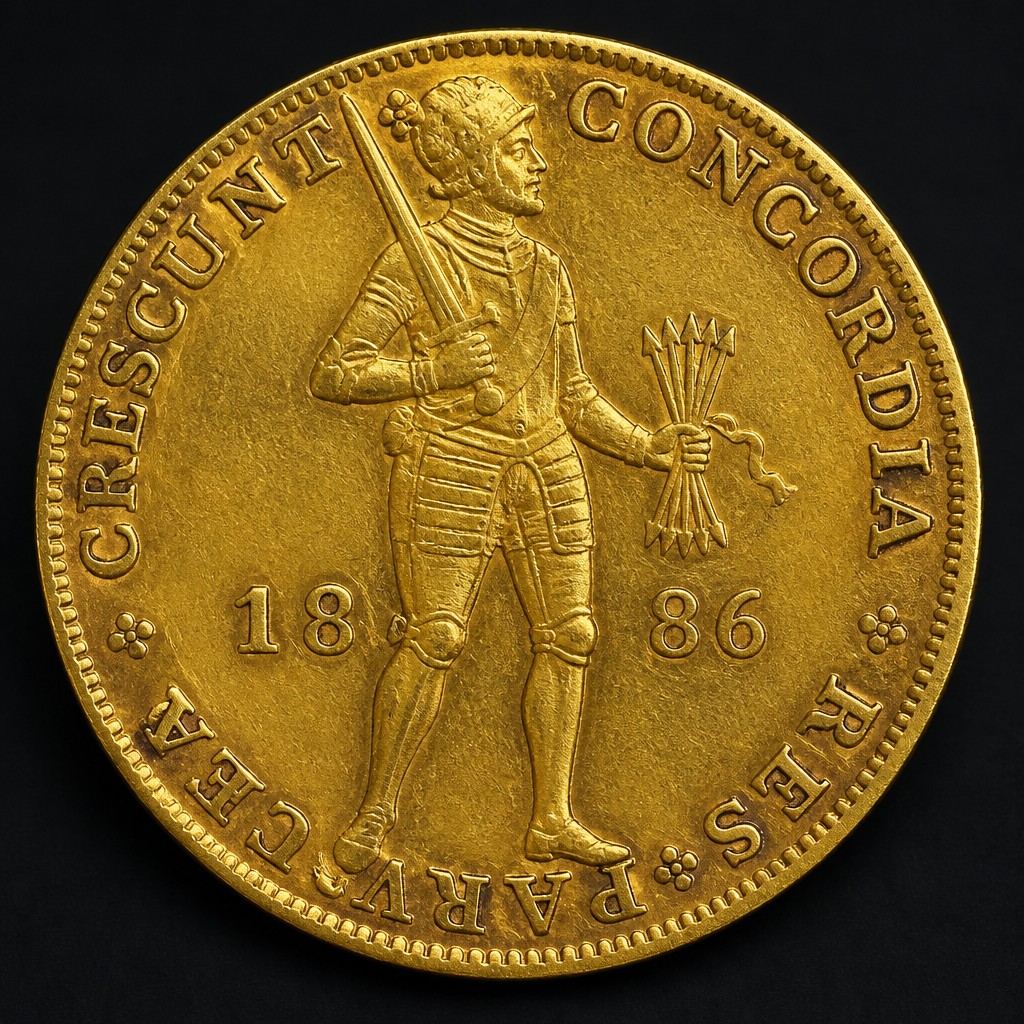
Dutch Ducat
c. 1586–present (classic type standardized after 1817)
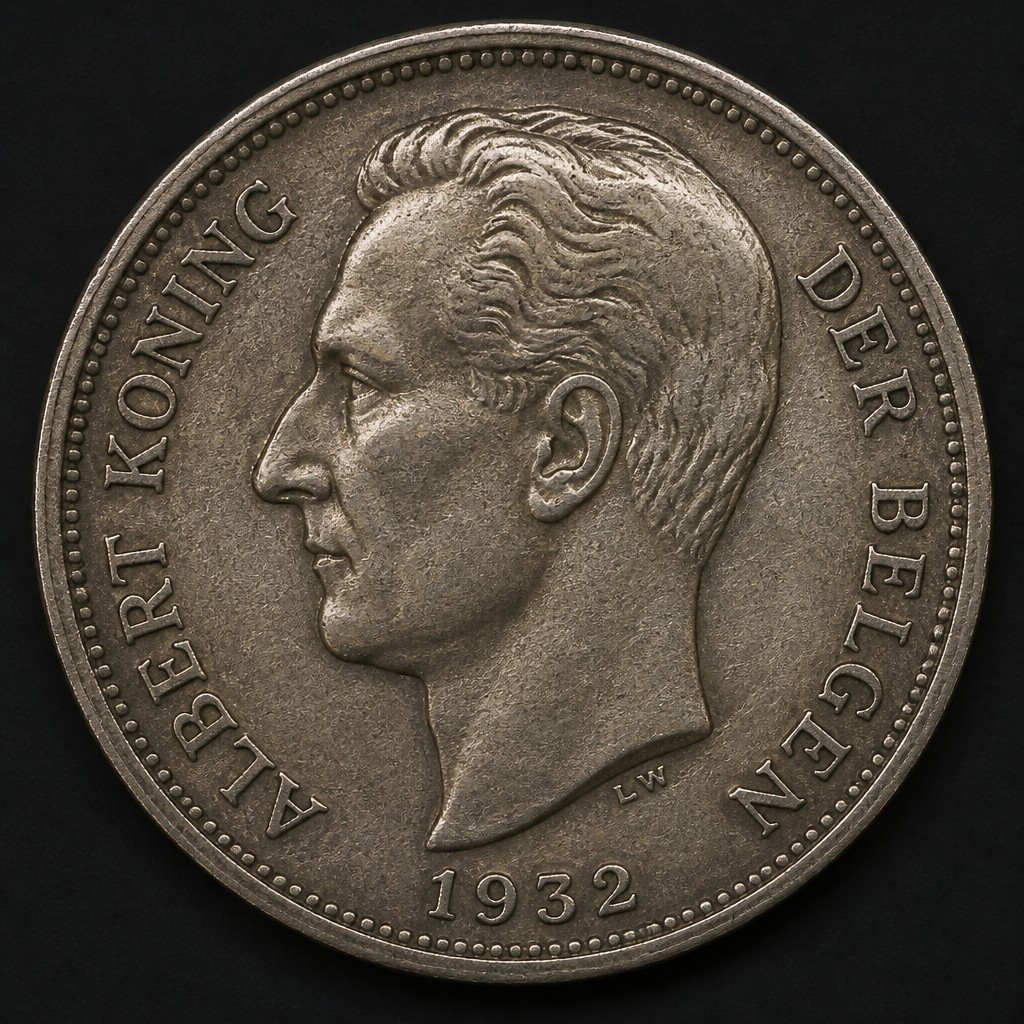
Belgian Franc
1832–2002
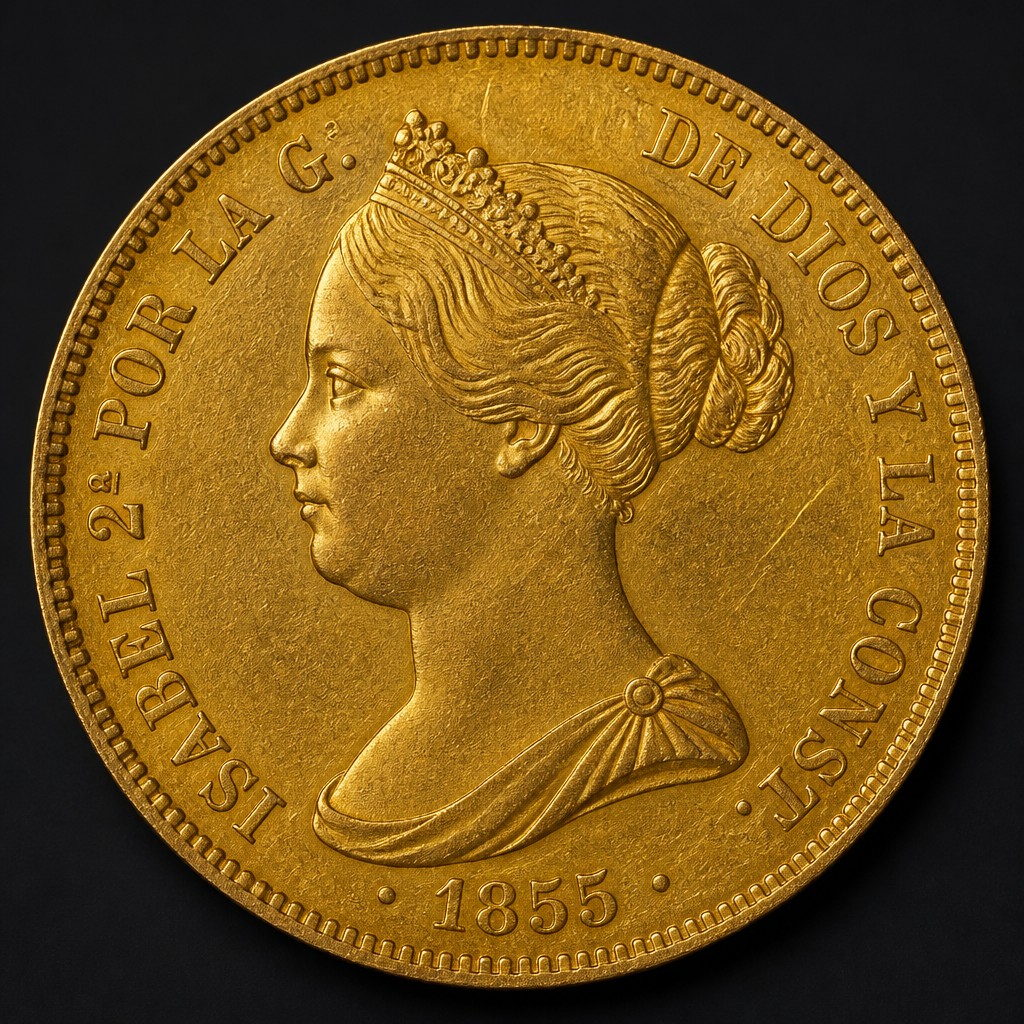
Spanish 100 Reales Gold (Isabel II)
1850s–1868
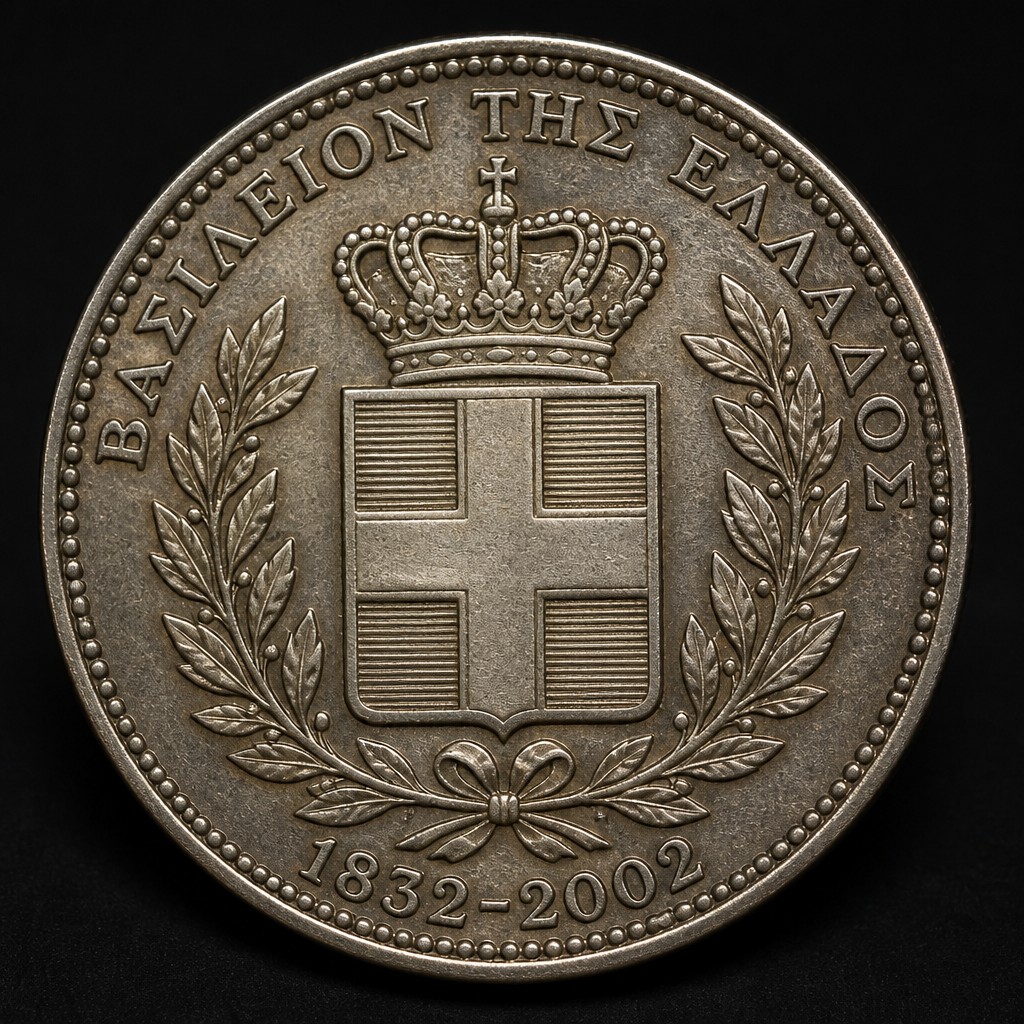
Greek Drachma
1832–2002
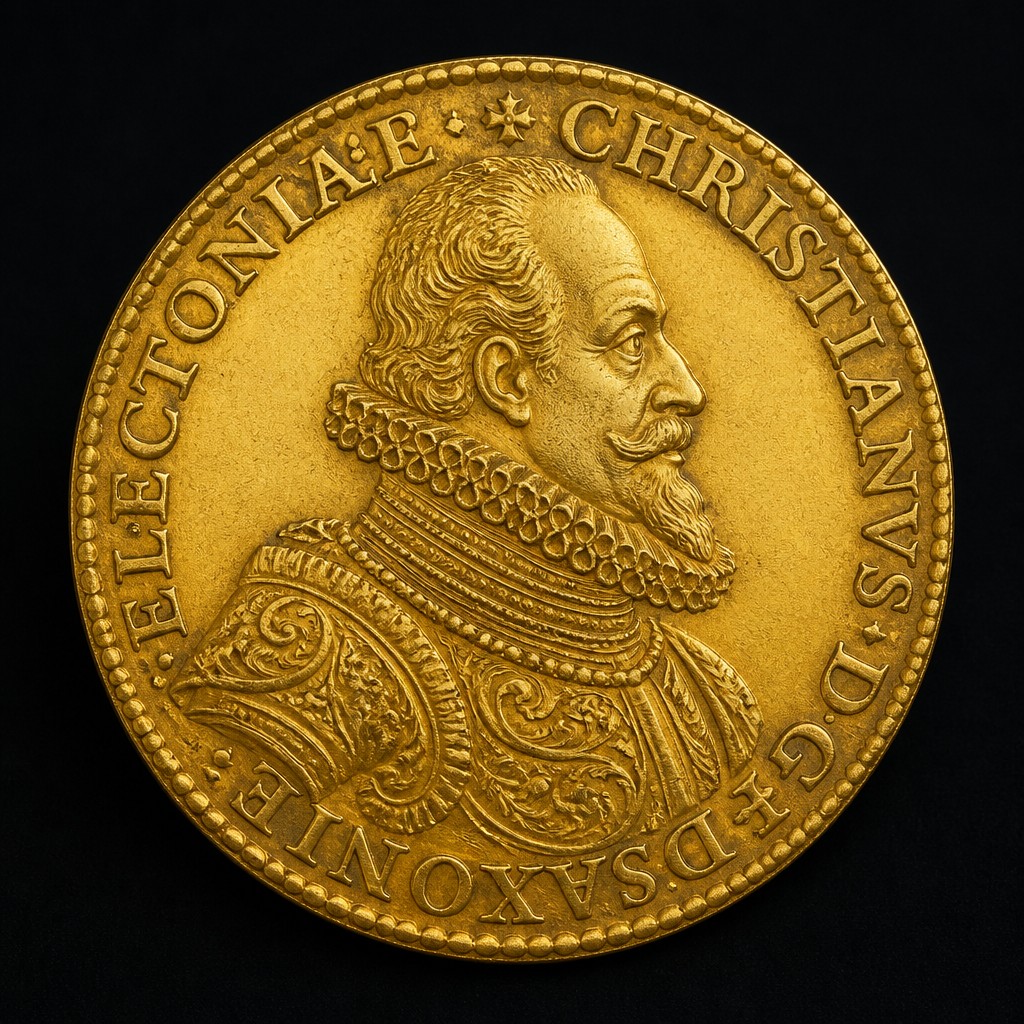
German Saxony Ducat
16th century–19th century
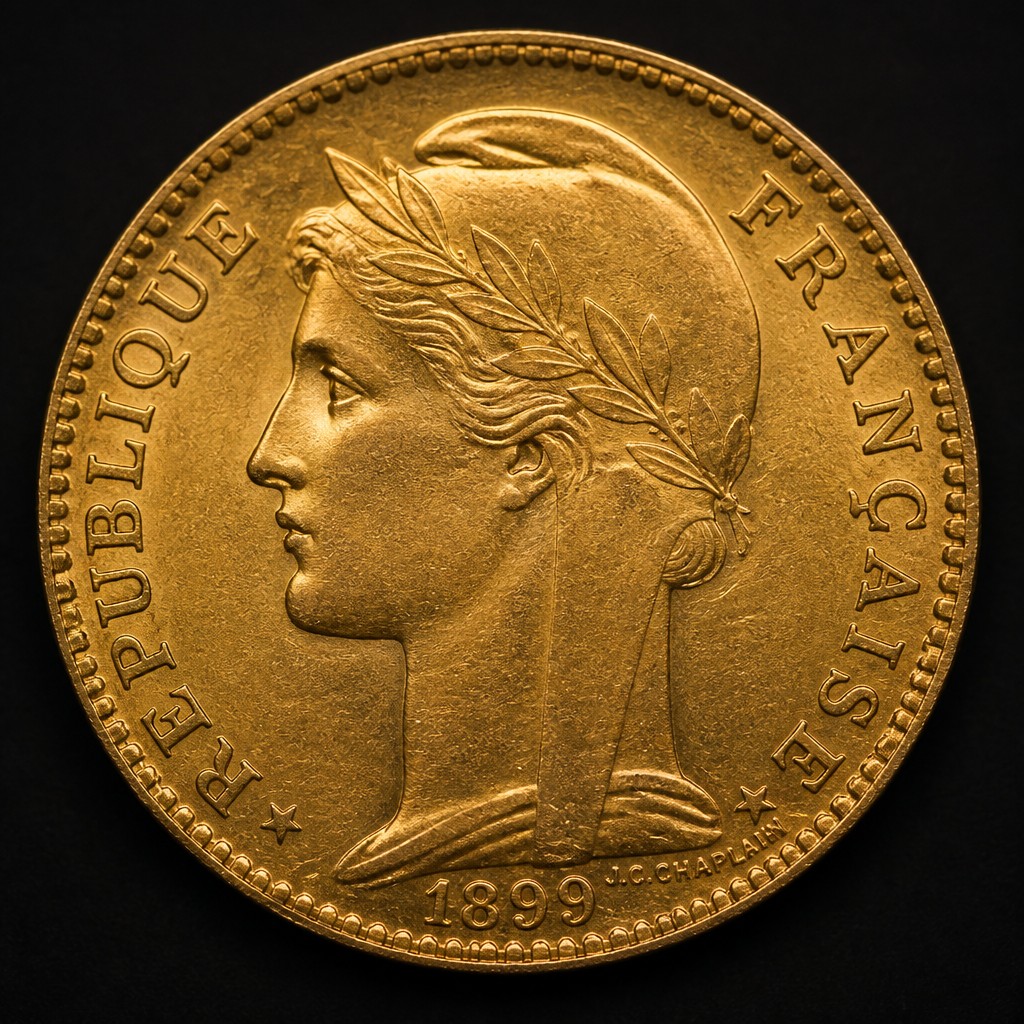
French 10 Francs Gold (Napoleon Rooster)
1899–1914
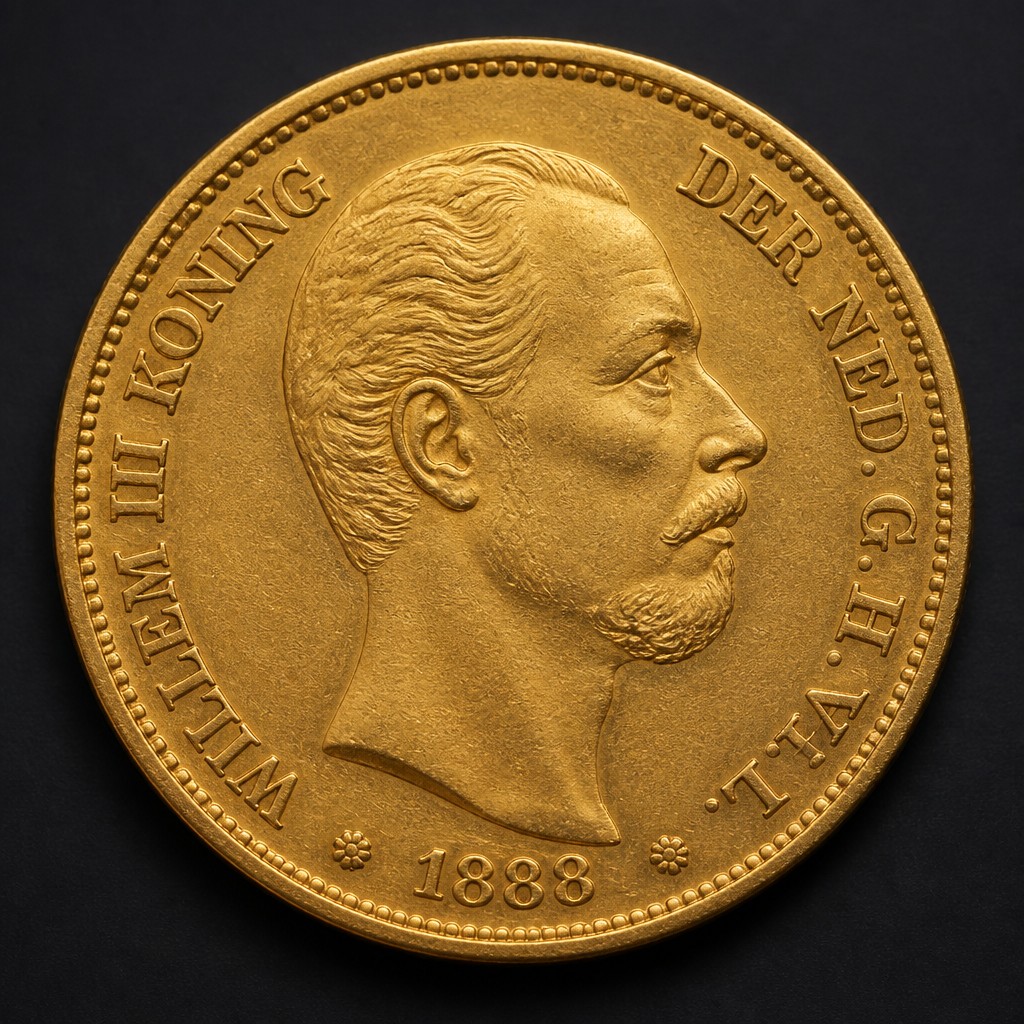
Netherlands 5 Gulden Gold
1826–1912 (intermittent)