
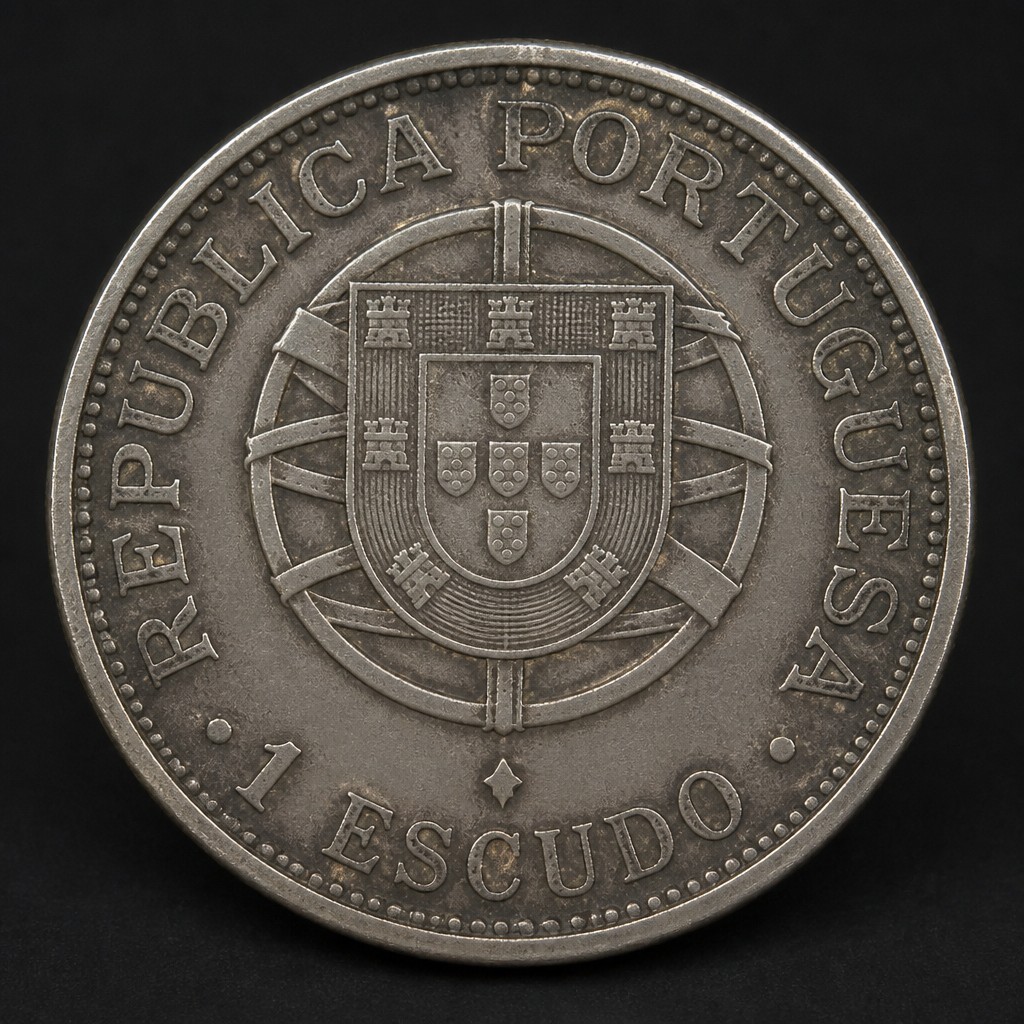
Portuguese Escudo
Portugal's national currency unit from the 1911 decimal reform, following the fall of the monarchy, until the Euro replaced it in the early 2000s.
- Country
- Portugal
- Denomination
- Escudo
- Metal
- Silver, Copper-Nickel, and Bronze (varies by era)
Got a coin like this?
Identify any coin from a photo, free.
Overview
The escudo became Portugal's official currency in 1911 after the establishment of the First Republic, replacing the older real-based system with a modern decimal currency divided into 100 centavos.
Escudo coins were struck across nearly a century of Portuguese history, spanning the First Republic, the Estado Novo dictatorship, the Carnation Revolution, and the modern democratic era, offering collectors a broad, historically rich series to pursue.
The denomination was ultimately phased out when Portugal adopted the Euro, making the escudo series a complete and finite collecting area of 20th-century European coinage.
History & Background
Following the 1910 revolution that overthrew the Portuguese monarchy, the new republican government introduced the escudo in 1911 as part of a broader decimalization and modernization of the currency, replacing the centuries-old real.
Escudo coinage evolved considerably over the 20th century, with silver coins giving way to base metals like copper-nickel and bronze as economic conditions and metal costs changed, particularly during and after the World War II era and under the long Estado Novo regime led by António de Oliveira Salazar.
The escudo remained Portugal's currency through the return to democracy in 1974 and subsequent decades, finally being retired when Portugal adopted the Euro in 1999–2002 alongside other European Union members.
How to Identify
Escudo coin designs vary widely by denomination and era, but common motifs include the Portuguese national coat of arms, allegorical figures, and later, portraits of notable historical Portuguese figures on higher-value coins.
Early 20th-century silver escudo coins are noticeably heavier and denser than the later copper-nickel and bronze issues from the mid-to-late 20th century, which are more common and easily found in circulated grades.
The Lisbon mint (Imprensa Nacional-Casa da Moeda, INCM) struck virtually all escudo coinage, and collectors identify specific types primarily by date, denomination, and design changes tied to political eras (Republic, Estado Novo, post-1974 Republic).
Value & Collectibility
Most escudo coins from the mid-to-late 20th century are common and inexpensive, as they were struck in large quantities for everyday circulation and readily available to collectors today.
Earlier silver escudo issues from the 1910s–1920s, along with any low-mintage or transitional-year coins, tend to be scarcer and more valuable, particularly in higher uncirculated grades.
Common circulated escudo coins are generally worth only a few dollars or less, while scarcer early silver issues or exceptional condition examples can be worth considerably more.
Frequently asked questions
What did the escudo replace?
It replaced the Portuguese real following the 1910 revolution and 1911 decimal currency reform.
What replaced the escudo?
The Euro replaced the escudo when Portugal joined the Eurozone, with escudo coins losing legal tender status in the early 2000s.
Are escudo coins made of silver?
Only earlier issues; most 20th-century escudo coins were struck in copper-nickel or bronze.
How many centavos are in an escudo?
One escudo was divided into 100 centavos under Portugal's decimal system.
Other coins you may enjoy
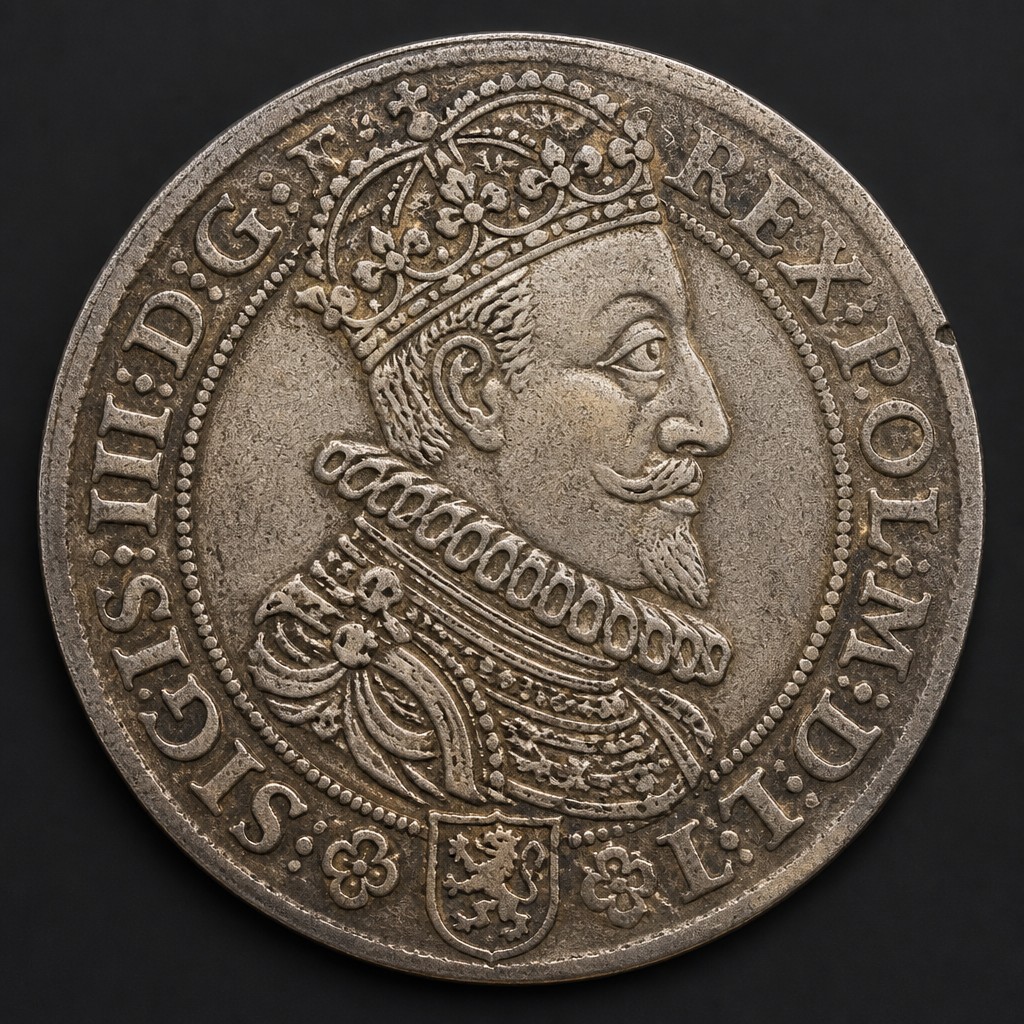
Polish-Lithuanian Thaler
circa 16th–18th century
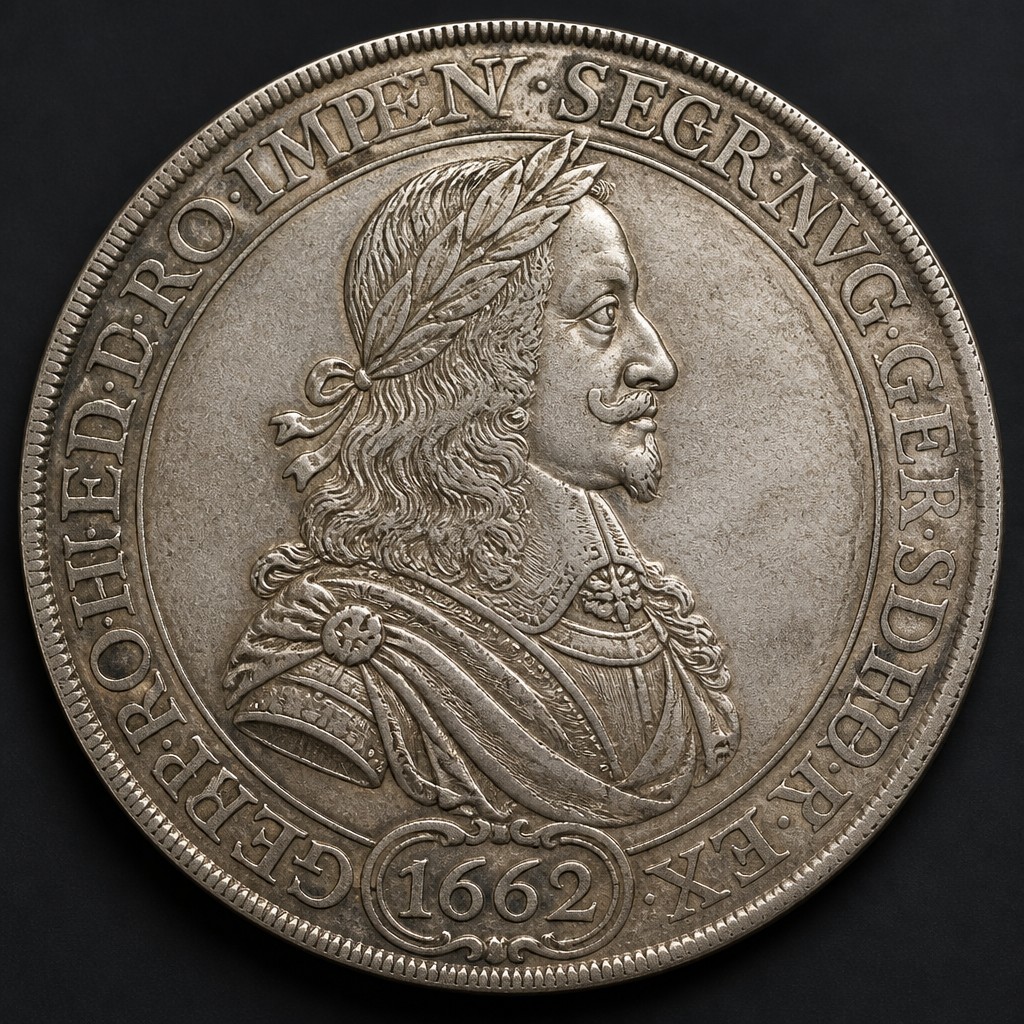
Reichsthaler
circa 1566–early 19th century
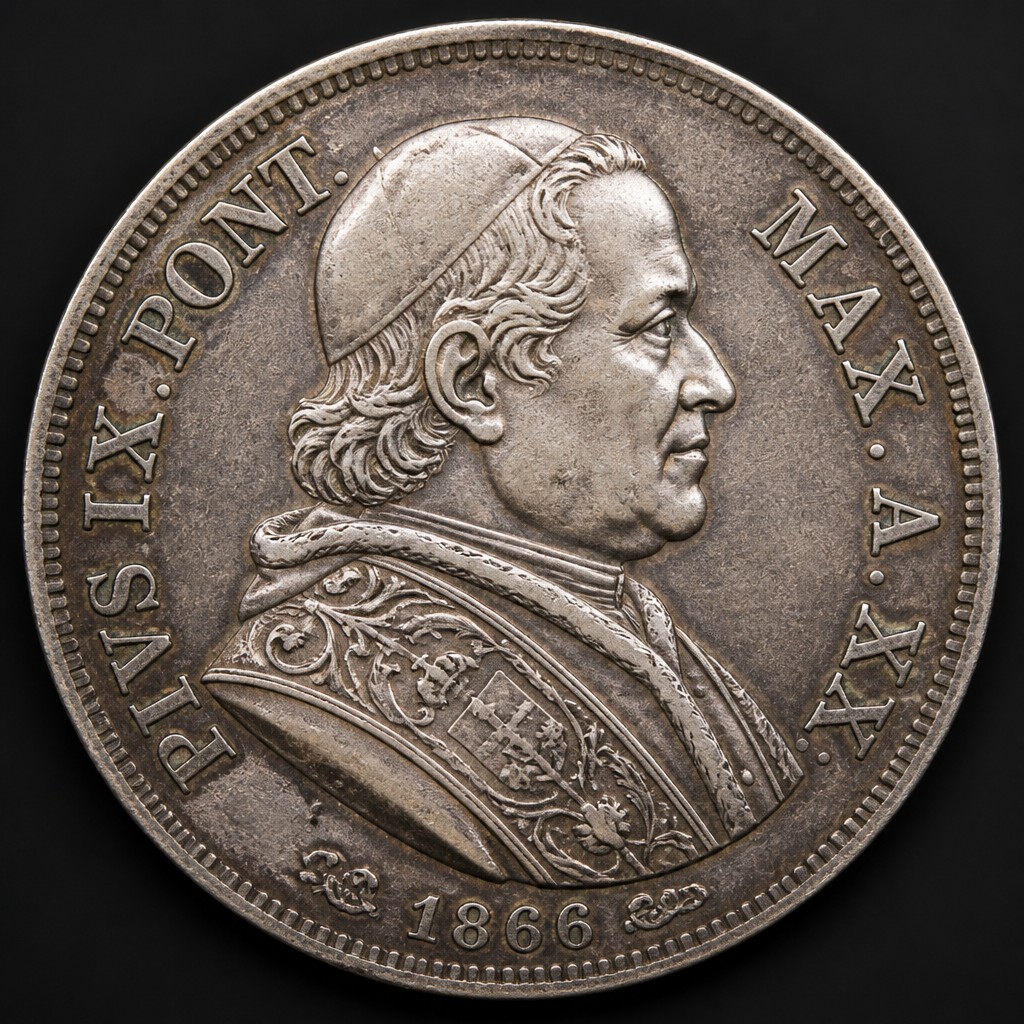
Papal States Scudo
16th century–1866
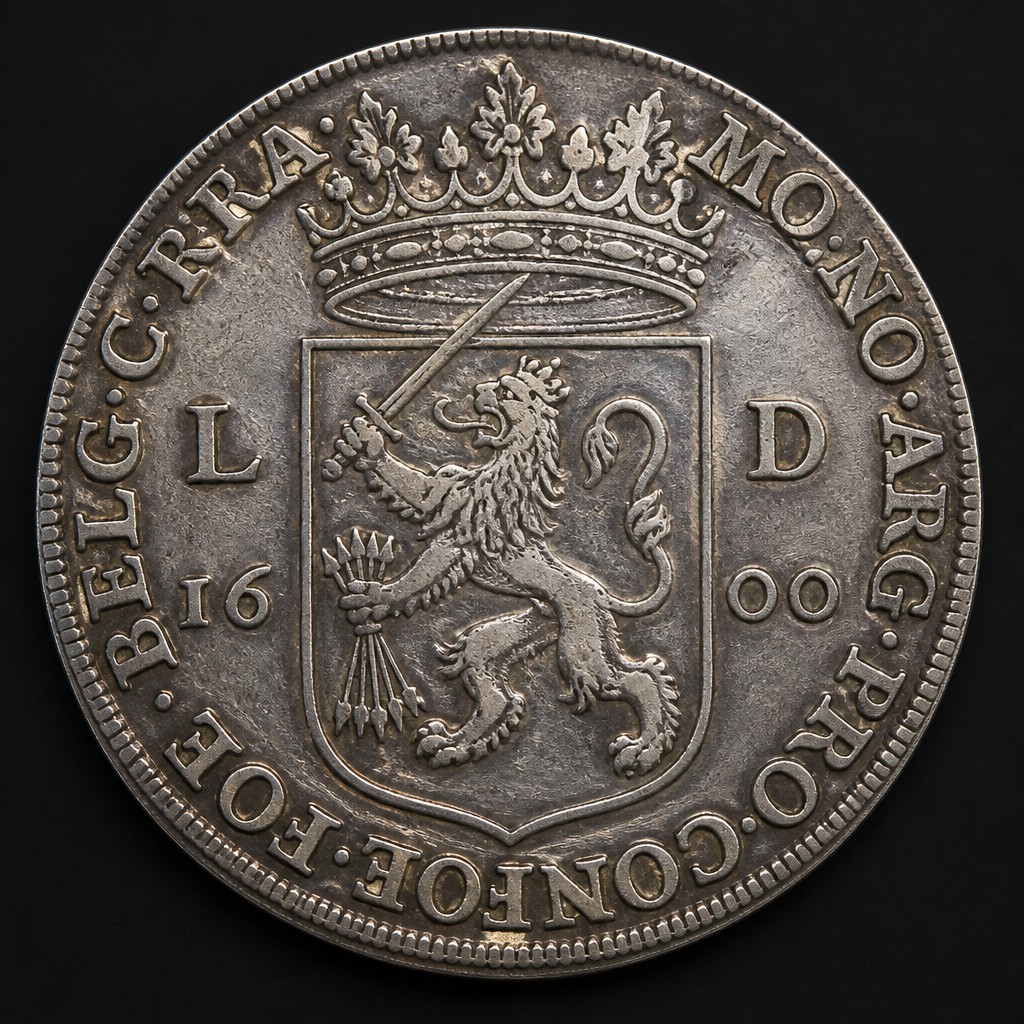
Netherlands Lion Daalder (Leeuwendaalder)
1575–1713
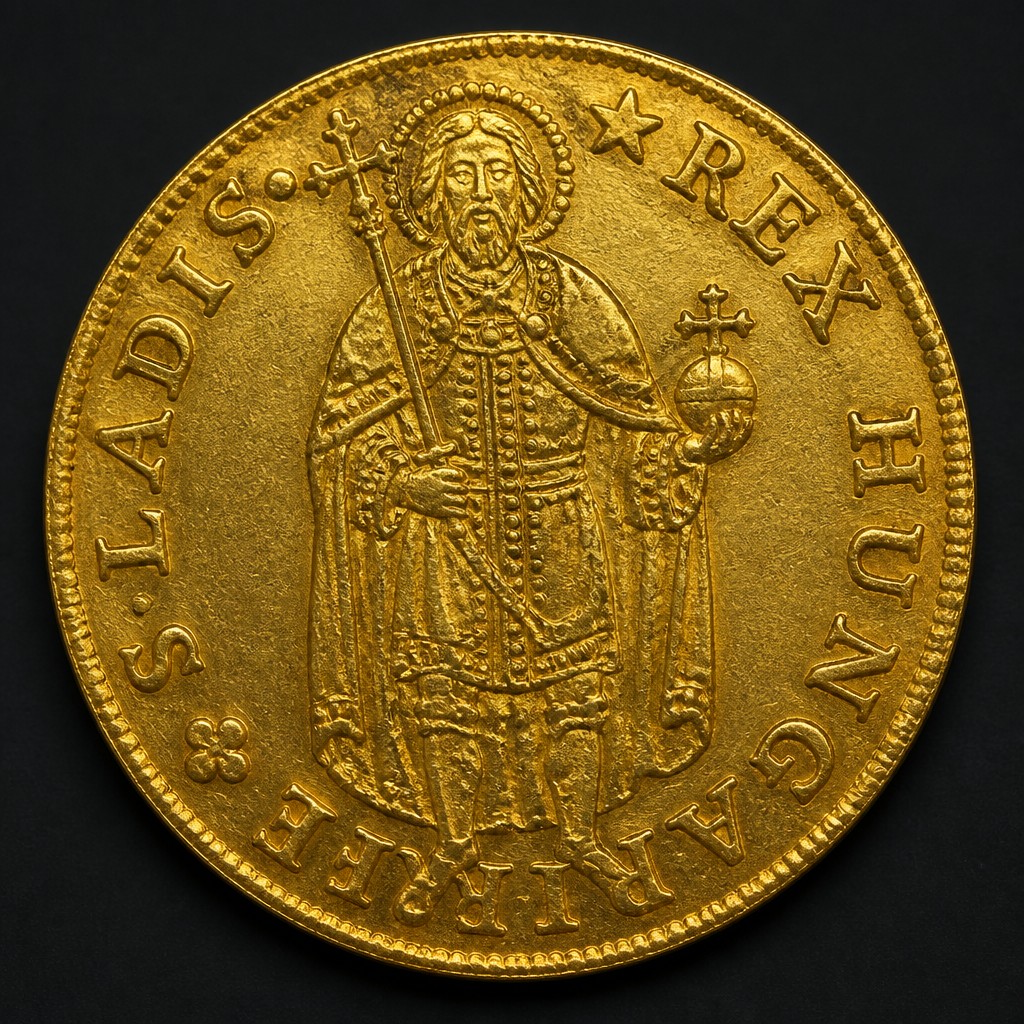
Hungarian Ducat
c. 1325–1918
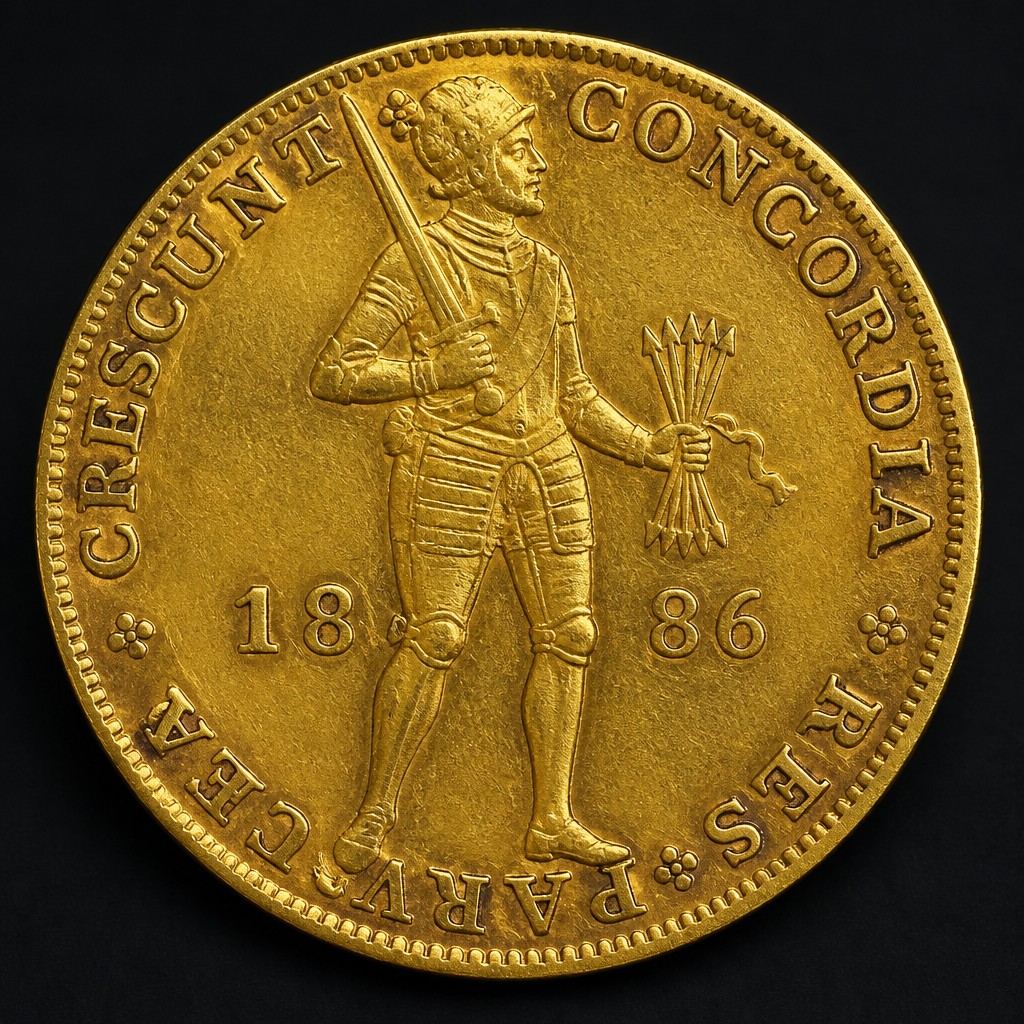
Dutch Ducat
c. 1586–present (classic type standardized after 1817)
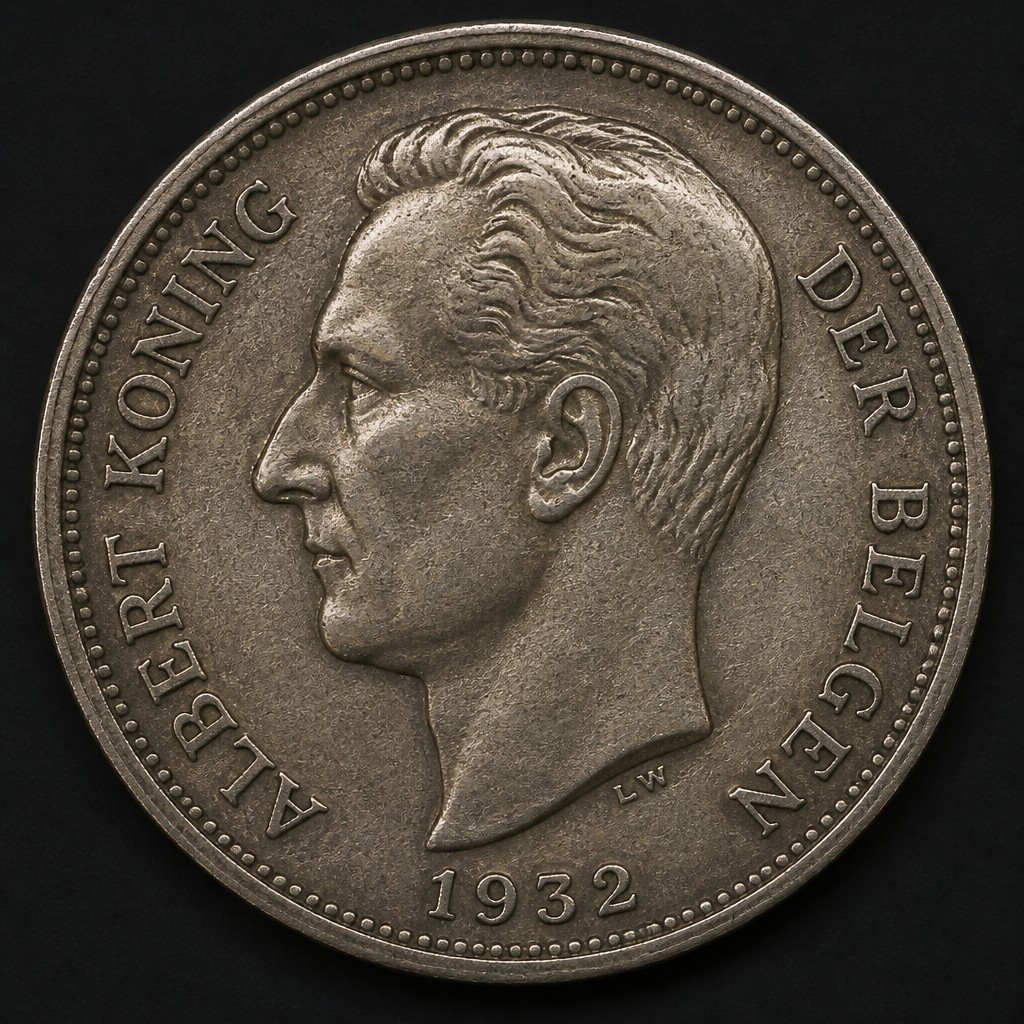
Belgian Franc
1832–2002
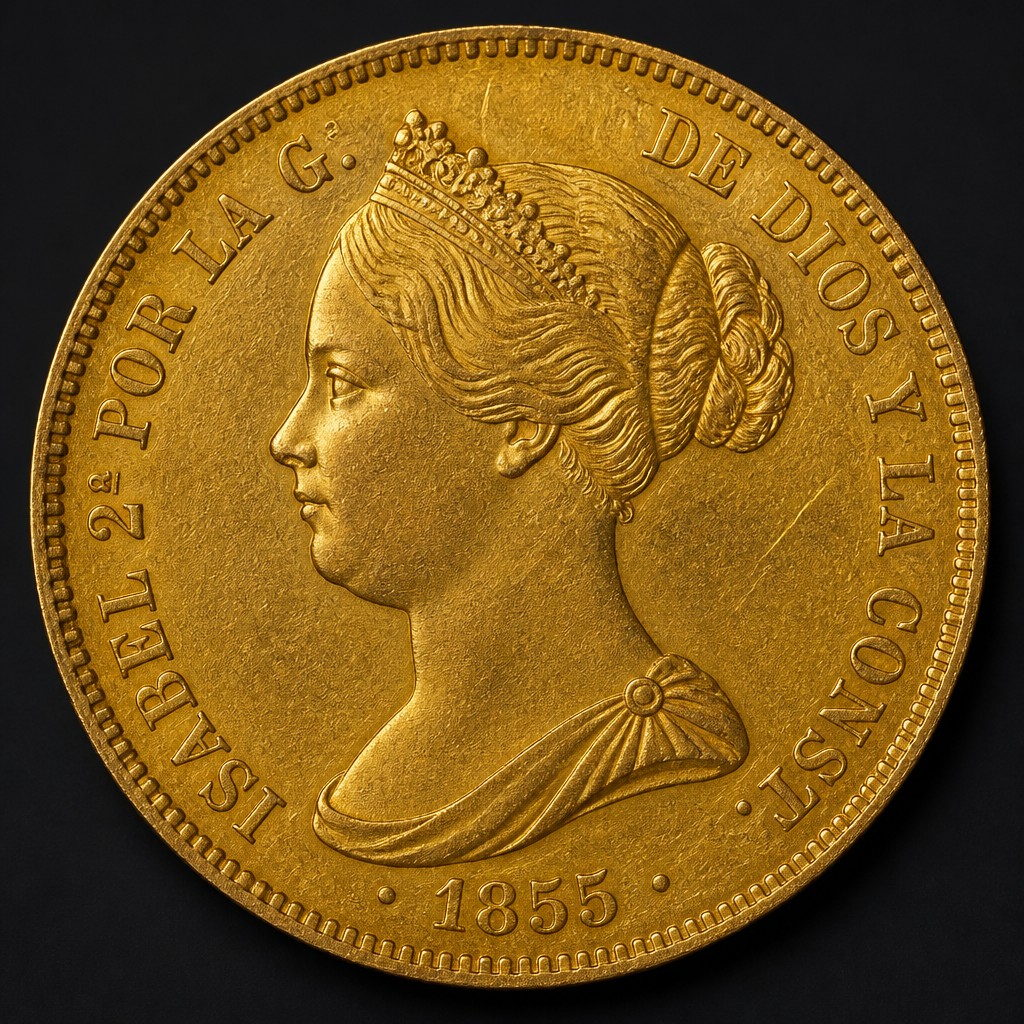
Spanish 100 Reales Gold (Isabel II)
1850s–1868
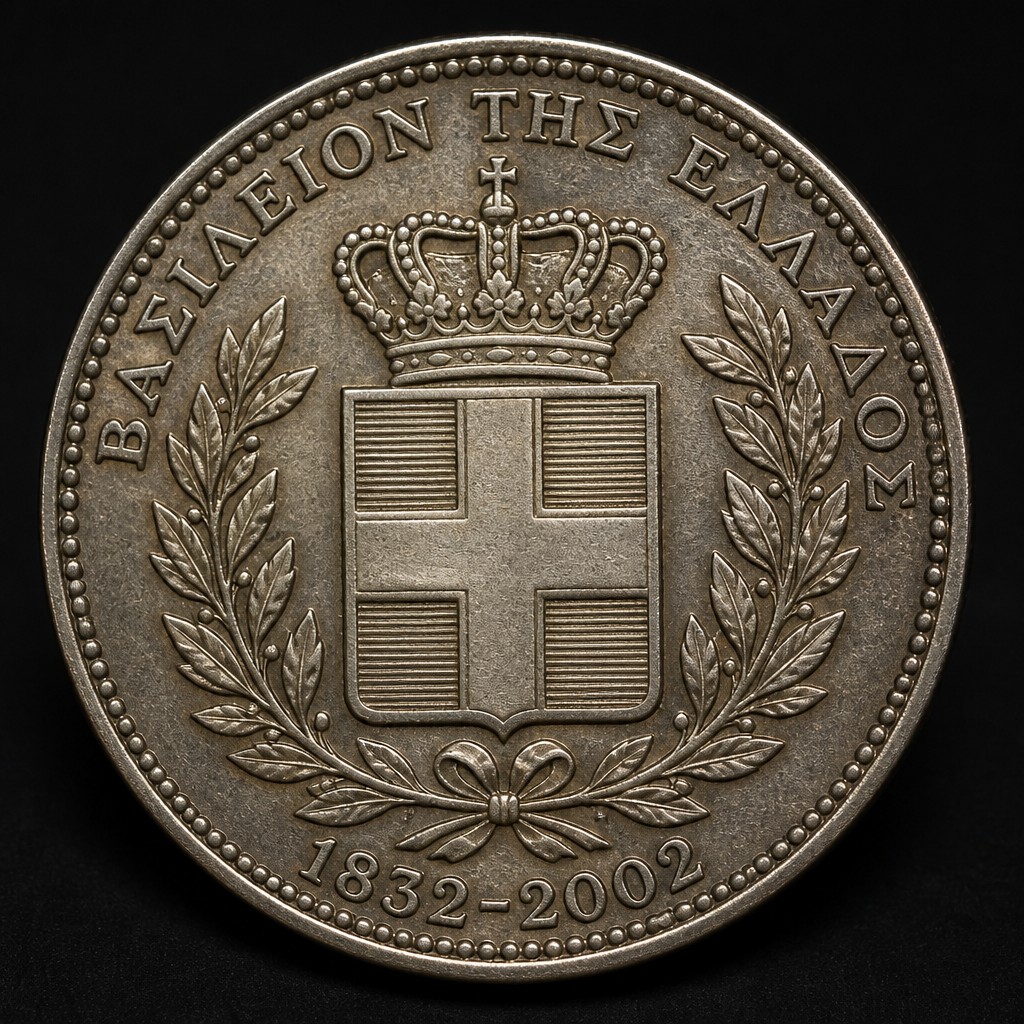
Greek Drachma
1832–2002
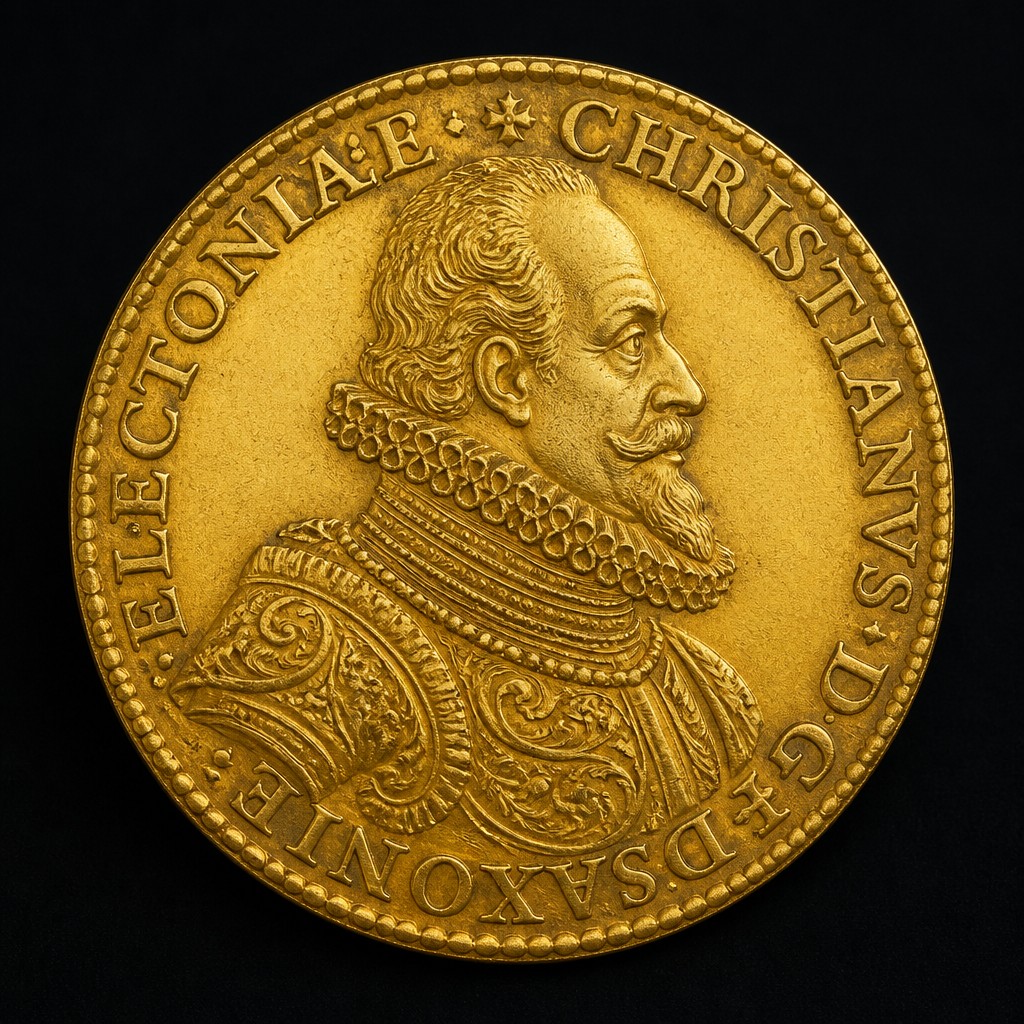
German Saxony Ducat
16th century–19th century
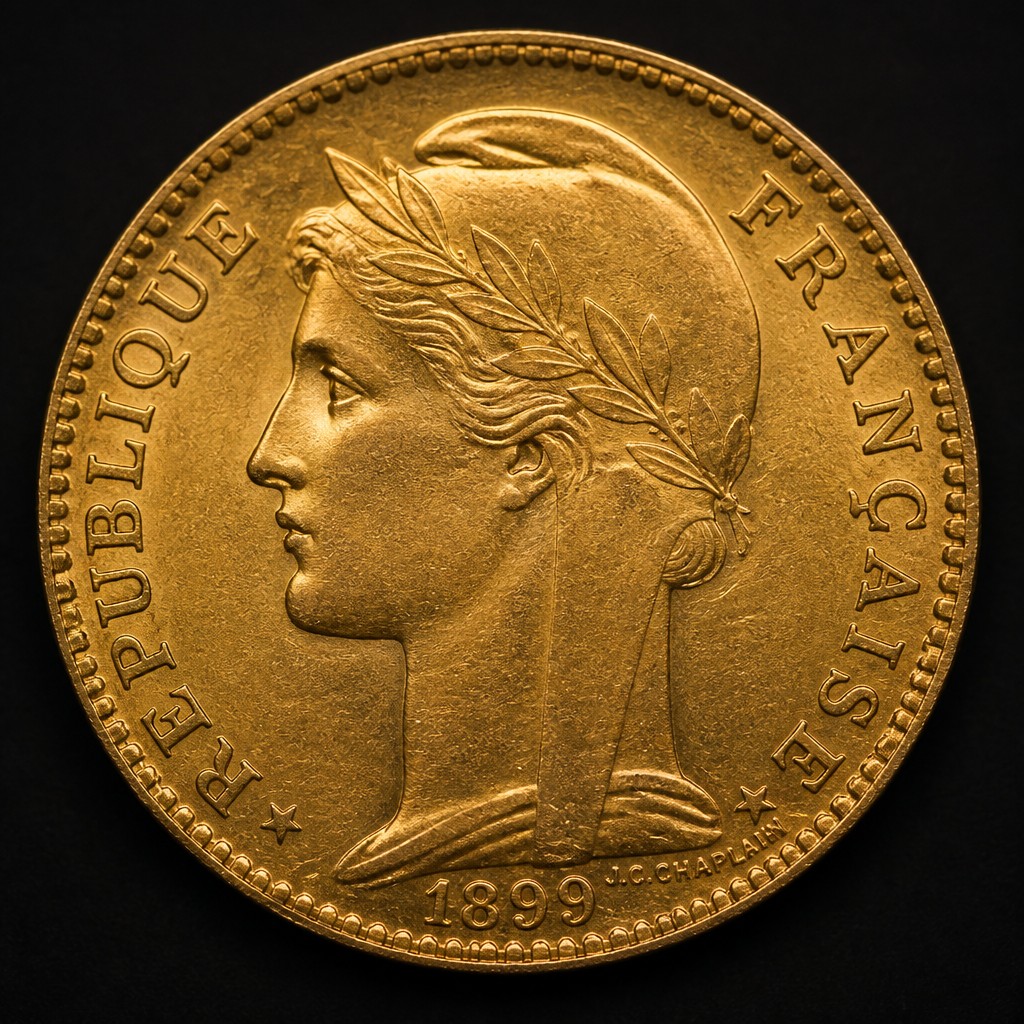
French 10 Francs Gold (Napoleon Rooster)
1899–1914
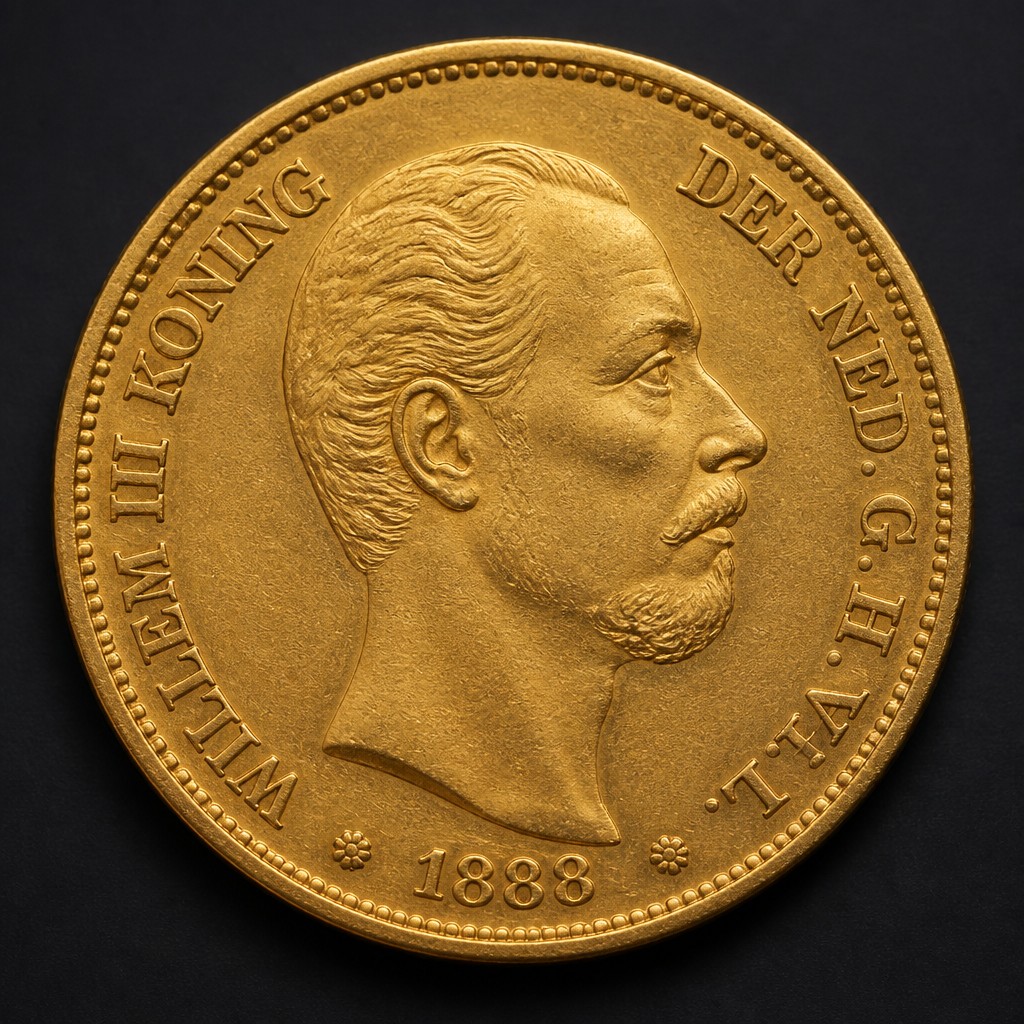
Netherlands 5 Gulden Gold
1826–1912 (intermittent)