
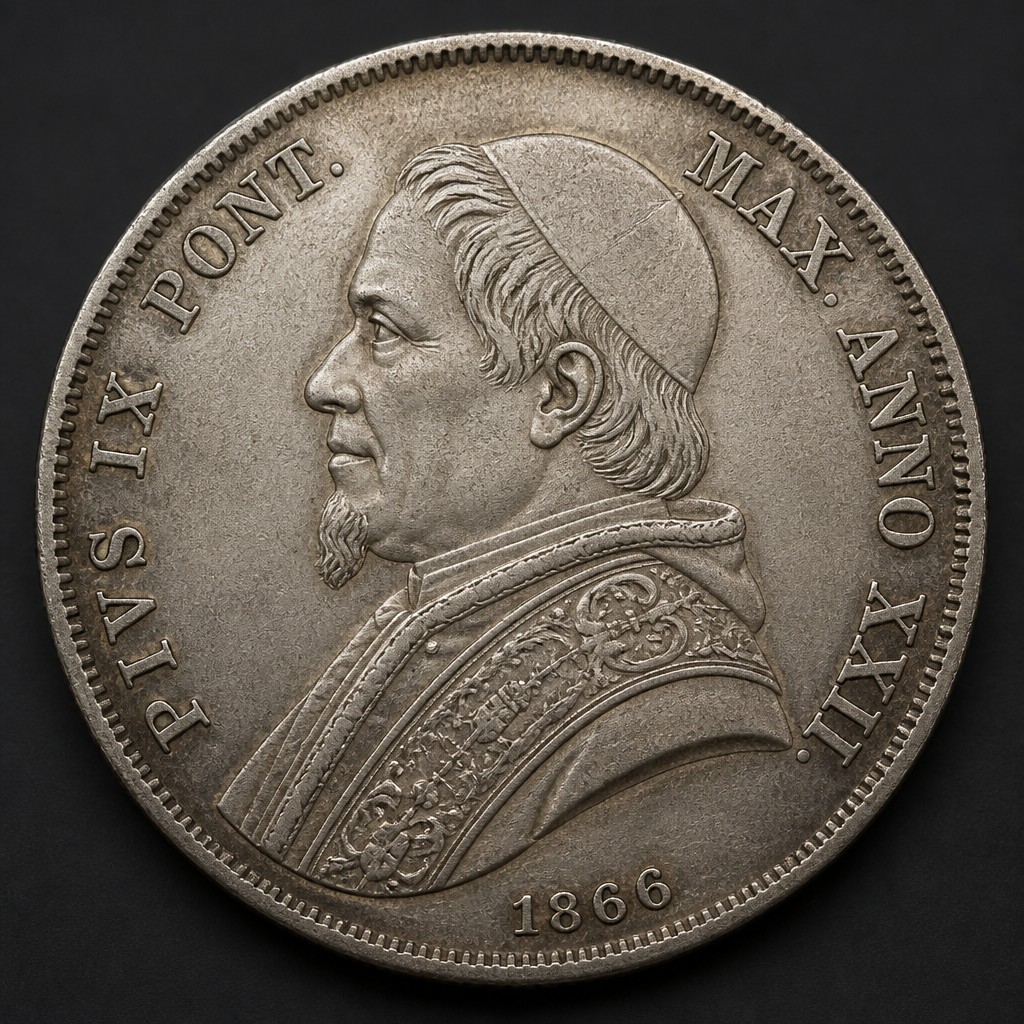
Italian Scudo (Papal States)
A large silver coin issued by the Papal States under successive popes, blending religious imagery with the temporal authority of the papacy.
- Country
- Papal States (Italy)
- Denomination
- Scudo
- Metal
- Silver (varies by era, generally around .900 fine)
Got a coin like this?
Identify any coin from a photo, free.
Overview
The scudo was the principal large silver coin of the Papal States, the territory in central Italy ruled directly by the pope until Italian unification absorbed it in the late 19th century. It combined religious iconography with state coinage in a way unique among European issues.
Collectors are drawn to Papal scudi for their striking religious and heraldic imagery, the historical window they offer into the temporal power of the papacy, and the wide variety of designs issued under different popes over nearly two centuries.
History & Background
The Papal States minted coinage in the name of the reigning pope, who held both spiritual and secular authority over central Italy including Rome. Silver scudi were issued under numerous pontiffs from the 17th century onward, each typically bearing that pope's coat of arms and sometimes a portrait or symbolic bust.
As Italian unification progressed through the 19th century, the Papal States' territory shrank until only Rome and its immediate surroundings remained under Pope Pius IX, whose coinage from this final period is especially notable to collectors. Papal temporal rule ended in 1870 when Italian forces took Rome, though the pope continued issuing coinage in a much more limited capacity, eventually giving way to the modern Vatican City state's own coinage in the 20th century.
How to Identify
Papal scudi typically show the coat of arms of the reigning pope, often topped with the papal tiara and crossed keys of Saint Peter, on one side, with a religious image, saint, or additional heraldic device on the other. Latin inscriptions identify the pope by name and often include a religious motto.
The coin is a large silver crown, generally comparable in size to other European scudi and thalers of the era, typically 38-42 mm in diameter. Mint marks or assayer initials from the Rome mint may appear in the design.
Collectors identify the specific pope and date primarily from the coat-of-arms design and the Latin legend, since papal arms changed with each new pontificate, providing a reliable way to date and attribute individual coins.
Value & Collectibility
Values vary significantly by pope, date, and condition, with common 19th-century scudi under Pius IX generally more available and moderately priced, while earlier or scarcer pontifical issues can command higher premiums among specialists in Papal and Italian numismatics.
Well-preserved strikes with clear heraldic detail and legible legends are most desirable. As with other historic European crowns, the specific pope, mint state, and rarity of the particular date within that pontificate are the primary value drivers rather than the scudo denomination alone.
Frequently asked questions
What does the coat of arms on a Papal scudo represent?
It represents the personal heraldic arms of the reigning pope at the time the coin was struck, topped with the papal tiara and crossed keys.
When did the Papal States stop issuing coinage?
Papal temporal rule effectively ended in 1870 when Rome was annexed by the Kingdom of Italy, though limited Vatican coinage continued in a much smaller capacity afterward.
Is this the same as a modern Vatican coin?
No, the Papal States scudo predates the modern Vatican City State, which was established in 1929 and issues its own separate lira and, later, euro coinage.
How can I identify which pope issued my scudo?
Compare the coat of arms and Latin legend on the coin to reference images of each pope's personal arms, which changed with every new pontificate.
Other coins you may enjoy
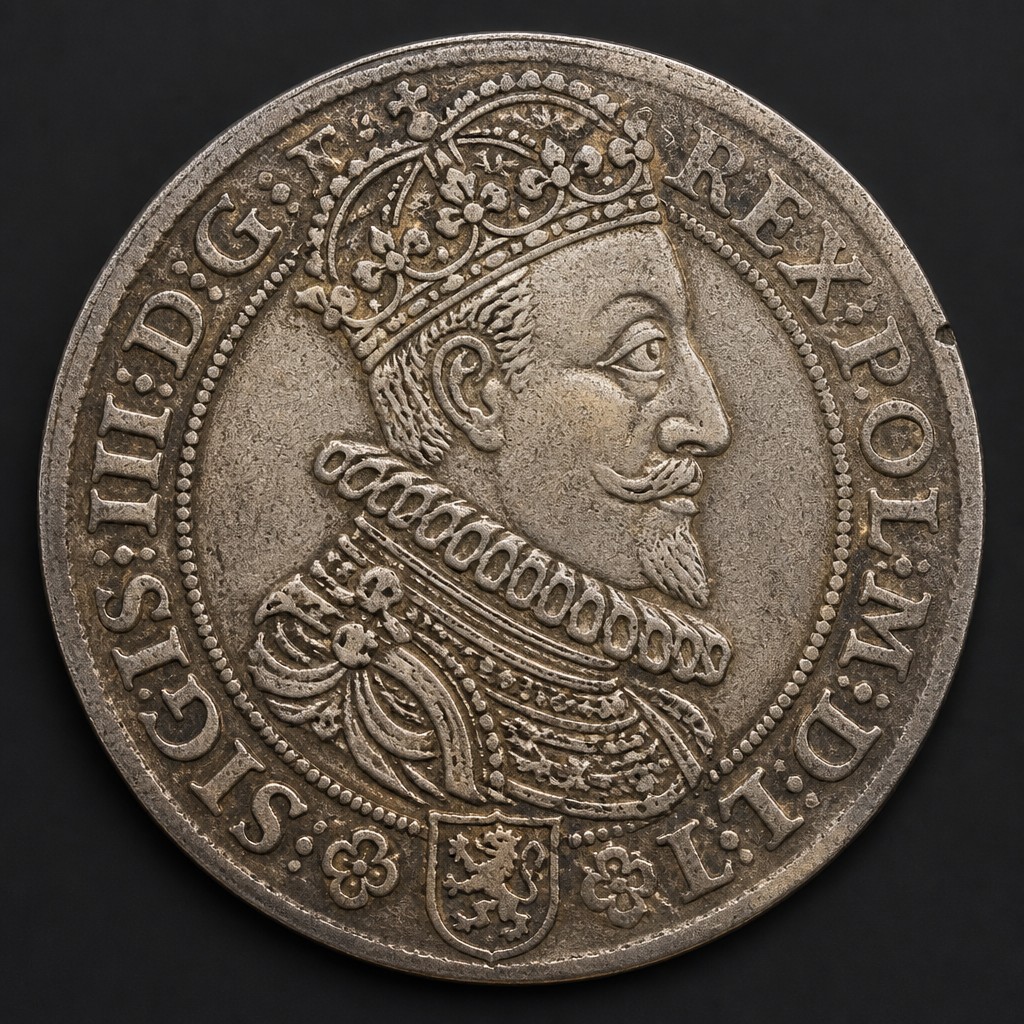
Polish-Lithuanian Thaler
circa 16th–18th century
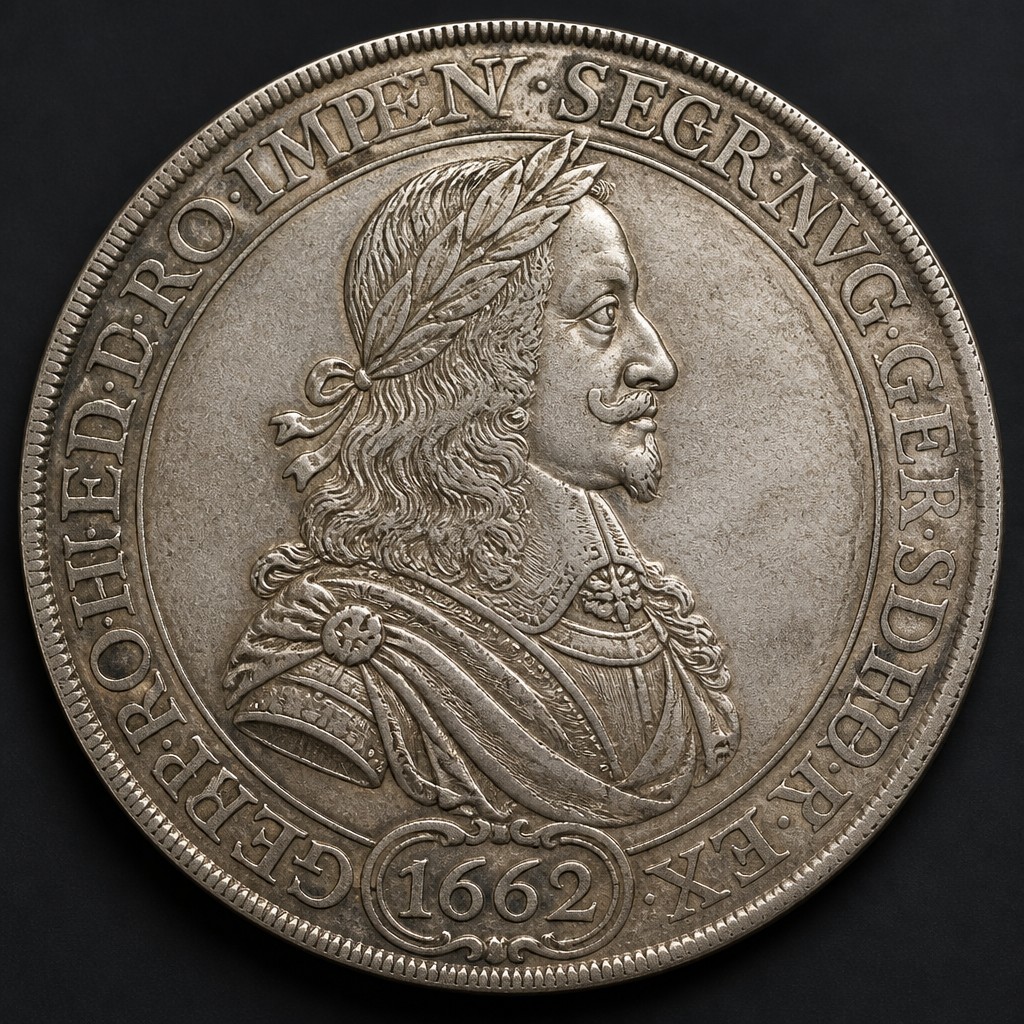
Reichsthaler
circa 1566–early 19th century
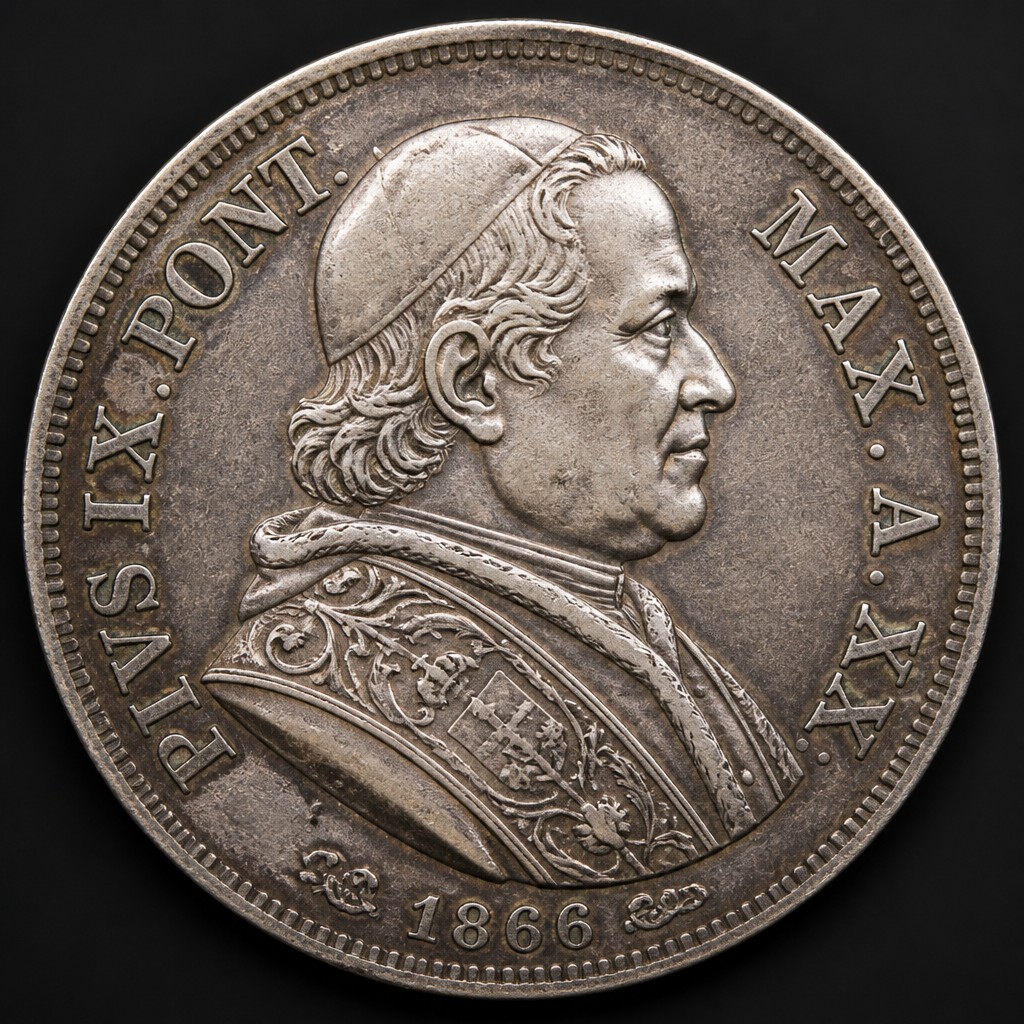
Papal States Scudo
16th century–1866
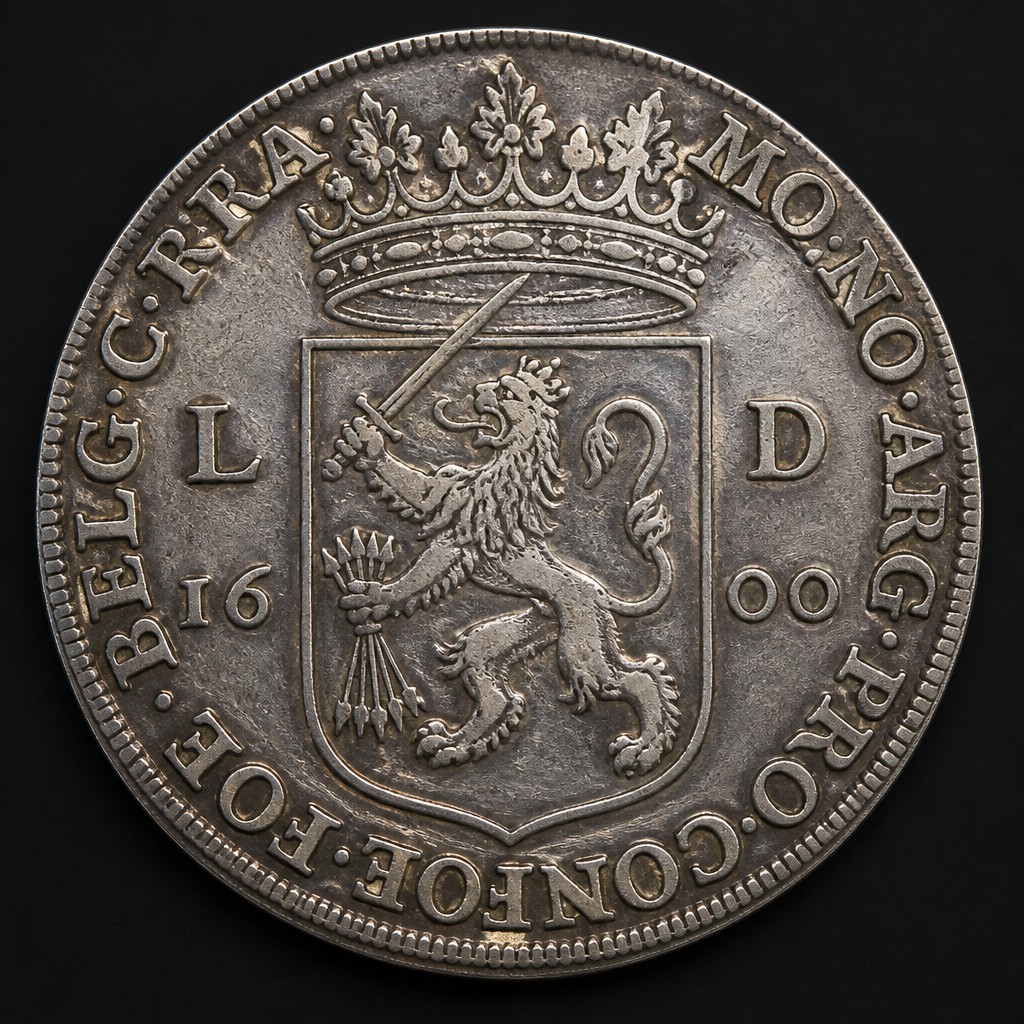
Netherlands Lion Daalder (Leeuwendaalder)
1575–1713
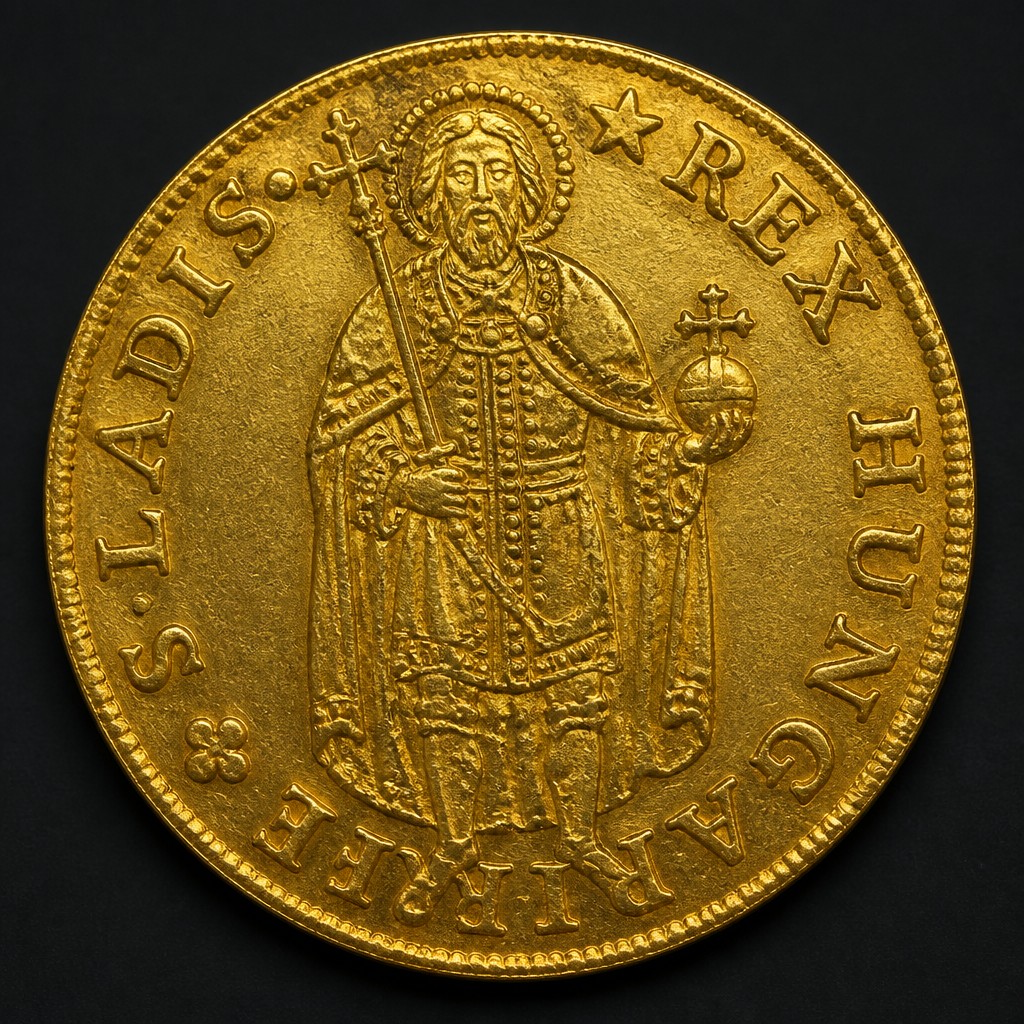
Hungarian Ducat
c. 1325–1918
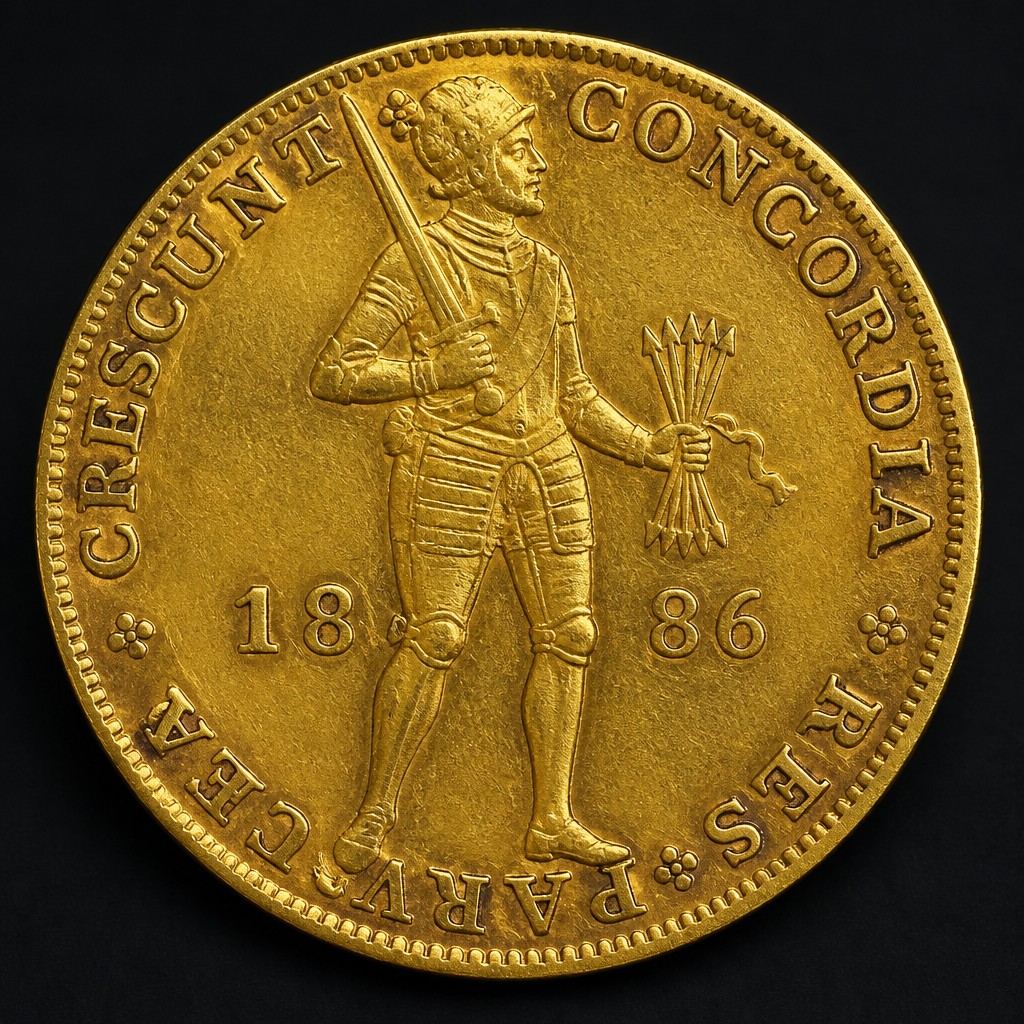
Dutch Ducat
c. 1586–present (classic type standardized after 1817)
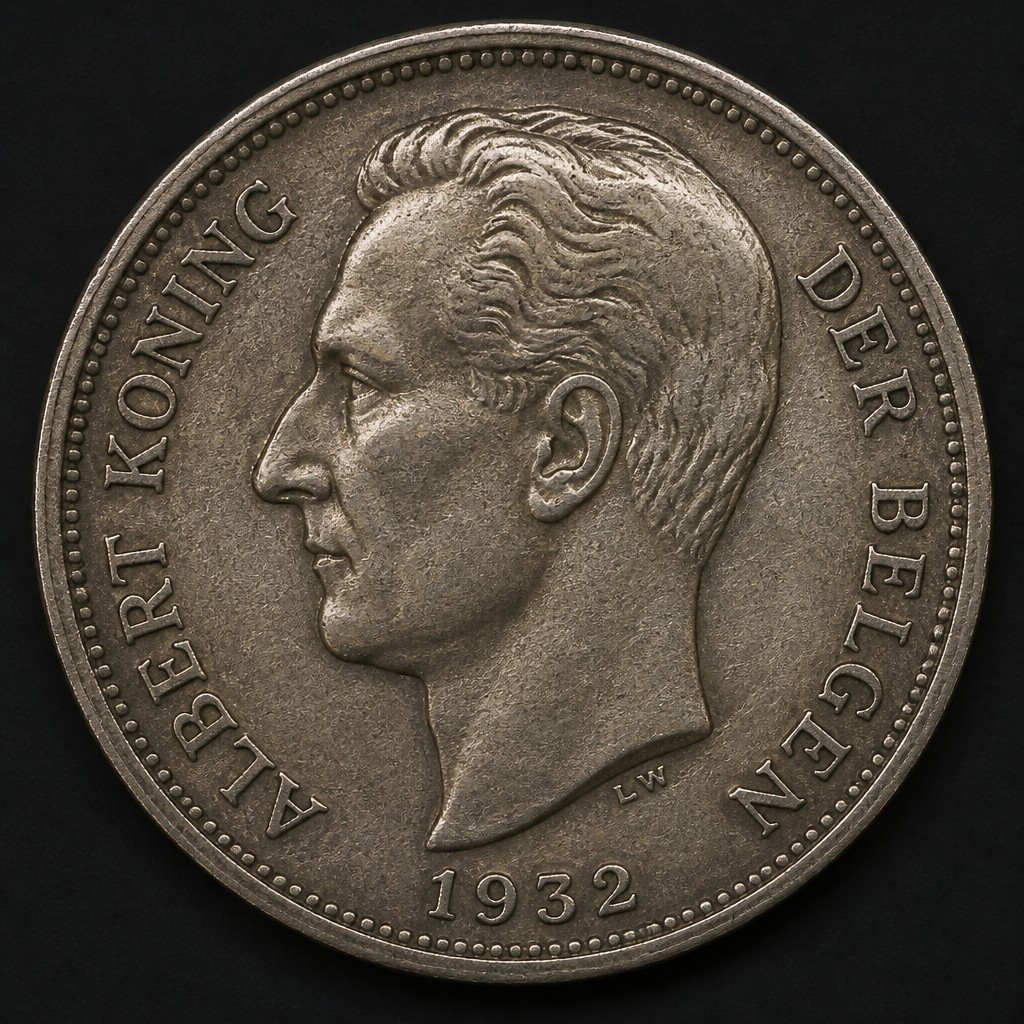
Belgian Franc
1832–2002
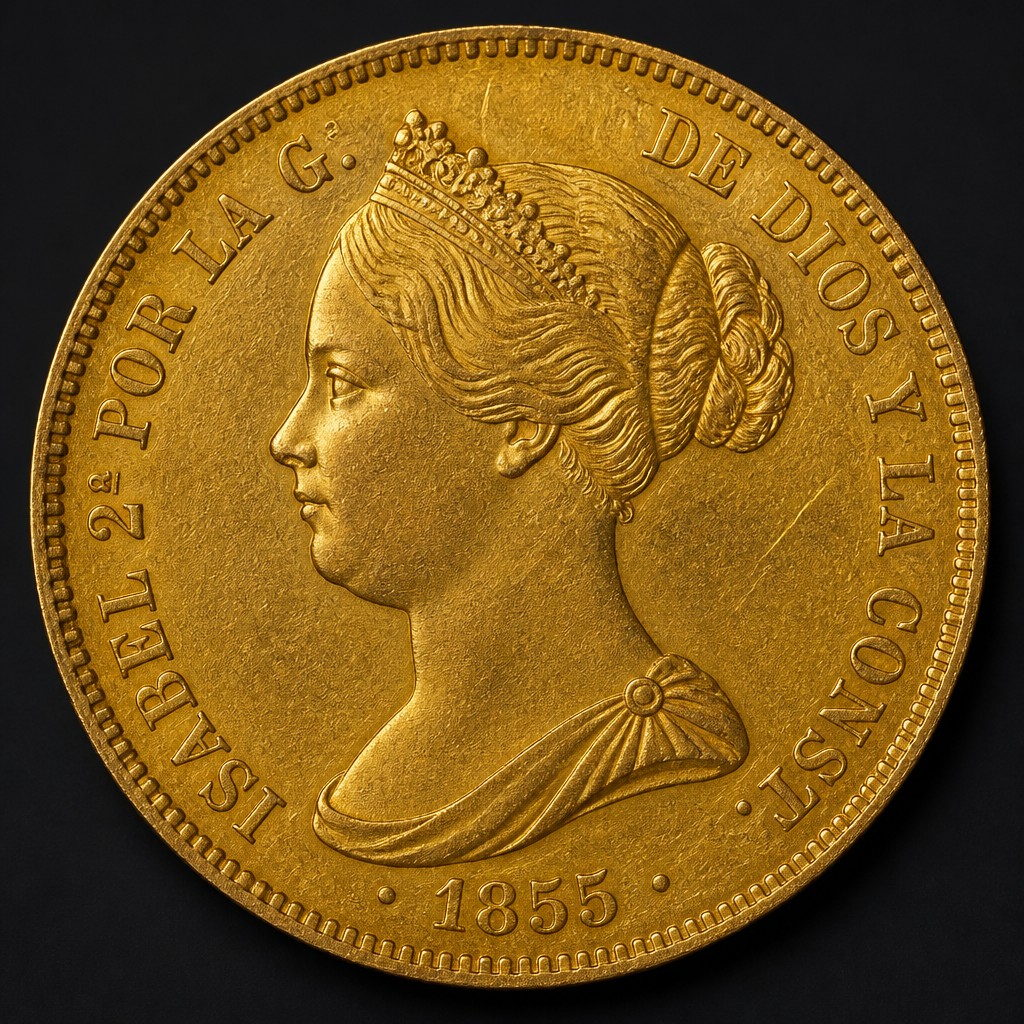
Spanish 100 Reales Gold (Isabel II)
1850s–1868
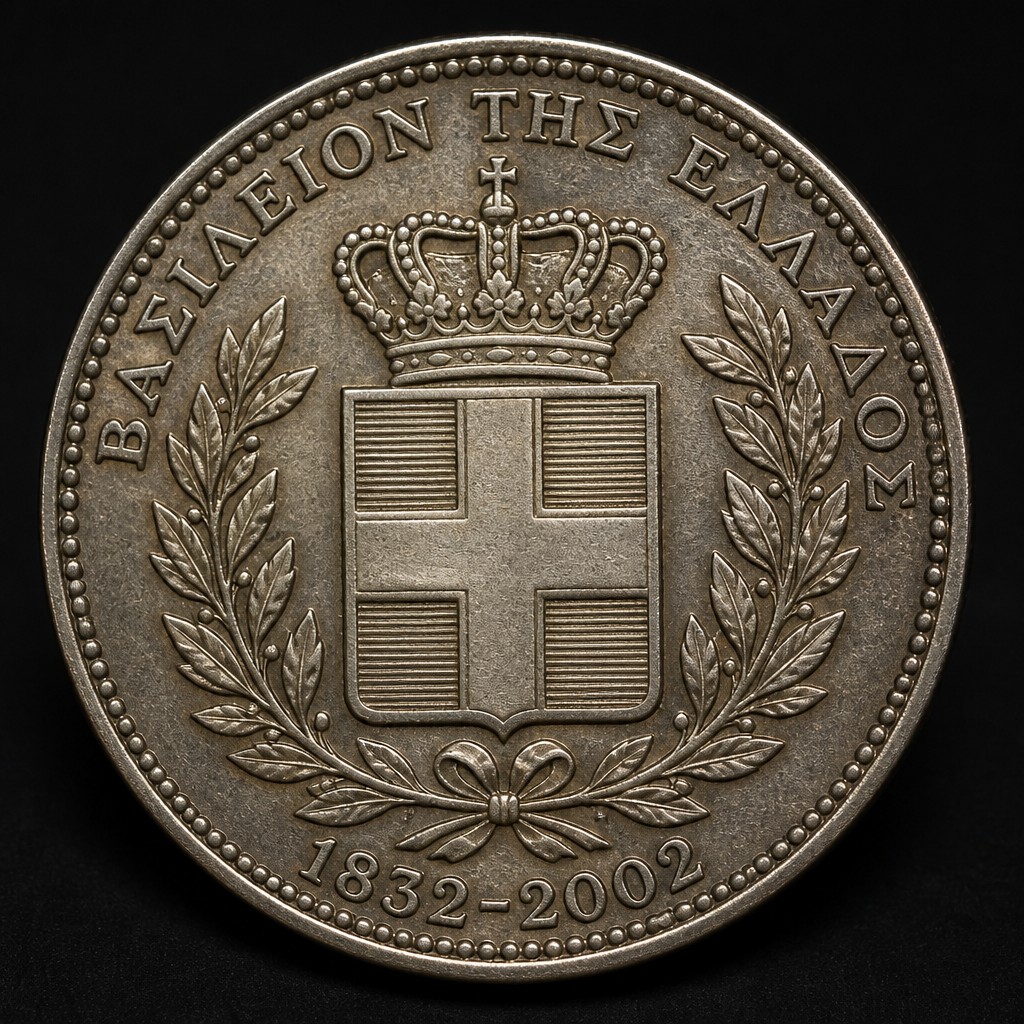
Greek Drachma
1832–2002
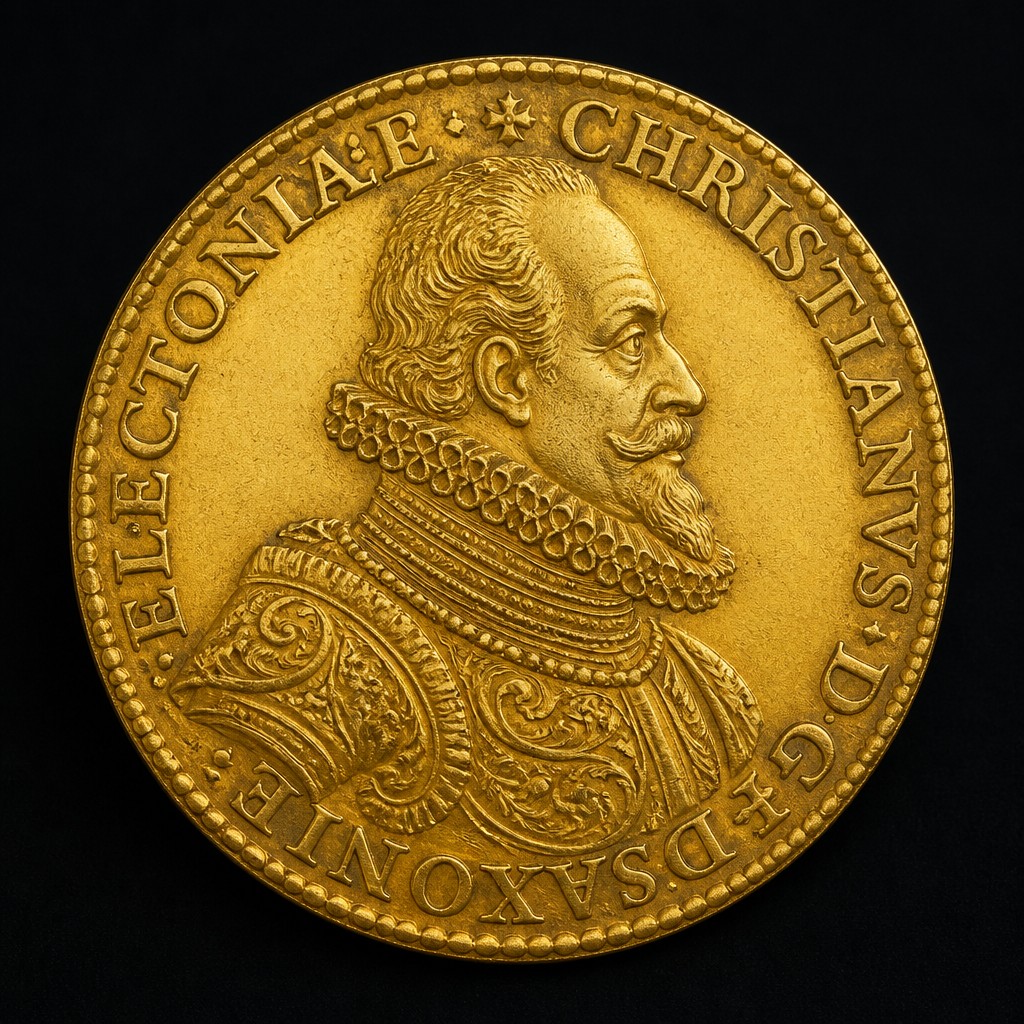
German Saxony Ducat
16th century–19th century
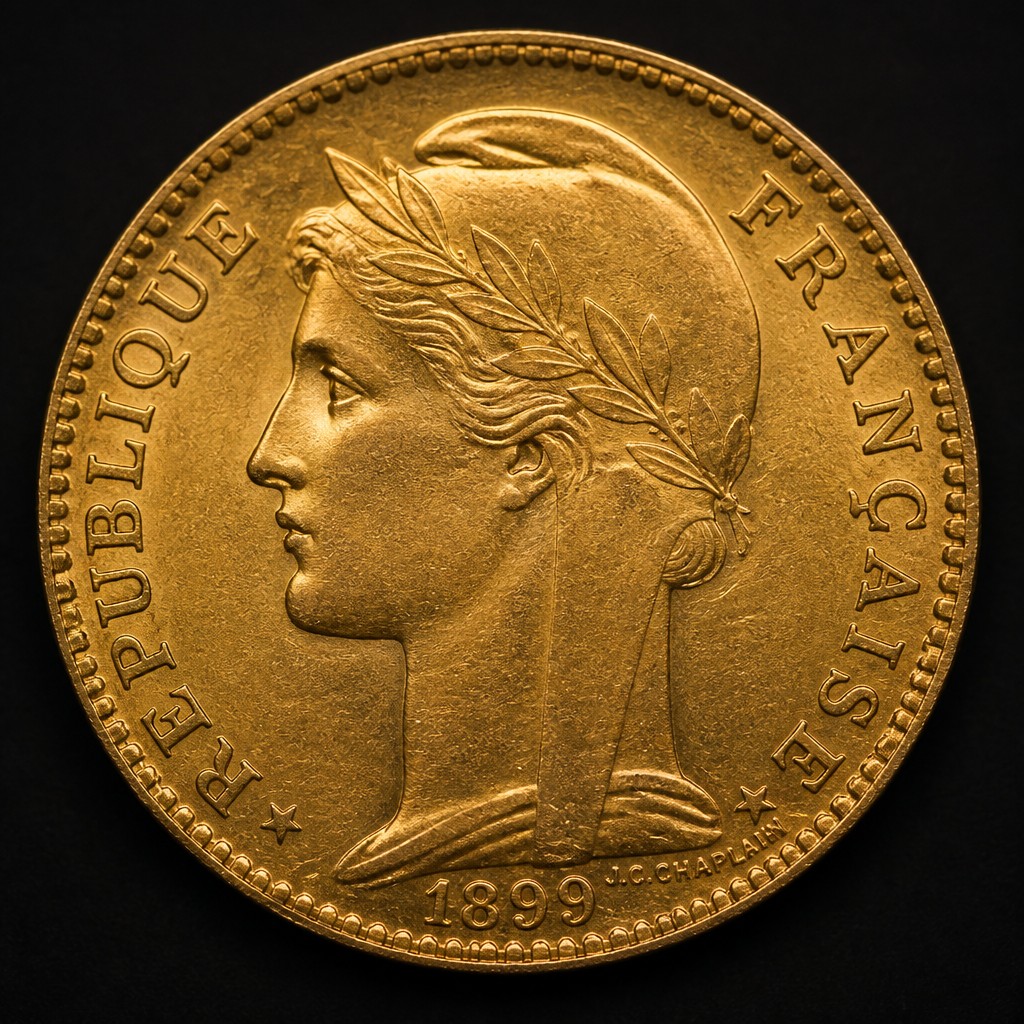
French 10 Francs Gold (Napoleon Rooster)
1899–1914
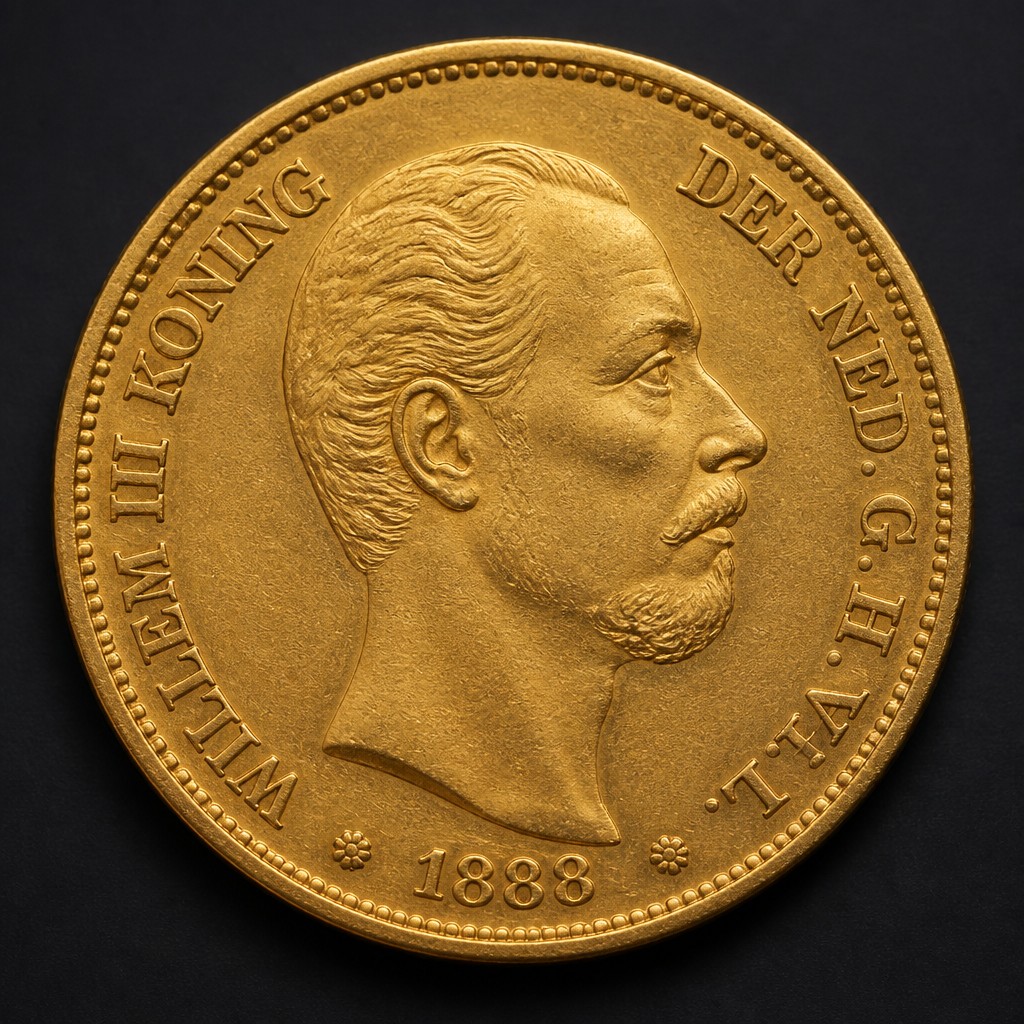
Netherlands 5 Gulden Gold
1826–1912 (intermittent)