
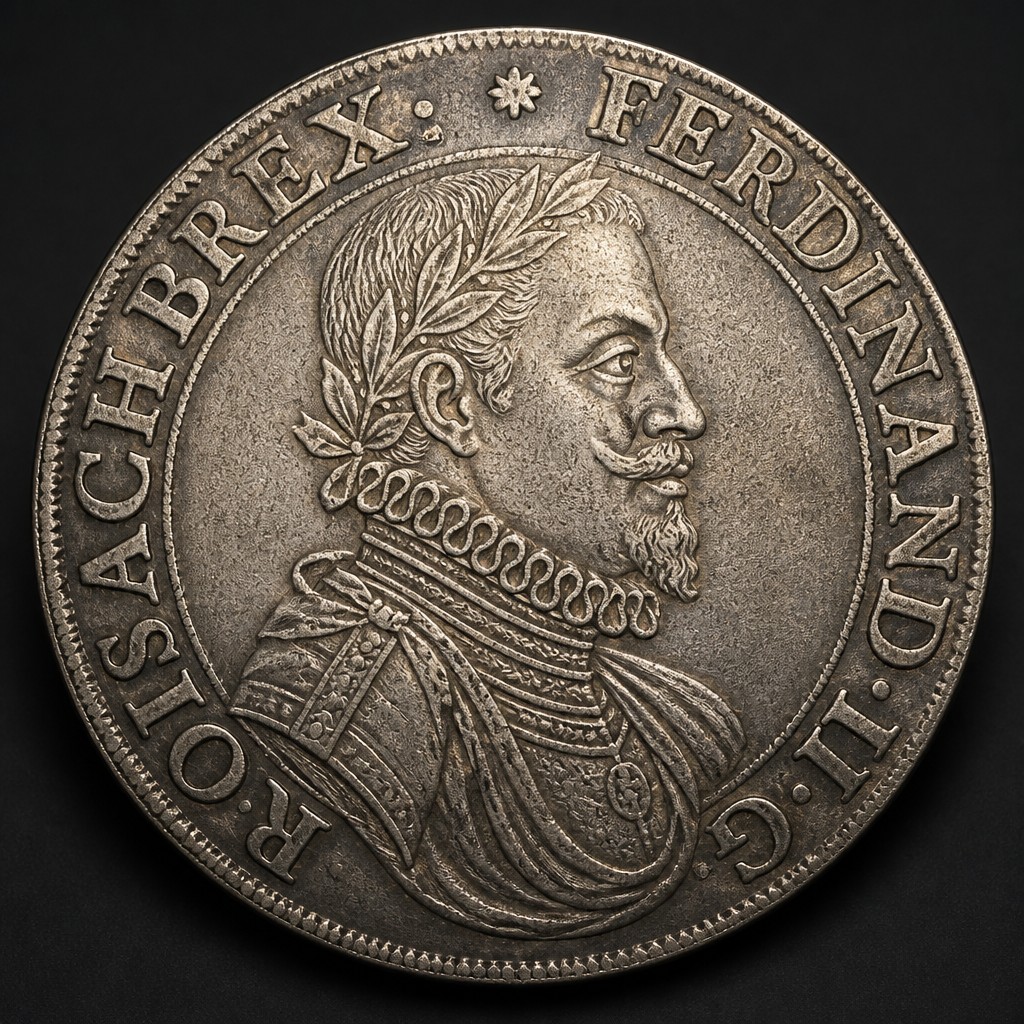
German States Thaler
A large silver coin struck by the many independent states of the German-speaking world for over three centuries, and the direct linguistic ancestor of the word 'dollar.'
- Country
- German States (Holy Roman Empire / German Confederation)
- Denomination
- Thaler
- Metal
- Silver
Got a coin like this?
Identify any coin from a photo, free.
Overview
The thaler was the dominant large silver coin across the fragmented political landscape of the German-speaking lands, struck independently by dozens of kingdoms, duchies, free cities, and ecclesiastical states from the 16th century until German unification. Because so many different authorities issued their own thalers, the series is remarkably diverse in design, reflecting local rulers, coats of arms, and historical events.
Collectors are drawn to German states thalers for exactly this variety, since building a collection can mean pursuing coins from dozens of distinct issuing states, each with its own history, rulers, and artistic traditions, all unified only by the shared thaler weight standard.
The thaler's name and influence extended far beyond Germany, giving rise to the word 'dollar' and inspiring similarly named large silver coins across much of Europe and beyond.
History & Background
The thaler tradition began with large silver coins struck in Joachimsthal, Bohemia, in the early 16th century, and the format quickly spread across the German states as a practical, trusted denomination for larger transactions. By the 17th and 18th centuries, states including Prussia, Saxony, Bavaria, Hanover, and many smaller principalities and free cities were each striking their own thaler coinage.
These coins often served political and commemorative purposes as well as economic ones, with many states issuing special thalers to mark coronations, military victories, deaths of notable rulers, or other significant events, making the broader category rich with historically themed designs.
The proliferation of independent thaler issues gradually gave way to standardization efforts through the 19th century, and the type was ultimately superseded when the newly unified German Empire adopted the gold mark as its standard currency in 1871-1873, ending the long era of state-issued thalers.
How to Identify
Design varied enormously by issuing state and period, but most German states thalers show the ruling monarch's portrait or the state's coat of arms on the obverse, with a crowned shield, eagle, or commemorative scene on the reverse, along with the denomination and issuing state's name in the legend. Identifying a specific thaler requires reading the legend to determine the issuing state and ruler.
The coin is large and heavy for a silver issue, typically 38-42mm in diameter and around 25-30 grams, usually struck close to or above .800 fine silver, giving genuine examples a substantial heft distinct from smaller silver denominations. Given the sheer number of German states that issued thalers, reference catalogs organized by state are typically needed to pin down the exact issuing authority, ruler, and date.
Collectors should also distinguish standard circulating thalers from special commemorative issues, which often carry more elaborate reverse designs referencing specific historical events and can differ meaningfully in rarity and value from ordinary circulating types.
Value & Collectibility
Common thalers from larger, well-documented states like Prussia or Saxony are widely available and generally affordable in worn to average condition, often in the range of fifty to a few hundred dollars. Thalers from smaller states, scarcer rulers, or special commemorative issues can be considerably more valuable, with some rare types reaching well into four figures.
Because the category spans hundreds of distinct issuing authorities and design types, value is highly dependent on the specific state, ruler, date, and occasion commemorated, making careful identification an important first step before assessing a given coin's worth.
Frequently asked questions
What is a German states thaler?
It is a large silver coin struck independently by the many kingdoms, duchies, and free cities of the German-speaking world from the 1500s until German unification in the 1870s.
Where does the word 'dollar' come from?
It derives from 'thaler,' the German name for this large silver coin, which was widely imitated and referenced in many other currencies' names.
Why are there so many different German thalers?
Germany was politically fragmented into dozens of independent states before unification in 1871, and each had the authority to strike its own coinage.
When did German states stop minting thalers?
Production ended as the newly unified German Empire adopted the gold mark as its standard currency in the early 1870s.
What determines a German thaler's value?
The specific issuing state, ruler, date, rarity, and whether it is a common circulating type or a special commemorative issue all significantly affect value.
Other coins you may enjoy
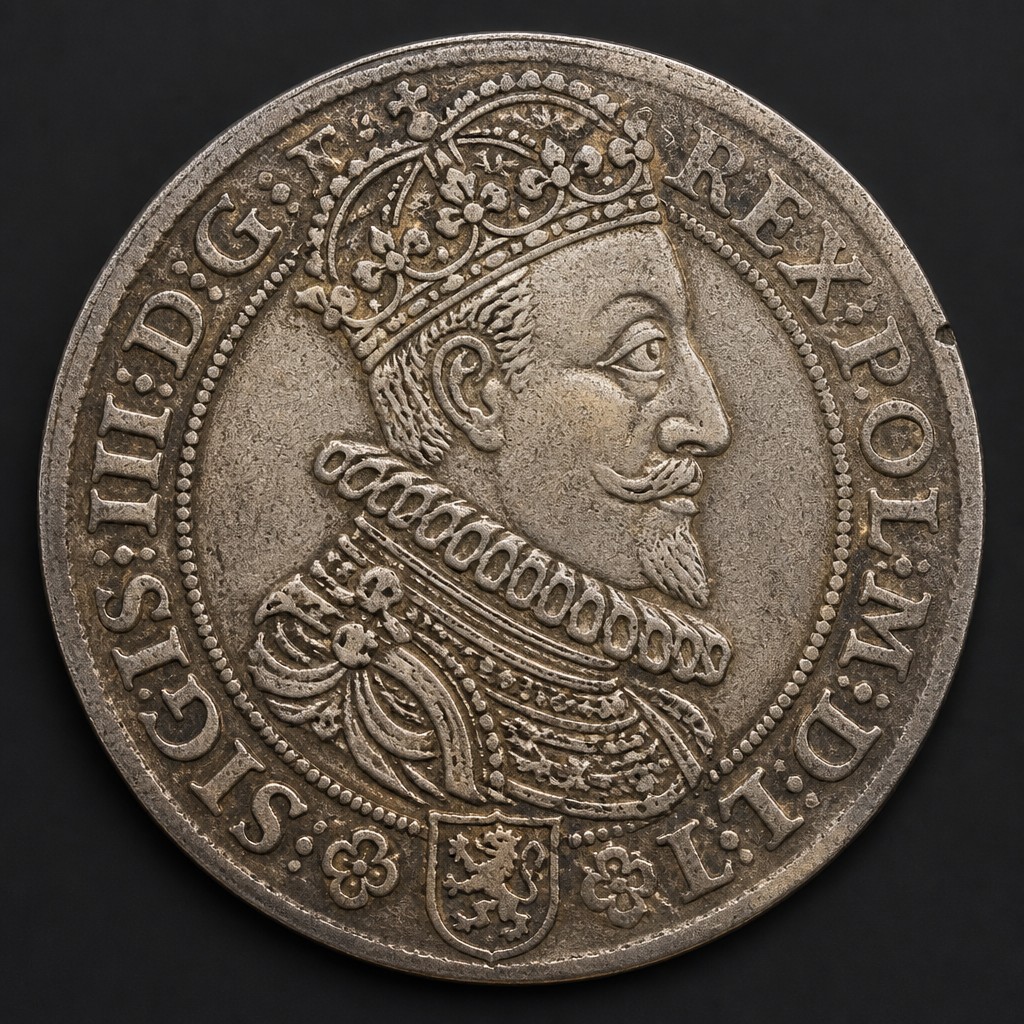
Polish-Lithuanian Thaler
circa 16th–18th century
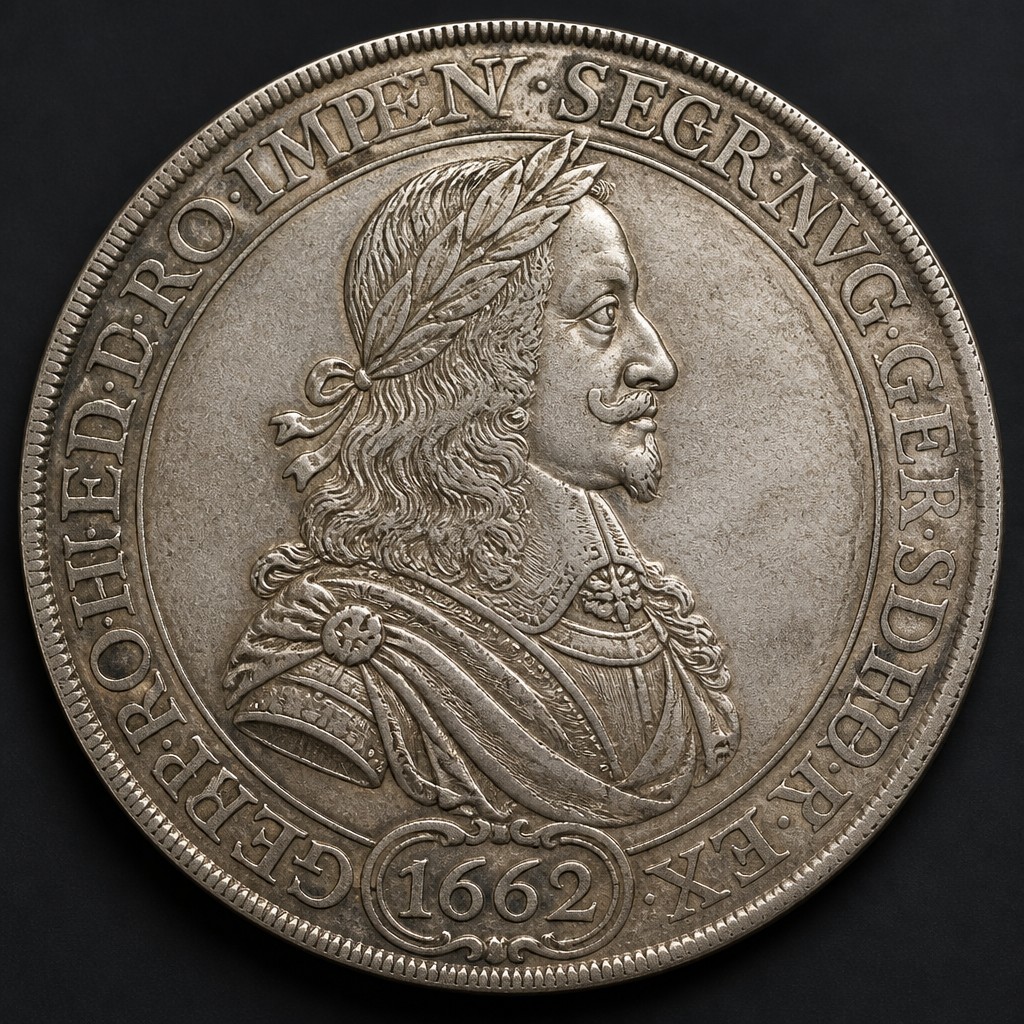
Reichsthaler
circa 1566–early 19th century
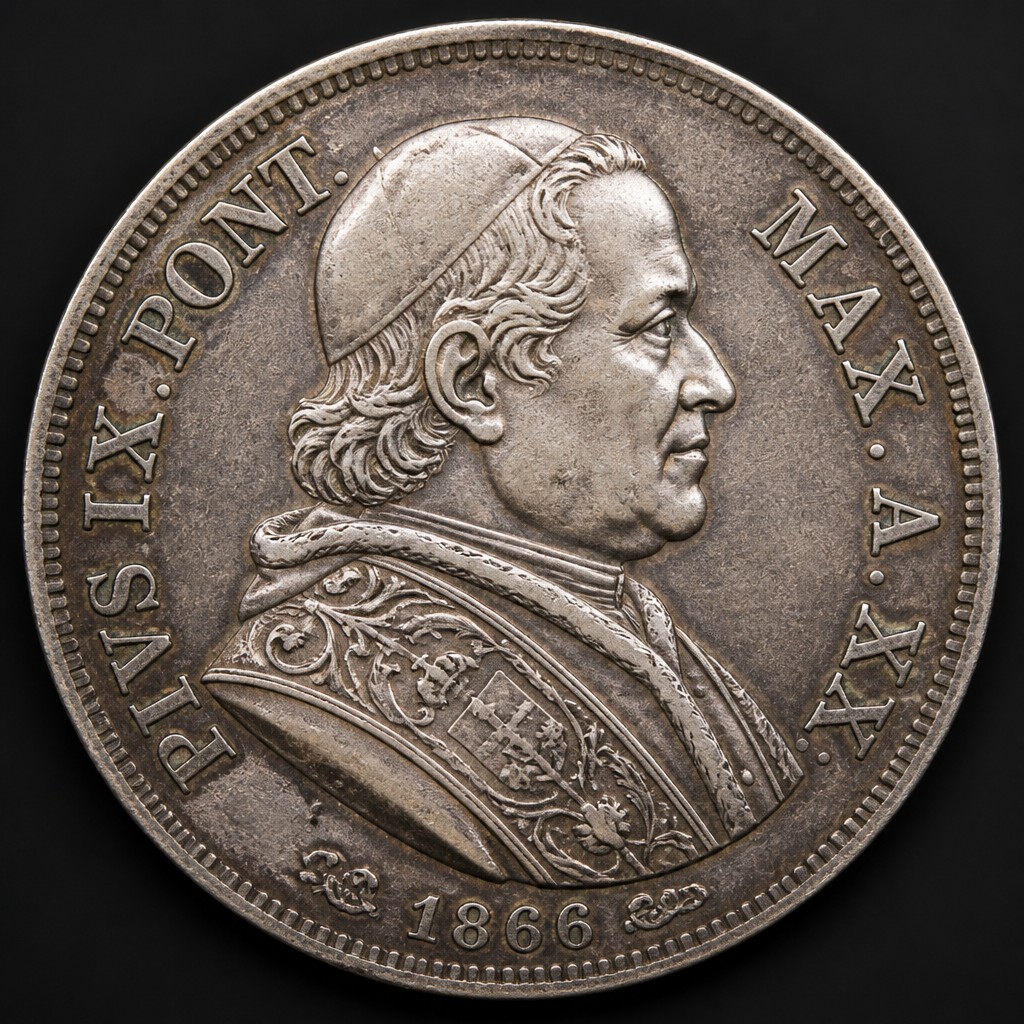
Papal States Scudo
16th century–1866
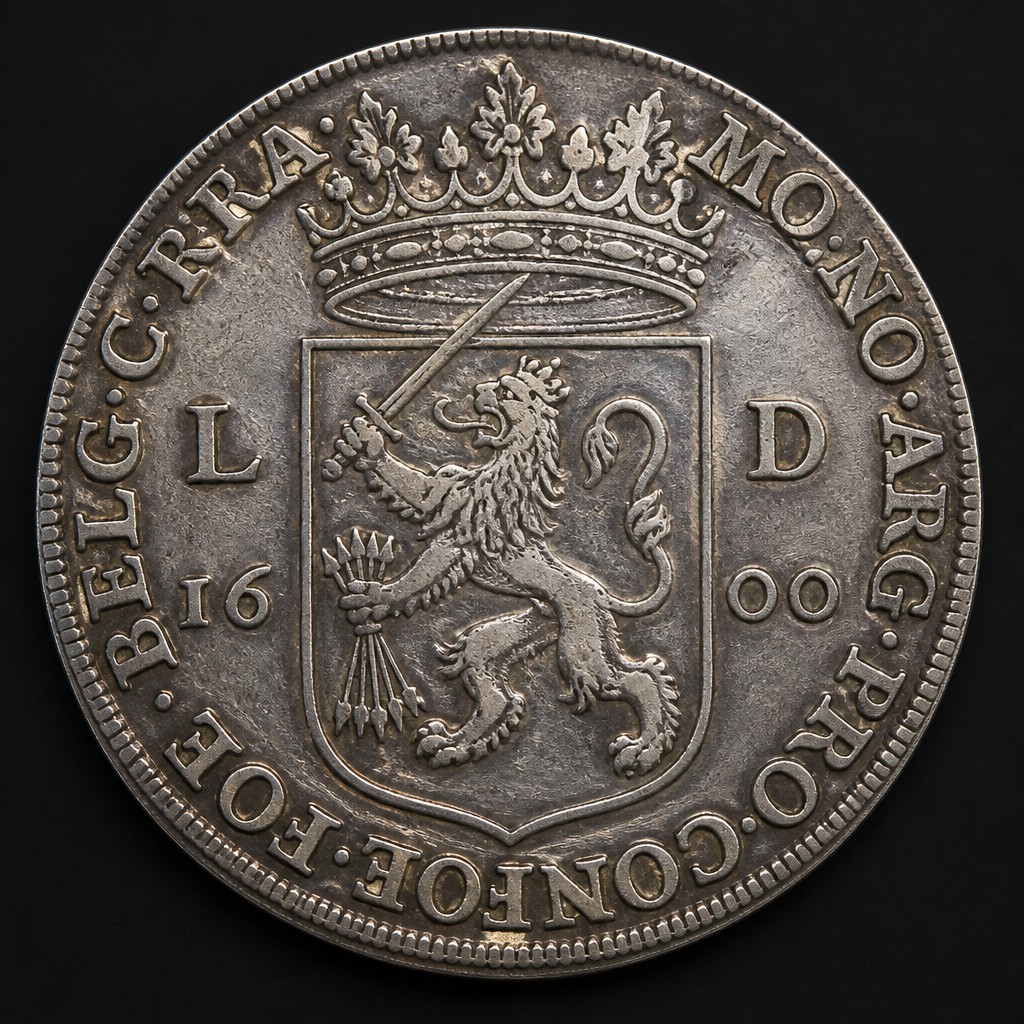
Netherlands Lion Daalder (Leeuwendaalder)
1575–1713
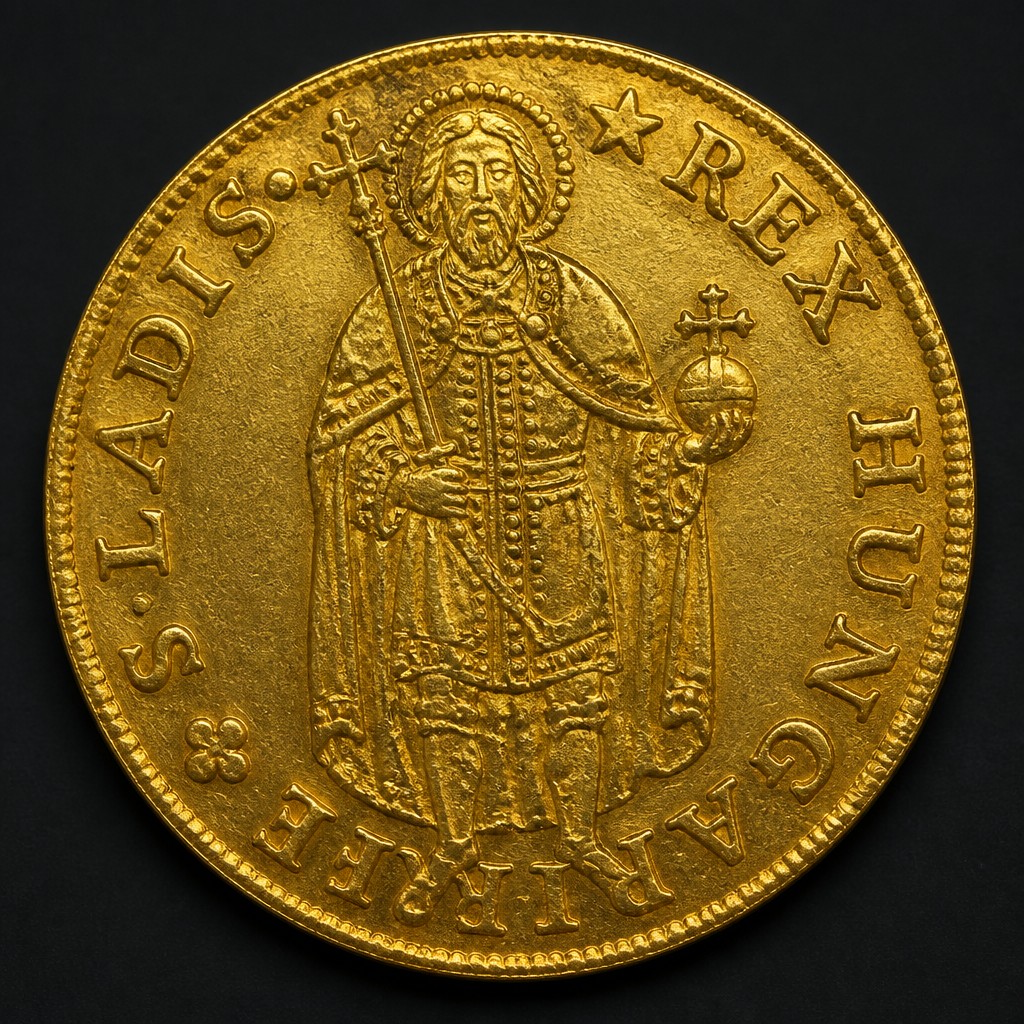
Hungarian Ducat
c. 1325–1918
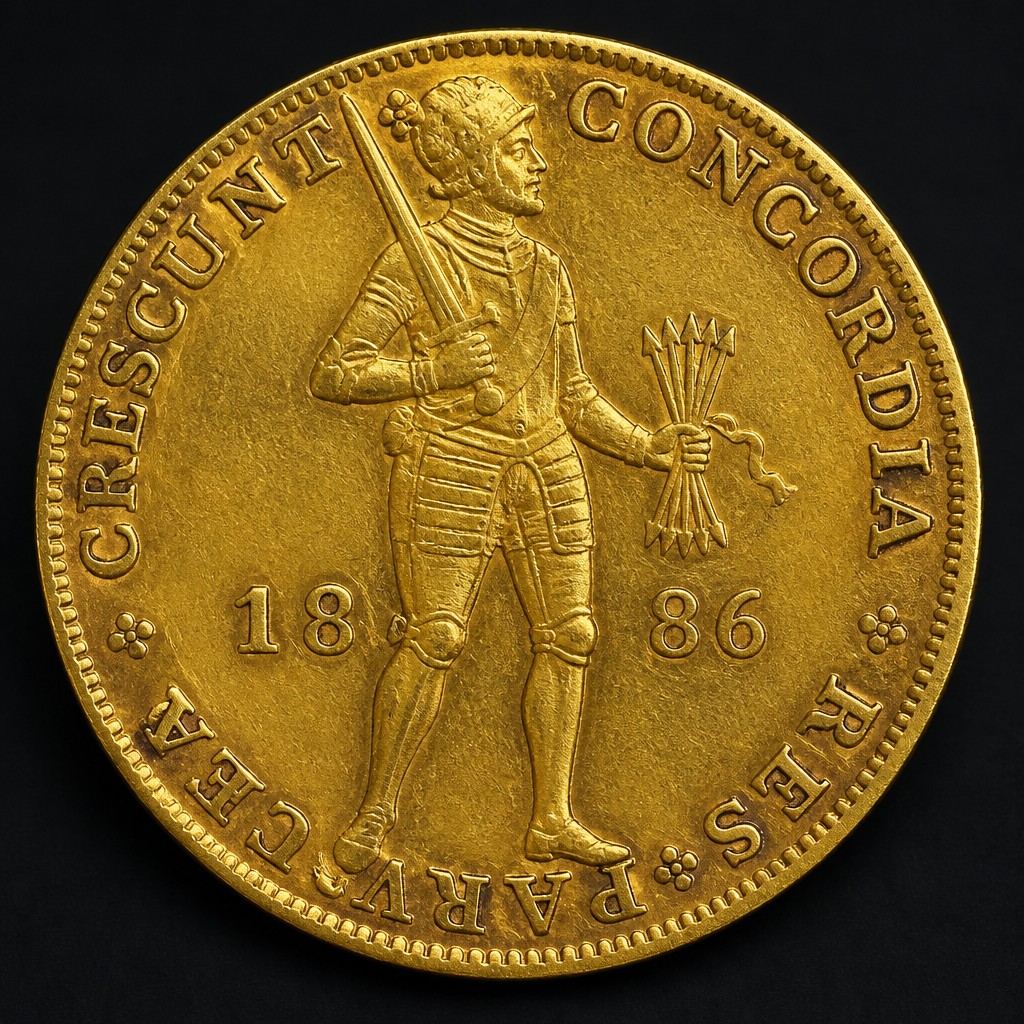
Dutch Ducat
c. 1586–present (classic type standardized after 1817)
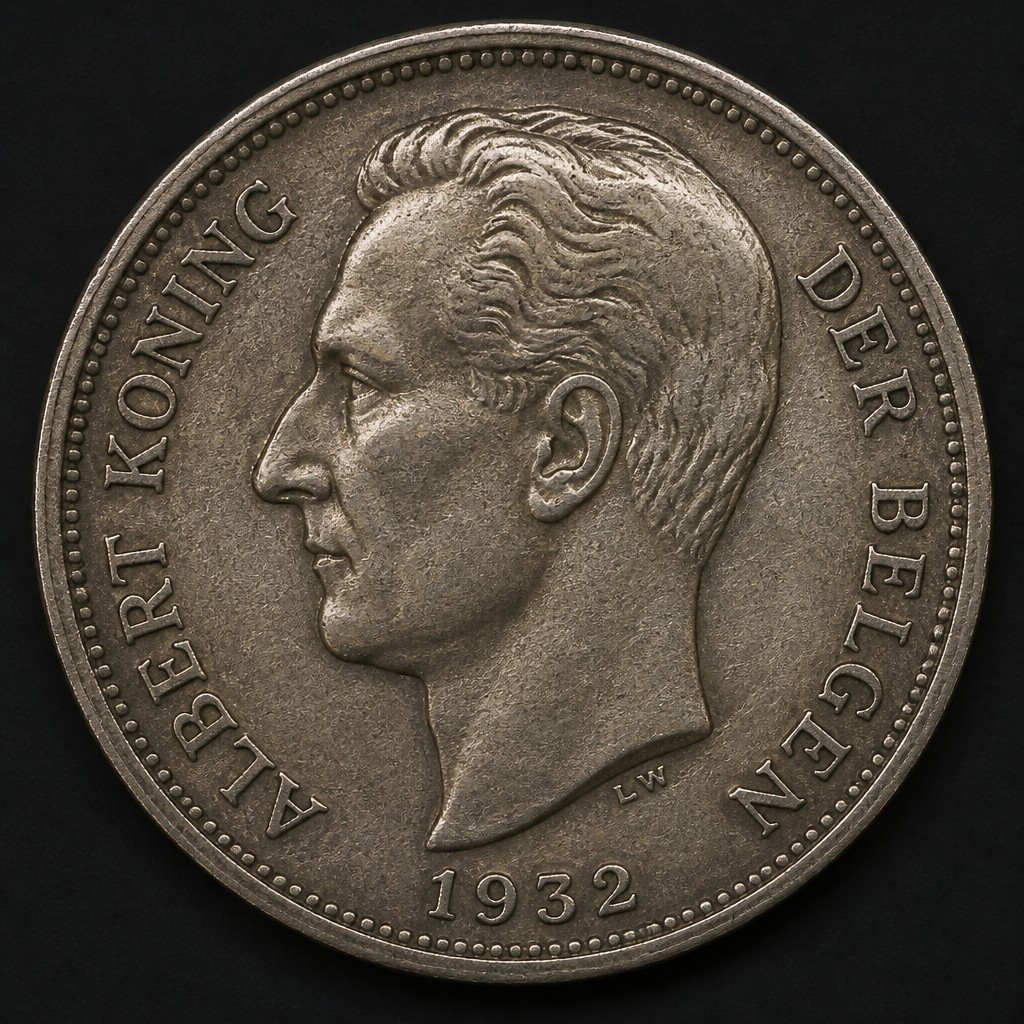
Belgian Franc
1832–2002
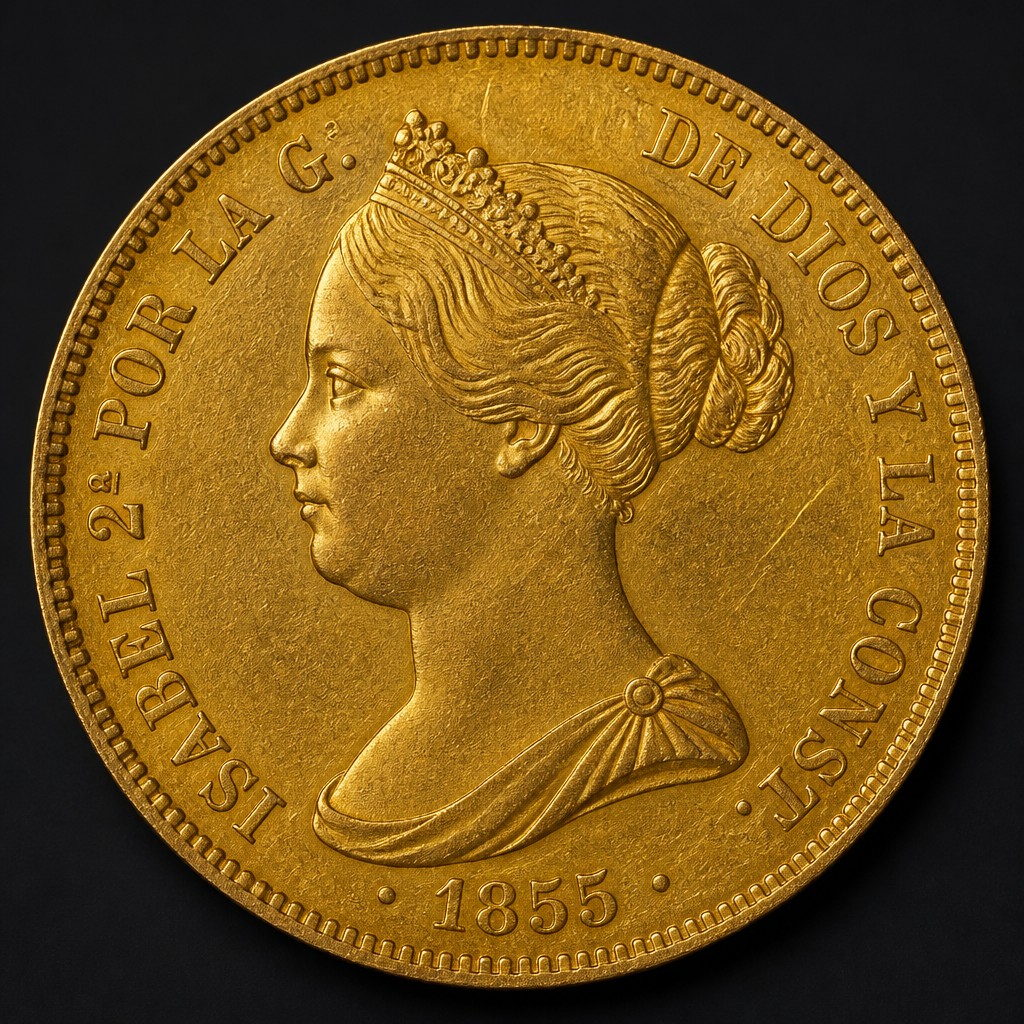
Spanish 100 Reales Gold (Isabel II)
1850s–1868
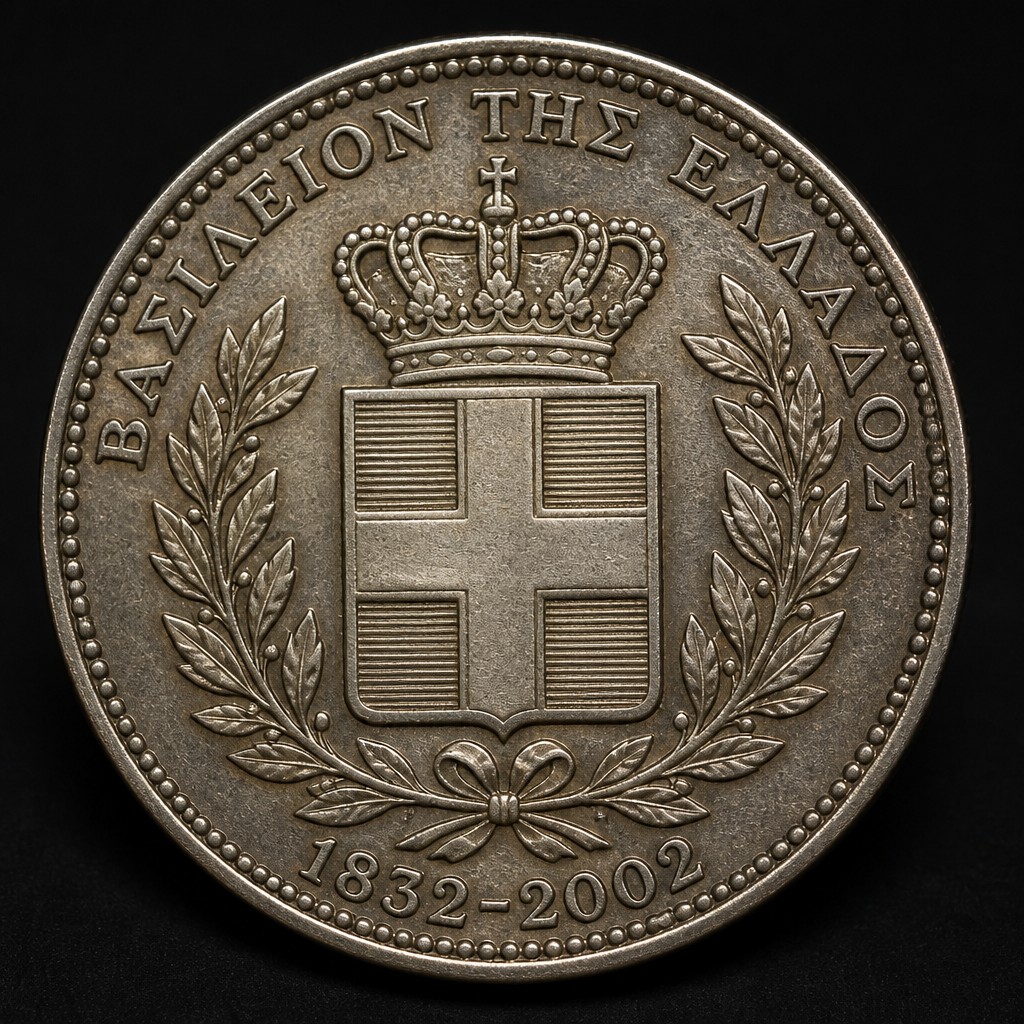
Greek Drachma
1832–2002
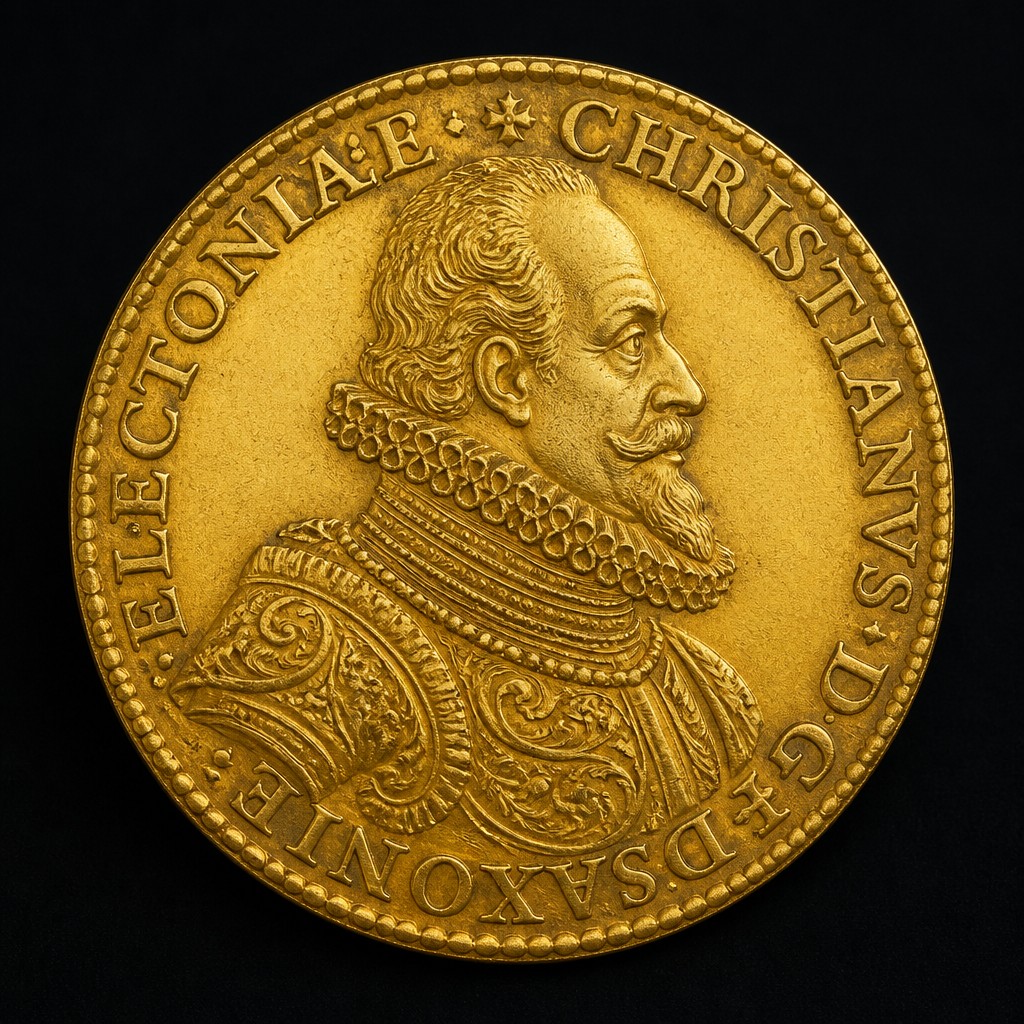
German Saxony Ducat
16th century–19th century
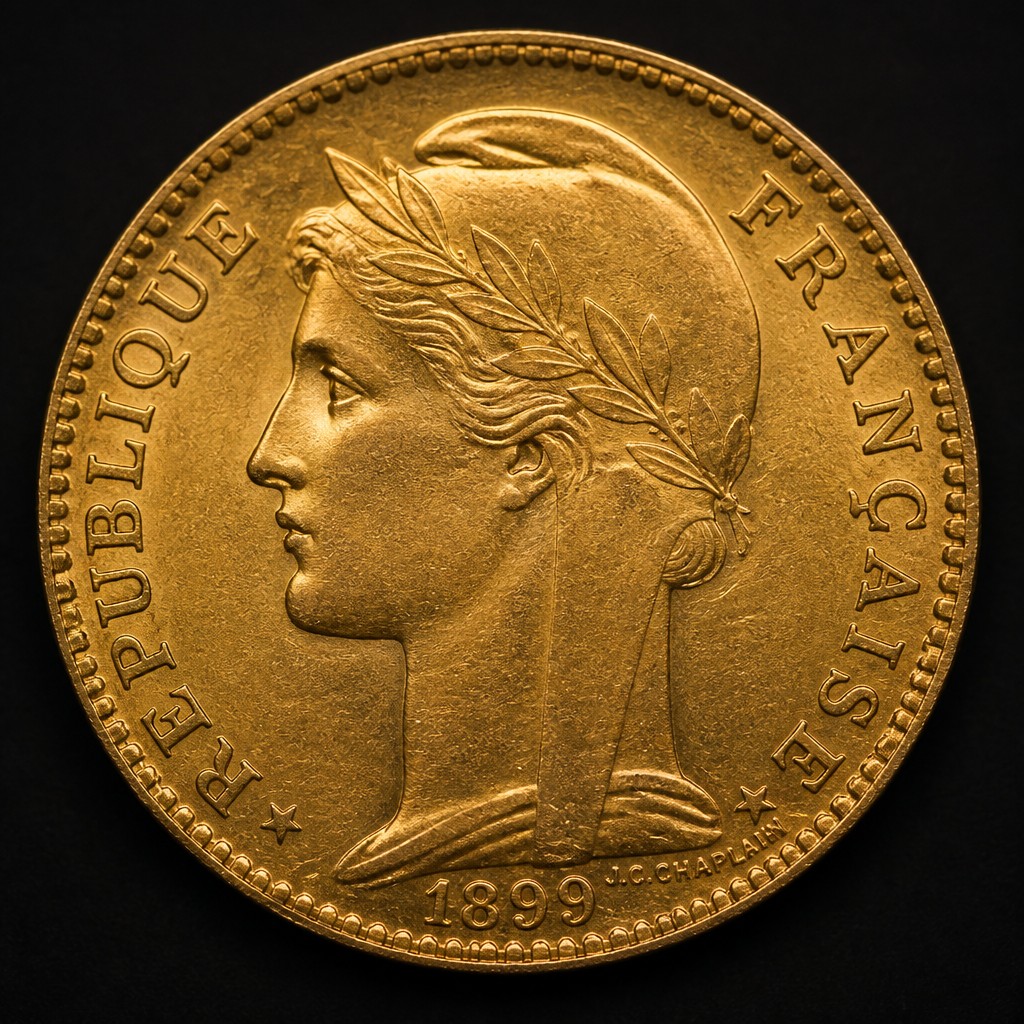
French 10 Francs Gold (Napoleon Rooster)
1899–1914
Netherlands 5 Gulden Gold
1826–1912 (intermittent)