
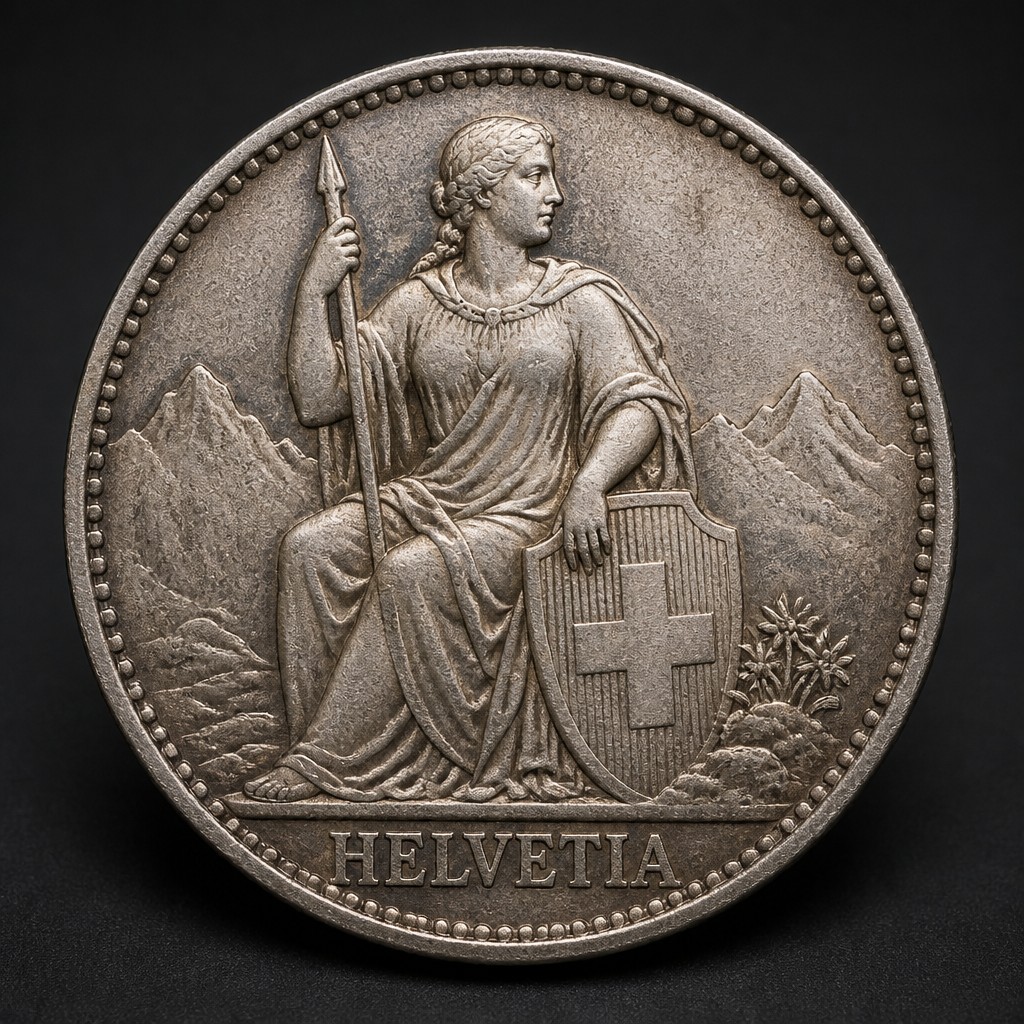
Swiss Franc (Helvetia Seated)
Switzerland's classic 19th-century silver coinage depicting a seated figure of Helvetia, the female personification of the Swiss nation.
- Country
- Switzerland
- Denomination
- Franc (1, 2, and 5 Francs)
- Metal
- Silver (.800–.900 fine, depending on denomination and era)
Got a coin like this?
Identify any coin from a photo, free.
Overview
Following the creation of the modern Swiss federal state in 1848, Switzerland introduced a new decimal currency in 1850 featuring the seated figure of Helvetia, the traditional female personification of the Swiss Confederation, on its silver coinage. This design became an enduring symbol of Swiss national coinage for the rest of the 19th century.
Collectors particularly prize the large 5 Francs seated Helvetia coin, struck between 1850 and the 1870s, as it is the largest and most visually impressive coin of the design, though the seated Helvetia motif also appeared on smaller circulating denominations.
History & Background
Switzerland unified its previously fragmented cantonal currencies into a single federal Swiss franc following the 1848 constitution that created the modern federal state. The new coinage needed a national symbol untied to any particular canton, and the seated Helvetia figure, drawing on the classical tradition of seated national personifications seen on coins across Europe, filled that role.
The earliest 5 Francs coins of this type were struck at the Paris mint in France under contract, since Switzerland's own minting capacity was still developing; production later moved to the Swiss federal mint in Bern. Rising silver prices and the practicalities of the Latin Monetary Union, which Switzerland joined in 1865, eventually led to the 5 Francs being discontinued in the 1870s, though seated Helvetia imagery persisted on smaller silver denominations for decades afterward.
How to Identify
The obverse shows Helvetia seated, typically resting one arm on a shield bearing the Swiss cross, with the Swiss federal title in Latin or French/German inscribed around the border. The reverse displays the denomination within a wreath, along with the date.
The 5 Francs is a large silver crown, about 37 mm in diameter, while the smaller 1 and 2 Francs denominations sharing the seated Helvetia theme are correspondingly smaller. Mint marks or privy marks reflecting the striking mint (Paris in early years, Bern later) may appear in the design.
Collectors should be careful to distinguish the earlier seated Helvetia design from the later standing Helvetia design introduced on Swiss coinage in the later 19th and 20th centuries, as both feature the same national personification but in different poses and artistic styles.
Value & Collectibility
The large 5 Francs seated Helvetia, especially from its shorter production run, generally commands a solid numismatic premium over silver melt value, with certain dates being notably scarcer and more valuable to specialists in Swiss coinage. Smaller denominations sharing the design are more common and typically priced closer to silver value with modest premiums for better condition.
As with most 19th-century European silver crowns, well-struck, well-preserved examples with strong detail on Helvetia's figure and the shield command the highest collector interest, while heavily worn or cleaned examples trade at a discount.
Frequently asked questions
Who is Helvetia?
Helvetia is the traditional female personification of Switzerland, similar to Britannia for Britain or Marianne for France, and has appeared on Swiss coinage and stamps for well over a century.
Why was the 5 Francs seated Helvetia coin discontinued?
Rising silver costs and monetary standardization pressures from the Latin Monetary Union led Switzerland to discontinue the large 5 Francs denomination in the 1870s.
What's the difference between seated and standing Helvetia?
The seated version, used mid-19th century, shows Helvetia sitting with a shield; a later standing Helvetia design was introduced afterward and used for decades on Swiss coinage.
Where were early Swiss francs minted?
The earliest issues were struck under contract at the Paris mint in France before Switzerland's own federal mint in Bern took over production.
Other coins you may enjoy
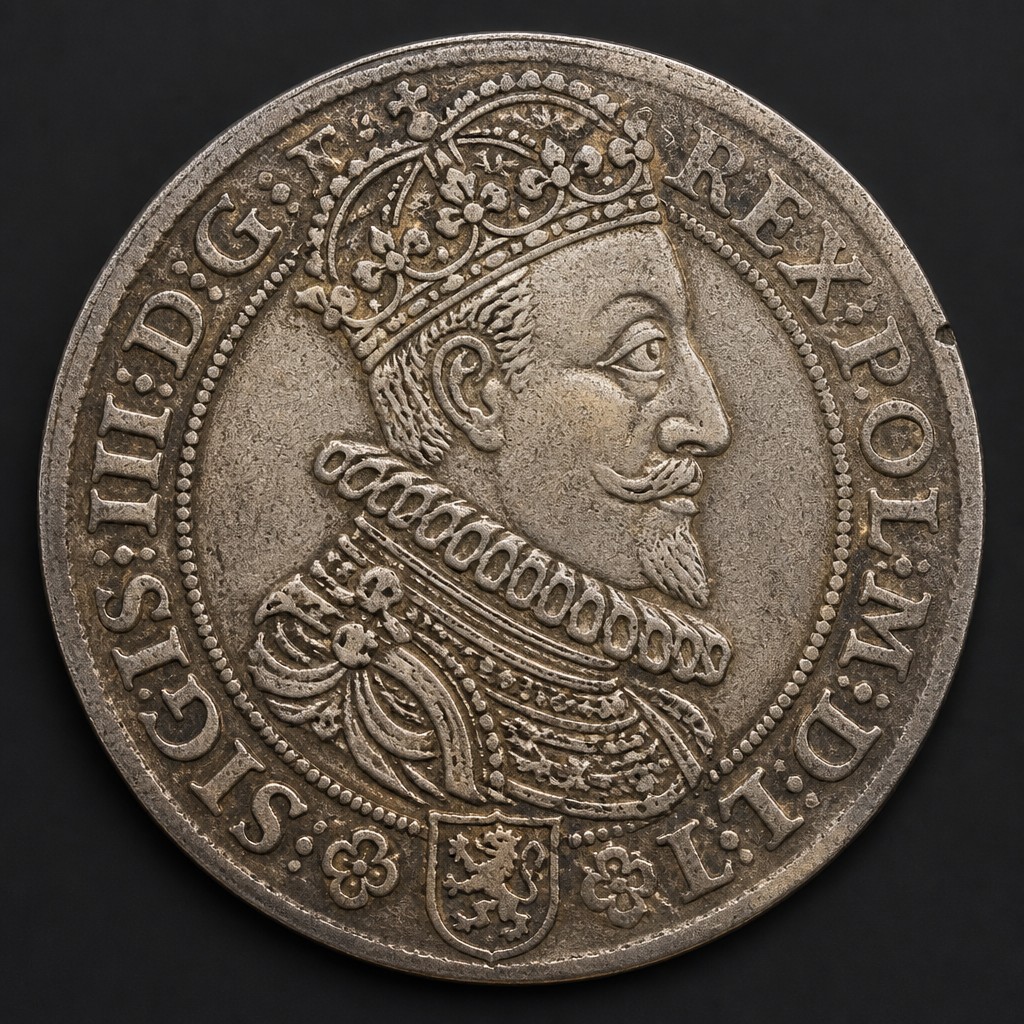
Polish-Lithuanian Thaler
circa 16th–18th century
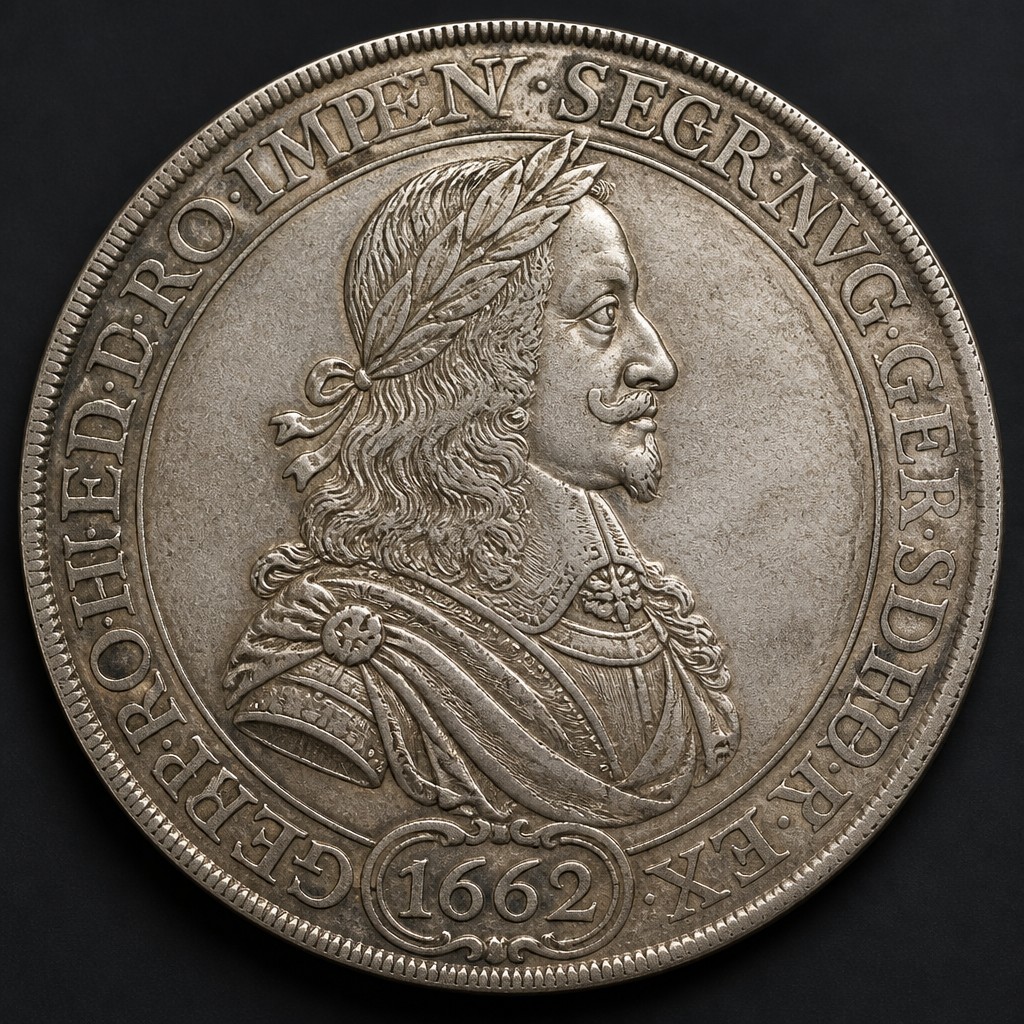
Reichsthaler
circa 1566–early 19th century
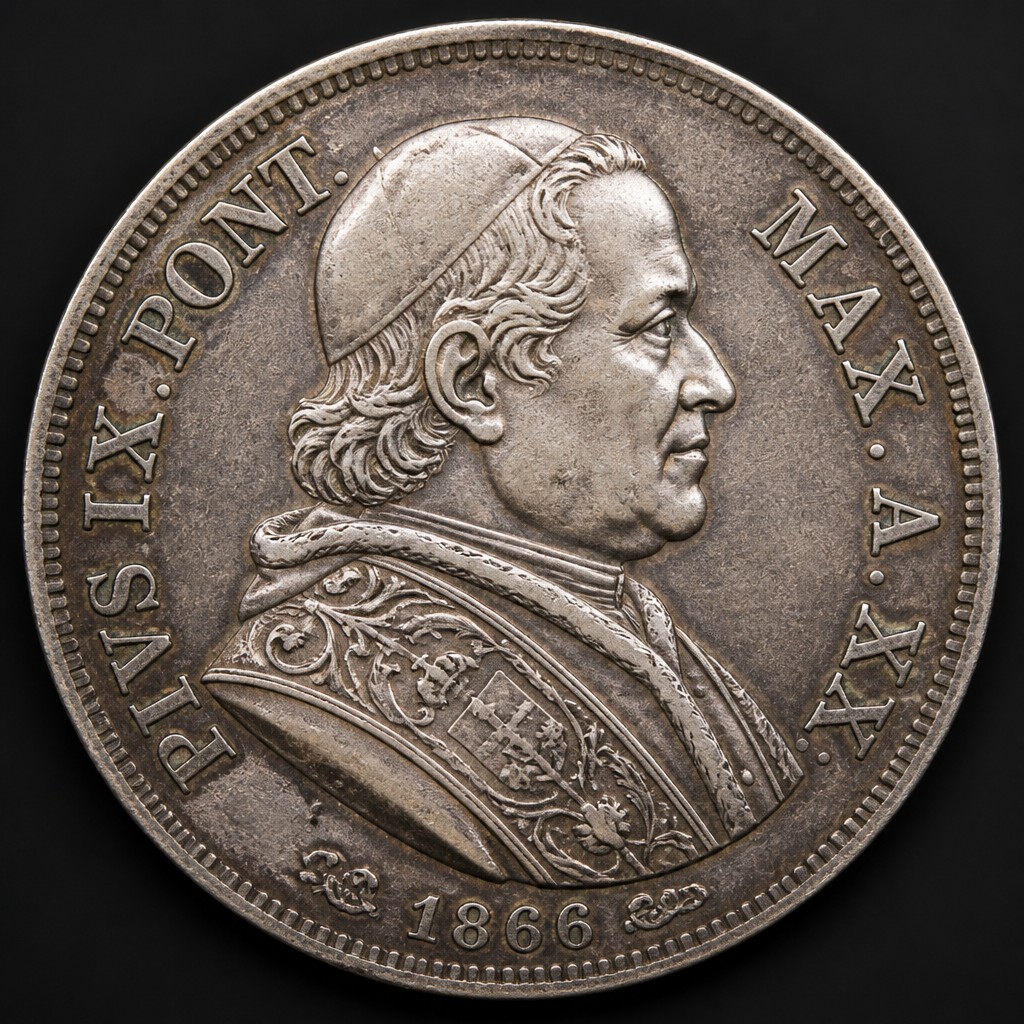
Papal States Scudo
16th century–1866
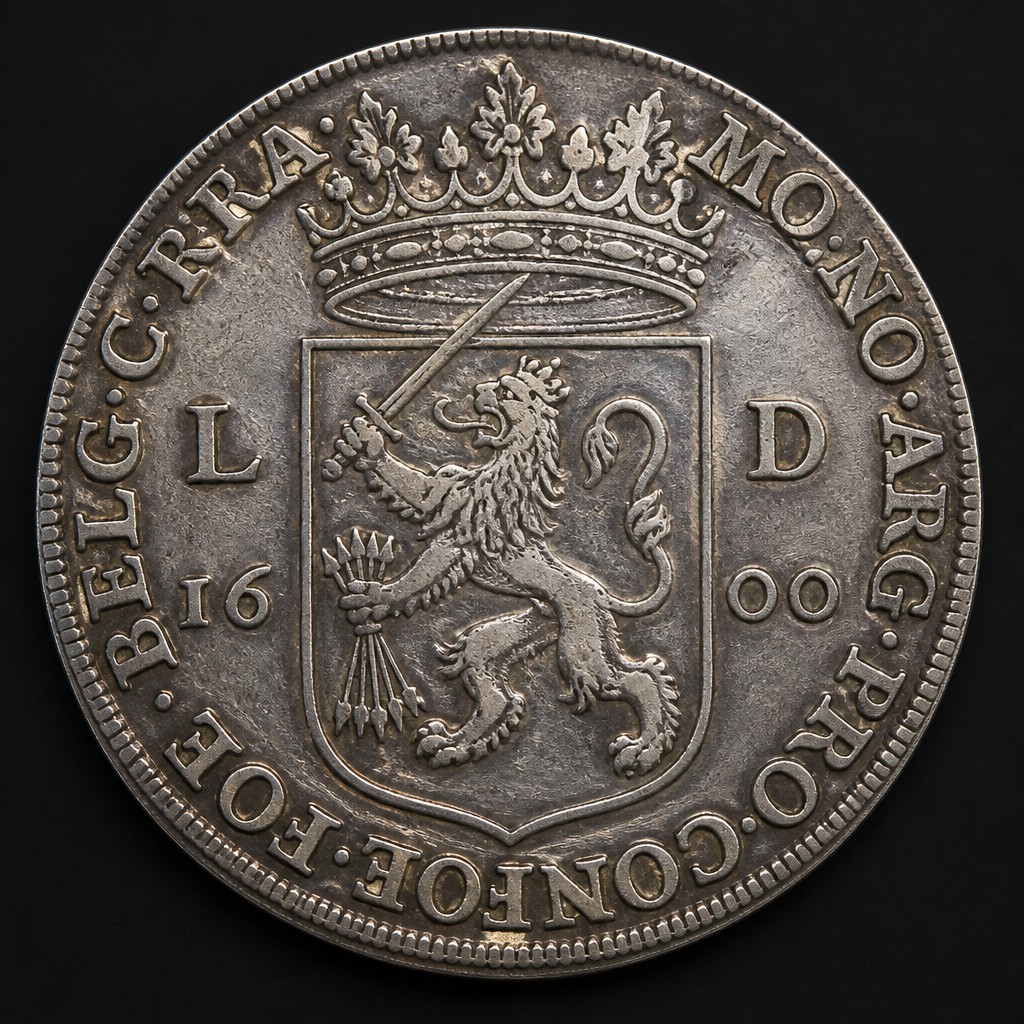
Netherlands Lion Daalder (Leeuwendaalder)
1575–1713
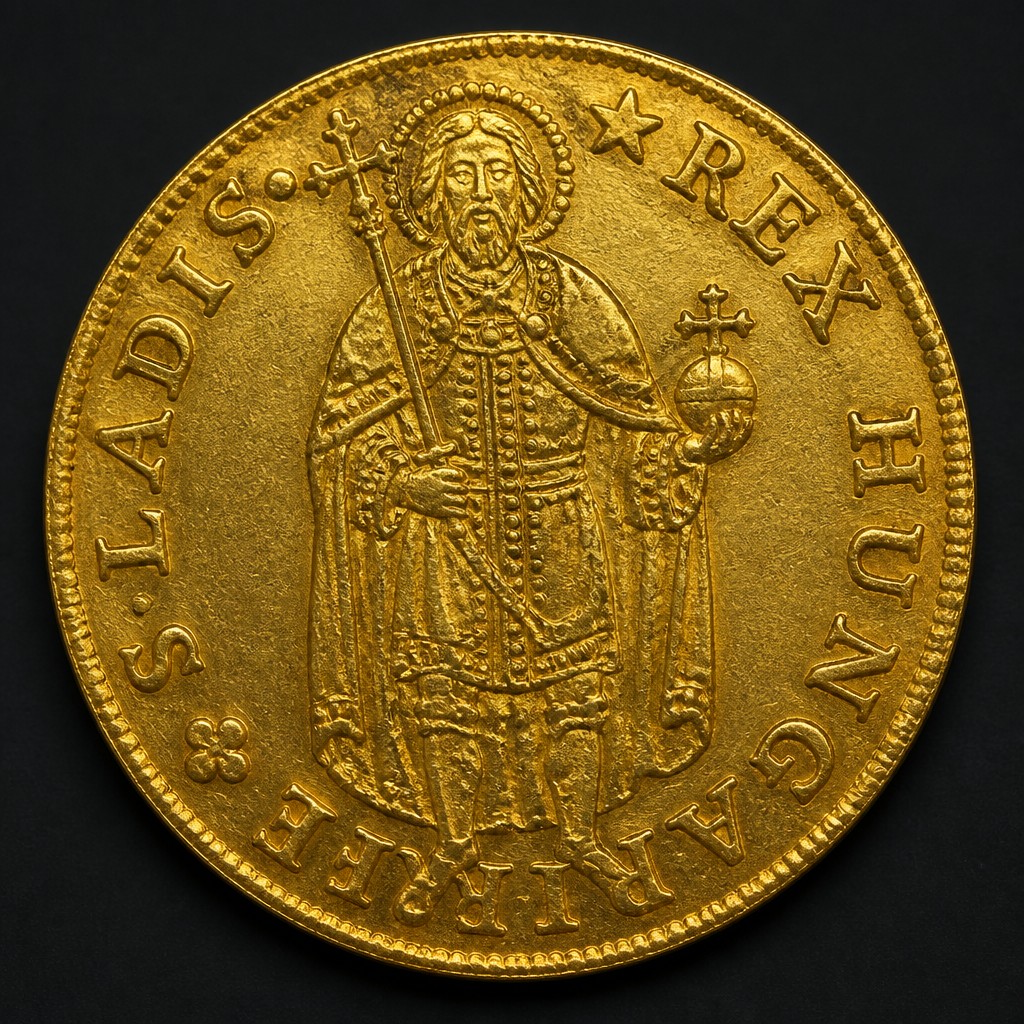
Hungarian Ducat
c. 1325–1918
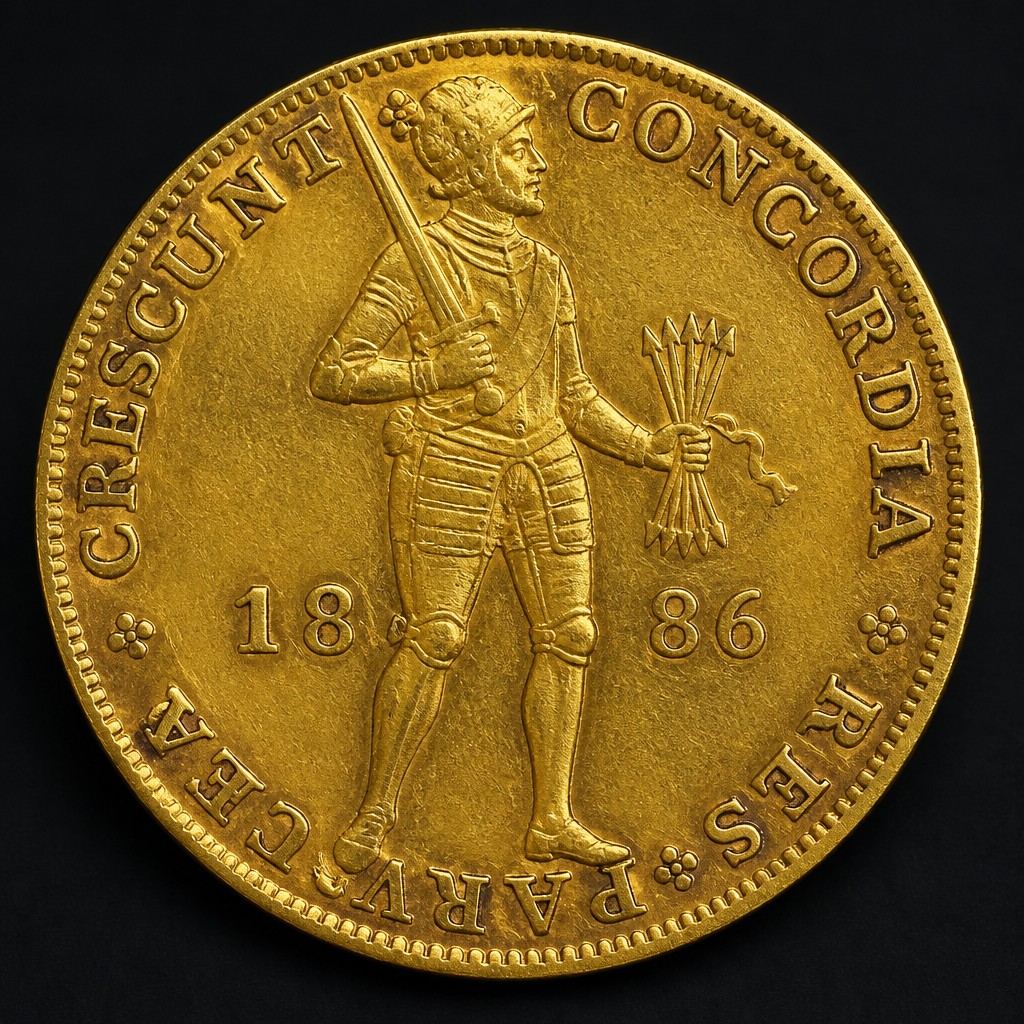
Dutch Ducat
c. 1586–present (classic type standardized after 1817)
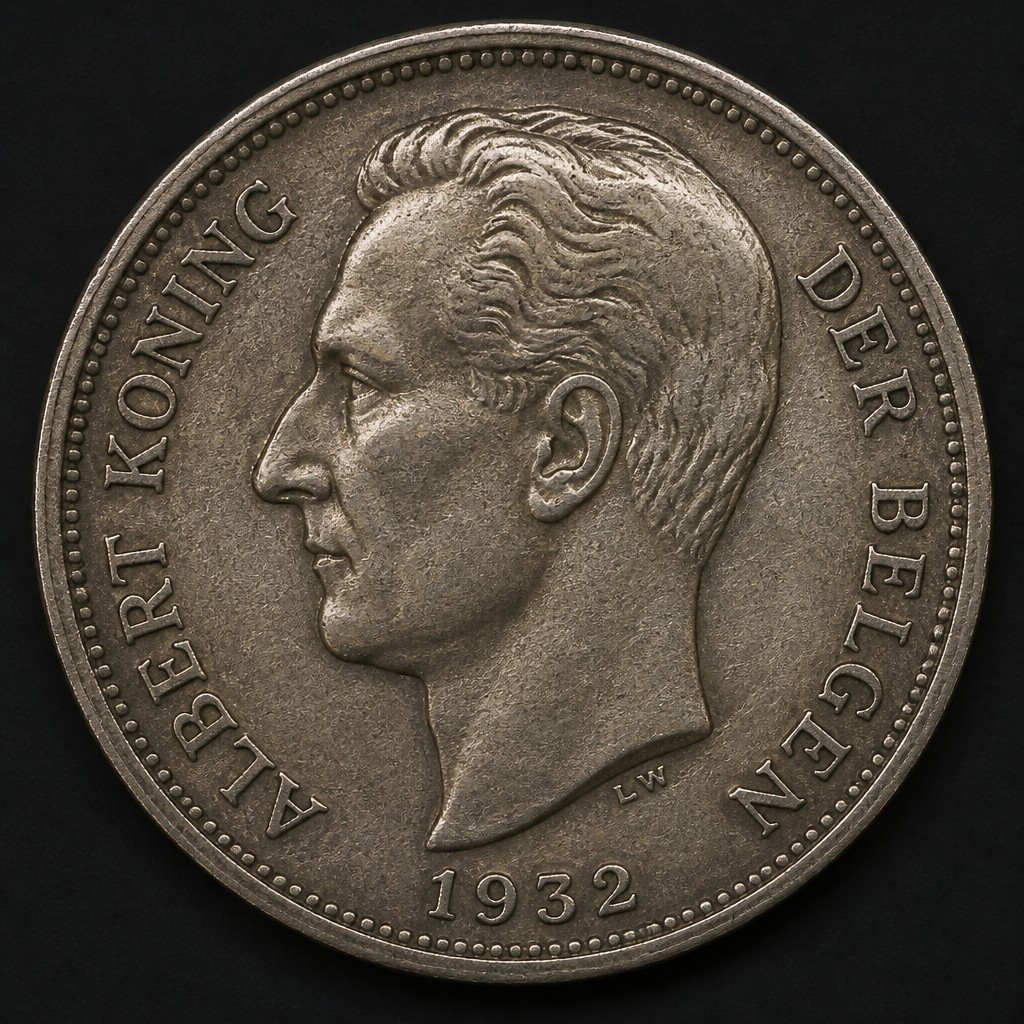
Belgian Franc
1832–2002
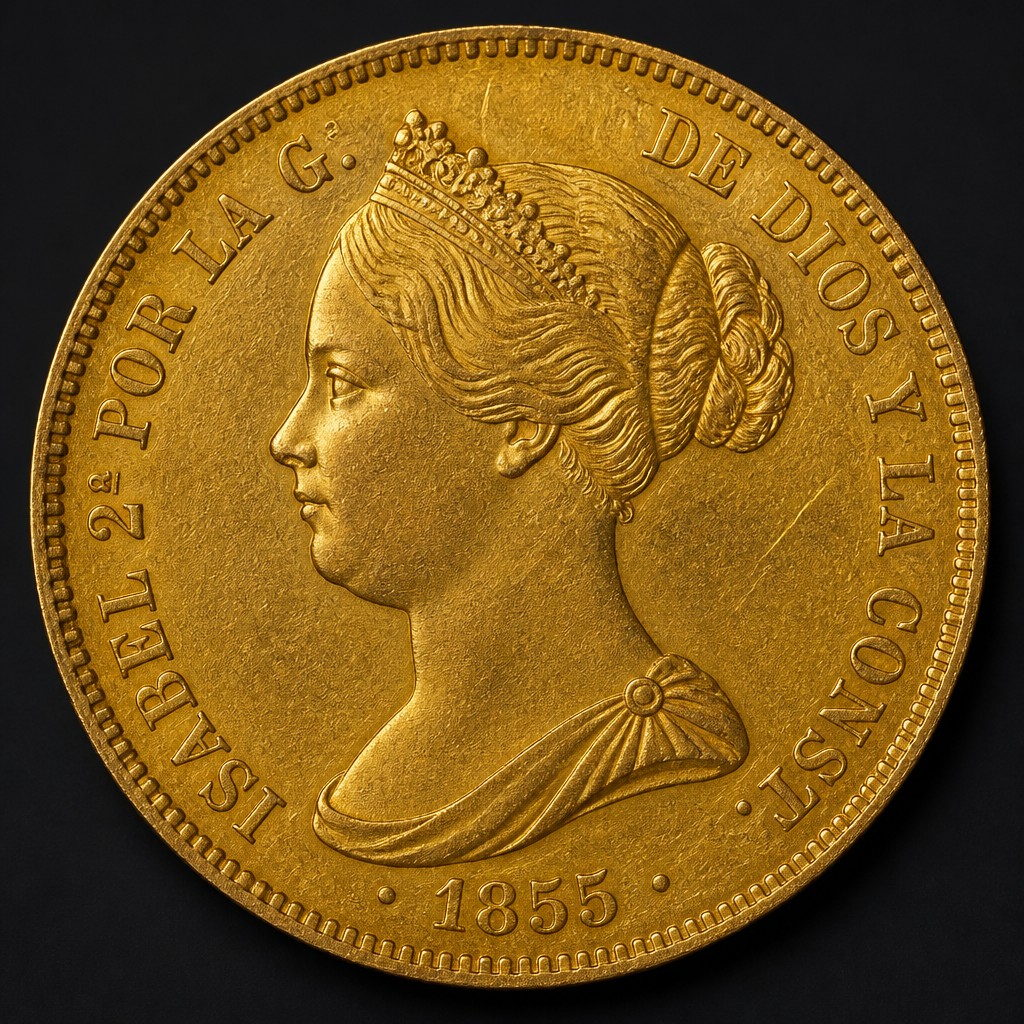
Spanish 100 Reales Gold (Isabel II)
1850s–1868
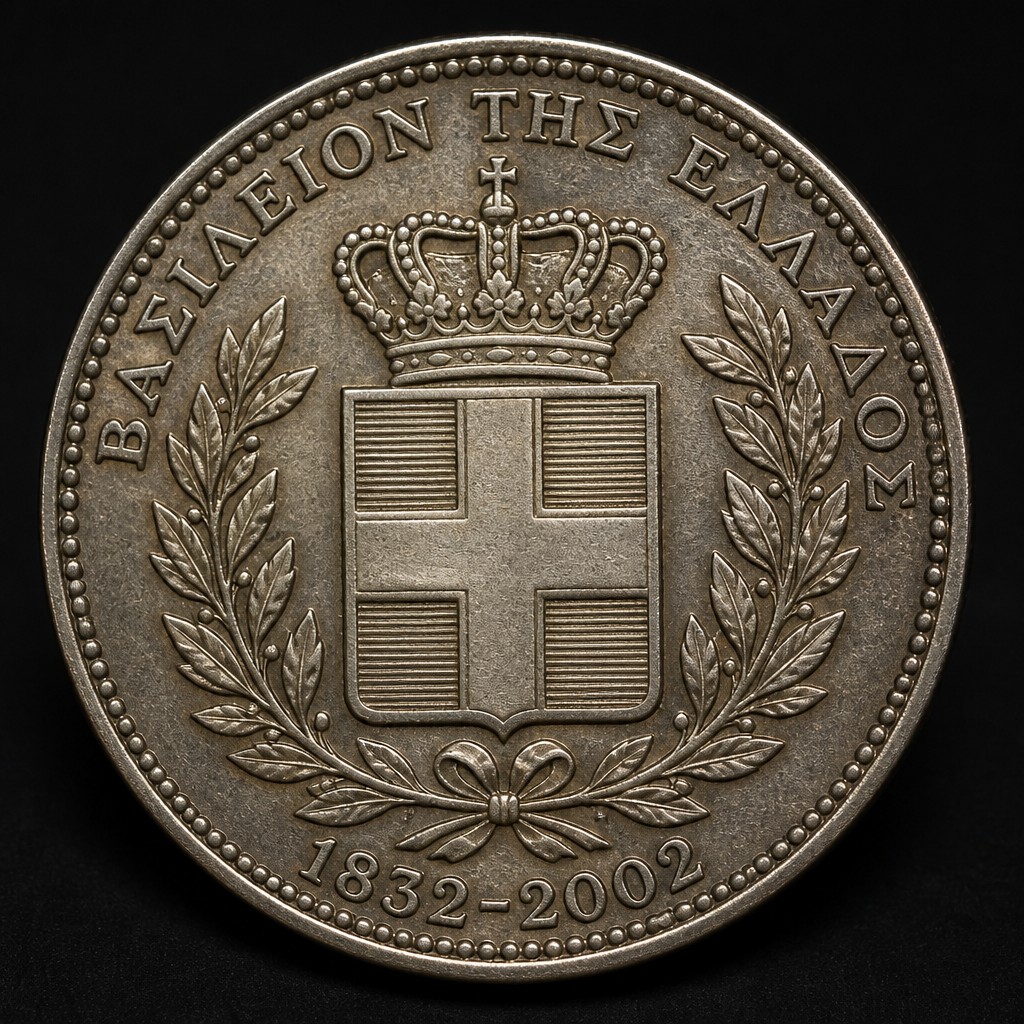
Greek Drachma
1832–2002
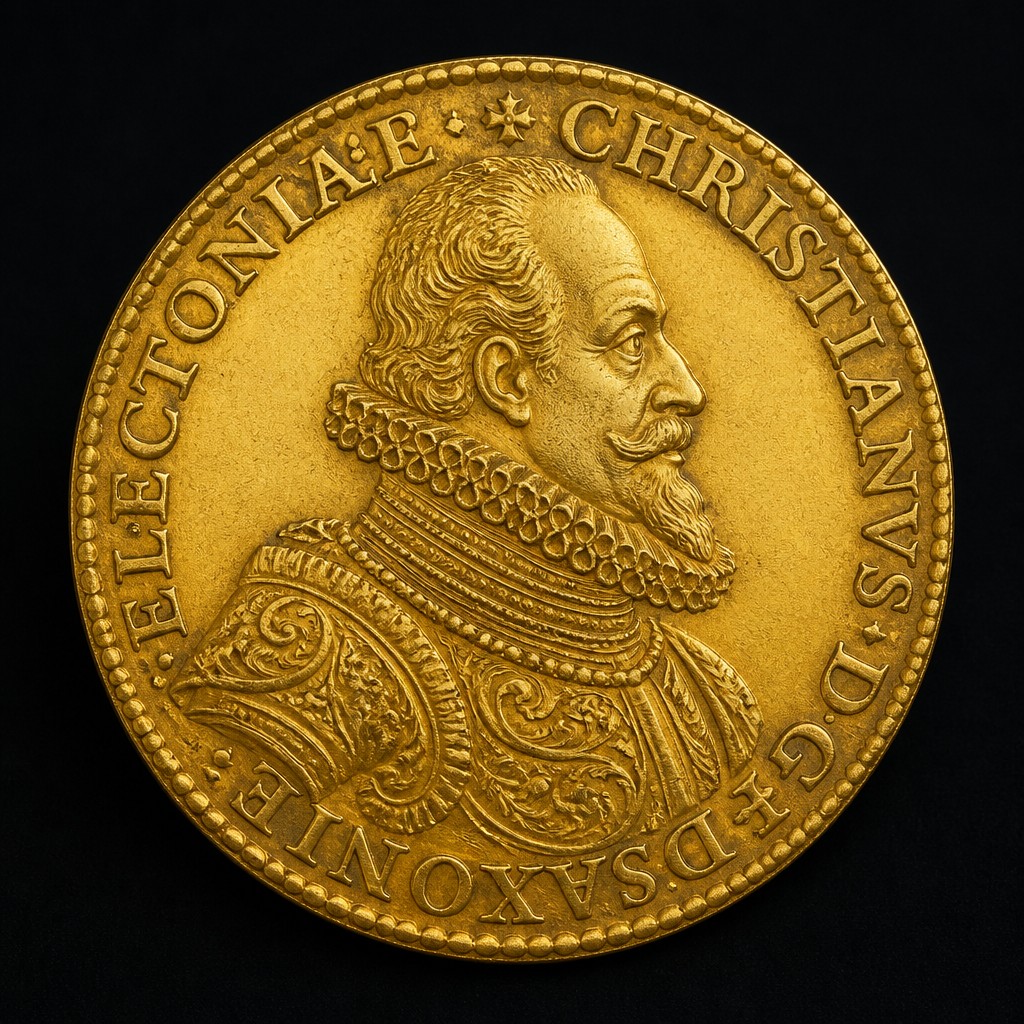
German Saxony Ducat
16th century–19th century
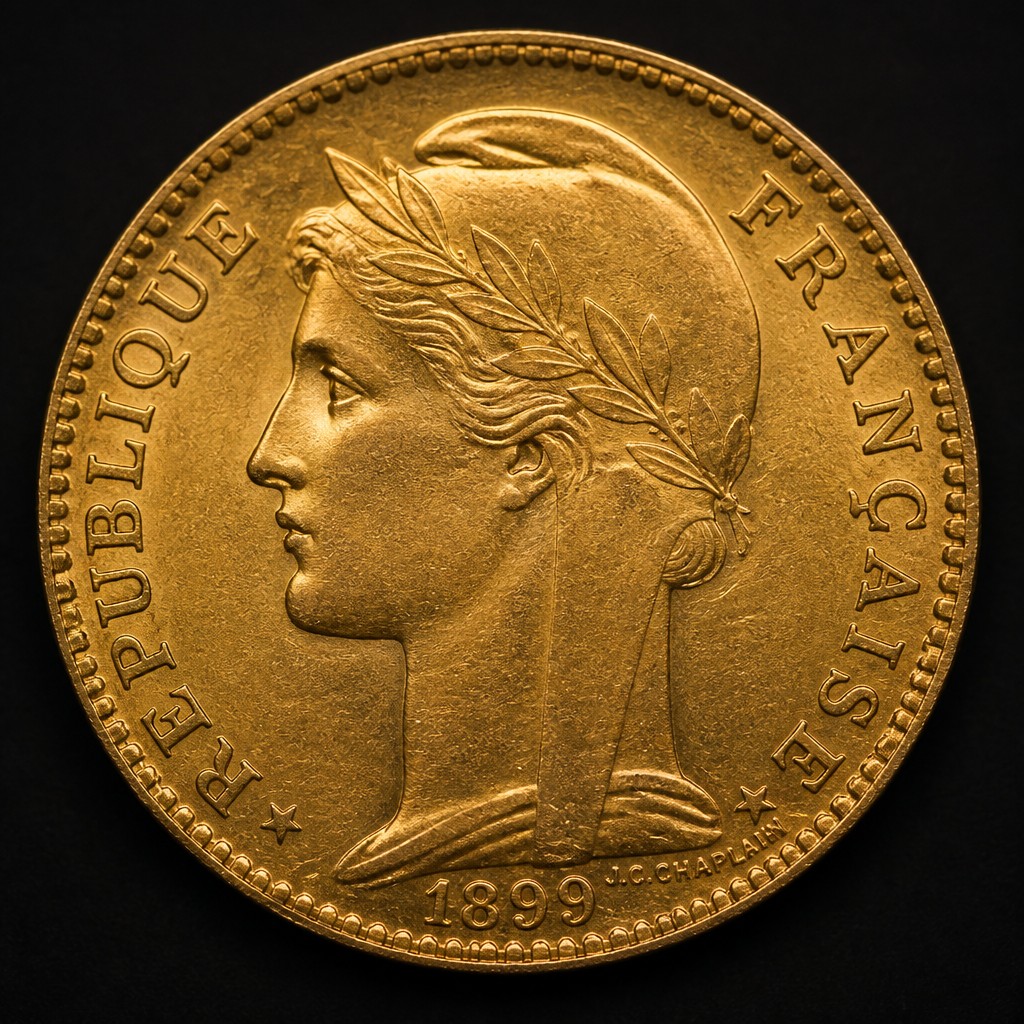
French 10 Francs Gold (Napoleon Rooster)
1899–1914
Netherlands 5 Gulden Gold
1826–1912 (intermittent)