
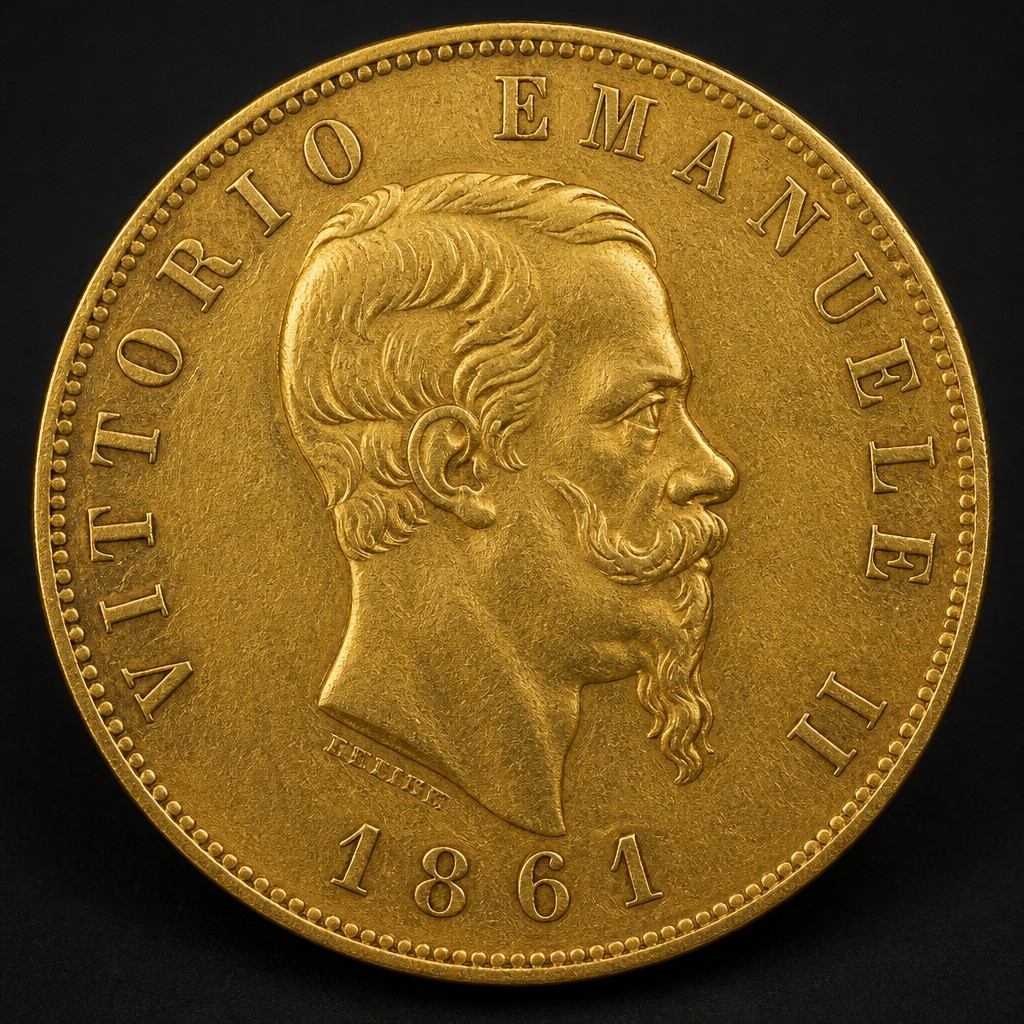
Italian 20 Lire Gold (Vittorio Emanuele)
The Kingdom of Italy's standard 20 lire gold coin, issued under kings including Vittorio Emanuele II, sharing the Latin Monetary Union's gold specifications with coins like the French Napoleon.
- Country
- Italy
- Denomination
- 20 Lire
- Metal
- 90% Gold (.900 fine)
Got a coin like this?
Identify any coin from a photo, free.
Overview
The Italian 20 lire gold coin, sometimes nicknamed the "marengo," was the Kingdom of Italy's principal gold coin following national unification, struck under a succession of kings including Vittorio Emanuele II, Umberto I, and Vittorio Emanuele III. It represents Italy's participation in the broader Latin Monetary Union that standardized gold coinage across several European countries.
Collectors value these coins for their connection to Italy's unification era, their attractive royal portraits, and their consistent, easily understood gold content shared with sister coins from France, Switzerland, and Belgium.
History & Background
Following the unification of Italy in 1861 under King Vittorio Emanuele II, the new kingdom adopted the lira as its national currency and issued gold 20 lire coins as its standard gold denomination, matching the specifications of the Latin Monetary Union established the same decade. This union allowed gold and silver coins from member countries to circulate somewhat interchangeably due to their shared weight and fineness standards.
Production continued under Vittorio Emanuele II through his reign, with later kings Umberto I and Vittorio Emanuele III issuing their own 20 lire gold coins bearing updated portraits in subsequent decades. Various Italian mints, including Turin, Milan, Naples, and Rome, struck these coins at different points, reflecting Italy's still-developing centralized minting infrastructure in the years following unification.
As with other Latin Monetary Union gold coins, production of the 20 lire gold denomination wound down in the early 20th century as European nations moved away from full gold-standard coinage.
How to Identify
The obverse shows the reigning Italian king's portrait in profile, identified by name and title in the surrounding Latin or Italian legend, for example Vittorio Emanuele II as king of Italy. The reverse typically displays the Italian coat of arms or a wreath with the denomination, depending on the specific reign and year.
The coin shares the Latin Monetary Union's standard gold specifications: .900 fine gold, 6.45 grams, and about 21mm diameter, identical to the French 20 franc and Swiss 20 franc gold coins of the same era. Because of this shared specification, precise identification depends on reading the king's name and mint details on the coin rather than relying on size or weight alone.
Value & Collectibility
Common date 20 lire gold coins trade close to their gold bullion value, given their manageable size and broad historical production, making them accessible entry points into Italian gold coinage. Scarcer early dates, particular mint city issues, or coins in exceptional uncirculated condition can command real numismatic premiums above simple gold content.
As part of the broader Latin Monetary Union gold coin family, these coins benefit from steady collector recognition and demand, keeping common pieces reasonably liquid in the marketplace.
Frequently asked questions
What does "marengo" refer to?
It is a popular nickname sometimes applied to the Italian 20 lire gold coin, similar to how the French 20 franc is nicknamed the "Napoleon."
What is the gold content of a 20 lire coin?
It contains 6.45 grams of .900 fine gold, matching the Latin Monetary Union's standard specification.
Which kings appear on the 20 lire gold coin?
Vittorio Emanuele II, Umberto I, and Vittorio Emanuele III all issued 20 lire gold coins bearing their own portraits at different points.
Why do Italian, French, and Swiss gold coins share the same size?
They were all struck according to the Latin Monetary Union standard, which harmonized gold and silver coin specifications among member countries.
Other coins you may enjoy
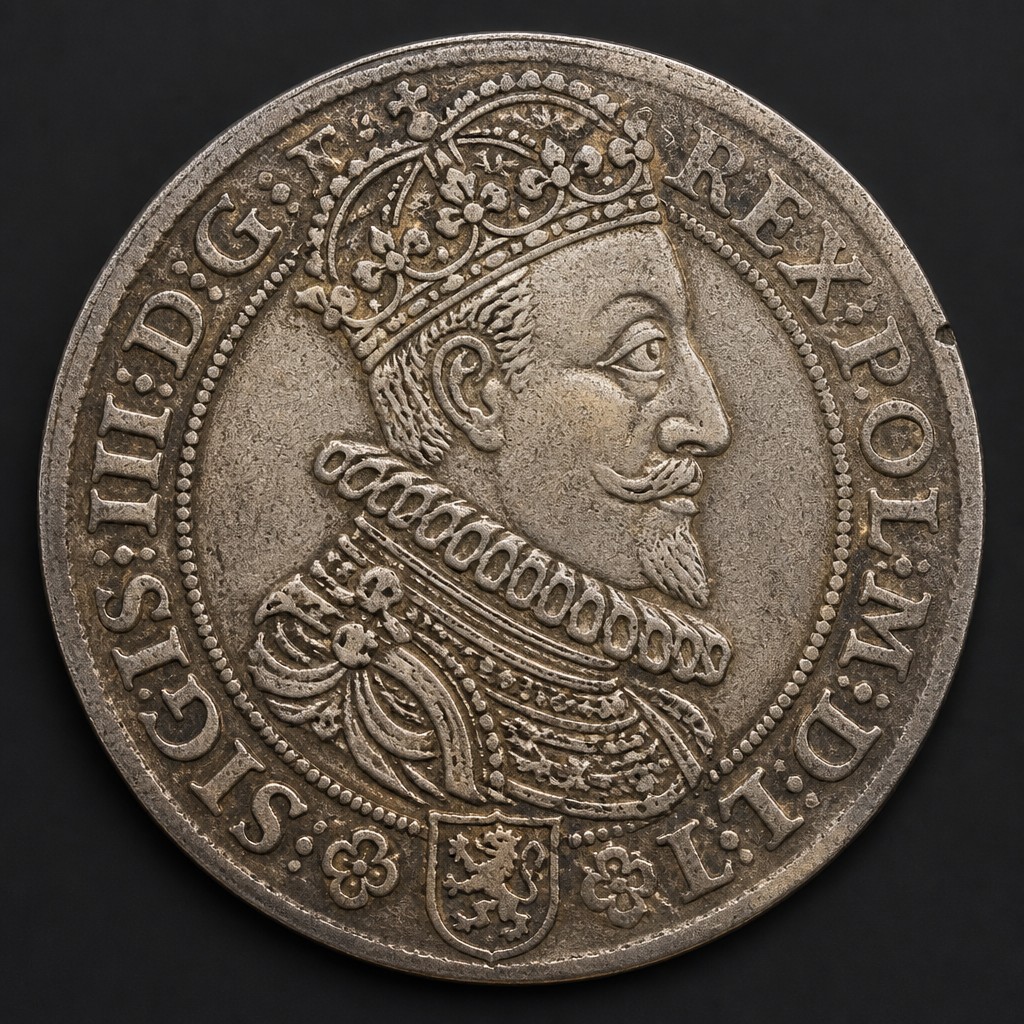
Polish-Lithuanian Thaler
circa 16th–18th century
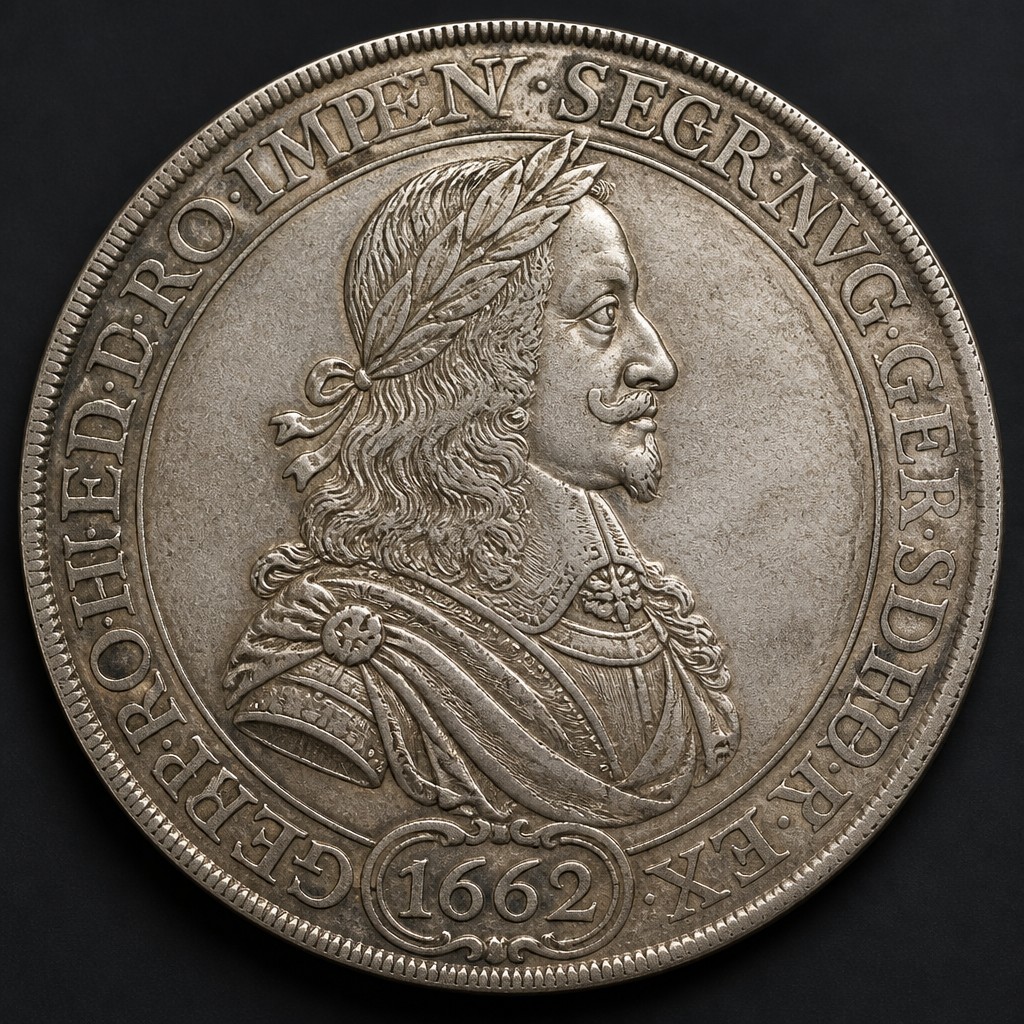
Reichsthaler
circa 1566–early 19th century
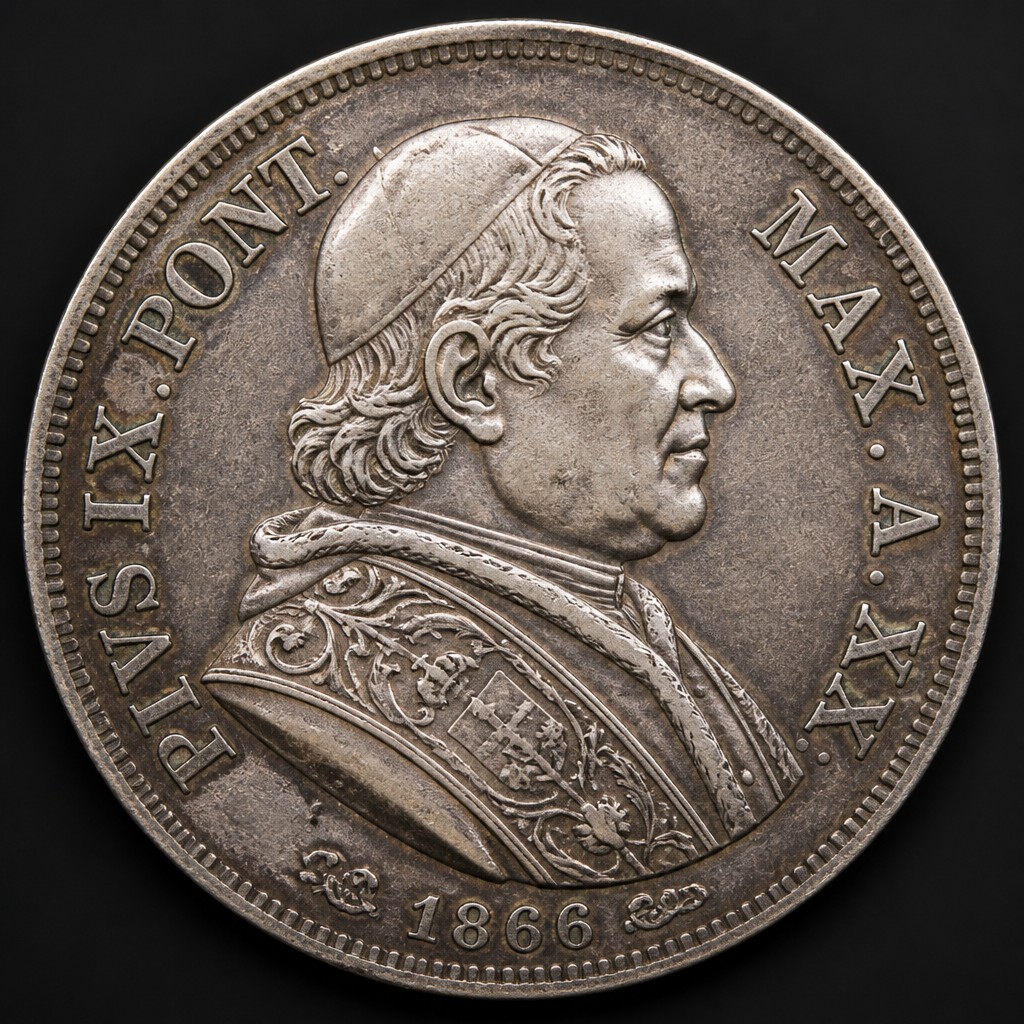
Papal States Scudo
16th century–1866
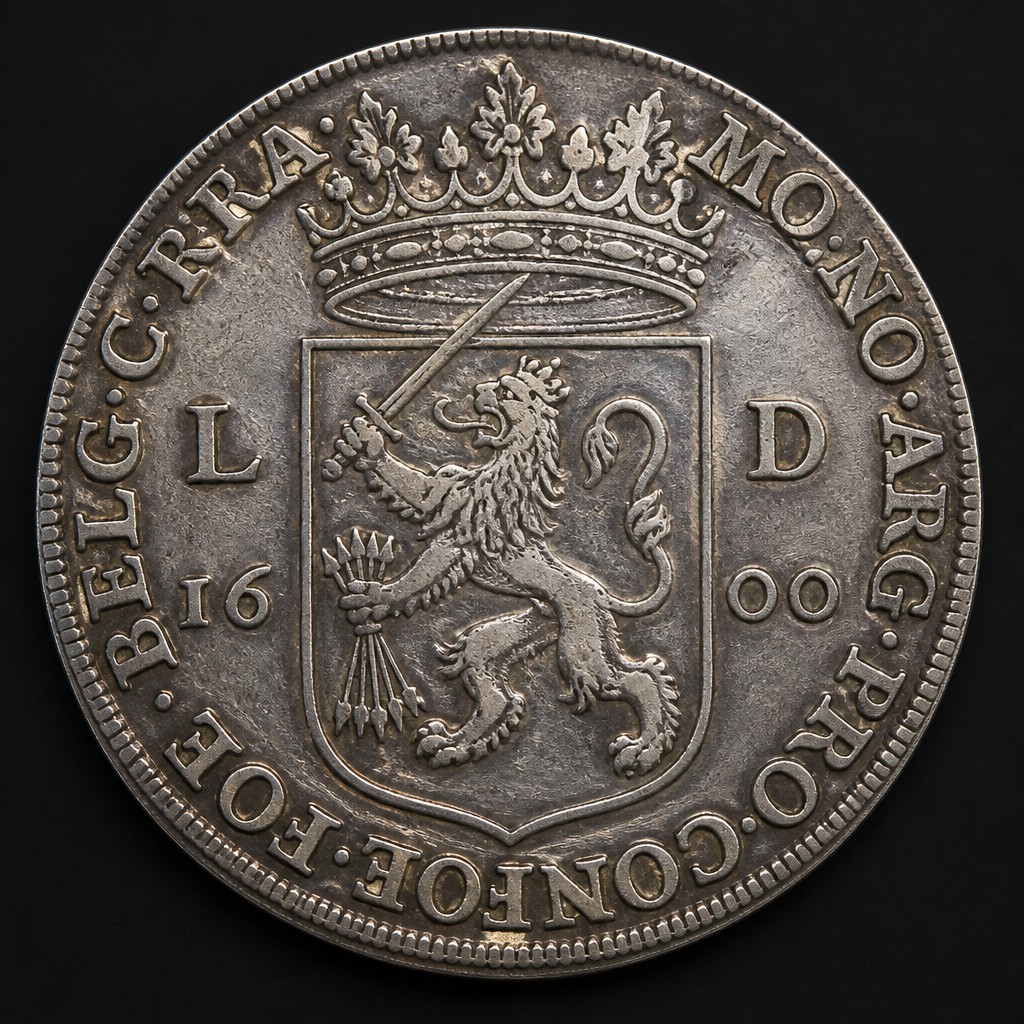
Netherlands Lion Daalder (Leeuwendaalder)
1575–1713
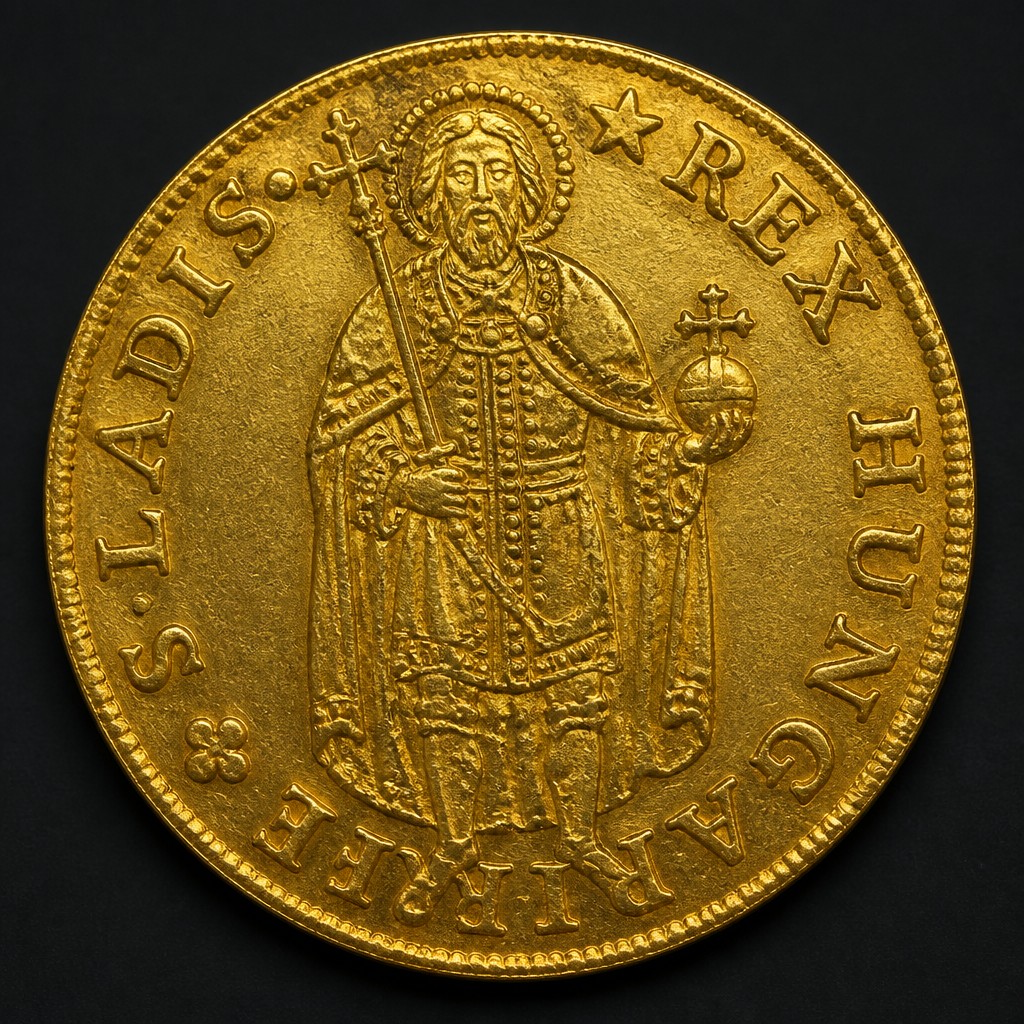
Hungarian Ducat
c. 1325–1918
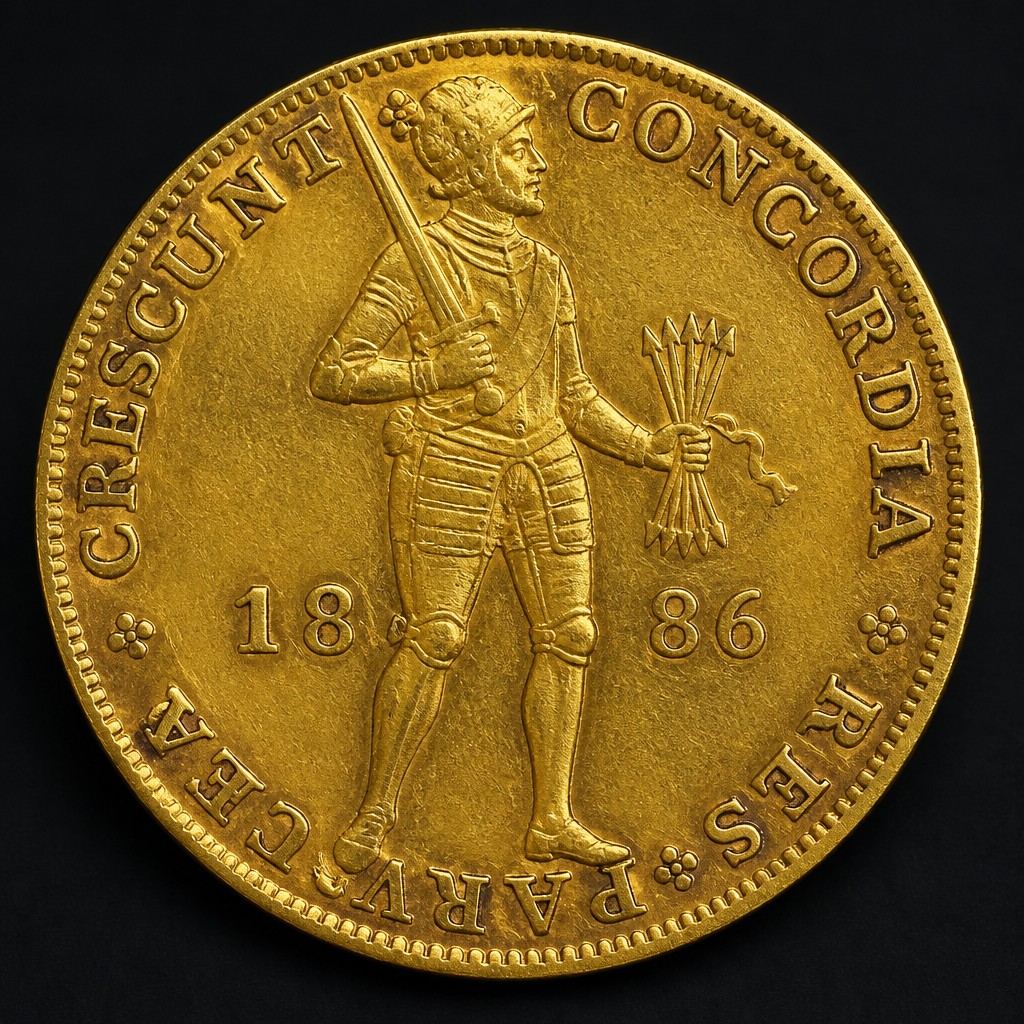
Dutch Ducat
c. 1586–present (classic type standardized after 1817)
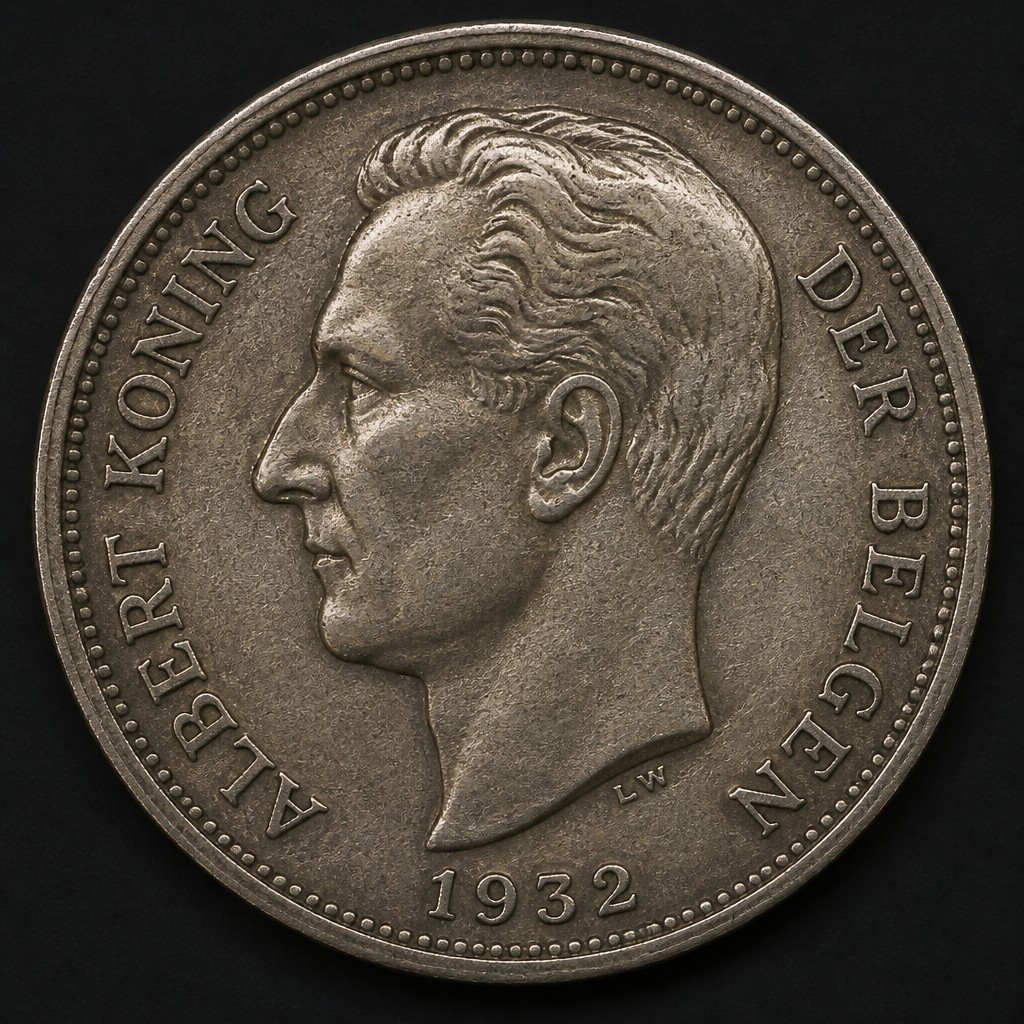
Belgian Franc
1832–2002
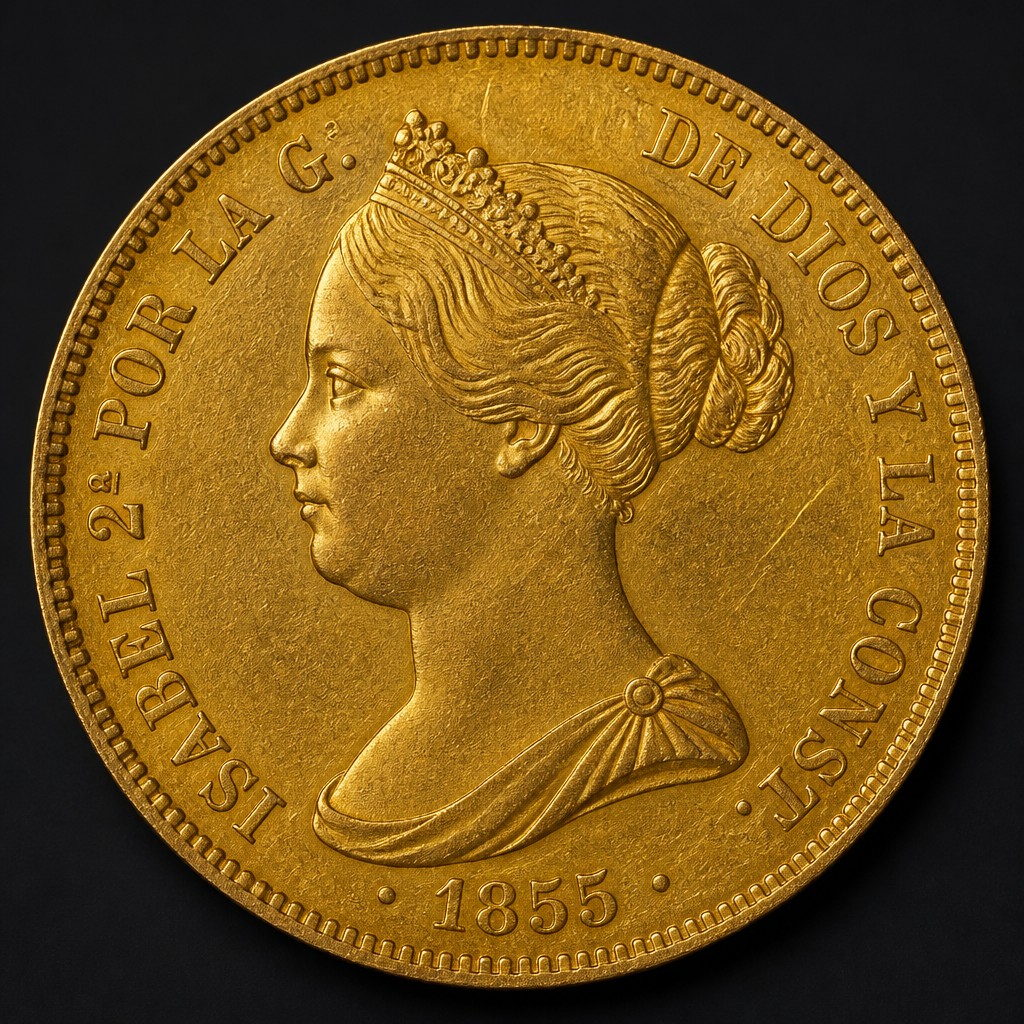
Spanish 100 Reales Gold (Isabel II)
1850s–1868
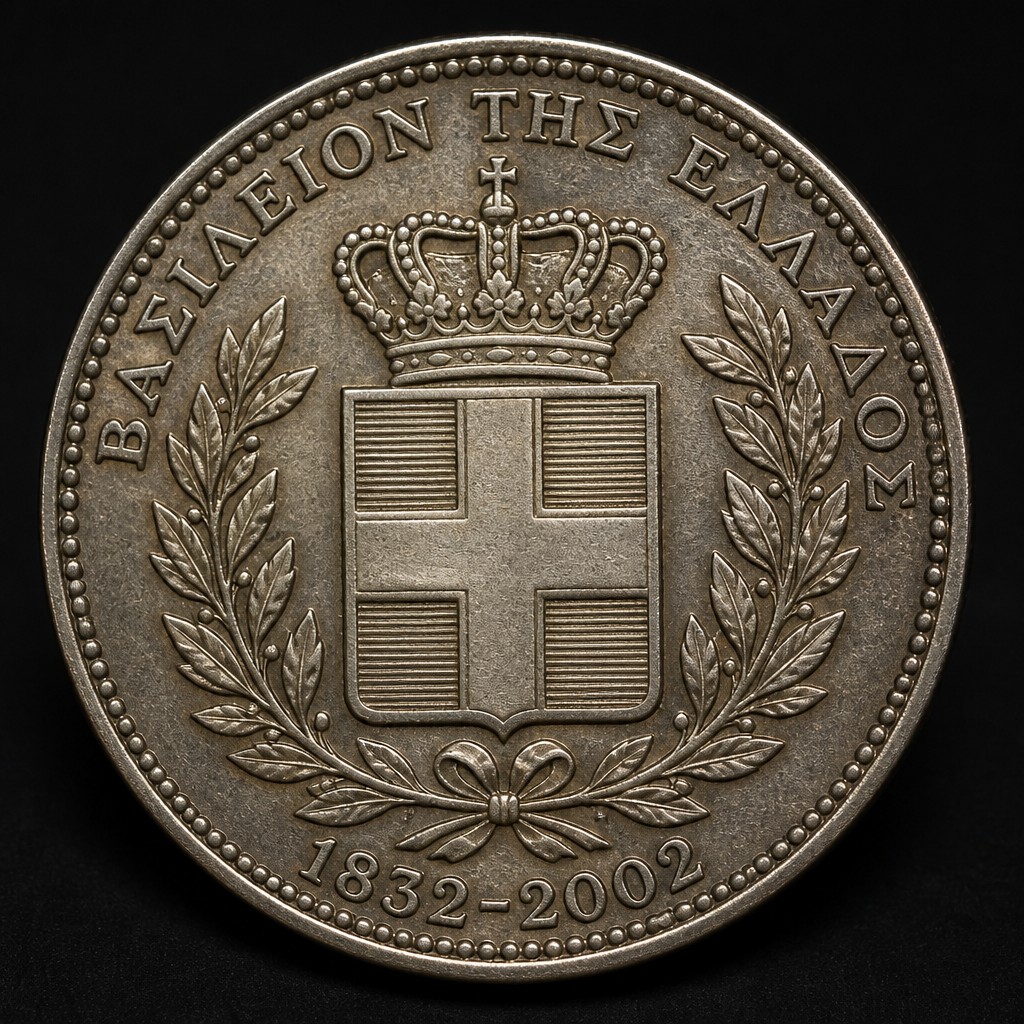
Greek Drachma
1832–2002
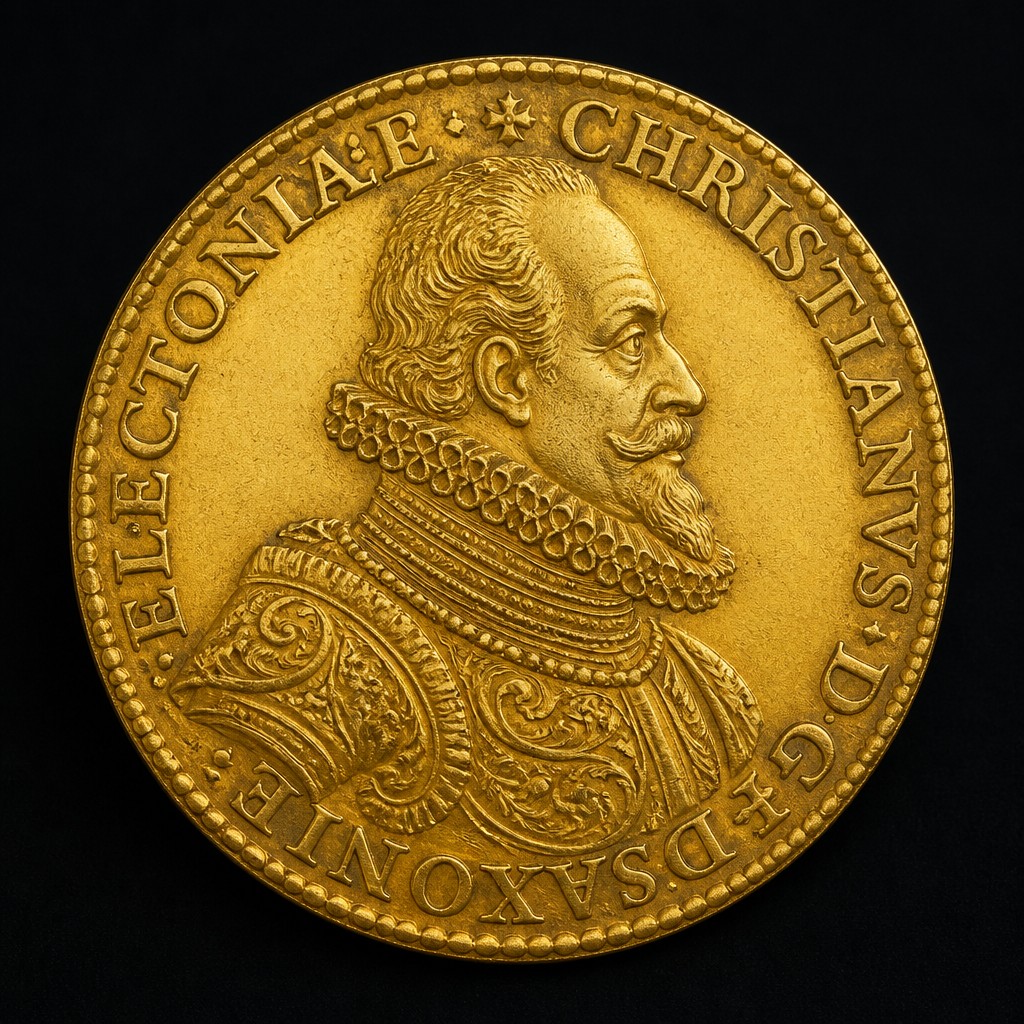
German Saxony Ducat
16th century–19th century
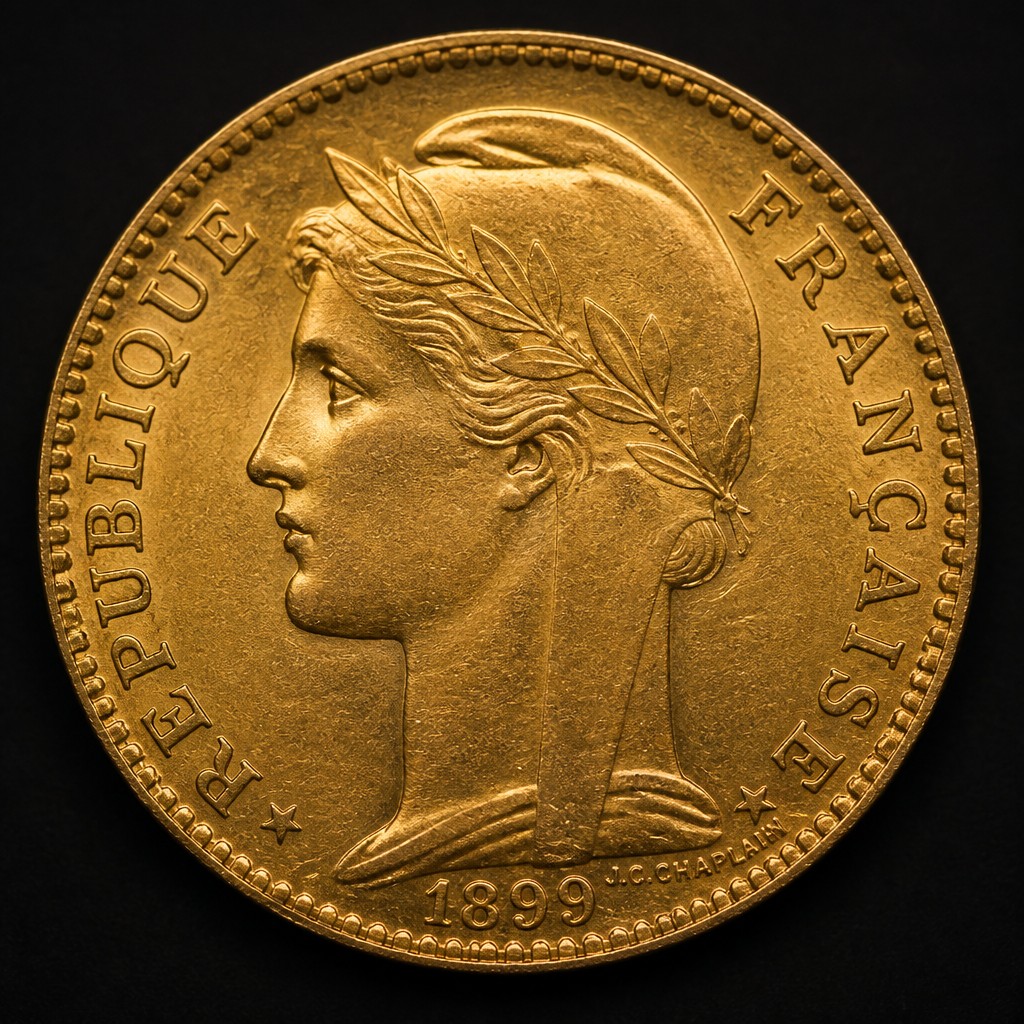
French 10 Francs Gold (Napoleon Rooster)
1899–1914
Netherlands 5 Gulden Gold
1826–1912 (intermittent)