
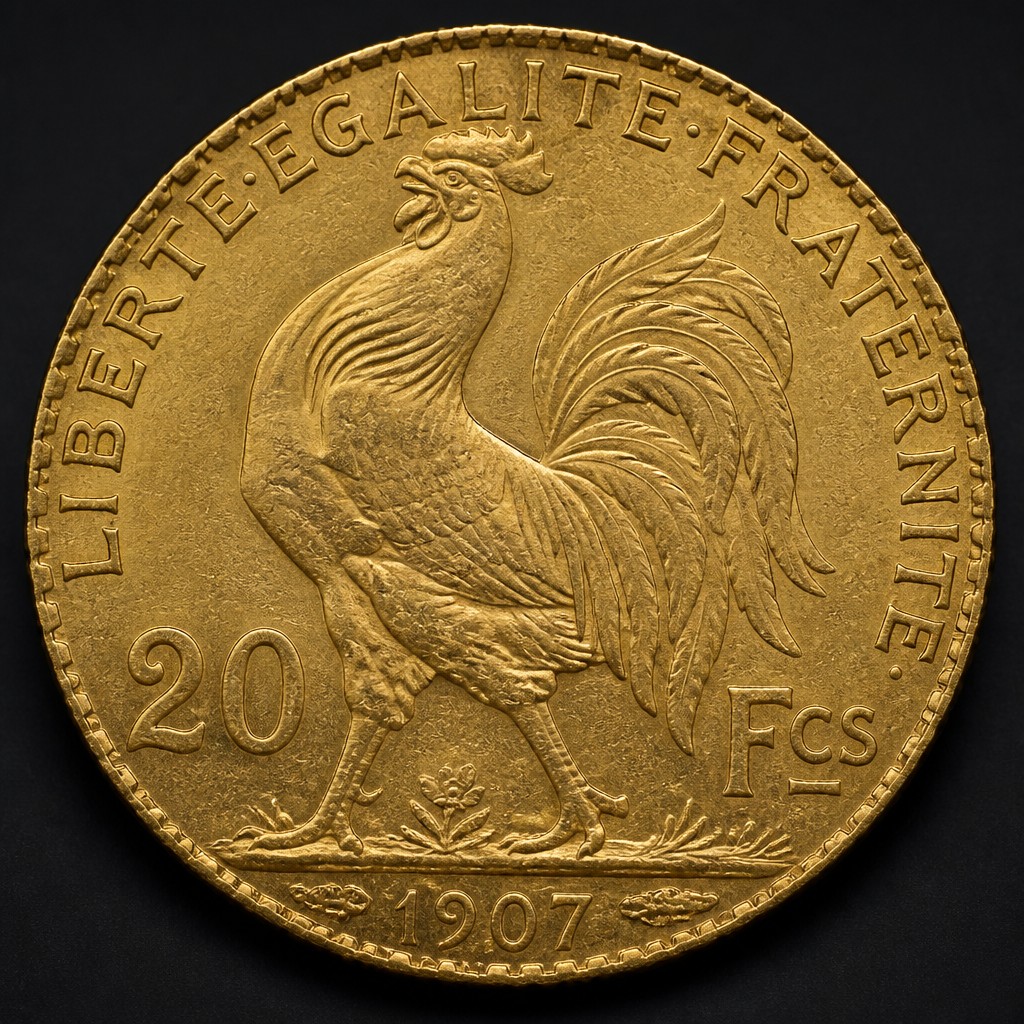
French 20 Franc Rooster
A French Third Republic gold coin replacing royal and imperial portraits with republican symbolism: Marianne on the obverse and a standing Gallic rooster on the reverse.
- Country
- France
- Denomination
- 20 Francs
- Metal
- 90% Gold (.900 fine, approx. 0.1867 troy oz gold content)
Got a coin like this?
Identify any coin from a photo, free.
Overview
The 20 Franc Rooster, often called the Coq for its rooster reverse, is a French gold coin issued by the Third Republic as a deliberate break from the monarchic and imperial portrait tradition of earlier 20 Franc gold pieces. It shares the same weight, size, and fineness as the older Napoleon type but carries entirely republican imagery.
The coin remains a favorite among gold bullion buyers in France and Europe for its elegant Art Nouveau-influenced design and its status as one of the last classic gold coins struck before France left the gold standard during World War I.
History & Background
By the late 19th century, France's Third Republic sought a coinage design reflecting republican rather than monarchic values, moving away from ruler portraits used on earlier 20 Franc gold coins. Sculptor and medalist Jules-Clément Chaplain designed the new type, which debuted in 1899, portraying Marianne, the female personification of the French Republic, alongside a standing Gallic rooster, a long-standing national emblem of France.
The coin was struck regularly through 1914, when the outbreak of World War I ended routine gold coin production in France. The French government later authorized commemorative restrikes of the design (carrying the retrospective date 1907) well into the 20th century, purely for the bullion and collector market, meaning genuine period pieces and later restrikes both circulate today.
How to Identify
The obverse shows the head of Marianne wearing a Phrygian cap-influenced hairstyle, often described as an allegorical genius or sower figure depending on the specific die, with "REPUBLIQUE FRANCAISE" around the rim. The reverse depicts a proud standing Gallic rooster, wings raised, standing atop a mound with the denomination "20 FRANCS" and the date below.
The coin matches the Napoleon type in size and composition: approximately 21 mm in diameter, 6.45 grams total weight, .900 fine gold, containing about 0.1867 troy ounces of pure gold. A small mint mark and engraver's mark can be found near the date on the reverse, along with the edge lettering "DIEU PROTEGE LA FRANCE" (God Protect France) on original strikes.
Collectors distinguish the Rooster type from the earlier Napoleon 20 Franc primarily by its wholly different, portrait-free obverse and its rooster reverse, and can distinguish genuine 1899–1914 issues from later 1907-dated restrikes through mint records, edge details, and overall strike characteristics.
Value & Collectibility
As with the Napoleon type, common-date and restrike Rooster coins trade close to their gold melt value with a modest bullion premium, given the large total mintage across original and restrike production. Grade differences matter less for the common bullion-market examples.
Genuine, original pre-1914 dates in high uncirculated grades, and any unusually low-mintage year, can command a premium over later restrikes and common dates, though this premium is generally smaller than the underlying gold value.
Frequently asked questions
Why did France change from portraits to Marianne and the rooster?
The Third Republic wanted coinage that reflected republican ideals rather than the monarchic or imperial portraits used on earlier French gold coins.
Is the Rooster coin the same size as the Napoleon 20 Franc?
Yes, both share the same 6.45-gram weight, .900 fine gold composition, and roughly 21mm diameter, containing about 0.1867 troy ounces of gold.
What does the 1907 date on some coins mean if they were struck later?
France authorized restrikes of the design using the 1907 date for decades afterward, purely for bullion and collector purposes, so a 1907 date does not always mean the coin was struck in 1907.
What does the edge inscription say?
Original strikes carry the edge motto 'DIEU PROTEGE LA FRANCE,' meaning 'God Protect France.'
Other coins you may enjoy
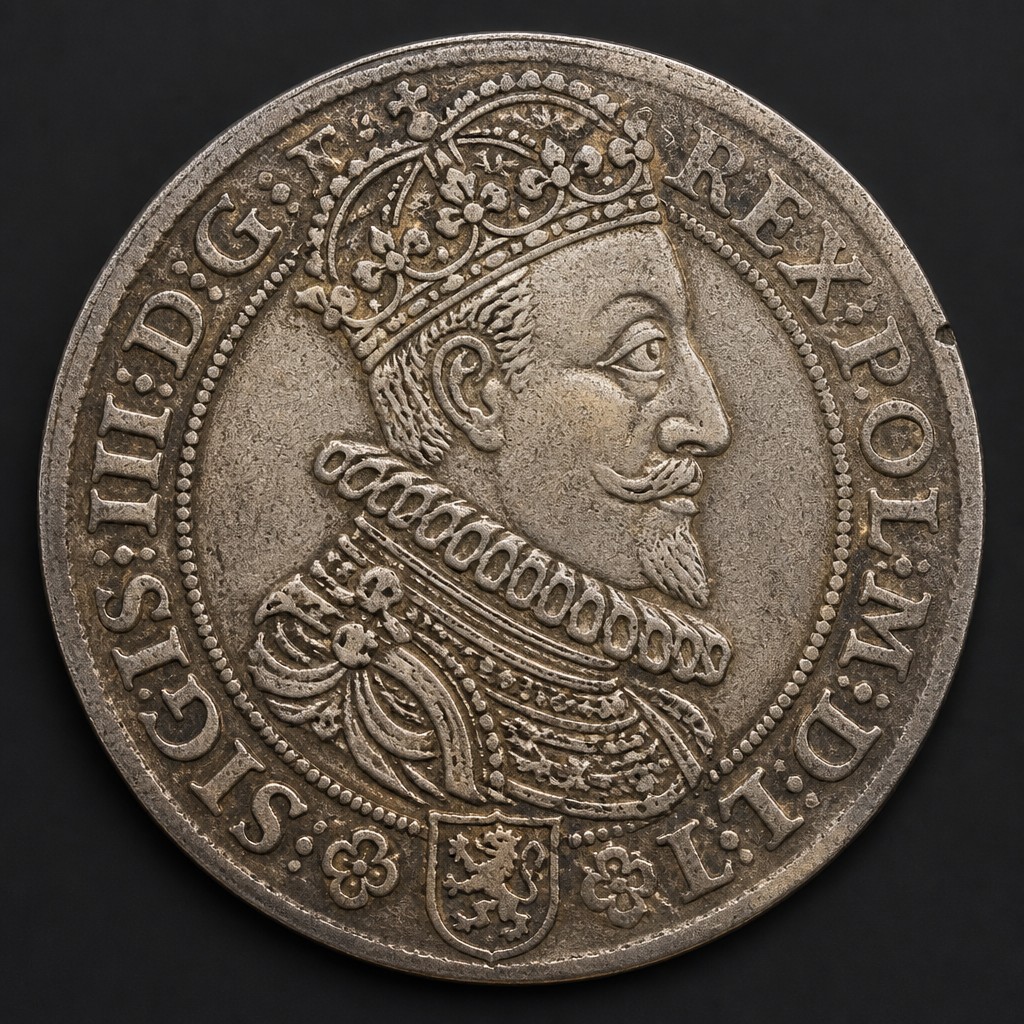
Polish-Lithuanian Thaler
circa 16th–18th century
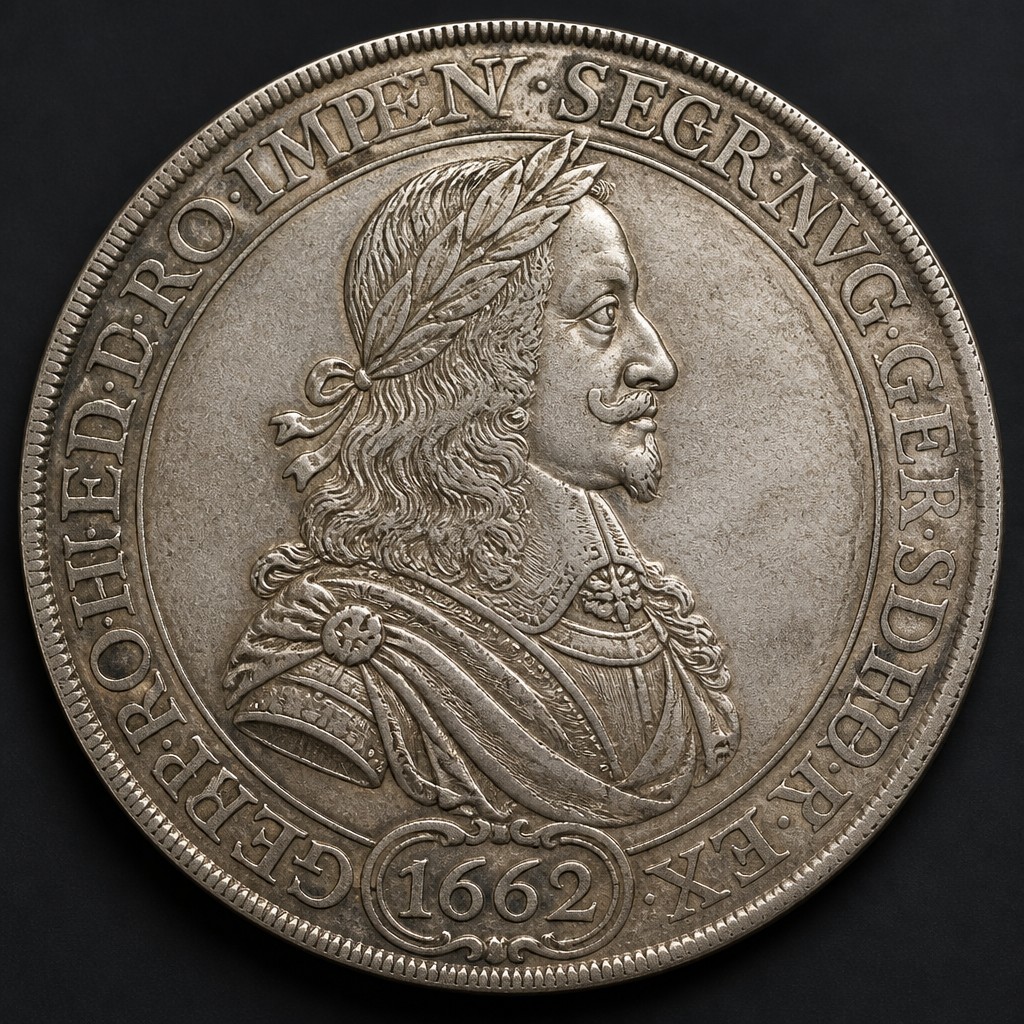
Reichsthaler
circa 1566–early 19th century
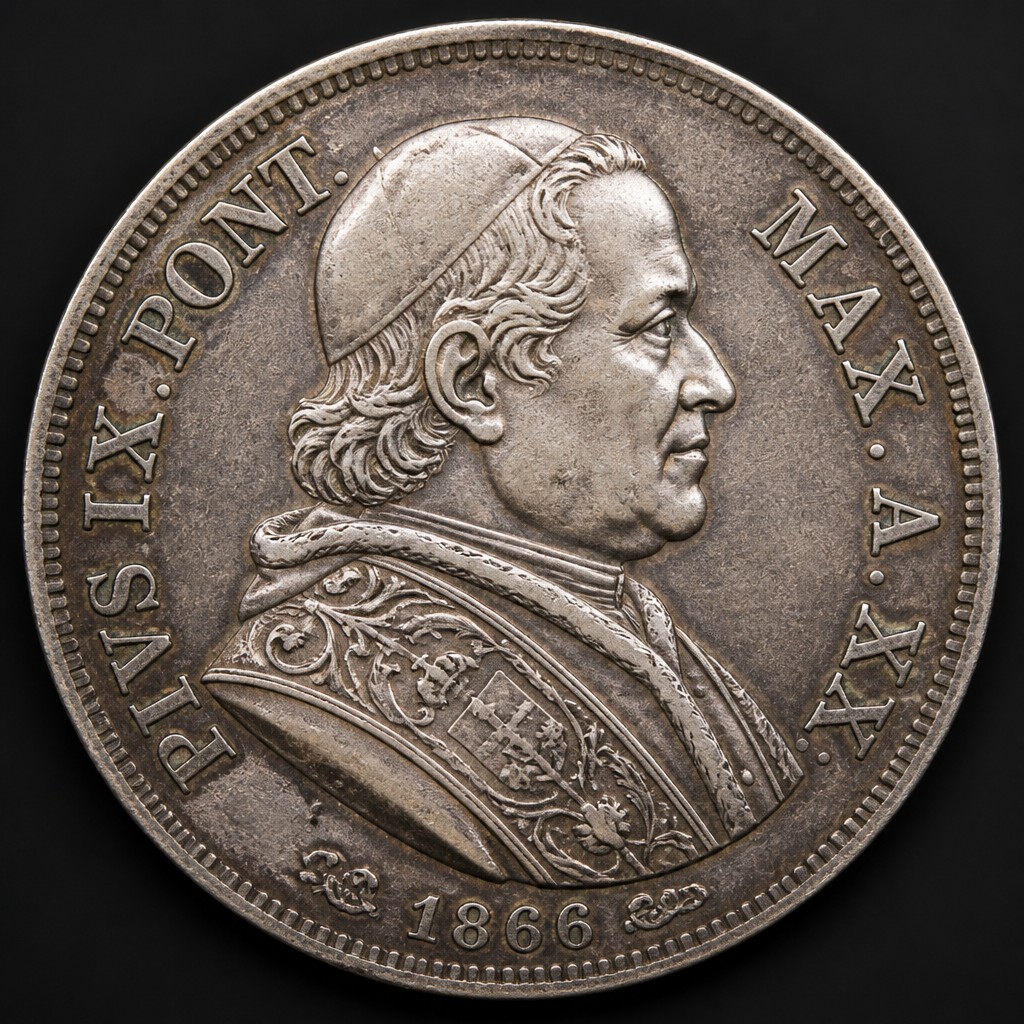
Papal States Scudo
16th century–1866
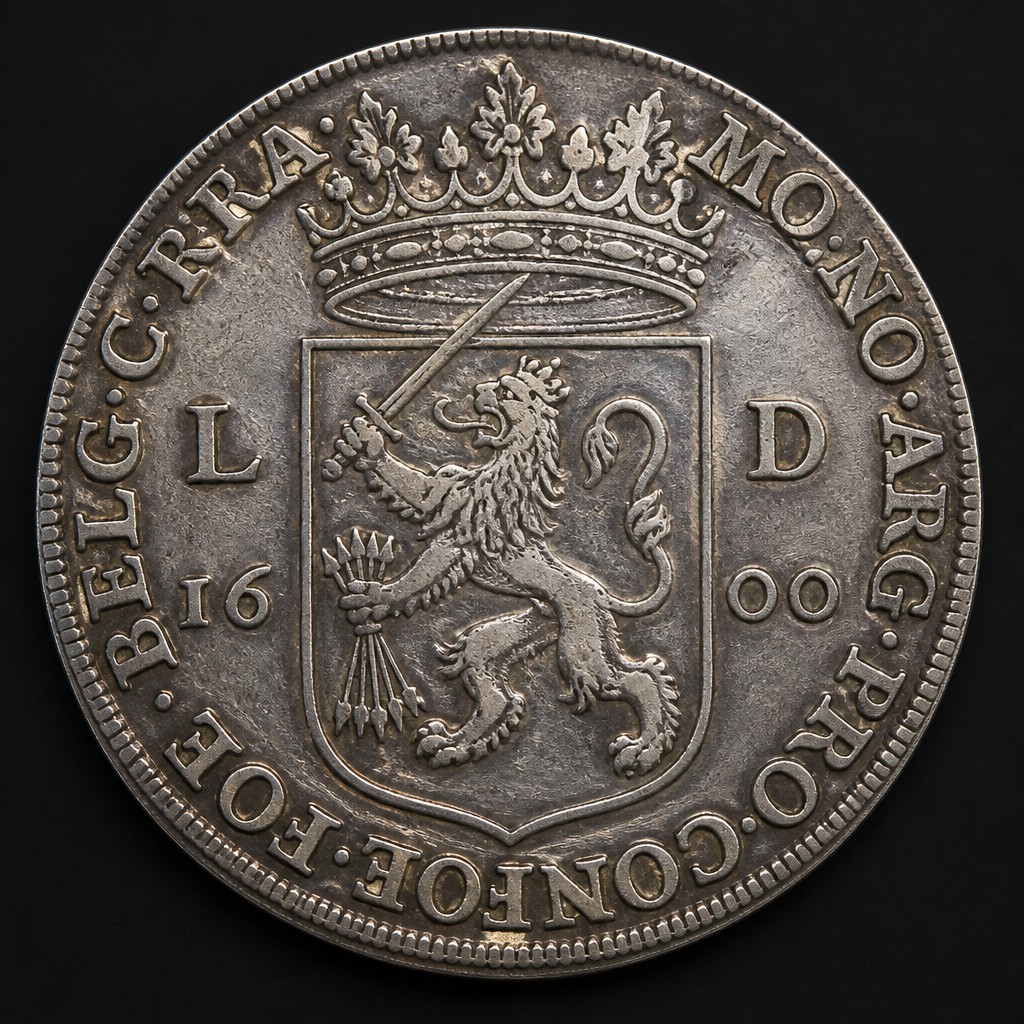
Netherlands Lion Daalder (Leeuwendaalder)
1575–1713
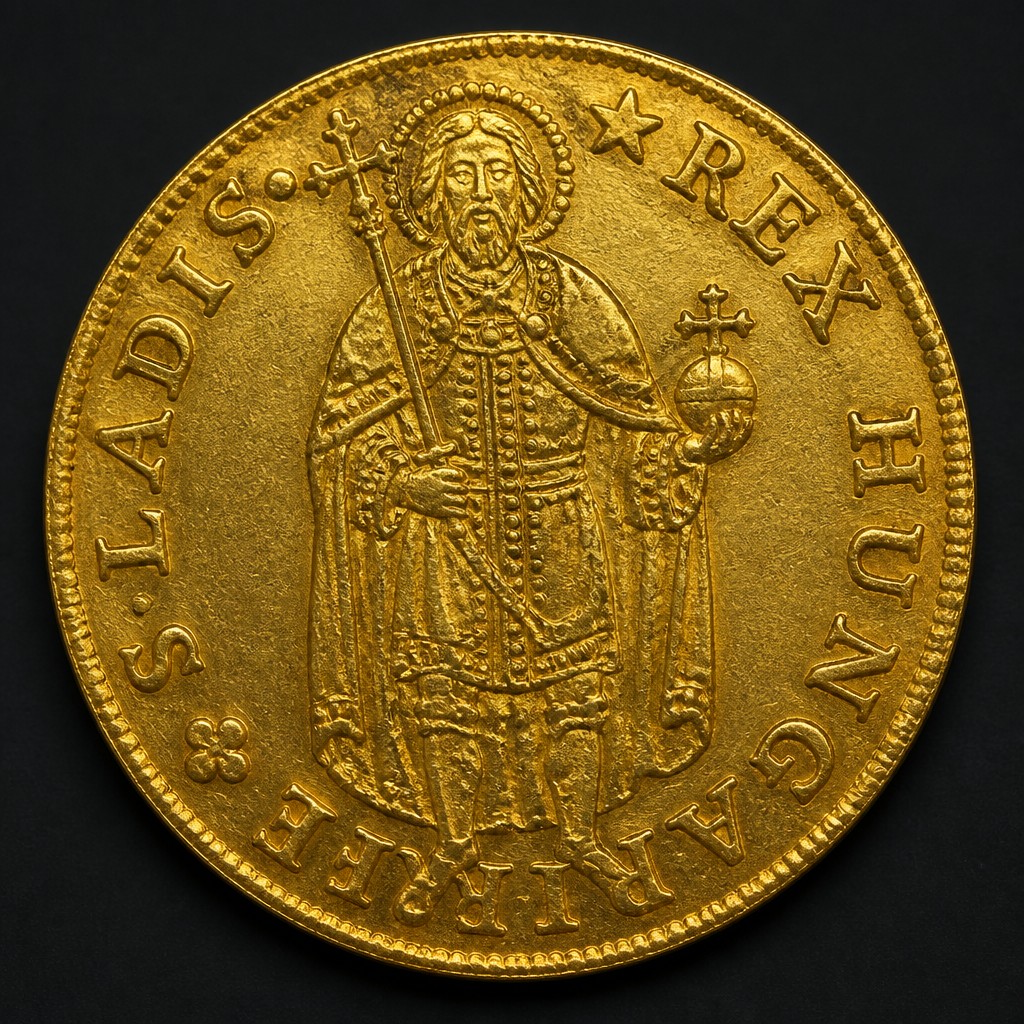
Hungarian Ducat
c. 1325–1918
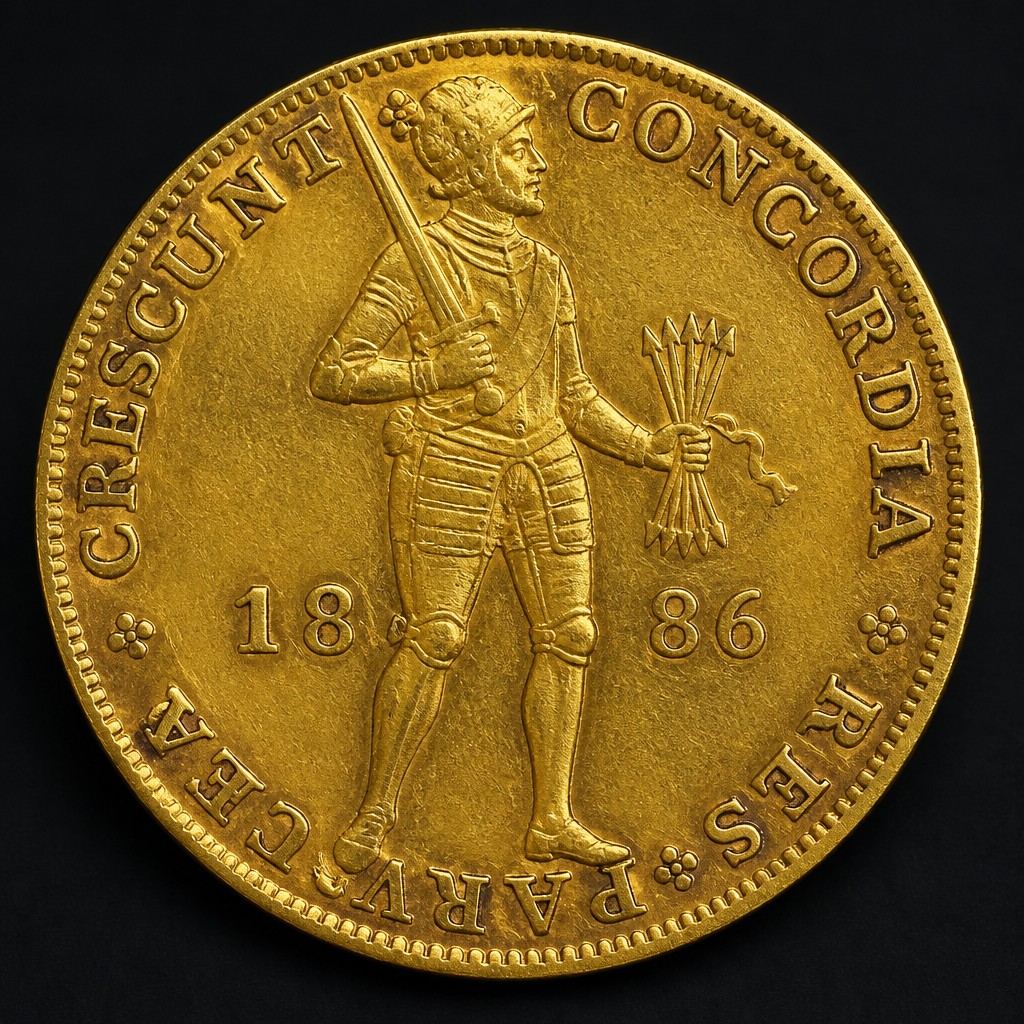
Dutch Ducat
c. 1586–present (classic type standardized after 1817)
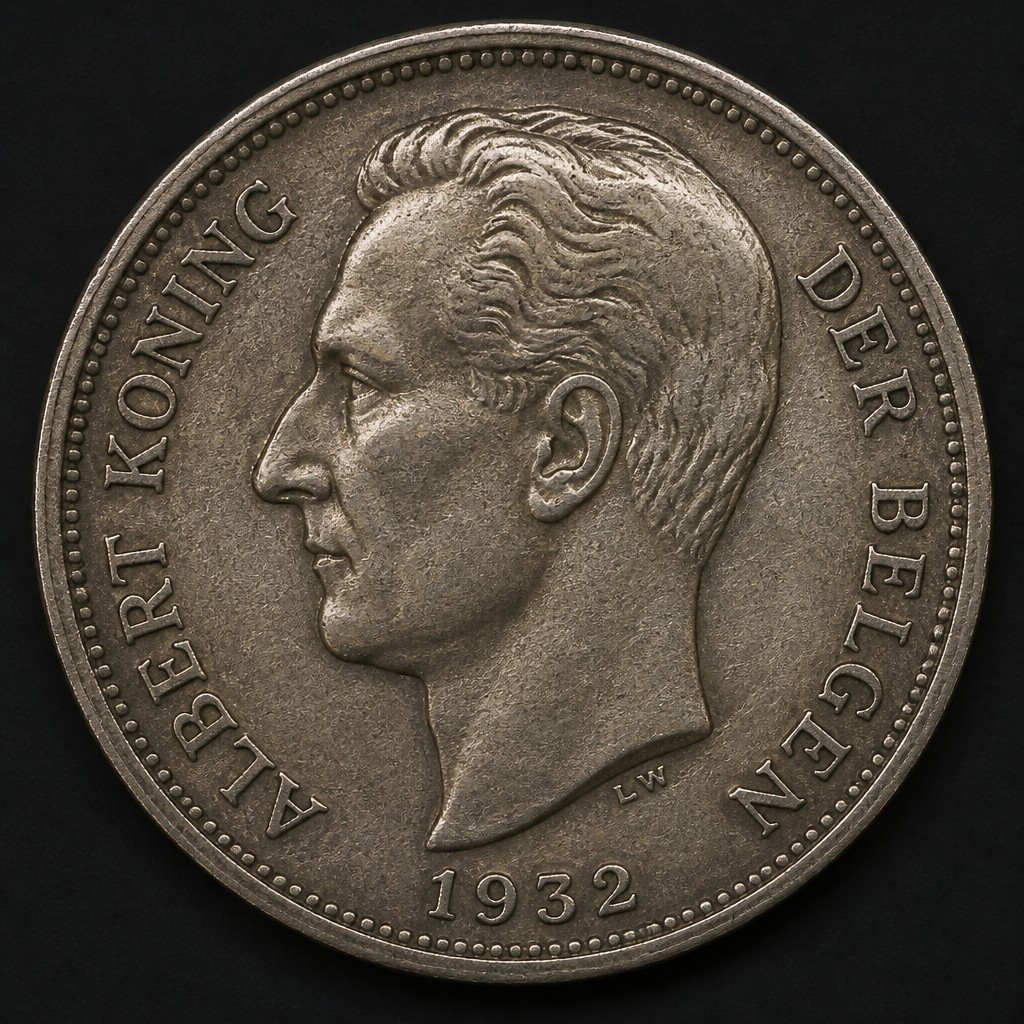
Belgian Franc
1832–2002
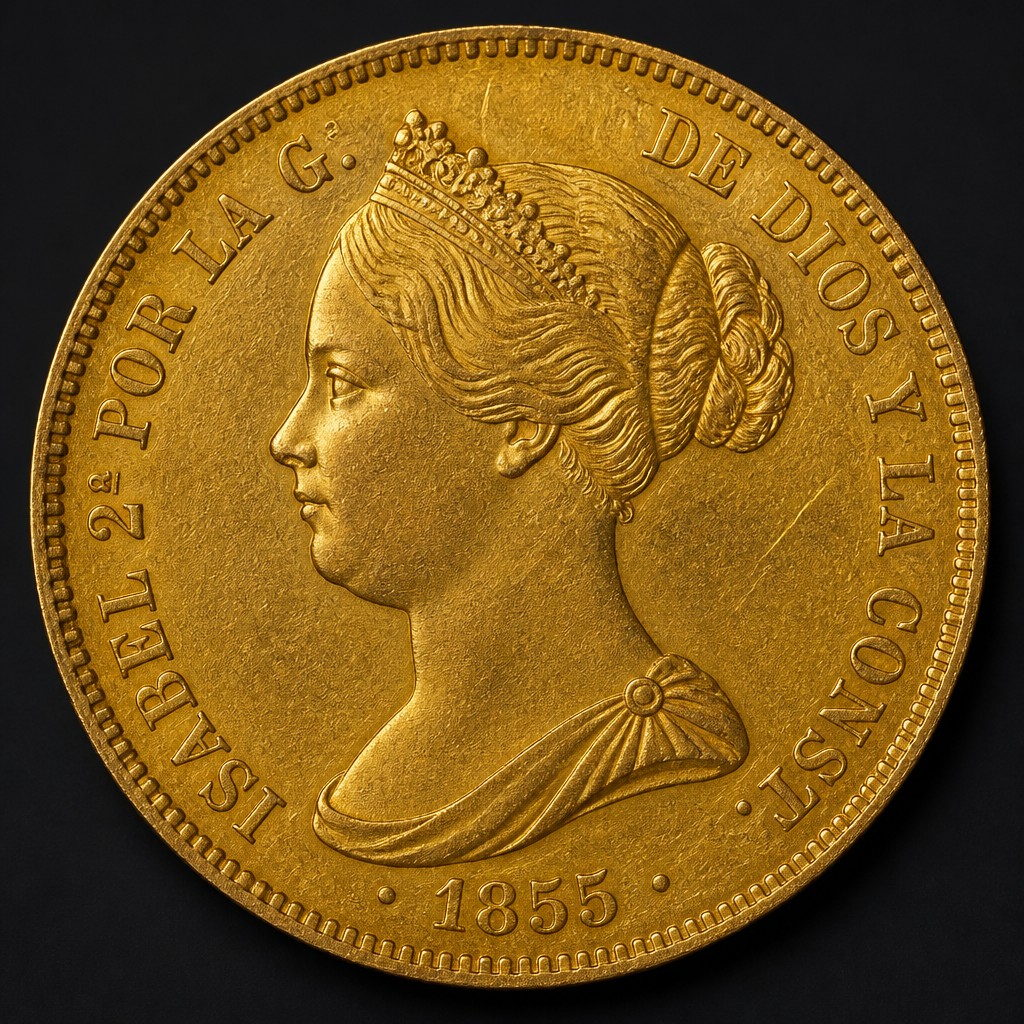
Spanish 100 Reales Gold (Isabel II)
1850s–1868
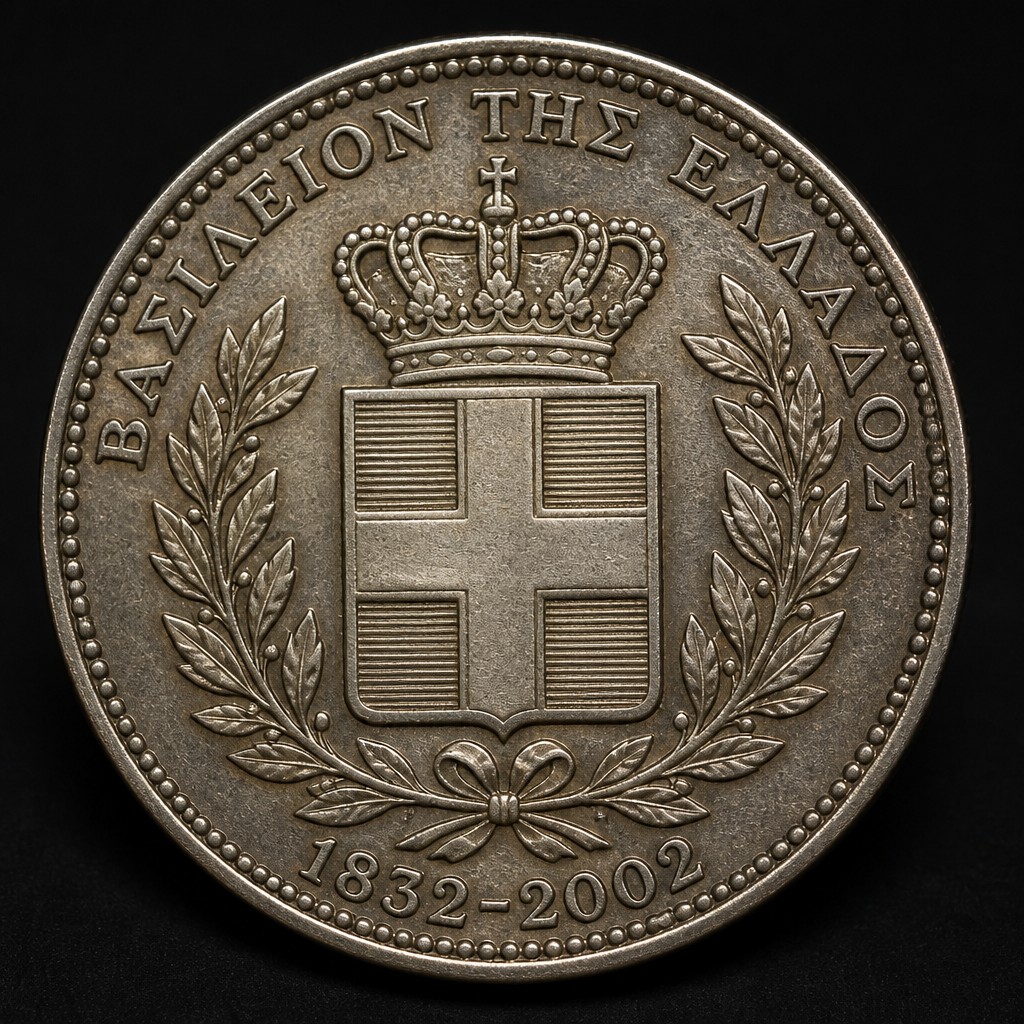
Greek Drachma
1832–2002
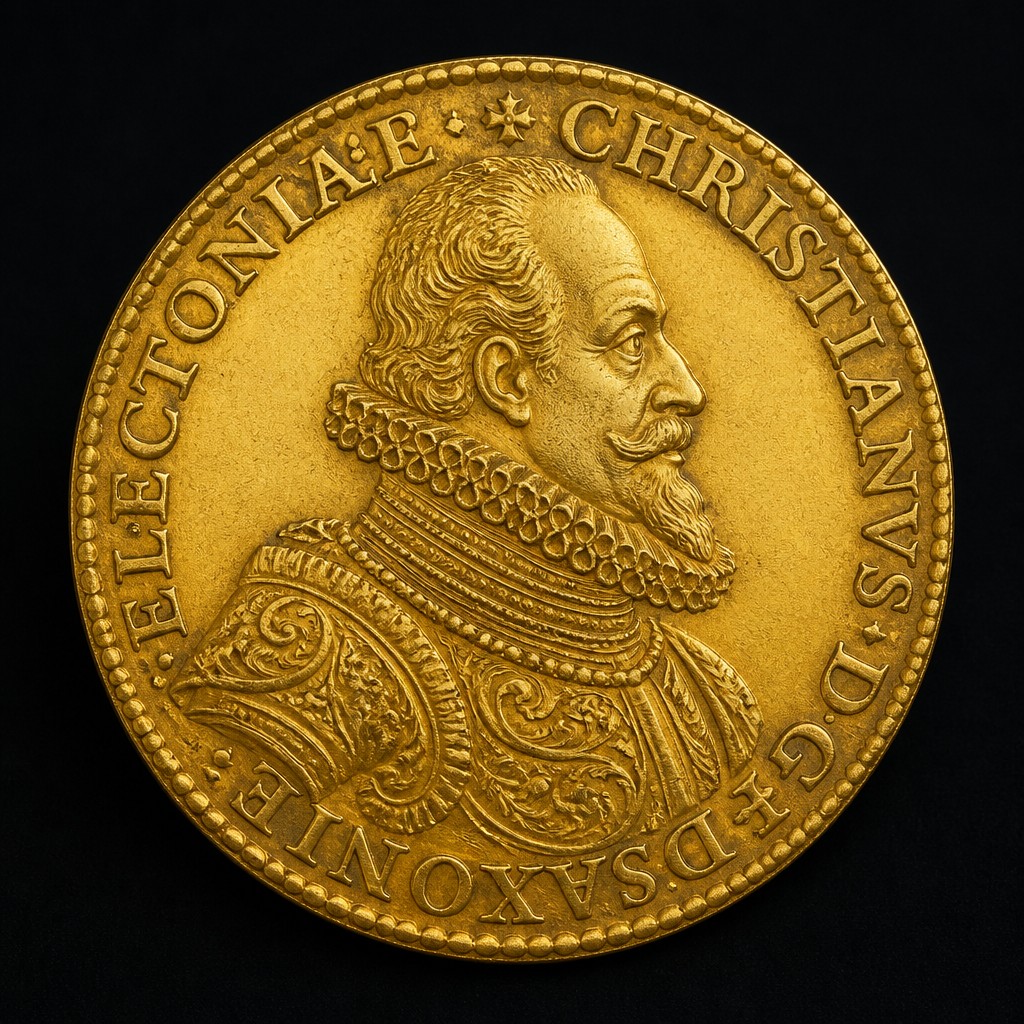
German Saxony Ducat
16th century–19th century
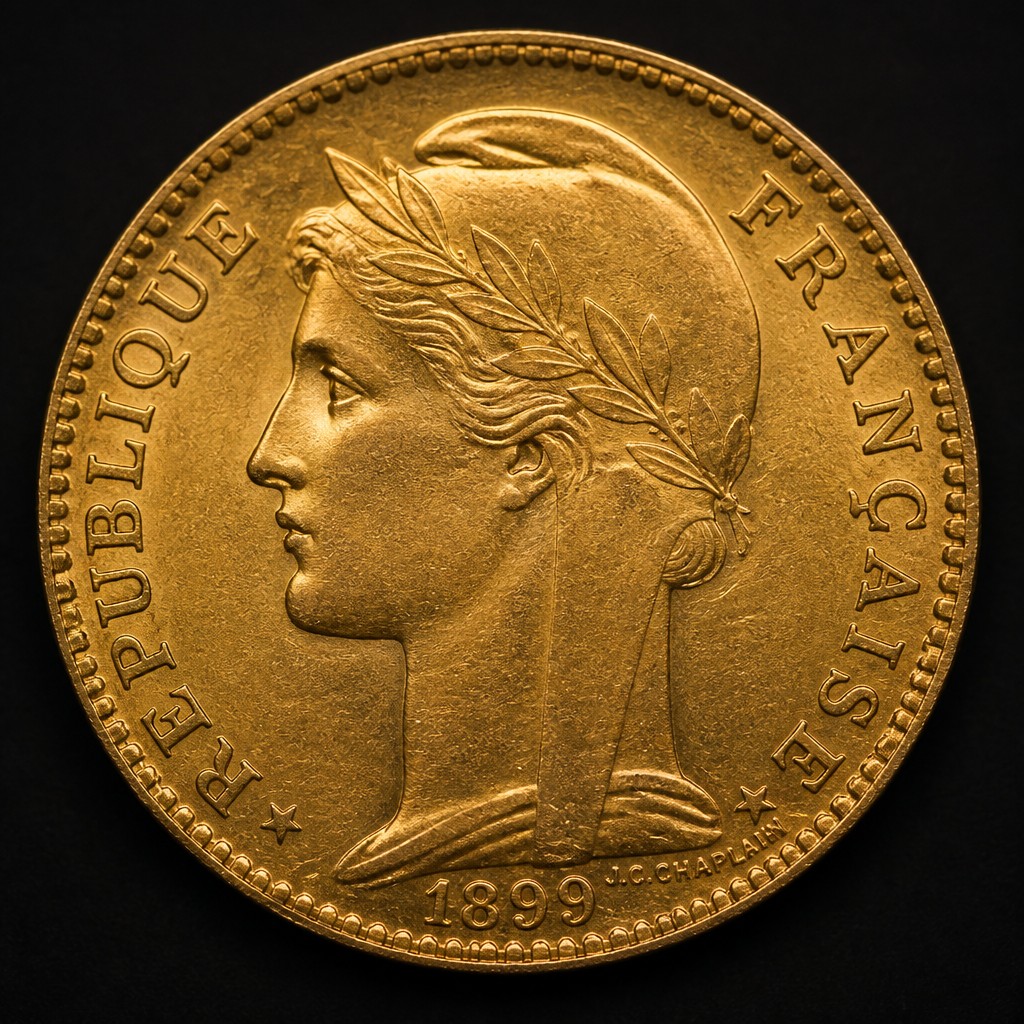
French 10 Francs Gold (Napoleon Rooster)
1899–1914
Netherlands 5 Gulden Gold
1826–1912 (intermittent)