
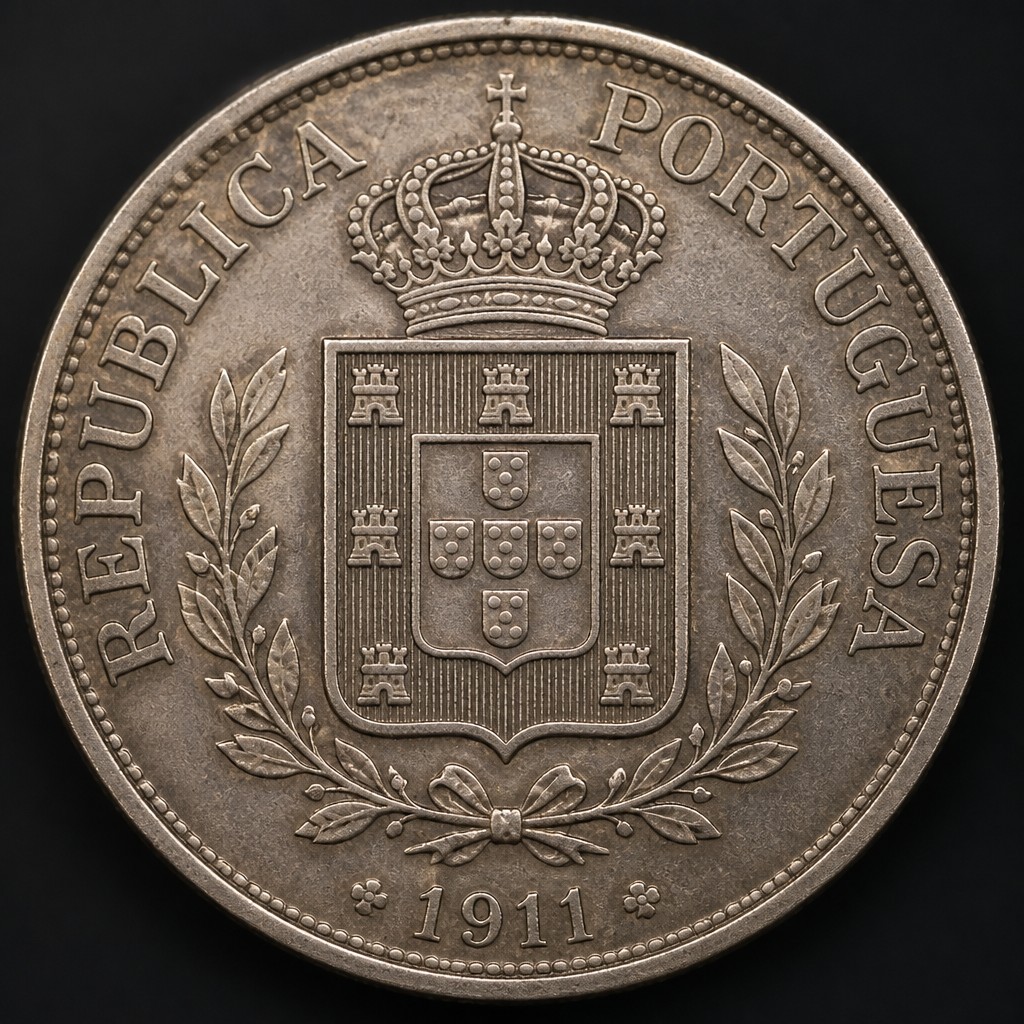
Portuguese Real
Portugal's centuries-old pre-decimal currency unit, used from the medieval era until the 1911 introduction of the escudo, also struck for Brazil and other colonies.
- Country
- Portugal
- Denomination
- Real (plural: Reis)
- Metal
- Copper, Silver, and Gold (varies by denomination and era)
Got a coin like this?
Identify any coin from a photo, free.
Overview
The real (plural reis) was Portugal's traditional monetary unit for over five centuries, forming the basis of an extensive and historically rich coinage tradition that spanned the medieval kingdom, the age of overseas exploration, and the colonial empire, including Brazil.
Because the real system endured so long, coins denominated in reis exist in a huge range of metals, sizes, and denominations, from small copper pieces to substantial gold and silver issues used in international trade.
Collectors of Portuguese and Luso-Brazilian coinage prize real-denominated coins for their deep historical connections to Portugal's maritime empire and their variety across mints in Lisbon, Brazil, and other colonies.
History & Background
The real was introduced in Portugal in the 14th century and remained the country's monetary unit for over 500 years, evolving through numerous reforms as inflation and changing metal values required repeated adjustments to denominations and coin weights.
During Portugal's age of exploration and colonial expansion, the real system was extended to Brazil and other overseas territories, with colonial mints striking their own reis-denominated coins, sometimes in gold from Brazilian mines, making the real a truly transatlantic currency.
The long-running real system was finally replaced in metropolitan Portugal by the escudo following the 1910 republican revolution and 1911 currency reform, though vestiges of the reis system persisted informally in some former colonies for a time afterward.
How to Identify
Because the real was struck across many centuries, denominations, and mints, designs vary enormously: earlier coins often show simple heraldic shields or crosses, while later royal-era coins display portraits of the reigning Portuguese monarch alongside the national arms.
Denominations are usually expressed in large numbers (since the real was a small unit of value), such as '400 REIS' or '1000 REIS,' rather than simple whole numbers, which is a useful identification clue distinguishing reis coinage from later escudo coins.
Colonial Brazilian reis coins often carry distinct mint marks or inscriptions referencing Brazil and may be struck in gold, differing from typical metropolitan Portuguese copper or silver reis issues; collectors should check inscriptions carefully to determine origin.
Value & Collectibility
Values for real/reis coinage vary enormously given the denomination's long history, ranging from common, inexpensive later copper coins to rare and valuable early medieval or colonial gold issues.
Condition, rarity of specific ruler or date, and whether a coin originates from a colonial mint (often scarcer) all significantly affect price, with well-documented rare types commanding strong premiums among specialist collectors.
Common 18th–19th century copper reis coins are often quite affordable, typically well under $50 in circulated grades, while rare early types or colonial gold reis coins can be worth substantially more, sometimes into the hundreds or thousands of dollars.
Frequently asked questions
What is the plural of real in this context?
The plural is 'reis,' and Portuguese coins are typically denominated in reis rather than a single real.
When did Portugal stop using the real?
The real system was replaced by the escudo in the 1911 decimal currency reform following the fall of the monarchy.
Were reis coins also used in Brazil?
Yes, colonial and later independent Brazil used the reis system extensively before switching to other currencies.
Why are reis denominations such large numbers?
The real was a very small unit of value, so common transactions required denominations in the hundreds or thousands of reis.
Other coins you may enjoy
Polish-Lithuanian Thaler
circa 16th–18th century
Reichsthaler
circa 1566–early 19th century
Papal States Scudo
16th century–1866
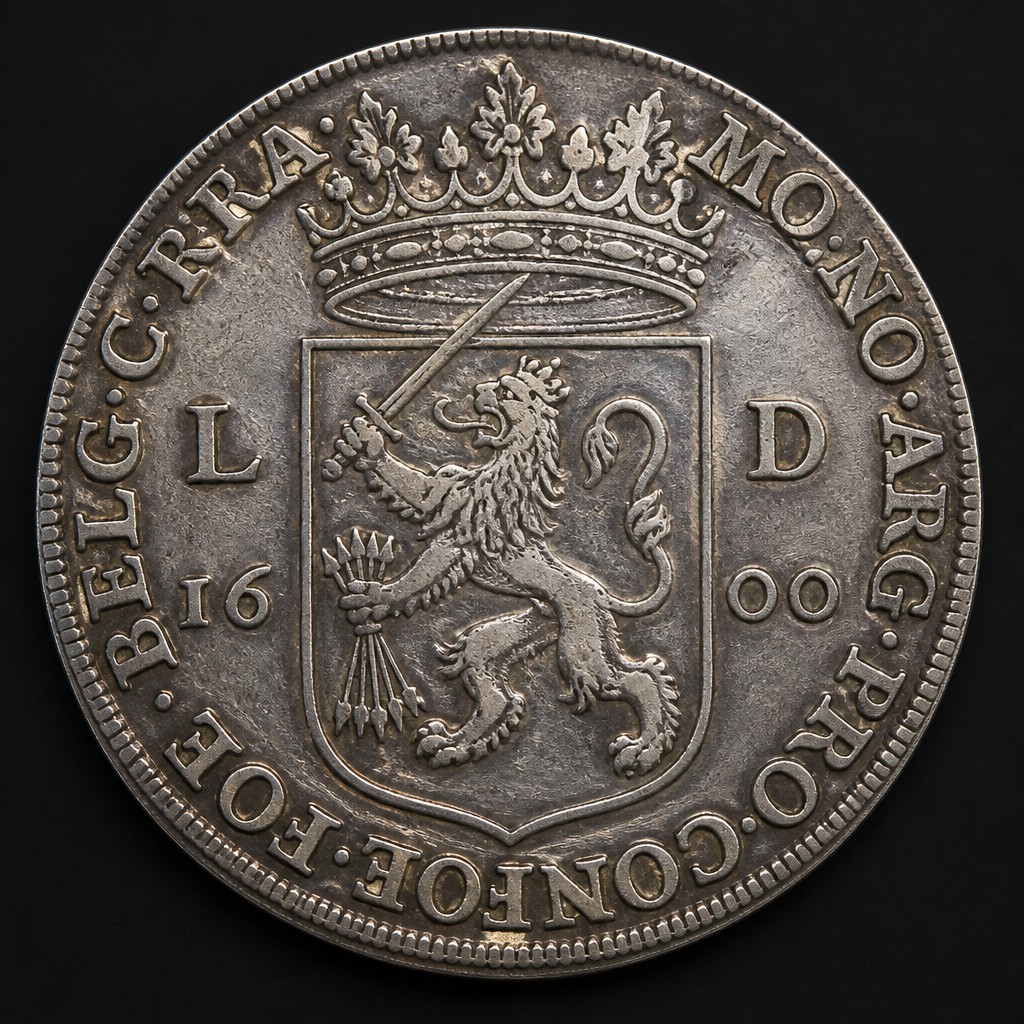
Netherlands Lion Daalder (Leeuwendaalder)
1575–1713
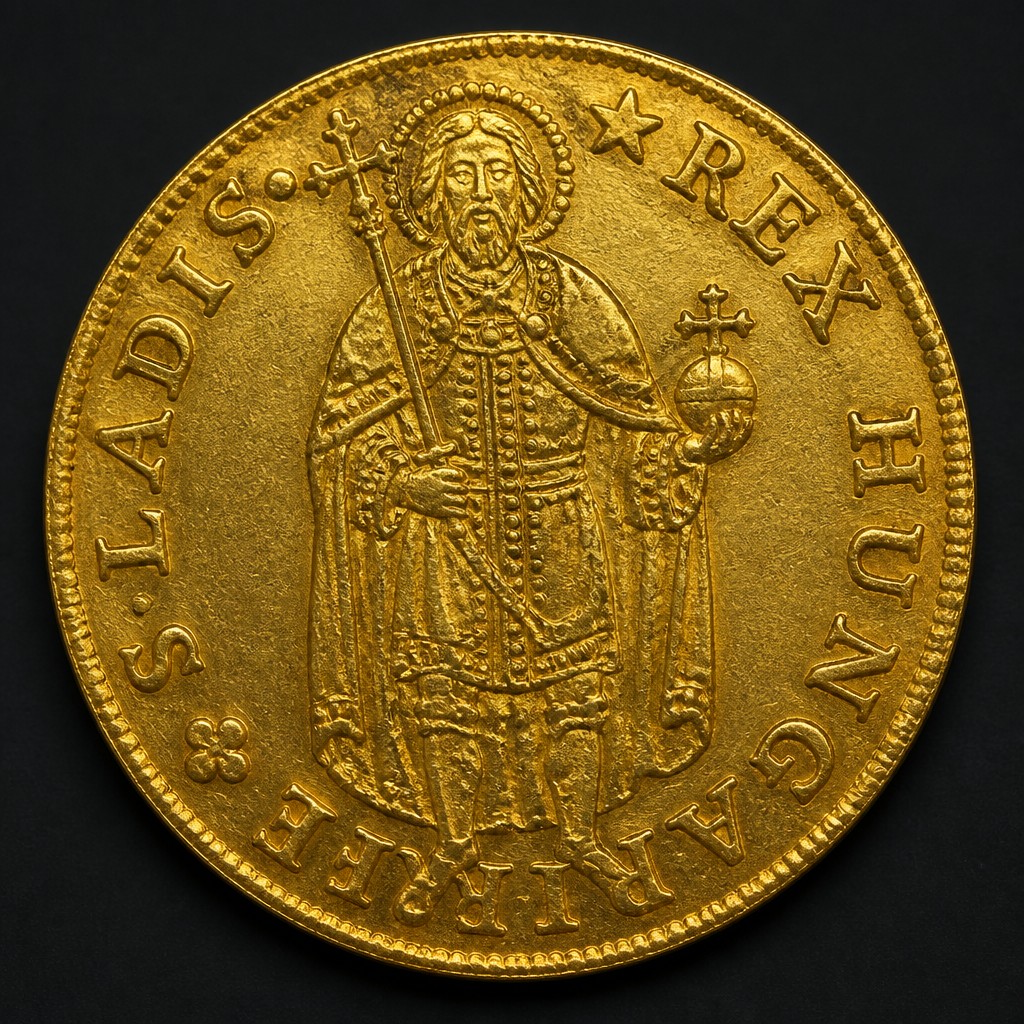
Hungarian Ducat
c. 1325–1918
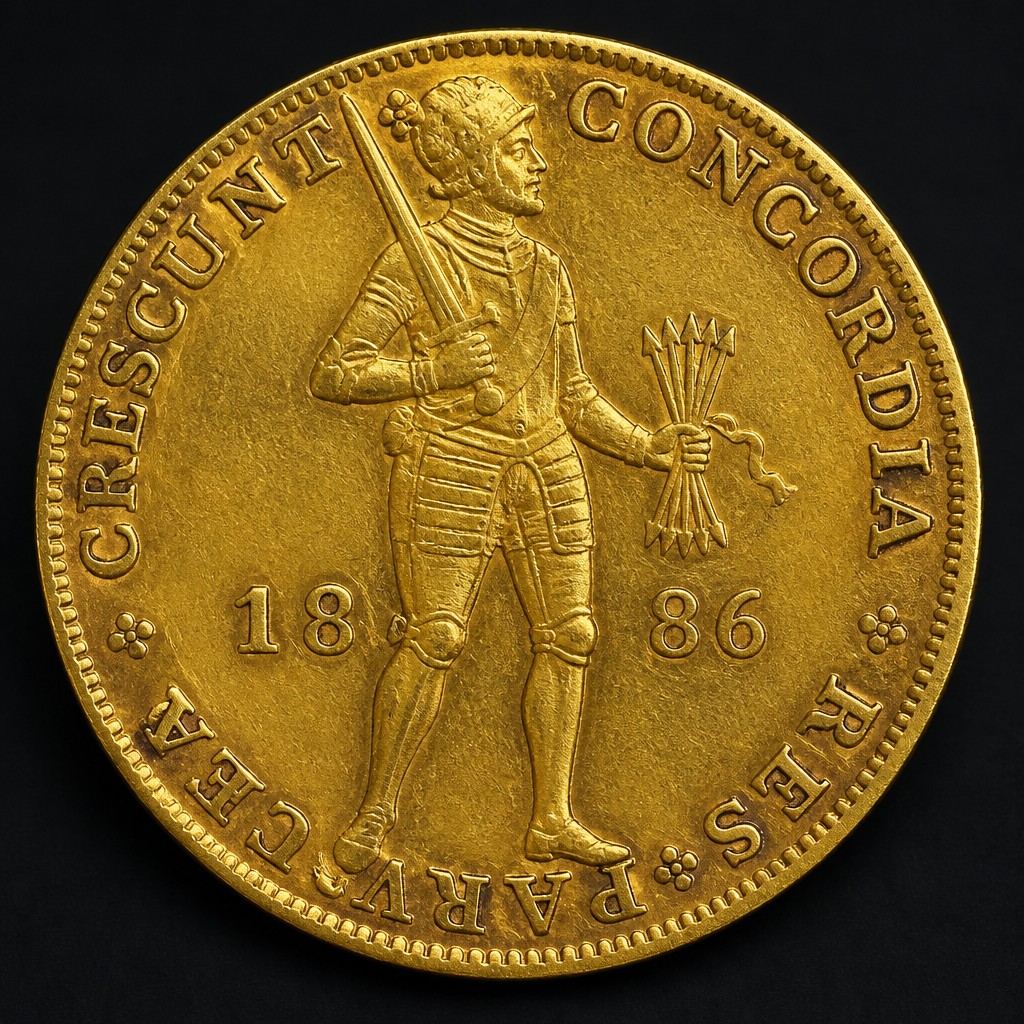
Dutch Ducat
c. 1586–present (classic type standardized after 1817)
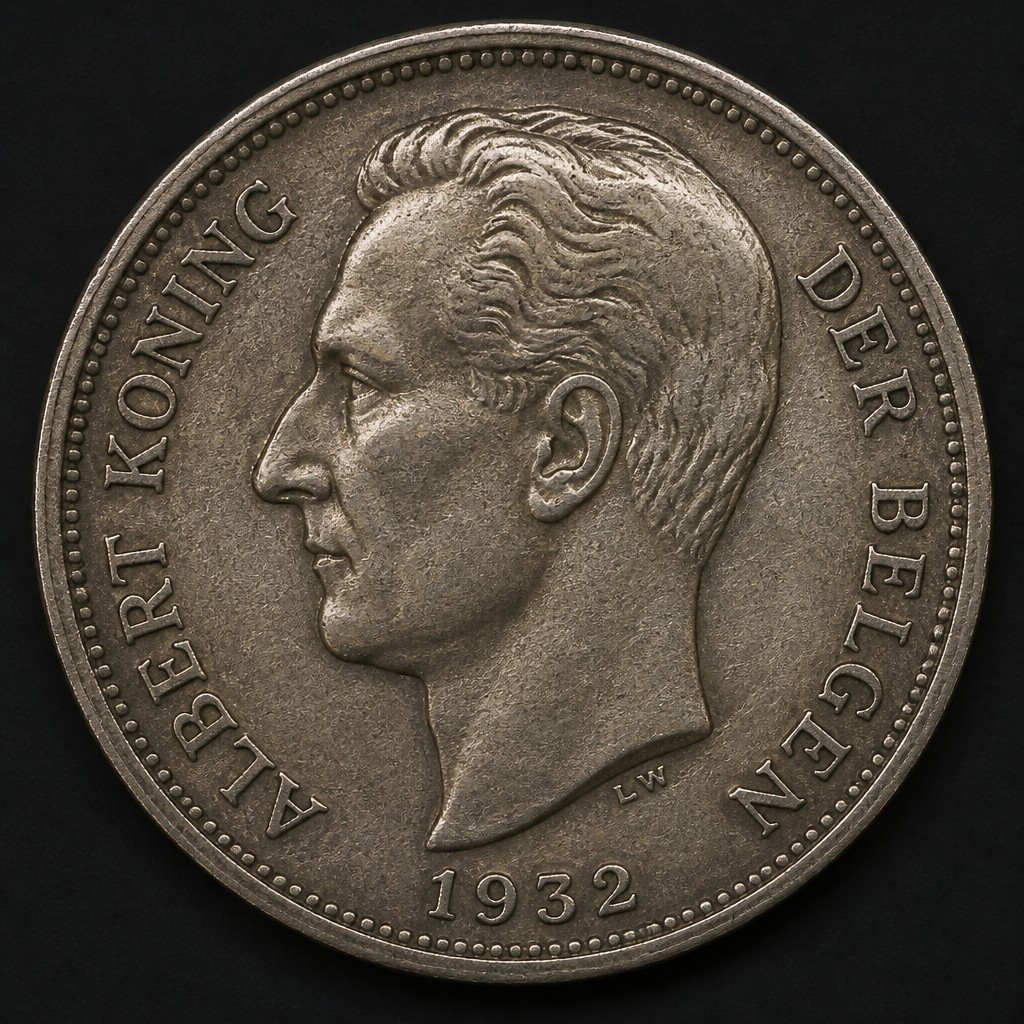
Belgian Franc
1832–2002
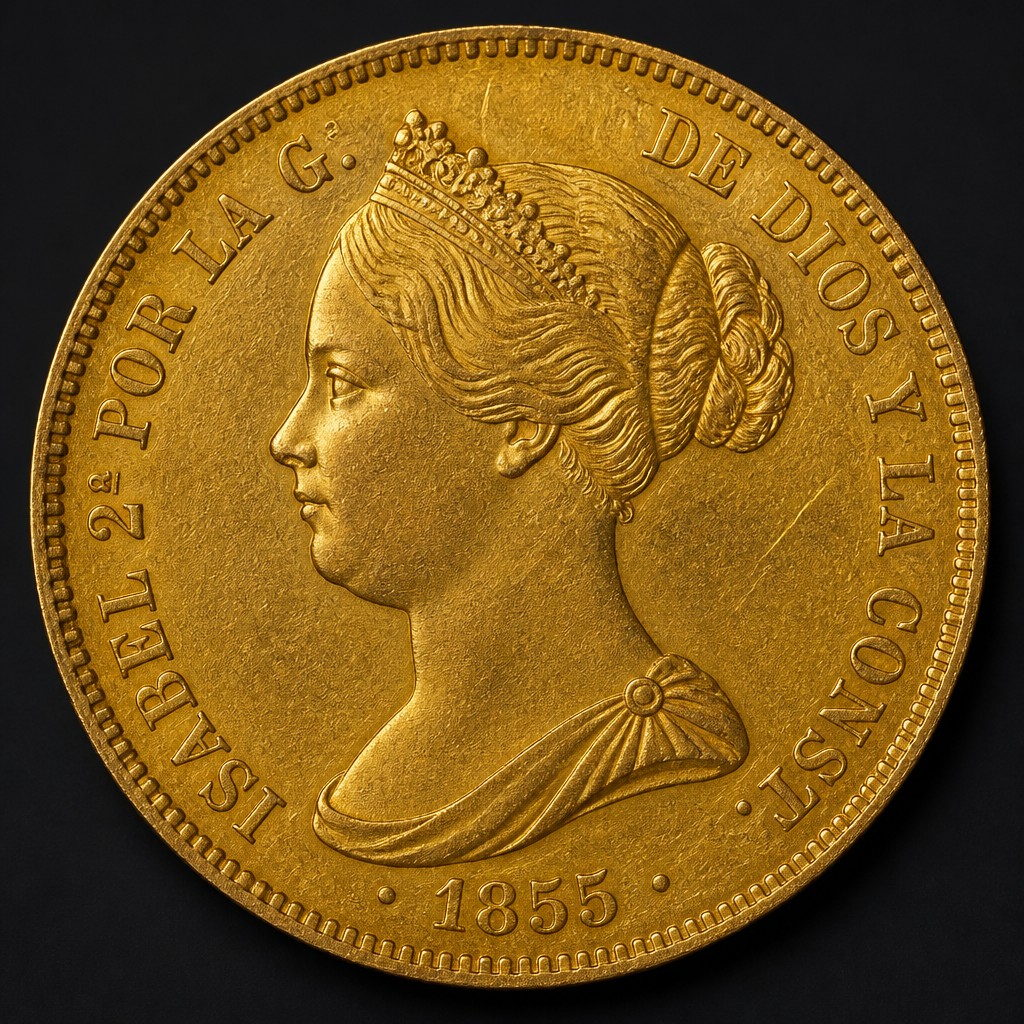
Spanish 100 Reales Gold (Isabel II)
1850s–1868
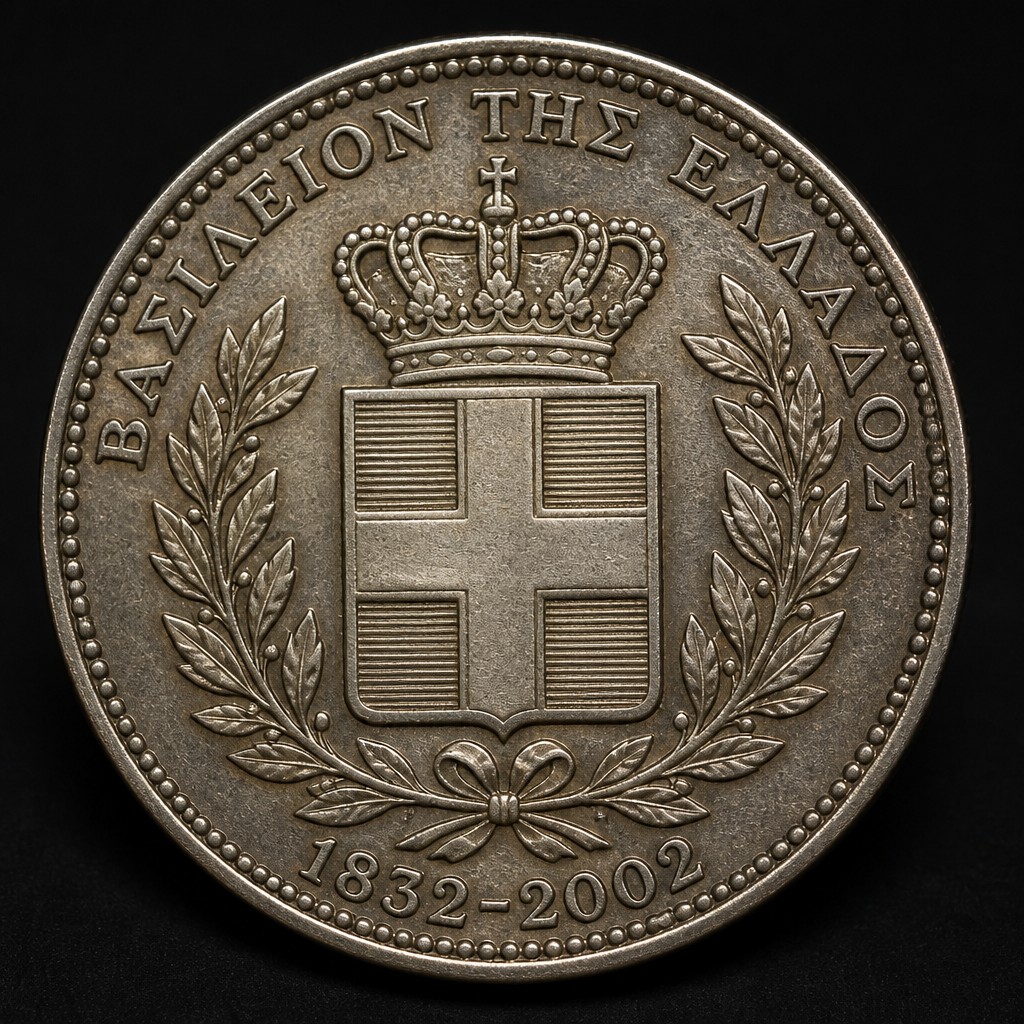
Greek Drachma
1832–2002
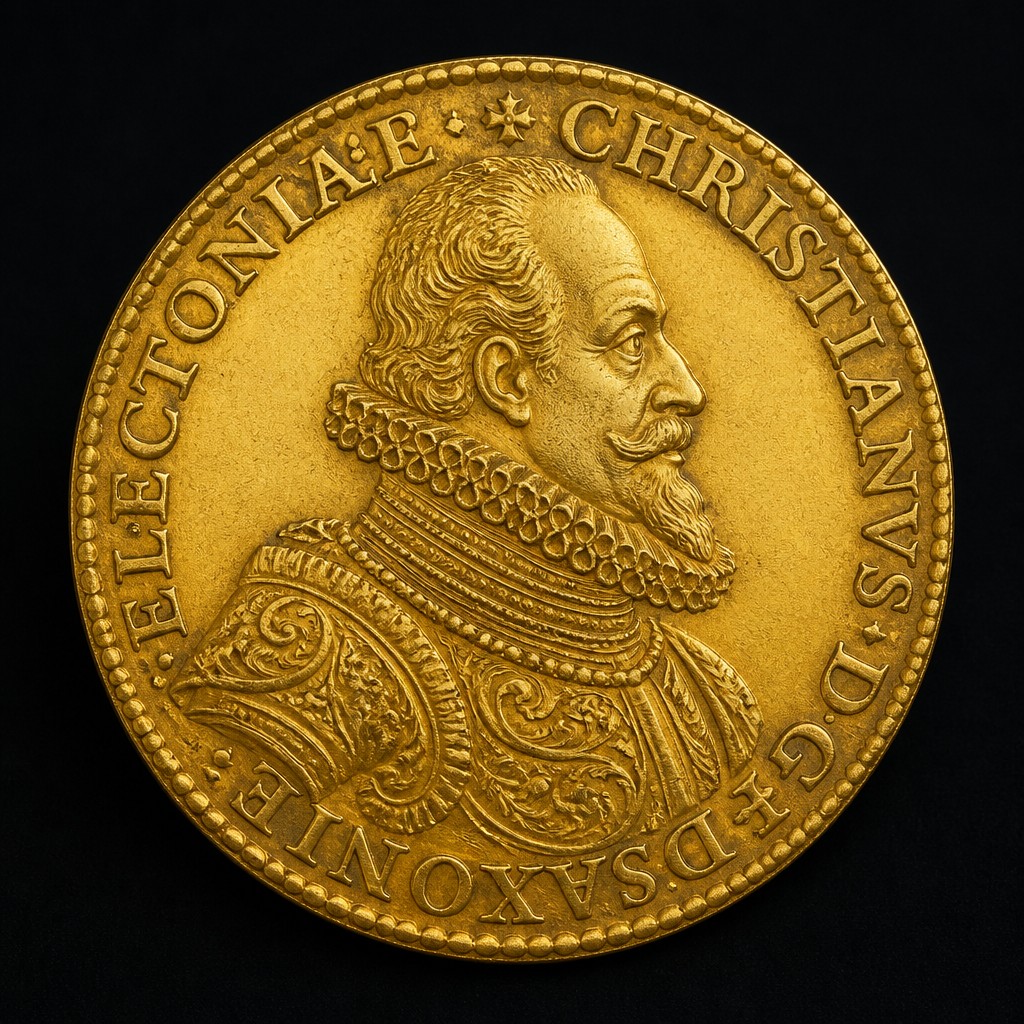
German Saxony Ducat
16th century–19th century
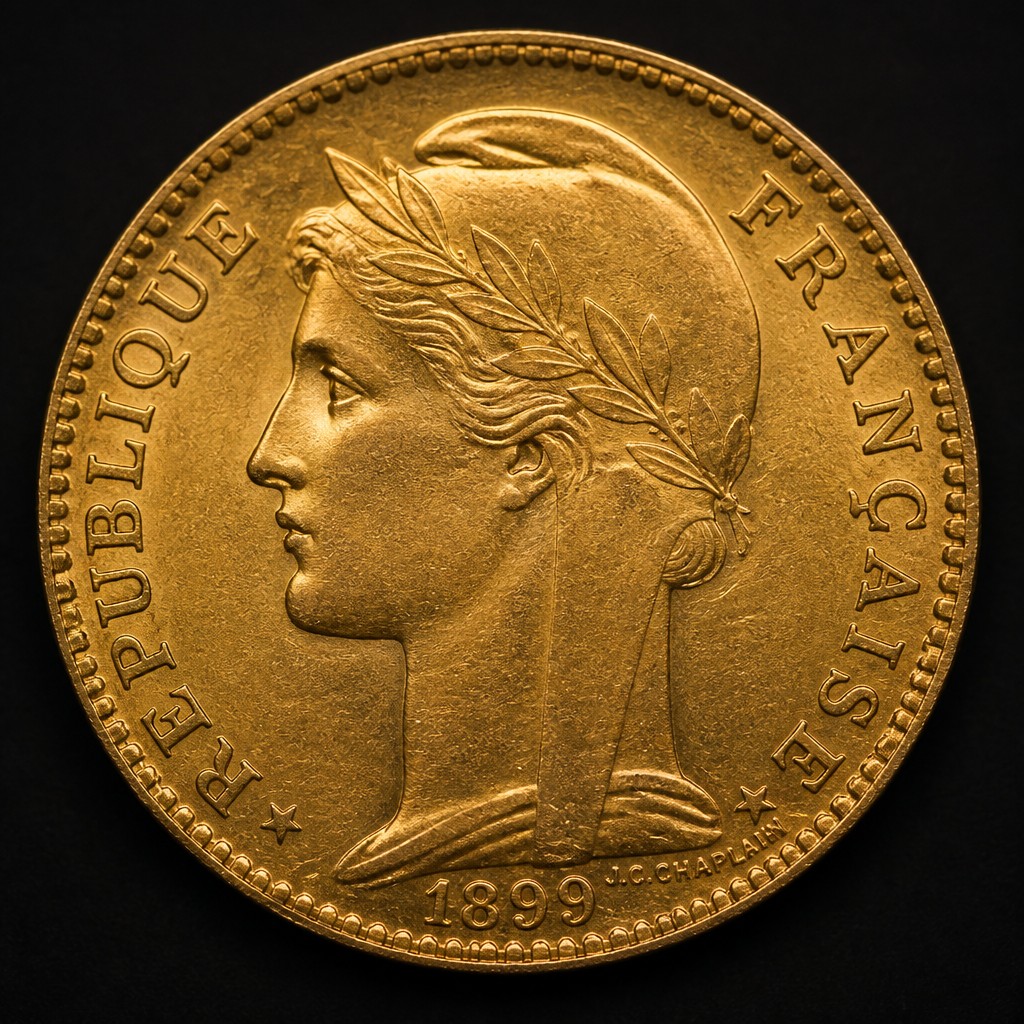
French 10 Francs Gold (Napoleon Rooster)
1899–1914
Netherlands 5 Gulden Gold
1826–1912 (intermittent)