
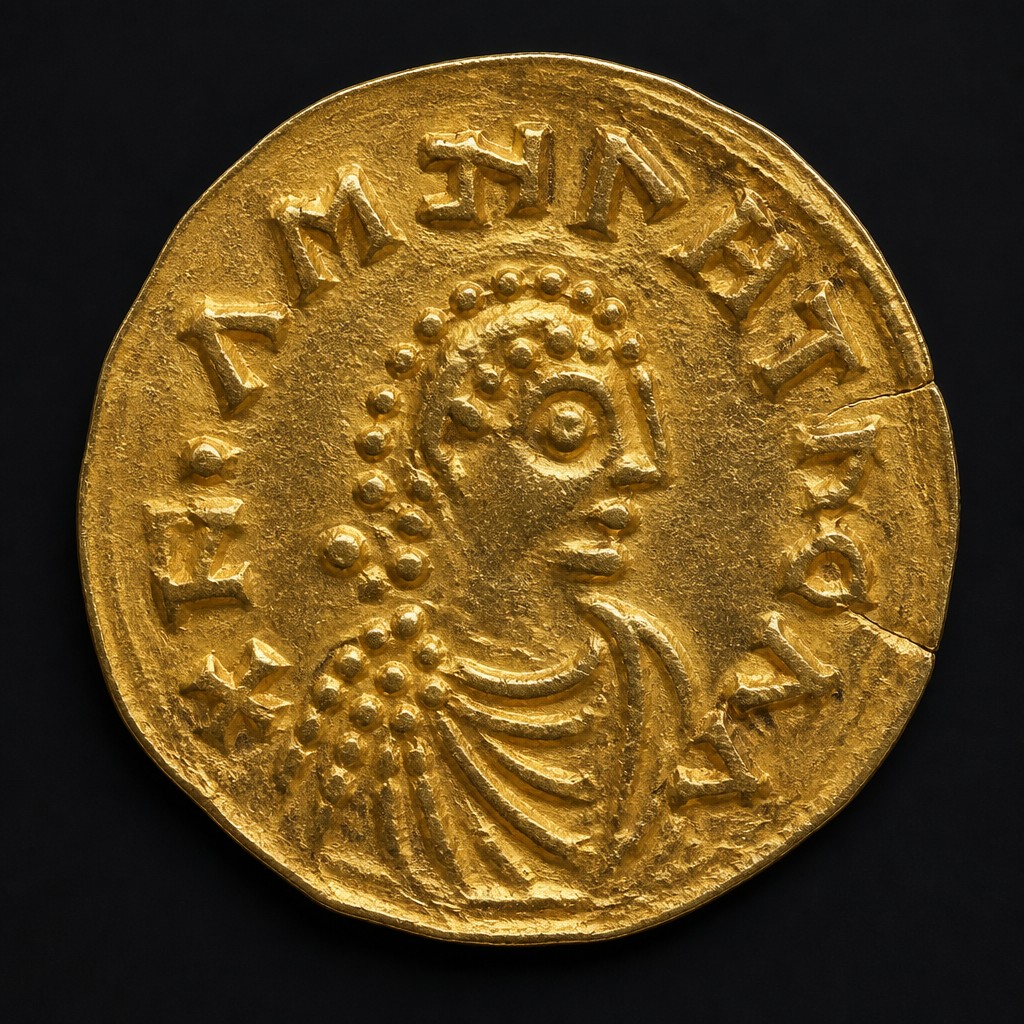
Merovingian Gold Tremissis
A small gold coin of the Merovingian Frankish kingdom, worth one-third of a solidus, often naming the local moneyer who struck it rather than the reigning king.
- Country
- Merovingian Francia
- Denomination
- Tremissis (Triens)
- Metal
- Gold
Got a coin like this?
Identify any coin from a photo, free.
Overview
The tremissis was the standard gold coin of the Merovingian dynasty, the Frankish kings who ruled much of what is now France and parts of neighboring regions in the early medieval period following the fall of the Western Roman Empire. Struck at one-third the weight of the Late Roman and Byzantine gold solidus, the tremissis reflects both continuity with, and gradual departure from, Roman monetary tradition.
Collectors value Merovingian tremisses for their historical position at the transition between the ancient and medieval worlds, and for the unusual practice, common in this series, of naming the individual moneyer responsible for striking the coin rather than focusing solely on the reigning monarch.
History & Background
Following the collapse of Roman authority in Gaul in the 5th century, the Merovingian dynasty, beginning with Clovis I, established a Frankish kingdom that continued to strike gold coinage modeled on Late Roman and Byzantine solidi and their fractional tremisses. Early Merovingian coinage often closely imitated Byzantine imperial types, including the emperor's portrait, before gradually developing distinctly Frankish characteristics.
As Merovingian coinage evolved through the 6th and 7th centuries, a notable feature emerged: rather than consistently naming the reigning Frankish king, many tremisses instead name the local moneyer who struck the coin along with the mint location, a practice reflecting the fragmented, decentralized character of coin production across the many towns and regions of Merovingian Francia. This makes the series exceptionally rich in place names and personal names for historians studying early medieval Frankish geography and administration.
By the early 8th century, as the Merovingian dynasty weakened and the Carolingian mayors of the palace gained power, gold coinage gradually gave way to a silver-based currency system, a broader trend seen across early medieval Western Europe, eventually giving rise to the Carolingian silver denier system that would dominate medieval European coinage for centuries.
How to Identify
A Merovingian gold tremissis is a small, thin gold coin, generally smaller than a Roman solidus, often showing a crude, stylized bust in profile on the obverse, sometimes clearly derived from Byzantine imperial portrait types but rendered with increasingly simplified, provincial artistic style as the series progressed.
The reverse commonly features a cross, a stylized Victory figure (itself derived from Late Roman coin types), or other simple religious or symbolic devices, reflecting the Christianization of Frankish society during this period. Inscriptions are often the key identifying feature: rather than a royal title, many reverses name a specific mint town and the moneyer who struck the coin, in increasingly corrupted Latin lettering as literacy and engraving skill varied across the many local mints.
Because Merovingian tremisses were struck at a huge number of small local mints with widely varying artistic quality, attribution relies heavily on reading the mint and moneyer names in the legends, cross-referenced against detailed catalogs of known Merovingian mint locations, since the general design themes of bust-and-cross or bust-and-Victory are shared broadly across the series.
Value & Collectibility
Merovingian gold tremisses are collected as important artifacts of the early medieval transition from ancient to medieval Europe, and prices vary considerably depending on the legibility of the mint and moneyer names, overall striking quality, and rarity of the specific mint. Common, legible examples are generally accessible within the broader ancient and early medieval gold coin market.
Coins from particularly rare or historically significant mints, or those with unusually clear and well-preserved legends allowing secure attribution, command higher prices among specialists in early medieval and Frankish numismatics. As with other small, crudely struck gold issues, overall preservation and legibility of the inscriptions are the primary drivers of collector interest and value.
Frequently asked questions
What does tremissis mean?
Tremissis refers to a coin worth one-third of a solidus, the standard Late Roman and Byzantine gold coin, reflecting the Merovingian adoption of this fractional Roman gold denomination.
Why do these coins name a moneyer instead of a king?
Merovingian coin production was highly decentralized across many local mints, and it became common practice to name the specific mint town and the individual moneyer responsible for striking the coin rather than consistently naming the reigning king.
Who were the Merovingians?
They were the first dynasty of Frankish kings, beginning with Clovis I in the late 5th century, who ruled much of what is now France and neighboring areas until being supplanted by the Carolingian dynasty in the mid-8th century.
Why did gold coinage decline after the Merovingian period?
Gold supplies and Mediterranean trade networks diminished in early medieval Western Europe, leading to a broader shift toward silver-based currency, culminating in the Carolingian silver denier system.
Other coins you may enjoy
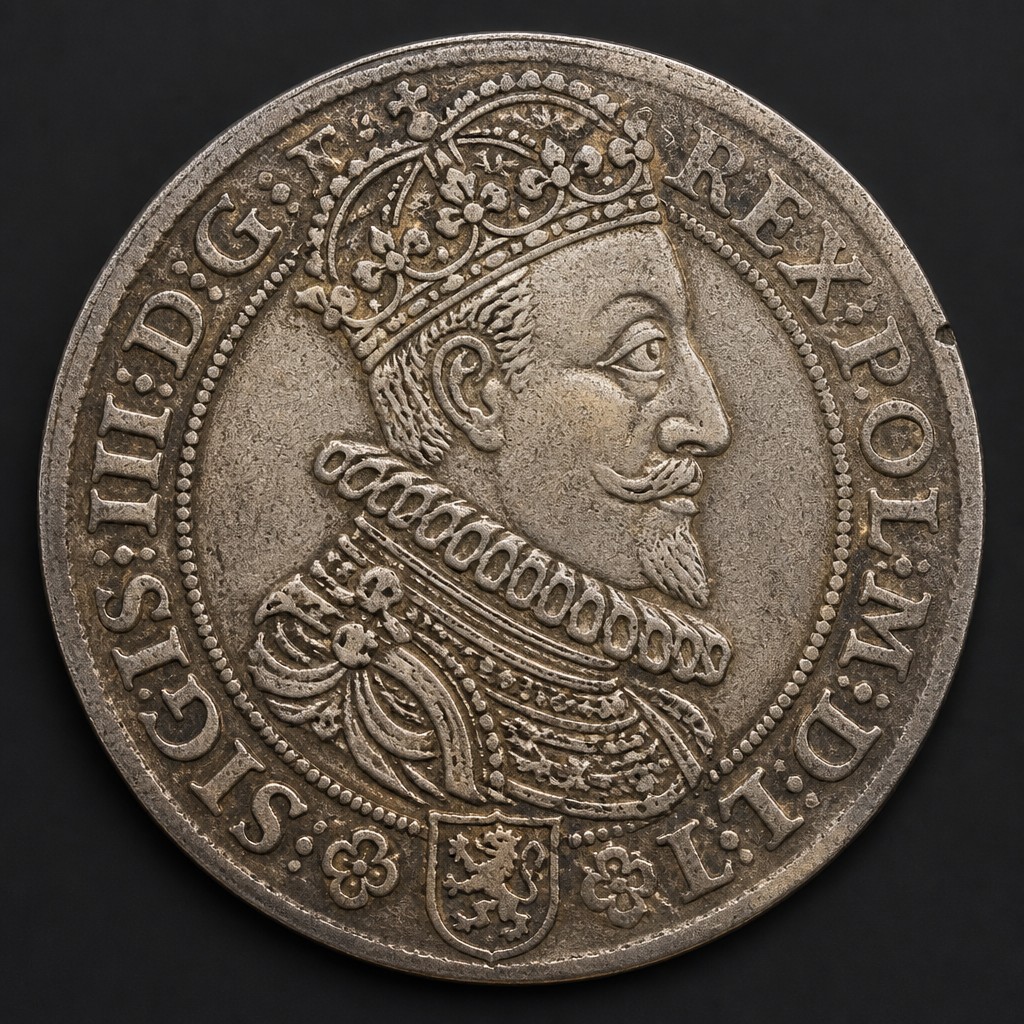
Polish-Lithuanian Thaler
circa 16th–18th century
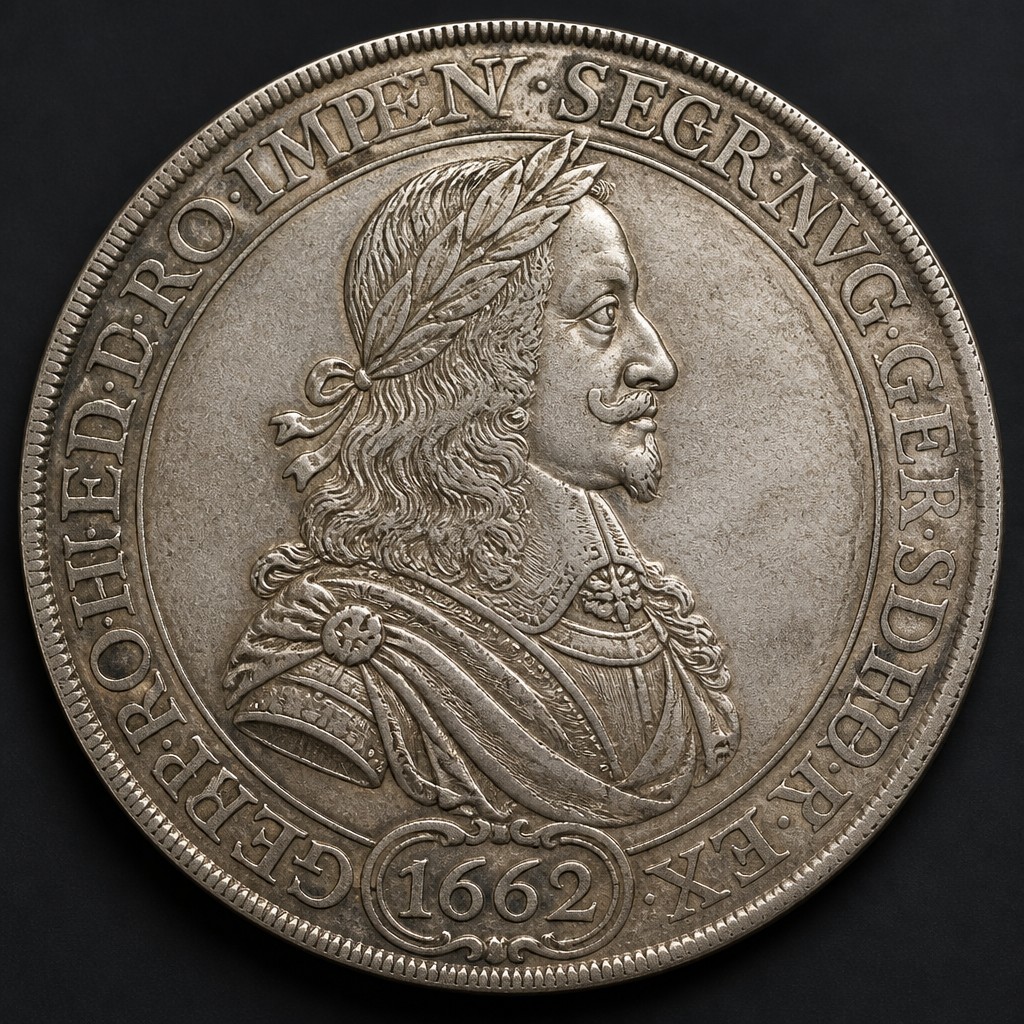
Reichsthaler
circa 1566–early 19th century
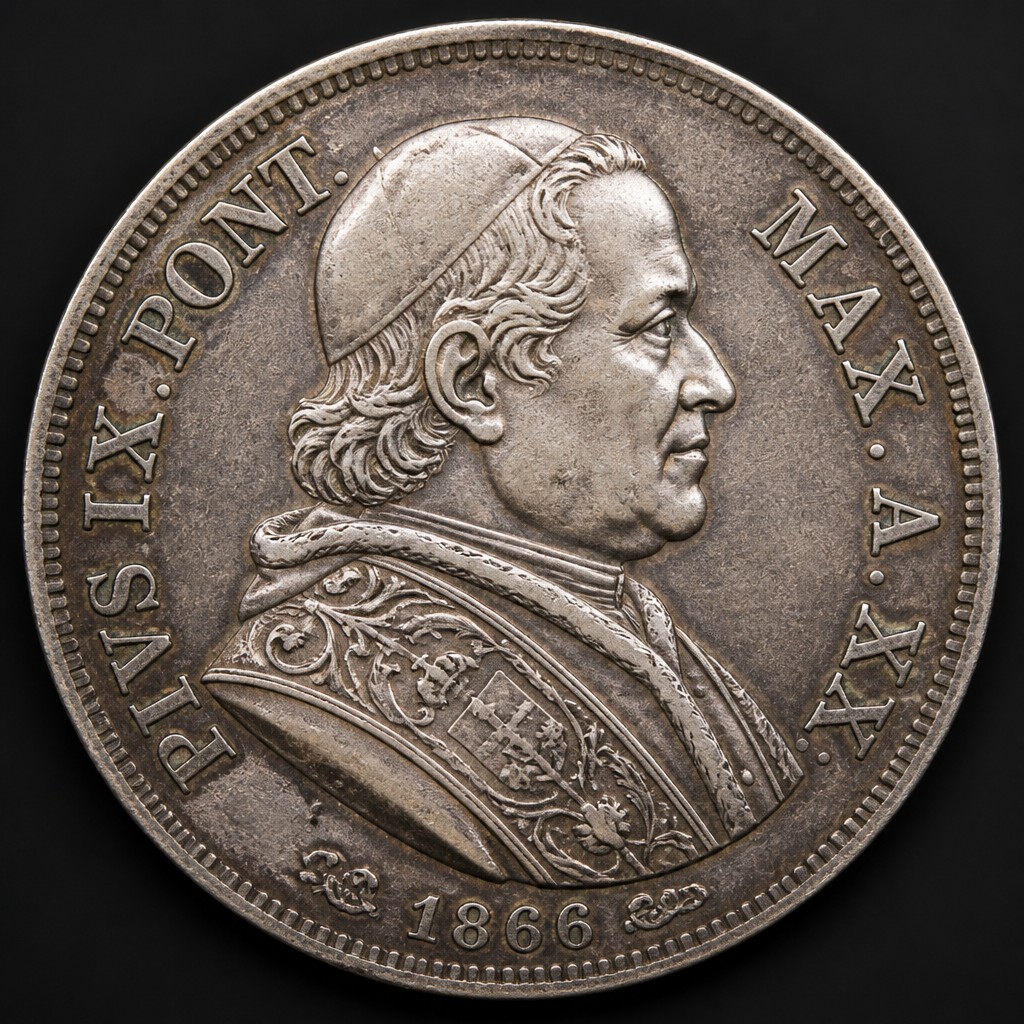
Papal States Scudo
16th century–1866
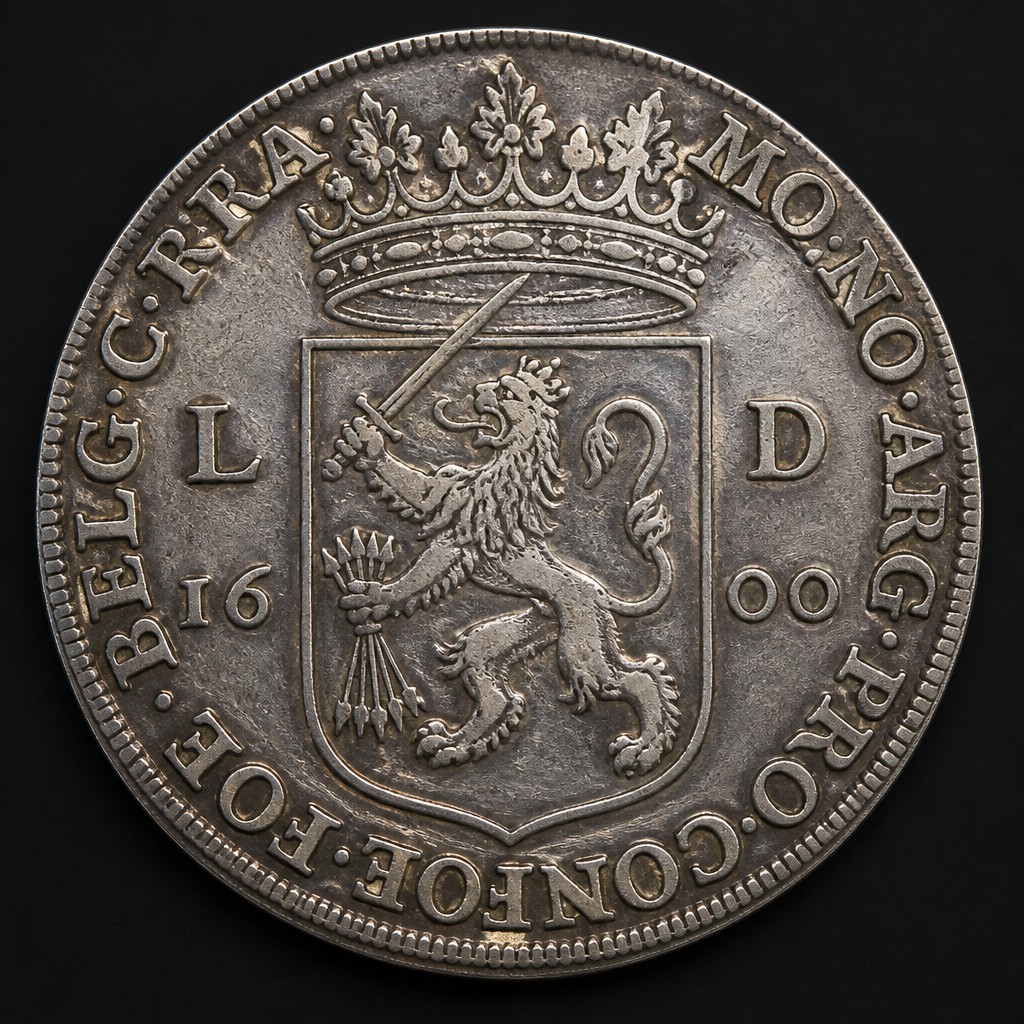
Netherlands Lion Daalder (Leeuwendaalder)
1575–1713
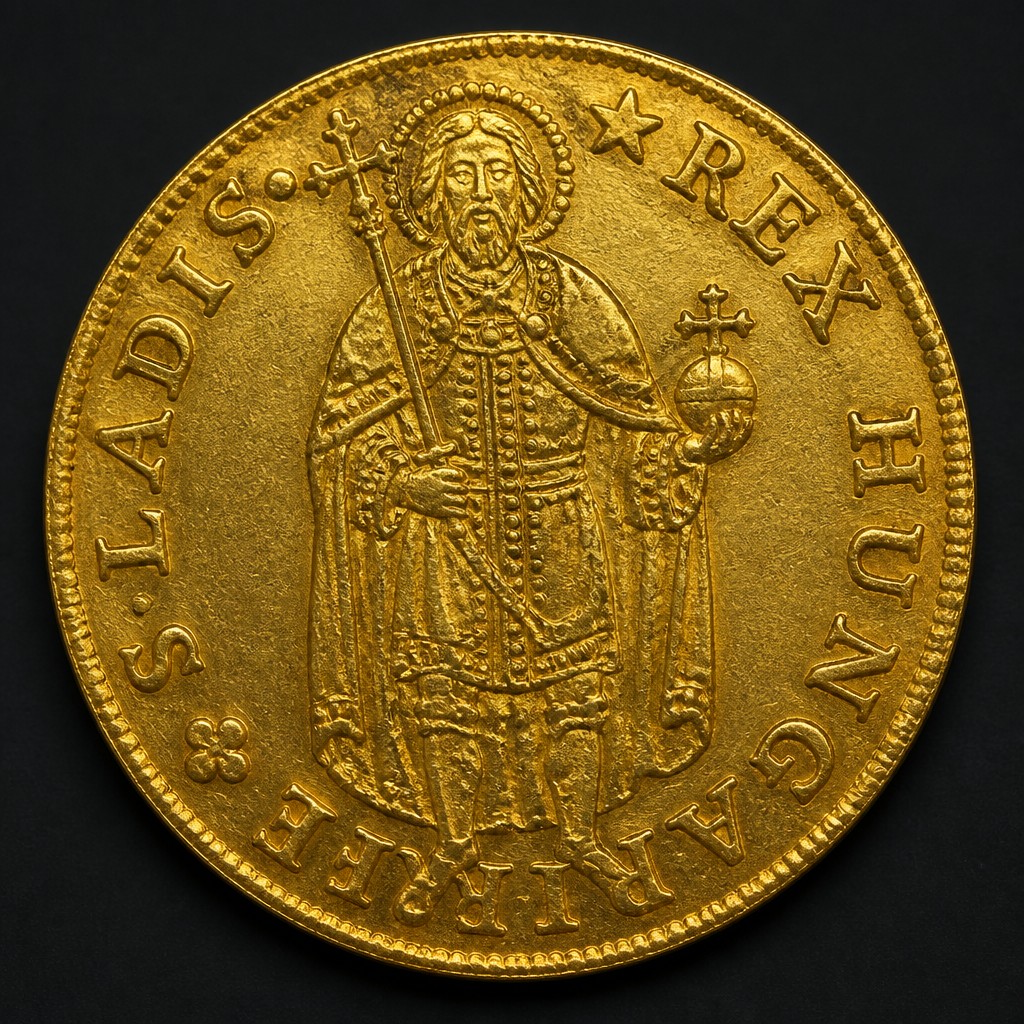
Hungarian Ducat
c. 1325–1918
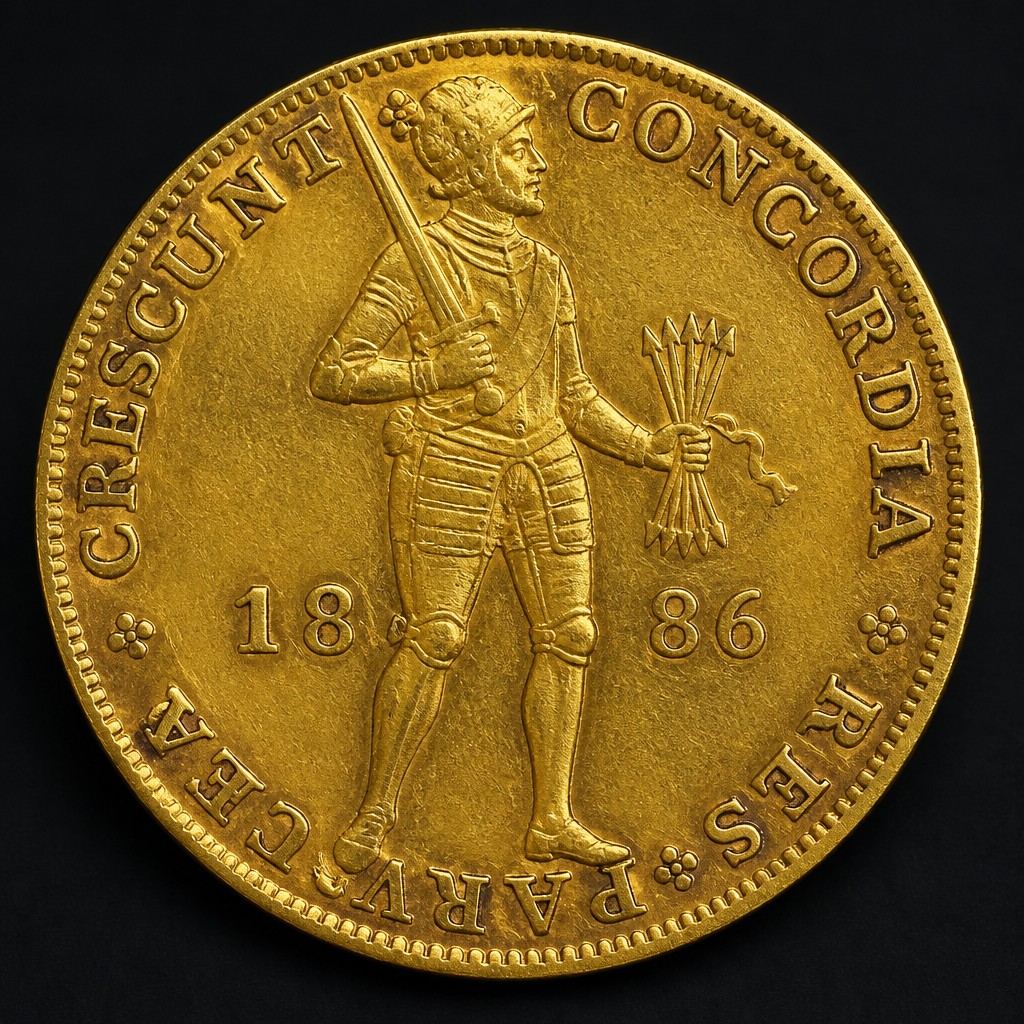
Dutch Ducat
c. 1586–present (classic type standardized after 1817)
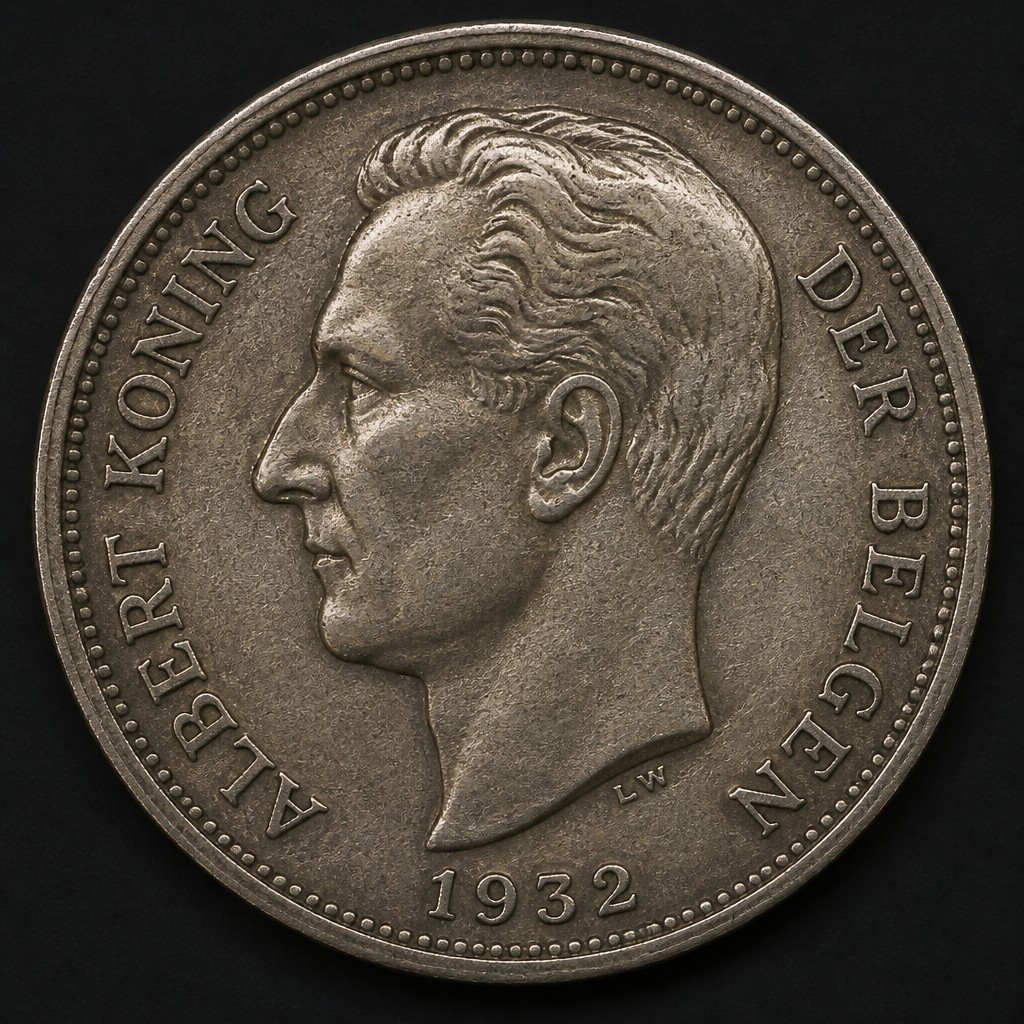
Belgian Franc
1832–2002
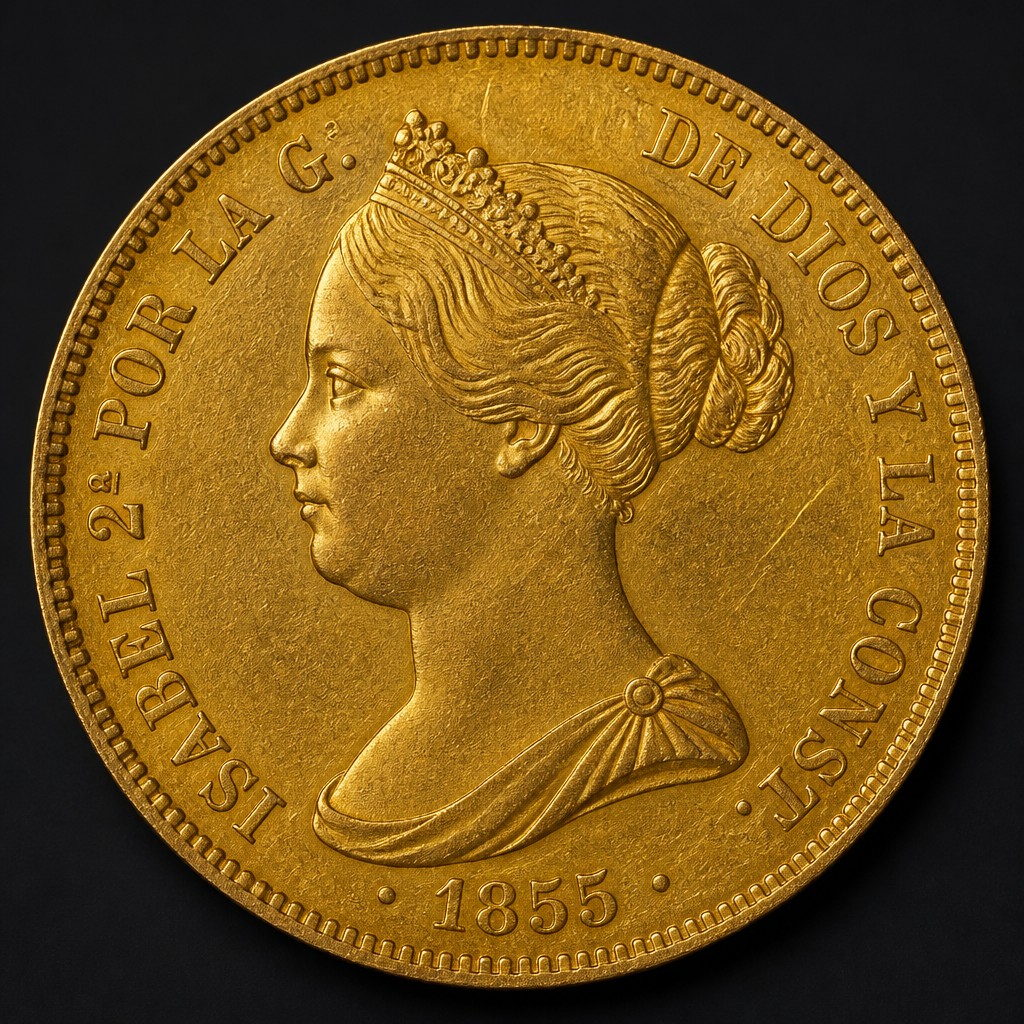
Spanish 100 Reales Gold (Isabel II)
1850s–1868
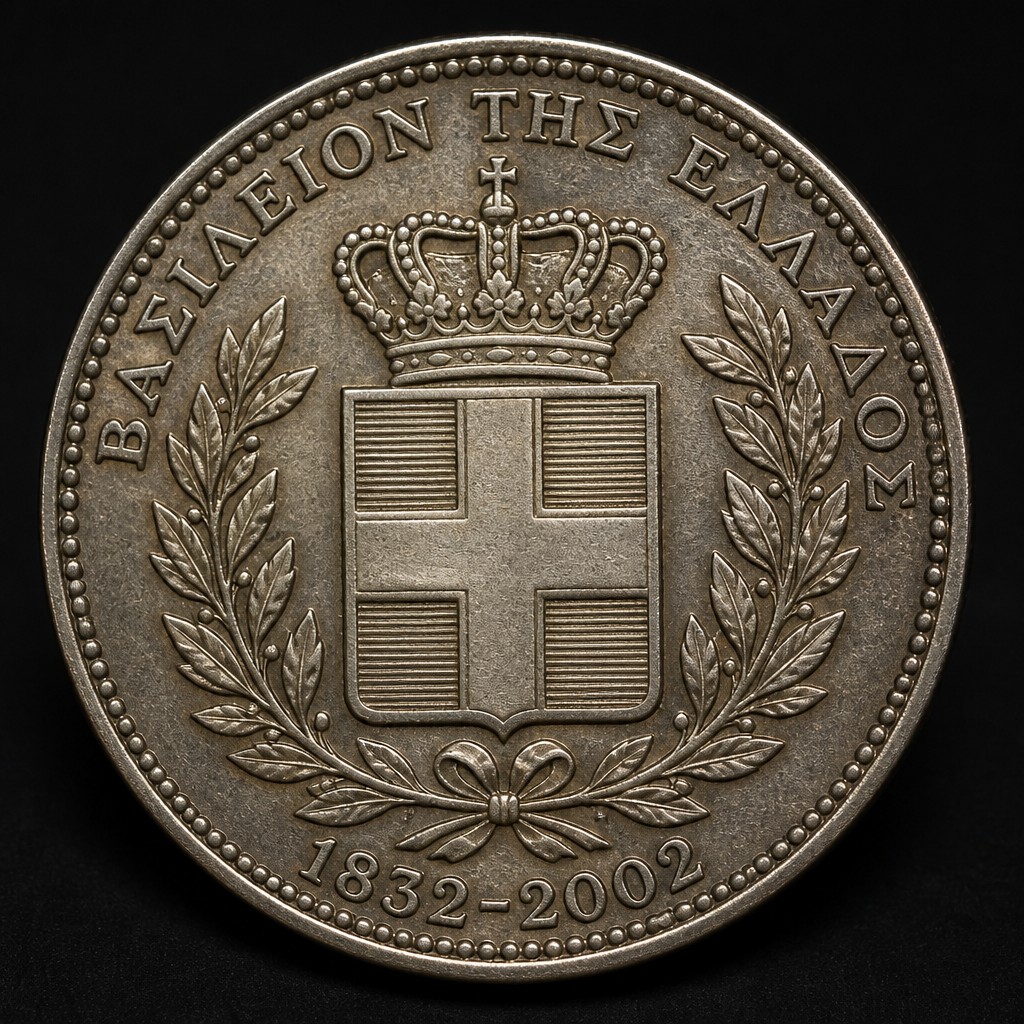
Greek Drachma
1832–2002
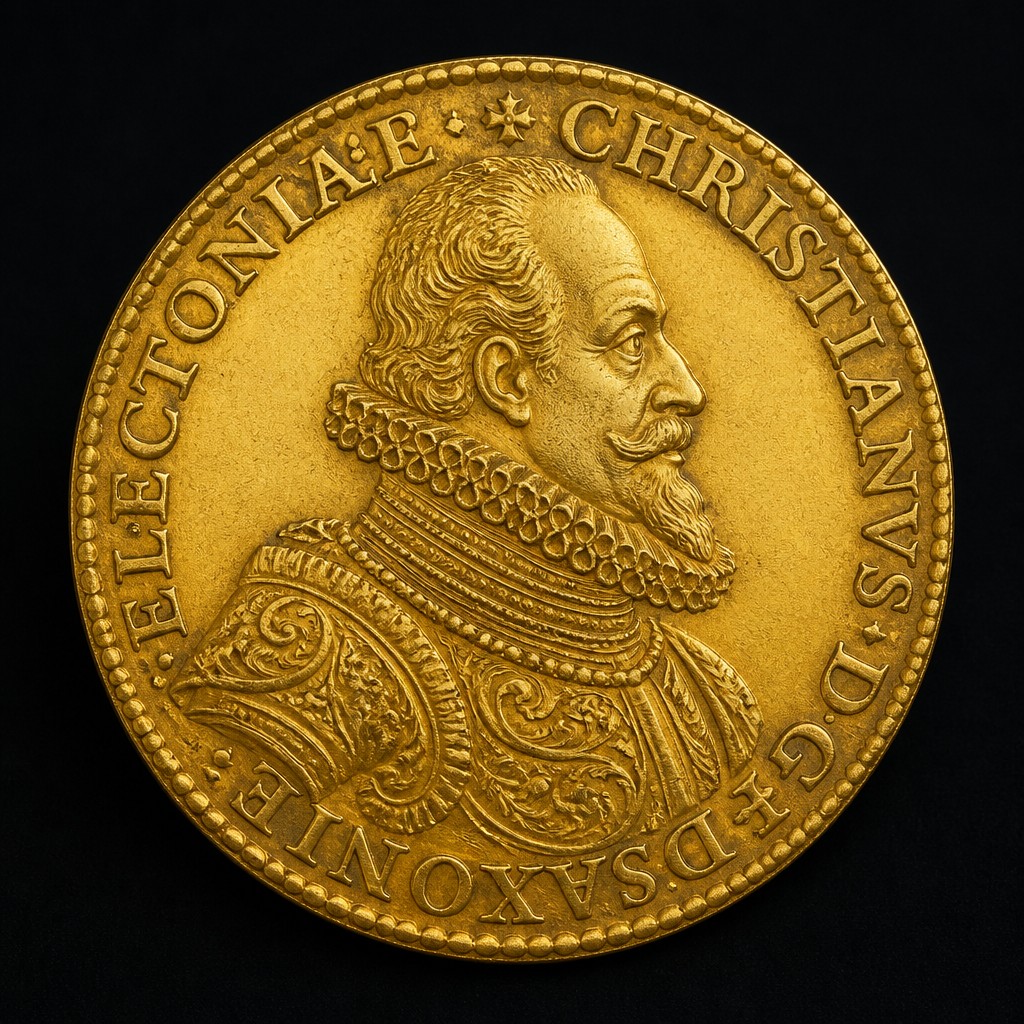
German Saxony Ducat
16th century–19th century
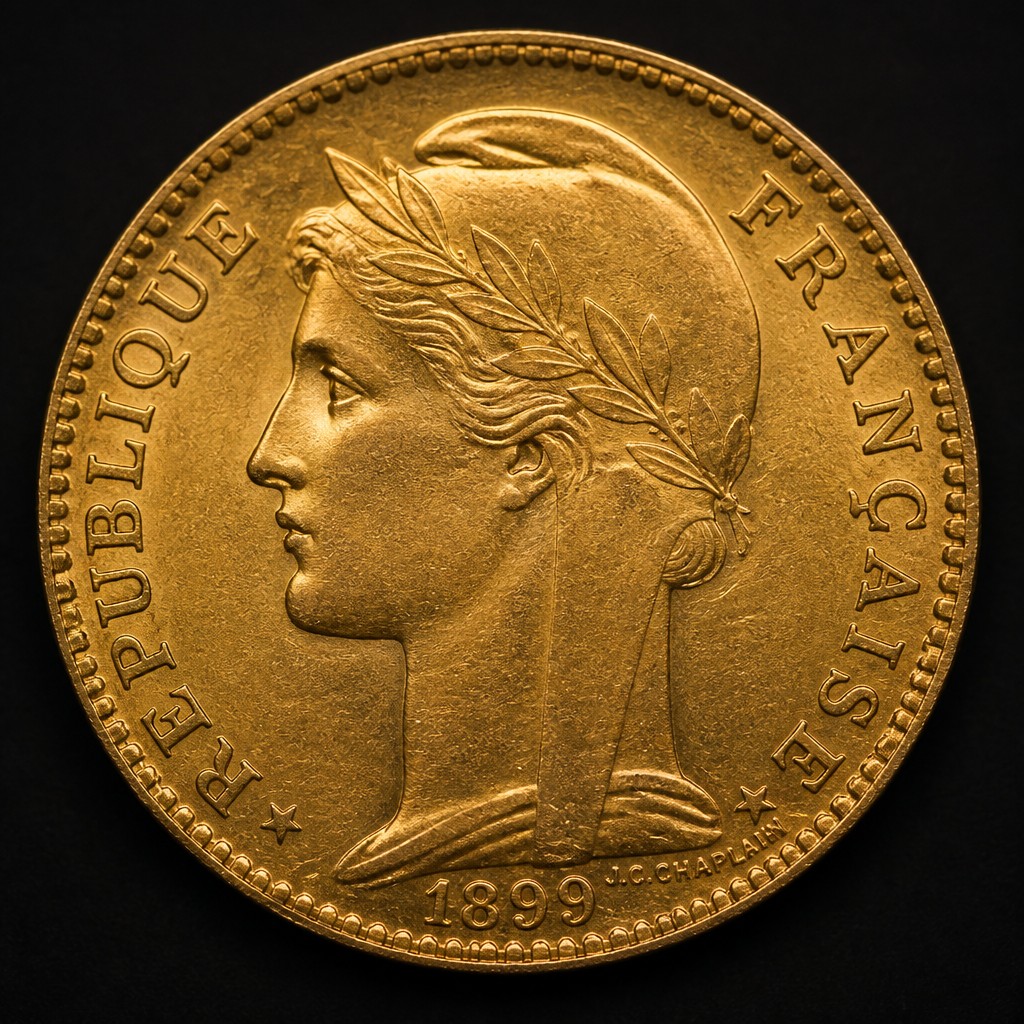
French 10 Francs Gold (Napoleon Rooster)
1899–1914
Netherlands 5 Gulden Gold
1826–1912 (intermittent)