
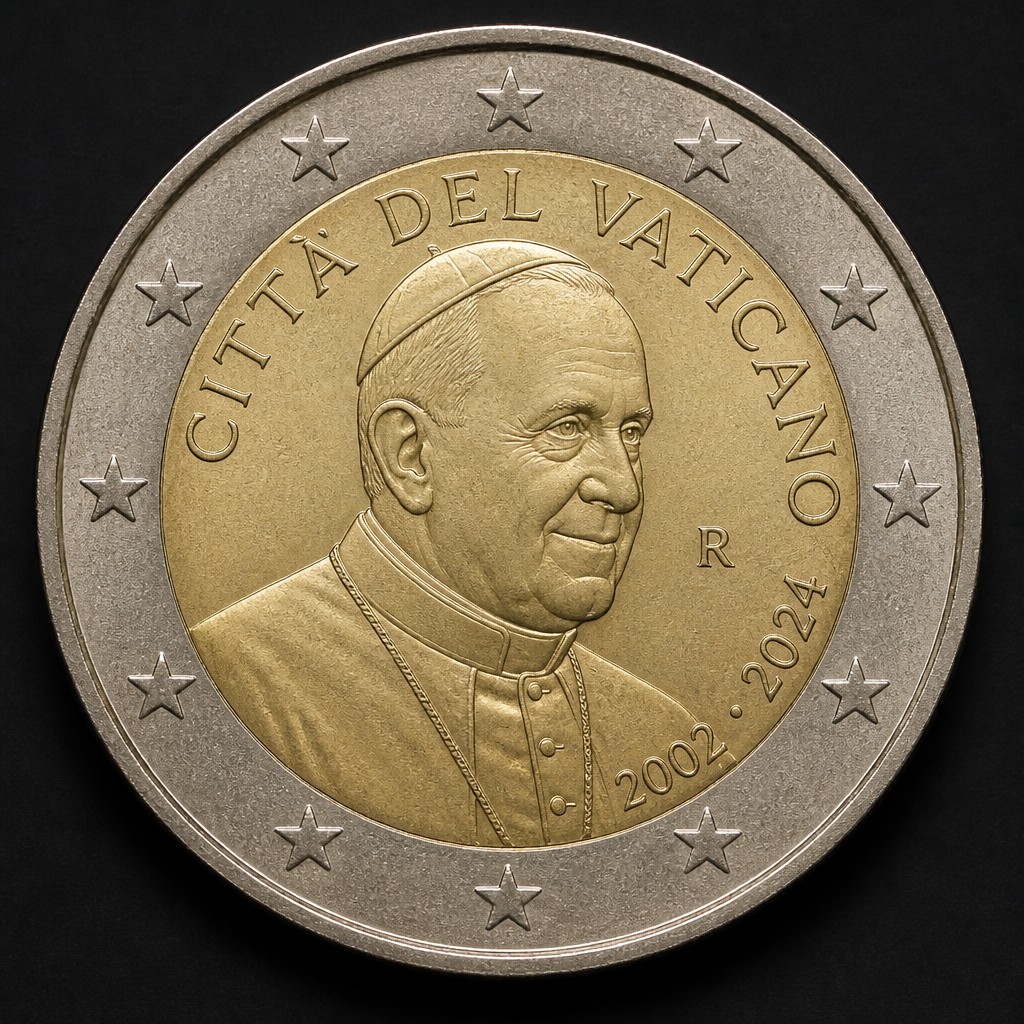
Vatican Euro Coins
Official euro coinage of the world's smallest sovereign state, struck in very limited quantities and highly sought after by euro coin collectors worldwide.
- Country
- Vatican City
- Denomination
- 1 Cent to 2 Euro
- Metal
- Various (copper-plated steel, brass, and bimetallic nickel-brass/copper-nickel, per standard euro specifications)
Got a coin like this?
Identify any coin from a photo, free.
Overview
Vatican City is one of the small group of non-European Union microstates authorized to issue official euro coins under a monetary agreement, alongside San Marino and Monaco. Because Vatican City's population and economy are tiny, its euro coin mintages are dramatically smaller than those of any EU member state, making them extremely popular with collectors globally.
Each year's Vatican euro set typically depicts the reigning pope on the standard denominations, along with special commemorative 2 euro coins marking significant Church events, and unique sede vacante ("vacant see") issues struck during the interim period between popes.
History & Background
Vatican City began issuing euro coins in 2002 alongside the initial rollout of the currency across the eurozone, having previously issued its own Vatican lira pegged to the Italian lira. The coins are produced under contract by the Italian State Mint in Rome, since Vatican City has no mint of its own.
Designs have changed with each papacy: coins from the reign of John Paul II gave way to those of Benedict XVI, then Francis, each pope's portrait or symbol appearing on the coinage during his pontificate. During the brief interregnum periods after a pope's death or resignation before a successor is elected, special "sede vacante" coins are struck bearing the coat of arms of the Apostolic Chamber instead of a papal portrait, and these are especially prized due to their extremely limited mintage and narrow window of production.
How to Identify
Standard denomination Vatican euro coins (1 cent through 2 euro) follow the same size, weight, and metal specifications as all other eurozone coins, with a common reverse design shared across the eurozone and a distinct "national side" obverse unique to Vatican City. That national side displays the reigning pope's portrait or, for sede vacante issues, the crossed keys and umbrella emblem of the Apostolic Chamber.
Inscriptions read "CITTA DEL VATICANO" along with the year of issue. Commemorative 2 euro coins feature special one-off designs marking anniversaries, Church events, or historic occasions, distinguishing them from the annual circulation set designs.
Because genuine Vatican euro coins are struck in extremely low numbers and are heavily counterfeited or reproduced as fantasy pieces, collectors should be especially cautious and rely on reputable dealers, and compare details carefully against confirmed authentic references.
Value & Collectibility
Vatican euro coins command dramatically higher premiums over face value than coins from any EU member state, due to their tiny mintages, sometimes numbering only in the tens of thousands or fewer for certain denominations and years. Even common-date circulation coins can be worth many times face value on the collector market.
Sede vacante issues and special commemorative 2 euro coins are typically the most valuable and sought-after pieces in the series, with strong demand driving prices well above typical circulation coin premiums. Because counterfeiting and reproduction fantasy pieces are a known issue in this series, buyers should exercise particular care regarding authenticity when purchasing.
Frequently asked questions
Why are Vatican euro coins so expensive compared to face value?
Vatican City strikes far fewer coins than any EU country due to its tiny size, and strong collector demand drives prices well above face value.
What is a 'sede vacante' coin?
It's a coin struck during the period between a pope's death or resignation and the election of a successor, bearing the Apostolic Chamber's arms instead of a papal portrait.
Can Vatican euro coins be spent as normal currency?
Technically yes within the eurozone, since they meet standard euro specifications, but virtually none circulate because collectors acquire them well above face value.
Where are Vatican euro coins actually struck?
They are produced under agreement by the Italian State Mint in Rome, as Vatican City has no minting facility of its own.
Other coins you may enjoy
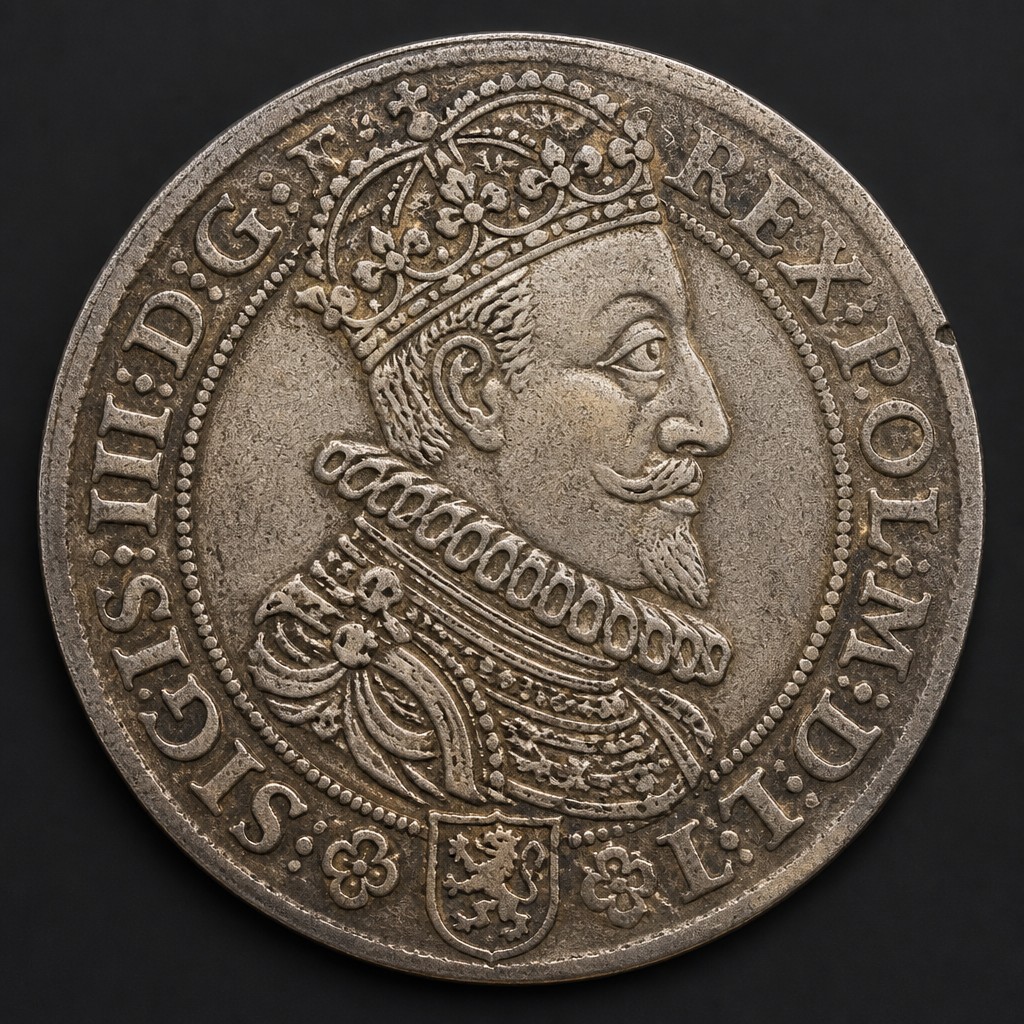
Polish-Lithuanian Thaler
circa 16th–18th century
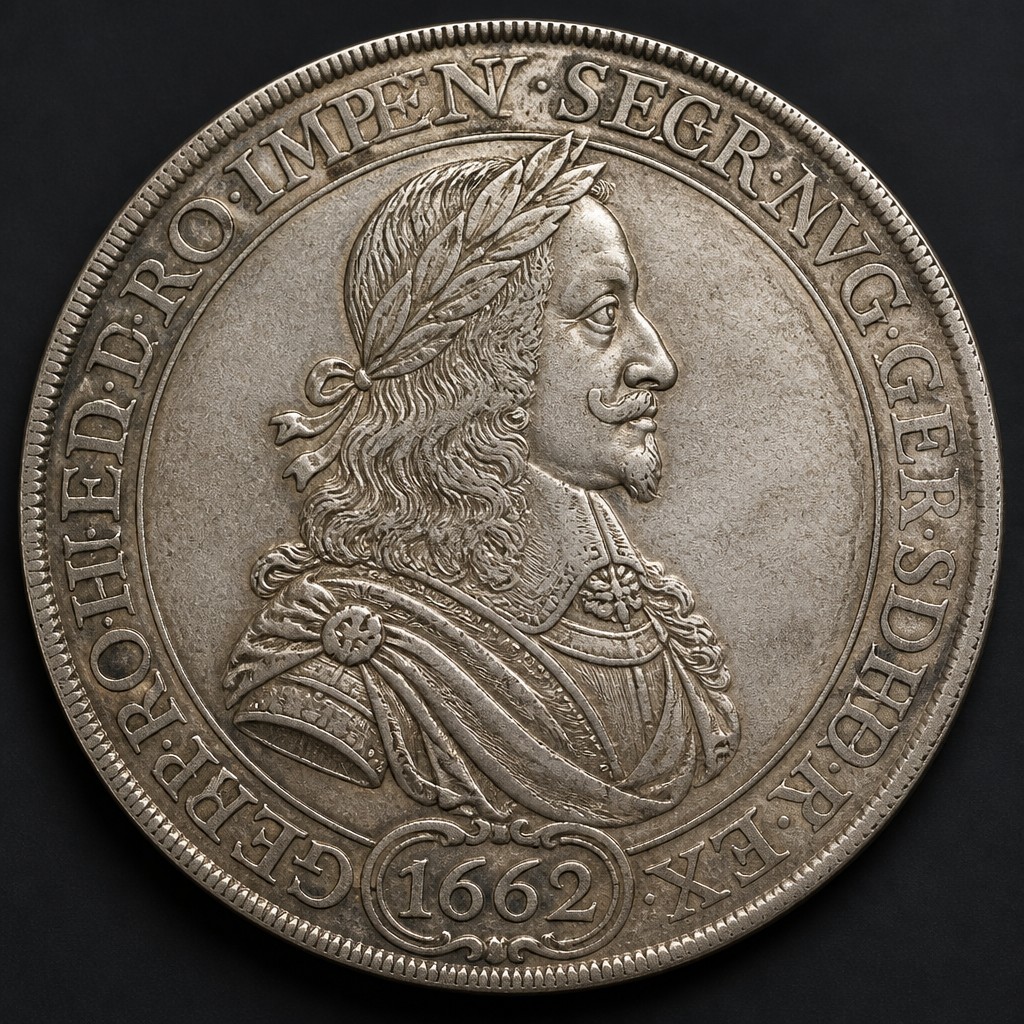
Reichsthaler
circa 1566–early 19th century
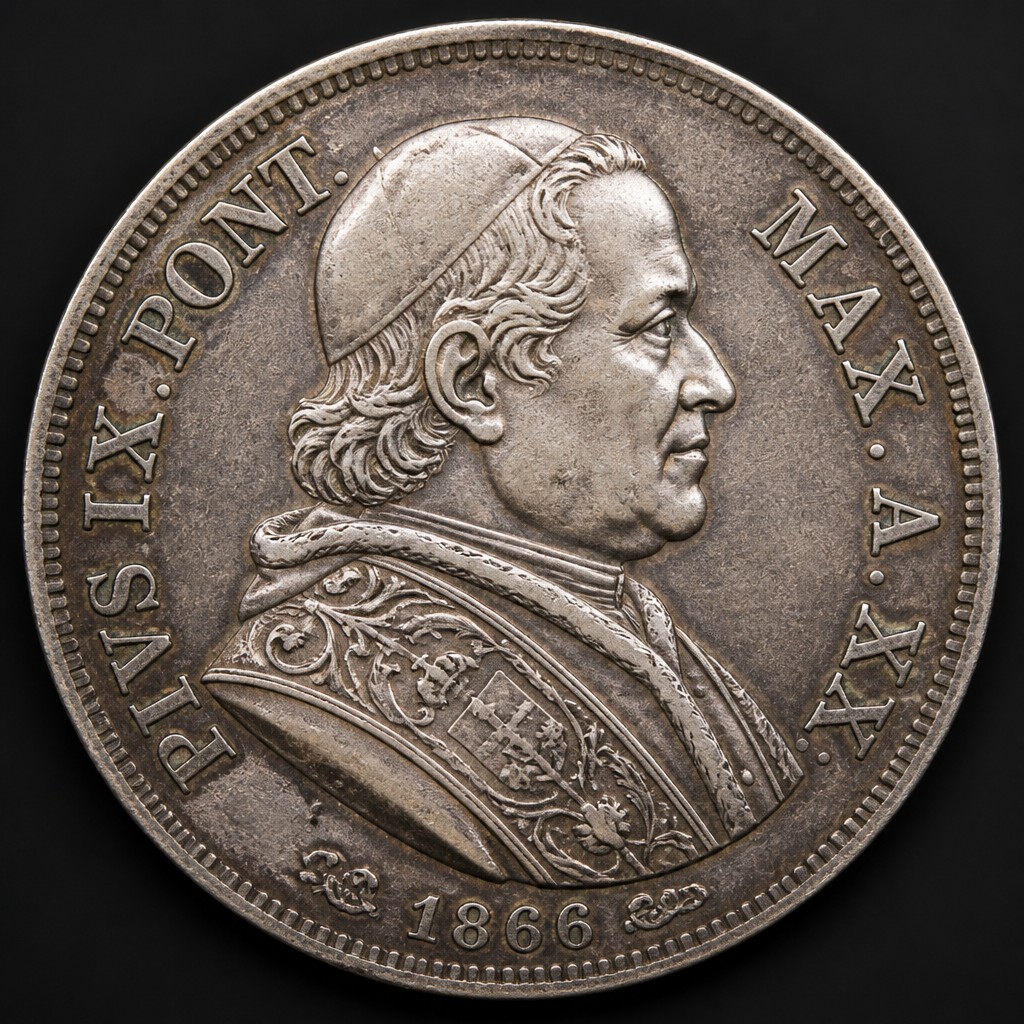
Papal States Scudo
16th century–1866
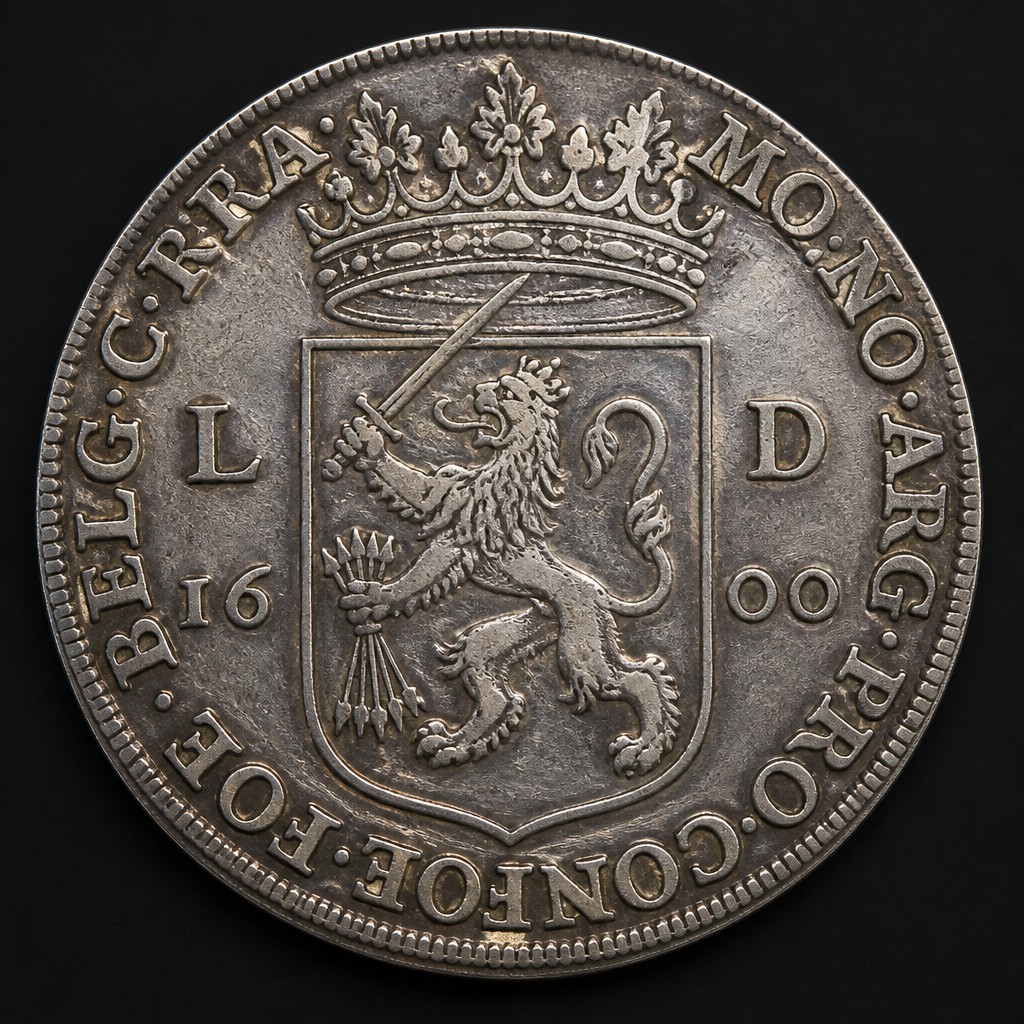
Netherlands Lion Daalder (Leeuwendaalder)
1575–1713
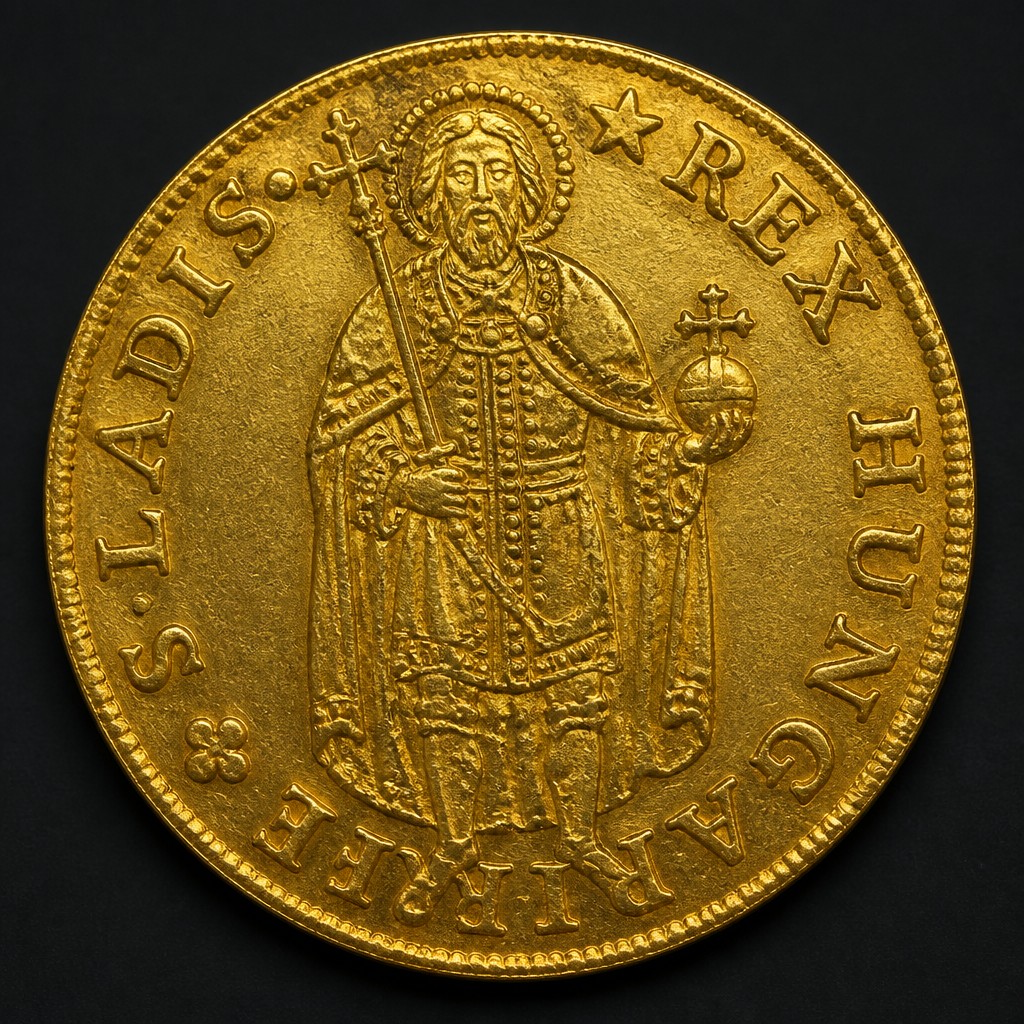
Hungarian Ducat
c. 1325–1918
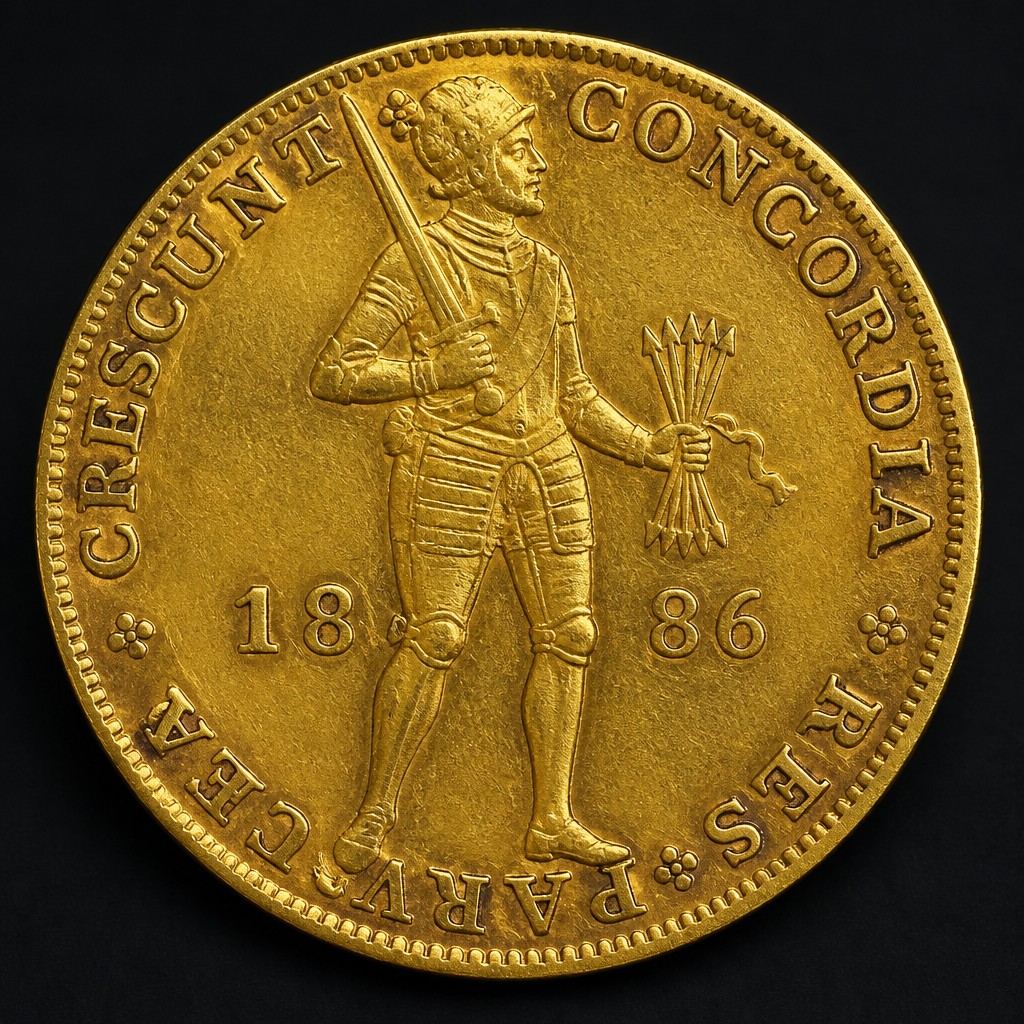
Dutch Ducat
c. 1586–present (classic type standardized after 1817)
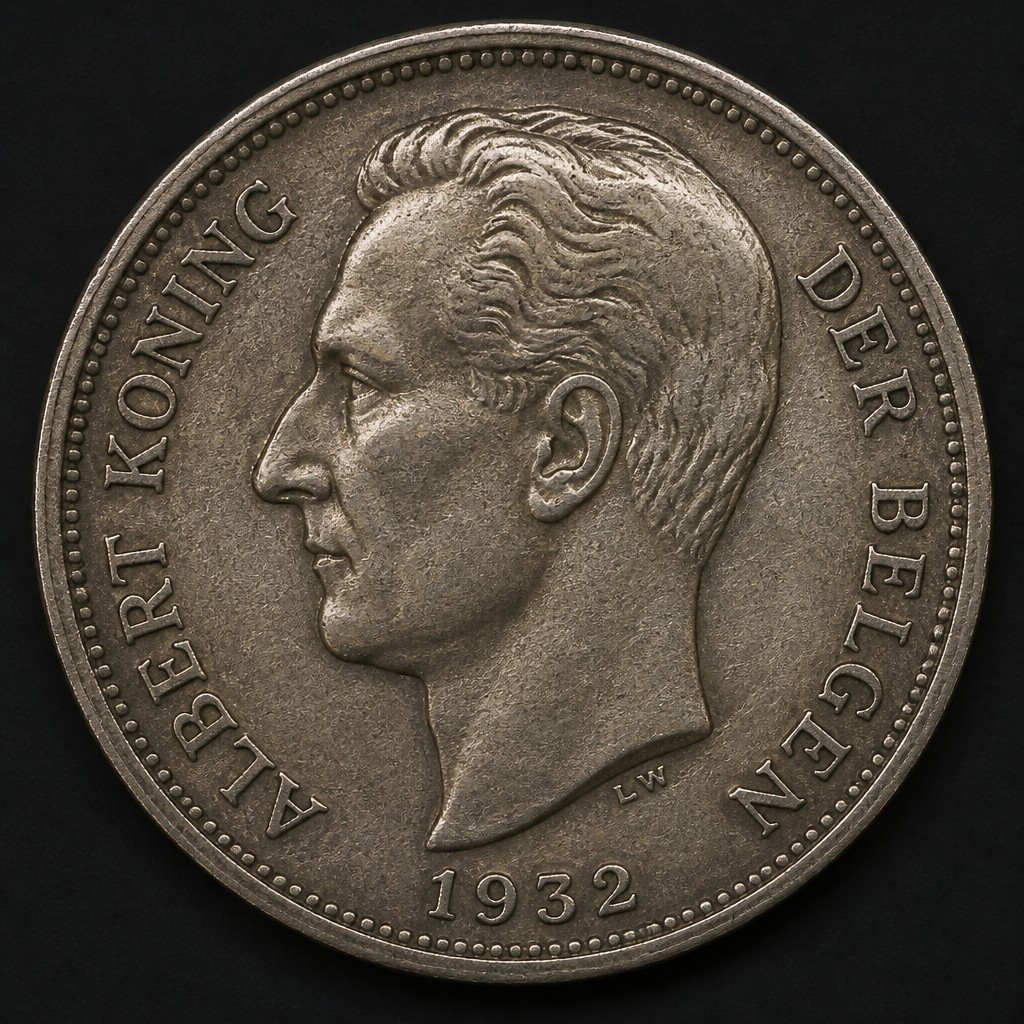
Belgian Franc
1832–2002
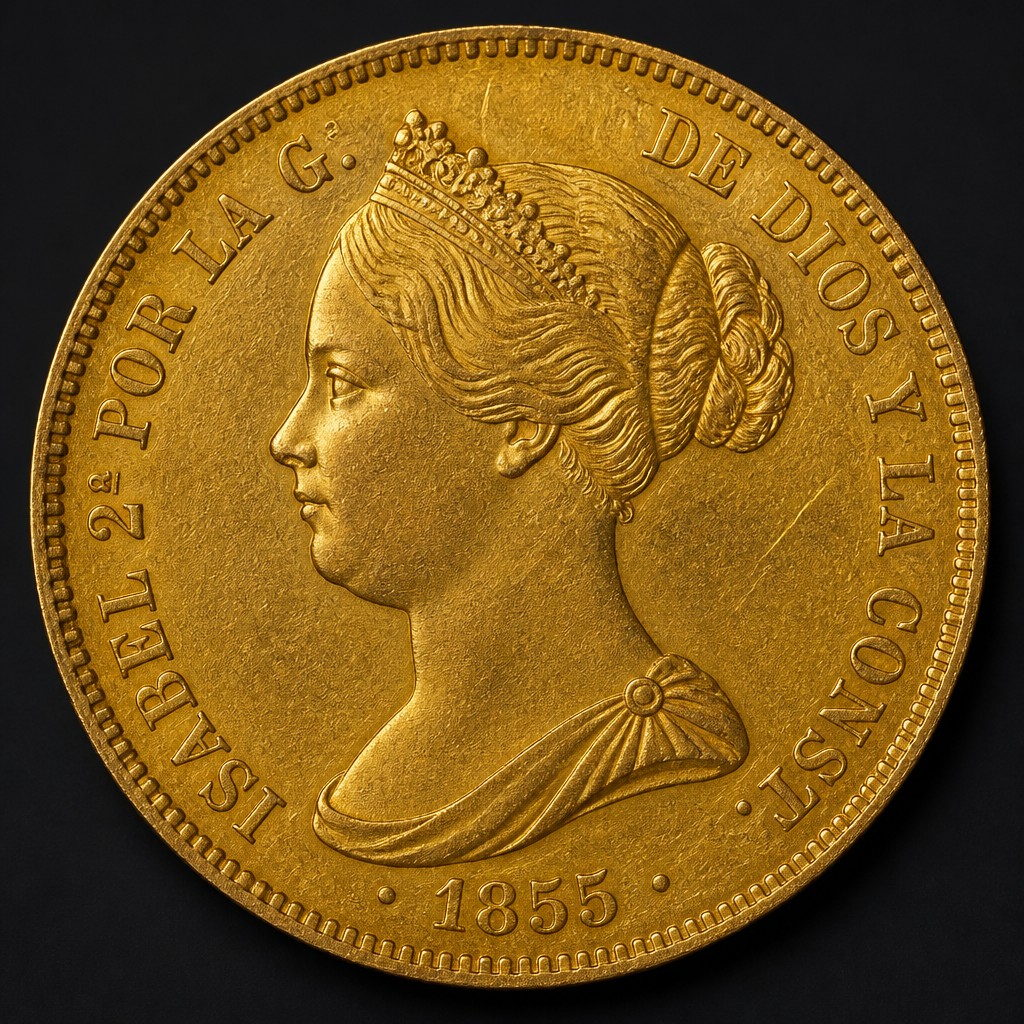
Spanish 100 Reales Gold (Isabel II)
1850s–1868
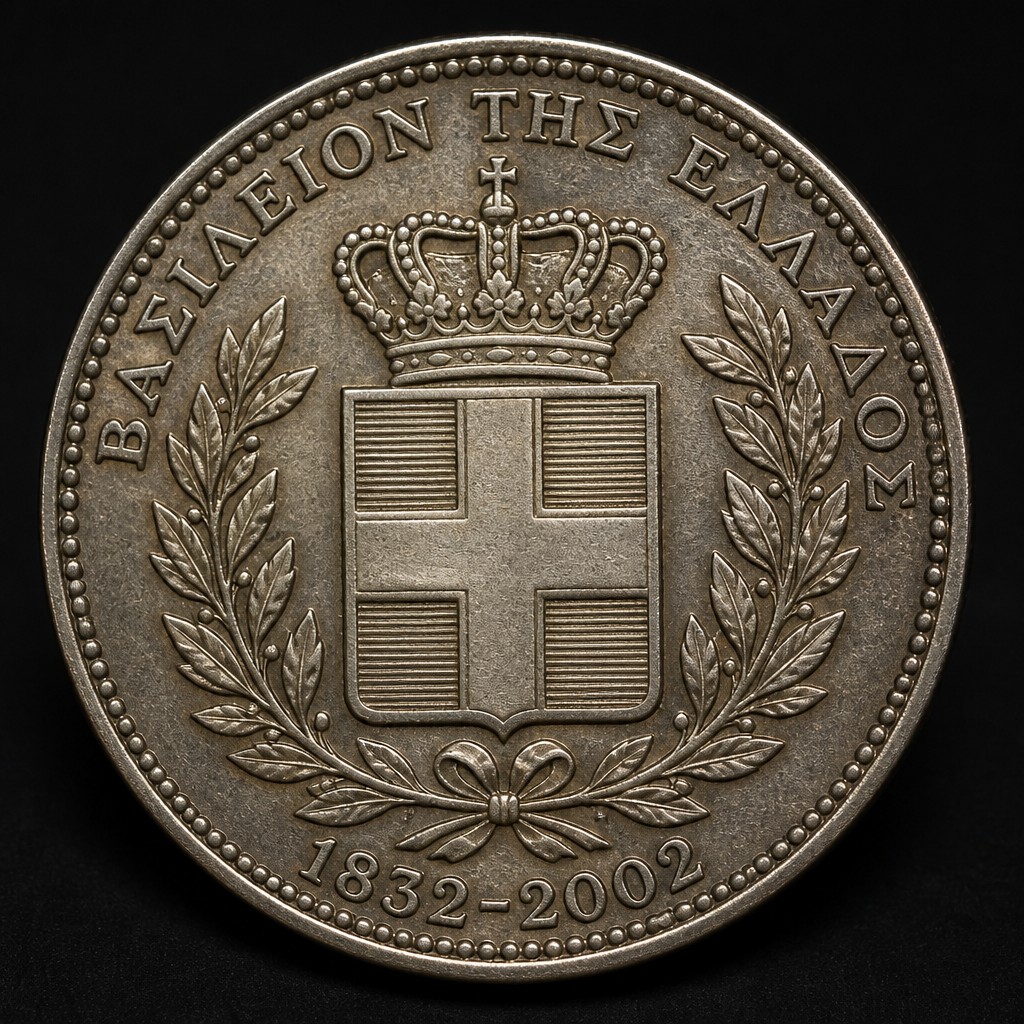
Greek Drachma
1832–2002
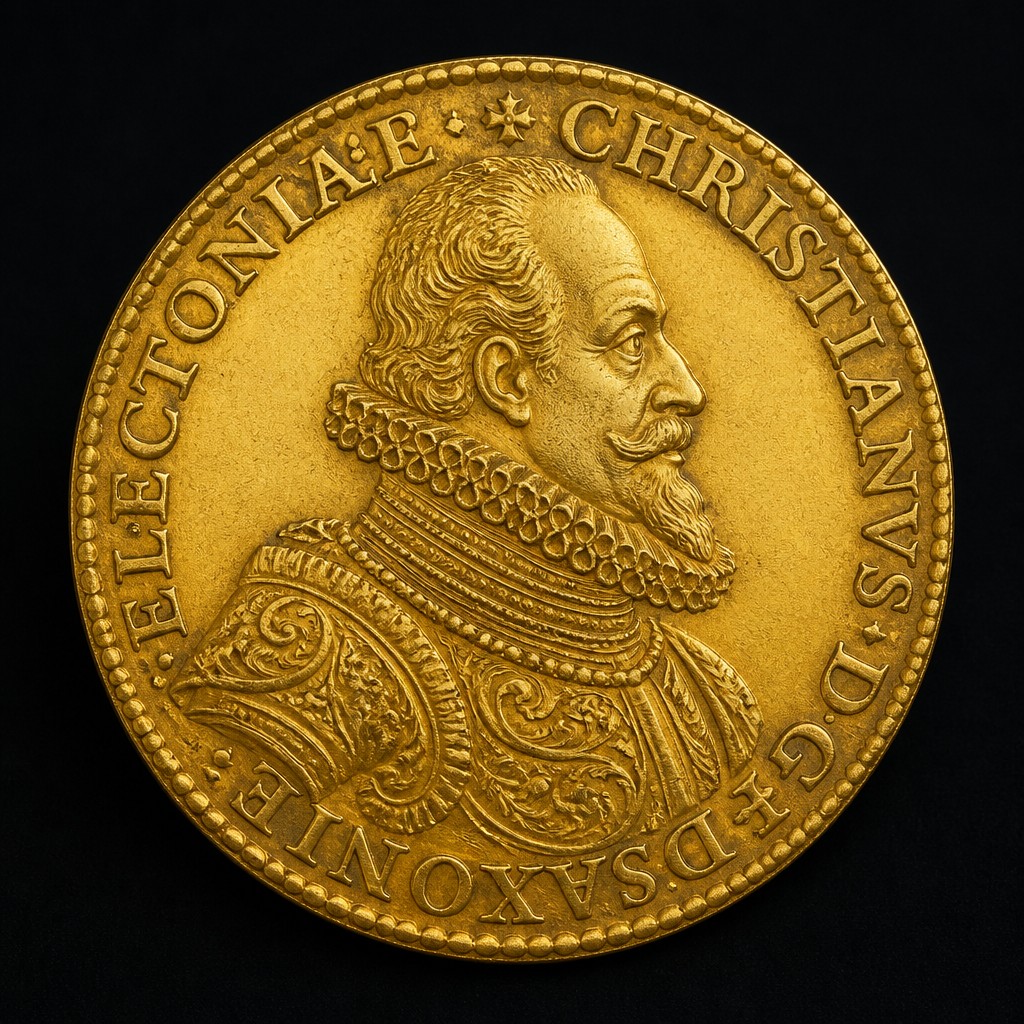
German Saxony Ducat
16th century–19th century
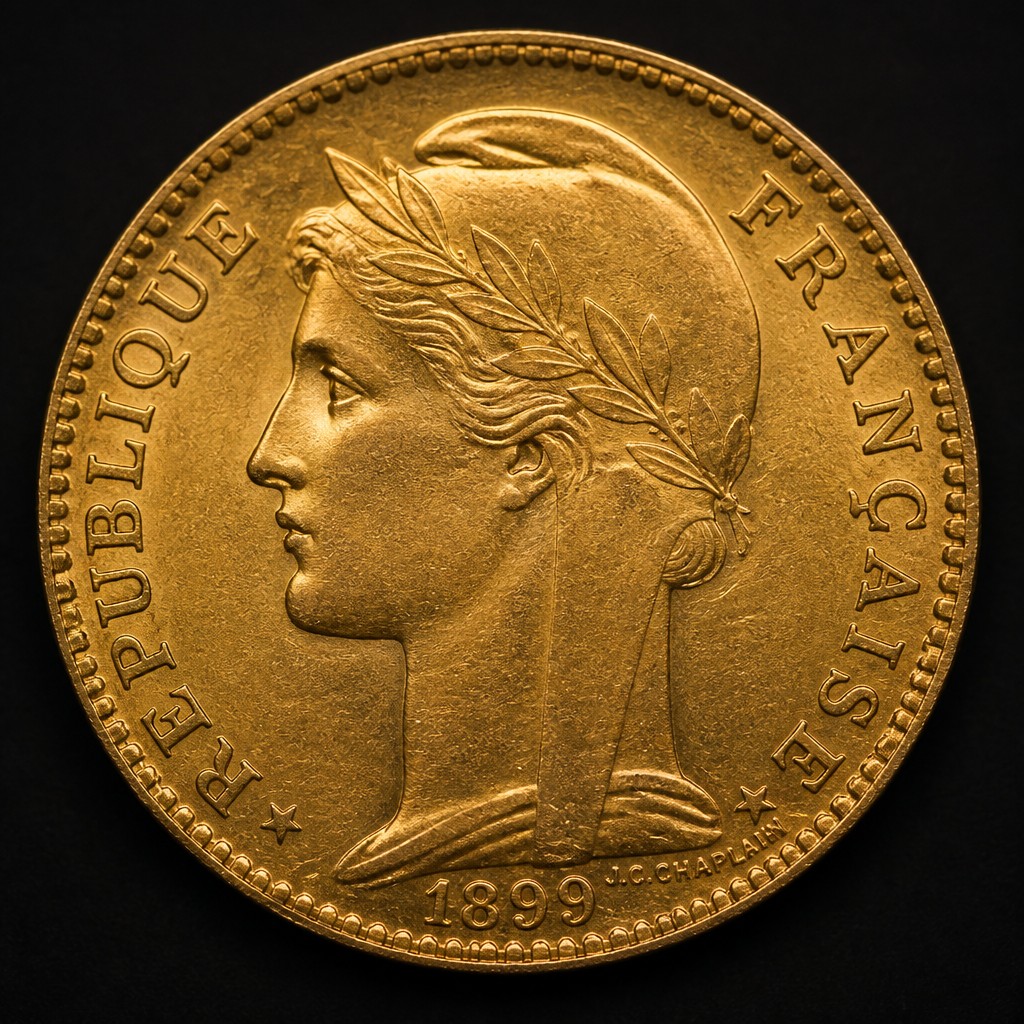
French 10 Francs Gold (Napoleon Rooster)
1899–1914
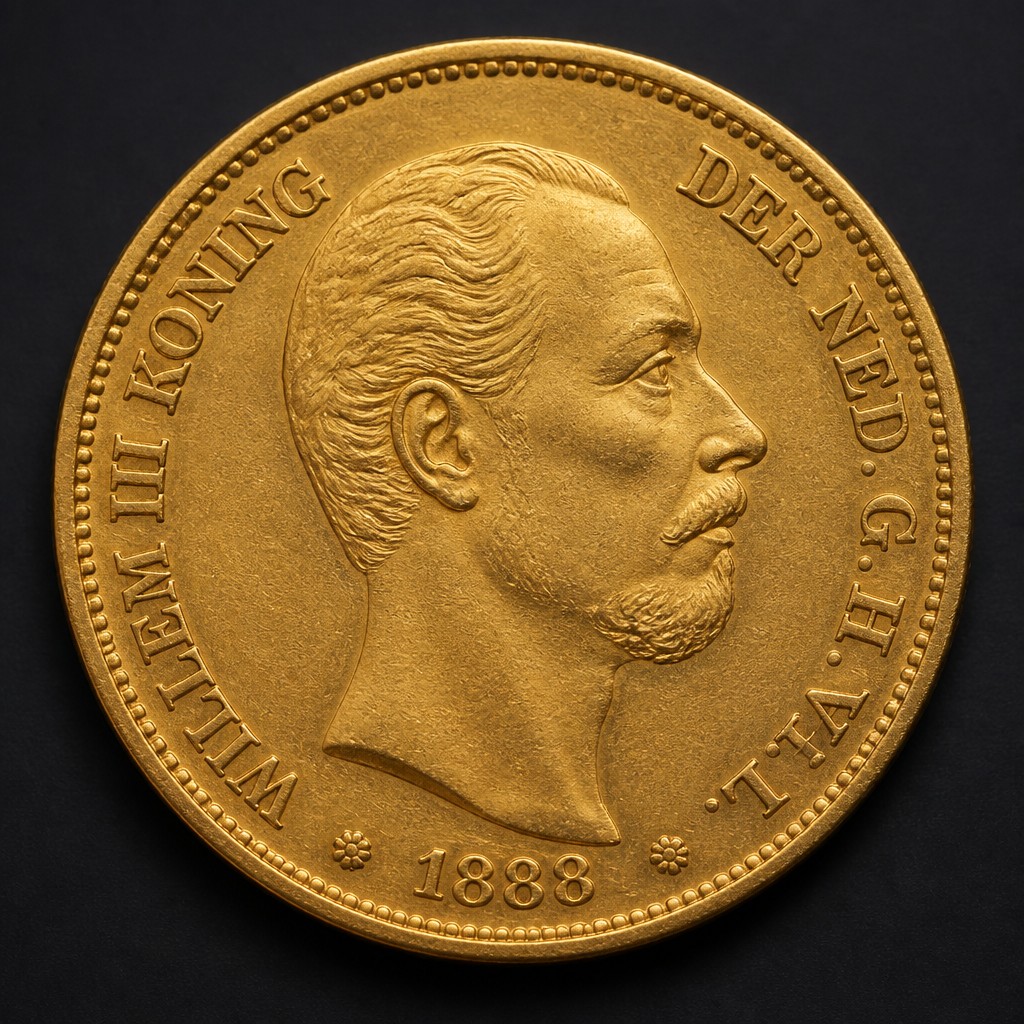
Netherlands 5 Gulden Gold
1826–1912 (intermittent)