
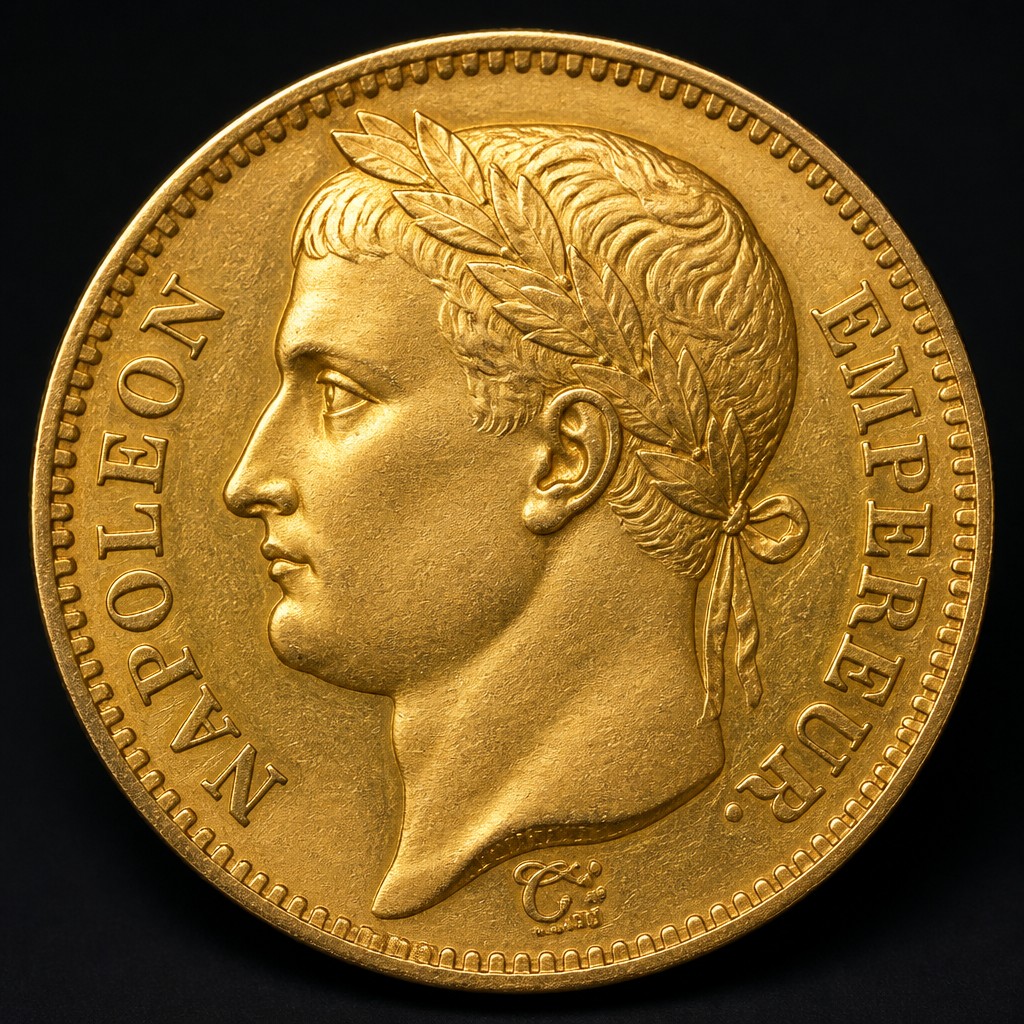
French Napoleon 20 Francs Gold
France's standard 19th-century gold coin, first struck under Napoleon I and continued under later rulers and the Republic, giving rise to the enduring nickname "Napoleon" for any 20-franc gold coin.
- Country
- France
- Denomination
- 20 Francs
- Metal
- 90% Gold (.900 fine)
Got a coin like this?
Identify any coin from a photo, free.
Overview
The French 20 franc gold coin, popularly called the "Napoleon" regardless of which ruler's portrait it actually bears, was one of the most widely circulated gold coins in 19th-century Europe. It served as a practical, trusted store of value across borders long after France itself changed governments repeatedly.
Collectors and bullion buyers alike prize the type both for its rich history spanning the Napoleonic era, the Bourbon Restoration, the July Monarchy, the Second Empire, and the Third Republic, and for its dependable, standardized gold content.
History & Background
The 20 franc gold coin was introduced under Napoleon Bonaparte, first as First Consul and then as Emperor, as part of France's new decimal franc currency system established at the turn of the 19th century. Its reliable gold standard content made it a trusted trade coin, and the type continued essentially unchanged in specification through the many political changes that followed Napoleon's fall.
Subsequent French governments, including the restored Bourbon monarchy, the July Monarchy of Louis-Philippe, the Second Empire of Napoleon III, and the Third Republic, all issued their own 20 franc gold coins bearing the current ruler's portrait or, under the Republic, a personification of Marianne or a rooster ("Coq") design.
Because the coin's specifications remained standardized across nearly all these issues, and it formed a cornerstone of the Latin Monetary Union that also standardized gold coinage in Italy, Switzerland, Belgium, and elsewhere, the term "Napoleon" endured as informal shorthand for the entire denomination across a century of different governments.
How to Identify
Obverse designs vary by ruler: Napoleon I is shown either bare-headed as First Consul or laureate as Emperor; later issues show Louis XVIII, Charles X, Louis-Philippe, or Napoleon III in profile, while Third Republic coins typically show a personification of the French Republic (Marianne) or, on later issues, a rooster.
Reverse designs generally show the denomination within a wreath, or for Republic-era "Coq" issues, a rooster standing atop the value. All standard issues share the same specifications: .900 fine gold, 6.45 grams, and about 21mm in diameter, matching the broader Latin Monetary Union gold coin standard.
Because many different rulers and design types share the same size, weight, and purity, collectors identify specific issues primarily by the obverse portrait and inscribed ruler's name or Republic-era legend, along with the mint mark and date.
Value & Collectibility
Common date Napoleons, especially later 19th-century issues, trade close to their gold bullion value and are among the most popular and liquid pre-1933 gold coins worldwide due to their manageable size and long production run. Scarcer early dates, particular mints, or exceptional condition examples can command meaningful numismatic premiums above bullion value.
Because of their historical popularity as a store of value, genuine 20 franc gold pieces are widely available, making them a common entry point for collectors interested in classic European gold coinage.
Frequently asked questions
Why is it called a "Napoleon" if it doesn't show Napoleon?
The nickname stuck from the coin's original introduction under Napoleon I and continued informally even as later rulers' portraits appeared on the same denomination.
What is the gold content of a 20 franc gold coin?
It contains .900 fine gold, weighing 6.45 grams total, for about 0.1867 troy ounces of pure gold.
Which rulers appear on 20 franc gold coins?
Napoleon I, Louis XVIII, Charles X, Louis-Philippe, Napoleon III, and Republic-era personifications such as Marianne or a rooster all appear across the series.
Are 20 franc gold coins good for gold bullion investment?
They are commonly held as bullion-adjacent gold due to their standardized, well-known gold content, though pricing always includes some numismatic premium above raw metal value.
Other coins you may enjoy
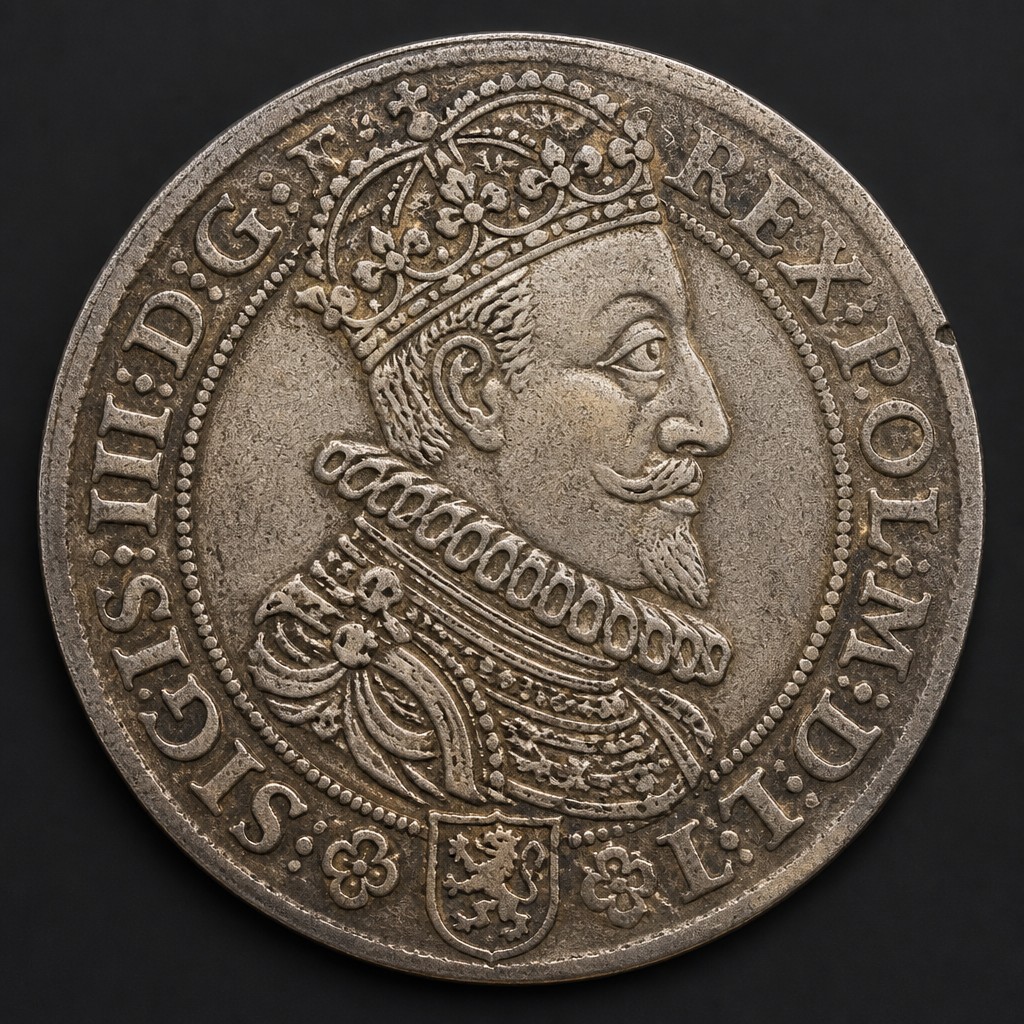
Polish-Lithuanian Thaler
circa 16th–18th century
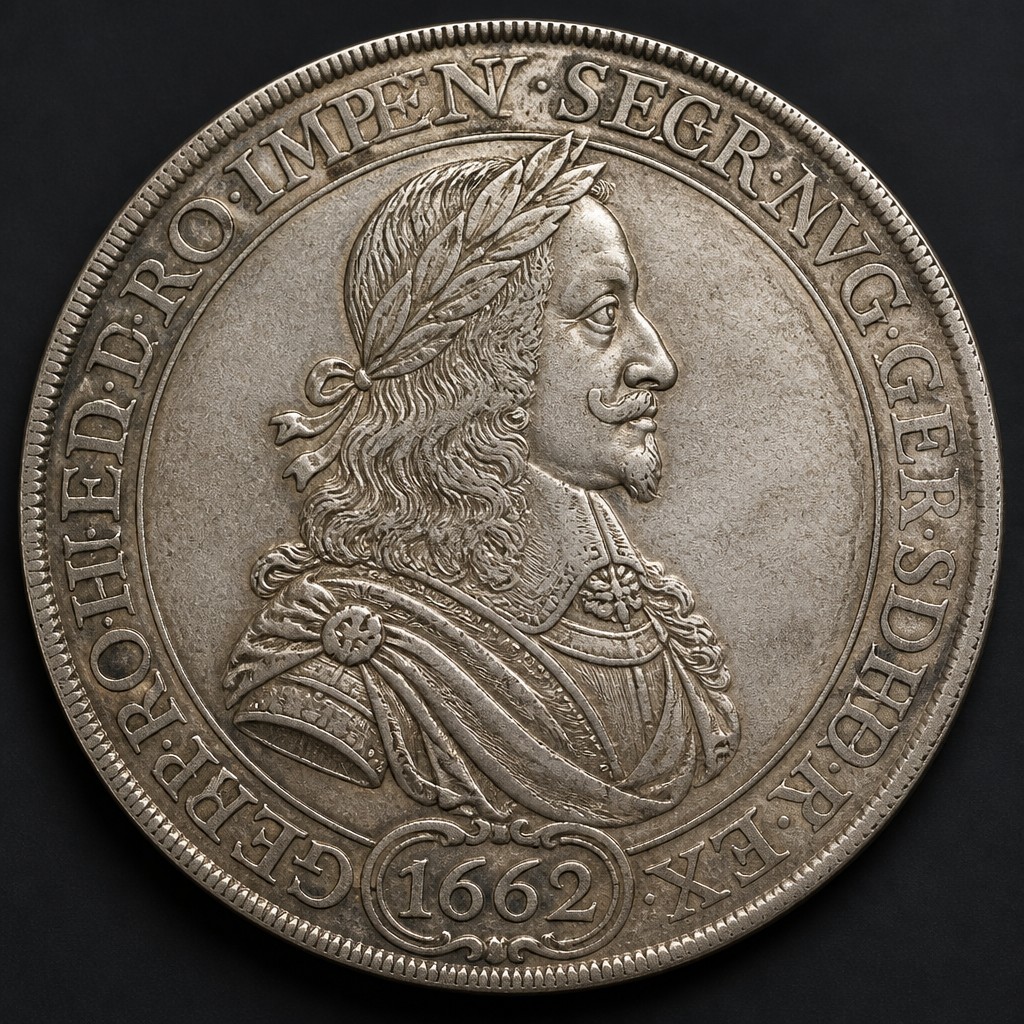
Reichsthaler
circa 1566–early 19th century
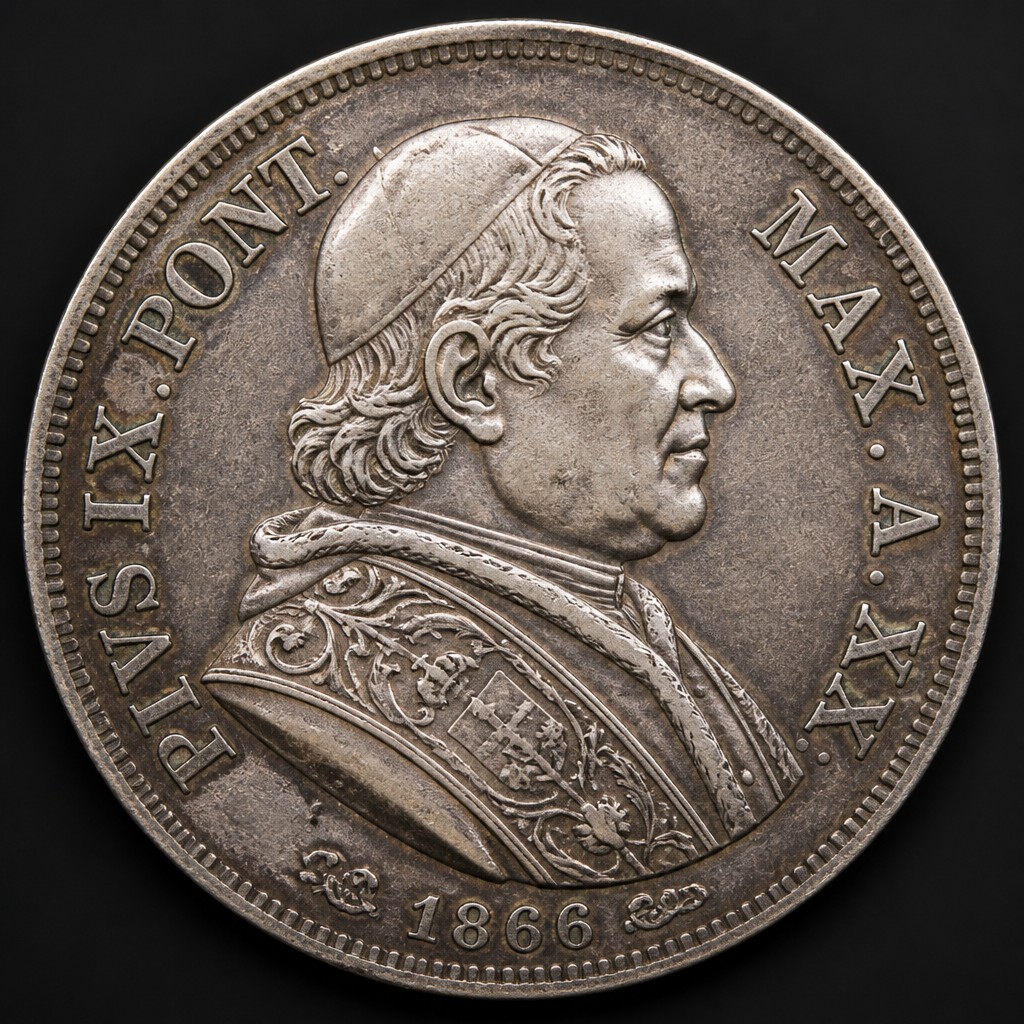
Papal States Scudo
16th century–1866
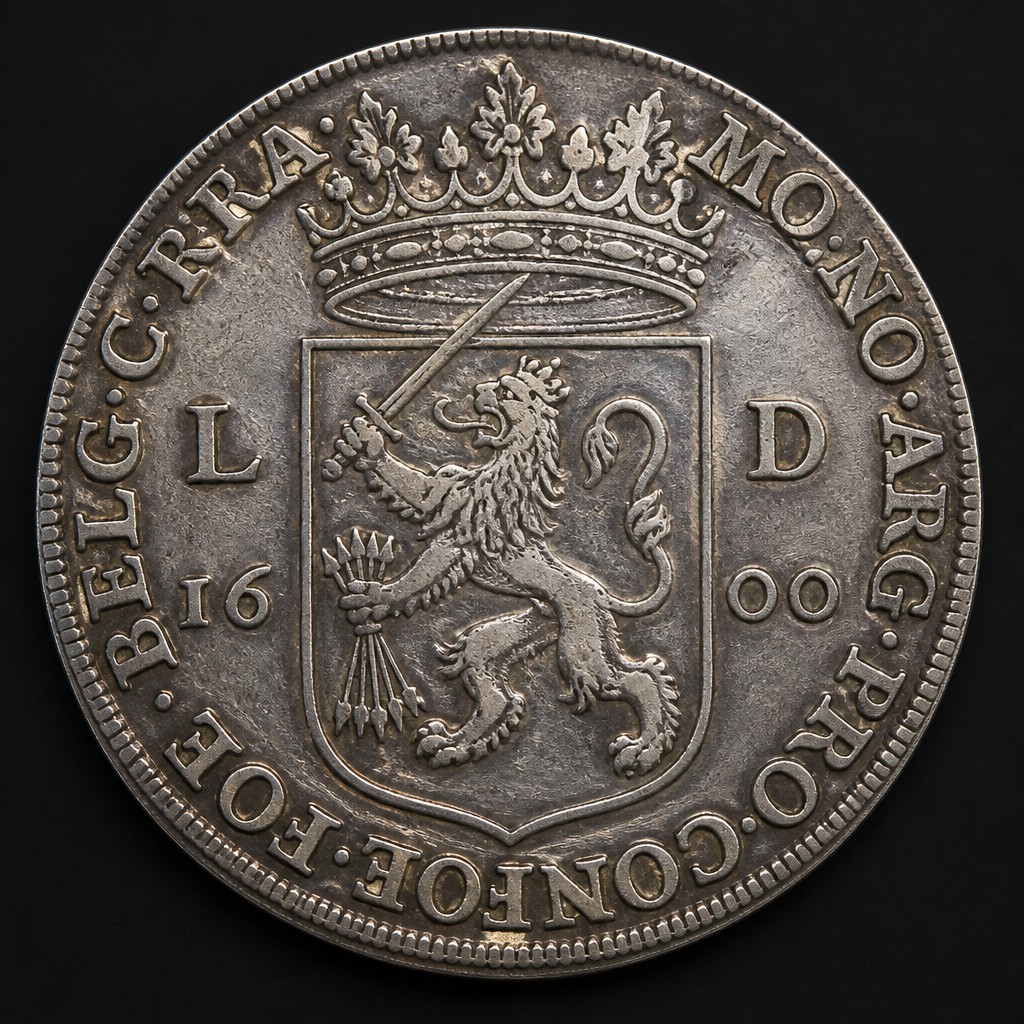
Netherlands Lion Daalder (Leeuwendaalder)
1575–1713
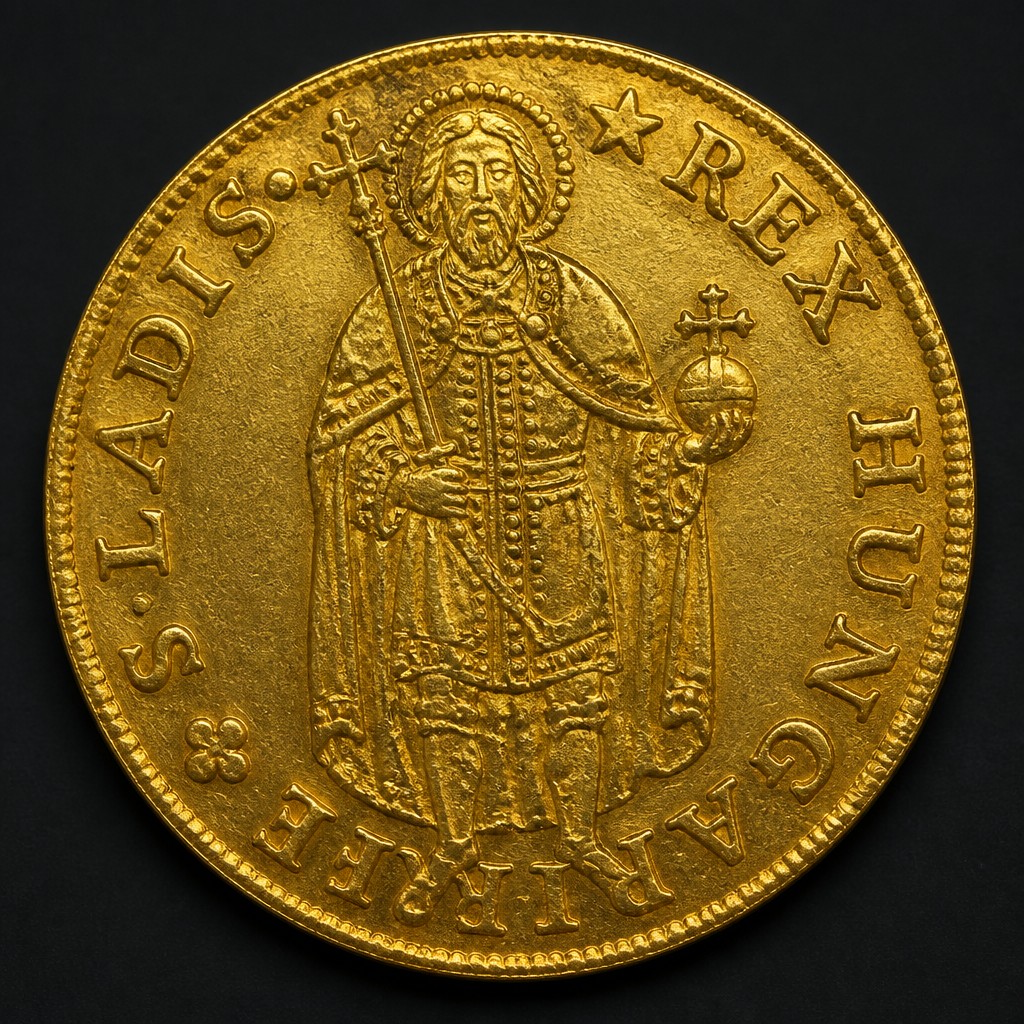
Hungarian Ducat
c. 1325–1918
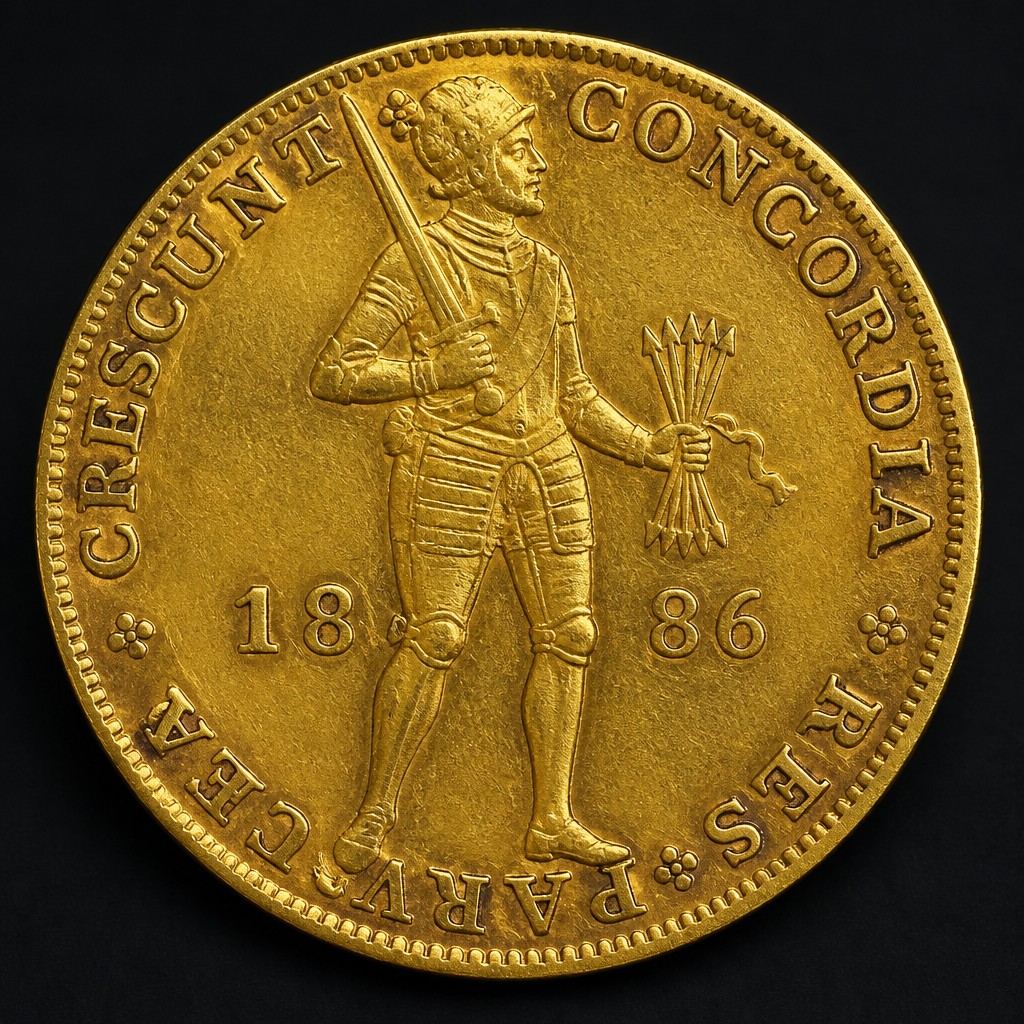
Dutch Ducat
c. 1586–present (classic type standardized after 1817)
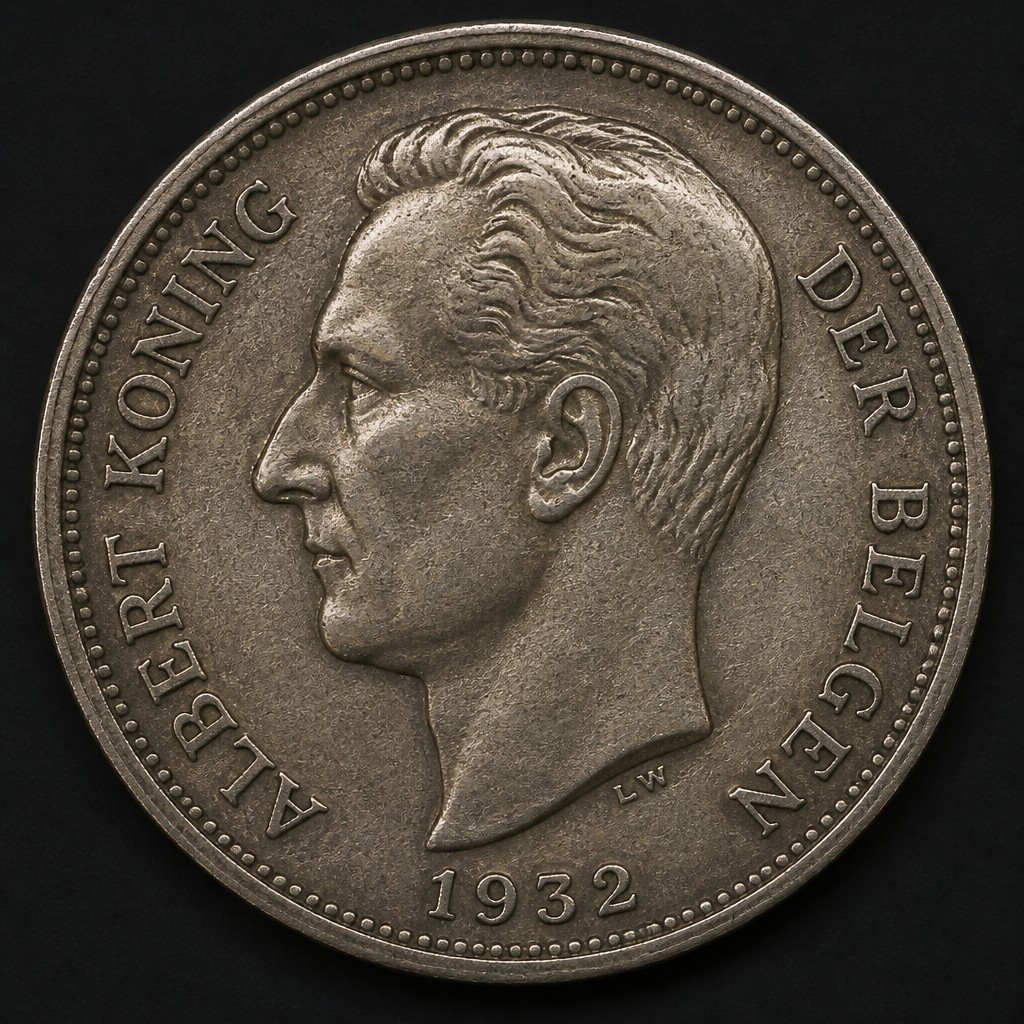
Belgian Franc
1832–2002
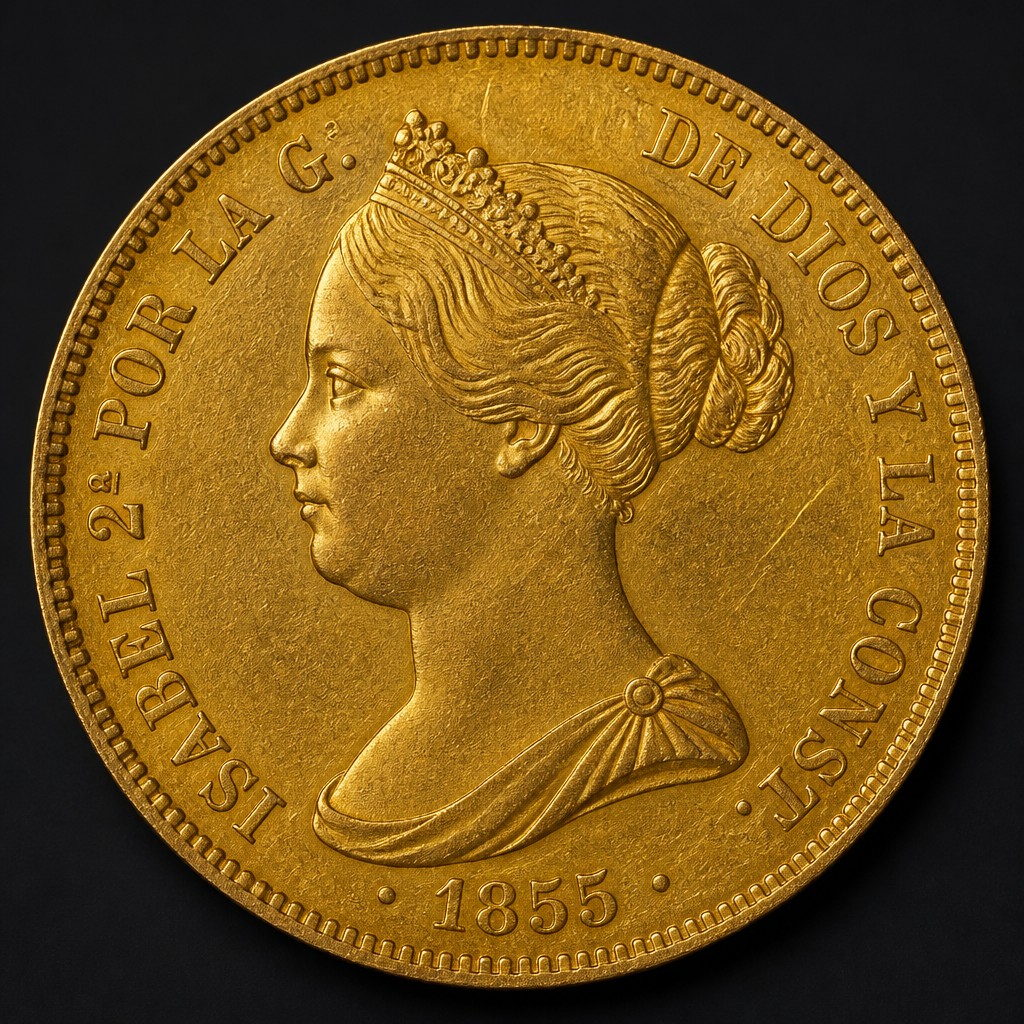
Spanish 100 Reales Gold (Isabel II)
1850s–1868
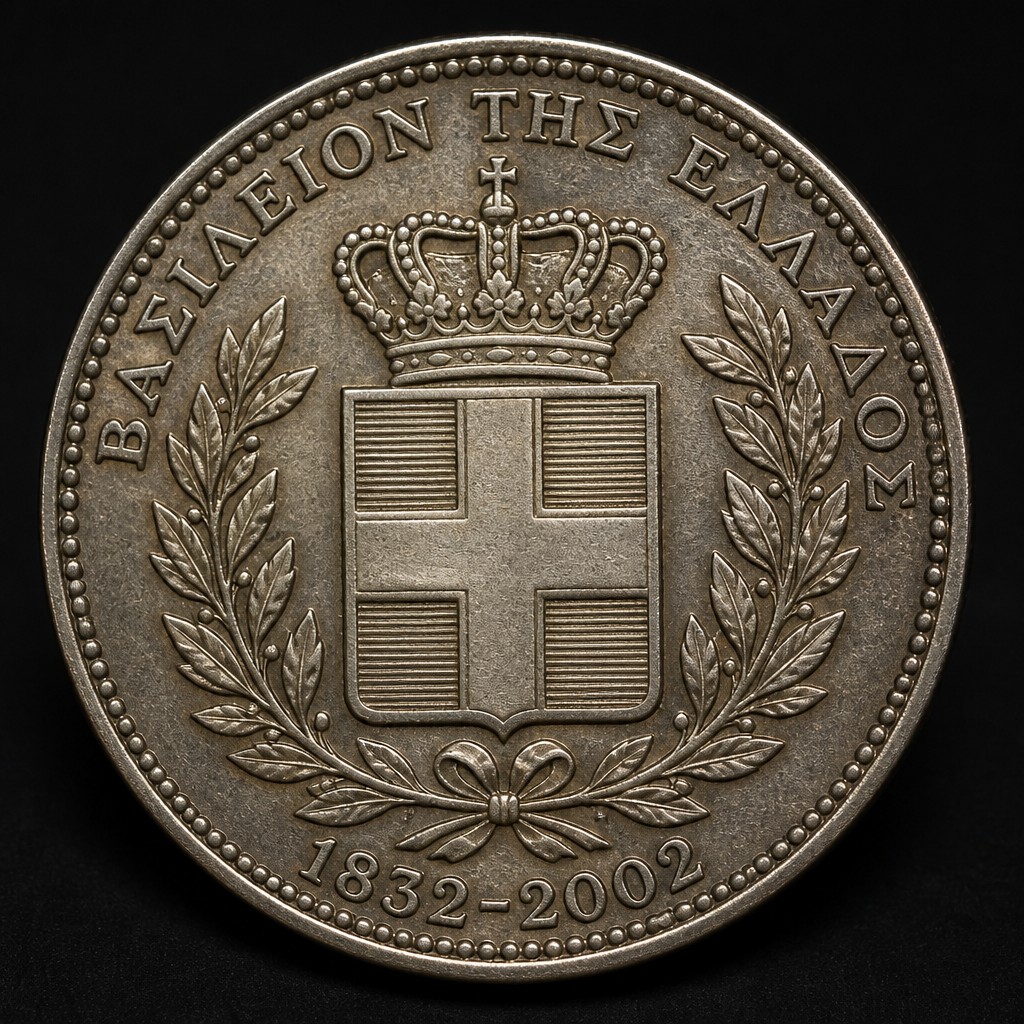
Greek Drachma
1832–2002
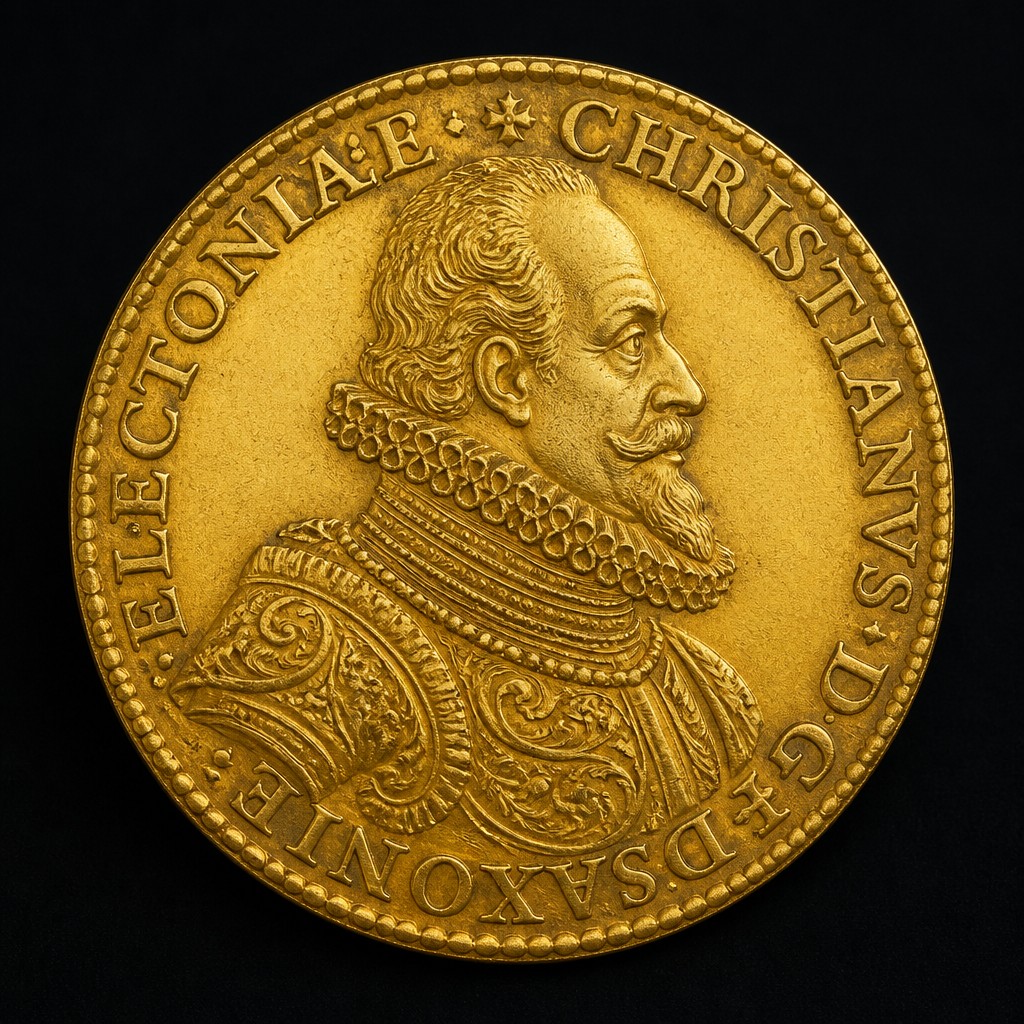
German Saxony Ducat
16th century–19th century
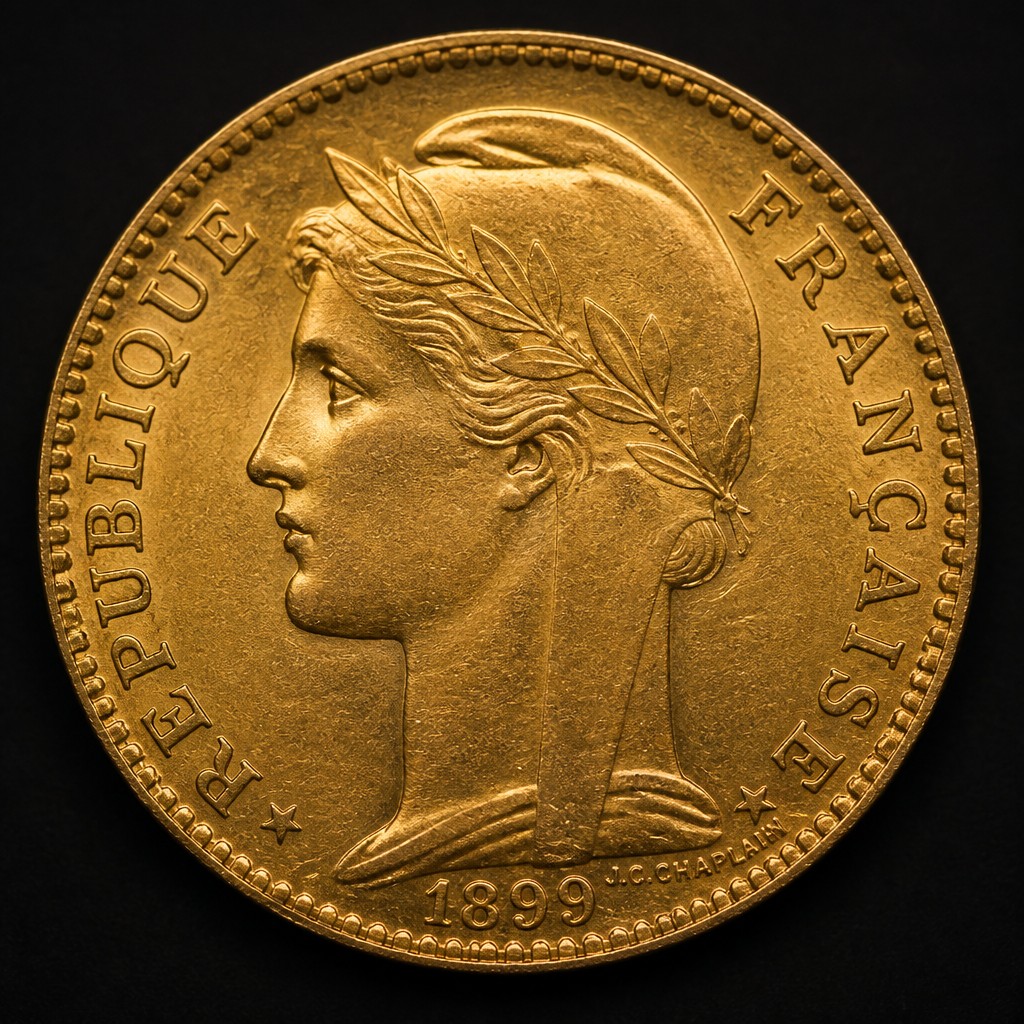
French 10 Francs Gold (Napoleon Rooster)
1899–1914
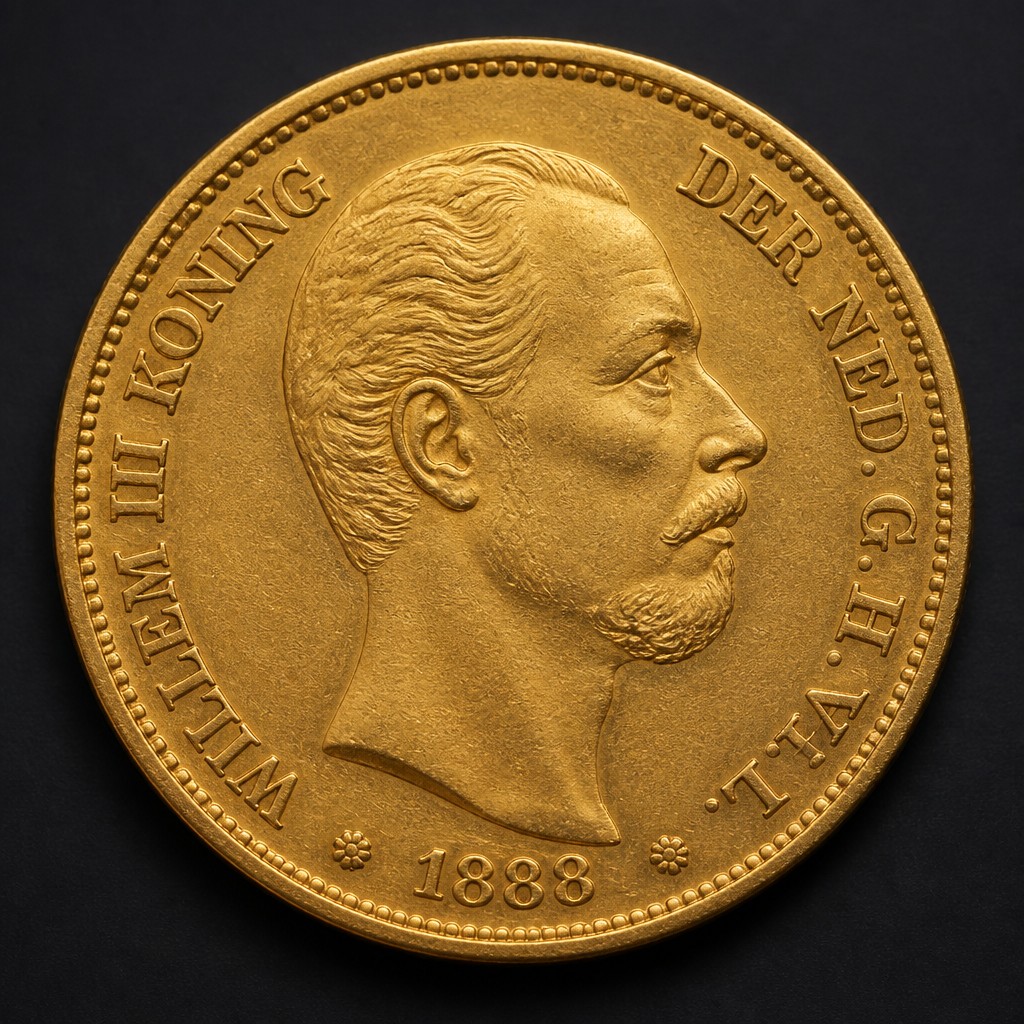
Netherlands 5 Gulden Gold
1826–1912 (intermittent)